In this guide
- 01The Calm-Pacing Rule That Changes Everything: Two Bases + One Ryokan
- 02Choose Your Onsen Like A Strategist: Hakone, Izu, Kinosaki, Or Kusatsu
- 03The Logistics Playbook: How To Stop Living Out Of A Suitcase
- 04A 7–10 Day Tokyo + Kyoto + Onsen Itinerary (Calm, Luxury, And Realistic)
- 05Kyoto Without The Crush: Quiet Rules We Actually Use
- 06What’s New In 2026 That Helps A Calm Itinerary (Tokyo + Kyoto)
- 07How To Book The Core Pieces (Without Guesswork)
- 08FAQ: Tokyo + Kyoto + Onsen With Calm Pacing
- 09Why Choose Japan Royal Service
You can do Tokyo, Kyoto, and an onsen in 7–10 days. The mistake is trying to do everything.
High-demand Japan years make that mistake feel even worse. Stations get louder. Check-ins get slower. Your days become a string of small frictions that quietly erode the trip you imagined.
Our team at Japan Royal Service designs luxury Japan travel around one principle: fewer moves, more texture. Think two strong bases, plus one ryokan interlude that resets your body and your mood.
The Calm-Pacing Rule That Changes Everything: Two Bases + One Ryokan
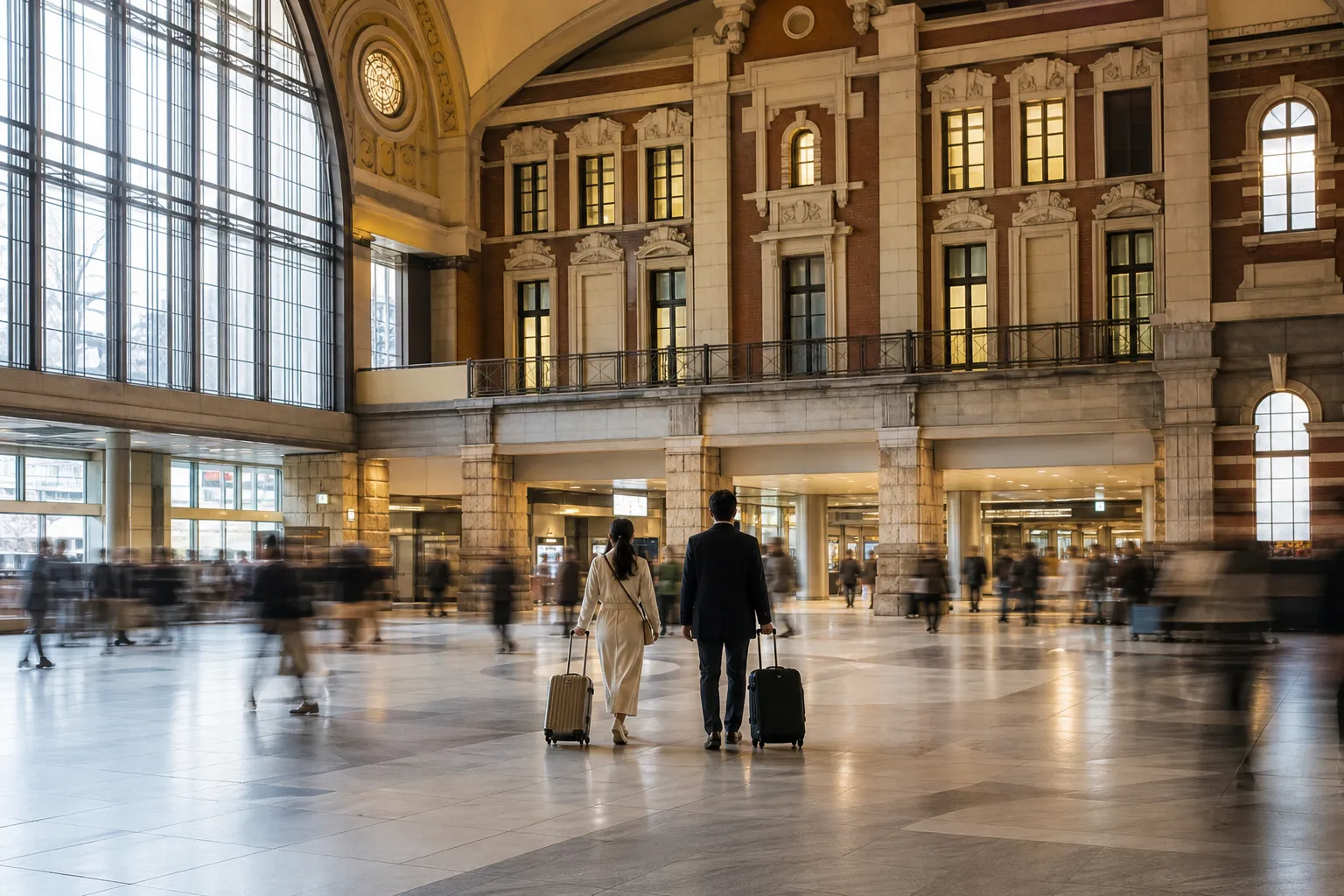
Most itineraries copy the Golden Route pattern because it works. Tokyo to Kyoto with a hot-spring stop in between is a clean line on a map.
What fails is the tempo. When you add Osaka, Hiroshima, and “just one more town,” the trip becomes a packing exercise with temples in the margins.
We prefer a 7–10 day blueprint that protects your energy. Two city bases. One onsen stay. That’s it.
What This Framework Gives You (That Fast Itineraries Don’t)
- Predictable mornings. You wake up knowing where your coffee, walk, and wardrobe live.
- Real depth. A single neighborhood can hold an entire day without feeling thin.
- Better discretion. Fewer lobby moments. Fewer public arrivals. Less visibility.
- Wabi-sabi pacing. Space for a garden bench, a rain shower, a quiet museum room.
Key fact: The Tokaido Shinkansen Nozomi takes about 130 minutes from Tokyo Station to Kyoto Station; Hikari takes about 170 minutes. The Japan Rail Pass cannot be used on Nozomi services. (Kyoto City Official Travel Guide)
Choose Your Onsen Like A Strategist: Hakone, Izu, Kinosaki, Or Kusatsu
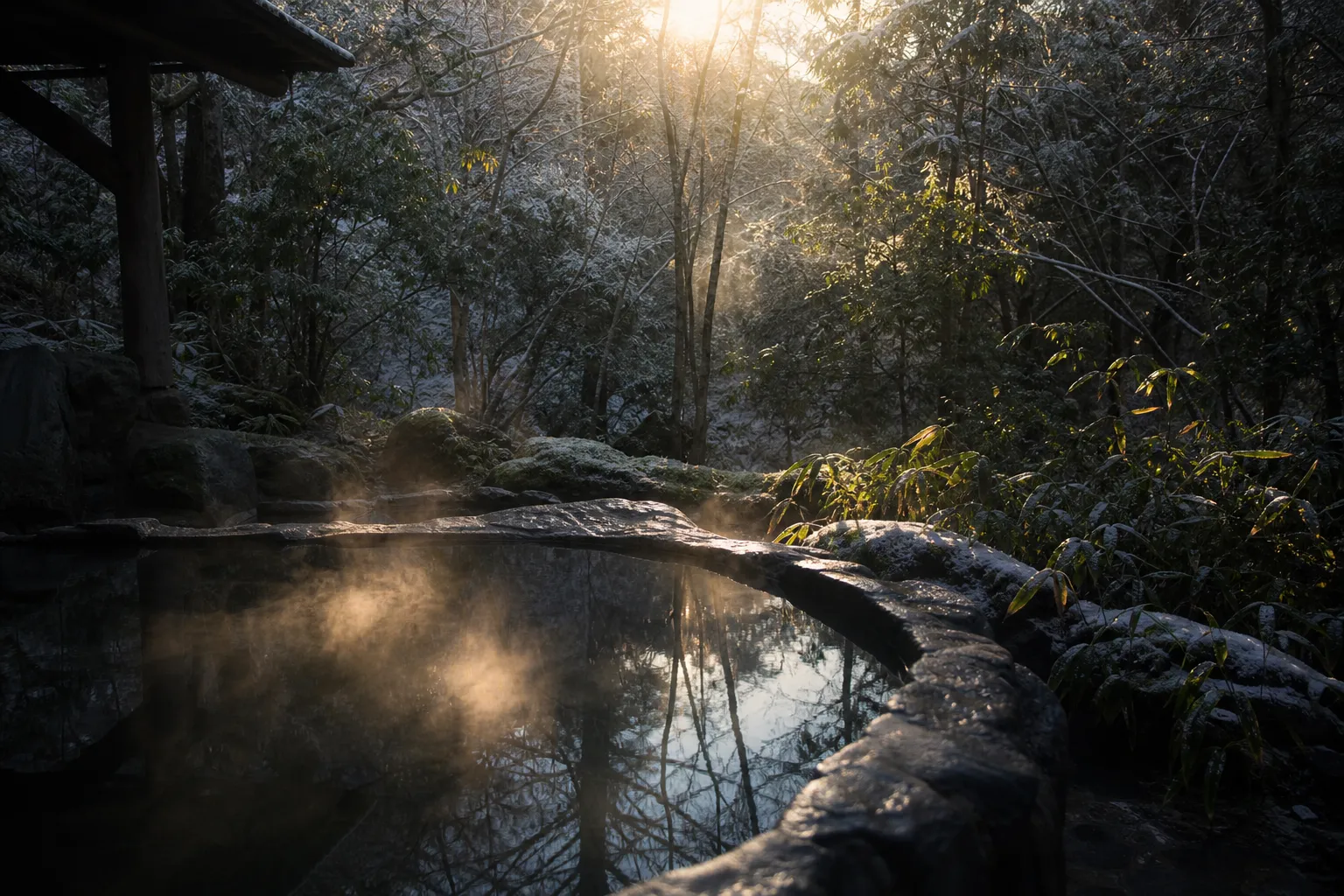
An onsen stay is not a “day trip.” Treat it as a designed pause.
The right choice depends on your tolerance for transit, your ideal bathing style, and whether you want a single ryokan cocoon or a town where you roam in yukata after dark.
Below is the decision logic we use when clients tell us, “We want hot springs, but we don’t want to feel dragged.”
Option A: Hakone (Classic Between Tokyo And Kyoto)
Hakone is the well-known middle stop on the Tokyo–Kyoto line, and many first-time itineraries place a ryokan stay here for exactly that reason.
It works when you want one onsen night without committing to a longer regional detour. The tradeoff is that certain areas can feel busy at peak times.
Option B: Izu Peninsula (A Softer Coastal Reset From Tokyo)
Izu is often chosen by travelers who want hot springs with a sea-and-mountain mood. It can feel more “weekend-house” than “tour circuit,” depending on where you stay.
We like it for guests who want quiet walks and private bathing time, not a checklist of viewpoints.
Option C: Kinosaki Onsen (Onsen Town Strolling And Bathhouse Culture)
Kinosaki Onsen is known for its seven public bathhouses (sotoyu). That bathhouse-hopping rhythm changes the feel of the stay.
It also has a practical difference. Visit Kinosaki notes that bathhouses allow tattoos of all shapes and sizes, which is unusual in Japan, and that accommodations typically provide a “yumepa” bath pass.
Option D: Kusatsu (A Purposeful Hot-Spring Focus, Especially With 2026 News)
Kusatsu is a dedicated onsen destination, the kind of place you choose because bathing is the headline. If you want a true reset, it’s a strong candidate.
For 2026 planning, Hoshino Resorts has announced KAI Kusatsu opening on June 7, 2026, which adds a fresh, design-forward onsen anchor to consider.
A Quick Onsen Decision Matrix (For Calm Pacing)
| Onsen Choice | Best For | Watch Outs |
|---|---|---|
| Hakone | First-time Tokyo–Kyoto travelers who want a logical midpoint | Can feel crowded in peak periods; route planning matters |
| Izu Peninsula | Coastal calm, private bathing, slower rhythm | Property selection is crucial; don’t assume every area is quiet |
| Kinosaki Onsen | Strolling in yukata and collecting bathhouse moments | More moving around than a single-ryokan stay; still restful, but social |
| Kusatsu | A true “recovery valve” focused on bathing and stillness | Plan transit cleanly to avoid losing the benefit to travel fatigue |
The Logistics Playbook: How To Stop Living Out Of A Suitcase
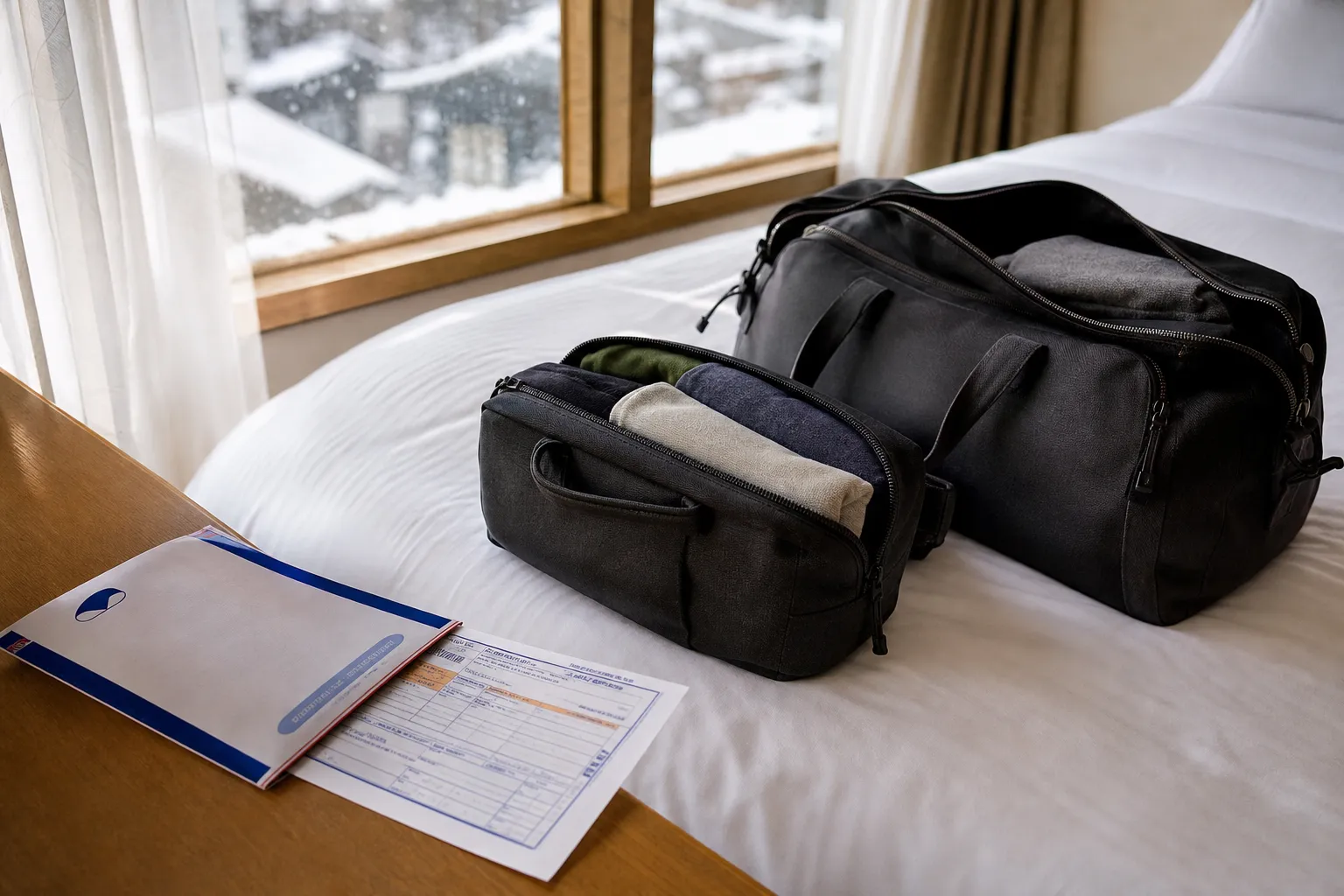
Luxury is not only a hotel. It’s how your shoulders feel at 4:00 p.m.
In our experience, the biggest energy leak on the Tokyo–Kyoto corridor is luggage. Big bags turn stations into obstacle courses and make taxis, elevators, and platform changes feel like small battles.
We design itineraries so you touch your main luggage as little as possible. Simple.
Use Luggage Forwarding As A Default, Not A Bonus
Japan’s luggage forwarding culture is mature and widely used by travelers. Your hotel can typically help you send bags onward so you travel with a light day bag.
The calm-pacing trick is timing. Forward large luggage from Tokyo to Kyoto while you do your one-night onsen stay with a small overnight bag.
That single choice changes the whole middle of the trip.
Private Transfers: Less Friction, Less Exposure
Public transport in Japan is efficient. It can also be physically taxing when you are carrying bags, navigating crowds, and watching the clock.
Our concierge team often recommends door-to-door private transfers for the pieces of the trip where guests most feel the strain: airport arrivals, ryokan moves, and evenings when you want to return quietly.
Japan Royal Service operates a fleet designed for discreet comfort, including Lexus LM 500, Mercedes V-Class, and Toyota Executive Alphard for families and executives.
A Minimalist Packing Strategy That Works In Japan
Overpacking is rarely about need. It’s anxiety in fabric form.
Japan rewards a smaller suitcase because shopping is easy, laundry support is common at higher-end properties, and you will remove shoes often, which makes footwear choices matter more than outfit volume.
- One formal look. For a high-level dinner or a performance.
- Two day uniforms. Neutral palette, repeatable layers, comfortable sleeves.
- One “temple shoe” rule. Slip-on, clean socks, no complicated laces.
- One compact bag. Phone, water, hand towel, light layer. Nothing else.
A 7–10 Day Tokyo + Kyoto + Onsen Itinerary (Calm, Luxury, And Realistic)
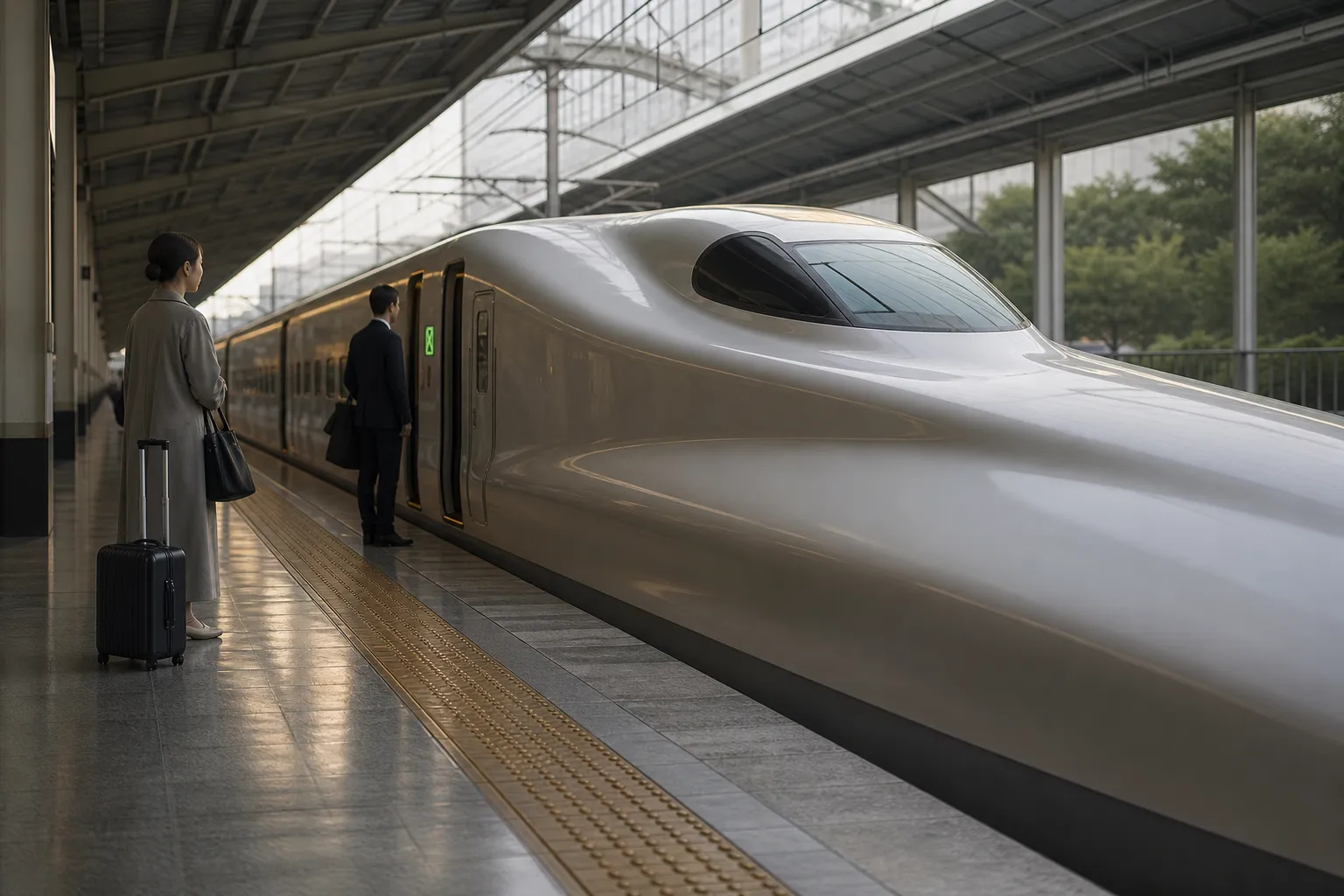
This is the structure we return to again and again. It’s readable. It’s sturdy. It leaves room for taste.
We’ll outline it in day blocks, then explain the quiet tactics that keep it feeling private even when Japan is busy.
Days 1–4: Tokyo Base (Arrival, Jet Lag Buffer, And One Deep Day)
Day one should be forgiving. A slow arrival, a good bath, an early dinner close to your hotel.
On day two, keep your radius small. Choose one area and let it unfold: a museum, a coffee counter, a garden bench, a late lunch.
By day three, your appetite returns. This is when we place a shokunin moment—an intimate workshop visit or a private session that trades spectacle for skill.
Day four becomes your “Tokyo deep day.” You can do a major museum plus a quiet neighborhood without feeling wrung out.
Days 5–6: One Ryokan Interlude (Your Recovery Valve)
This is the hinge of the trip. Don’t rush it.
Arrive before dusk if you can. Let the first soak happen in daylight, when your mind is still loud and the water slowly persuades it to soften.
Dinner is the ceremony. Not in a theatrical way, but in the way careful food and silence can turn a day into a memory.
In the morning, do less. That’s the point.
Days 7–10: Kyoto Base (One District A Day, Early Or Late Windows)
Kyoto punishes the over-scheduled. The city is compact, but crowds compress time.
We design Kyoto days by district. One area, one anchor site, one quiet counterweight—often a garden, a craft atelier, or a walk that has no “must-see” label.
Use early openings or late appointments. The light is softer, the air feels less argued over, and photos stop looking like evidence.
For a 7-day trip, you may only have two or three Kyoto days. For 10 days, you can add a slow Nara day without breaking the calm rhythm.
Kyoto Without The Crush: Quiet Rules We Actually Use
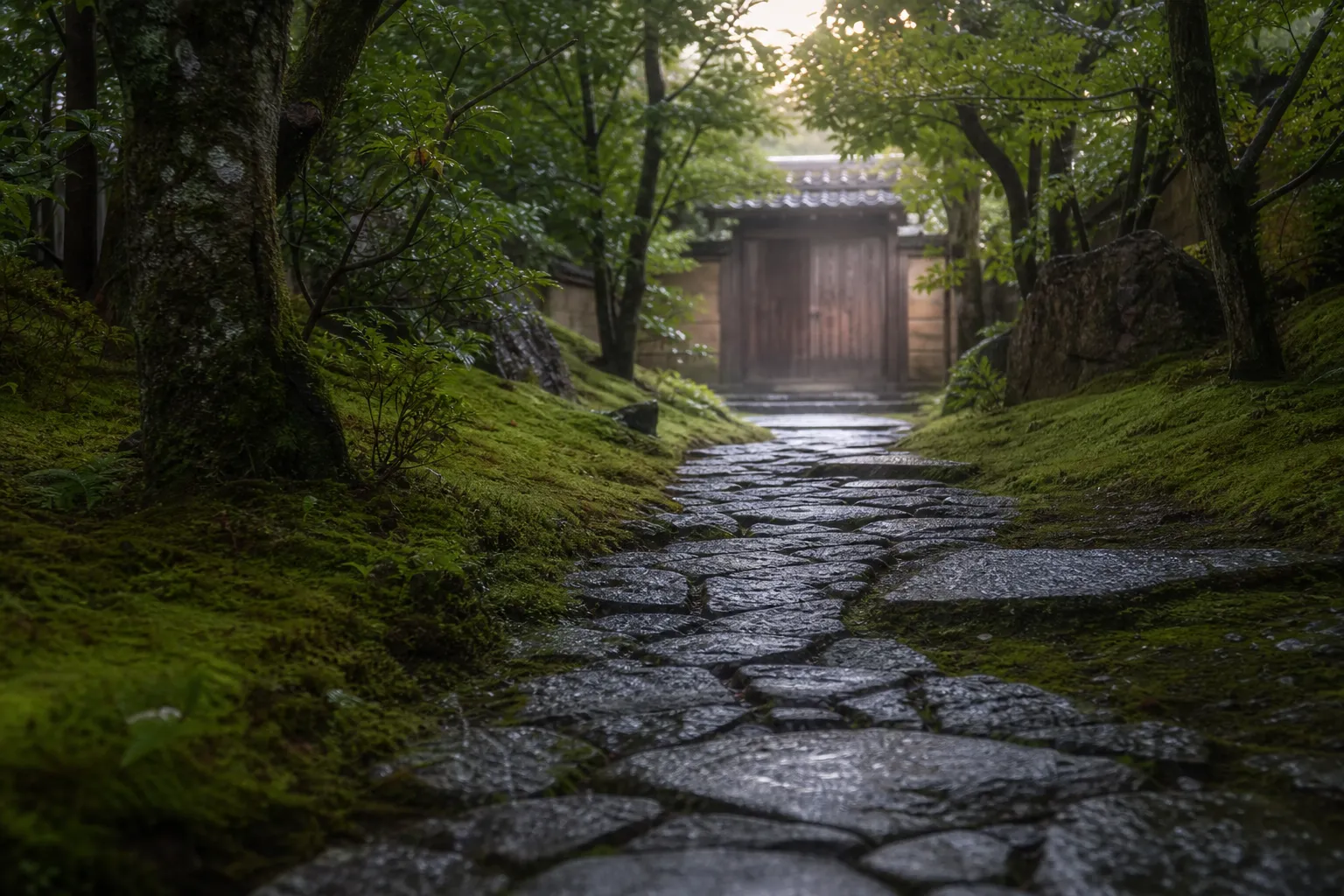
Kyoto is not hard because it’s complicated. It’s hard because it’s popular.
Our team at Japan Royal Service treats crowd avoidance as a design constraint, like daylight or weather. You don’t fix it with optimism.
You fix it with choices that look small on paper and feel huge in the moment.
Rule 1: One “Famous” Site Per Day
Pick your single headline site. Then protect it.
Don’t stack three high-demand spots back-to-back. That’s how you spend the day in lines, not in Kyoto.
After the headline, move toward restraint—small streets, gardens, a long lunch, a private cultural session.
Rule 2: If You Want Arashiyama, Make It A Morning With An Exit Plan
Arashiyama can be serene. It can also be a funnel.
The trick is arriving early, choosing one or two anchors, and leaving before the crowds thicken. Then you spend the afternoon somewhere calmer.
Restraint is not a compromise. It’s taste.
Rule 3: Keep Evenings Intimate
Kyoto at night can feel like a secret. Or it can feel like a parade, depending on where you land.
We lean toward discreet dining, private rooms where possible, and short transfers. Your best conversations often happen after you stop commuting.
This is where Hidden Japan begins to matter: the places that are not loud online, and are better that way.
What’s New In 2026 That Helps A Calm Itinerary (Tokyo + Kyoto)
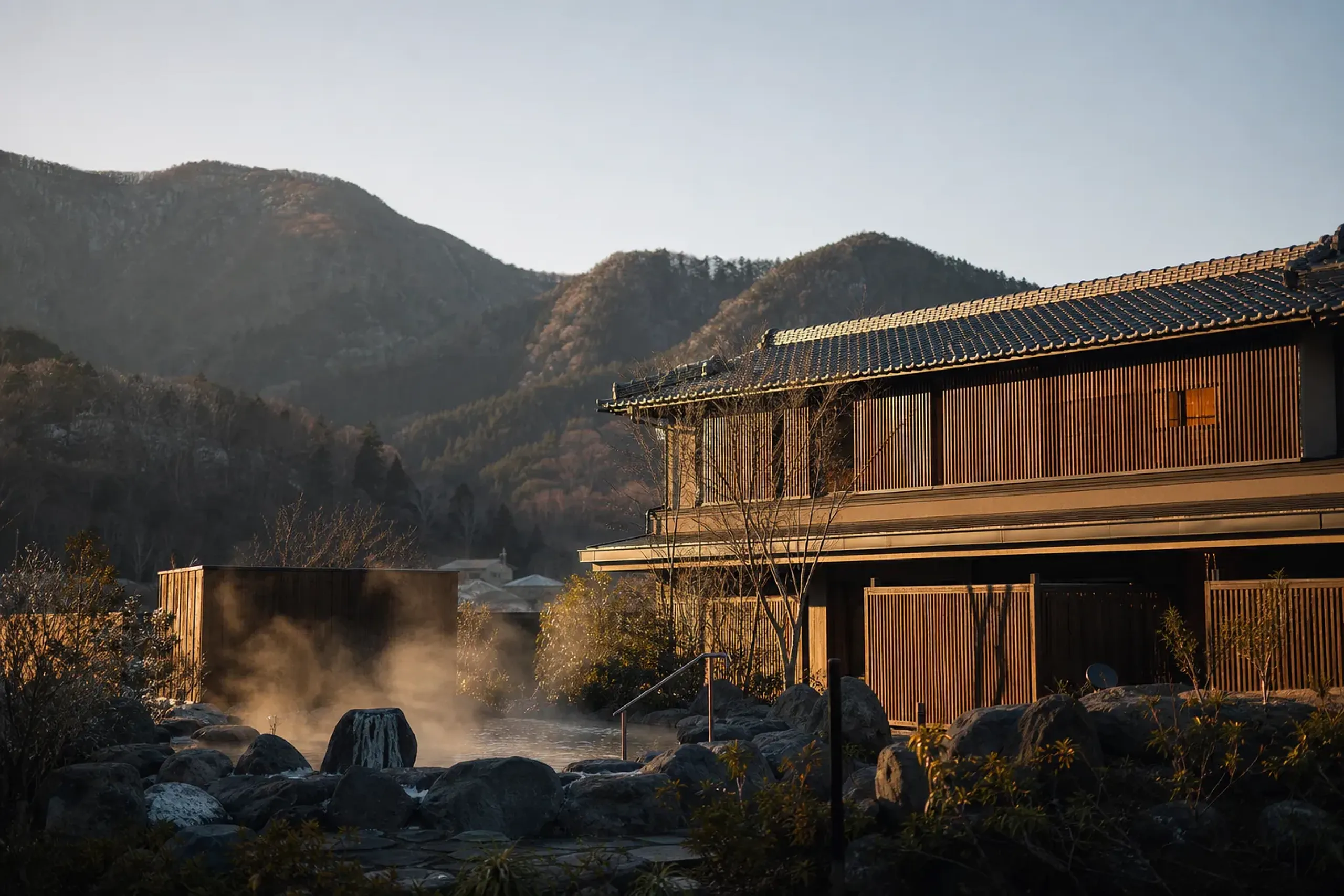
New openings are useful when they change route logic. Not when they become a shiny distraction.
For 2026–2027, a few developments are worth tracking because they can support privacy, better base selection, and a “stay fewer places, stay better” philosophy.
Tokyo: Renovations And Brand Shifts
Four Seasons has announced reservations for the newly transformed Four Seasons Hotel Tokyo at Marunouchi, planned to welcome guests in Spring 2026 following renovations.
Hilton has also announced that LXR Hotels & Resorts will debut in Tokyo via the rebranding of Hotel Gajoen, with a mid-2026 resumption of operations ahead of the brand’s official debut.
These changes matter because they can reshape where it feels calm to stay, especially when you want to minimize noisy transitions.
Kyoto: Two Openings That Add Fresh Options
Imperial Hotel, Kyoto is officially set to open on March 5, 2026. Capella Kyoto is set to open on March 22, 2026 in the Miyagawa-cho area.
For travelers who value imperial-class tone and discreet arrival habits, these openings are worth watching as part of a measured Kyoto base strategy. Not as a trophy.
Timing and availability will still dictate what’s realistic, especially in cherry blossom and autumn foliage periods.
How To Book The Core Pieces (Without Guesswork)
Japan planning is calmer when you separate “must lock in” items from flexible days. Your itinerary should not feel like a spreadsheet, but the foundations do need deadlines.
For rail, official ticketing channels and rules matter. Kyoto’s official travel guidance notes the approximate Shinkansen times, and it’s worth remembering the Japan Rail Pass cannot be used on Nozomi services.
For high-demand seasons, JNTO publishes official monthly visitor arrival statistics and press releases, which helps explain why certain windows sell out early. Use that reality to plan earlier, not to panic.
For questions, contact our concierge team at Japan Royal Service for tailored guidance on pacing, base selection, and what to lock in first.
FAQ: Tokyo + Kyoto + Onsen With Calm Pacing
Is 7 days enough for Tokyo, Kyoto, and an onsen?
Yes, if you keep it to two bases and one ryokan night. The trip feels tight when you add extra cities or switch hotels repeatedly.
Should we add Osaka on a first 7–10 day trip?
For many HNW travelers, Osaka is better as a future return than a rushed add-on. If you do it, consider it a single, deliberate day rather than another hotel move.
Do we need a Japan Rail Pass for this itinerary?
Not necessarily. Many travelers use point-to-point tickets for the Shinkansen. Remember that the Japan Rail Pass cannot be used on Nozomi services, which are among the fastest on the Tokaido Shinkansen line.
What’s the simplest way to avoid luggage stress?
Use luggage forwarding for your main bags and travel with a small overnight bag for the ryokan interlude. Your hotel can often assist with the process.
Which onsen is best if someone in our party has tattoos?
Kinosaki Onsen is a notable option because Visit Kinosaki states its bathhouses allow tattoos of all shapes and sizes, which is unusual in Japan. Individual ryokan policies vary by property, so confirm details for your specific stay.
Why Choose Japan Royal Service
Luxury travelers usually don’t need more options. They need fewer decisions, made with sharper judgment.
Our team at Japan Royal Service designs calm, discreet journeys built around wabi-sabi restraint, shokunin-level cultural depth, and imperial-class standards of conduct when the setting requires it. Privacy is not an add-on for us. It’s the starting point.
We also think practically. Premium private transportation, airport transfers, and itinerary pacing that respects your energy are the difference between “we did Japan” and “Japan stayed with us.”
If you’d like a tailored 7–10 day Tokyo + Kyoto + onsen plan, reach our team privately via WhatsApp or LINE, or at https://japanroyalservice.com/contact.