In this guide
- 01What Makes Aomori Nebuta Feel Different In Person
- 022026 Dates And The Night-By-Night Rhythm (Aug 2–7)
- 03VIP Viewing: What “Reserved” Actually Buys You
- 04Beyond Seats: The Craft Behind The Floats (Shokunin Access That Feels Real)
- 05How To Plan Your Aomori Stay: Calm Bases, Smart Distances
- 06White-Glove Logistics In Aomori: Transfers, Timing, And Discretion
- 07Guest’s-Eye Moment: The Night The Float Turned
- 08How To Book Reserved Seats And Fireworks Tickets (Official Pathways)
- 09FAQ: Aomori Nebuta VIP Planning
- 10Why Choose Japan Royal Service
The first thing you notice is the light.
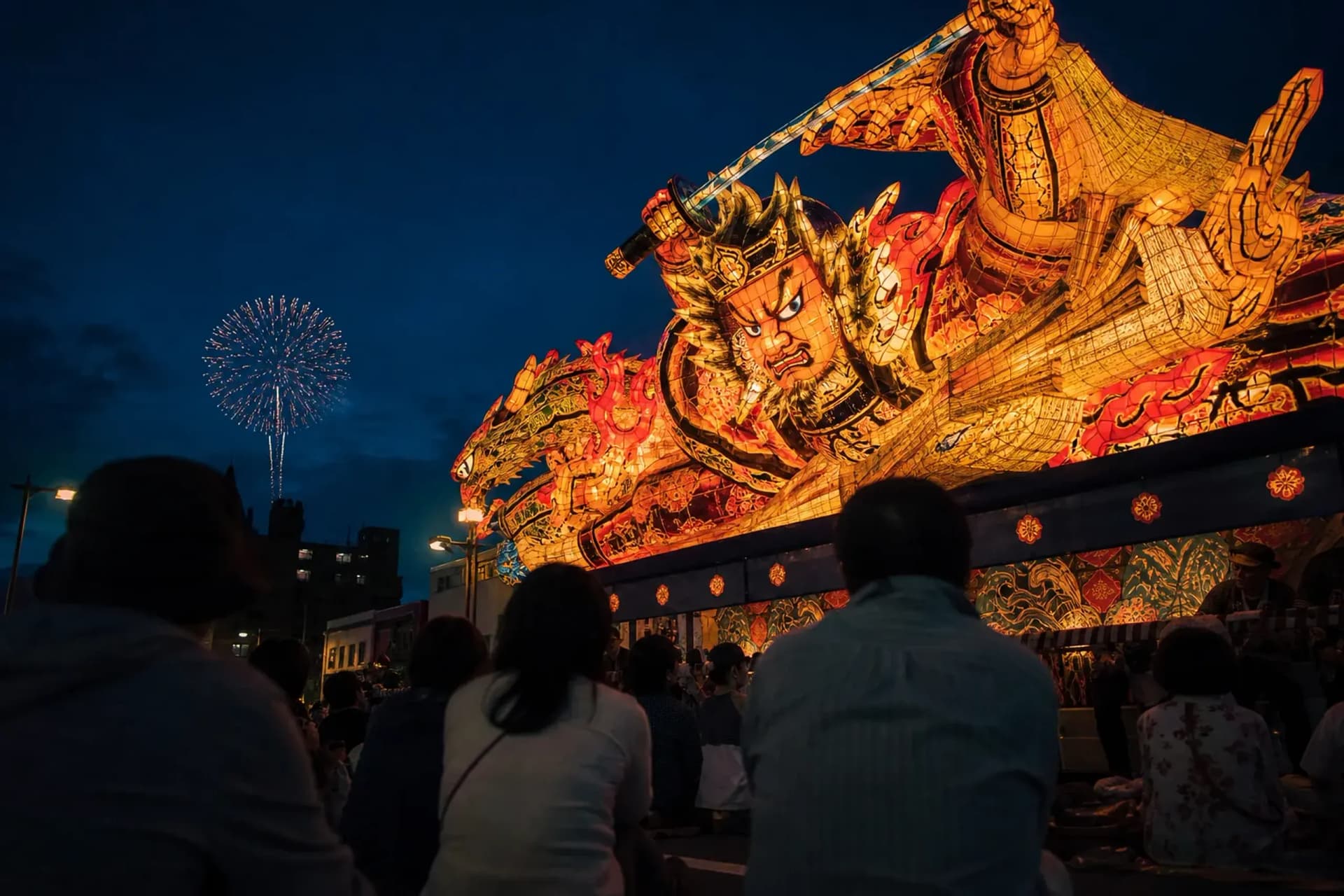
Not stage lighting. Not a screen. The glow comes from towering Nebuta floats—warriors, beasts, fierce faces—lit from within as they roll through Aomori City on an August night.
Then the sound hits. Taiko drums. Flutes. The crowd’s quick intake of breath as a float turns a corner and suddenly fills the street.
And then the squeeze. Shoulder-to-shoulder, standing-room pressure, phones raised. For many luxury travelers, that last part is the dealbreaker.
Our team at Japan Royal Service plans Aomori Nebuta week for guests who want the spectacle, but not the crush. That usually means learning what is truly official, what is sold as “VIP,” what changes night by night, and how to move through Aomori with discretion when the city is at full volume.
This guide is designed as a clear playbook. Dates. Seating types. The Aug 7 finale logic. And the small choices that decide whether the night feels effortless—or chaotic.
What Makes Aomori Nebuta Feel Different In Person
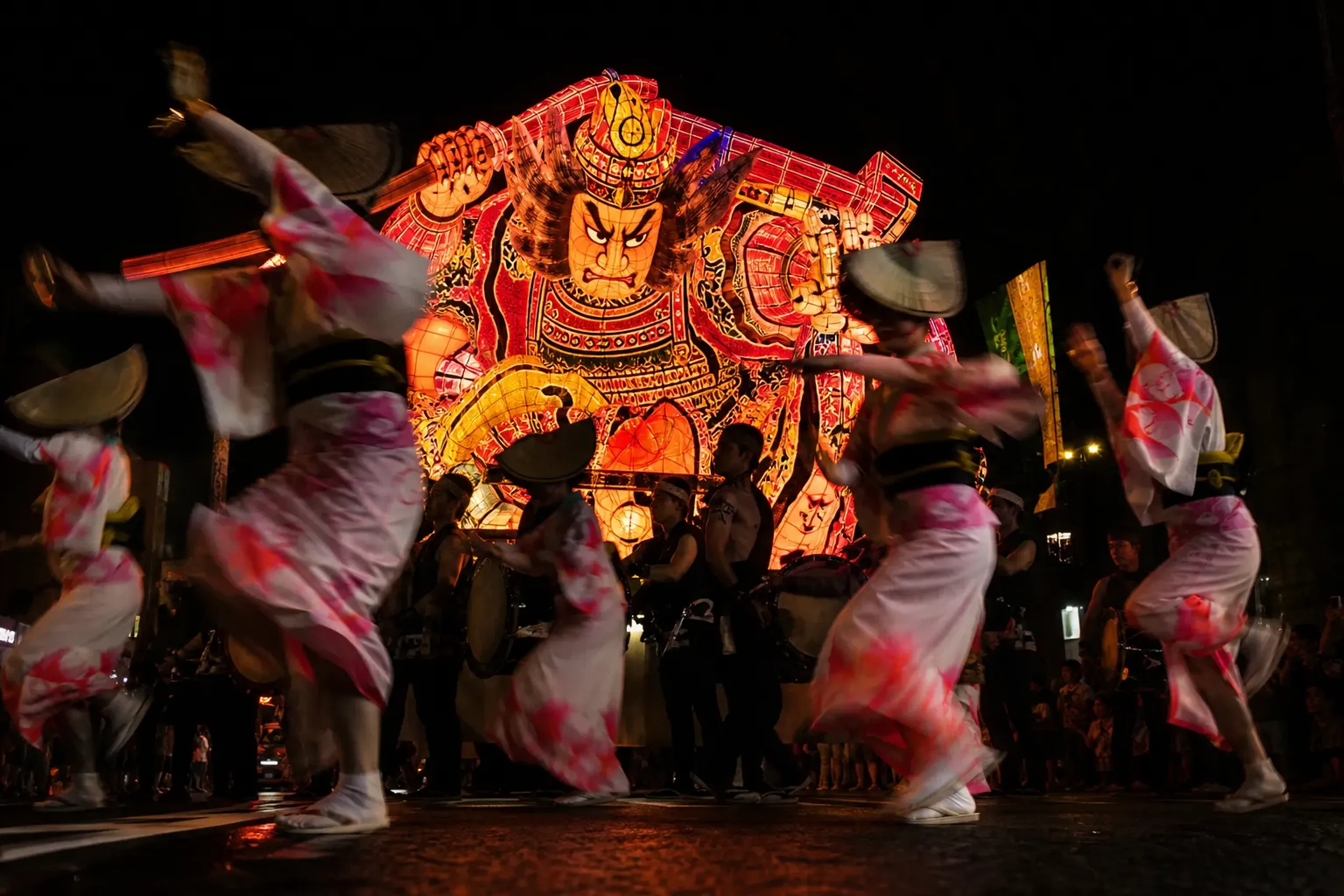
The scale is the point: Nebuta is felt as much as it’s seen.
Photos flatten Nebuta. Big mistake.
In person, the floats have scale you feel in your ribs—paper and wire made monumental, inches away, moving with surprising speed as pullers steer through tight streets.
The parade is not a passive watch. Haneto dancers surge alongside, chanting “Rassera,” their bells flashing when the light catches, and the energy keeps climbing until even a calm viewer starts leaning forward.
It is also a real cultural asset. The Aomori Nebuta Festival is designated an Important Intangible Folk Cultural Property, a detail that matters when you want depth, not just entertainment.
A Quick Orientation: Where It Happens
The main parade route runs as a loop around central Aomori. Roughly three kilometers.
That single fact explains most of the logistics: crowds concentrate around the loop, streets close, and “just take a taxi” becomes less realistic as the evening progresses.
2026 Dates And The Night-By-Night Rhythm (Aug 2–7)
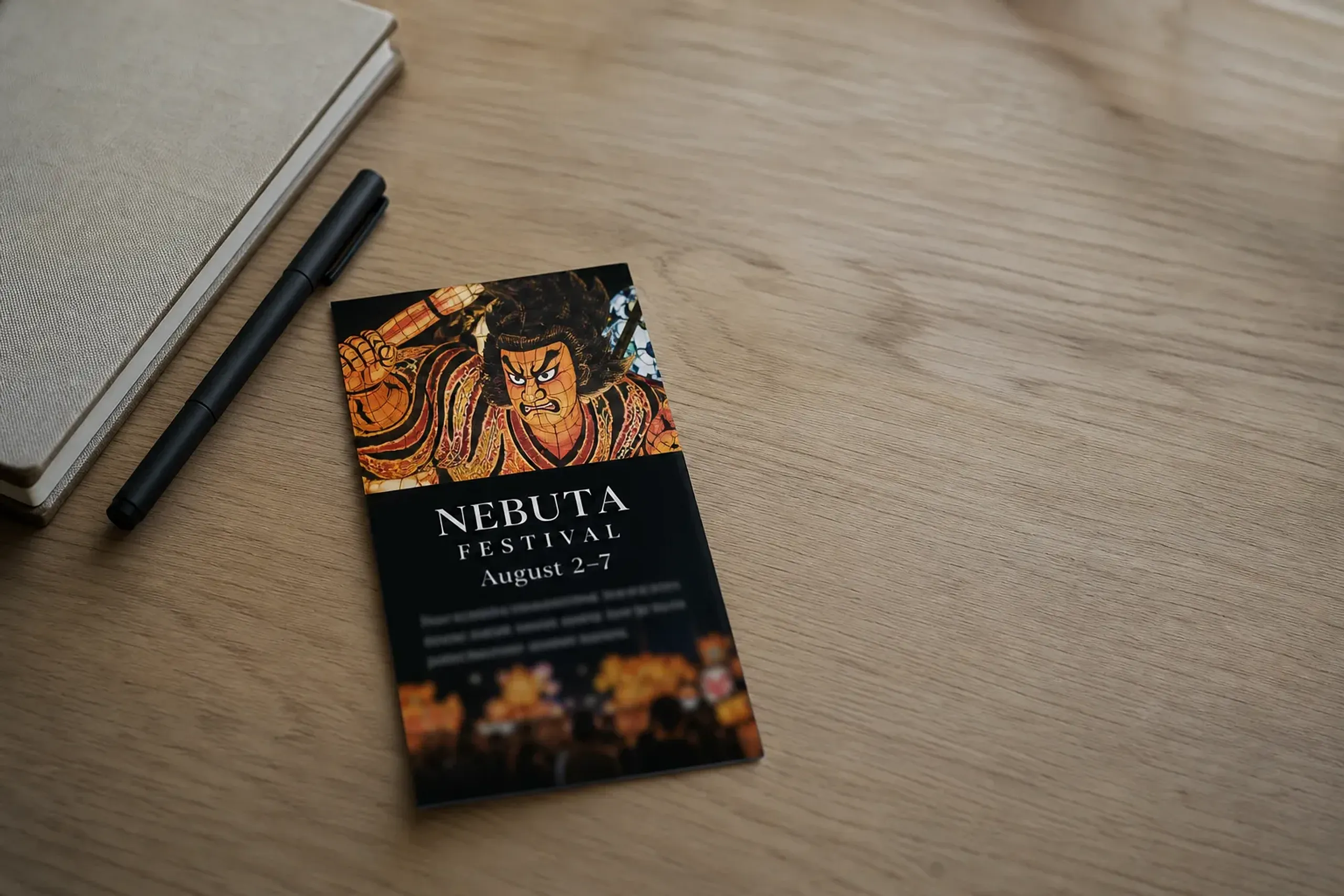
A clear calendar keeps Nebuta week from becoming guesswork.
Start with the calendar. Everything else hangs on it.
The Aomori Nebuta Festival is held annually in Aomori City from August 2 to August 7. The core pattern is consistent: night parades run Aug 2–6, then Aug 7 shifts to a daytime parade and an evening marine procession with fireworks.
Key fact: For overseas visitors, the official festival guidance states that reserved seat tickets are sold for Aug 2–6, and Aug 7 marine procession/fireworks ticketing is handled separately via the official Aomori Fireworks Festival website.
Aug 2–6: Night Parades (Reserved Seats Apply)
These are the nights most travelers picture: illuminated floats after dark, the sound carried down the streets, and the crowd’s attention fixed on the next turn of the route.
Reserved seating exists on these dates. Free ground seating also exists, and it can work. If you enjoy waiting early, standing up often, and negotiating sightlines.
Many HNW guests don’t. Fair.
Aug 7: Day Parade, Then Marine Procession And Fireworks
Aug 7 is not “another parade night.” It is a different composition.
The day parade offers a clearer look at craftsmanship—paint lines, expressions, the paper texture—because you’re not relying on internal illumination to read the figures.
In the evening, the program pivots toward the water and the fireworks finale. This is where planning often breaks down for first-time visitors, because ticketing pathways and viewing strategy are not the same as Aug 2–6.
VIP Viewing: What “Reserved” Actually Buys You
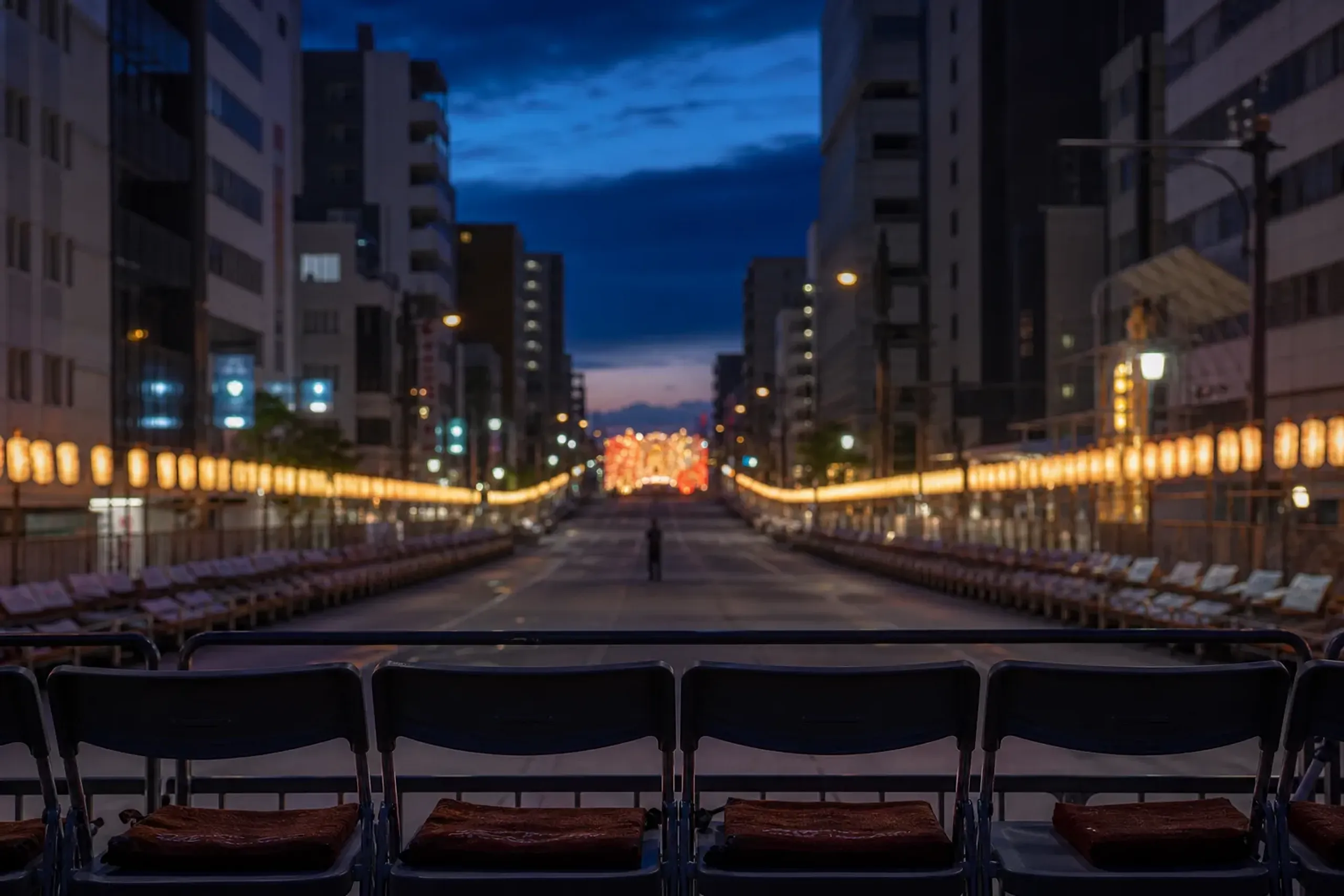
Comfort isn’t flashy. It’s a stable sightline and room to breathe.
“VIP” can mean anything. Annoying, but true.
For Nebuta week, the most practical luxury upgrade is simply an unobstructed vantage that removes the standing-crowd crush and the late-afternoon race to claim a patch of curb.
Officially, there are reserved seats offered for Aug 2–6. In the market, there are also premium viewing seat products sold by travel activity platforms and experience sellers, sometimes packaged with service layers like on-site hosting and refreshments.
Two Real-World Paths You’ll See Online
Our role on a public page is to keep the picture honest, not to promise what cannot be promised.
Option A: Official Reserved Seats (Aug 2–6)
The official Aomori Nebuta Festival website publishes schedule details and reserved-seat guidance, including a dedicated page for overseas visitors.
This path is the cleanest for guests who want to align tightly with the festival’s own system and terms.
- Best for: travelers who prioritize official channels and straightforward rules
- Applies to: night parades Aug 2–6
- What you get: a defined seat location along the route
Option B: Premium/VIP Seat Products (Aug 2–6)
Commercial listings exist for premium viewing seats marketed as VIP, including group-based options (often sold per group size) with inclusions described on the listing, such as concierge-style hosting and food/drinks.
These can suit travelers who want a more “hosted” evening rather than simply a ticket. Read the inclusions carefully; they are not standardized.
- Best for: guests who value a guided, comfort-forward format on festival night
- Applies to: typically Aug 2–6, depending on the listing
- What changes: service layers may be bundled, not just the seat
The VIP Reality Check: Seats Don’t Solve Everything
A great seat with a bad arrival plan still feels messy.
The friction points are predictable: where you get dropped off, how far you walk, what happens when streets close, and how you exit when thousands of people leave at once.
This is where a discreet logistics plan matters as much as the viewing itself—especially for HNW travelers who want the festival, but still want to sleep well afterward.
Beyond Seats: The Craft Behind The Floats (Shokunin Access That Feels Real)
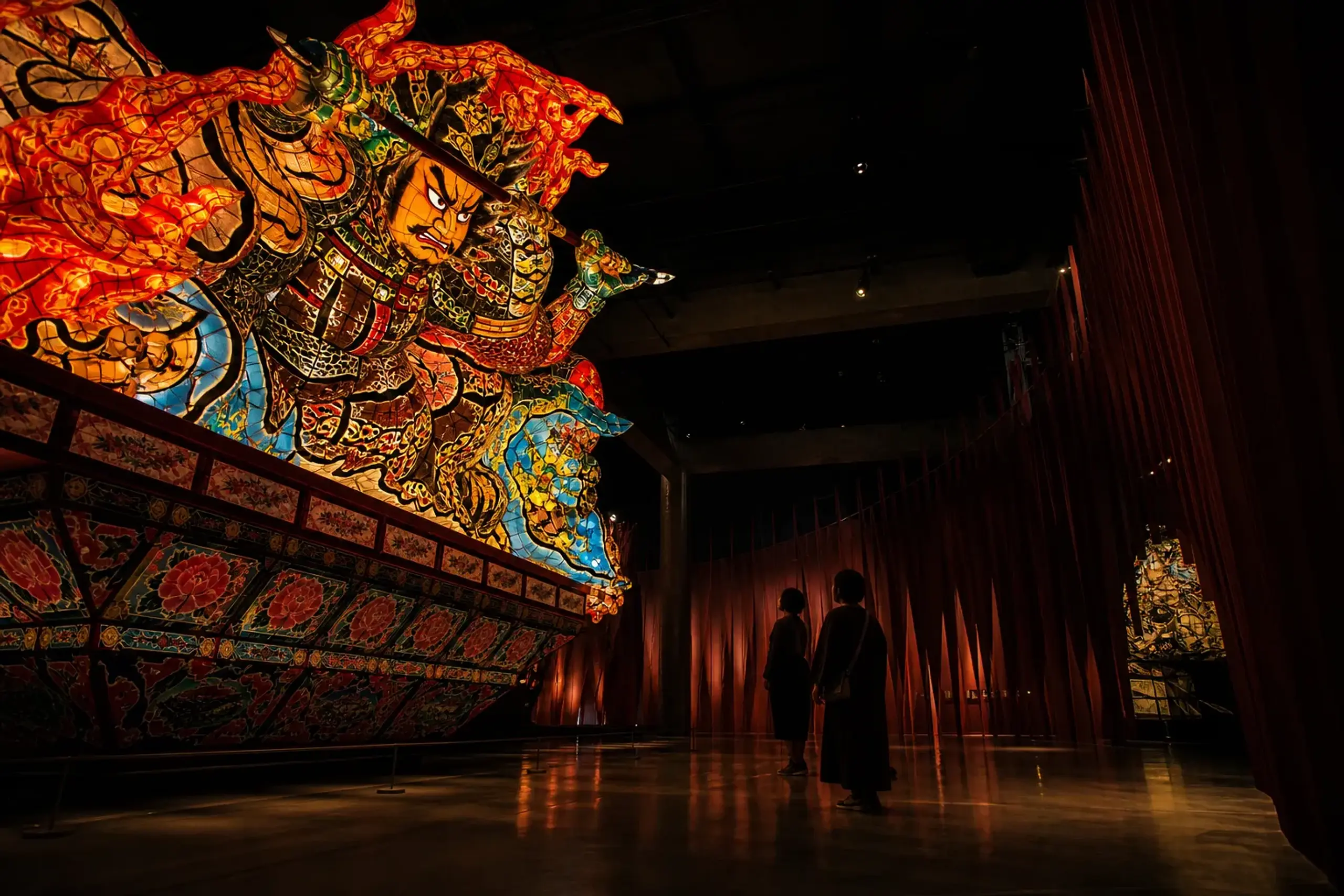
See the craftsmanship up close—without the street-level pressure.
Nebuta is not only a parade. It is making.
If you want an experience that stays with you, pair the night spectacle with a quieter encounter: how the faces are drawn, how the forms are built, what “big” looks like before it becomes public.
Two verifiable, meaningful ways to do this exist in Aomori.
Nebuta Museum Wa Rasse (Aomori): A Culture Anchor Off The Street
Nebuta Museum Wa Rasse is a consistent recommendation from official tourism channels for good reason. You can see actual Nebuta floats up close, in controlled light, without the crowd surge.
It is also a smart move if you miss the parade dates or want context before your first night out.
In our experience, visiting earlier in the day changes the evening. You watch with sharper eyes.
Seasonal Preparation Viewing: Nebuta Builder’s Huts
Aomori’s official travel guidance notes that nebuta builder’s huts are set up at Aoi-umi Park next to ASPAM from spring to summer each year, allowing visitors to see preparation.
This is not a staged “backstage.” It is practical work.
Timing matters. Go too late in the day and you may see less activity; go too early without confirming context and you may feel intrusive.
High-Touch Cultural Experiences (Third-Party Offerings)
There are also luxury cultural experiences on the market themed around Nebuta, including private museum tours/backstage-style visits or lantern creation with a Nebuta-related host, as described by established experience platforms.
Availability, terms, and what is included are defined by the provider. If you want tailored guidance on what fits your dates and travel style, guests may contact our concierge team at Japan Royal Service privately.
How To Plan Your Aomori Stay: Calm Bases, Smart Distances
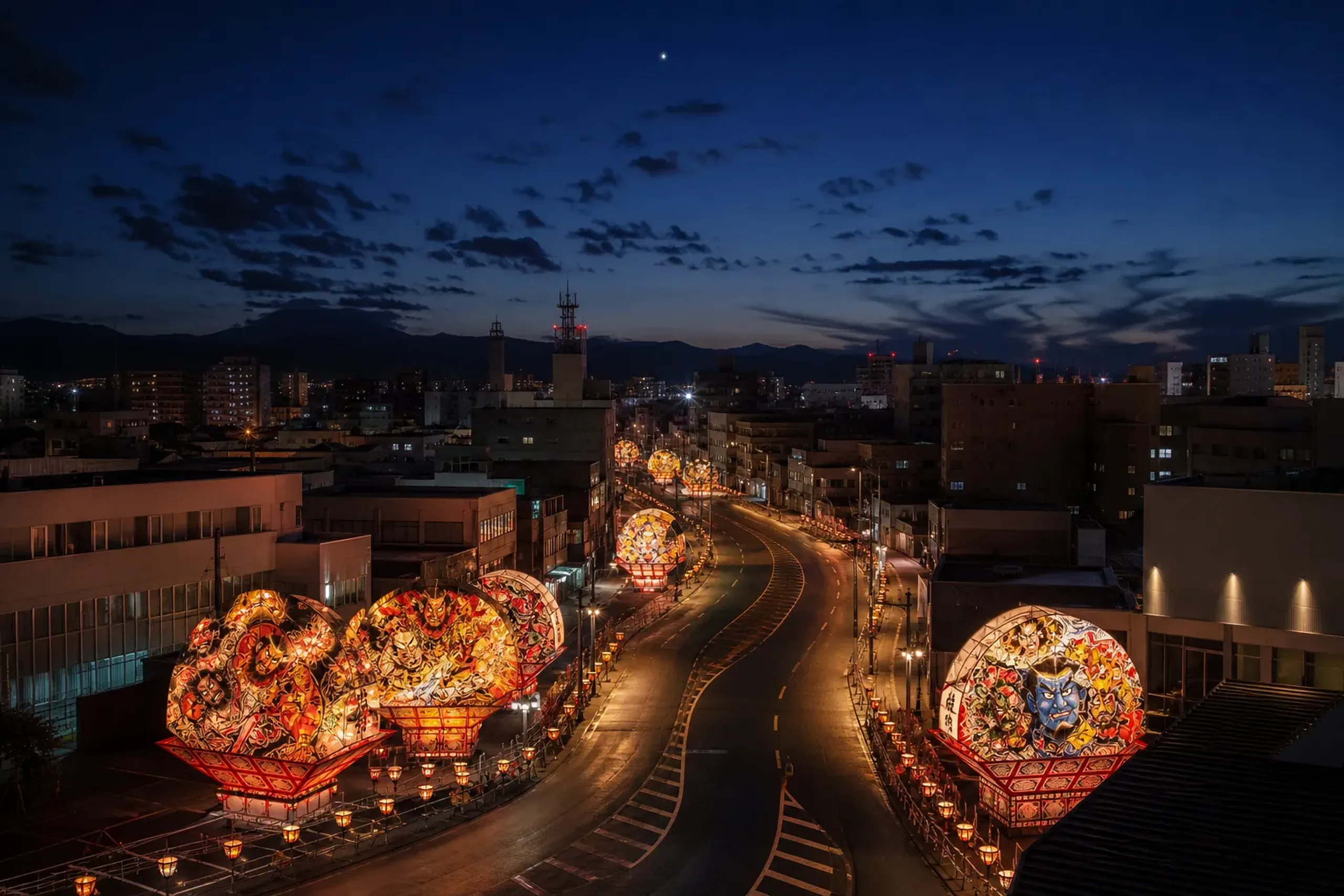
Aomori during Nebuta week is not a sleepy regional stop. It gets busy.
That does not mean you need to compromise on rest. It means you plan around what makes the nights late and the streets crowded, then protect mornings and transitions.
For HNW travelers, the goal is simple: keep the festival intense, and keep everything around it quiet.
Where To Base: Aomori City vs Nearby
If Nebuta is your main purpose, staying in Aomori City minimizes nightly friction. Shorter returns. Fewer moving parts.
Some guests choose to stay farther out for a different atmosphere, then come in for parade nights. It can work, but it amplifies transfer complexity on the most congested evenings.
We usually recommend deciding based on temperament. Do you want to decompress immediately after the parade, or are you comfortable with one more transit step?
What A “Wabi-Sabi” Pace Looks Like During Festival Week
Wabi-sabi is not a design slogan. It’s pacing.
It can mean moss and stone in the morning, then the bright violence of color at night. Contrast is the point.
In Aomori, a wabi-sabi approach often looks like: unhurried breakfasts, an afternoon museum visit, then a precise arrival window for the parade, and a quiet return that avoids the loudest exit funnels.
White-Glove Logistics In Aomori: Transfers, Timing, And Discretion

A calm vehicle creates a quiet perimeter around a loud night.
Crowds are not the enemy. Randomness is.
On Nebuta nights, a small misread—an overconfident pickup point, an extra dinner course, a casual “we’ll just stroll over”—can collapse into a rushed walk and compromised viewing.
Our team at Japan Royal Service focuses on controlled touchpoints: where you start, where you wait, when you move, and how you leave without broadcasting your identity.
Private Transportation: The Quiet Advantage
The first time you do Nebuta, you understand why a calm vehicle matters.
A chauffeured approach gives you a private pocket of silence before and after the noise, plus storage for layers, water, and anything you don’t want to carry through dense streets. It also reduces decision fatigue when roads change.
For guests exploring this style of travel, our private transportation service is outlined here: /services/transportation.
Arrival Windows: A Practical Rule
Arrive earlier than you think. Then stop moving.
Even with reserved seating, the stress usually comes from last-minute route closures and the “final 600 meters” on foot through crowds. We plan for that walk, not against it.
Once you are in place, the night becomes what it should be: a fixed viewpoint and a moving spectacle.
Discretion During Matsuri Week
Some guests want to be seen. Many don’t.
Discretion in Aomori is not about hiding. It’s about avoiding predictable attention magnets: the most congested entrances, the obvious waiting corners, and the social-media-friendly pauses that invite strangers into your space.
We keep itineraries quiet, names off paper where possible, and movements simple. Quiet is a choice.
Guest’s-Eye Moment: The Night The Float Turned
One of our guests described a moment we recognize instantly.
They were seated, not standing, with enough space to set a drink down without guarding it. Small detail. Huge relief.
As the next Nebuta float rounded the corner, the internal light caught the face—eyes, teeth, painted lines—and the taiko cadence tightened like a pulse. The crowd rose behind them, but their sightline stayed clean, and the whole scene felt less like endurance and more like theatre.
That is the shift HNW travelers are paying for. Not “more luxury.” Less friction.
How To Book Reserved Seats And Fireworks Tickets (Official Pathways)
This section is intentionally plain.
The official Aomori Nebuta Festival website publishes schedule information and reserved-seat guidance. For overseas visitors, the official guidance indicates that reserved seats for the 2026 festival are sold for Aug 2–6.
For Aug 7, the official guidance directs visitors to the official Aomori Fireworks Festival website for marine procession/fireworks ticketing pathways.
- Step 1: Confirm which date(s) you want: Aug 2–6 night parade seating vs Aug 7 finale programming.
- Step 2: Use the official festival site for reserved seating information and eligibility for overseas visitors (Aug 2–6).
- Step 3: Use the official fireworks festival site for Aug 7 ticketing and any stated sales channels.
Questions before you commit dates? Contact our concierge team for tailored guidance.
FAQ: Aomori Nebuta VIP Planning
Are there reserved seats every festival night?
Reserved seats are officially guided for Aug 2–6 night parades. The Aug 7 marine procession/fireworks follows separate ticketing guidance via the official fireworks festival website.
Is it possible to enjoy Nebuta without tickets?
Yes. There is free ground seating along the route, and many people stand. It can be fun. It can also be uncomfortable if you value space and a stable sightline.
What if we can’t travel on Aug 2–7?
Consider experiencing Nebuta culture at Nebuta Museum Wa Rasse, which is often recommended as a way to see floats and learn context beyond parade week.
Is Aug 7 worth it?
If you like finales, yes. Aug 7 combines a daytime parade with the evening marine procession and fireworks. It is a different feel from the night parades.
Can we participate as haneto dancers?
Haneto participation is part of Nebuta culture, and visitors may see opportunities to join depending on rules, attire, and local guidance in a given year. For guests who want to explore participation respectfully and with clear expectations, we recommend discussing it privately with our concierge.
How many nights should we plan in Aomori for a premium experience?
For many HNW travelers, 2–3 nights is the sweet spot: one museum/craft day, one or two parade nights, and a buffer for rest. Longer stays can work if you want to explore more of Tohoku at a calm pace.
Why Choose Japan Royal Service
Luxury travelers choose Japan Royal Service for a specific reason: we protect the parts of a journey that most planners treat as afterthoughts.
We build tailor-made itineraries around hidden-Japan logic, wabi-sabi pacing, and shokunin-led cultural depth, while keeping discretion as the non-negotiable baseline for every guest and every transfer.
For Aomori Nebuta week, that means we help you understand the official ticket landscape, choose a viewing strategy that suits your temperament, and design the quiet perimeter—private transport, arrival timing, decompression—so the festival feels thrilling rather than taxing.
If you want a Nebuta plan that is precise, discreet, and built around your real travel rhythm, reach our team privately via WhatsApp or LINE, or contact us here.