In this guide
- 01What You Are Actually Watching at Ukai
- 02Gifu: The Nagara River, Japan's Flagship Ukai
- 03Kyoto-Area Ukai: Uji and Arashiyama
- 04Ozu: The Hijikawa River in Shikoku
- 05Comparing the Three: Which River Suits Your Trip
- 06The One Variable Nobody Controls: Weather and Cancellations
- 07Pairing Ukai With the Rest of Your Journey
- 08Frequently Asked Questions
- 09Why Choose Japan Royal Service
Fire on black water. The low creak of an oar. A cormorant surfacing with a silver ayu caught in its throat, and the fisherman's practiced hand easing it free. This is ukai, night cormorant fishing, and it has held its rhythm for more than thirteen centuries.
Timing is everything here. Each river runs its own calendar, and the season shifts by weeks depending on where you stand. Get the month wrong and you arrive to a shuttered boathouse. Get it right, and you witness something almost no camera does justice to.
At Japan Royal Service, we plan these evenings for discerning travelers who want the real thing, watched from the right distance, on the right night. This guide lays out the confirmed 2026 season windows for the three most rewarding sites, plus how our concierge handles the one variable nobody controls: the weather.
What You Are Actually Watching at Ukai
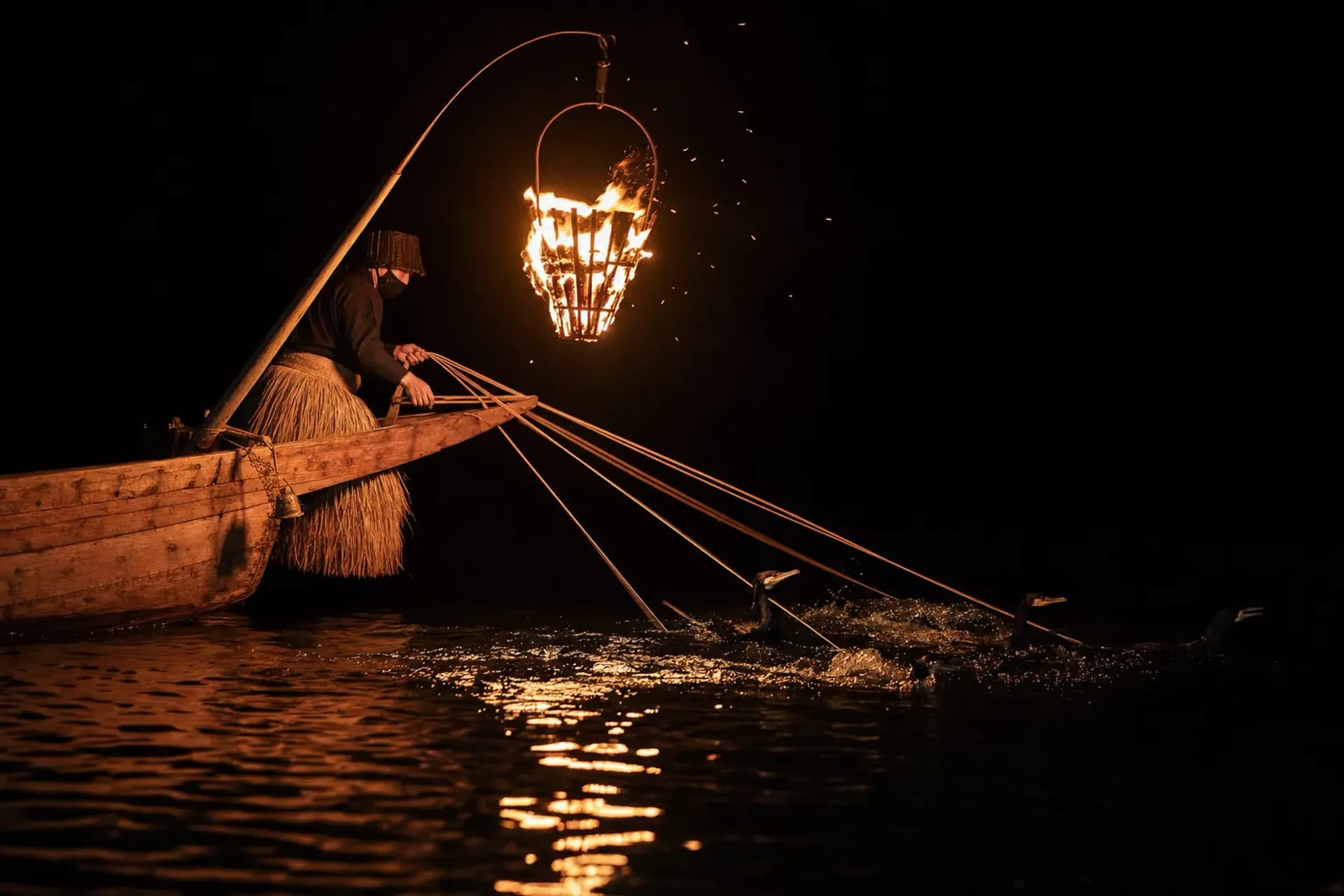
The ushō reads a dozen lines at once, guided only by the tension in his fingers.
Ukai uses trained cormorants to catch river fish, most famously ayu, the sweetfish that defines a Japanese summer. It happens after dark. Fires burn in iron baskets slung over the bow, and the light draws the fish toward the surface.
The master fisherman is called the ushō. He handles a dozen or so birds at once, each on its own line, reading the tension through his fingers alone. The birds dive, catch, and surface. A fitted ring at the base of the throat lets them swallow the small fish while holding the prized ayu for the ushō.
The Japan Tourism Agency counts eleven places in Japan where this tradition still lives. Three stand above the rest for a luxury traveler: Gifu's Nagara River, the Kyoto-area rivers of Uji and Arashiyama, and Ozu's Hijikawa in Ehime. Each offers a different mood entirely.
A note on how to watch. Sound carries over water. Flash photography startles the birds and irritates the ushō, who is working, not performing. Our coordinators brief every guest quietly before the boat pushes off, so you arrive respectful and unhurried.
Gifu: The Nagara River, Japan's Flagship Ukai
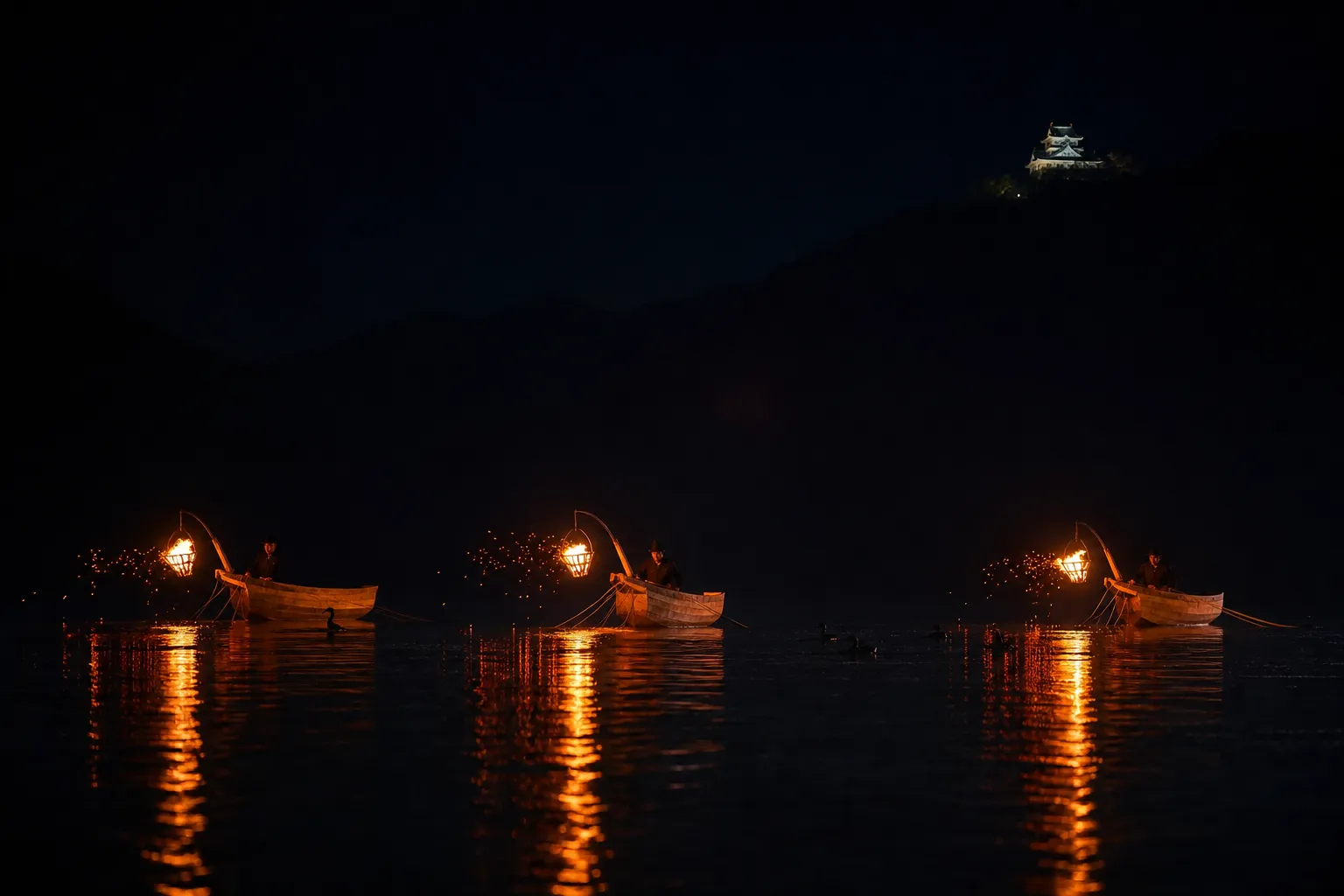
Gifu's Nagara River ukai carries more than 1,300 years of unbroken tradition.
If you see ukai once, see it here. The Nagara River tradition in Gifu City runs past 1,300 years, and its fishermen carry a formal connection to the imperial household. The setting helps too, with Gifu Castle lit on the mountain above the water.
Confirmed 2026 Season Dates
The official Gifu City ukai calendar sets the 2026 season from May 11 to October 15. There is one deliberate rest night. On September 24, 2026, the Harvest Moon, fishing does not take place. It is not held between October 16 and May 10 either, so plan inside that window.
Key fact: Nagara River ukai does not run on September 24, 2026 (Harvest Moon), and may cancel on any night when the river swells from rain. Always build a buffer night into a Gifu itinerary.
The Best Months for Atmosphere
Early summer, roughly late May into June, gives you cooler evenings and thinner crowds. The ayu are young and the river runs clear. Late summer into early autumn brings warmer nights and a fuller river, though September evenings can turn muggy.
Our own preference leans to June and early September. You dodge the peak Obon congestion of mid-August, and the light on the water feels softer. Private viewing products for the Nagara do exist in the market, some pairing a chartered boat with dinner and geisha entertainment, and demand for these climbs fast once summer opens.
How We Frame a Gifu Evening
A full evening works best layered. Afternoon at the Nagara River Ukai Museum sets the history. A private chauffeured transfer avoids the parking crush near the boarding docks. Then a viewing boat positioned close enough to feel the heat of the fire baskets, with dinner arranged around the schedule rather than against it.
Kyoto-Area Ukai: Uji and Arashiyama
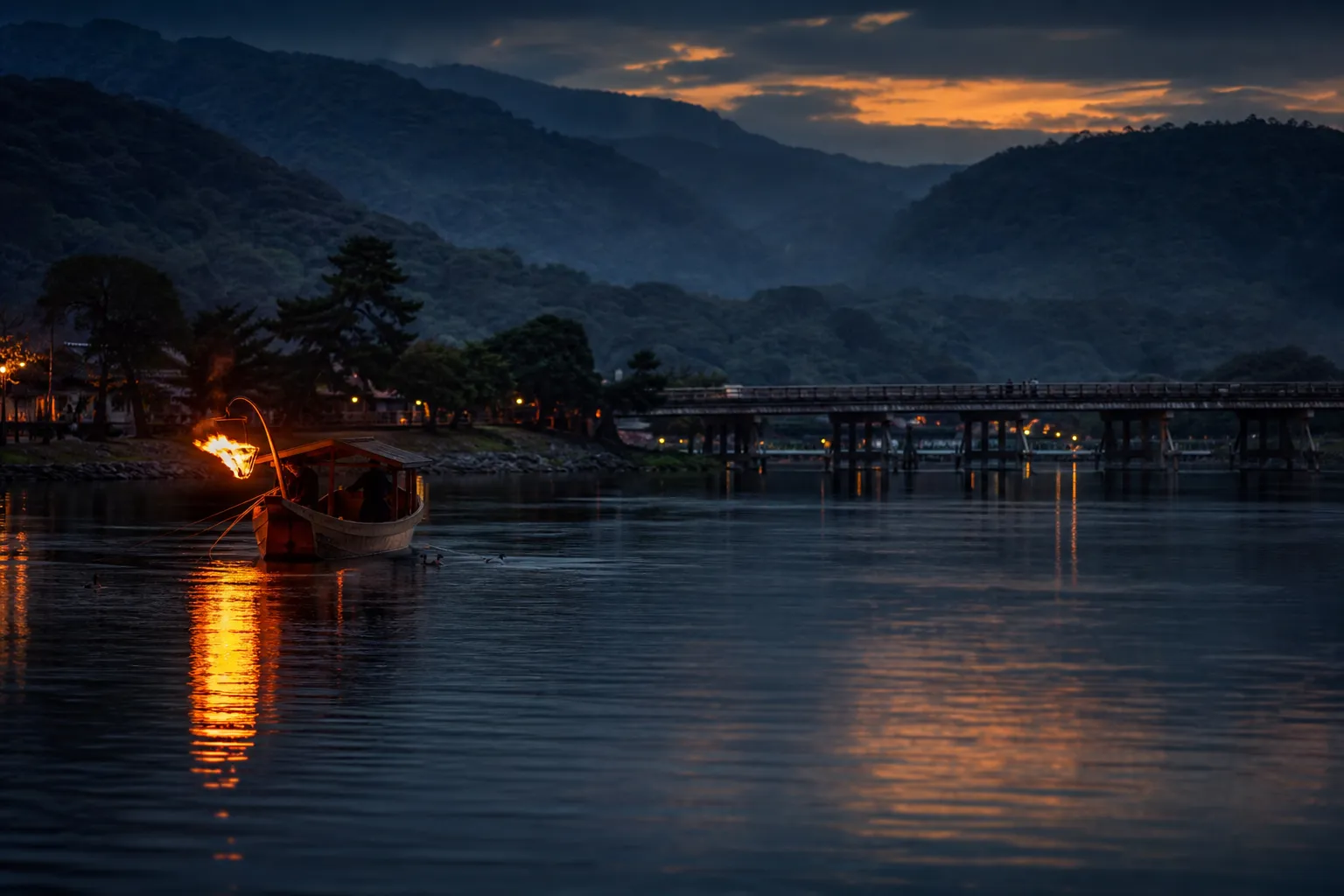
Arashiyama's ukai runs July 1 to September 23 in 2026, on the Oi River.
Here is the correction most planning misses. There is no cormorant fishing in central Kyoto. The Kyoto-area ukai happens at two edges of the prefecture, and knowing which suits your stay saves real friction.
Arashiyama on the Oi River
Arashiyama gives you Kyoto's most photographed river backdrop after dark. The ukai here runs a tighter window. Published 2026 listings set it from July 1 to September 23, on the Oi River, operated by Arashiyama Tsusen. It pairs naturally with a daytime in the bamboo groves and a temple viewing before dusk.
Uji: Kyoto Without the Crowds
Uji sits south of the city, famous for the finest matcha in Japan and for Byodo-in temple. The Uji City Tourist Association holds its cormorant fishing on summer nights, and Kyoto's official travel guide lists it as a July-to-August evening event beginning around 6:30 p.m.
This is our quiet favorite for a certain kind of traveler. Spend the afternoon in a tea house grinding stone-milled matcha, walk the riverbank as the light drops, then board for ukai as the fires catch. Two Japan-that-guidebooks-skim experiences in one unhurried day, and far fewer visitors than Arashiyama.
Ozu: The Hijikawa River in Shikoku
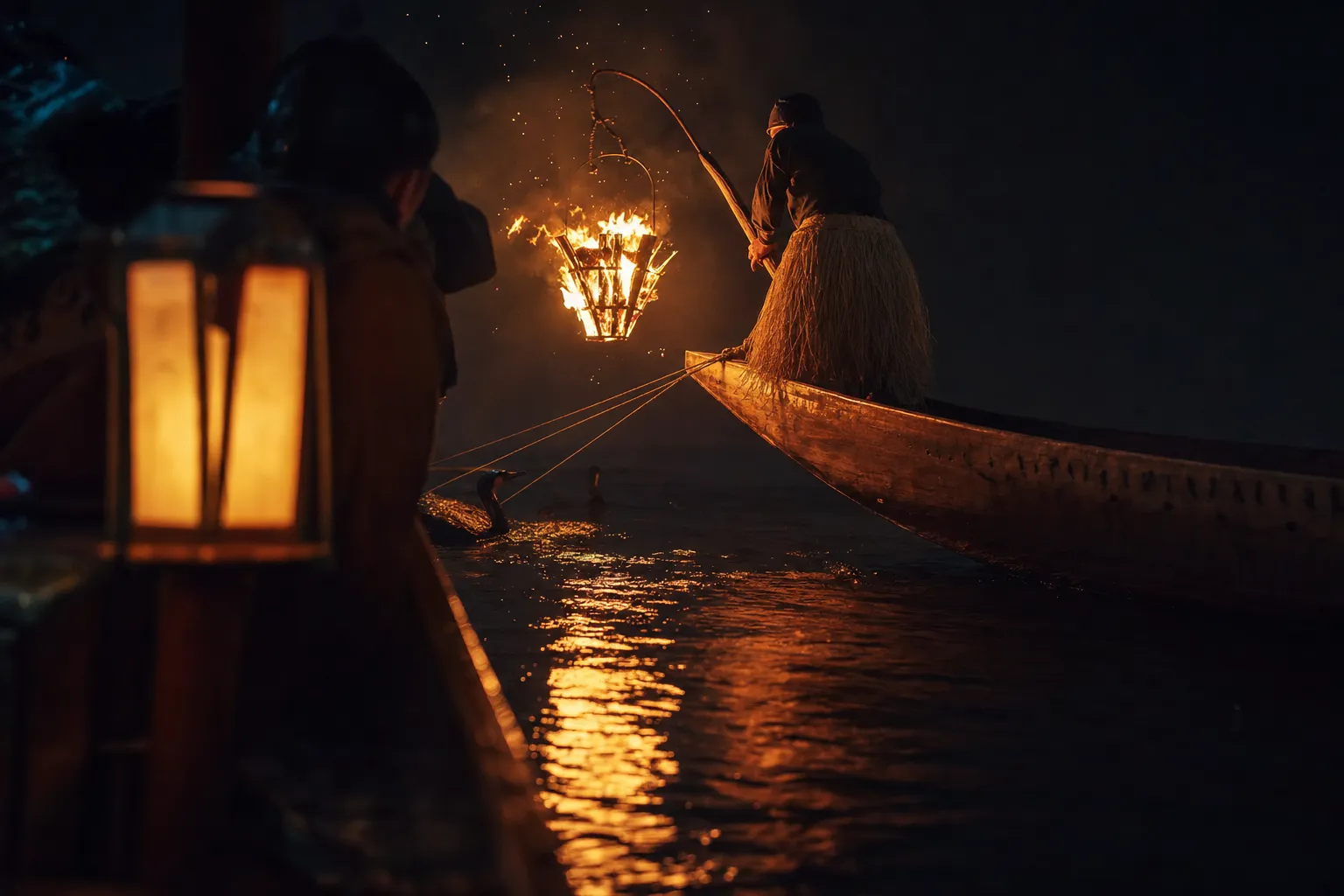
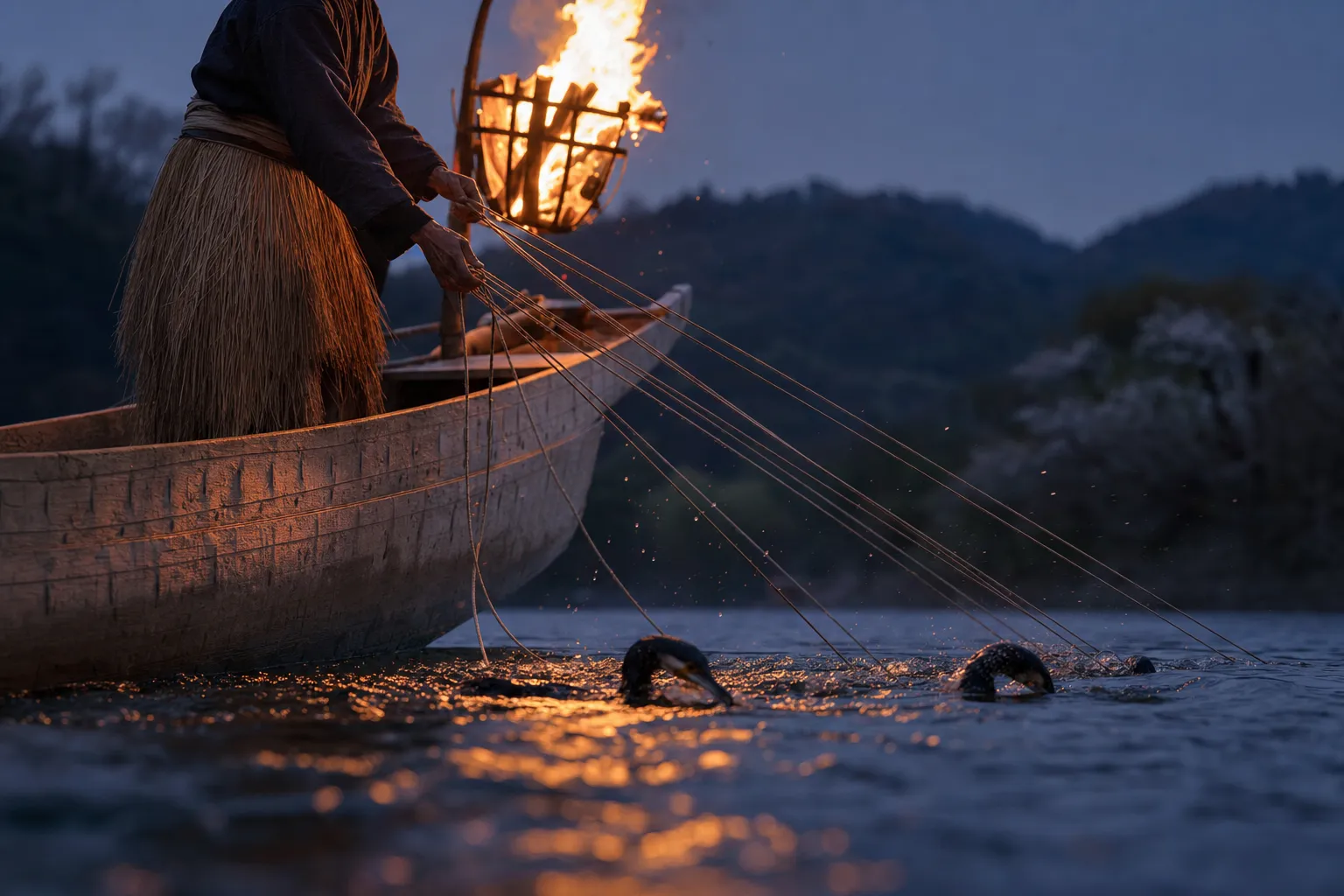
Ozu's awase ukai places guests almost within arm's reach of the fishing master.
Ozu is the one competitors rarely reach. A small castle town on the Hijikawa River in Ehime, on the island of Shikoku, it counts among Japan's three great ukai alongside Gifu's Nagara and Oita's Mikuma. Ozu City's own literature confirms this standing.
Confirmed 2026 Season
Ozu ukai runs annually from June 1 to September 20. The season is short and deliberately intimate. What distinguishes Ozu is awase ukai, where the viewing boat draws alongside the fishing boat so closely you sit almost within arm's reach of the ushō and his birds.
Why We Send Certain Guests Here
Shikoku carries less foreign traffic than Kyoto or Gifu, which is precisely the point for travelers who prize privacy. The castle-town setting is preserved rather than staged. A stay in restored heritage lodging within the town lets the evening breathe, with river mist over the water come morning.
The trade-off is access. Ozu takes planning, and rail and road times from major gateways run longer. In our experience that distance is the reward, not the drawback.
Comparing the Three: Which River Suits Your Trip
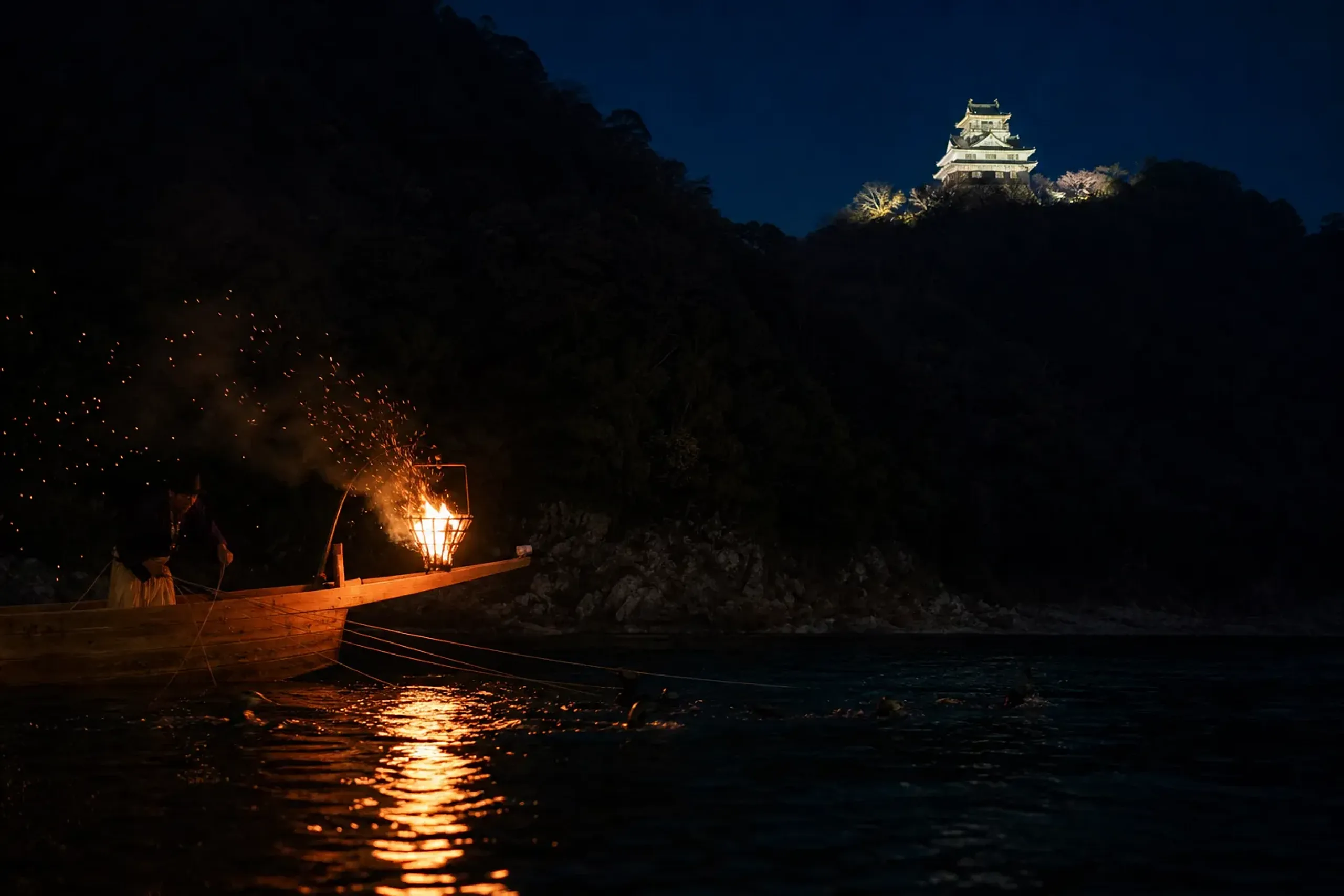
Each site earns its place for different reasons. The table below sets the confirmed 2026 windows side by side, with the quality each does best.
| Site | 2026 Season | Best For |
|---|---|---|
| Gifu (Nagara River) | May 11 – Oct 15 (no Sep 24) | Grandeur, castle backdrop, imperial heritage, private dinner boats |
| Arashiyama (Oi River) | Jul 1 – Sep 23 | Iconic Kyoto scenery, easy layering with a Kyoto stay |
| Uji (Kyoto Pref.) | Jul – Aug (from ~6:30 p.m.) | Tea culture pairing, fewer crowds, elegant Kyoto add-on |
| Ozu (Hijikawa River) | Jun 1 – Sep 20 | Intimacy (awase ukai), privacy, heritage castle town |
Photographers tend to favor Gifu for the castle-and-fire composition. Those chasing closeness choose Ozu. Kyoto-based travelers reach for Arashiyama or, better, Uji.
The One Variable Nobody Controls: Weather and Cancellations
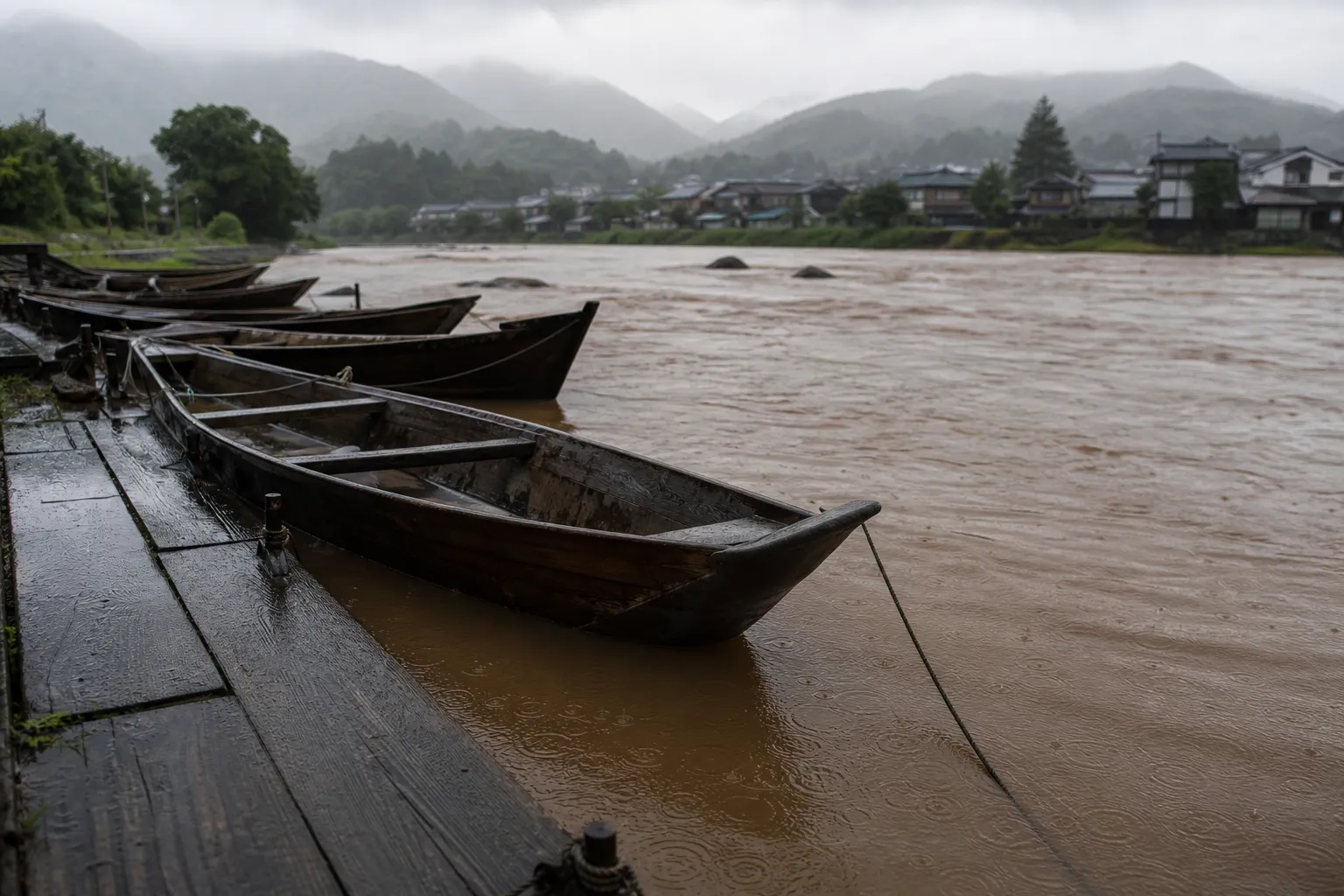
When the river rises, the night is called off, which is why a buffer night matters.
Ukai is a river event, and rivers rise. When rain swells the Nagara or the Hijikawa, the ushō cannot work safely and the night is called off. Gifu's official site states plainly that operation stops on days of increased water or adverse weather.
This is where planning earns its keep. A single-night booking is a gamble. We build a buffer, positioning your itinerary so a rained-out evening has a second chance the following night, or a graceful alternative that keeps the trip flowing rather than stalled.
Our concierge monitors river and weather conditions in the final days before your viewing and adjusts quietly, so you are never left waiting at a dock in the rain. Seasonal precision is not a slogan for us. It is the difference between a story you tell and an evening you missed.
Pairing Ukai With the Rest of Your Journey
An ukai evening rarely stands alone. The strongest itineraries fold it into a larger arc, and the 2026 calendar makes several pairings natural.
- Uji tea by day, ukai by night: a private matcha session with a tea master, then the river after dusk.
- Gifu heritage: the Ukai Museum, the castle, and a chartered viewing boat, reached by private chauffeur to skip the crowds.
- Ozu castle town: a stay in restored machiya-style lodging, awase ukai in the evening, river mist at dawn.
For travelers building around a broader summer trip, ukai season overlaps with several matsuri and river festivals, and our team can weave these in without overloading a single week. Restraint reads as luxury here. Fewer things, done fully.
Frequently Asked Questions
When is the best time to see cormorant fishing in Japan?
Broadly, June through early September, when all major sites are running. For Gifu, June and early September offer the finest atmosphere with fewer crowds. Avoid mid-August Obon congestion where possible, and note Gifu's Harvest Moon rest night on September 24, 2026.
Can you see ukai in central Kyoto?
No. Kyoto-area cormorant fishing takes place at Arashiyama on the Oi River (July 1 to September 23, 2026) and at Uji in the south of the prefecture (July to August). Both are short transfers from a central Kyoto base.
What happens if it rains on the night of my viewing?
Ukai is cancelled when the river runs high or the weather turns. This is standard across all sites. Our concierge builds a buffer night into every ukai itinerary and monitors conditions closely so a cancellation does not derail your trip.
Which ukai site is the most intimate?
Ozu on the Hijikawa River in Ehime. Its awase ukai draws the viewing boat right alongside the fishing boat, placing you nearly within arm's reach of the master and his cormorants.
Why Choose Japan Royal Service
Anyone can find a season date. What we offer is judgment around it. Which river suits your temperament, which night dodges the crowds, which lodging lets the evening settle rather than rush.
Our team at Japan Royal Service plans these journeys with the same discretion our clients expect in every part of their lives. We do not publish guest names or itineraries. We arrange private chauffeured transport across Gifu, Kyoto, and Shikoku, and we hold the contingency plans that turn a rained-out night into a non-event. Introductions to viewing experiences and heritage stays come through relationships built over years, not a booking screen.
The rivers keep their own calendar. We make sure you meet them on the right night, watched from the right distance, with nothing left to chance but the fire on the water.
To plan a private night ukai viewing in Gifu, Kyoto, or Ozu, reach our team privately via WhatsApp or LINE, or at our contact page. Tell us your dates, and our concierge will craft a tailored proposal.