In this guide
- 01What “Discreet Japan” Really Means In 2026
- 02Hotels: Privacy That Starts At The Door
- 03Transfers: The Quietest Way To Move Is Often The Most Normal
- 04Dining: Private Rooms (個室), Quiet Counters, And The Art Of Not Being Rushed
- 05A “Do This, Skip That” Checklist You Can Use Immediately
- 06How To Book Privacy-Supportive Hotels, Transfers, And Private Dining (Official Channels)
- 07FAQ: Discreet Japan Without Overcomplicating The Trip
- 08Why Choose Japan Royal Service
You step off the elevator and the corridor is silent.
No lobby drift. No camera-ready entrance. Just a keycard, a soft knock, and a room that feels like a private address.
Downstairs, your car is waiting at a side door.
Later, dinner happens behind a noren curtain at a counter where the only noise is the knife work.
This is what many travelers want from Japan now. Calm, dignity, and space. And usually they assume it will be expensive, complicated, or both.
Our team at Japan Royal Service sees the opposite play out every week.
Discretion in Japan is often a design choice and a timing choice. Not a spy-movie project.
What “Discreet Japan” Really Means In 2026
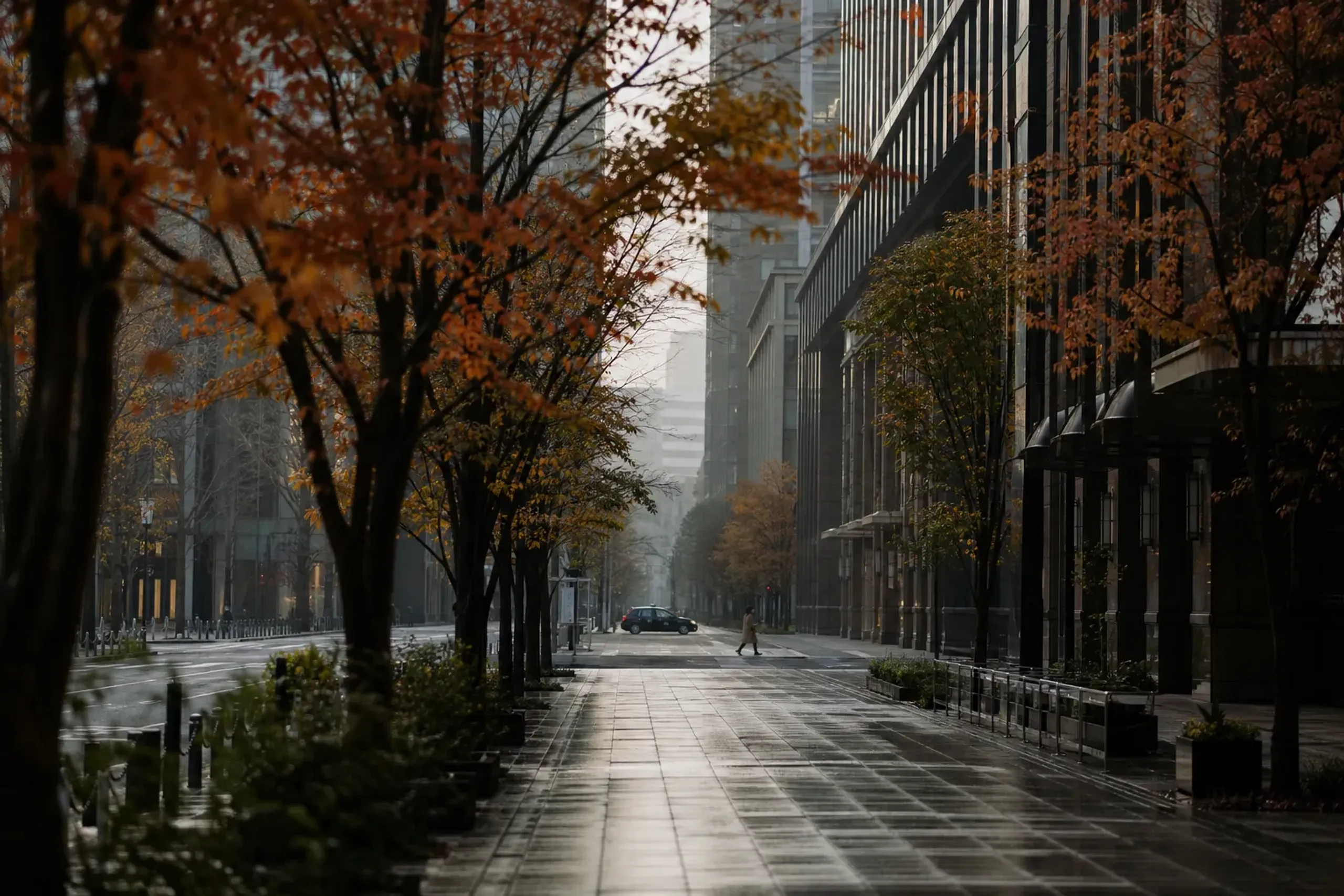
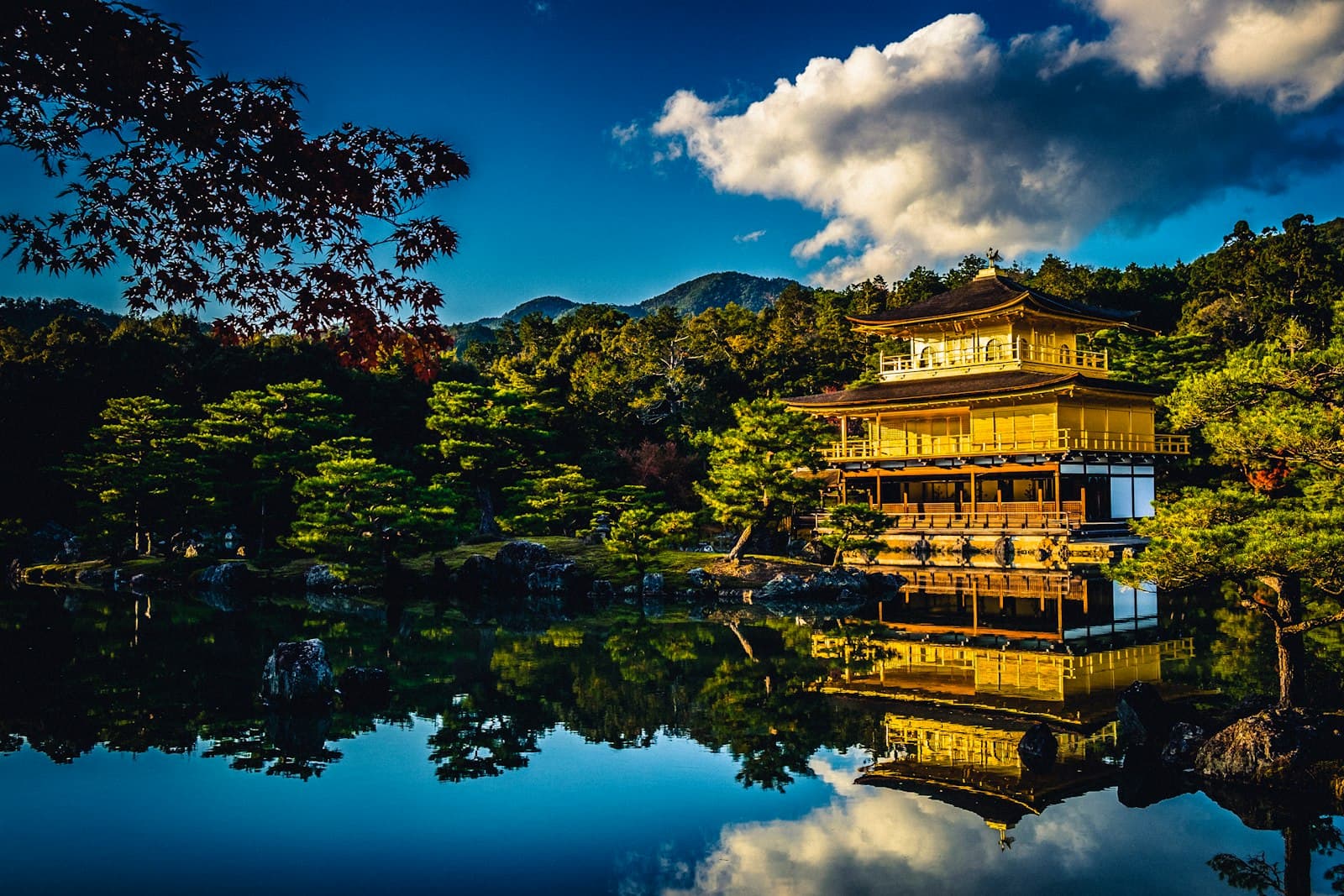
Discretion often begins with timing and calm city corridors.
Privacy in Japan is rarely about hiding.
It is about reducing friction: fewer touchpoints, fewer announcements, fewer moments where you have to perform “travel.”
That matters more in 2026 because crowd management is no longer just local chatter.
Japan’s Tourism Agency maintains an overtourism measures page (updated April 24, 2026), and Japan has set a target to expand regions implementing countermeasures through 2030 under a plan starting in fiscal 2026, as reported by The Japan Times on March 27, 2026.
Key fact: Discretion is easiest when a property or venue already supports it—private dining rooms, guest-only dining floors, in-room dining, calm arrival routes, and a clear “no photos” preference.
We frame discreet travel with three simple pillars.
Hotels that let you arrive quietly. Transfers that keep your day orderly. Dining that respects your pace and your privacy.
Nothing here requires overengineering.
It just requires choosing the right defaults.
Hotels: Privacy That Starts At The Door
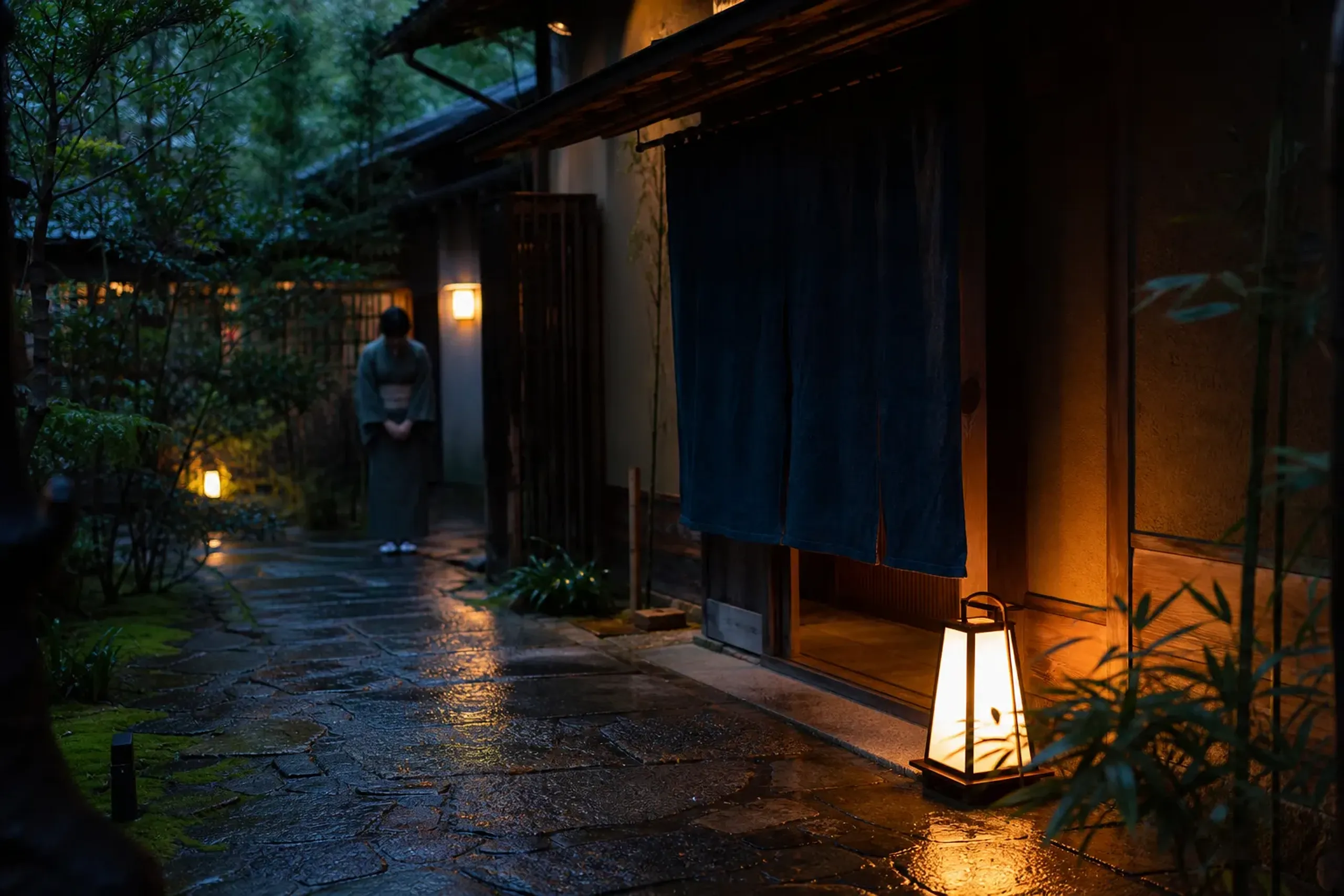
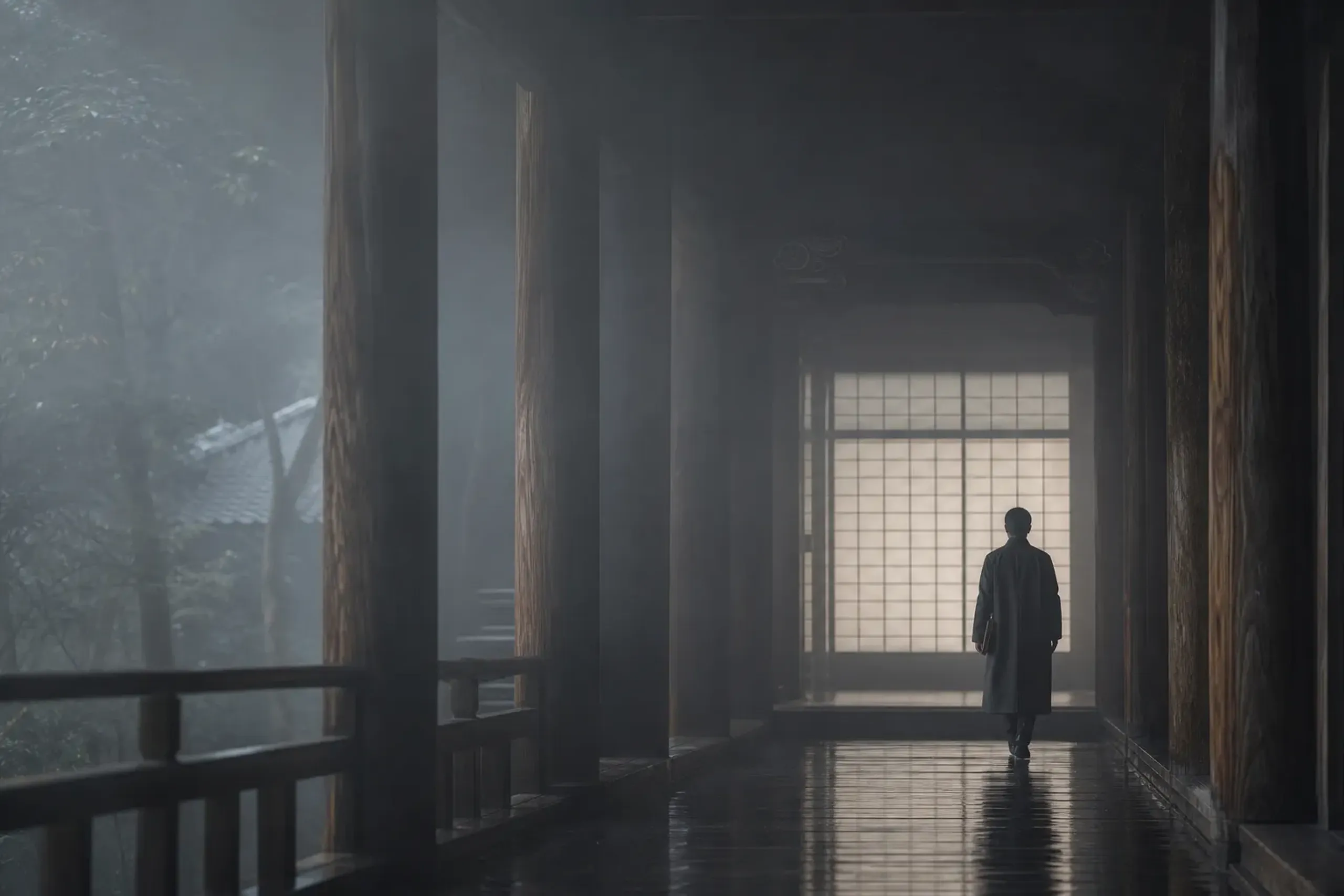
A private-feeling arrival changes the tone of the entire stay.
A discreet trip lives or dies at the hotel.
Not because the room is the star, but because the hotel controls the moments you can’t rewrite: arrival, breakfast, elevators, and the first ten minutes after a long flight.
Good news.
Japan has many properties where privacy is baked into the flow, and 2026 openings are pushing even harder toward “privacy by design.”
Low-Friction Hotel Moves That Change Everything
These are the practical notes we use again and again.
Small, specific, and easy to execute.
- Ask about in-room check-in or a calm arrival process. Even when it is not marketed loudly, many luxury hotels can keep arrivals quiet depending on timing.
- Prioritize in-room breakfast when you need a slow morning. One less public touchpoint. A big win.
- Choose properties with dining designed for in-house guests. Guest-only floors and private/semi-private rooms change the tone of the entire stay.
- Use luggage forwarding when it fits your routing. Fewer bags in public spaces. Less attention. Less effort.
Verified Examples Of Hotels That Naturally Support Discretion
We are careful with specifics in public writing.
Still, a few properties publish privacy-supportive features clearly, and they are useful anchors when you are planning.
HOSHINOYA Tokyo (Otemachi) is often chosen by guests who want a hush in the center of the city.
Condé Nast Traveler’s review notes that its dining floor is open only to in-house guests and uses private or semi-private rooms, and that breakfast can be enjoyed in-room.
That single detail—guest-only dining—removes a lot of “hotel noise.”
Quiet, normal, and very Japanese.
Aman Tokyo lists Private Dining Rooms in its official factsheet.
When dining is built into the property with private formats, you can keep evenings intimate without leaving your base.
That matters after a full day in Tokyo.
You can keep the night simple.
Four Seasons Hotel Tokyo at Marunouchi has announced it is taking reservations for stays starting April 29, 2026 following a major renovation.
Its published room count (57 rooms and suites) supports a smaller, more residential feel than large towers, which many privacy-minded travelers prefer.
Less lobby theater.
More “this is my address for three nights.”
One more 2026 note for onsen privacy.
Mitsui Fudosan has announced HOTEL THE MITSUI HAKONE is scheduled to open on December 15, 2026, stating that every guest room will have a private bath fed by natural hot spring water sourced on the property.
That is privacy you can feel.
No scheduling. No shared bathing spaces. Just your own water, in your own room.
Wabi-Sabi As A Privacy Tool (Not A Slogan)
When we say wabi-sabi, we are not selling austerity.
We are describing restraint: materials that absorb sound, lighting that does not perform for Instagram, and spaces that do not push you toward crowds.
Think mossy stone, matte wood, and the kind of silence that makes you lower your voice.
It is the opposite of a “scene,” which is exactly the point.
Transfers: The Quietest Way To Move Is Often The Most Normal
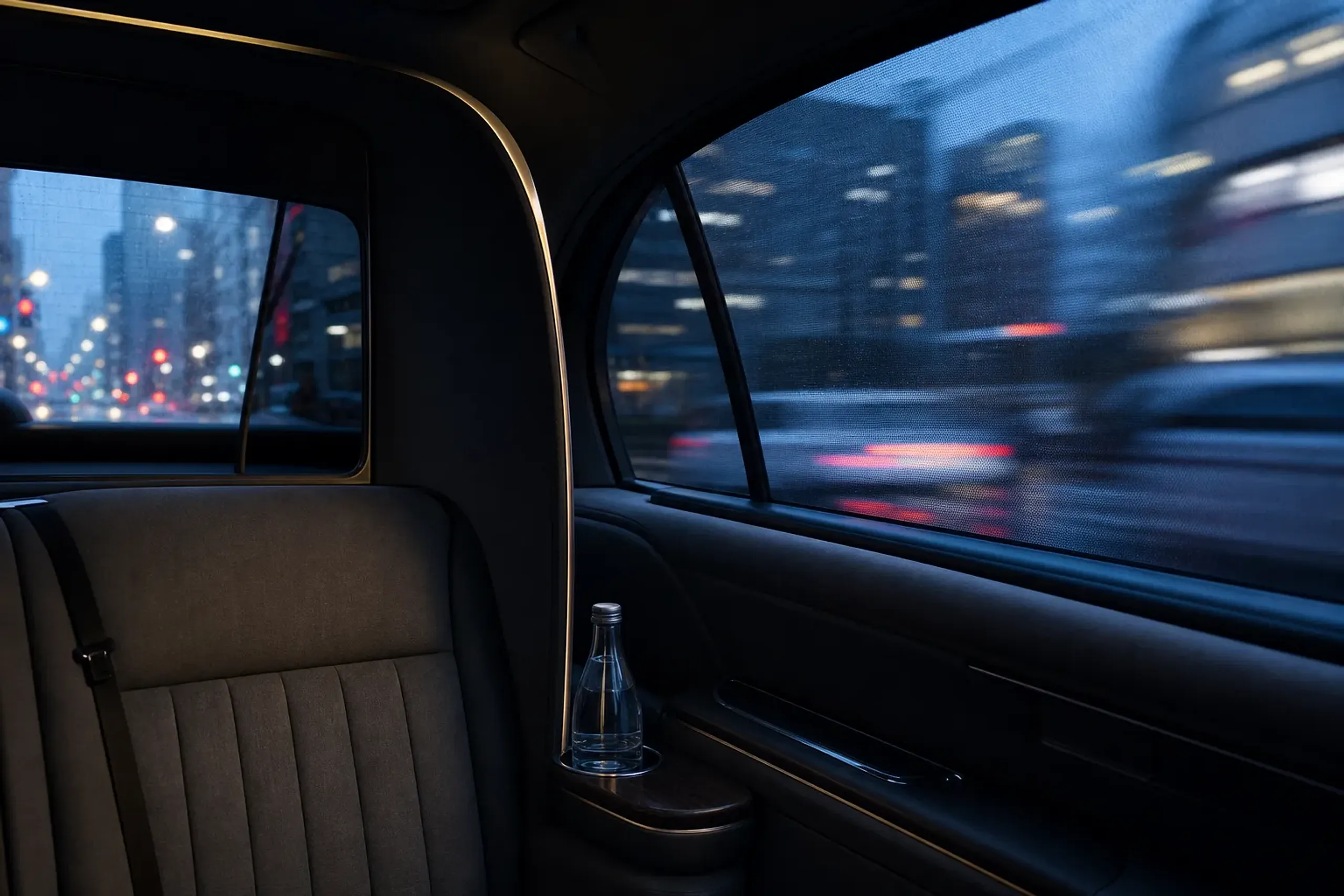
A quiet cabin becomes your buffer between crowded districts and calm moments.
Transfers are where many discreet trips accidentally get loud.
Too many handoffs. Too much waiting at obvious choke points. Too much time spent standing still in public.
It adds up.
Our approach is simple: reduce touchpoints, keep the car comfortable, and make timing do the heavy lifting.
The first mention matters because it is where most travel stress lives.
For privacy-minded travelers, private transportation is less about status and more about control: where you meet, where you stop, and how quickly you disappear into your day.
Practical Transfer Choices That Protect Your Time And Your Profile
These are low-friction moves that do not read as “extra.”
They read as competent.
- Use a discreet meet plan. A clear meeting point and a short walk beats circling a busy curb.
- Avoid peak lobby hours. Ten minutes can change the entire feel of check-in and elevator flow.
- Keep the car as your buffer. A quiet cabin lets you reset between Tokyo intensity and a calm dinner.
- Route for calm, not for the fastest map line. In Tokyo, “fastest” can mean “most crowded.”
Fleet Notes: Comfort That Doesn’t Shout
Japan is very good at “quiet competence.”
The best vehicles for discreet travel tend to match that tone, especially for HNW travelers who want comfort without drawing a crowd.
- Lexus LM 500 for a flagship, cocooned cabin feel.
- Toyota Executive Alphard when you want family-friendly space and an understated profile.
- Mercedes V-Class for executive group movement with a clean, familiar shape.
For larger parties, there are quiet options too.
Hiace Grand Cabin, Mercedes Sprinter Van, and Toyota Coaster (microbus) are practical when you need space but still want privacy.
The key is not the badge.
It is the choreography: timing, doors, and a cabin that lets you exhale.
Hidden-Japan Routing: Privacy Through Geography
Privacy improves when your itinerary is not welded to the same three hotspots at the same three times.
That does not mean skipping Tokyo or Kyoto.
It means using them as bases, then slipping into places where the pace is naturally slower—coastal mornings, craft towns, onsen valleys—without turning the trip into a rural endurance test.
Hidden-Japan planning is often the simplest privacy upgrade available.
Dining: Private Rooms (個室), Quiet Counters, And The Art Of Not Being Rushed
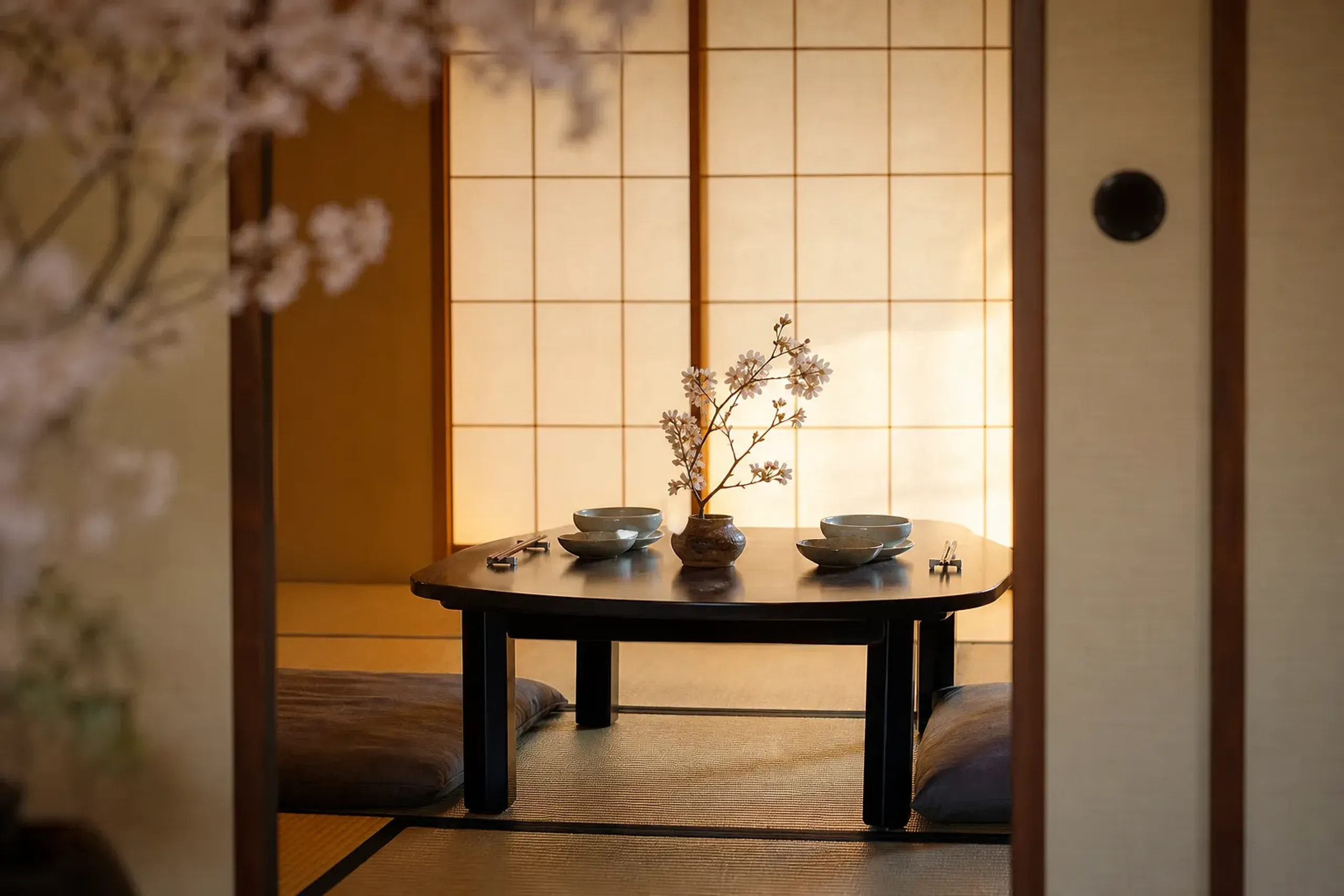
Private rooms (個室) offer calm conversation and unhurried pacing.
Dining is where privacy becomes emotional.
Not because you are hiding, but because you want to speak freely, slow down, and stop scanning the room.
Japan makes this easier than many travelers realize.
You just need to choose the right format.
The Three Formats That Work (And When Each One Fits)
Each option has a different privacy “shape.”
Pick the one that matches your night.
Option A: Private Rooms (個室) In Hotel Restaurants
This is the easiest discreet dining choice in major cities.
Hotels publish private room availability, have English-capable reservation teams, and tend to handle allergies and pacing with calm professionalism.
- Imperial Hotel Tokyo publishes an English private room guide across its venues.
- Grand Hyatt Tokyo publishes private dining room details across its restaurants, including a “Chef’s Table” concept.
- Andaz Tokyo Toranomon Hills publishes private dining information for The Tavern, including the “Kitchen Table,” described as a fully private room with a private kitchen.
Option B: A Discreet Counter (Omakase Without The Audience)
A counter can be surprisingly private.
Not every counter is a show, and many guests prefer the simplicity: no speeches, no toasts, no one across a table watching you work through a sensitive conversation.
One rule.
Choose late seatings or off-peak nights when the room is calmer.
Option C: Private Dining Within Kyoto’s Luxury Hotels
Kyoto is where dinner can become noisy fast.
Private formats keep the city’s intensity outside.
The Ritz-Carlton, Kyoto describes private dining tied to La Locanda, using a historically valuable Japanese space as the setting.
Its Teppan MIZUKI page also states it has a private room for intimate dining.
What To Say: A Simple Privacy Preference Note
Many travelers keep their requests vague.
That is where friction starts.
We suggest a short, precise preference note—polite, minimal, and easy for a venue to honor.
- Seating: “Private room (koshitsu) preferred” or “quiet counter preferred.”
- Photos: “No photos at the table, please.”
- Pacing: “A relaxed pace, no rush.”
- Dietary: Clear allergies, not lifestyle wish lists.
When the kitchen is shokunin-led, the rhythm matters.
Knife work, rice temperature, broth timing—this is craft, not content.
So we protect the pace.
And we keep the room quiet enough to notice it.
A “Do This, Skip That” Checklist You Can Use Immediately
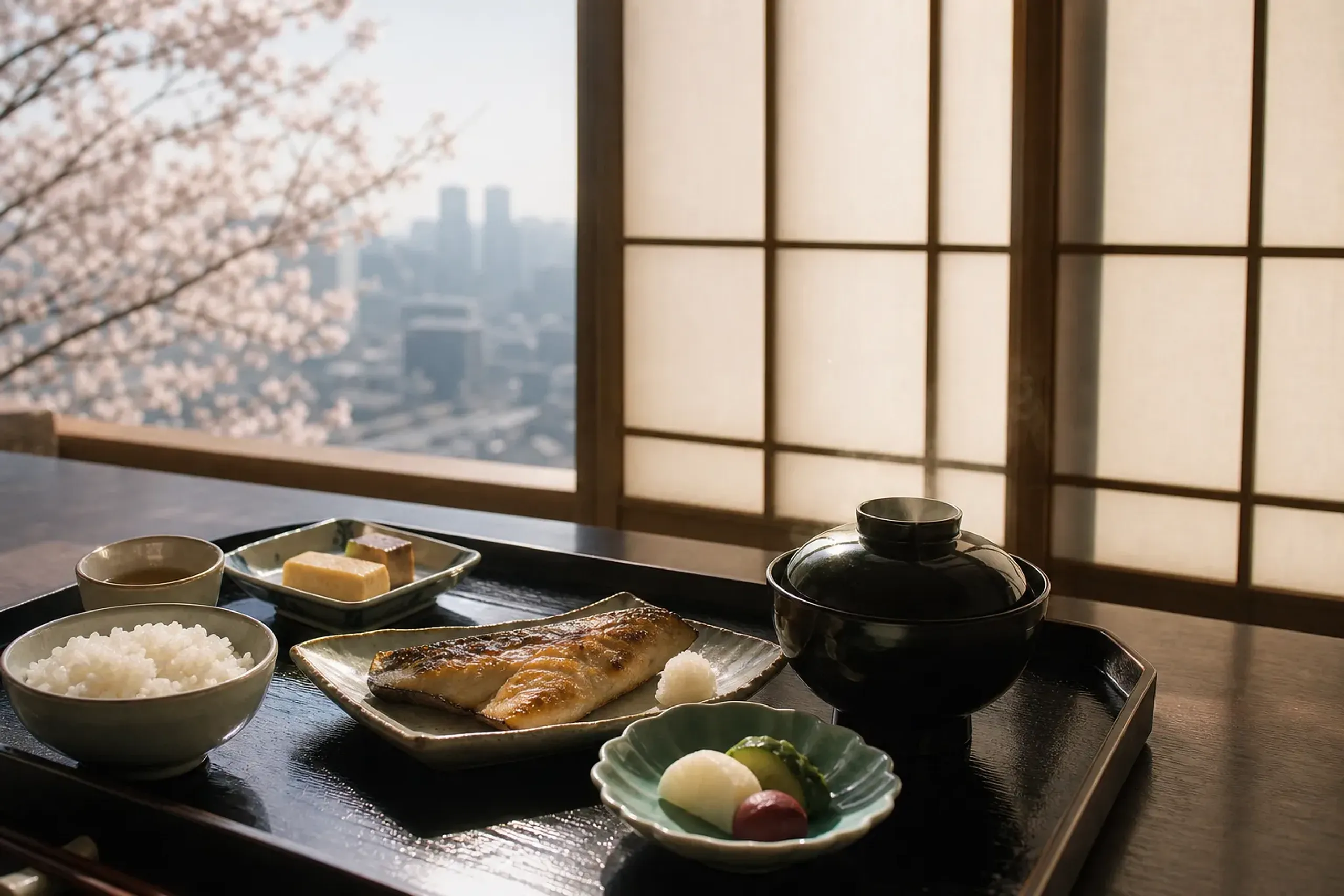
This is the practical core of the guide.
Print it mentally before you plan the next trip.
It keeps privacy attainable.
It keeps the trip light.
- Do: Choose hotels with in-room breakfast options. Skip: assuming you must do the breakfast buffet every day.
- Do: Pick dining that offers private rooms (個室) when you want a calm evening. Skip: the hottest counter at the hottest hour.
- Do: Use a private car when your day has luggage, meetings, or tight timing. Skip: chaining three taxis and hoping the third one fits bags.
- Do: Build one “silent morning” into Tokyo. Skip: scheduling every day like a conference agenda.
- Do: Let geography help—Hakone or Kusatsu for onsen-led privacy. Skip: day-tripping long distances just to tick a box.
How To Book Privacy-Supportive Hotels, Transfers, And Private Dining (Official Channels)
Discreet travel should still be straightforward.
Here is the clean way to think about booking, using official channels and published information.
Hotels
Most luxury hotels in Japan accept reservations through their official websites or recognized hotel reservation channels.
Privacy requests are usually handled as preferences—arrival timing, in-room breakfast, and private dining formats—shared at the time of booking or by messaging the hotel directly.
Be early for peak dates.
For 2026 openings and renovations, watch official announcements for on-sale dates, like Four Seasons Hotel Tokyo at Marunouchi taking reservations for stays starting April 29, 2026.
Transfers
Airport and city transfers can be arranged through official hotel transportation desks, licensed operators, or through your private travel concierge conversation.
What matters is clarity: flight details, luggage count, and the quietest meeting approach for your arrival terminal.
Less back-and-forth.
More calm on the ground.
Dining
For private rooms, many hotel restaurants publish dedicated pages and reservation contacts, such as Imperial Hotel Tokyo, Grand Hyatt Tokyo, and Andaz Tokyo Toranomon Hills.
For restaurants outside hotels, policies vary widely.
Some accept online reservations, some require phone contact, and some operate by introduction.
For questions, contact our concierge.
FAQ: Discreet Japan Without Overcomplicating The Trip
Is “discreet travel” in Japan only for UHNW travelers?
No.
For HNW travelers, the most effective privacy upgrades are often modest: in-room breakfast, private dining rooms, and a private car on the days that actually need it.
Target the friction points.
Don’t buy privacy everywhere just to feel “covered.”
Do I need to avoid Tokyo and Kyoto to have privacy?
Not at all.
Privacy comes from timing, hotel choice, and dining format.
Tokyo can feel calm when your base supports it.
Kyoto can feel intimate when you stop chasing peak-hour hotspots.
Are private rooms (個室) common in Japan?
Yes, especially in hotel restaurants and many Japanese dining formats.
They range from fully enclosed rooms to semi-private spaces.
Ask what “private” means in that venue.
Clarity prevents disappointment.
What’s the simplest way to reduce public visibility during transfers?
Reduce handoffs.
One meeting point, one car, and a plan for luggage.
When your day is complex—airport arrival, hotel switch, dinner reservation—a private car turns the middle of the day into quiet downtime.
That is the real luxury.
Does Japan’s overtourism policy focus change what I should do?
It changes how you should think.
With more regions implementing measures over time, crowd patterns will keep shifting, and some “must-do at 10 a.m.” habits will feel worse each year.
Your advantage is flexibility.
A discreet itinerary can pivot by an hour, not by a week.
Can you keep privacy without making the trip feel restrictive?
Yes.
The trick is choosing two or three privacy anchors—your hotel, your transfer days, and two private dinners—then leaving the rest of the trip open.
Space is the goal.
Not control for its own sake.
Why Choose Japan Royal Service
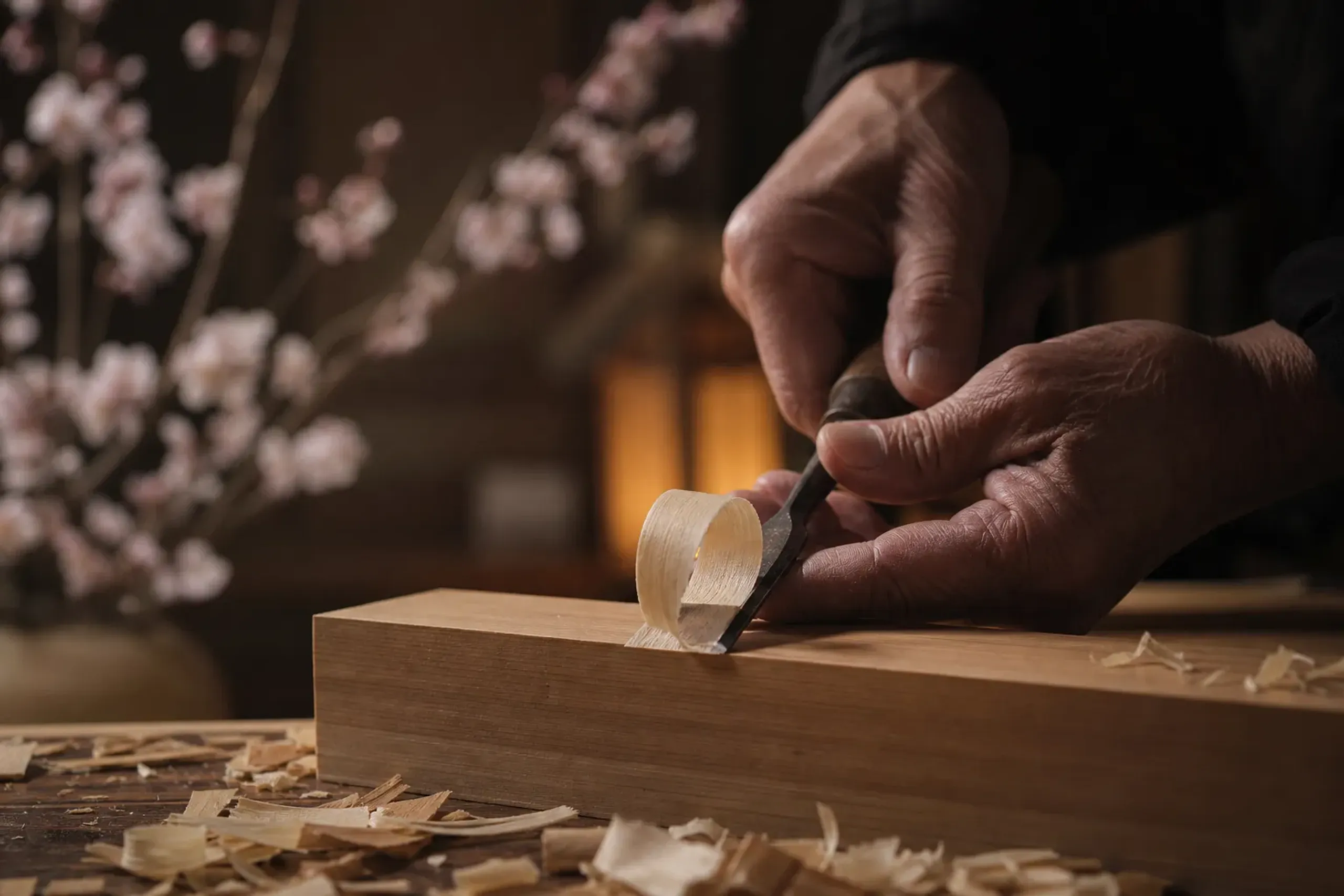
We protect the conditions where craft can be felt—quietly, and without spectacle.
Discretion is not an add-on for our team at Japan Royal Service.
It is the operating standard: confidentiality around guest identity and itinerary, watchful pacing, and a preference for experiences that feel private because they are built that way.
We also care about the cultural substance.
When a guest wants shokunin-level craft—whether at the dining counter or in an atelier—we protect the conditions where that craft can be felt, not photographed.
And when the trip needs hidden-Japan logic, we use routing, timing, and calm bases to keep the journey elegant instead of exhausting.
For private coordination, reach our team at Japan Royal Service privately via WhatsApp or LINE, or contact us here.