In this guide
- 01Why Private Changes Everything Underwater
- 02Getting There: The Short Hop from Naha
- 03Zamami: Wide Reefs and Winter Whales
- 04Aka: The Quiet Island Between Dives
- 05Tokashiki: The Largest Island, the Longest Sands
- 06Which Divers These Tours Suit
- 07Seasons: When to Book Your Kerama Day
- 08Beyond the Day Trip: Staying on the Islands
- 09Safety, Handled Quietly
- 10A Few Common Questions
- 11Why Choose Japan Royal Service
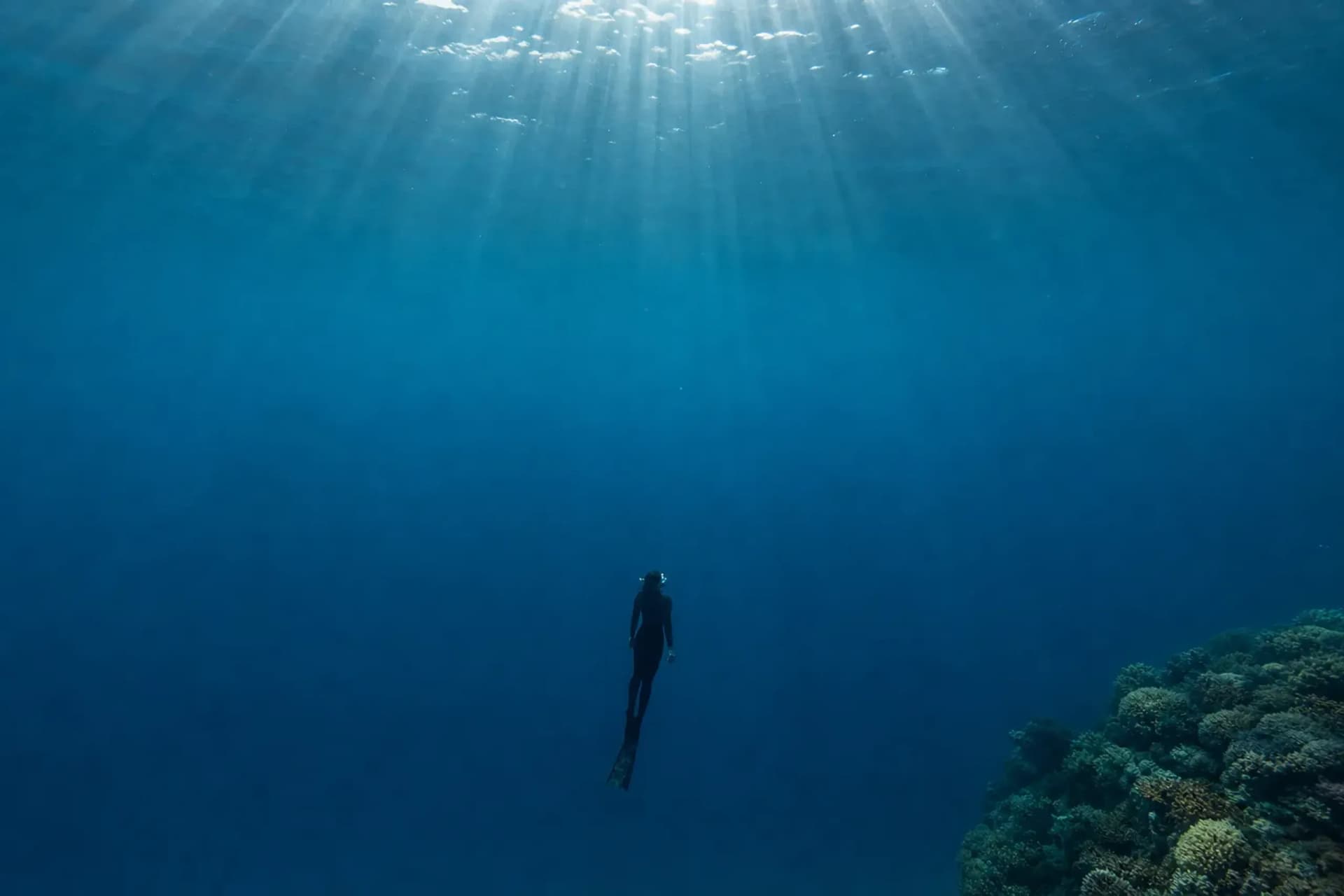
You exhale. The line slips through your fingers, and you begin to sink. Past three meters. Past ten. And then it opens up beneath you — that impossible clarity the locals call Kerama Blue, water so transparent your eye follows the reef down thirty meters and further, as if the sea forgot it was supposed to hide anything. No other boat on the horizon. No fins churning above you. Just the guide, watching the coral garden where the turtles come to feed, and you.
This is the version of Okinawa most travelers never see. Not the crowded snorkel platform. Not the shared skiff with twelve strangers. A private descent, sites chosen for your day, timed to the tide and the light. At Japan Royal Service, this is the difference we build the whole day around — the quiet, and who gets to be in it.
Why Private Changes Everything Underwater
Group diving is a compromise. You go where the schedule goes. You wait on the ladder. You see what forty other people churned up an hour before you.
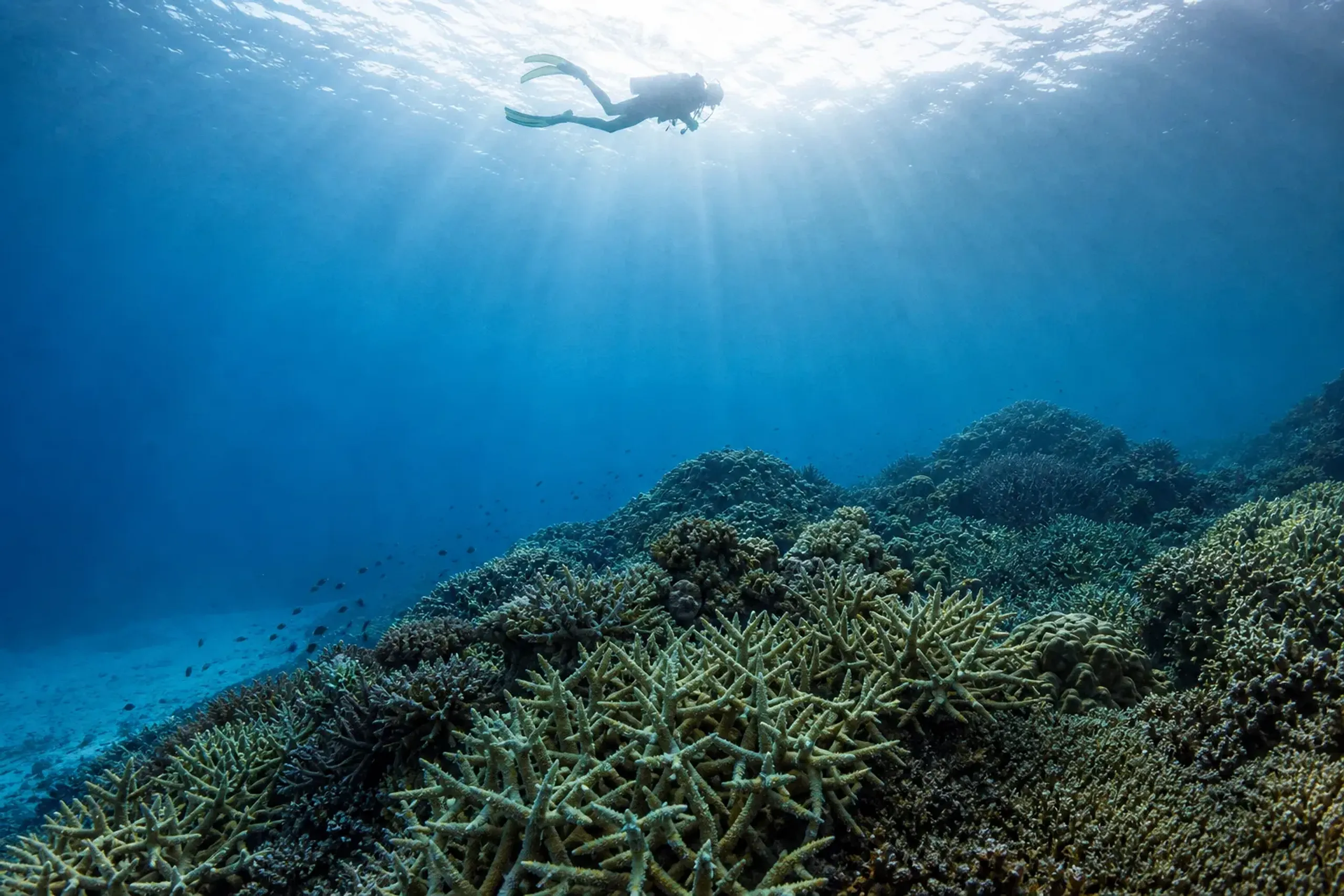
A private charter erases all of that. The boat is yours. The guide plans the morning around what you want — turtles, macro life, a wall dive, a shallow reef for someone new to the water — and reads the sea-state to pick the calmest, clearest sites that day. If the current shifts, so does the plan. Instantly.
There is a conservation logic here too, not just a comfort one. Keramashoto National Park has documented the pressure divers put on these reefs — errant fin kicks that snap coral, crowds pressing into fragile shallows, crown-of-thorns starfish outbreaks that thin the living skin off the rock. Smaller parties mean lighter footprints. A private guide can coach buoyancy properly, rotate sites so no single reef is worn thin, and keep a strict zero-touch discipline that a rushed group tour rarely enforces. Low-impact and low-crowd turn out to be the same choice.
Our concierge vets every operator we work with against that standard. Small guest-to-guide ratios. Reef-safe protocols. Guides who dive these waters daily and know, by name, where the green turtles graze.
Getting There: The Short Hop from Naha
The Keramas sit roughly 40 kilometers west of Okinawa's main island. Close enough for a serious day of diving, far enough to feel like another country.
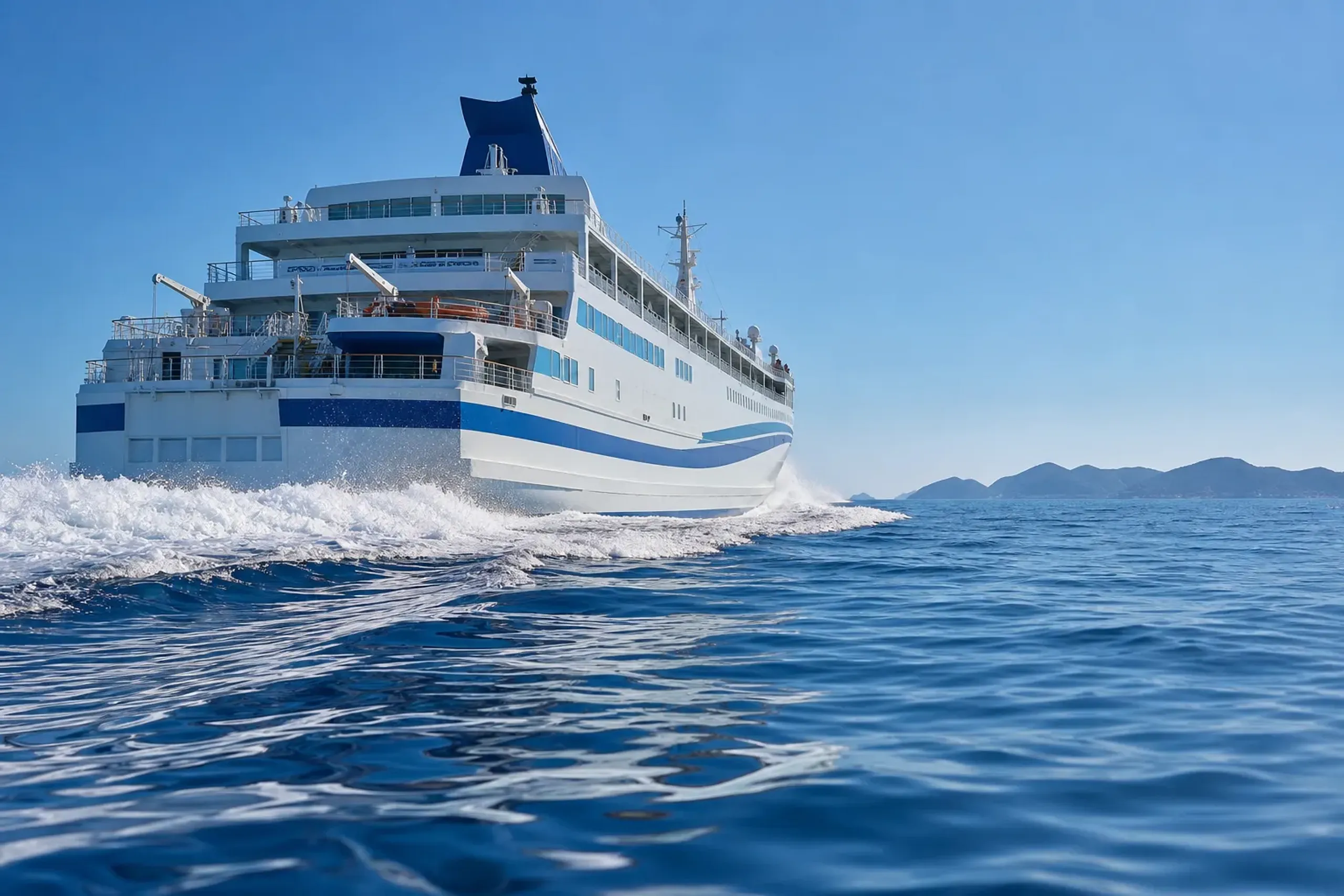
Zamami Village operates the high-speed Queen Zamami and a slower car ferry from Naha's Tomari Port; the fast boat crosses in well under an hour. Tokashiki Village runs its own high-speed and ferry service on a similar footing. One caveat matters more than any timetable: these are open-sea crossings, and both villages state plainly that schedules shift or cancel when the swell turns rough. Weather governs the sea here, not the other way around.
That is precisely where planning earns its keep. Our team builds every Kerama day with a contingency baked in — an alternate date, a sheltered-site fallback, a private transfer standing by at Naha so a delayed crossing never becomes a scramble. Guests who prefer to skip public ferries entirely can dive from a chartered private boat instead. We can arrange a private chauffeured transfer from your Naha hotel or straight from the airport to the port, timed to the sailing.
Sea-state rule: Kerama crossings can be canceled at short notice for rough conditions. Any serious private itinerary needs a built-in fallback date — never a single fixed shot at the water.
Zamami: Wide Reefs and Winter Whales
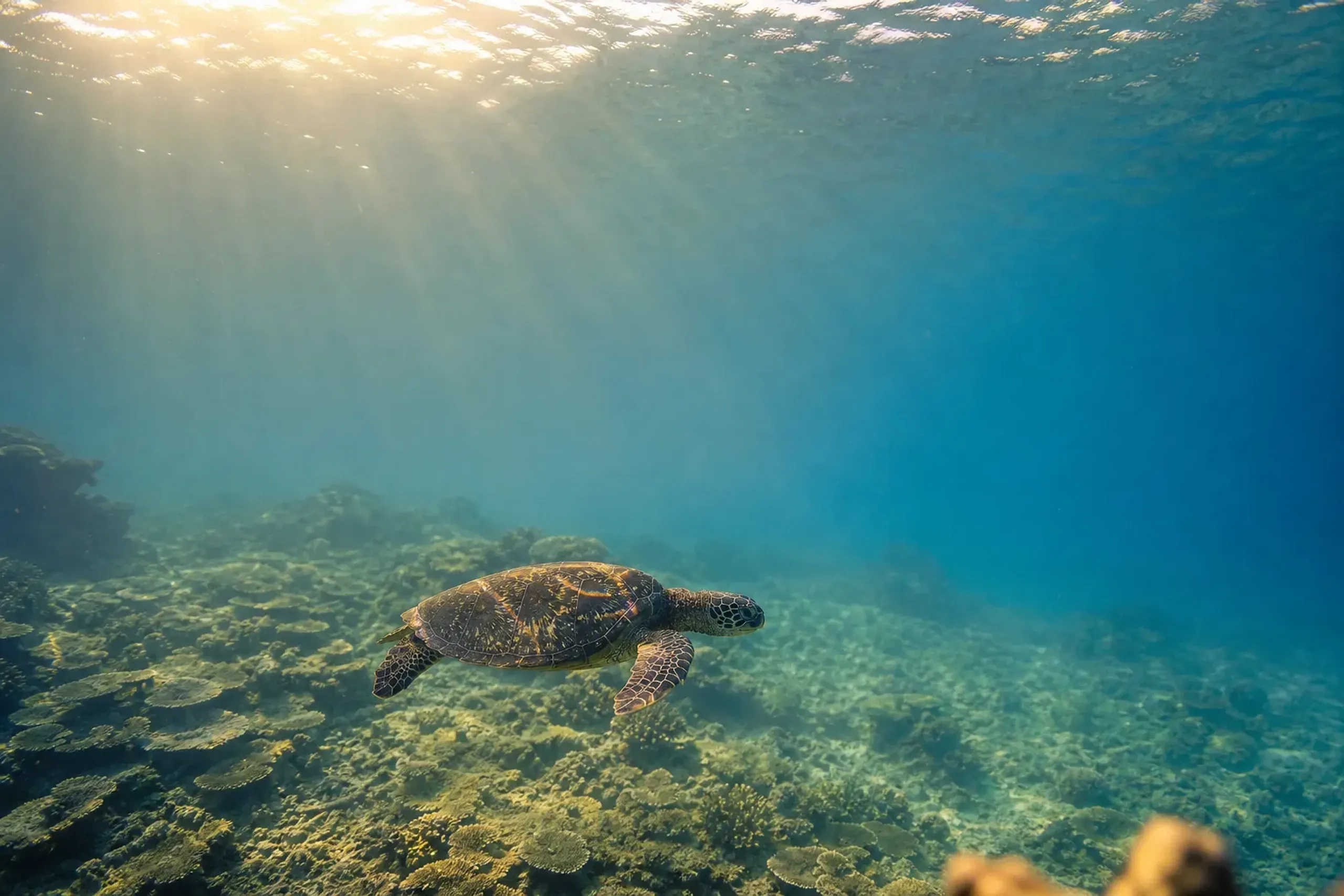
Zamami is the diver's island. Its surrounding reefs run broad and healthy, and the visibility on a good day is the stuff people fly around the planet for.
Green sea turtles are the headline act. They drift over the coral gardens off Zamami's coast to feed, unbothered, close enough that a patient diver can hover a body-length away and simply watch one breathe. No chasing. No touching. Just presence.
Then there is winter. From late December to early April the humpbacks arrive offshore, and late January into February is the sweet spot — the window when sightings peak in Keramashoto. Zamami runs an island-based scout system through its local whale-watching association: someone posted on high ground spots the blows and radios the boats to the animals. It is a strikingly efficient, low-disturbance way to find whales, and it means less aimless engine time churning the water.
- Best for: turtle encounters, wide reef dives, winter humpback watching
- Reef season: warm months, roughly late spring through autumn
- Whale season: late Dec–early Apr, peak late Jan–Feb
- Access: high-speed boat or car ferry from Tomari Port, Naha
Aka: The Quiet Island Between Dives
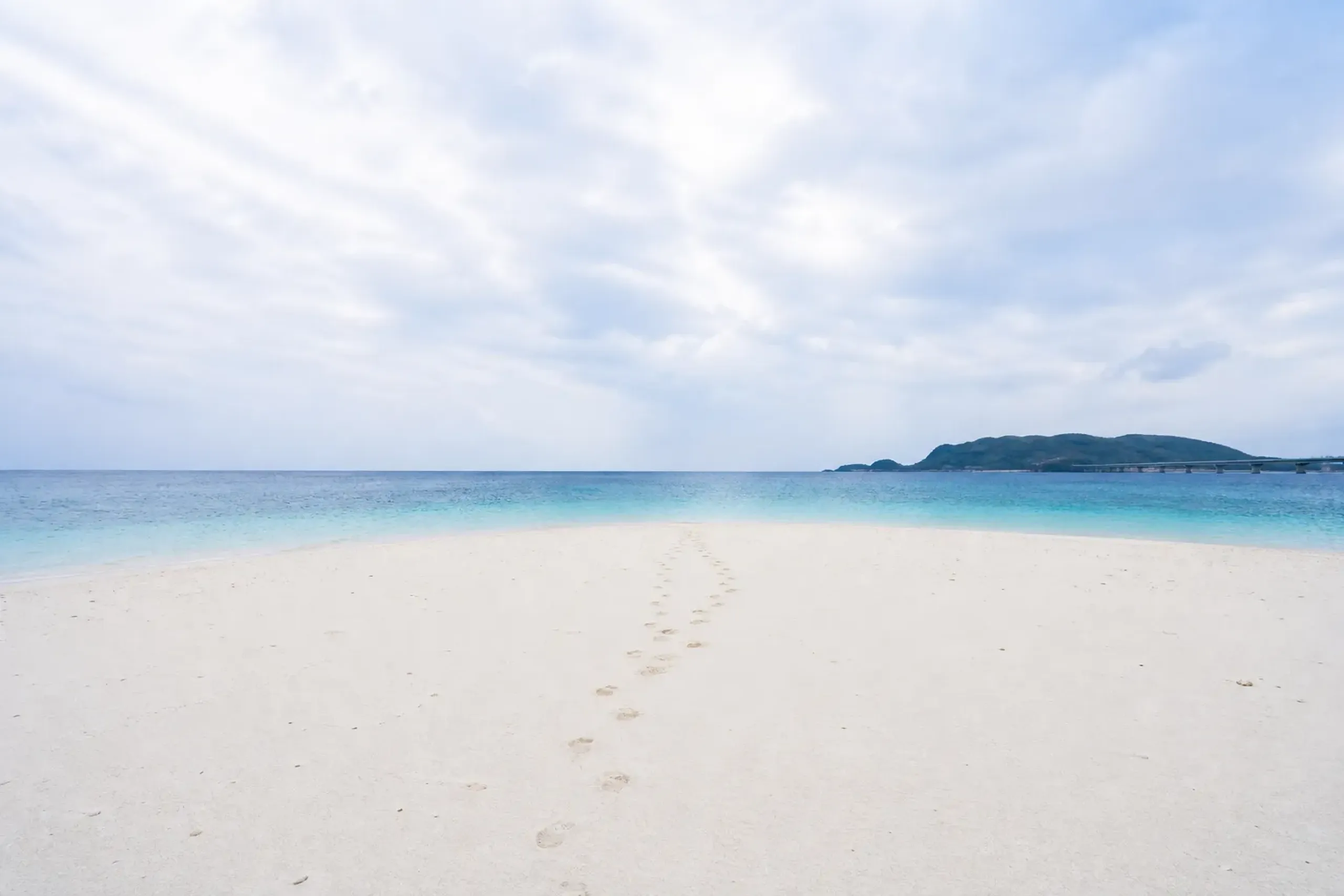
Aka is smaller, softer, and blessedly still. Linked to nearby Geruma by a bridge, it rewards travelers who want the surface intervals to matter as much as the dives.
The beaches here run to that unreal Kerama white, and the pace drops the moment you step ashore. Between dives, a guide can point the boat toward the uninhabited islets scattered through the archipelago — sandbanks and rock outcrops where you can wade in past your knees and see your own feet in three meters of water. Nobody else. Just the hush.
This is the wabi-sabi register of the Keramas — beauty that asks for nothing, restraint over spectacle. An empty strand, the light on shallow water, a slow lunch before the afternoon dive. We often thread Aka into a private day precisely for that exhale between descents.
Tokashiki: The Largest Island, the Longest Sands
Tokashiki is the biggest of the group and the easiest to build a full day around. Its beaches on the eastern side are long, pale, and famously photogenic, and the dive sites off its coast suit a range of appetites.
Tokashiki Village handles its own boat information and reservations, including guidance for groups, with the usual fine print about ticket changes on round-trips. For a private party, that administrative friction disappears — our concierge coordinates the timing so the day reads as one clean arc: depart Naha, sea time and dives, an island lunch off the itinerary's beaten track, and back before the light goes flat.
Both Tokashiki and Zamami villages run active eco-tourism plans built around proper use and reef preservation. Diving here in a small, well-briefed party isn't just the more pleasant option — it's the one that keeps faith with how these islands ask to be visited.
Which Divers These Tours Suit
The honest answer: most of them.
The private format flexes in a way group tours cannot. A certified diver chasing three dives and a wall can have exactly that. A couple where one person has never breathed underwater can split the day — a guided reef dive for one, a shallow intro session or snorkel for the other, run in parallel rather than forcing anyone to wait ashore.
For Certified Divers
Full multi-dive days, site selection tuned to your logged experience, conservative profiles, and a naturalist who can brief you on what you're actually looking at. Two or three dives is a comfortable Kerama day.
For First-Timers and Snorkelers
Introductory dives under close one-to-one supervision, or unhurried snorkeling over shallow coral where the turtles come in. The private setting means no performing in front of a crowd and no rushing to keep a group timetable.
For Families
Parallel activity is the quiet luxury here. One parent dives while the other snorkels with the children over calm shallows, and the boat holds the center. Everyone in the same water, at their own level.
Seasons: When to Book Your Kerama Day
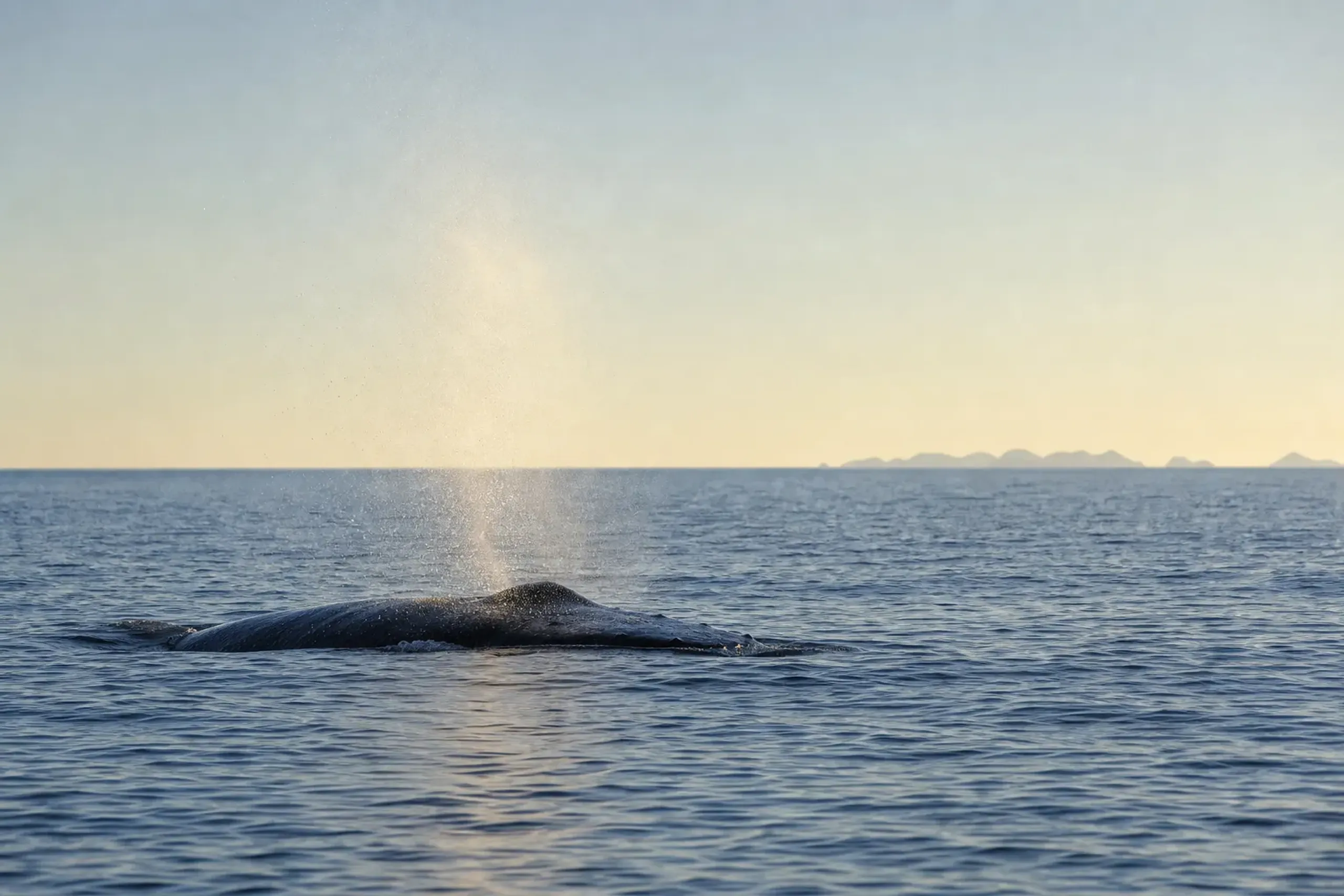
Two seasons, two entirely different sea.
| Window | What You Get |
|---|---|
| Late Dec – early Apr | Humpback whale watching offshore; peak sightings late Jan–Feb. Cooler diving, thicker exposure suits. |
| Late spring – autumn | Warm-water reef diving at its best; strong visibility, active turtle feeding, easier surface conditions. |
The rare treat is the overlap at the shoulders — late winter into early spring, when a morning can hold both whale song offshore and turtles on the reef. It is weather-dependent and never guaranteed. That is the whole point of planning it with people who watch these waters.
Beyond the Day Trip: Staying on the Islands
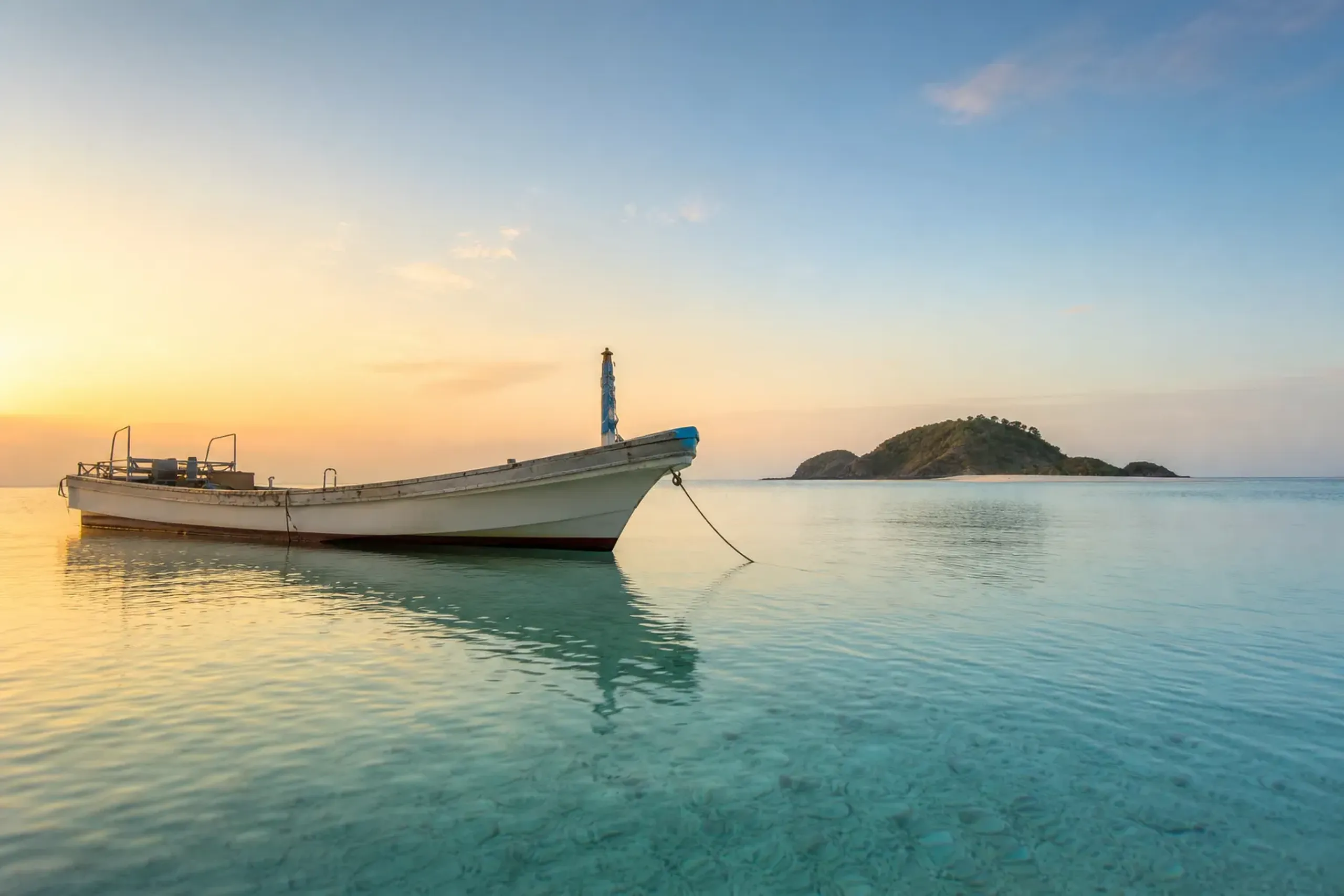
Most Kerama diving runs out of Naha and back. There is a quieter alternative.
Overnight on Zamami or Tokashiki and the day changes shape. Transits to the dive sites shrink to minutes. You hit the reef at first light, before any day-boat has left the mainland, and the underwater conditions in that early calm are their own reward. Evenings on a near-empty island have a stillness the day-trippers never touch.
Accommodation on the Keramas is modest and intimate rather than grand — this is not a high-rise-resort archipelago, and that restraint is exactly its appeal. Our team can design a two-to-four-night micro-itinerary that pairs private sea time with the slower island rhythm, and stitches in the calm arrival and departure logistics that make the whole thing feel effortless.
Safety, Handled Quietly
In 2026, marine-leisure safety in Okinawa is under real public scrutiny. We treat it as part of the luxury, not a disclaimer buried at the bottom.
The operators we work with are vetted on the things that actually matter: certification standards, oxygen carried on board, conservative dive profiles, sensible guide-to-guest ratios, and clear rules for when a crossing or a dive gets called off for weather. We also flag the sensible groundwork guests should have in place — appropriate dive insurance, honest disclosure of medical conditions, and realistic self-assessment of recent diving experience. None of it is glamorous. All of it is why the day goes right.
A Few Common Questions
How long is the trip from Naha to the Keramas?
The high-speed boats from Tomari Port reach Zamami and Tokashiki in well under an hour; the car ferries take longer. A chartered private boat can be arranged for guests who prefer to avoid public sailings.
When can I see whales in the Keramas?
Humpback watching runs from late December to early April, with late January and February the strongest window for sightings around Keramashoto.
Can non-divers join a private tour?
Yes. Introductory dives, snorkeling, and parallel activities let mixed-ability groups share the same day and the same boat without anyone waiting ashore.
What if the sea is too rough?
Crossings and dives are subject to cancellation in poor conditions — the villages state this openly. Any well-built private itinerary includes fallback dates and sheltered alternatives so a rough morning doesn't cost you the trip.
Why Choose Japan Royal Service
Plenty of operators will sell you a seat on a Kerama boat. That is not what we do.
Japan Royal Service designs the whole day as one private experience — vetted dive partners chosen for skill and reef discipline, a marine naturalist who briefs you in your language, private transfers to and from the port, and a concierge on call if the weather makes you improvise. We hold your identity and your itinerary in complete confidence, which is why discerning travelers who value their privacy come to us for the Japan that isn't listed anywhere. From the underwater hours to the island lunch to the quiet return, the coordination stays invisible. You just descend.
Now picture your own first exhale — the line through your fingers, Kerama Blue opening beneath you, a turtle lifting off the coral to meet the light. That descent can be yours, arranged around your day alone. Let us build the tailor-made itinerary that gets you there. Reach our team privately via WhatsApp or LINE, or contact us here, to begin.