In this guide
- 01What Makes Hakuba Feel Different For Luxury Travelers
- 02Quick Facts For Skimmers
- 03When To Go: The Season Logic That Keeps You Comfortable
- 04The Resorts: Choosing Your Mountains Instead Of Chasing Hype
- 05Where To Stay: Design-Led Calm, Not Just Proximity
- 06Beyond The Slopes: The Evenings That Make Hakuba A Retreat
- 07Passes And Tickets: 2026–27 All-Mountain Pricing And What It Really Means
- 08Epic Pass In Hakuba: What The Official Benefit Says
- 09Private Transport In Winter: The Difference Between “Easy” And “Long”
- 10Sample Hakuba Escapes: Three Ways To Spend The Same Valley
- 11How To Book Hakuba Valley Lift Tickets And Passes (Official Channels)
- 12FAQ: Hakuba Valley Escapes
- 13Why Choose Japan Royal Service
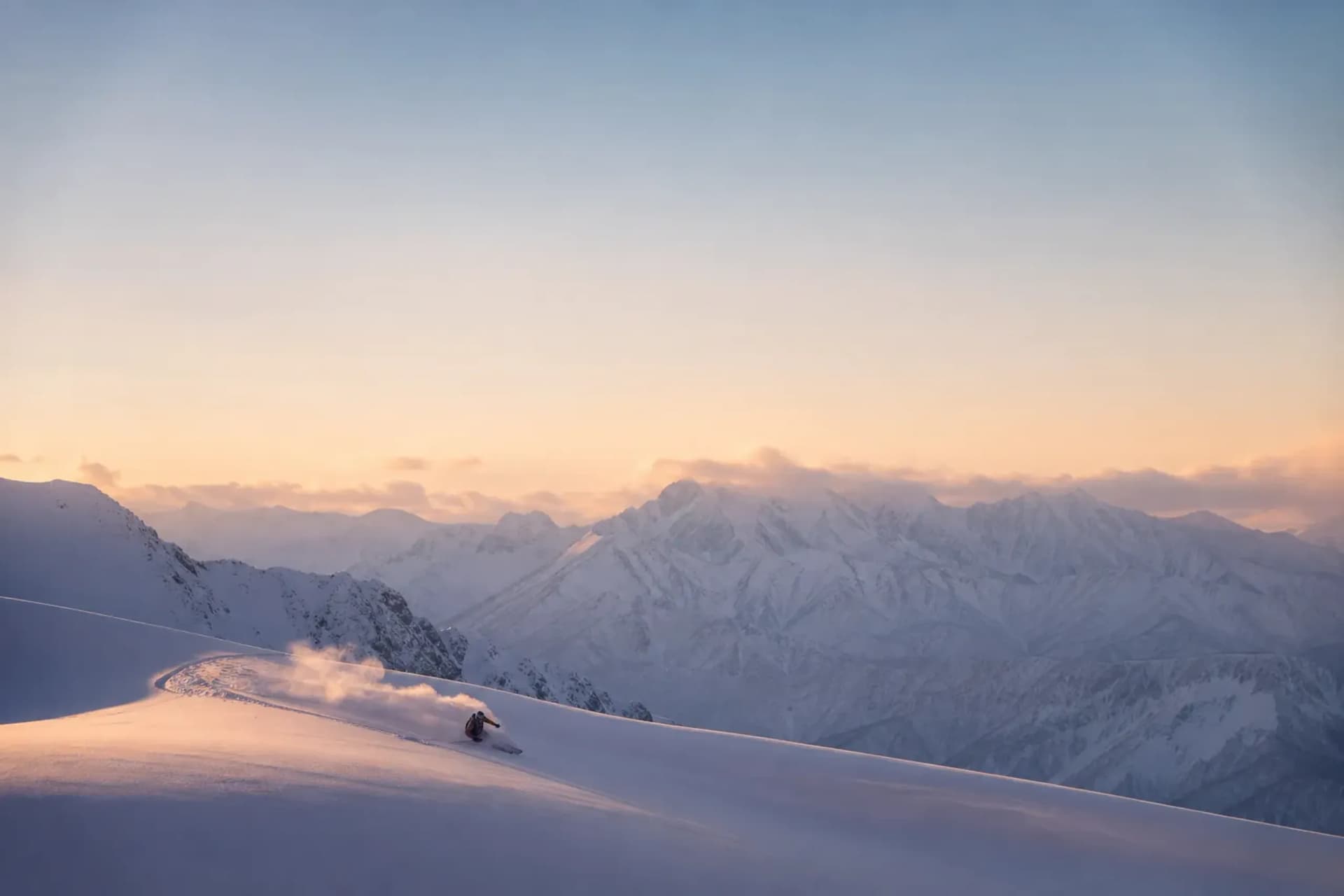
The Japan Alps in deep winter have a certain gravity.
Powder that lands softly, then keeps landing. Ridgelines that still carry the memory of the 1998 Winter Olympics. And that moment back indoors—boots off, shoulders dropping—when a warm bath and a measured dinner turn “ski trip” into something calmer.
Hakuba Valley can be loud if you let it be. Big crowds, rushed transfers, bad choices on storm days.
Our work is the opposite. At Japan Royal Service, we shape Hakuba as a retreat with edge: private pacing, discreet movement, and access to the valley’s best terrain without making your holiday feel like a sprint.
What Makes Hakuba Feel Different For Luxury Travelers
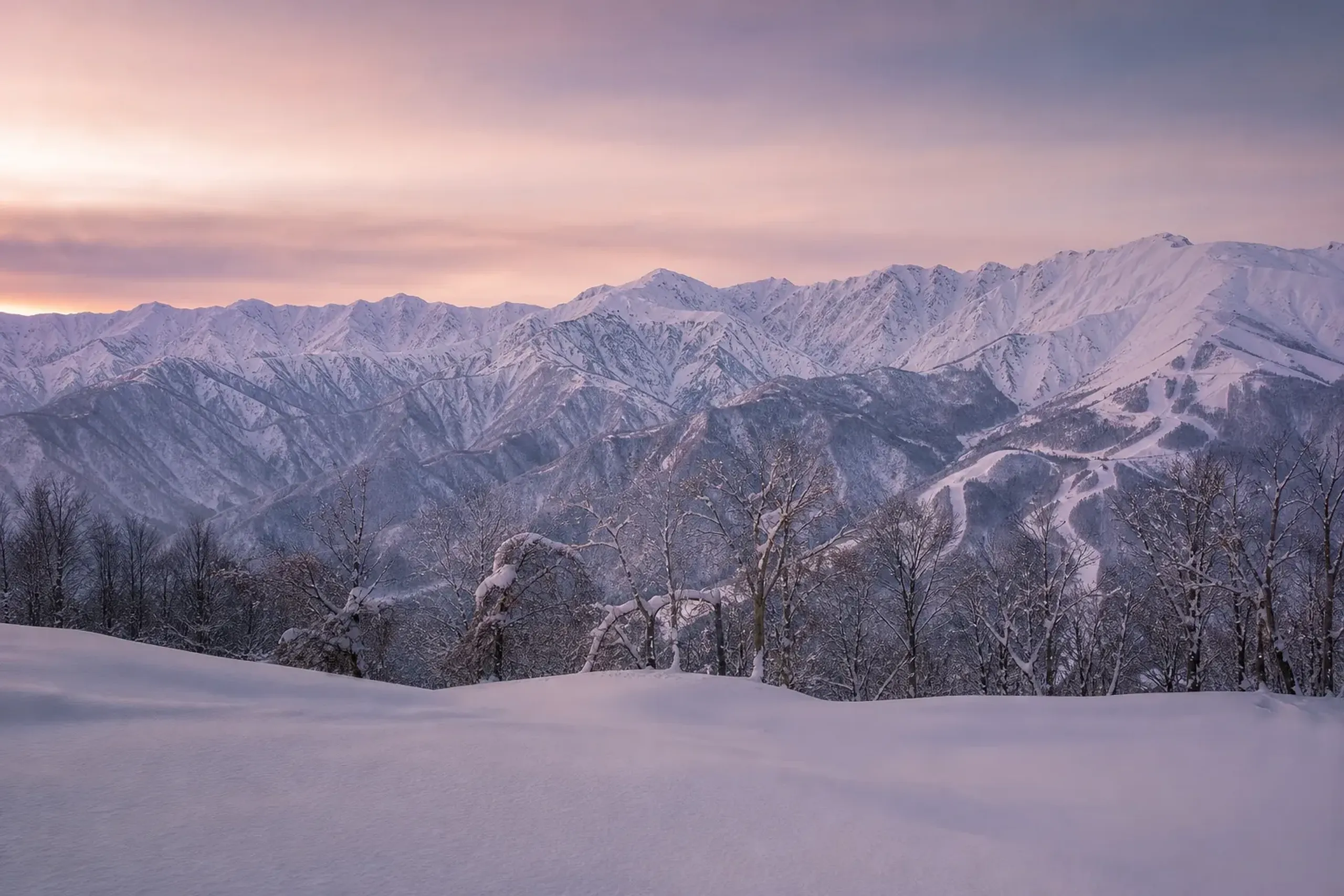
Hakuba is not a single resort. It is a valley of ten distinct mountains clustered in northern Nagano, set under the Ushiro Tateyama Mountain Range.
That detail matters. Conditions change fast, and the “right” base can shift depending on your priorities—first lifts, family ease, or simply quiet nights.
It also means your experience is decided by logistics. Not just snow.
With a discreet plan, the valley becomes modular: ski hard when the weather gifts you, then step back into wabi-sabi calm—restraint, warm wood, steam, and silence—when it doesn’t.
Quick Facts For Skimmers
Key fact: Hakuba Valley is made up of 10 ski resorts. A single All-Mountain Day Pass can be valid across them (2026–27 rules apply).
- Where: Hakuba Valley, northern Nagano Prefecture (Japan Alps)
- Scale: 10 ski resorts in the Hakuba Valley network (as listed by JNTO)
- All-Mountain Pass (2026–27): Valid across Jigatake, Kashimayari, White Resort HAKUBA SANOSAKA, ABLE Hakuba Goryu, Hakuba 47, Hakuba Happo-one, Hakuba Iwatake, Tsugaike, Hakuba Norikura, Hakuba Cortina
- All-Mountain Pass Price Examples (2026–27): 1-day Adult 11,100 yen / Child 6,400 yen; 3-day Adult 32,200 yen / Child 18,100 yen
- Shuttle: Hakuba Valley states the Hakuba Valley Shuttle Bus is free on days when you ski or snowboard (with All-Mountain pass usage days)
- Epic Pass (official benefit): Eligible Epic Pass products may receive a complimentary 5-day ticket for the 2026–27 Hakuba Valley snow season, for 5 consecutive days with no blackout dates (per the official page wording)
When To Go: The Season Logic That Keeps You Comfortable
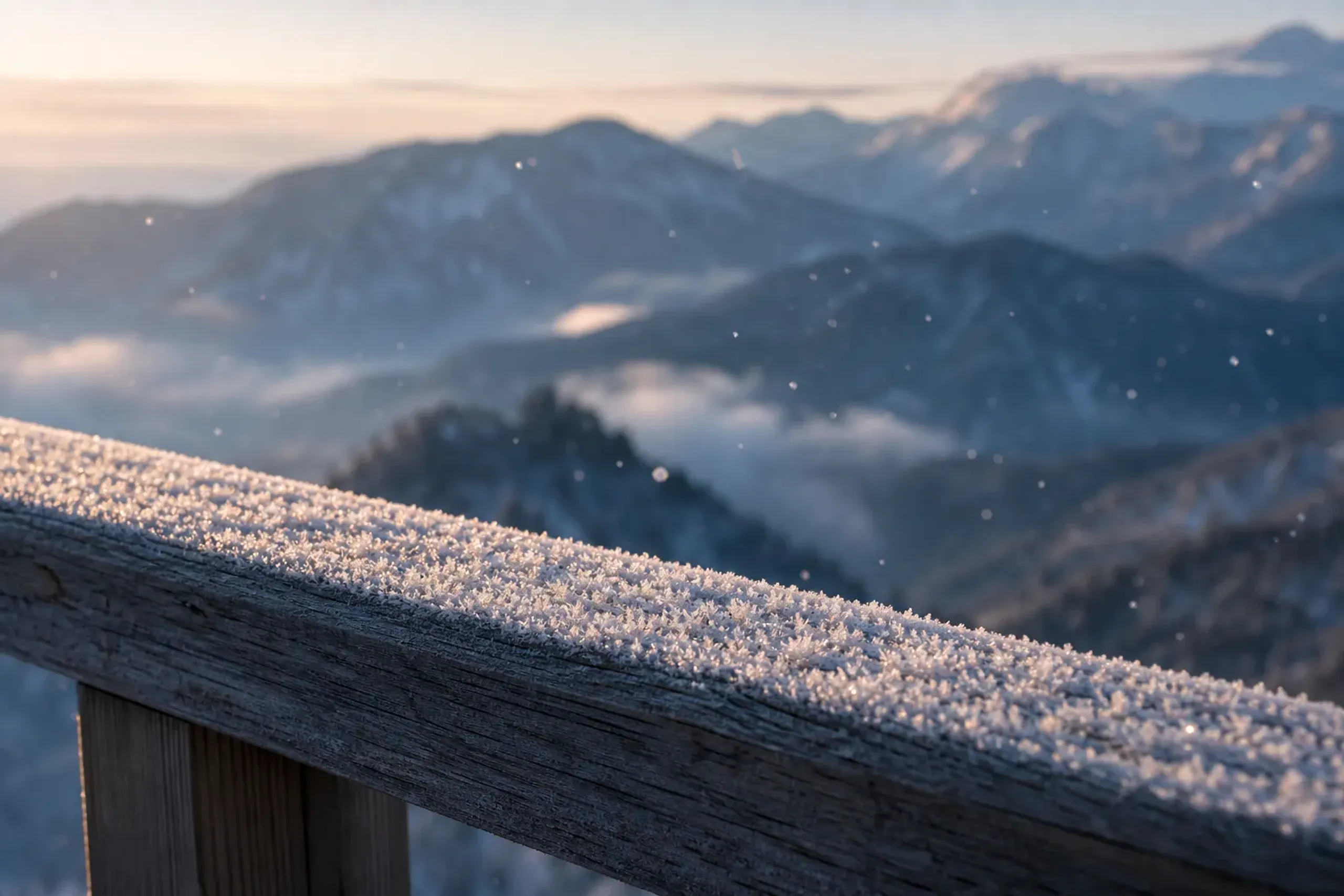
Hakuba is famous for winter. That is true.
But for HNW travelers, the real question is how you want to feel each day—energized, not depleted; challenged, not crowded; well-fed, not overbooked. Timing decides that more than people admit.
In winter, we plan around three realities: snowfall volatility, lift-line rhythm, and recovery time. Storm-chasing can be glorious. It can also be exhausting without a watchful schedule.
Outside winter, Hakuba reads differently. Cooler summers in the Japan Alps can suit travelers who want a clean reset from Tokyo heat, with hiking and cycling as the day’s spine, then slow dinners and early nights.
Winter: Powder With Precision
Heavy snowfall can reshape demand quickly. Japan’s ski season in early 2026 saw renewed interest when snowfall improved after a slow start, and Hakuba was explicitly mentioned in that context.
So we treat winter planning like a flexible framework. Not a rigid checklist.
On strong snow weeks, your “best day” may be different each morning. The valley’s multi-resort structure is a gift—if your routing can keep up.
Green Season: Quiet Alps, Clear Head
Hakuba is not only a snow postcard.
For travelers who prefer space, summer and shoulder seasons can feel almost private—cooler air, long daylight, and a softer village tempo. It is the same landscape, just without the noise of boots and boards.
We often see HNW guests enjoy Hakuba as an antidote to intense work cycles: walking, light cycling, unhurried meals, then back to Tokyo with a steadier pulse.
The Resorts: Choosing Your Mountains Instead Of Chasing Hype
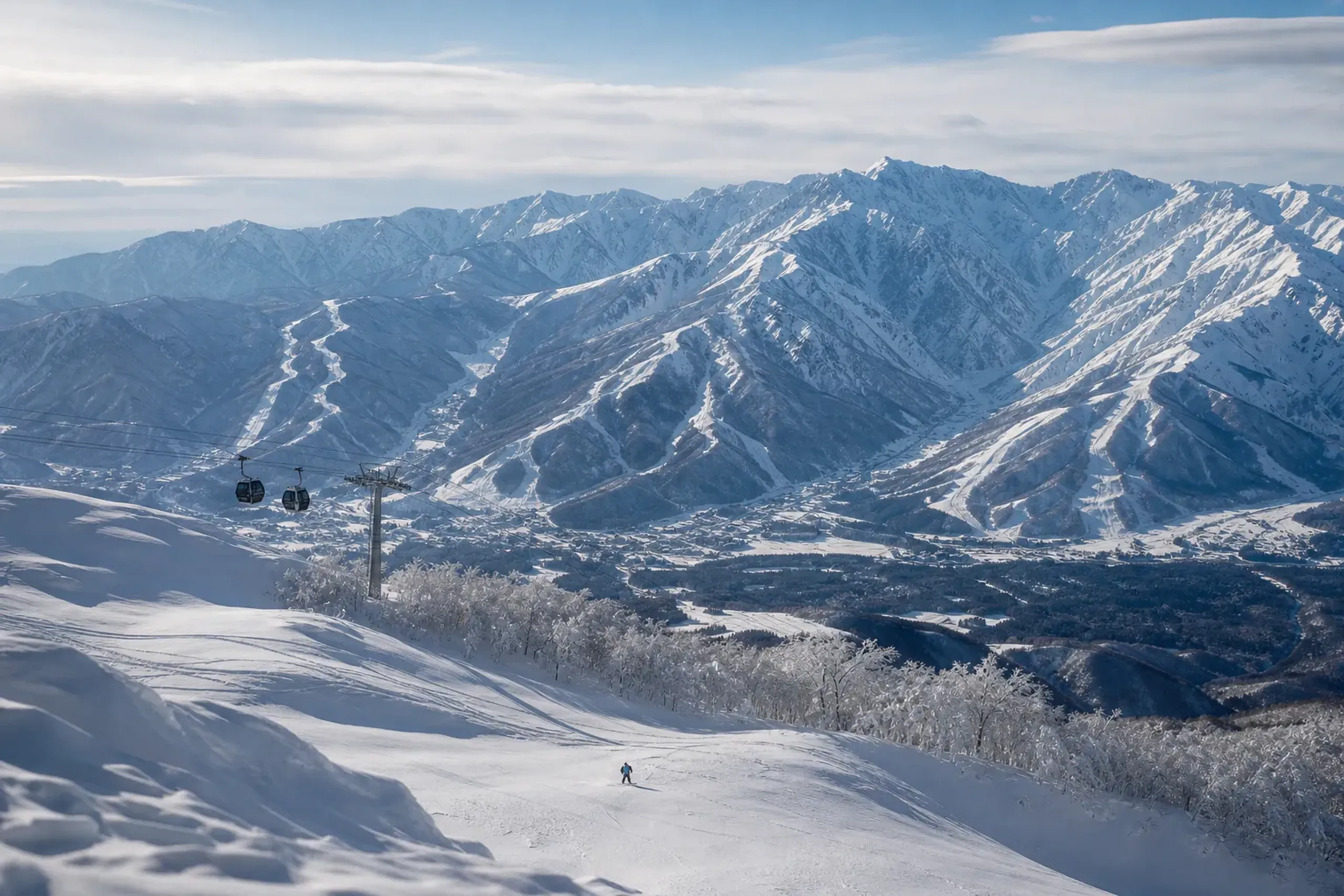
Hakuba Valley’s official All-Mountain Day Pass (2026–27) lists ten participating resorts: Jigatake, Kashimayari, White Resort HAKUBA SANOSAKA, ABLE Hakuba Goryu, Hakuba 47, Hakuba Happo-one, Hakuba Iwatake, Tsugaike, Hakuba Norikura, and Hakuba Cortina.
That list is your menu. Not your itinerary.
Each area has a different feel. Families tend to value simplicity. Experienced skiers may prioritize terrain variety and fast access.
Our approach is to match the mountain to the day’s purpose—conditions, energy, and privacy tolerance—so you are not stuck repeating the same crowded base.
Option A: Build Around A Classic Hakuba Core (Happo-One / Goryu / Hakuba 47)
These names come up because they are central and well-known. That can be helpful.
It can also mean busier evenings and more visible movement. Some guests enjoy the buzz for a night or two, then want quieter edges.
- Best for: travelers who want straightforward access to marquee zones and a lively village atmosphere
- Watch for: peak-time congestion and the temptation to over-schedule
Option B: Use Tsugaike As A Comfort-First Base
Tsugaike can suit guests who want convenience without constant stimulus.
A notable 2026 update: a PR Times release states Cedars Hotel (シーダーズホテル) in the Tsugaike area (Otari Village) grand opened on February 15, 2026, about a one-minute walk to the Tsugaike gondola, with an Allpress Espresso collaboration café planned to open from mid-February 2026.
That kind of opening matters because it changes how “easy” a ski day feels. Less friction. More time for long breakfasts and early lifts.
- Best for: families, comfort-led skiers, and travelers who prefer a calmer base
- Watch for: availability during peak winter weeks—new inventory can book out fast via official channels
Option C: Keep Cortina And Norikura In Your Back Pocket For Storm Days
Some days are made for a bold choice. Others call for shelter.
Having multiple resorts on one pass can let you pivot when visibility changes or wind affects lift operations. It is not about bragging rights. It is about keeping your day enjoyable.
Our concierge team builds a decision tree before you arrive, so you are not improvising in ski boots at 8:15 a.m.
Where To Stay: Design-Led Calm, Not Just Proximity
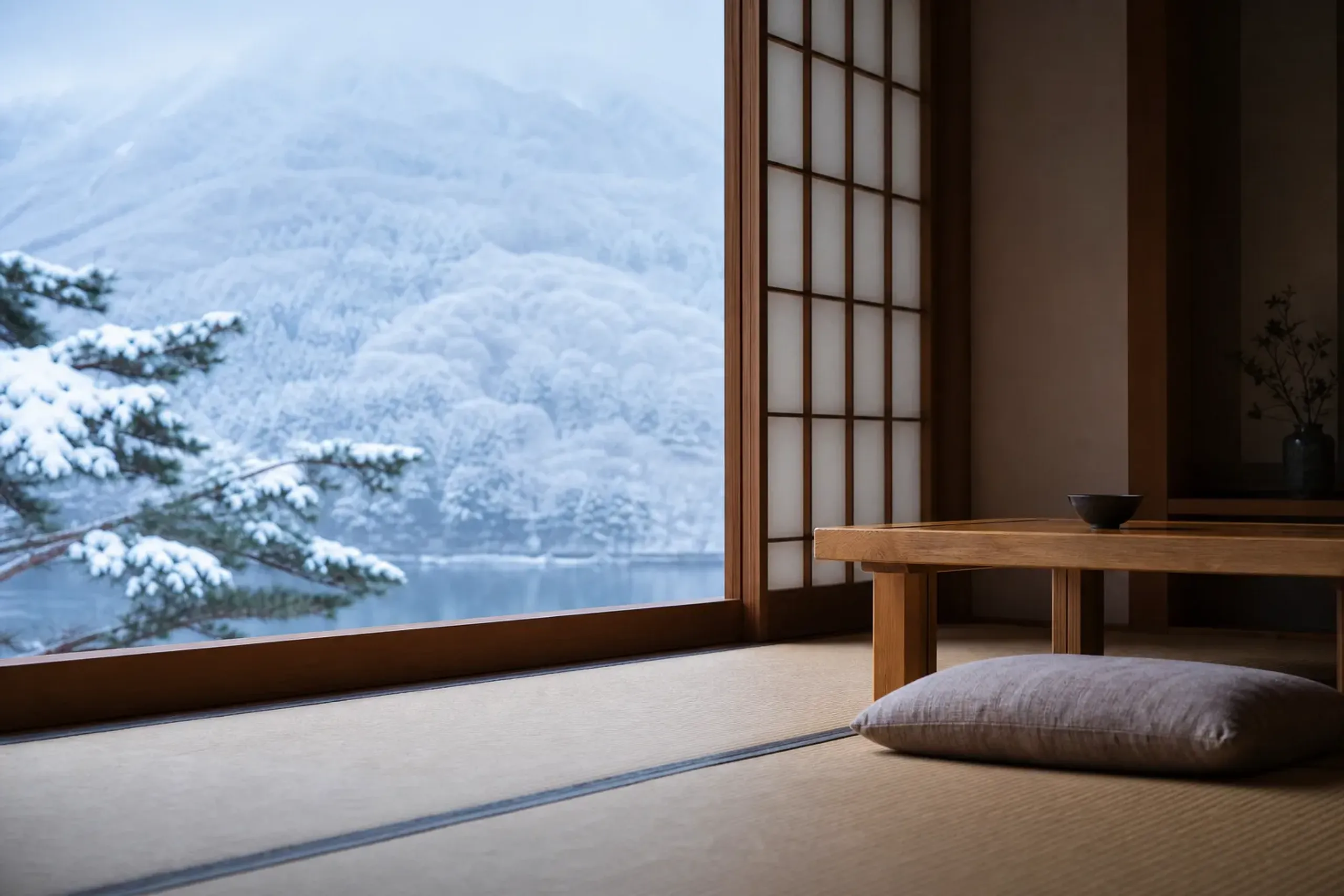
In Hakuba, “close to the lift” is only one kind of luxury.
The other kind is what happens after skiing: a quiet room, a deliberate dinner, and a place where you do not feel watched. This is where discretion becomes practical, not abstract.
One more 2026 update worth knowing: a June 8, 2026 post on Hakuba.com states Hotel La Neige would temporarily close on June 15 for a multi-phase renovation of its first floor, and that the project includes a new high-end dining concept named Sève with an August reopening mentioned.
If you care about evenings, that detail can change your choice of base. It also changes how early you should start asking questions.
Ryokan Energy Vs. Resort Energy
Some guests want a ryokan-style rhythm after the slopes: warm bathing, quiet corridors, early sleep.
Others prefer hotel services, bars, and more social motion. Neither is “correct.”
What matters is alignment. A mismatch is the fastest way to turn a dream ski week into a tired week.
What We Look For In A Hakuba Base
We prioritize three things that are easy to underestimate. Sleep quality. Transfer simplicity. And a dining plan that doesn’t collapse when weather shifts.
Small detail. Big impact.
When a property offers a calmer arrival flow, or a dining room that can accommodate a later seating after a long ski day, the entire trip feels less brittle.
Beyond The Slopes: The Evenings That Make Hakuba A Retreat
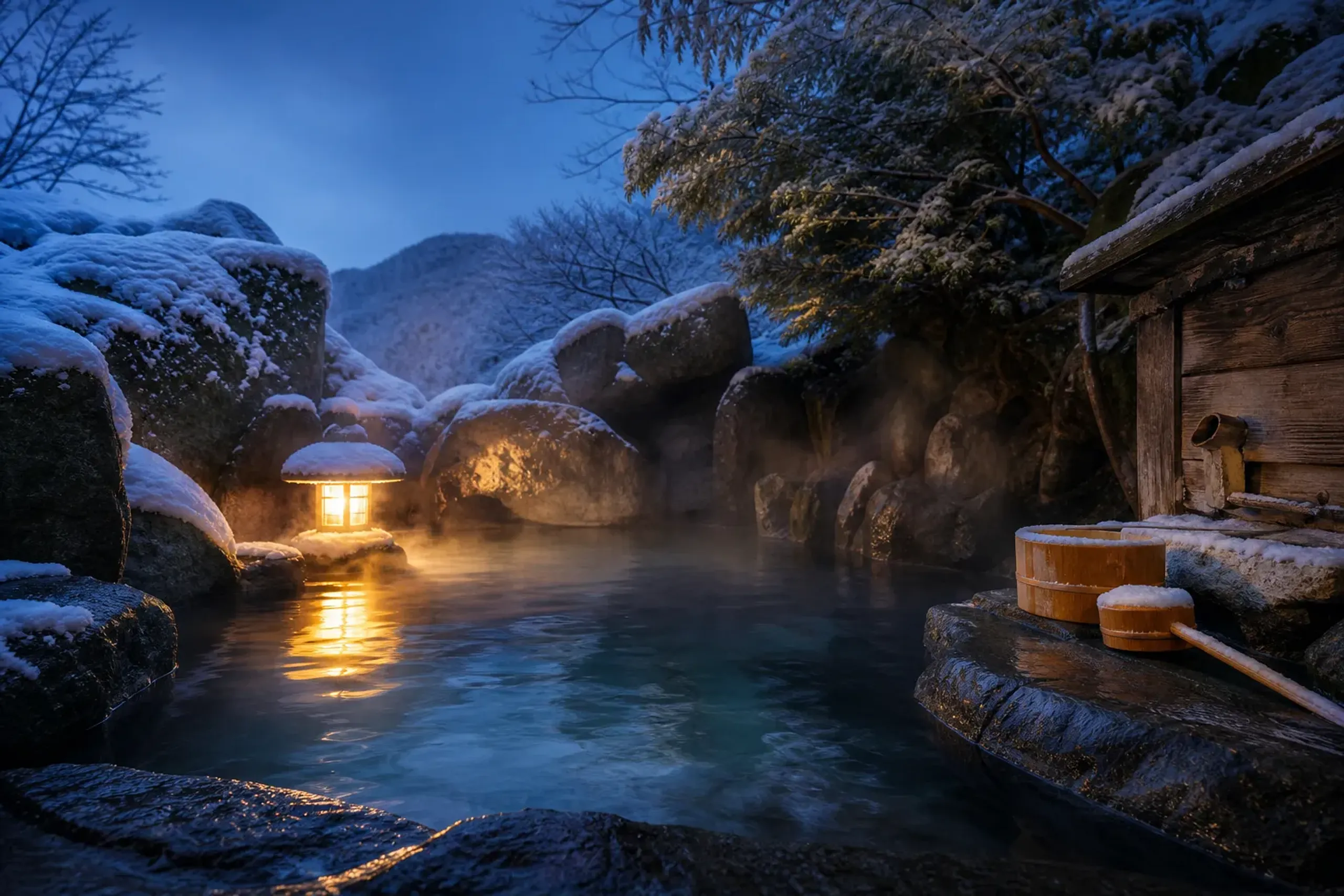
Hakuba’s daytime story is written in snow. The night story is written in heat.
Onsen time is not just recovery. It is a reset of the nervous system, especially for travelers who carry work stress into their holidays.
Then comes dinner. Kaiseki pacing, a good bottle, a table that feels unhurried.
We also weave in shokunin moments when it fits—craft, food, tools, quiet mastery—because it gives the valley a deeper register than “one more run.”
A Sample Evening Rhythm (That Still Leaves Room For Spontaneity)
- Late afternoon: finish early on purpose; end the day while you still feel strong
- Pre-dinner: bath/onsen time, then a slow change into evening clothes
- Dinner: a measured meal with a clear start time and buffer for delays
- After: tea, reading, or simply silence—no “mandatory fun”
Passes And Tickets: 2026–27 All-Mountain Pricing And What It Really Means
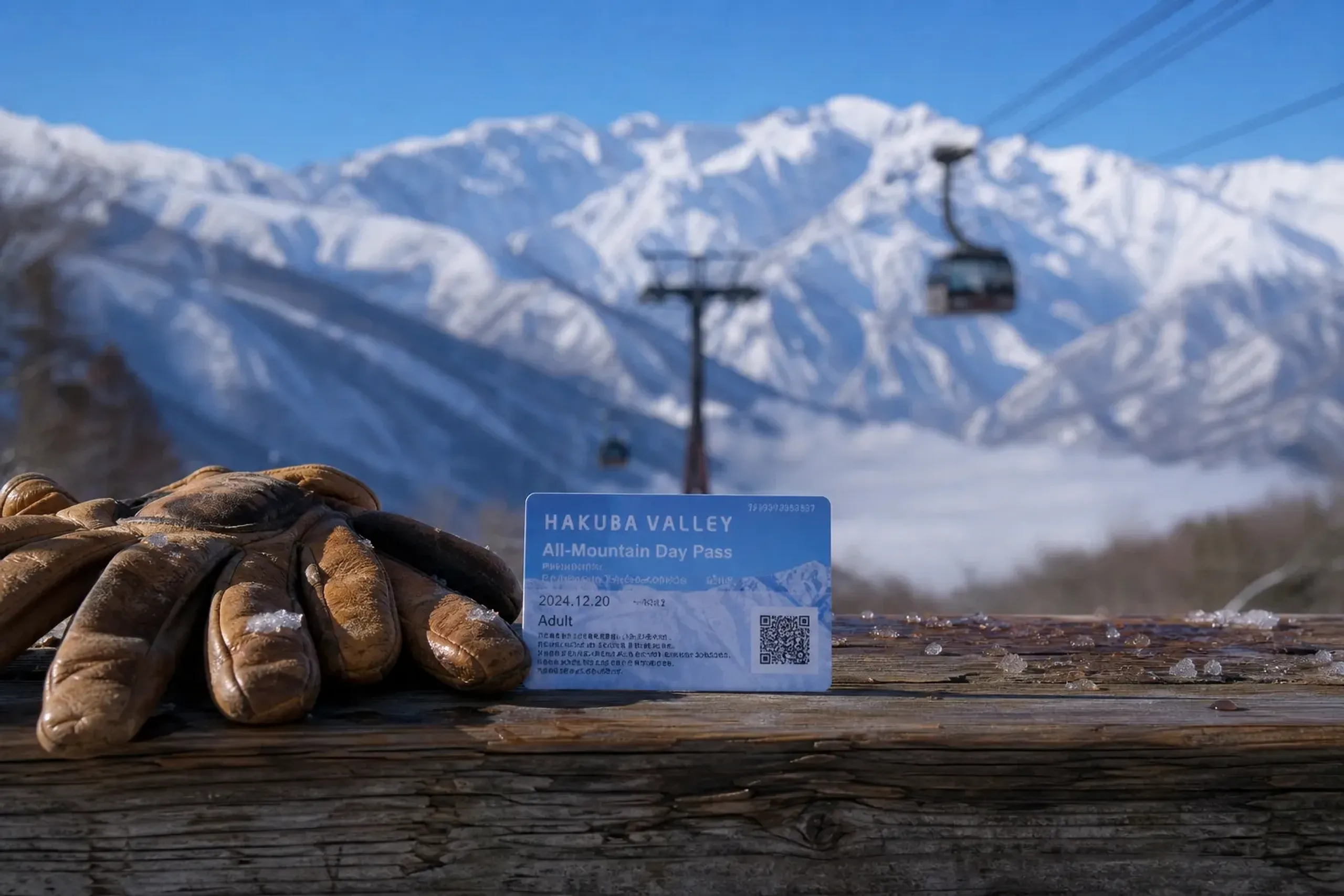
Lift tickets are a practical part of planning, and the official tables matter.
Hakuba Valley publishes its All-Mountain Day Pass details for the 2026–27 season, including where the pass is valid and example prices. For many HNW travelers, seeing the real numbers reduces friction and helps you decide how many ski days you actually want.
Below are examples directly aligned to the published 2026–27 pricing table.
| Hakuba Valley All-Mountain Day Pass (2026–27) | Price |
|---|---|
| 1-day Adult | 11,100 yen |
| 1-day Child | 6,400 yen |
| 3-day Adult | 32,200 yen |
| 3-day Child | 18,100 yen |
Hakuba Valley also states the Hakuba Valley Shuttle Bus is free on days when you ski or snowboard, tied to All-Mountain pass usage days. Useful. Also easy to miss.
Our concierge team uses this kind of official rule to reduce pointless spend and pointless waiting, then reallocates the “saved” time into what actually feels premium: late breakfasts, quiet arrivals, and better evenings.
Epic Pass In Hakuba: What The Official Benefit Says
Epic Pass holders often ask one question: “Does my pass work in Hakuba?”
Hakuba Valley’s official Epic Pass page states eligible Epic Pass products may receive a complimentary 5-day ticket during the 2026–2027 Hakuba Valley snow season, giving access to all Hakuba Valley mountains for 5 consecutive days with no blackout dates (per the page’s wording).
That is a meaningful benefit for travelers coming from North America or Australia, especially if you want a long-haul ski week without buying extra multi-day tickets.
If you want tailored guidance on how this interacts with your routing and resort choices, contact our concierge team. We keep advice grounded in official policy, then adapt the trip design around your pace.
Private Transport In Winter: The Difference Between “Easy” And “Long”
In snow country, transport is not a detail. It is the spine of the trip.
A shared shuttle can be fine. Until it isn’t—late arrivals, damp gear, too many stops, and that slow drip of fatigue that makes day three feel like day six.
Many of our guests prefer private transportation for winter routing: a controlled cabin, predictable timing, and space for equipment without negotiation. Quiet matters.
At the top end of our fleet, options like the Lexus LM 500 are built for long-distance comfort; for families and executive groups, vehicles like the Toyota Executive Alphard and Mercedes V-Class can be a practical fit depending on party size and luggage.
Key fact: Winter travel times can swing with weather. Build buffers, and protect your first and last day.
Sample Hakuba Escapes: Three Ways To Spend The Same Valley
Not every HNW traveler wants the same version of Hakuba. Good.
Below are three outlines we often use as starting points. They stay flexible, because weather always wins arguments.
Option A: The First-Tracks Week (Performance With Recovery)
Early lifts, then deliberate afternoons. This is for strong skiers who still want to sleep well.
- Prioritize fast mornings and a conservative end-of-day cutoff
- Plan a “storm pivot” resort list in advance
- Anchor evenings around onsen time and a calm dining sequence
Option B: The Family Ski Retreat (Comfort-First, Zero Chaos)
Kids and grandparents can share the same trip when the rhythm is right.
- Choose a base that reduces walking and gear friction
- Shorter ski blocks, more breaks, warmer lunches
- One or two non-ski afternoons to keep morale high
Option C: The Four-Season Alps Escape (Hiking, Cycling, And Quiet Evenings)
This is Hakuba for travelers who do not care about ski culture.
- Cooler-summer routing with flexible daily activity windows
- Scenic walks, light cycling, and slow meals
- Wabi-sabi lodging choices that favor calm over spectacle
How To Book Hakuba Valley Lift Tickets And Passes (Official Channels)
If you are deciding between day tickets, the All-Mountain Day Pass, or an Epic Pass benefit, rely on official sources first. It prevents small misunderstandings that can ruin a morning.
Hakuba Valley publishes the All-Mountain Day Pass resort coverage, pricing examples, and usage notes on its official ticket page. Epic Pass eligibility and the complimentary ticket benefit are described on Hakuba Valley’s official Epic Pass page.
Always follow the current instructions and terms shown on the official pages at the time you book and travel. Policies can change between seasons.
For questions, contact our concierge.
FAQ: Hakuba Valley Escapes
Is Hakuba Valley One Resort Or Multiple?
Multiple. JNTO describes Hakuba Valley as an international mountain resort made up of 10 ski resorts, and it lists them by name.
Which Resorts Are Included In The Hakuba Valley All-Mountain Day Pass?
For the 2026–27 season, Hakuba Valley lists: Jigatake, Kashimayari, White Resort HAKUBA SANOSAKA, ABLE Hakuba Goryu, Hakuba 47, Hakuba Happo-one, Hakuba Iwatake, Tsugaike, Hakuba Norikura, and Hakuba Cortina.
How Much Is The Hakuba Valley All-Mountain Day Pass?
Hakuba Valley’s published 2026–27 examples include: 1-day Adult 11,100 yen / Child 6,400 yen; 3-day Adult 32,200 yen / Child 18,100 yen.
Is The Hakuba Valley Shuttle Bus Free?
Hakuba Valley states you can ride the Hakuba Valley Shuttle Bus for free on days when you ski or snowboard, tied to All-Mountain pass usage days.
Does Epic Pass Work In Hakuba?
Hakuba Valley’s official Epic Pass page states eligible Epic Pass products may receive a complimentary 5-day ticket during the 2026–27 Hakuba Valley snow season, for 5 consecutive days with no blackout dates (per the page’s wording).
What’s New In Hakuba For 2026?
Two verified updates: Cedars Hotel in the Tsugaike area (Otari Village) grand opened on February 15, 2026 (PR Times). And Hakuba.com reported Hotel La Neige would temporarily close from June 15, 2026 for a renovation that includes a new dining concept named Sève, with an August reopening mentioned.
Did Hakuba Host Olympic Events?
Yes. Audley Travel states Hakuba staged Super-G, downhill, and ski jumping events during the 1998 Winter Olympics.
Why Choose Japan Royal Service
Hakuba is easy to “visit.” It is harder to experience with calm.
Our team at Japan Royal Service is built for travelers who want Hidden Japan without exposure: discreet routing, quiet-luxury bases, and shokunin-level curation when you want depth beyond the slopes. We work in an imperial-class register when formality is required, and we keep your identity and itinerary tightly held.
We also design trips the way serious skiers think: flexible, conditions-aware, and recovery-forward—so your week feels strong from the first lift to the last dinner.
To plan a Hakuba Valley escape with private guidance, reach our team privately via WhatsApp or LINE, or contact us here.