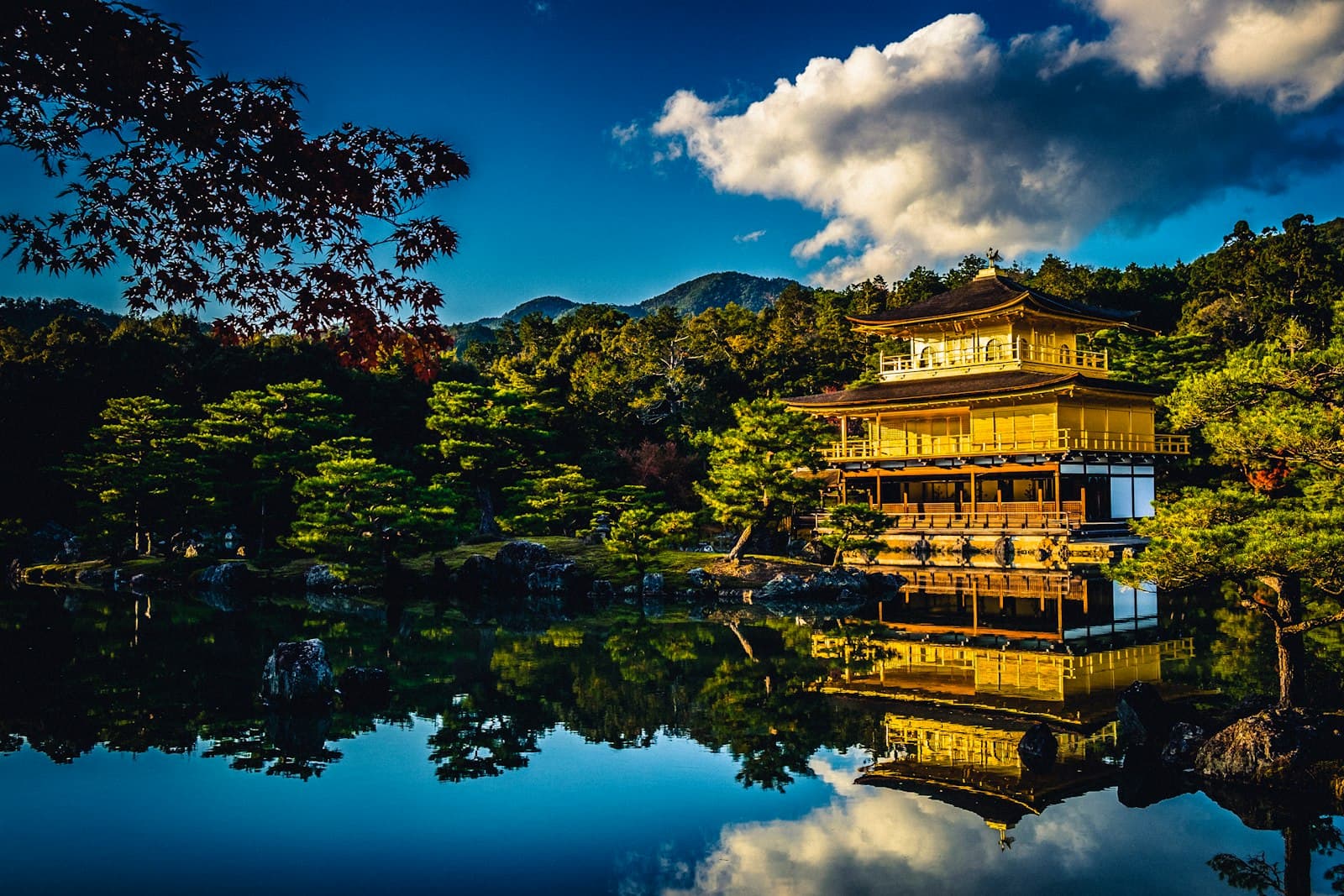
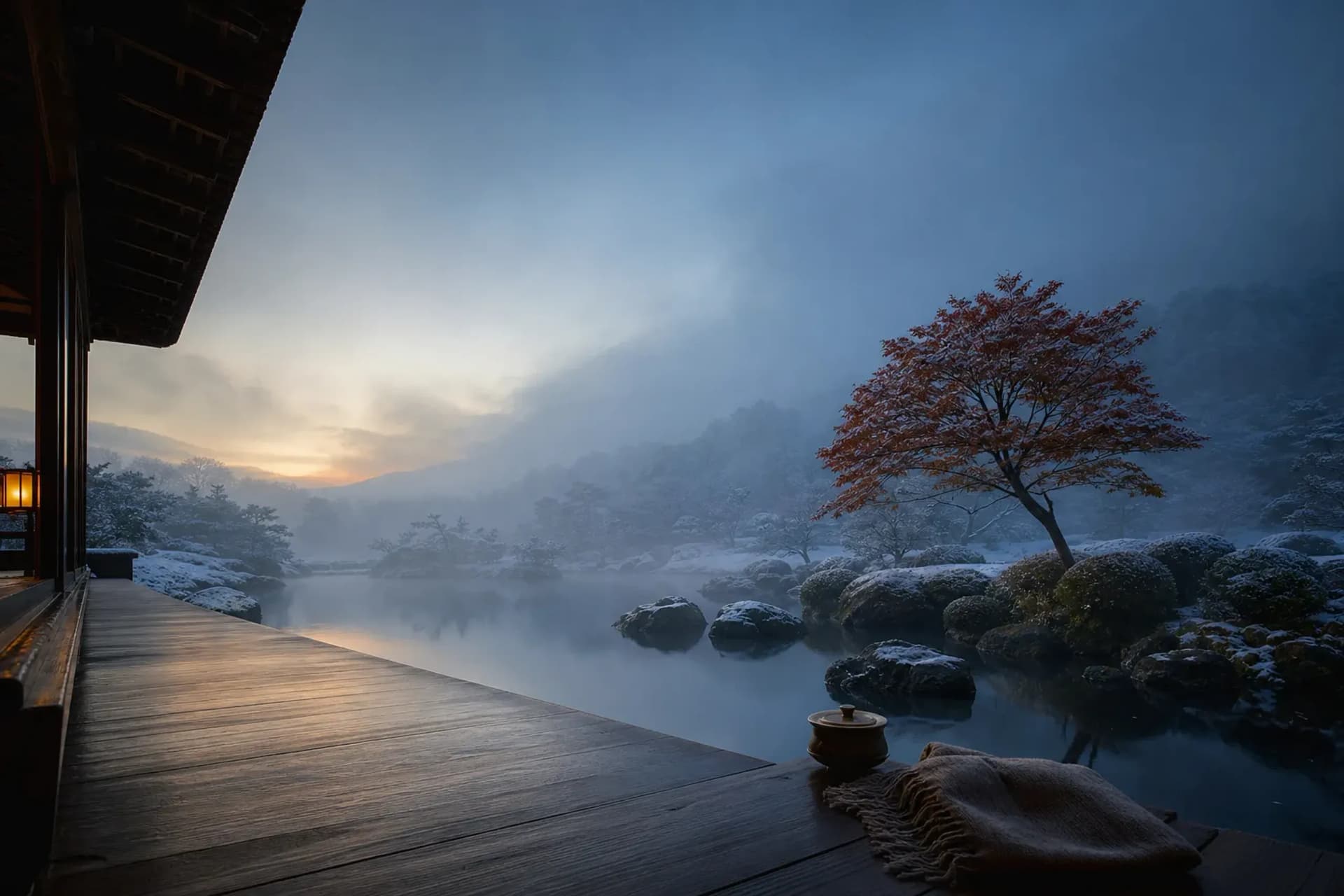
In this guide
- 01How To Use This Quiet-Luxury Calendar (And Why Precision Matters Now)
- 02Winter 2026: Temple Doors Open, Crowds Thin, Light Turns Silver
- 03Early February 2026: Hokkaido Lantern Silence At Otaru Snow Light Path
- 04Spring 2026 (After The First Rush): Garden Mornings And Residential Tokyo Calm
- 05Summer 2026: Night Gardens In Kyoto, Then Retreat Into Water And Stone
- 06Autumn 2026: Temple Light, Early Mornings, And The One-Week Mentality
- 07Winter 2026–2027: Onsen Architecture, Private Space, And New-Opening Timing
- 08Two Quiet-Luxury Friction Points In 2026 You Should Plan Around
- 09Booking And Verification: What You Can Confirm Early (And What You Should Check Late)
- 10FAQ: Japan’s Quiet-Luxury Timing (2026–2027)
- 11Why Choose Japan Royal Service
Japan can feel like a contradiction. The moments you came for—garden silence, onsen steam at dawn, temple light—often sit behind a wall of people.
Our clients tell us the same thing, in different words. They want Japan at its most exacting, but not at its noisiest. They also want discretion to be the default, not a special request.
This calendar is built for that kind of traveler. Not a list of “best months,” but a sequence of precise windows where Japan’s quiet side shows up on schedule, then disappears again.
We focus on places with verified dates or official scheduling pages where possible, and we flag what can change. Planning well is the luxury. Stillness is the reward.
How To Use This Quiet-Luxury Calendar (And Why Precision Matters Now)
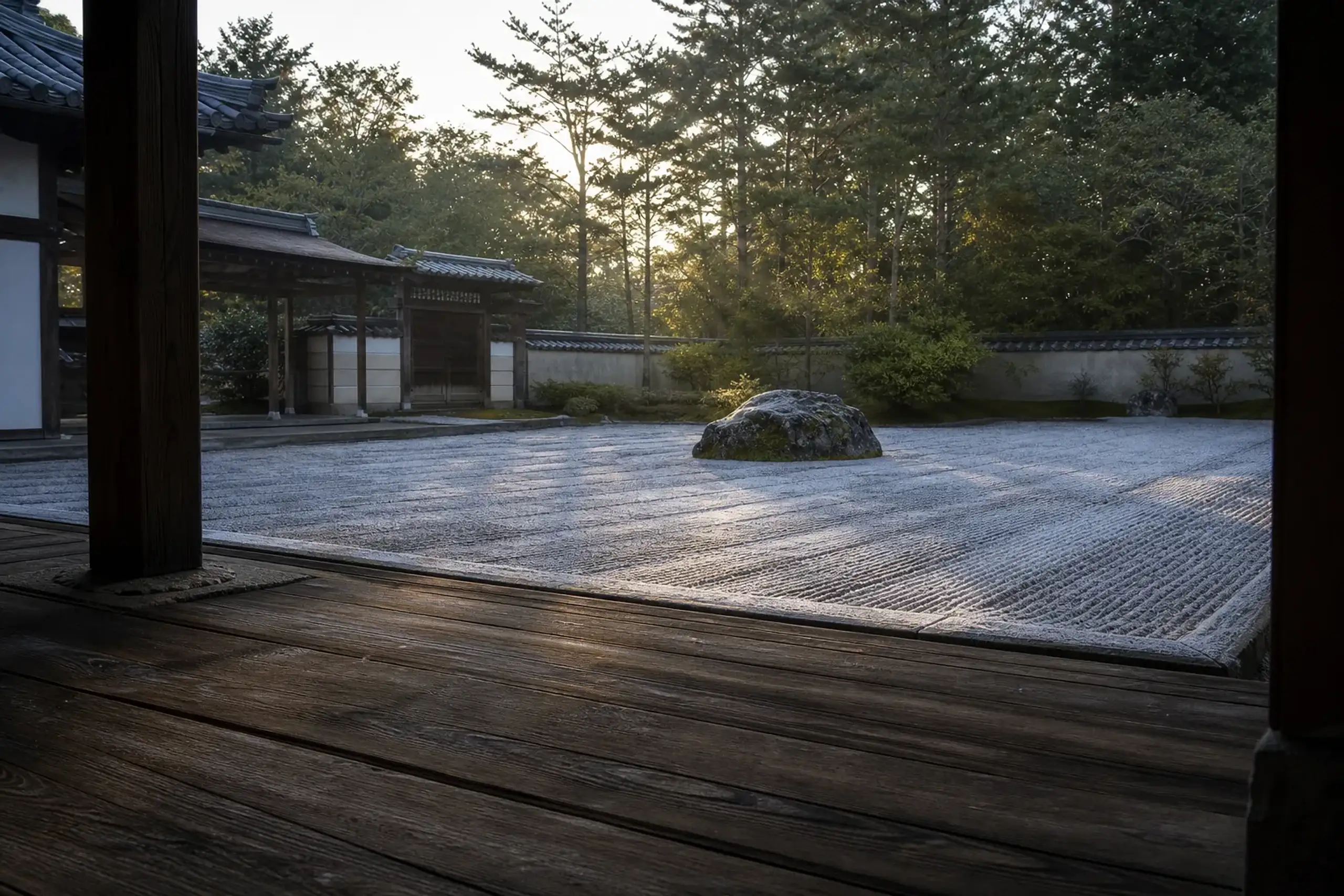
Japan’s crowd patterns have shifted. The headline number tells you why: JNTO reported preliminary estimated foreign visitors in May 2026 as 3,559,900.
That doesn’t mean you should avoid Japan. It means you should stop relying on “shoulder season” as a magic phrase.
In our experience, quiet travel is engineered. It comes from choosing a narrow week, entering a site at an unfashionable hour, and pairing cities with restorative basins where your nervous system can reset.
Keep this rule close: when a date is official, we lean on it; when a date is not, we treat it as provisional and verify closer to travel. Simple. Strict.
Key fact: Kyoto Travel publishes an official Travel Congestion Forecast tool (last update shown as June 11, 2026). Use it to pick quieter days and hours around hotspots.
A Note On Discretion As A Planning Tool
Discretion is not only about privacy from other people. It is also about reducing friction: fewer public-facing touchpoints, fewer queues, fewer moments where a day can tilt off course.
Our team at Japan Royal Service plans around that idea. We keep days readable. We keep movements clean. We keep your identity and itinerary treated as confidential by default.
Private Movement, Quiet Outcomes
When travel is tightly timed, transport stops being a commodity. It becomes the spine of the day.
Your first mention matters here: for premium private transportation, we think in terms of pacing, entrances, and drop-off points that reduce exposure to crowds and noise.
For a multi-day journey, we design a tailor-made itinerary that protects the quiet hours—early mornings, late evenings, and the small gaps between “must-sees.”
Winter 2026: Temple Doors Open, Crowds Thin, Light Turns Silver
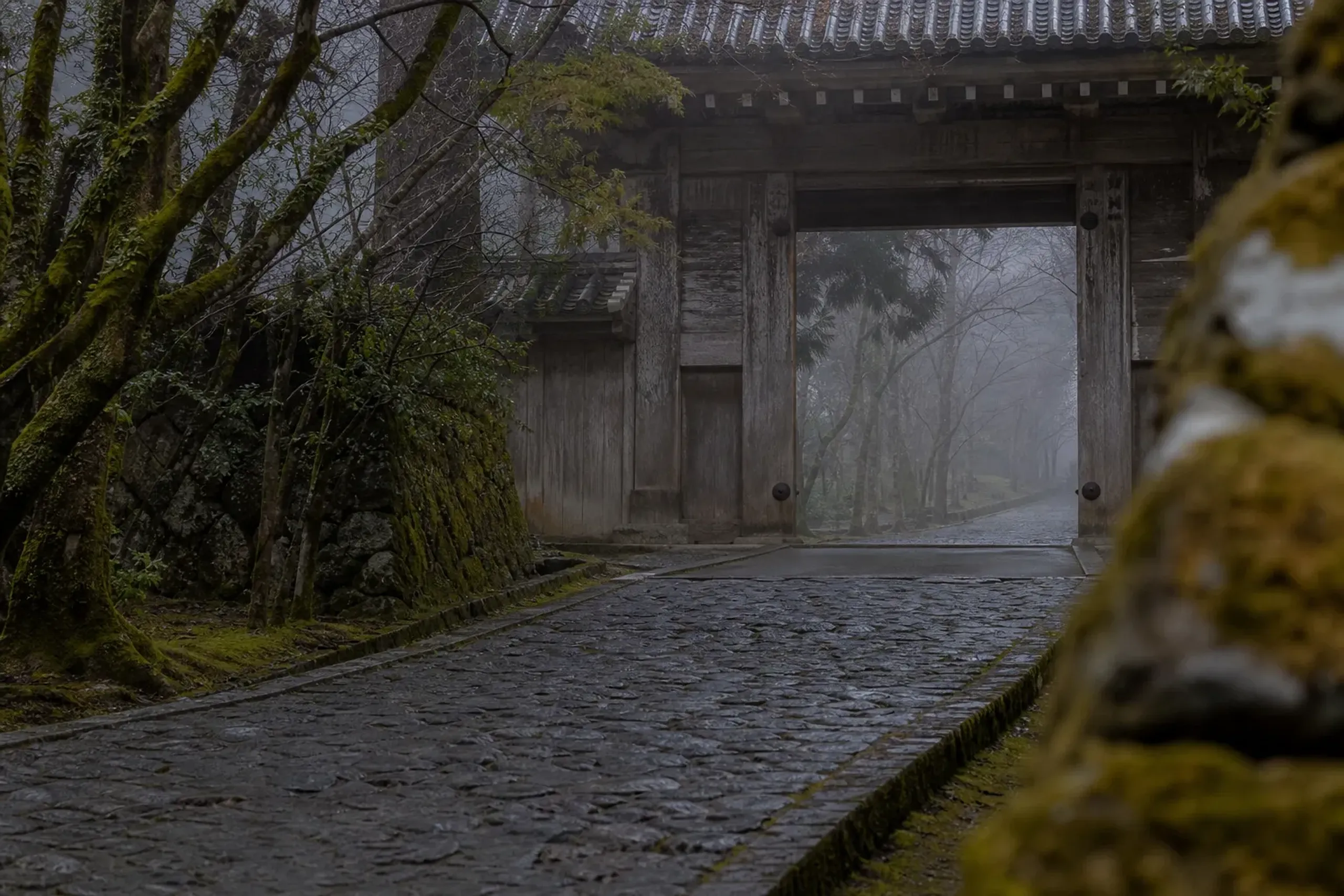
Winter rewards the early riser—Kyoto feels almost private before the city wakes.
Winter is the season many people skip. That is exactly why it works.
Kyoto’s air sharpens, gardens simplify, and footsteps become audible again. Wabi-sabi reads more clearly in cold weather, when the palette narrows and the city feels less performative.
For HNW travelers, winter is also a practical play. You can take a shorter Kyoto stay, then fold in an onsen region for recovery, without feeling like you missed the “main” season.
Kyoto Winter Special Openings (Verified 2026 Dates)
Kyoto Travel lists the 60th Annual “Kyoto Winter Special Openings” as running from January 9, 2026 to March 18, 2026.
These openings are not about spectacle. They are about access—being allowed into spaces that are not always on the standard route.
Go on a weekday. Go early. Then leave before lunch, while the city is still clearing its throat.
Date window: Jan 9, 2026 – Mar 18, 2026 (Kyoto Winter Special Openings, official Kyoto Travel listing). Access note: Exact venues and rules vary; always confirm the current year’s details on the official Kyoto Travel page close to travel.
Tokyo Winter Illuminations (Official GO TOKYO Guide)
Tokyo does winter light in a way that suits quiet luxury. Not as a street party. More like a controlled shimmer between dinner reservations.
The Official Tokyo Travel Guide (GO TOKYO) maintains a Winter Illumination Guide 2026 (updated January 1, 2026) and cites examples such as Midtown Garden and Marunouchi Illumination.
Pick one district. Stay put. That restraint is what keeps the night from turning into a commute.
Early February 2026: Hokkaido Lantern Silence At Otaru Snow Light Path
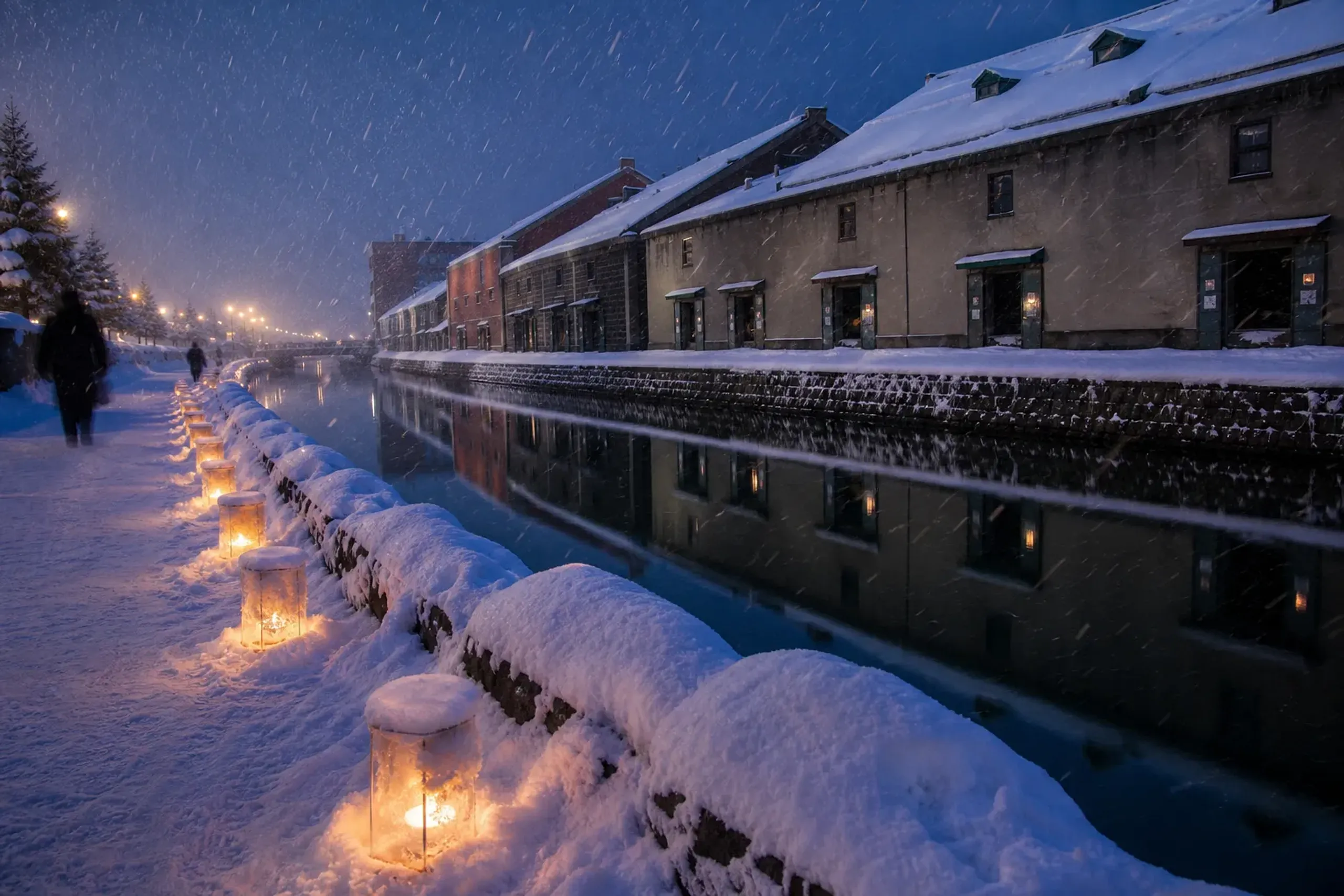
Otaru’s candlelight is understated—warmth held close to the ground.
If you want an antidote to crowded city nights, go north. Hokkaido’s winter has a cleaner kind of quiet.
Otaru’s canal area and small streets take candlelight well. The scene is simple: snow underfoot, warm light at ankle height, breath fogging the air.
The Hokkaido Official Tourism Site lists the Otaru Snow Light Path Festival dates as 2026/2/7–2/14. That precision is rare. Use it.
Date window: Feb 7–14, 2026 (Otaru Snow Light Path Festival, Hokkaido Official Tourism Site). Quiet tactic: Aim for the earliest evening hours on a weekday; leave before the late-night surge.
Pairing Logic: Otaru + Sapporo + An Onsen Reset
Otaru is close enough to Sapporo to combine without strain. That matters in winter, when long transfers start to feel like punishment.
We typically keep the rhythm steady: one main evening in Otaru, one slower day for food and rest, then an onsen-led recovery day. No heroics.
If you want craft depth (shokunin), winter is kind to it. Studios feel warmer. Conversations slow down.
Spring 2026 (After The First Rush): Garden Mornings And Residential Tokyo Calm
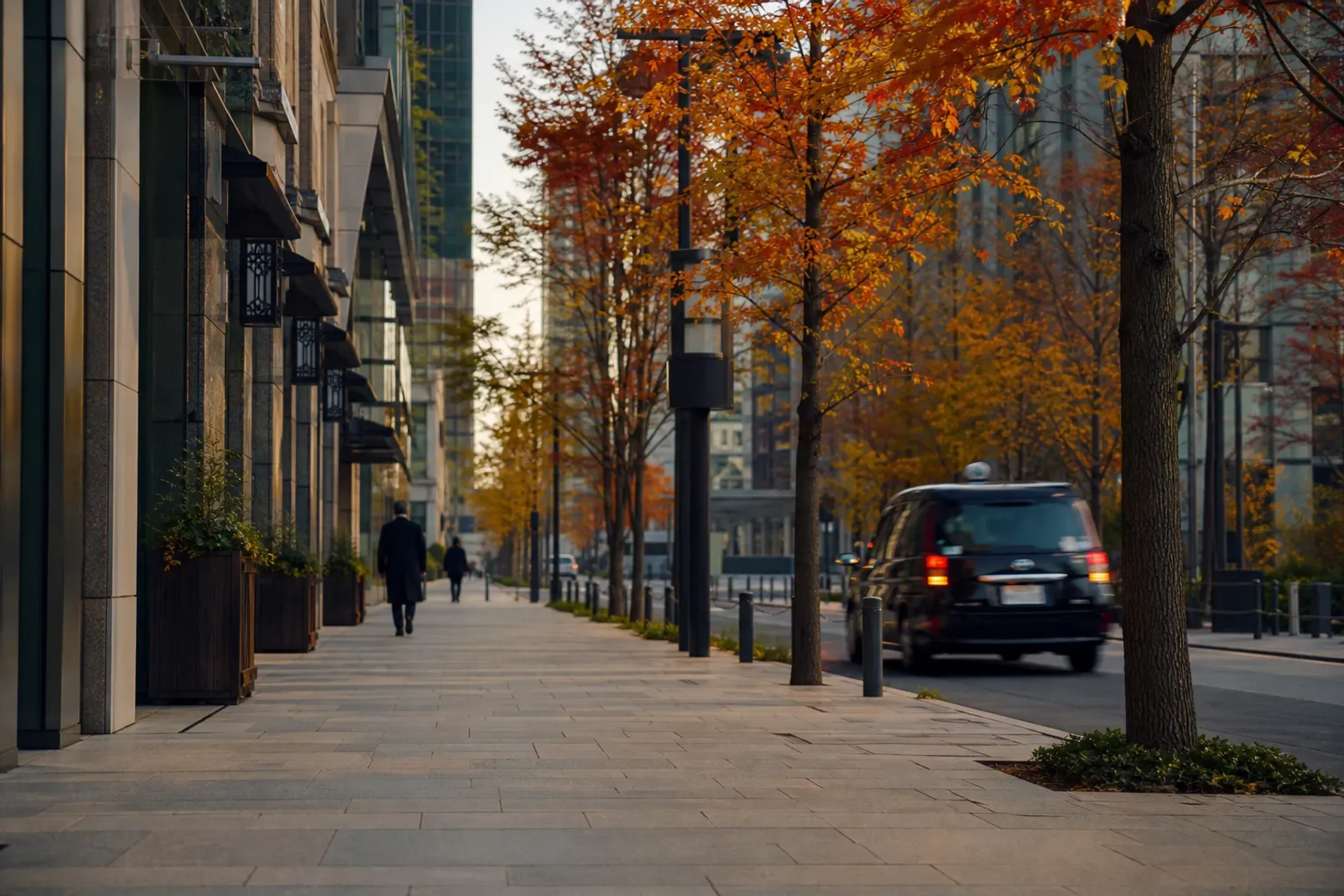
Tokyo can be calm—if you choose the right base and keep the day compact.
Spring is not forbidden. It is simply less forgiving.
To keep it quiet, we avoid “everyone goes now” weeks and focus on mornings, private interiors, and districts that behave like a neighborhood rather than a stage set.
This is where discretion stops being a preference and becomes the whole point.
Tokyo As A Quiet Base: Marunouchi’s Controlled Geography
Marunouchi works for travelers who want Tokyo without constant friction. The streets are broad, the pacing is adult, and the transition from hotel to dinner can be almost silent.
Four Seasons Hotel Tokyo at Marunouchi announced it is taking reservations for stays starting April 29, 2026, following a major renovation. It also stated a small key count of 57 rooms and suites, which supports a more intimate, residential feel.
That scale matters. It changes the tone of arrival, breakfasts, and late-night returns.
Kyoto In Spring: Use The City’s Own Crowd Intelligence
Kyoto is still Kyoto. People will come.
What changes the experience is timing at the street level, not wishful thinking. Kyoto Travel’s official Travel Congestion Forecast tool is one of the few public resources that speaks plainly about crowd comfort and updates its guidance.
We plan days so you enter before the group-tour wave, then step away while everyone else is still arriving. That one decision can rescue a whole afternoon.
Summer 2026: Night Gardens In Kyoto, Then Retreat Into Water And Stone
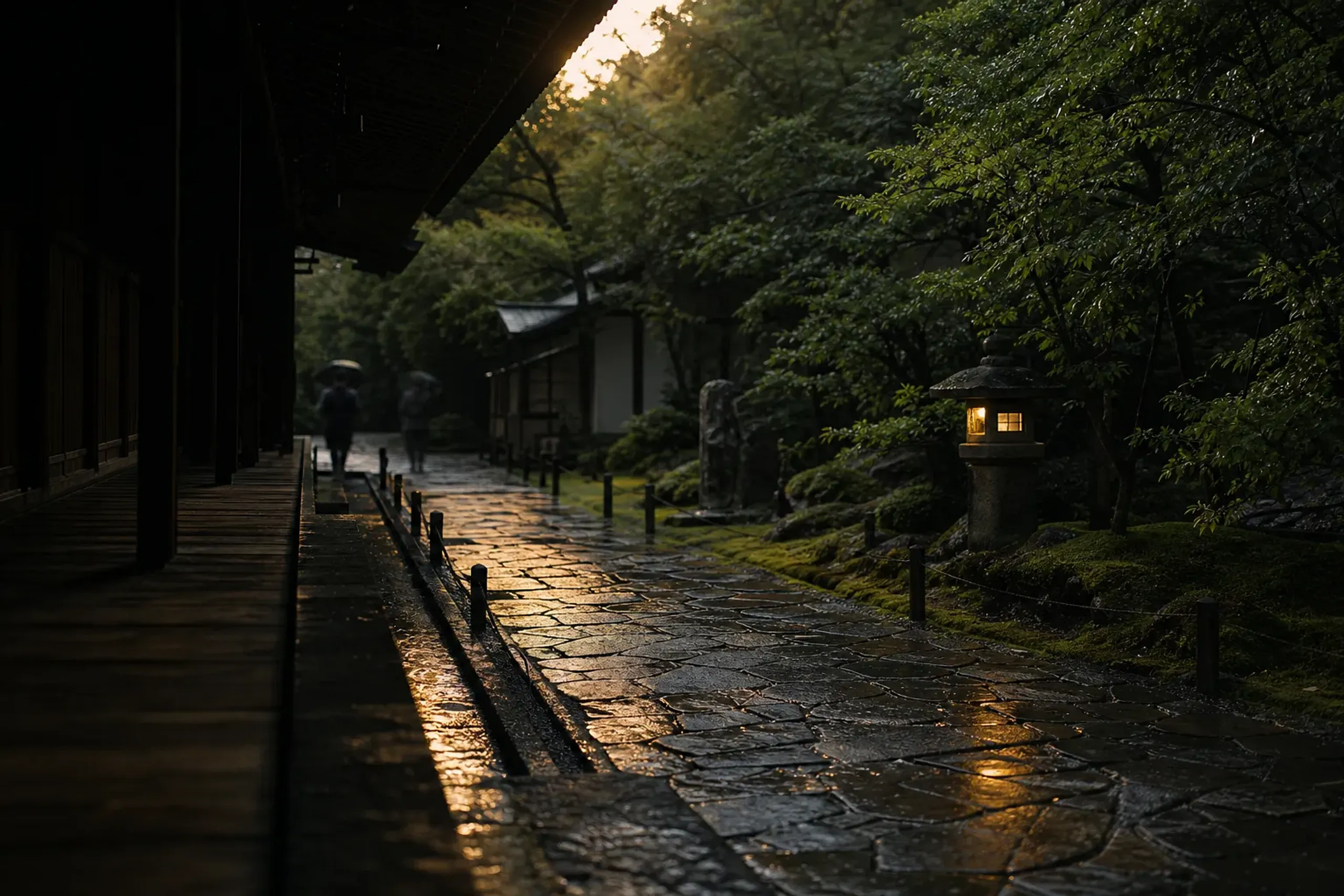
Night visits change the reading of a garden—shadow becomes part of the design.
Summer in Japan can feel heavy. The trick is to treat the heat as a design constraint, not an inconvenience.
That means fewer midday commitments, more shade, and nights that are built around a single, verified anchor.
It also means the onsen portion of your trip matters more than ever. Steam can be restorative even in warm months, if the setting is right and the pacing is slow.
Shoren-in Temple Special Night Visits (Verified 2026 Dates)
Shoren-in Temple’s official English page lists Special Night Visits from July 17, 2026 to August 23, 2026.
Illumination changes how you read a temple precinct. Shadows become architecture. The garden turns into a sequence of quiet frames.
Go with a light dinner plan afterward. Keep the night clean.
Date window: Jul 17, 2026 – Aug 23, 2026 (Shoren-in Temple, official Special Night Visits page). Access note: Nights like this can draw local visitors too; choose your day carefully and arrive early.
Kiyomizu-dera Special Night Viewing: Verify Before You Commit
Kiyomizu-dera publishes a Special Night Viewing page with a “Schedule in 2026” section on its official site.
We like this because it gives you a single source of truth. No rumor chain. No guessing.
For a quiet-luxury plan, the goal is not “best photo.” It is a clean, safe route in and out, without getting caught in the densest flow.
Autumn 2026: Temple Light, Early Mornings, And The One-Week Mentality
Autumn is famous for a reason. It is also crowded for the same reason.
The way to keep autumn elegant is to adopt a one-week mentality. You pick a tight window, design the days like a watch, then leave before your patience gets tested.
Wabi-sabi fits autumn naturally. Leaves fall. Light thins. The beauty is already leaving as you arrive.
Kyoto’s Most Useful Luxury Tool: Saying “No”
Autumn itineraries fail when they become a checklist. Too many temples. Too many transfers. Too much “since we’re here.”
Our approach is to protect two quiet anchors per day, max. One early. One late.
Everything else becomes optional. That is how you keep your mood intact.
Where Shokunin Fits In Autumn (Without Turning It Into A Detour)
Craft encounters work best when they are close to where you already are. Not because you cannot travel, but because time is precious in peak seasons.
In our experience, a private session with a shokunin—ceramics, lacquer, or cuisine—lands differently in autumn. The city outside is busy, and the studio is not. The contrast is the point.
These meetings require tact. And introductions. Hidden-Japan is real, but it is not a brag.
Winter 2026–2027: Onsen Architecture, Private Space, And New-Opening Timing
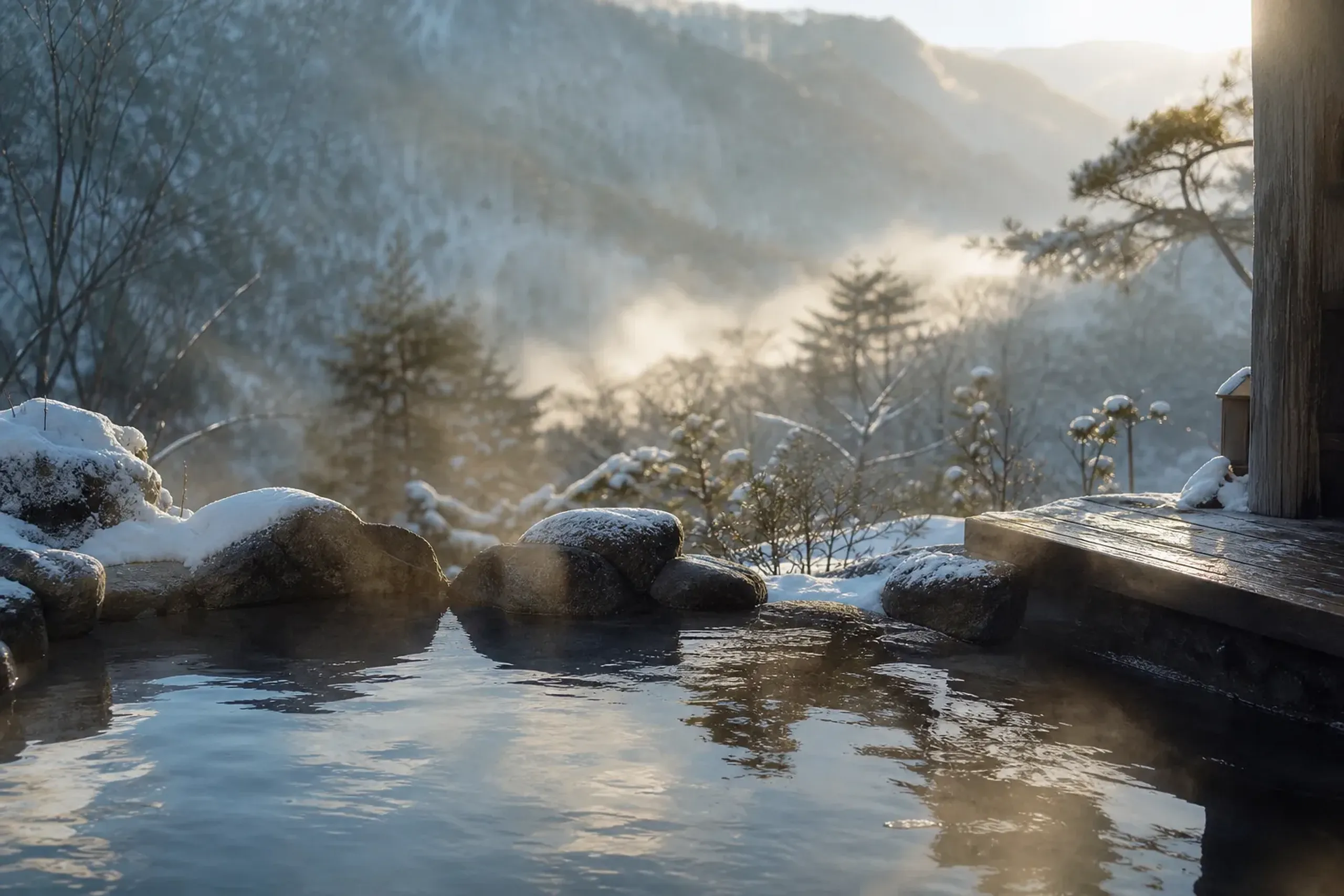
The quietest luxury in Japan is often just steam, cold air, and time.
By late 2026, winter becomes strategic again. Not only for crowds, but for openings that change where you should spend your nights.
This is where quiet luxury looks like a balcony, steam, and a controlled view—rather than a lobby scene.
It is also where discretion becomes easiest to maintain. Fewer eyes. Fewer phones. Less noise.
Hakone’s New Anchor: HOTEL THE MITSUI HAKONE (Opening Dec 15, 2026)
Mitsui Fudosan announced that HOTEL THE MITSUI HAKONE will open on Tuesday, December 15, 2026.
It also announced that all 126 rooms will feature a natural hot spring and a balcony or terrace. For quiet travel, those details are not trivia. They shape your whole day.
You can soak without performing. You can breathe without leaving your room. That is the point.
Tokyo’s 2026 Luxury Shift: Small-Scale Calm And Art-Forward Stays
Two Tokyo signals matter for 2026–2027 planning.
First, Four Seasons Hotel Tokyo at Marunouchi’s renovation reopening (reservations for stays starting April 29, 2026) supports the idea of Tokyo as a quieter, more residential base.
Second, Hilton announced that LXR Hotels & Resorts will debut in Tokyo via the rebranding of the iconic Hotel Gajoen, with rooms and restaurants resuming operations in mid-2026 ahead of the official LXR debut after phased enhancements.
For a culturally focused traveler, Hotel Gajoen’s reputation as an art-and-architecture landmark can anchor an itinerary that favors interiors over crowds. We keep the plan calm and close-in.
Two Quiet-Luxury Friction Points In 2026 You Should Plan Around
Many “best time to visit Japan” pages skip the small policy changes. That is a mistake.
In 2026, two official updates can change your itinerary math: Kyoto’s accommodation tax revision and Japan Rail Pass price changes. Neither is glamorous. Both are real.
Kyoto Accommodation Tax Revision (Effective March 1, 2026)
Kyoto City’s accommodation tax revision begins March 1, 2026, as announced on Kyoto Tourism Navi.
The notice shows higher brackets, including ¥4,000 for stays priced ¥50,000–<¥100,000 per person per night (and higher tiers shown in the notice). For luxury travelers, that can be material.
Our guidance is simple: consider fewer hotel changes, fewer peak Kyoto nights, and more time in surrounding regions that let you breathe.
Japan Rail Pass Price Changes (Purchases On Or After Oct 1, 2026)
JR Central published a PDF titled “Price Changes for the Japan Rail Pass,” stating changes for purchases made on or after October 1, 2026.
The official JAPAN RAIL PASS site also notes that prices apply depending on whether the purchase is made by September 30, 2026.
This is not a “rail versus car” argument. It is a timing issue. For quiet travel, we look at what reduces transfers, reduces station stress, and keeps the day readable.
Booking And Verification: What You Can Confirm Early (And What You Should Check Late)
For calm travel, you need two timelines. One for the backbone, one for the fine print.
Backbone items are things like: your core cities, your hotel base strategy, and your transport rhythm. These can be set early.
Fine print items—special night viewings, seasonal openings, illumination schedules—can shift. You verify those closer to travel, using official pages.
How To Book Official Seasonal Events (Information Only)
- Kyoto Winter Special Openings: Check Kyoto Travel’s official listing for dates, venues, and any ticket rules published for that year.
- Shoren-in Temple Night Visits: Confirm the current schedule on Shoren-in’s official “Special Night Visits” page.
- Kiyomizu-dera Night Viewing: Use Kiyomizu-dera’s official “Special Night Viewing” page and verify the “Schedule in 2026” section before committing your night plan.
- Otaru Snow Light Path: Confirm dates and any local guidance via the Hokkaido Official Tourism Site listing.
- Tokyo Illuminations: Use the Official Tokyo Travel Guide (GO TOKYO) winter illumination guide for current-year examples and updates.
For questions, contact our concierge.
Ryokan And Onsen Etiquette: Quiet Starts With Knowing The Rules
Onsen is restorative when you are not anxious about what to do. The customs are simple, but they matter.
JNTO’s official Japanese Ryokan guide notes that ryokan often have hot spring baths, and it explains common customs like removing shoes indoors and basic onsen bathing etiquette.
We brief clients in advance so the first soak feels natural, not uncertain.
FAQ: Japan’s Quiet-Luxury Timing (2026–2027)
What Is The Quietest Time To Visit Japan In 2026?
Winter weeks tend to be calmer, especially in Kyoto between January and early March, and in Hokkaido outside peak holiday periods. Use official date anchors like Kyoto Winter Special Openings (Jan 9–Mar 18, 2026) and Otaru Snow Light Path (Feb 7–14, 2026) to plan precisely.
How Do I See Temple Illuminations Without The Biggest Crowds?
Choose a verified schedule, arrive early, and keep the night focused on one site. Shoren-in’s Special Night Visits run Jul 17–Aug 23, 2026, per its official page; Kiyomizu-dera maintains an official Special Night Viewing page with a 2026 schedule section to verify.
Does Kyoto Have Any Official Crowd Forecasting Tools?
Yes. Kyoto Travel provides an official Travel Congestion Forecast tool (Comfort) and shows a last update date (June 11, 2026 on the English page). It is one of the most useful public planning tools for crowd-aware timing.
What 2026 Policy Changes Affect Luxury Travel Planning?
Kyoto’s accommodation tax revision begins March 1, 2026 and includes higher brackets that can apply to luxury stays. Separately, Japan Rail Pass price changes apply for purchases made on or after Oct 1, 2026, per JR Central’s published notice and the official JAPAN RAIL PASS site.
Is Winter Still Worth It If I Care About Gardens?
Yes, if your taste leans toward restraint. Winter strips a garden down to structure, moss, stone, and light. Pair that with special openings and evening illuminations, and winter becomes one of the most rewarding seasons for quiet luxury.
Why Choose Japan Royal Service
Quiet travel is not passive. It is planned with watchful precision.
Our team at Japan Royal Service builds journeys around discretion, so your itinerary and identity stay protected, and your days stay free of unwanted attention. We also plan for shokunin depth—private, culturally serious encounters where craft is treated as a lifetime practice, not a souvenir moment.
We lean into wabi-sabi as a design choice: fewer stops, better light, calmer streets, and space to feel what you came to feel. And when you ask for Hidden-Japan, we treat it responsibly—through etiquette, introductions, and quiet respect for places that do not exist to be advertised.
If you want Japan’s most fleeting beauty without the loud version of the same trip, we would be glad to guide you.
For private coordination, reach our team privately via WhatsApp or LINE, or contact us here.