In this guide
- 01Discretion-First Travel: The Calm You Feel, And The Calm You Cause
- 02The Spine Of The Week: Kyoto Refinement, Lake Biwa Stillness, Kinosaki Restoration
- 03Before You Go: The Reservations Layer That Creates Space
- 04A Discretion-First 7-Day Itinerary: Kyoto–Lake Biwa–Kinosaki
- 05Quiet Design Cues You Can Reuse On Any Japan Trip
- 06Where Craft Fits: Shokunin Moments Without Turning The Day Into A Stage
- 07How To Book The Official Pieces (And Where JRS Fits In)
- 08Frequently Asked Questions About Japan Without Crowds (Kyoto–Lake Biwa–Kinosaki)
- 09Why Choose Japan Royal Service
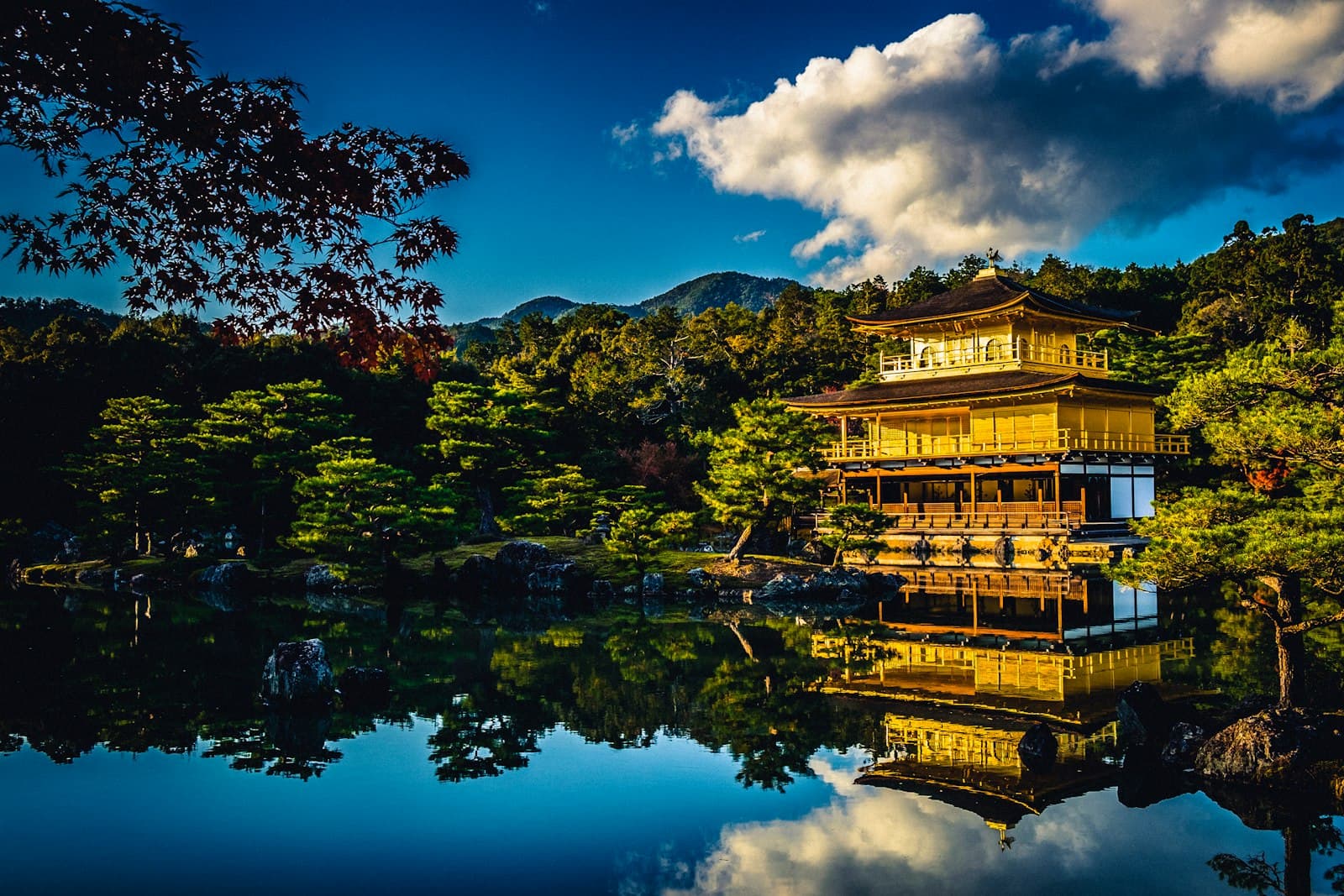
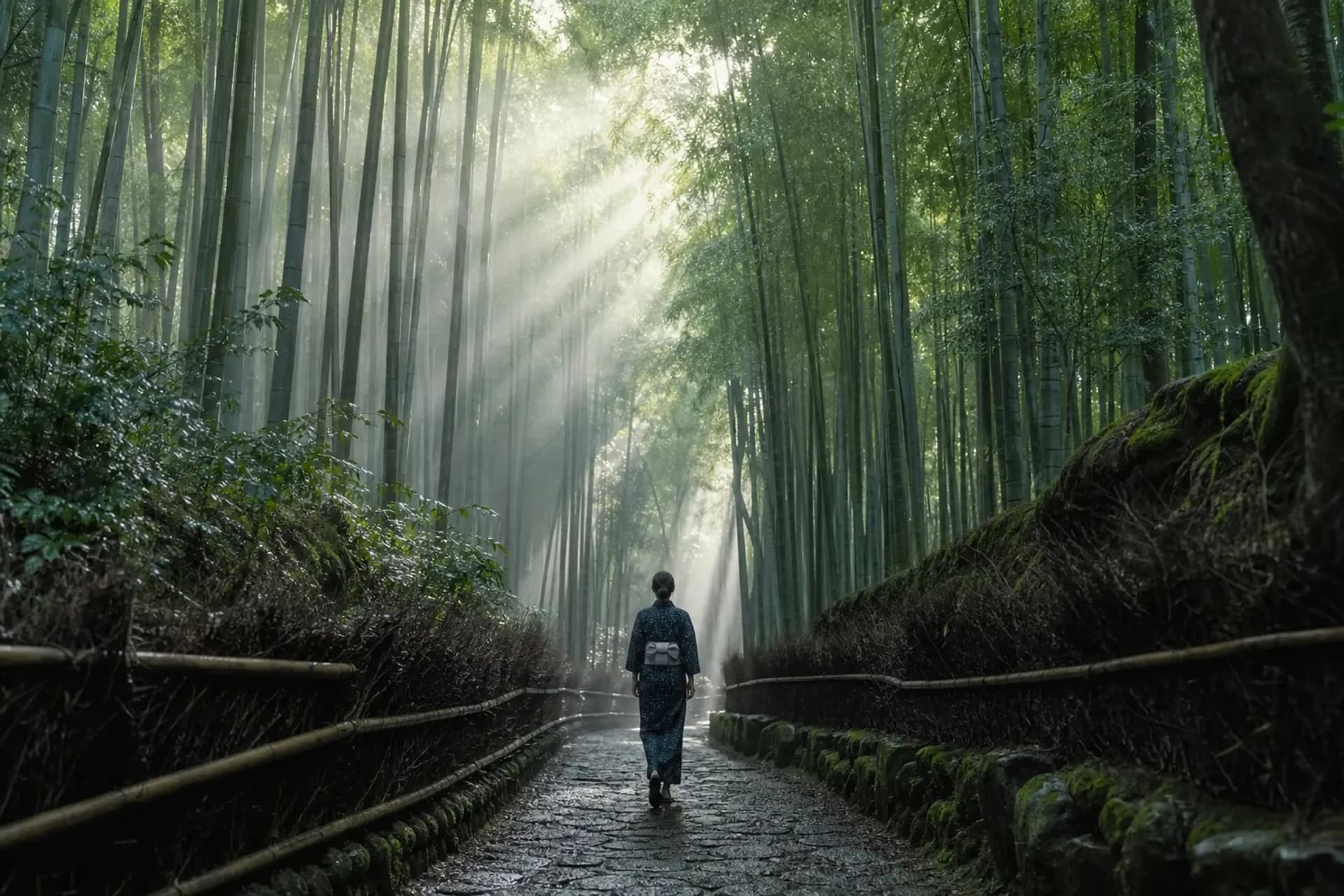
Dawn in Kyoto can feel like a private appointment.
The air is cool. Stone paths are still damp. A gate creaks once, then the city goes quiet again—until the mid-morning swell arrives and the same places become a slow-moving queue with selfie-sticks and raised voices.
Most luxury travelers do not mind people. They mind friction.
Our team designs Japan journeys around a simple truth: if you want calm in 2026, you need a discretion-first rhythm—fewer stops per day, timed entries where they exist, and quiet “design cues” that keep you one step ahead of the crush without turning your trip into a military schedule.
Discretion-First Travel: The Calm You Feel, And The Calm You Cause
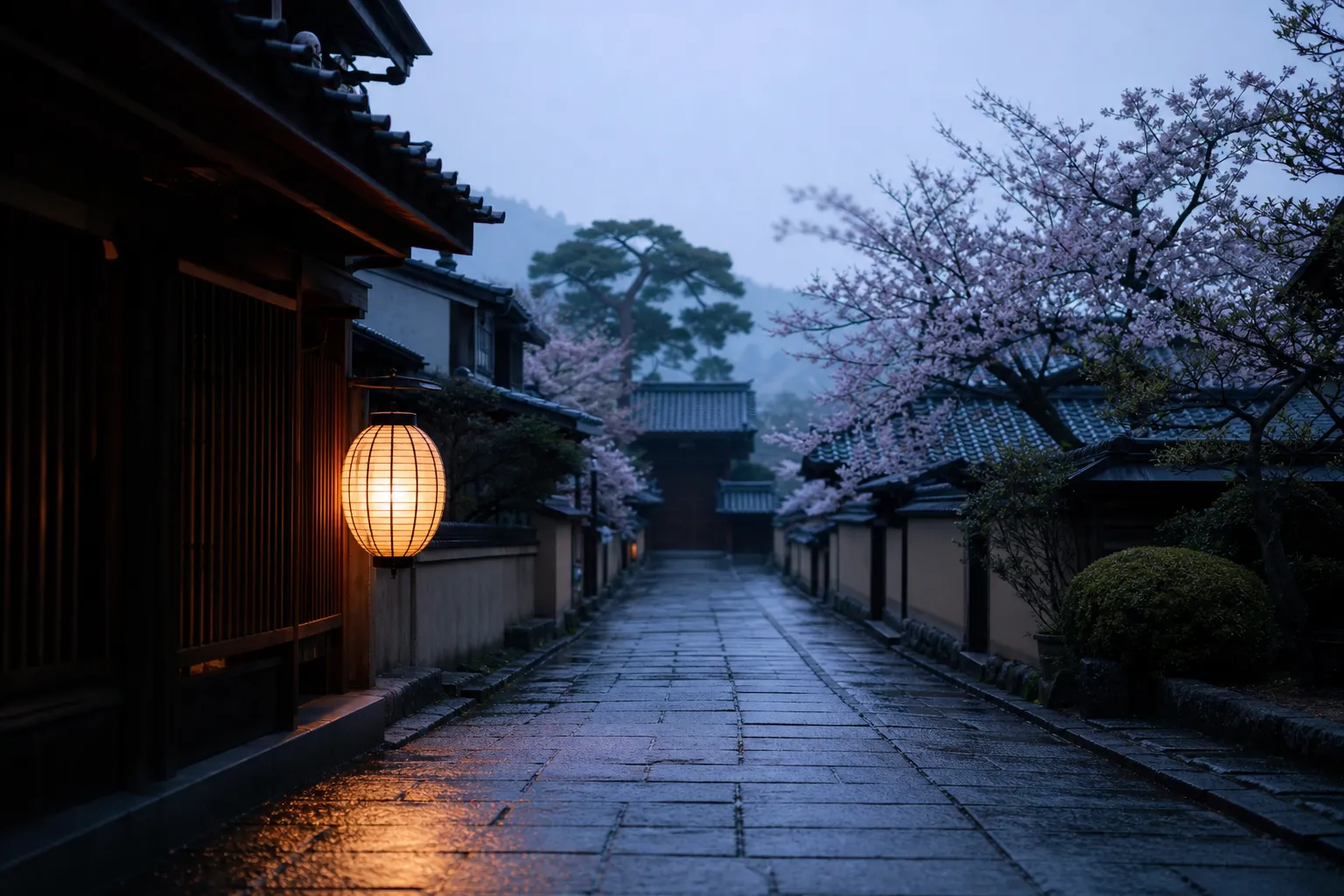
Overtourism is not a vague headline anymore. Japan’s Tourism Agency has an overtourism initiative page updated April 24, 2026, and Kyoto City continues measures aimed at balancing residents’ lives with tourism.
That matters for you. It also matters for Kyoto.
Discretion-first travel is our answer to both. It is not “doing less because you must.” It is doing less because it is better.
And yes—two unhurried places beat six rushed ones. Every time.
The Pacing Math: Two Anchors Beat Six Checkmarks
Here is the arithmetic we use when we plan a high-comfort week.
If you try to visit six sites in a day, you buy crowds twice: at the entrance and on the street between stops. You also donate your best hours—early morning and early evening—to transit.
If you commit to one or two anchors, you protect the quiet hours. You also regain the hidden luxury most travelers lose first: choice.
Choice is the real upgrade.
Quiet Design Cues: Small Moves That Change The Whole Day
We watch for cues that do not look like “VIP” on paper. They feel like it in real life.
A garden approached by a side lane instead of a famous gate. A coffee stop timed before school groups. A museum slot chosen because the nearest train arrives after the first wave.
Nothing flashy. Just sharp planning.
That is discretion.
Private Transportation: Your First Crowd-Avoidance Tool
In Kyoto, the difference between a calm day and a noisy one is often 12 minutes and a missed bus queue.
When we discuss private transportation, we are not talking about status. We are talking about timing control, door-to-door routing, and the ability to leave a crowded area before it gets worse.
One curbside pickup. One quiet cabin. One clean reset.
That is the point.
The Spine Of The Week: Kyoto Refinement, Lake Biwa Stillness, Kinosaki Restoration
This 7-day arc works because it respects your nervous system.
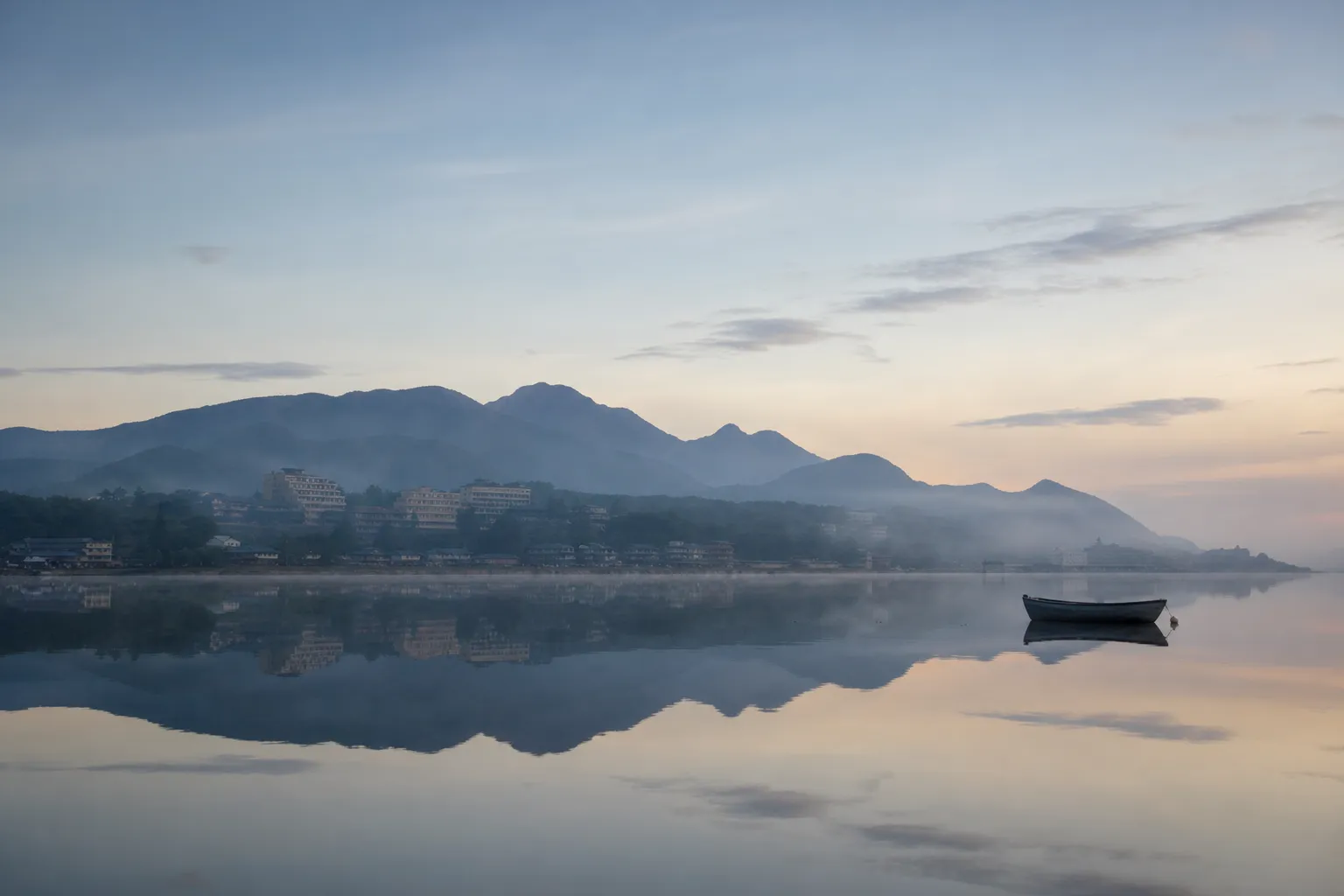
Kyoto first, while your curiosity is high and your mornings are strong. Lake Biwa next, as a pressure-release valve—close to Kyoto, but emotionally far from it. Kinosaki last, because an onsen town rewards repetition, not rushing.
Three moods. One rhythm.
No backtracking.
Transfer Logic (Why This Route Stays Quiet)
Kyoto to Lake Biwa is an easy shift into Shiga Prefecture, with shoreline towns and viewpoints that do not concentrate footfall like the Golden Route icons.
Then Kyoto to Kinosaki Onsen is about two and a half hours north by direct train, a travel time often cited in practical Kinosaki guidance.
That directness matters. Less friction means less noise.
You arrive with your shoulders still low.
Before You Go: The Reservations Layer That Creates Space
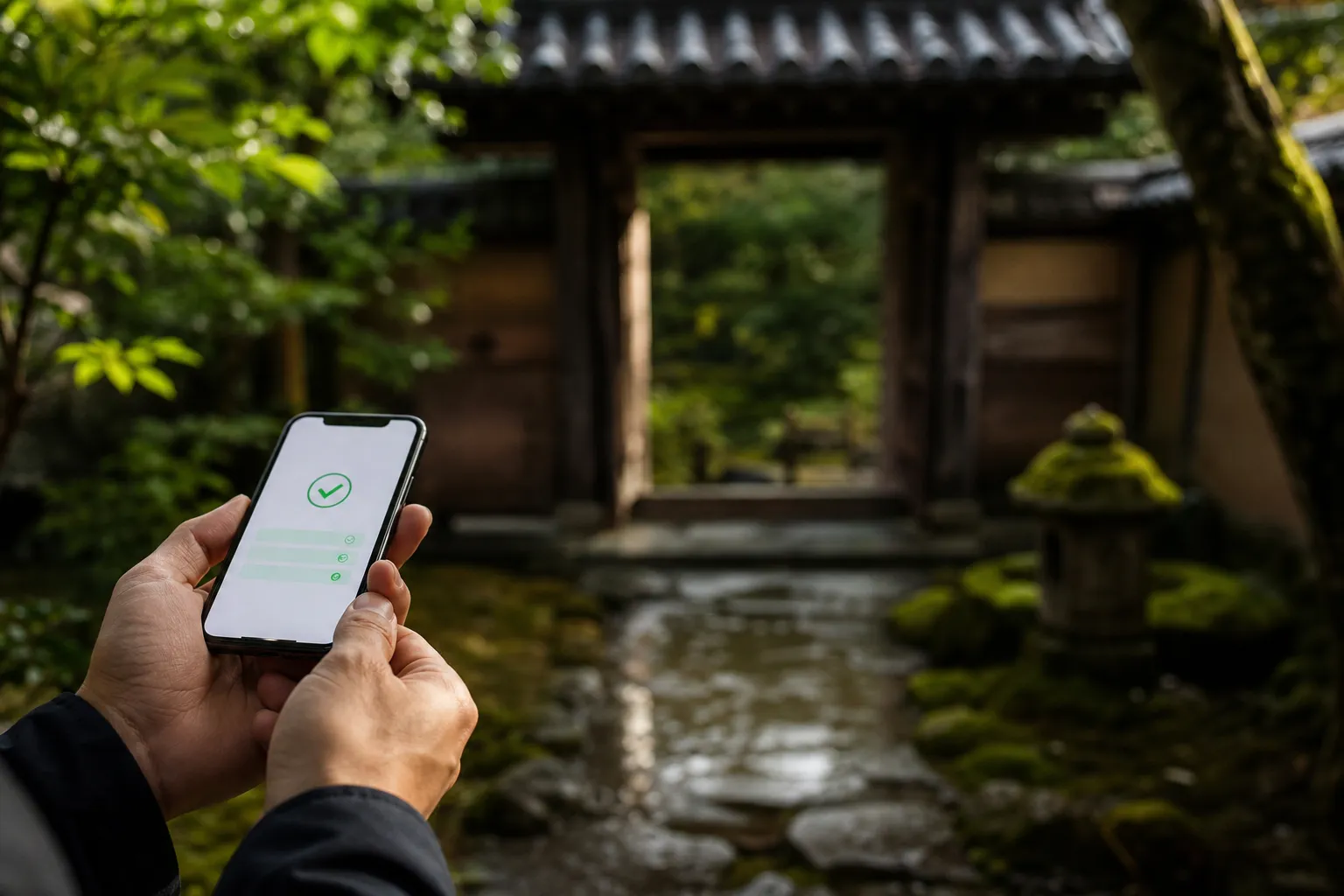
Kyoto is not “walk-up friendly” at the highest-quality moments. The calm windows are often appointment-based.
So we treat reservations like architecture. Not admin.
This is where many competitors stay vague. We do not.
We use only official mechanisms—and we build your days around them.
Key fact: Saiho-ji (Kokedera / Moss Temple) requires advance reservation, available via the official website from two months prior to the day before your visit, per Kyoto’s official tourist information.
Saiho-ji (Kokedera): How The Official Booking Window Works
Saiho-ji is one of the cleanest examples of “timed entry as luxury.” Because it is controlled, it stays contemplative.
Kyoto’s official tourist information states reservations can be made via the official website from two months prior up to the day before your planned visit.
If you want the quietest feel, choose a weekday and plan to arrive early, with a buffer for transit.
No improvising. Big mistake.
Imperial Household Agency Visits: Katsura, Shugakuin, Kyoto Sento
The Imperial Household Agency provides online applications for visits to Kyoto Sento Imperial Palace, Katsura Imperial Villa, and Shugakuin Imperial Villa.
Per the agency’s guidance, applications generally open from 5:00 a.m. on the 1st day of the month prior to the desired visit date.
This is “imperial-class access” in the literal sense: formal, structured, and calm by design.
Miss the window and your options narrow fast.
Timed Night Viewings: Use Evening As A Pressure Release
Many travelers use evenings only for dinner. We treat evening as your second quiet block.
Kiyomizu-dera publishes special night viewing schedules. For Spring 2026, its schedule lists March 27–April 5 with opening until 9:30 p.m. and last entry at 9:00 p.m.
Late entry is not about romance. It is about space.
And better photographs, if you are restrained with your camera.
A Discretion-First 7-Day Itinerary: Kyoto–Lake Biwa–Kinosaki
This is a blueprint, not a script.
Our team at Japan Royal Service adapts it to your hotel base, your waking hours, your walking tolerance, and what you find meaningful—gardens, craft, architecture, or food.
Still, the rhythm is stable. That is why it works.
One or two anchors a day. Always.
Day 1: Kyoto Arrival With A Low-Stimulus First Evening
Land, transfer, check in, and keep the first night deliberately small.
If you arrive in the afternoon, we prefer a single neighborhood walk close to your base rather than chasing a “must-see” across town.
Early dinner. Early sleep.
Your tomorrow is paid for with tonight’s restraint.
Day 2: Dawn Kyoto, Midday Retreat, Then One Evening Anchor
Set your alarm. Not brutal—just earlier than the crowd.
We aim for a first arrival around 7:00 a.m. to 7:30 a.m. at your chosen temple or shrine area, then leave before 9:00 a.m. when foot traffic thickens and the tone changes.
Midday becomes a protected block: tea, a quiet gallery, or rest back at the hotel.
At night, use a published late opening where appropriate, such as Kiyomizu-dera’s special night viewing windows when they align with your dates.
Day 3: Appointment Kyoto (Saiho-ji) And A Wabi-Sabi Afternoon
This is your “appointment travel” day.
Plan Saiho-ji via its official reservation system, respecting the two-month booking window. Keep the rest of the day light, because the point is not quantity—it is attention.
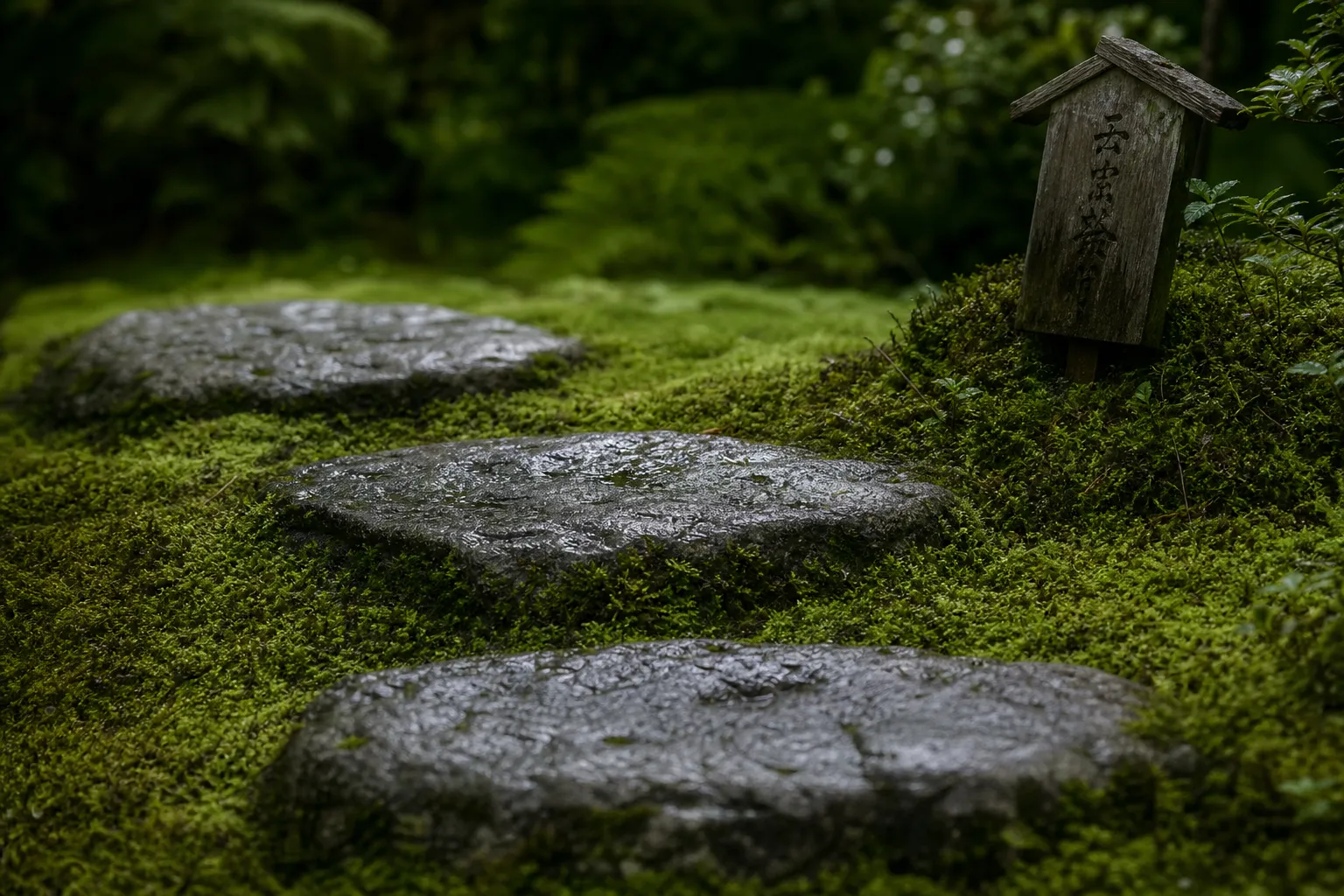
Afterward, choose an afternoon that fits wabi-sabi: restraint, texture, shadow, and silence.
Think moss, not neon.
Day 4: Imperial-Class Calm (IHA Visit) With A Short Second Anchor
If you secure an Imperial Household Agency visit slot, build the day around it. Do not stack too much around a formal, timed experience.
A single second anchor is enough: a small garden, a craft-focused museum, or a quiet lunch in an area you can enter and exit without congestion.
Then stop. Really stop.
Kyoto rewards stillness when you let it.
Day 5: Lake Biwa As Decompression (Japan’s Largest Freshwater Lake)
Lake Biwa is Japan’s largest freshwater lake, with a surface area of about 670 square kilometers.
This day is not about ticking “Shiga highlights.” It is about changing your sensory environment—open water, longer horizons, slower streets.
Keep the plan simple: a lakeside walk, a café with a view, a gentle viewpoint, then a long, quiet dinner.
The city noise drains out of you.
Day 6: To Kinosaki Onsen For The No-Rush Finale
Travel from Kyoto to Kinosaki Onsen by direct train in about two and a half hours, then shift into onsen-town pacing.
Arrive, check in, and do not over-plan. Kinosaki works because it is repetitive in a good way: baths, strolls, meals, sleep.
One lap of the town in yukata can be enough for the whole day.
That is not a lack. It is the point.
Key fact: Visit Kinosaki’s FAQ states Satono-yu has been closed for renovations indefinitely since April 1, 2024.
Day 7: A Slow Morning, Then Depart With Margin
Keep your last morning quiet. No “one last temple.”
If you need to return toward Kyoto or onward to an airport, build in margin so the day stays gentle even if trains are busy.
Eat breakfast properly. Walk once. Pack calmly.
Leave Japan as you lived in it: composed.
Quiet Design Cues You Can Reuse On Any Japan Trip
These are the habits that keep your trip discreet, even in famous places.
They sound small. They are not.
Use them in Kyoto, Tokyo, or anywhere the crowd has learned the same shortcuts.
Quiet is engineered.
- Arrive before 8:00 a.m. when a site allows it. You buy an hour of calm with one earlier wake-up.
- Protect a midday retreat block. Two hours off your feet saves the evening.
- Pick one “late opening” night. Evening entry can feel less compressed than midday.
- Use appointment-based sites when possible. Places with controlled entry often feel more contemplative.
- Prefer one neighborhood done well. Long cross-city hops invite friction and crowds.
Where Craft Fits: Shokunin Moments Without Turning The Day Into A Stage
For many HNW travelers, the true souvenir is not a purchase. It is a memory of focus.
Japan’s shokunin culture rewards guests who show up on time, listen closely, and ask better questions than “how much.”
We often recommend placing artisan time on a lower-intensity day, not between two headline temples.
Craft needs quiet to land.
How To Behave In Small Studios And Workshops
Arrive early. Speak softly. Let the room lead.
If photography is allowed, take a few frames and stop. The mood changes when a guest shoots 200 images.
Ask one precise question. Then watch.
That is respect in Japan.
How To Book The Official Pieces (And Where JRS Fits In)
Some of the calmest experiences in this itinerary are calm because the official process is strict.
That is good news. It means the rules are public and stable.
Booking Saiho-ji (Moss Temple)
- Who can book: Visitors who plan ahead and use the official reservation system.
- When: Kyoto’s official tourist information states reservations are available from two months prior up to the day before the visit.
- Where: Via Saiho-ji’s official website (linked from Kyoto’s official tourist information FAQ).
For questions, contact our concierge.
Booking Imperial Household Agency Visits (Katsura, Shugakuin, Kyoto Sento)
- Who can book: Visitors applying through the Imperial Household Agency’s online application system.
- When: Applications generally open from 5:00 a.m. on the 1st day of the month prior to your desired visit date, per IHA guidance.
- Where: The Imperial Household Agency visit application site.
For questions, contact our concierge.
Using Published Night Viewing Schedules (Example: Kiyomizu-dera)
- Who can attend: Visitors during the published special opening period.
- When: For Spring 2026, Kiyomizu-dera lists March 27–April 5, open until 9:30 p.m., last entry 9:00 p.m.
- Where: Kiyomizu-dera’s official website “special night viewing” page.
For questions, contact our concierge.
Frequently Asked Questions About Japan Without Crowds (Kyoto–Lake Biwa–Kinosaki)
Is Kyoto Ever Quiet?
Yes, but not by accident. In our experience, the quietest Kyoto is early morning, controlled-entry sites, and well-timed evenings—paired with fewer stops per day.
How Many Stops Per Day Is “Luxury Pace” In Kyoto?
For most HNW travelers, one or two anchors is the sweet spot. Three can work if distances are short and you protect a midday retreat.
Why Add Lake Biwa Instead Of More Kyoto Nights?
Kyoto can be intense even when planned well. Lake Biwa—Japan’s largest freshwater lake—changes the sensory palette without pulling you far from Kyoto, which is why it works as decompression.
How Far Is Kinosaki Onsen From Kyoto?
Kinosaki Onsen is about two and a half hours north of Kyoto by direct train, per widely cited Kinosaki travel guidance.
Is Kinosaki Still Worth It If One Bathhouse Is Closed?
Visit Kinosaki’s FAQ states Satono-yu has been closed since April 1, 2024 for renovations indefinitely. Kinosaki can still be worthwhile because the town’s appeal is the overall onsen rhythm and evening stroll culture, not a single facility.
What If I Want One “Big Ticket” Moment During A Calm Week?
Choose one appointment-based anchor—an Imperial Household Agency visit, a reserved-entry garden like Saiho-ji, or a published night viewing window—then keep everything around it light. One strong note is enough.
Why Choose Japan Royal Service
Discretion is not a slogan for us. It is our operating posture.
Our team at Japan Royal Service designs tailor-made itineraries around controlled-entry windows, low-friction transfers, and a pacing standard that protects your time and your privacy—especially in Kyoto, where the wrong hour can undo the day.
We also look beyond the headline stops to the Japan that stays calm: shokunin encounters built around respect, wabi-sabi spaces that feel restorative, and Hidden Japan day moves like Lake Biwa that reset your week without adding chaos.
If you want Japan without crowds, the method matters.
For private coordination, reach our team privately via WhatsApp or LINE, or contact us here.