In this guide
- 01The Quiet-Luxury Principle: Fewer Anchors, Better Days
- 02Decision 1: Choose Your Season By Micro-Climate, Not A Vague “Best Time”
- 03Decision 2: Pick One Base In Kyoto That Matches Your Privacy Tolerance
- 04Decision 3: Decide What “Ryokan” Means To You—One Perfect Night Or A Longer Reset
- 05Decision 4: Build A Dining Strategy That Protects Your Evenings
- 06Decision 5: Choose Your Transport Philosophy (Then Stop Thinking About It)
- 07What Luxury Looks Like When You Stop Overplanning
- 08Frequently Asked Questions: Luxury Japan Without The Burnout
- 09How To Book Key Experiences Without Overplanning (Official Paths First)
- 10Why Choose Japan Royal Service
Luxury travel in Japan can feel oddly exhausting before you even land.
Too many tabs. Too many “musts.” Too many warnings about tickets, trains, and rules that change mid-year. It’s the kind of planning that turns a trip into a project.
Our team at Japan Royal Service sees a clear pattern: the best journeys are not the most scheduled. They are built around a few high-stakes decisions, chosen with taste, and protected with discretion. Everything else stays light. On purpose.
This is the anti-overplanning framework we use with HNW guests who want Japan to feel calm again. Five decisions. No spreadsheet marathon. Just clarity.
The Quiet-Luxury Principle: Fewer Anchors, Better Days
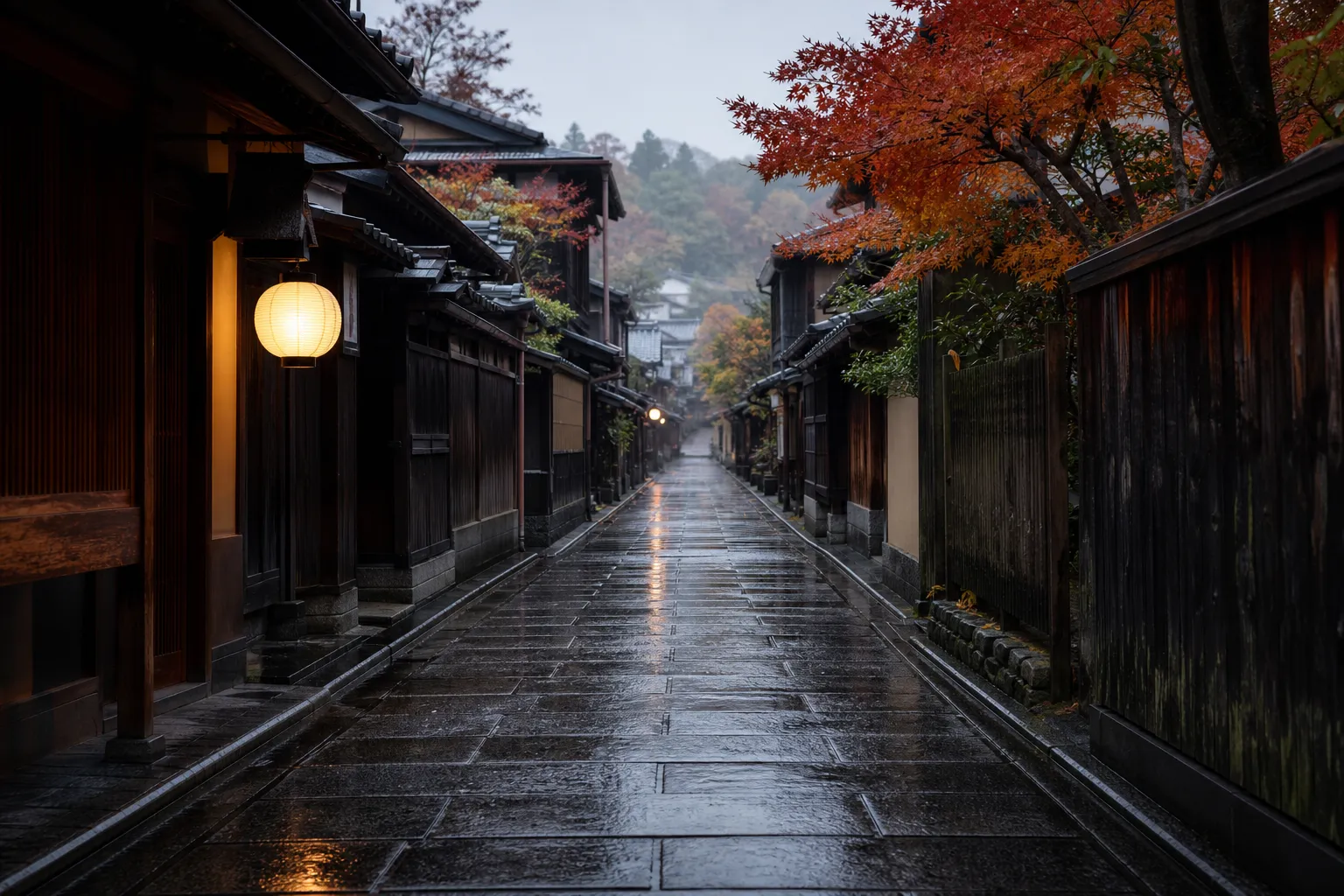
A calmer Japan starts with fewer anchors—and more air in the day.
Most travel fatigue comes from stacking “good ideas” until your days have no air.
Japan punishes that approach. Hard. Distances look short on a map, but station walks, transfers, and timing windows add friction, especially in heat, rain, or peak seasons.
We aim for one strong anchor per day. That’s it. Then we keep two optional layers in reserve—so you can say yes when the mood is right, and say no without guilt.
It sounds simple. It isn’t. That’s where quiet handling matters.
Decision 1: Choose Your Season By Micro-Climate, Not A Vague “Best Time”
Japan isn’t one climate. It’s many. The difference between Tokyo humidity and Hokkaido air can feel like a different country.
Pick your season by how you like to move. Walking-heavy days, temple steps, late dinners, early starts. Your body decides more than your calendar.
For HNW travelers, the smartest “seasonality” choice is often a comfort choice. Heat tolerance. Cold tolerance. How you recover from jet lag. Quietly decisive.
Two Contrasts That Clarify Fast
If you’re stuck between two styles of Japan, try this question: do you want crisp nature or dense city energy?
Option A: Hokkaido For Open Space
Hokkaido is built for breathing room. The landscapes are broad, and the pace is less compressed than Tokyo or Kyoto. It’s a strong choice when you want your days to feel long.
Option B: Tokyo For Controlled Intensity
Tokyo rewards precision. You can shift from quiet design districts to late-night dining to museums in a single day, as long as timing and transport are handled with a watchful hand.
Key fact: Overtourism is now an explicit policy focus. Japan’s tourism authorities publish overtourism prevention and suppression initiatives (page updated April 24, 2026), which is a signal that crowd pressure is being managed—and that smart timing matters.
What Our Concierge Team Handles Quietly After You Choose The Season
You decide the feel. We protect the flow. That’s the trade.
- Pacing design: later starts after arrival days, early-entry mornings when streets are still honest.
- Weather swaps: indoor alternates ready when rain hits (museums, galleries, craft visits), without your day collapsing.
- Crowd-avoidance timing: not just “go early,” but which routes compress and which ones stay loose.
- Private transport rhythm: the difference between a day that feels clean and a day that feels like logistics.
Decision 2: Pick One Base In Kyoto That Matches Your Privacy Tolerance
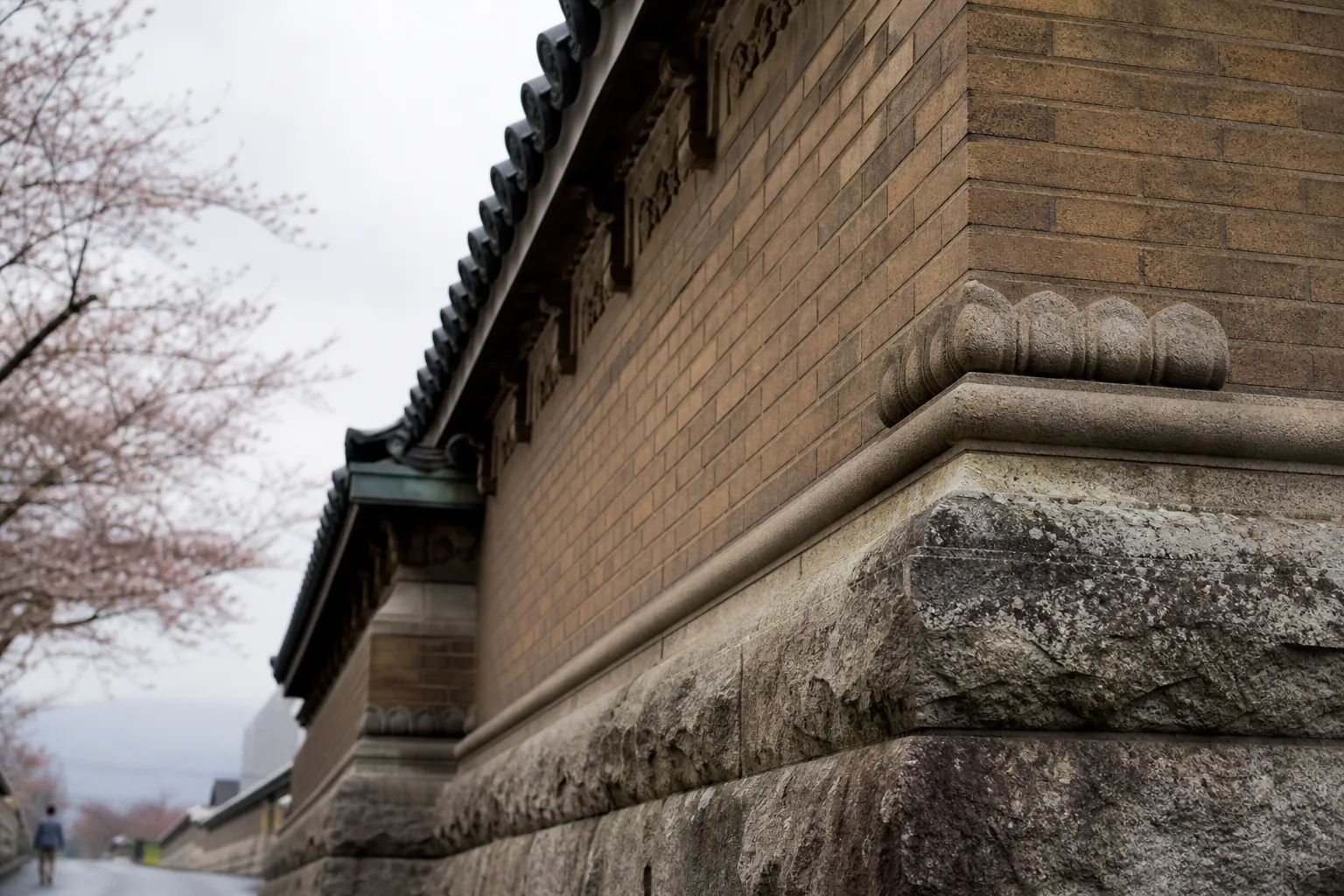
In Kyoto, your base sets the tone for privacy and pace.
Kyoto is where overplanning goes to die.
It has narrow streets, fixed dining windows, and neighborhoods that can feel crowded at the wrong hour. The solution is not more scheduling. It’s choosing a base that reduces friction.
In our experience, the best Kyoto stays for HNW guests do two things well: they soften arrivals and they keep public spaces calm. Everything else becomes easier.
A 2026 “New Classic”: Imperial Hotel, Kyoto
Kyoto’s hotel story is changing fast, and 2026 is a clean hinge year.
Imperial Hotel, Kyoto opened on March 5, 2026, in the restored Yasaka Kaikan building near Gion, and the company announced it would begin accepting reservations ahead of opening. The scale matters. Smaller properties often feel quieter, especially when your priority is discretion rather than lobby scenes.
We treat openings like this as anchors. One strong base. Fewer moves. Less noise.
What To Lock Early vs What To Leave Open
Kyoto punishes last-minute indecision on the big pieces. Keep flexibility for the small ones.
- Lock early: your Kyoto base, one high-priority dinner, and any time-sensitive cultural event.
- Leave open: afternoon wandering blocks, café stops, small temples, gallery visits.
Kyoto City Tourism Association publishes monthly tourism market trend reports in English. Its May 2026 report discusses guest-night trends by region and notes room rates listed online for June–August trending below year-over-year levels. Useful signal. Not a guarantee.
We use that kind of data as context, not prophecy. You still choose based on your dates and standards.
What Our Concierge Team Handles Quietly In Kyoto
You don’t need an itinerary that reads like a court transcript. You need a day that feels protected.
- Neighborhood logic: matching your tolerance for foot traffic to the right pockets of the city.
- Arrival choreography: discreet arrivals, luggage timing, and a first hour that feels calm.
- Temple-and-garden timing: not “top 10,” but sequences that avoid bottlenecks.
- Imperial-class tone when appropriate: the right level of formality for the venue, without stiffness.
Decision 3: Decide What “Ryokan” Means To You—One Perfect Night Or A Longer Reset
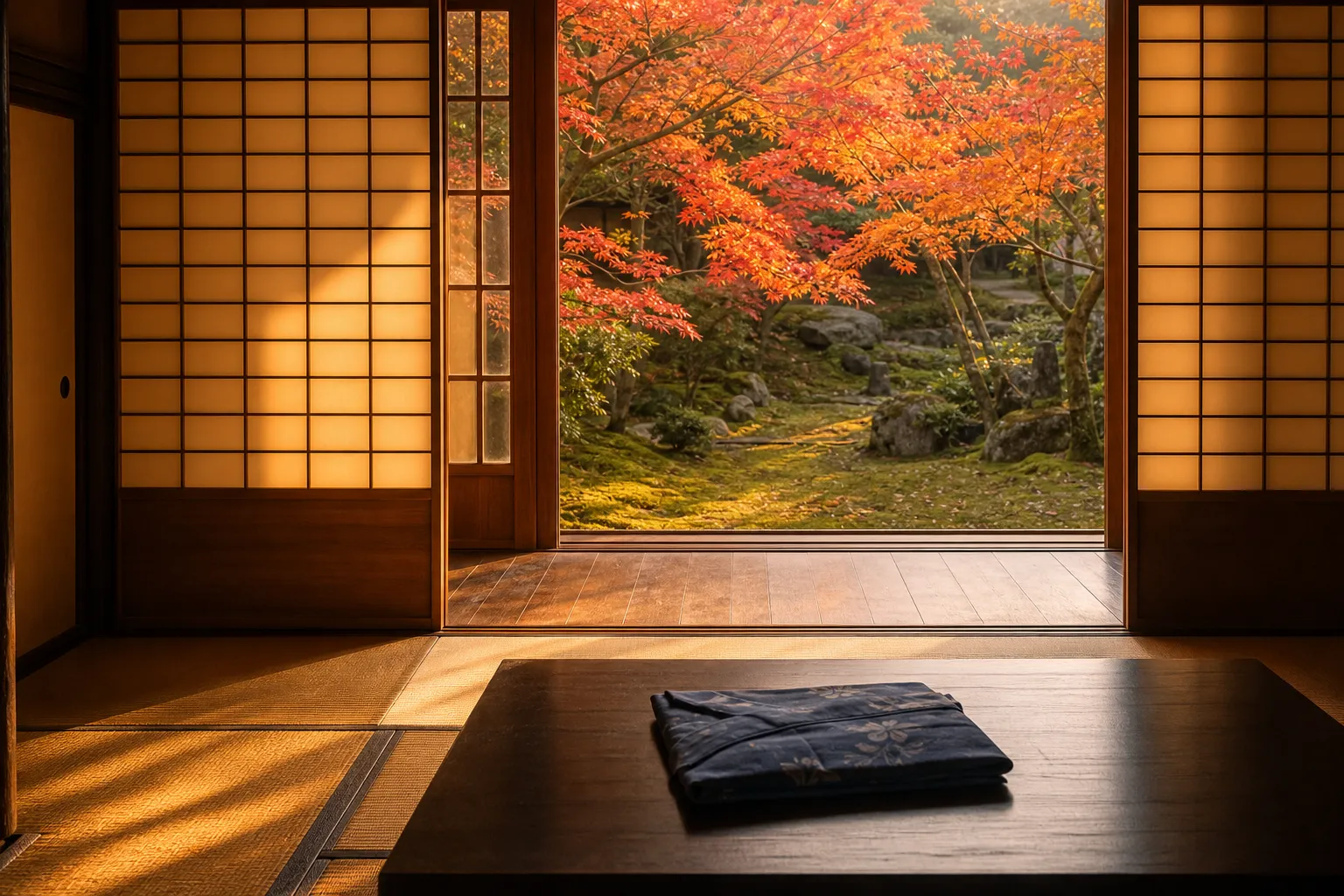
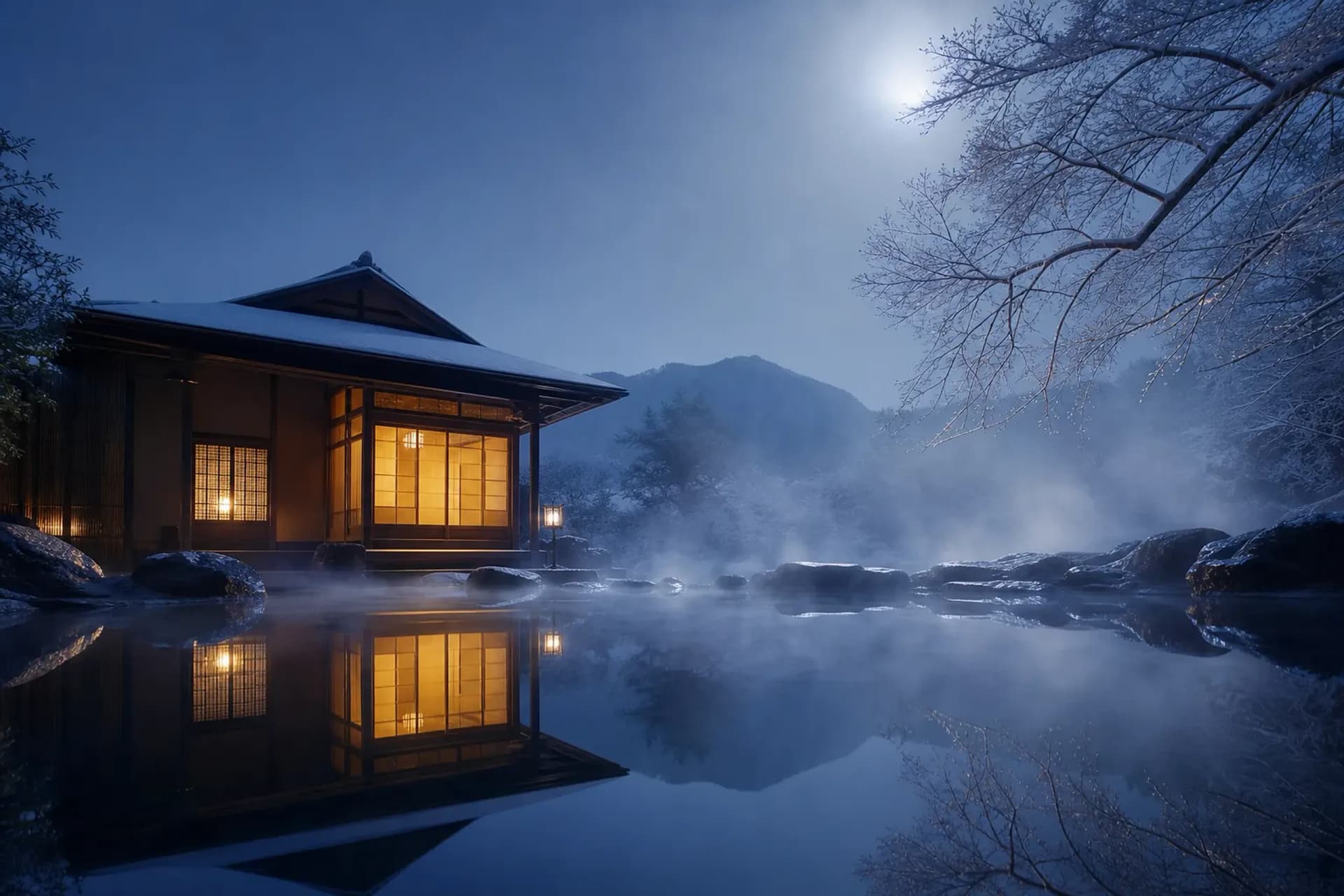
Ryokan comfort is personal—choose the style that actually lets you rest.
Ryokan stays are often the highlight. They can also become the most awkward part of a trip if you choose the wrong fit.
It’s not about luxury clichés. It’s about preferences you can’t fix after check-in: private bathing, dinner timing, room layout, and how much staff interaction you enjoy.
Make one clean decision: do you want a single, cinematic ryokan night—or do you want multiple nights as a real reset?
Option A: One “Peak” Ryokan Night
This works when your trip is city-forward and you want one deep exhale. One night can be enough to feel the contrast, especially if your schedule is otherwise lean.
Wabi-sabi shows up here in materials, silence, and restraint. Not decoration. Texture.
Option B: Two Or Three Nights For Recovery
This is for travelers who want their nervous system to catch up. It’s also better for families or multi-generational parties, where the real luxury is an unhurried rhythm.
When we build this style of stay, we protect empty time. Deliberately.
What Our Concierge Team Handles Quietly Around Ryokan Stays
Ryokan comfort is detail. Small details.
- Preference mapping: private bath vs shared onsen, stairs vs step-free routes, bed vs futon comfort.
- Meal pacing: aligning kaiseki timing with your day so dinner feels like a reward, not a deadline.
- Transit easing: minimizing transfers and handling luggage-forwarding strategy so you travel lighter.
- Etiquette coaching: brief, practical, and never precious—so you feel confident.
Decision 4: Build A Dining Strategy That Protects Your Evenings
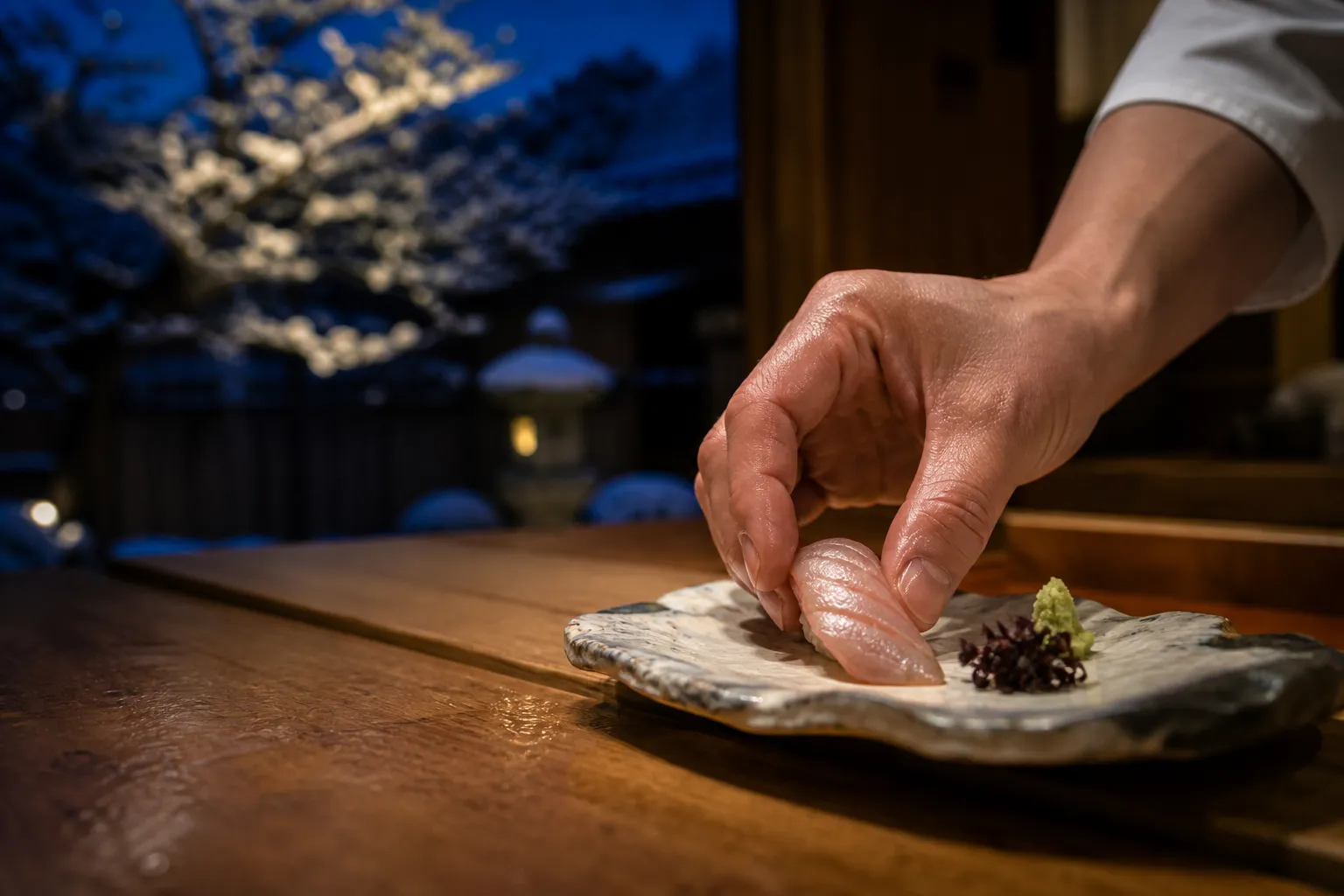
Two priority dinners are plenty. Let the rest stay flexible.
Dining is where Japan can feel “hard” for visitors.
Not because the food is intimidating, but because the rules can be strict: fixed seating times, limited English, and cancellation sensitivity. Overplanning makes this worse. You end up chasing reservations instead of enjoying the city.
We recommend a simple approach: choose two dinners you truly care about. Then keep the rest flexible with a curated bench of options.
Two Reservations, Not Ten
Two is enough to scratch the itch for “the best.” It also leaves room for spontaneous evenings when you discover a neighborhood you want to stay in.
For travelers who follow Michelin releases, one concrete date matters: Michelin’s Japan PR site announced that the MICHELIN Guide Tokyo 2026 selection would be revealed on September 25, 2025. That timing influences when demand spikes.
We treat this as awareness. Not a mandate.
Late-Night Dining: A Different Kind Of Luxury
Late-night dining in Japan is not always flashy. It can be small counters, quiet streets, and a sense that the city belongs to locals again.
This is where “hidden-Japan” becomes real: places that don’t market themselves, and where introductions and correct tone matter more than keywords.
What Our Concierge Team Handles Quietly For Dining
Your only job is appetite. Ours is everything around it.
- Shortlist curation: options that match your tastes and your tolerance for formality.
- Dietary translation: clear, respectful communication around allergies and preferences.
- Evening routing: pairing dinners with neighborhoods so you’re not crossing the city late.
- Backup logic: contingencies when timing shifts, weather turns, or energy dips.
Decision 5: Choose Your Transport Philosophy (Then Stop Thinking About It)
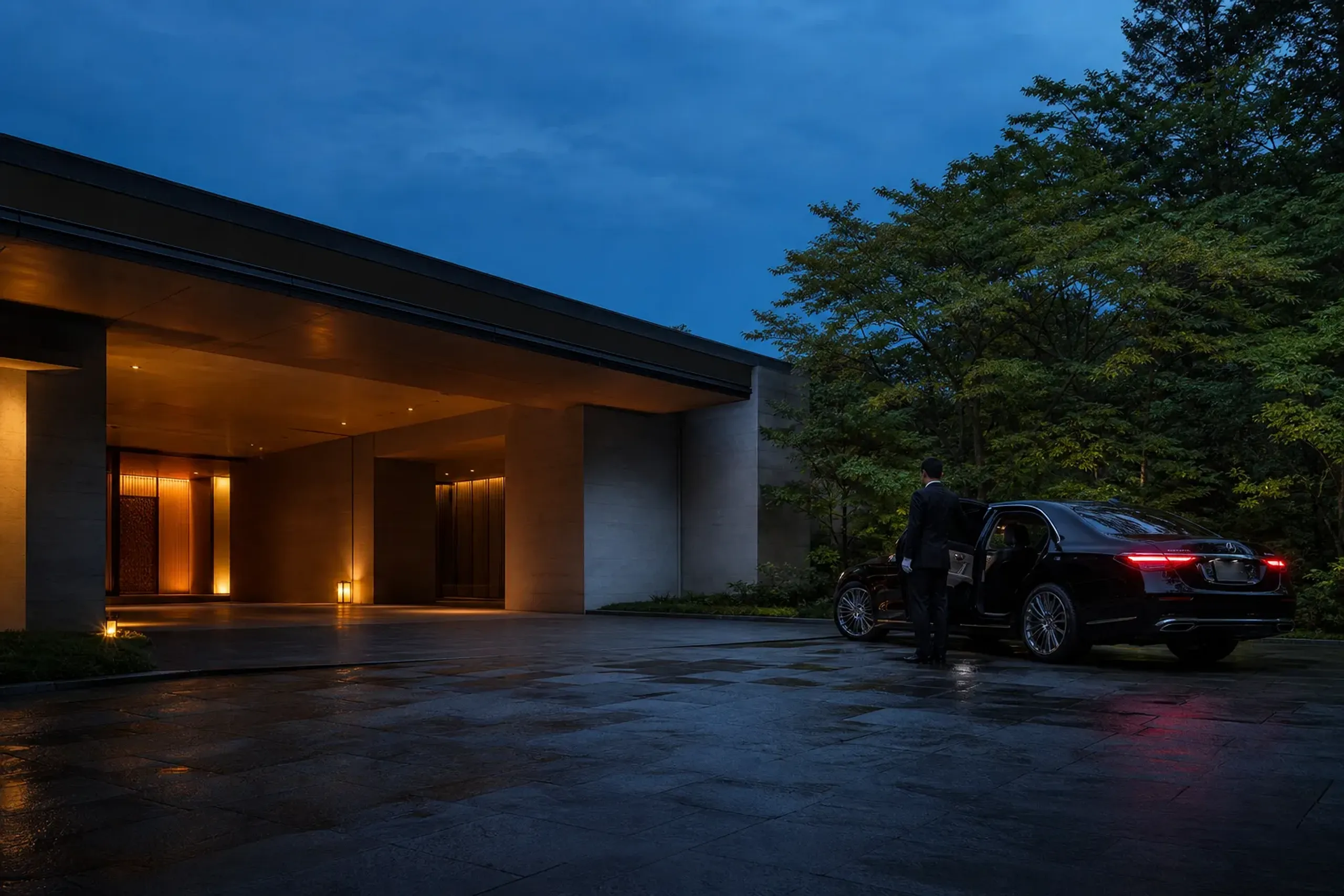
When transport feels effortless, the whole trip loosens its grip.
Transport is where overplanners spiral.
Apps contradict each other. Pass rules change. Seat classes, luggage rules, and platform transfers pile up. It’s not hard once. It’s hard every day.
So choose a philosophy. Do you want maximum simplicity, maximum speed, or maximum comfort? Pick one as your default, and let the rest follow.
Japan Rail Pass Reality Check For 2026
Rail is excellent. The rail pass decision is not always obvious.
The official JAPAN RAIL PASS website lists prices for purchases made by September 30, 2026 and notes that using NOZOMI or MIZUHO services on certain lines requires a special ticket available only to JAPAN RAIL PASS holders. JR Central also published a press release dated April 9, 2026 titled “Price Changes for the Japan Rail Pass.”
These details matter if you’re trying to keep your trip smooth without paying attention to fare mechanics every morning.
Private Car Days: The Anti-Friction Tool
There are days when trains are perfect. There are days when private transport is the difference between calm and chaos.
For families, executives, and couples who value quiet, our chauffeured day tours are built around discretion: minimal waiting, clean arrivals, and the simple relief of not managing your own transitions.
Japan Royal Service operates a fleet that includes the Lexus LM 500, Mercedes V-Class, and Toyota Executive Alphard, with larger options such as the Hiace Grand Cabin and Toyota Coaster for small groups. The point isn’t the badge. It’s the hush.
What Our Concierge Team Handles Quietly For Transport
Transport is where a trip either breathes—or tightens.
- Route logic: fewer transfers, less backtracking, and better use of your best hours.
- Comfort calibration: walking tolerance, luggage volume, and jet-lag days built into the plan.
- Risk buffers: realistic station time, weather considerations, and alternate paths when conditions change.
- Driver-and-guide coordination: bilingual alignment so your day stays coherent.
What Luxury Looks Like When You Stop Overplanning
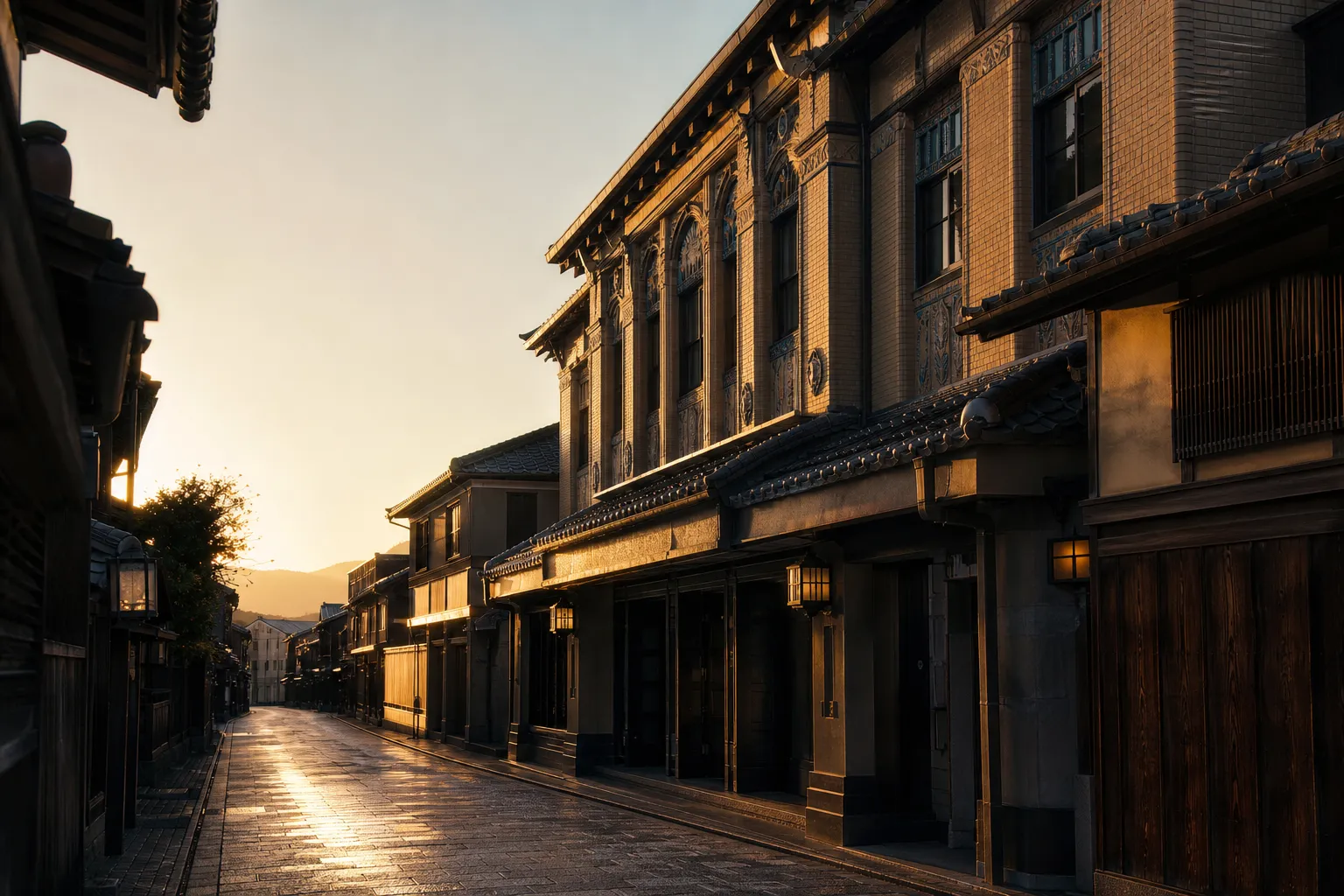
Once those five decisions are made, something changes.
You stop performing your trip. You start living inside it. Your mornings have air, your afternoons have options, and your evenings don’t feel like a race.
That’s also where Japan’s most meaningful textures show up: a shokunin’s quiet concentration at a workbench, the spare beauty of moss and stone, the pleasure of getting lost on purpose—without actually being lost.
One more thing: this style of travel is not “hands-off.” It’s high-touch, just not loud.
Frequently Asked Questions: Luxury Japan Without The Burnout
How Many Days Do You Need For A Luxury Japan Trip That Doesn’t Feel Rushed?
For most HNW travelers, 7–10 days is the sweet spot for Tokyo, Kyoto, and one onsen or art-oriented escape. Fewer days can work, but it demands sharper choices and less geographic ambition.
Is It Better To Plan Japan Day-By-Day Or Keep It Flexible?
We recommend anchoring one priority per day, then leaving open space. Japan rewards timing and pacing more than volume, especially in Kyoto.
What Should I Book Early For Japan 2026?
In general: your key hotels, one or two dinners you truly care about, and any fixed-date events. For context, the official Gion Matsuri site publishes its July calendar, listing Saki Matsuri as occurring 7/10–7/17.
What’s One Tokyo Experience That Works Well Without Overplanning?
Choose one modern cultural anchor, then build around it. teamLab Borderless is a permanent museum at Azabudai Hills in Tokyo, and it opened February 9, 2024, according to its official page. Pair it with an unhurried neighborhood walk and a well-timed dinner.
What’s A Strong “Hidden Japan” Add-On That Still Feels Manageable?
Naoshima is a clean example because it’s purpose-built around art, but it still has real logistics. Benesse Art Site Naoshima publishes operating updates, including maintenance closures, and JNTO advises checking each facility’s operating days and hours before visiting.
How To Book Key Experiences Without Overplanning (Official Paths First)
When a third-party brand or venue has an official booking channel, start there. Always. It keeps your plan compliant and reduces surprises.
For rail passes, use the official JAPAN RAIL PASS site to confirm current purchase deadlines and eligibility, and watch for notices about service types like NOZOMI and MIZUHO that may require add-on tickets for pass holders. For museums and art sites, rely on the official websites for opening days and maintenance closures.
If you prefer not to chase details across multiple sources, our concierge team at Japan Royal Service can provide tailored guidance based on your dates, comfort preferences, and pacing—without turning your trip into a checklist.
Why Choose Japan Royal Service
Luxury in Japan is rarely about doing more. It’s about moving through the country with less friction, more privacy, and better taste.
Japan Royal Service is built for that. Our work starts with discretion—protecting guest identity, routines, and sensitive preferences—and continues with curation that respects wabi-sabi restraint and the quiet authority of shokunin craft.
We don’t push you into a rigid itinerary. We help you make five decisions that actually matter, then we support the execution with calm precision: private chauffeured touring, airport VIP transfers, multi-day bespoke itineraries, and concierge guidance that keeps your days light while the backstage stays handled.
That is the difference. Quietly felt.
Reach our team privately via WhatsApp or LINE, or contact us here, and tell us your dates, your pace, and the one thing you refuse to compromise on.