In this guide
- 01A Quiet Vignette: When A Japan Trip Stops Feeling Public
- 02What “Discreet Travel” Really Means In Japan (And Why It’s Getting Harder)
- 03The Three-Pillar Discreet Japan Playbook
- 04Identity Protection: Keeping You Out Of The Public Story
- 05Pace Protection: Designing Days That Don’t Feel Like A Test
- 06Cultural Integrity: Permission, Restraint, And The Japan You Don’t Disrupt
- 07Practical 2026 Notes High-Net-Worth Travelers Should Not Miss
- 08How To Book The Building Blocks (Official Channels Only)
- 09FAQ: Discreet Japan Travel For HNW Guests
- 10Why Choose Japan Royal Service
A Quiet Vignette: When A Japan Trip Stops Feeling Public
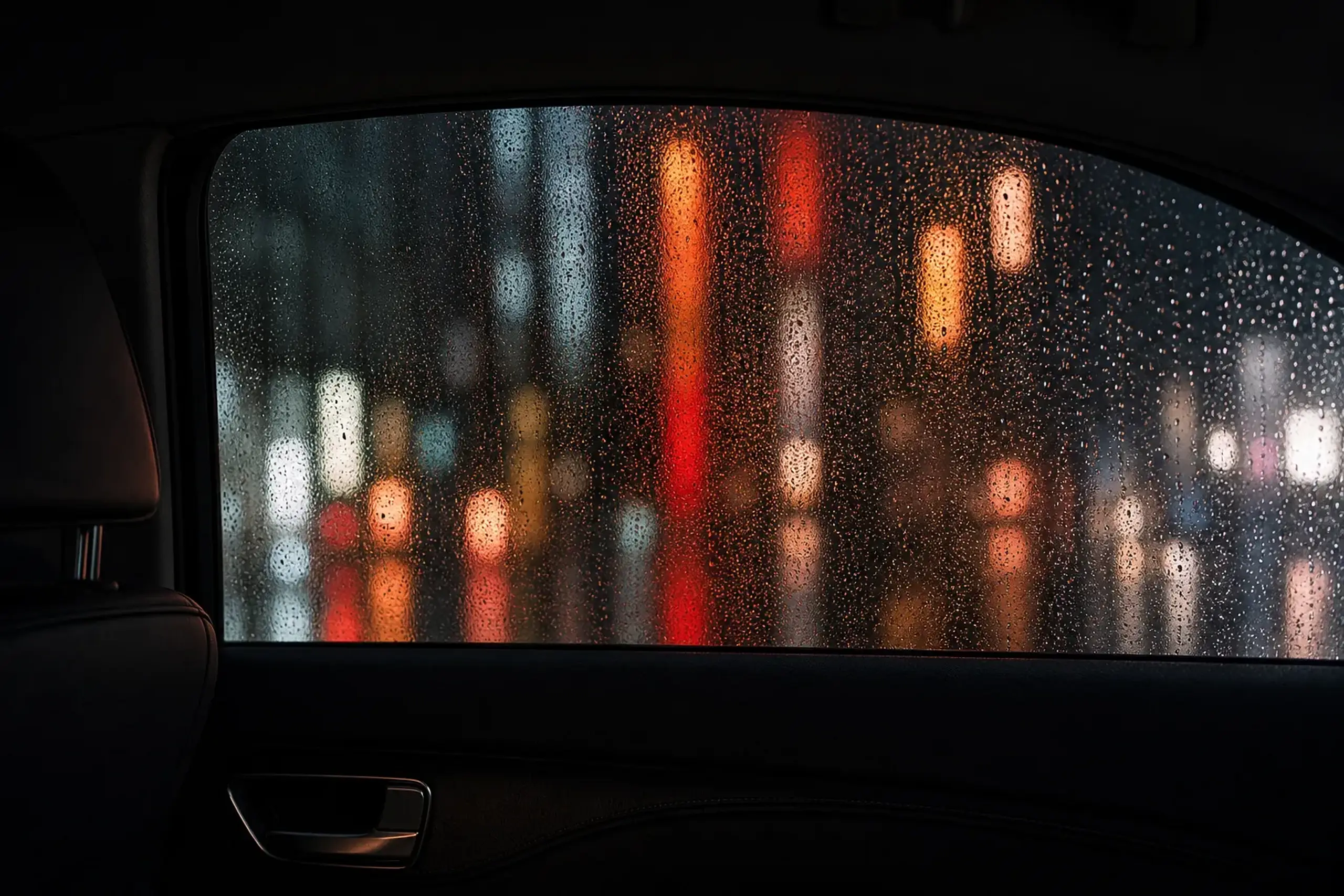
One of our guests arrived in Tokyo after a long week of decisions. No entourage. No noise. Just a wish to disappear for a few days without becoming a spectacle.
The first win was small. A curbside pickup that did not turn into a sidewalk conference. We kept greetings brief, doors close, and momentum steady, then let the city slide past glass like a muted film.
By the second day, the difference was physical. Meals landed at sensible hours, not “whenever we can squeeze it in.” They left temples without a camera frenzy, and slept without the anxiety of being recognized in a lobby queue.
That is the payoff. Privacy that feels normal, pacing that respects your attention span, and a cultural approach that never treats Japan as a prop. Our team at Japan Royal Service built this playbook because luxury travelers are not only buying comfort—they are buying control.
What “Discreet Travel” Really Means In Japan (And Why It’s Getting Harder)
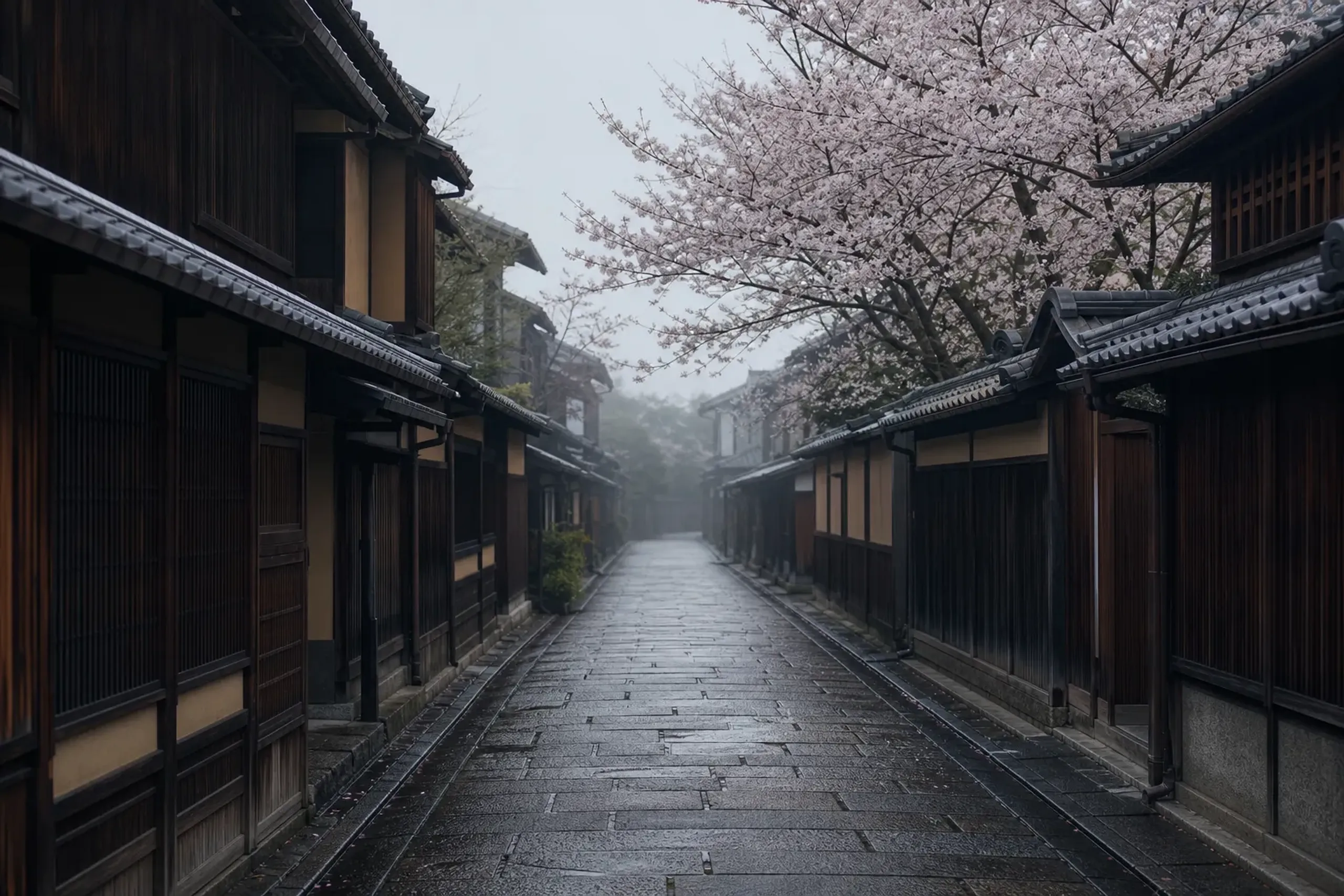
Discretion starts with choosing places and times that stay quiet.
Japan is orderly, but not friction-free. Overtourism countermeasures are now policy-level, and the Japan Tourism Agency maintains a public page on these measures with a last update of April 24, 2026. The direction is clear: more regions will manage crowd pressure more actively.
For HNW travelers, the pain is rarely “can we see the highlights.” It is the exposure. Crowded entrances, rushed transfers, and public misunderstandings that turn a calm trip into a series of small negotiations.
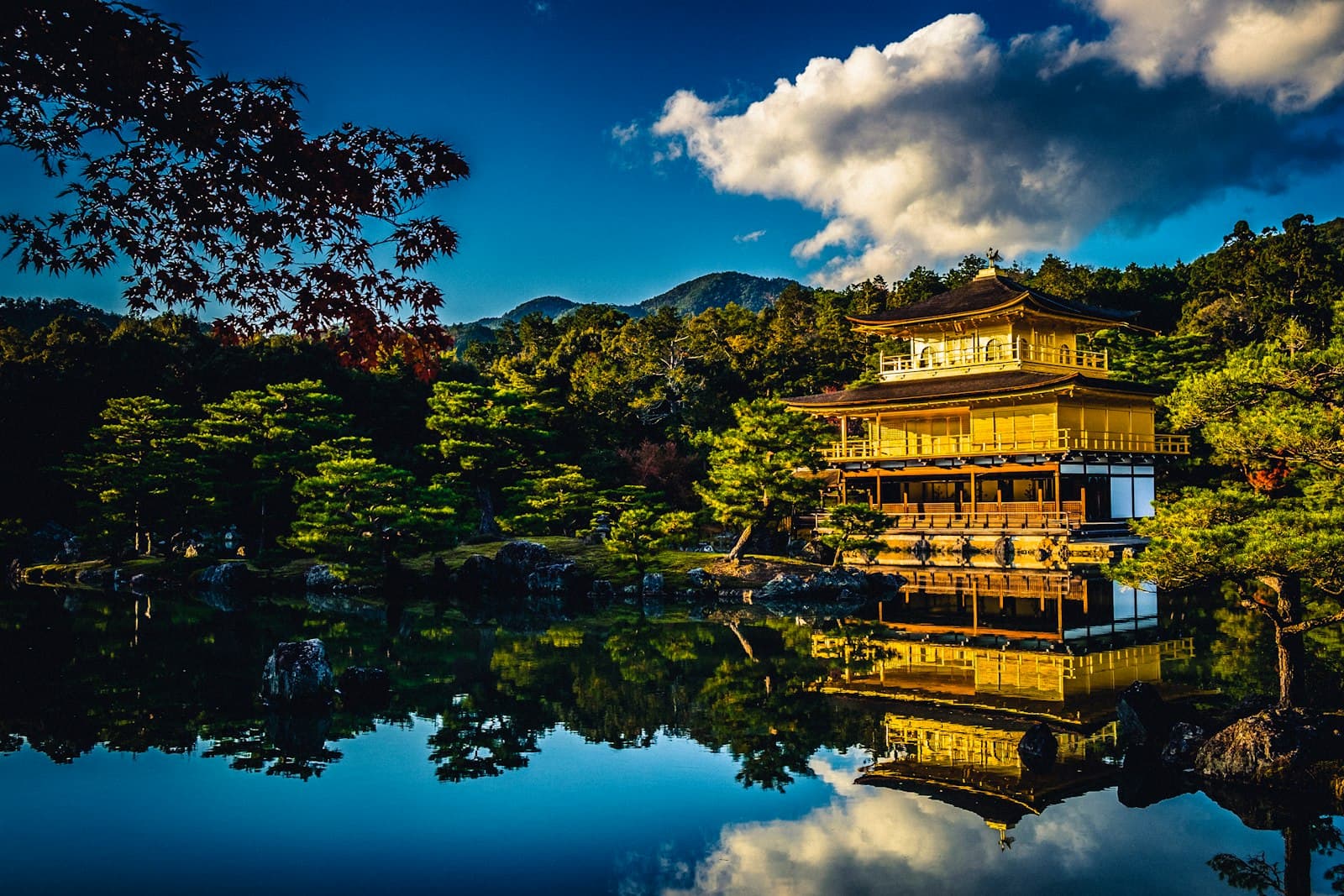
Kyoto is a useful example because it is both iconic and sensitive. The city’s visitor guidance for areas such as Southern Gion is explicit: do not follow geiko/maiko, do not take photos without permission, do not trespass, and only photograph in designated areas. Those are not soft suggestions.
Discretion, then, is not only a preference. It is a way to travel that matches Japan’s own expectations of restraint. Quiet is cooperation.
The Three-Pillar Discreet Japan Playbook
We keep the method plain, because plain is enforceable. Three pillars. No vague “VIP treatment” promises.
Identity is about protecting who you are and what you are doing. Pace is about engineering days that do not collapse under their own ambition. Cultural integrity is about permission, etiquette, and choosing experiences that leave places intact.
Each pillar has practices you can recognize. Concrete ones. The details matter when you land.
Identity Protection: Keeping You Out Of The Public Story
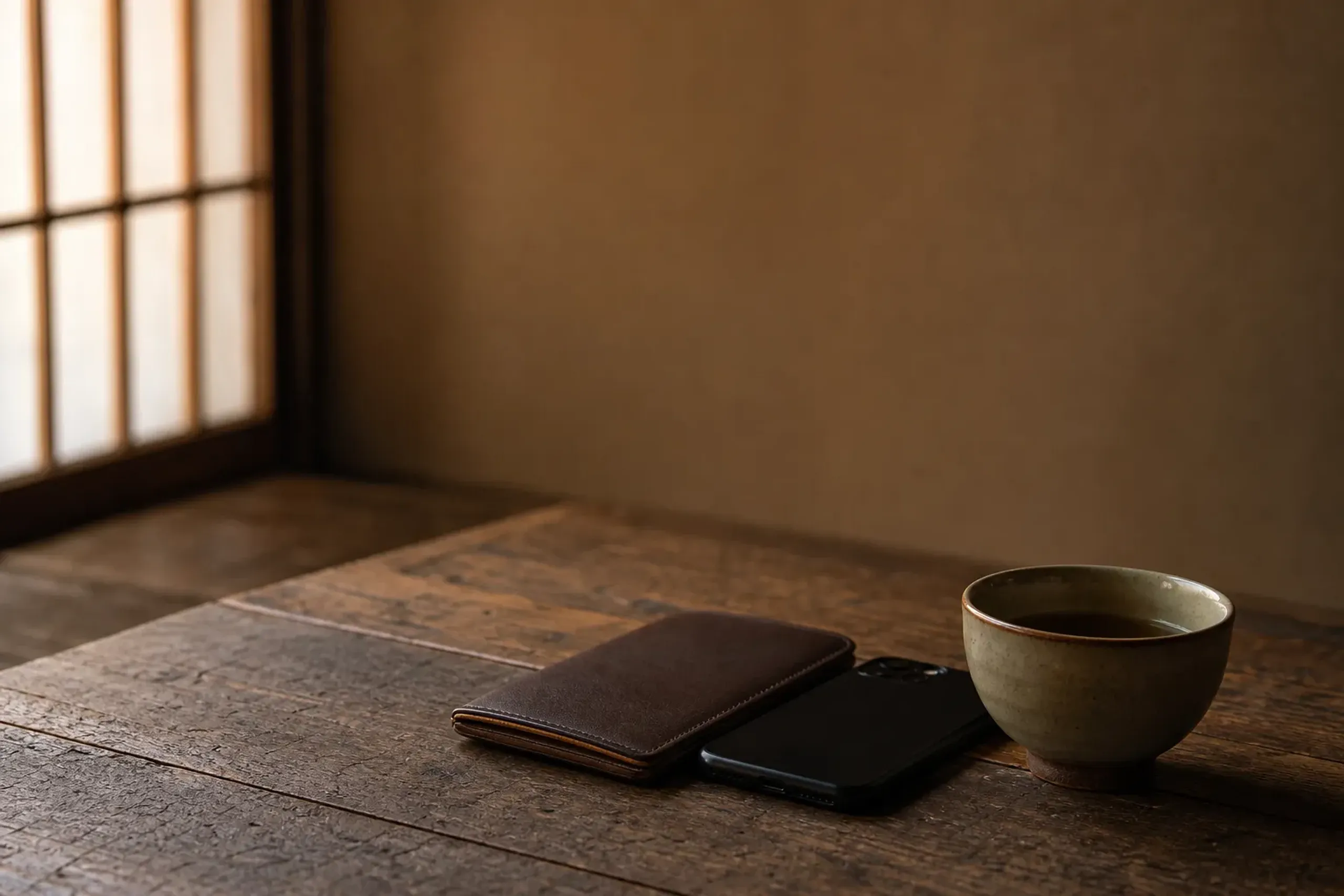
Privacy is often won through small, repeatable habits.
Luxury travelers often assume privacy is automatic. It is not. Japan is polite, yet public spaces are compact, and a single loud moment can “announce” you without anyone meaning to.
In our experience, identity protection works best when it is designed early. Before arrival. Before names are repeated, itineraries forwarded, or screenshots shared.
Privacy-By-Design: Data Minimization And Need-To-Know
We begin with a simple rule: collect only what is necessary for the trip to function. Less detail in circulation means less that can leak, be misread, or be forwarded casually in a chain of messages.
Then we control exposure. Only the people who must know a detail receive it, and only for the window in which it matters. Boring discipline. Extremely effective.
- Minimal distribution: itinerary details are shared in a way that avoids unnecessary forwarding.
- Role-based visibility: drivers, guides, and venues do not all need the same information.
- Low-friction communication: fewer messages, fewer surfaces for accidental disclosure.
Public Spaces: Lobbies, Entrances, And The “Recognition Moment”
Most identity risk is not digital. It is spatial. Hotel driveways, museum entrances, and popular café queues are where privacy unravels because people stop moving.
Our team plans arrival and departure like choreography. Not theatrical. Just precise: where to step, when to pause, and when not to pause at all.
Small choices add up. A different entrance, a calmer check-in window, a meeting point that does not attract curiosity. Quiet wins.
Photos And Social: Your Privacy, And Everyone Else’s
Discretion is mutual in Japan. It is your right to protect your identity, and it is also your responsibility to protect others.
Kyoto’s Southern Gionmachi guidance is blunt: do not stop, touch, follow, or take unauthorized photos/videos of geiko or maiko. Photography is only permitted in designated areas. If your trip includes Kyoto, that guidance is not optional behavior—it is the standard for staying welcome.
Key fact: In Southern Gion, Kyoto’s guidance requests visitors do not stop, touch, follow, or take unauthorized photos/videos of geiko/maiko, and that photography is only permitted in designated areas.
We also point to best-in-class operators when they publish clear privacy rules. The Setouchi cruise ship guntû, for example, asks guests to limit photography/video to personal, non-commercial use, and to protect portrait rights and the comfort of other passengers and employees. It is a useful model because it treats privacy as part of hospitality.
Pace Protection: Designing Days That Don’t Feel Like A Test
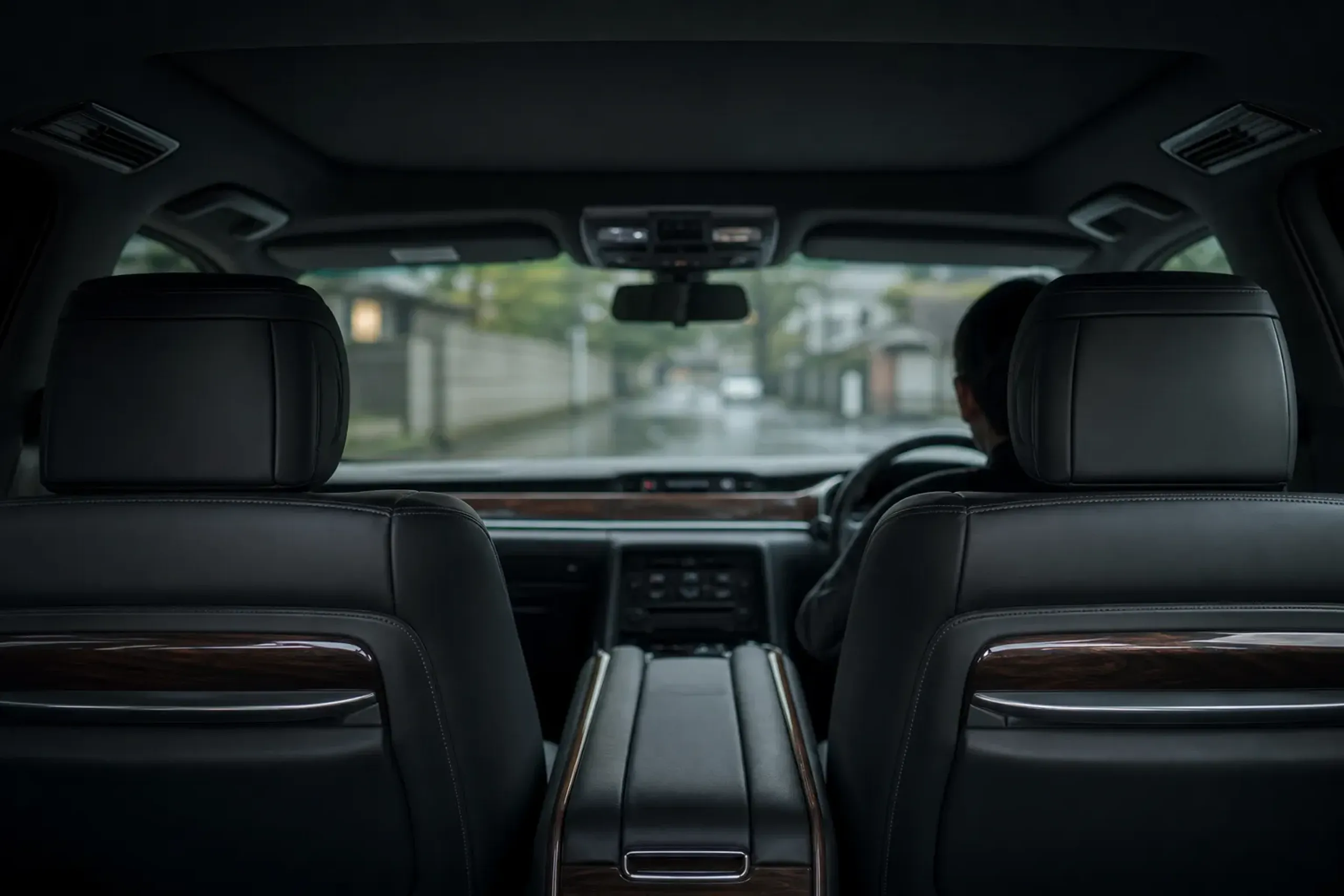
A private interval between stops can reset the entire day.
Japan rewards attention. The problem is that attention is fragile when a day is over-packed, transfers are tight, and meals drift into odd hours.
We design pace the way a good editor cuts a film. Remove what doesn’t earn its screen time. Leave space where the emotion happens.
Start-Time Engineering: Leaving Before The Rush Without Feeling Rushed
Many crowded situations are predictable. Certain temples peak mid-morning, certain shopping districts compress at dusk, and popular train times fill fast.
So we choose timing that feels natural, not punitive. An early start can be gentle when the car is ready, the route is short, and breakfast is not sacrificed. A late start can be smart when a neighborhood only becomes calm after day-trippers leave.
- We reduce queue exposure: fewer lines, fewer public bottlenecks.
- We protect meal cadence: lunch stays lunch, not a 4 p.m. compromise.
- We build “silent hours”: time to read, nap, or simply watch the city.
Rail Dignity: Shinkansen Rules That Affect Your Day
Nothing punctures luxury like a platform scramble. Luggage is often the culprit, especially on longer routes where travelers bring large suitcases.
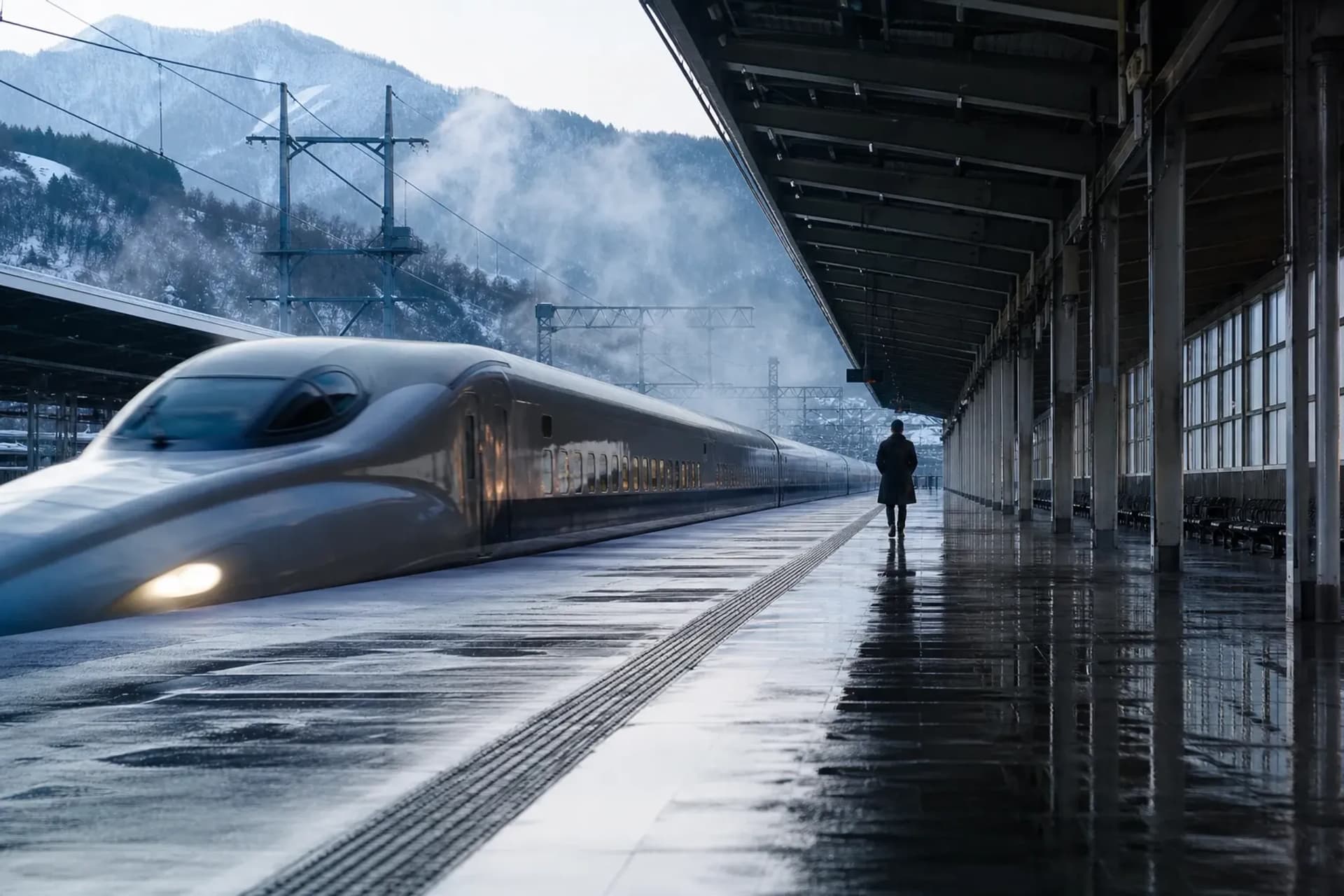
JR Central states that passengers bringing baggage with overall dimensions greater than 160 cm on the Tokaido–Sanyo–Kyushu Shinkansen need to reserve a seat with an oversized baggage area/space. That is not trivia; it changes how you plan departures, seat choices, and how calm your boarding feels.
We treat rail like a timed performance. You arrive with margin, not adrenaline. You board with dignity.
Hands-Free Travel In Practice: When Less Carrying Means More Privacy
A crowded sidewalk is not where you want to wrestle a suitcase. It draws attention, slows you down, and creates small collisions that turn into apologies.
So we often recommend a hands-free approach where it fits the journey: smaller day bags, fewer visible logos, and a luggage strategy that keeps you mobile between cities. No heroics. Just flow.
Private Transportation: The Calm That Changes Everything
For many HNW travelers, the most practical upgrade is not a louder hotel. It is controlled movement.
That is why our itineraries often include private transportation with a professional chauffeur, chosen to fit the party and the tone of the trip. Sometimes that means a Lexus LM 500 for top-tier quiet. Sometimes a Toyota Executive Alphard for family comfort. Sometimes a Mercedes V-Class when you want executive space and a little more room to think.
The vehicle becomes a private interval. Ten minutes of silence between places can reset an entire day.
Cultural Integrity: Permission, Restraint, And The Japan You Don’t Disrupt
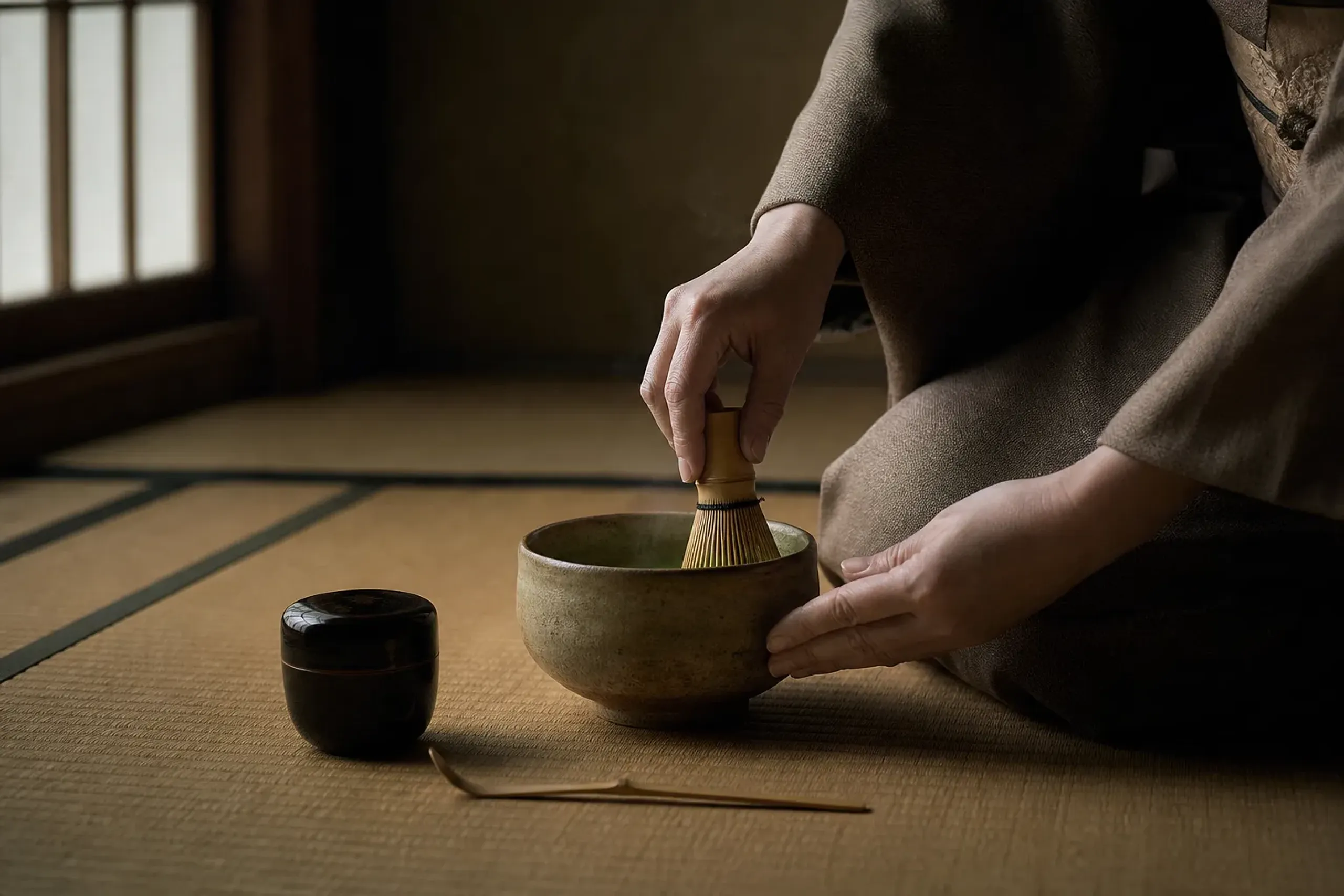
Cultural depth comes with etiquette built into the experience.
High-end travel can accidentally become extractive. It happens when “access” becomes the only goal, and the local context is treated as decoration.
We prefer a different standard. Wabi-sabi in practice: restraint, texture, and the confidence to leave some doors closed.
Responsible Kyoto: A Higher Standard Than “Don’t Be Rude”
Kyoto has published clear guidance because the pressure is real. In areas such as Southern Gion, prohibited acts include following geiko/maiko, taking photos without permission, trespassing, and photographing private property. Photography is only permitted in designated areas.
We brief guests before they step into these streets. Short briefing. Sharp expectations. It protects locals and it protects you from becoming the person everyone remembers for the wrong reason.
Tea Ceremony: Cultural Depth With Etiquette Built In
A tea gathering is not entertainment. It is a small world with rules that create calm.
Japan’s official Travel Japan (JNTO) tea ceremony guide notes that temples, traditional gardens, cultural facilities, and hotels—particularly in Kyoto—offer tea ceremony experiences for visitors, and that etiquette is part of the experience. That matters because etiquette is not a hurdle; it is the point.
When we propose tea, we propose it as a pace choice too. You sit. You listen. You learn without performing.
Onsen Privacy: The Quiet Rule People Forget
Bathing culture has its own privacy logic. Even in high-end settings, phones and cameras can turn a restorative hour into something tense.
The Japan Tourism Agency notes that many ryokan offer private baths in guest rooms or for reserved use, and emphasizes that taking photos in baths can be considered a violation of privacy. This is not only etiquette. It is trust.
We recommend onsen time that respects that trust. Especially for families. Especially for public-facing professionals.
Shokunin Encounters: Craft Without Spectacle
Some of the most meaningful moments in Japan happen in small rooms. A quiet studio. A workshop where the day is measured in minutes and muscle memory.
Shokunin culture is not about “taking a class.” It is about meeting someone who has chosen repetition as a life. When we suggest an artisan encounter, we keep the tone respectful, and we advise guests on how to arrive, what to ask, and when to simply observe.
Hidden Japan often looks like this: a low sign, a plain doorway, a conversation that stays inside the room. No broadcast required.
Practical 2026 Notes High-Net-Worth Travelers Should Not Miss
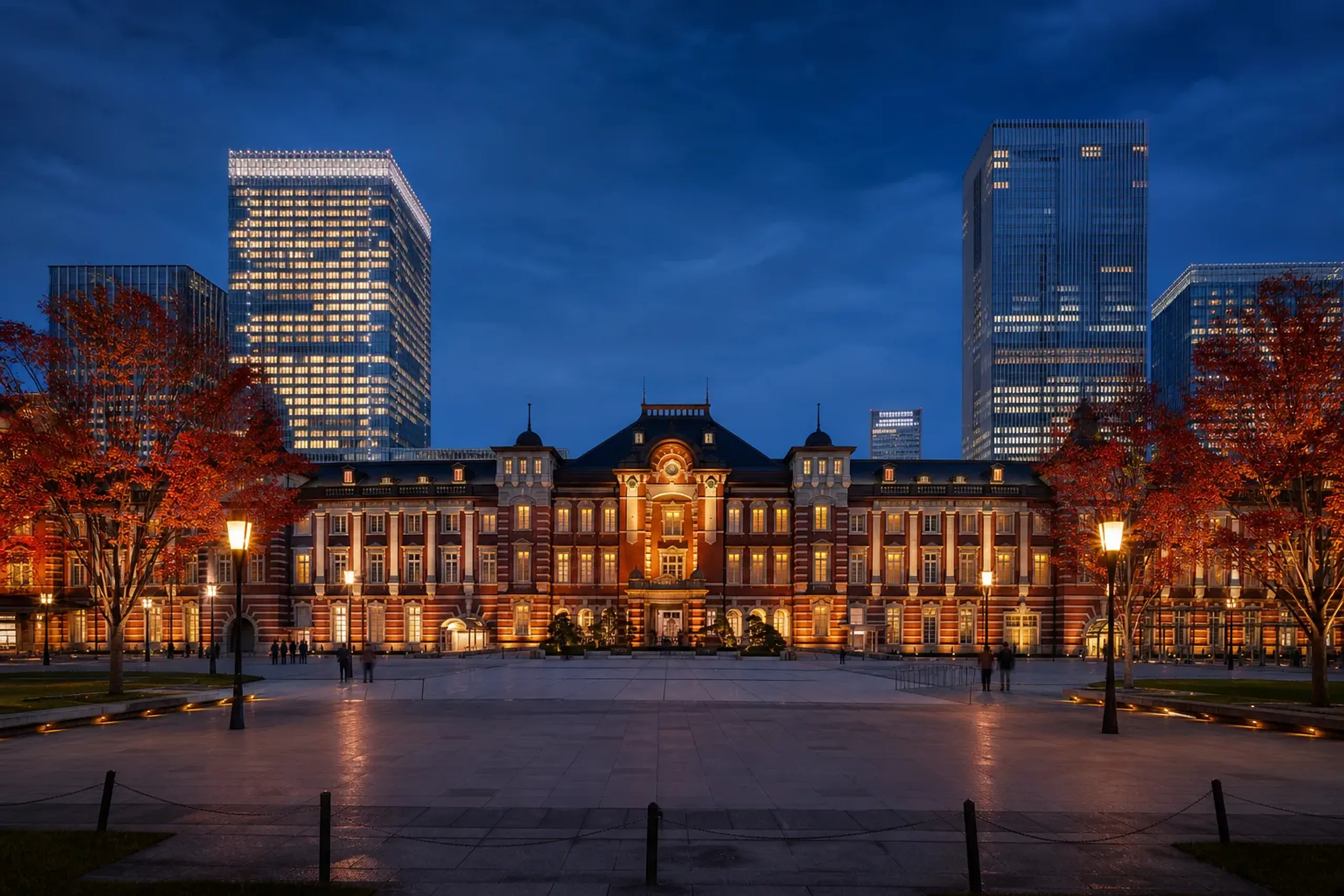
In 2026, small rule changes and timing details shape the feel of a trip.
Discretion is also competence. The small regulatory and operational changes matter because they affect timing, cost expectations, and the mood of a trip.
Kyoto Accommodation Tax Change (Effective March 1, 2026)
Kyoto City’s accommodation tax rates changed starting March 1, 2026, as published by Kyoto Travel. If Kyoto is on your route, this is part of the planning reality.
We prefer to surface these items early. No surprises at checkout. No awkward debates at a reception desk.
International Tourist Tax Change (From July 1, 2026)
Japan’s traveler guidance from MLIT/Japan Tourism Agency references an International Tourist Tax amount of JPY 3,000 per departure from Japan from July 1, 2026, with notes about ticket issuance timing and carrier collection as a general rule.
For HNW travelers, the amount is not the point. The point is avoiding last-minute confusion and knowing what will appear on a ticket or receipt. Calm ends matter.
Overtourism Measures: A Policy Signal You Can Plan Around
The Japan Tourism Agency’s overtourism measures page, last updated April 24, 2026, signals that crowd management is not a temporary headline. It is an operating environment.
So we plan with dispersion in mind: quieter neighborhoods, off-peak hours, and a willingness to skip a “famous” street when it is under strain. Your trip should not add pressure. It should absorb Japan gently.
How To Book The Building Blocks (Official Channels Only)
Discreet travel still uses public infrastructure. Trains, museums, cultural facilities, and hotels all have their own rules and official booking pathways.
For rail, always check the official JR guidance for baggage rules on your route, including oversized baggage reservations where required on the Tokaido–Sanyo–Kyushu Shinkansen. For cultural experiences like tea ceremony, the official Travel Japan guidance is a reliable primer on etiquette and where such experiences are commonly offered.
For Kyoto-specific behavior and neighborhood rules, Kyoto Travel publishes visitor guidelines, including the Southern Gionmachi manner message. Read it before you go. It changes how you move.
For questions, contact our concierge. We will share tailored guidance privately based on your dates, party size, and privacy needs.
FAQ: Discreet Japan Travel For HNW Guests
What Does Discreet Travel In Japan Actually Look Like Day-To-Day?
It looks like fewer bottlenecks, calmer entrances, and days that end before you feel wrung out. It also looks like clear photo boundaries in sensitive neighborhoods, and transport that keeps you moving without public friction.
Is Discretion Only For Celebrities?
No. Many HNW guests simply have visible careers, recognizable brands, or a deep dislike of being observed. Discretion is a comfort standard, not a fame response.
How Do You Protect Privacy If Hotels Require Identification?
Japan has legal and operational norms around identity verification, especially for non-resident guests. Our approach is to minimize what is shared beyond what is required, and to keep itinerary details on a strict need-to-know basis.
How Do You Keep Kyoto Respectful Without Making It Feel Restrictive?
We set expectations early, then design routes and timing that reduce flashpoints. You still experience Kyoto. You simply do it without turning residents or geiko/maiko into a backdrop.
What’s The Most Common Pacing Mistake In Japan?
Trying to “win” the Golden Route in too few days. Big mistake. Japan rewards fewer bases, longer stays, and transport plans that protect energy rather than drain it.
Can You Help Us Decide Between Tokyo, Hakone, And Kyoto If We Only Have A Week?
Yes, in private. The right answer depends on season, your tolerance for crowds, and whether your best moments come from museums, gardens, food, or craft encounters. Our team will map a pace that feels human.
Why Choose Japan Royal Service
Many luxury operators promise “private guides” and “24/7 support.” That language is everywhere now. The difference is whether a company can explain, clearly, how discretion is actually upheld when Japan gets crowded and rules get specific.
At Japan Royal Service, we protect three things that matter most to HNW guests: identity, pace, and cultural integrity. We do it with privacy-by-design habits, watchful route and timing choices, and a respect-first approach to places like Kyoto’s Southern Gion—where the rules exist for a reason.
We also bring quiet craft into the picture. Shokunin encounters, restrained wabi-sabi aesthetics, and a sense for hidden Japan that is not driven by hype. If you want Japan to feel personal again, this is the way.
Reach our team privately via WhatsApp or LINE, or contact us here to begin a discreet, tailor-made plan.