Few experiences reveal Japan’s soul like a matsuri. The word covers everything from a quiet shrine rite to a thunderous parade of floats that stops a whole city. For the traveler who wants more than a crowd photo, a festival is the country’s living heartbeat — sacred, seasonal, and rooted in centuries of devotion.
The problem is access. Most visitors stand on a packed sidewalk, phone overhead, seeing little and understanding less. At Japan Royal Service, we approach matsuri differently: with introductions, quiet vantage points, and the cultural context that turns a spectacle into a memory. This guide explains the festivals worth planning a journey around — and how to experience them with grace rather than elbows.
What a Matsuri Actually Is
A matsuri is a festival tied to a Shinto shrine and the kami — the divine spirits — it enshrines. The word comes from matsuru, “to enshrine” or “to honor.” Strip away the food stalls and fireworks, and the core remains a ritual conversation between a community and its gods.
Most follow a familiar arc. Priests purify the ground and invite the kami. The community celebrates, often carrying a portable shrine called a mikoshi through the streets so the deity can bless the neighborhood. Then the kami is returned home, and the festival closes.
That structure has held for over a thousand years. The agricultural roots show too — spring festivals pray for planting, autumn ones give thanks for harvest. Even in Tokyo’s glass canyons, these old rhythms still set the calendar.
Gion Matsuri: Kyoto’s Crown In July
If you visit one matsuri in your life, many would point here. Gion Matsuri unfolds across the whole of July in Kyoto, centered on Yasaka Shrine. It began in 869, a purification ritual pleading for relief from a plague. The plague passed. The festival never stopped.
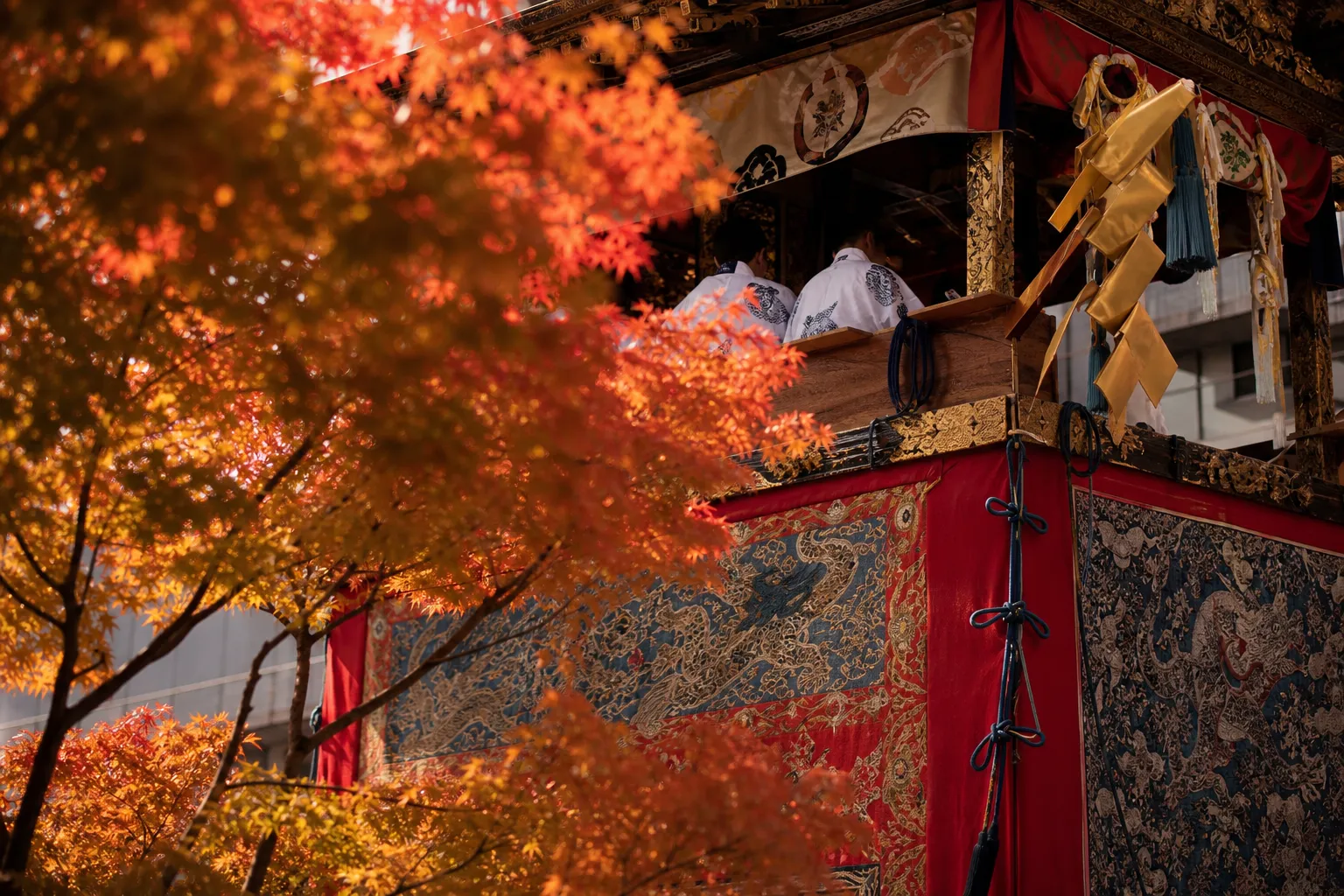
The heart of it is the Yamaboko Junko, the grand float procession. The largest floats — the hoko — rise toward twenty-five meters and weigh up to twelve tons, hauled by teams of men over wooden wheels that screech as they turn corners. Musicians play the haunting Gion-bayashi from the upper tiers. The textiles draping these floats are heirlooms, some woven generations ago, some imported along old trade routes.
There are actually two processions, on July 17 and July 24. The nights before each — Yoiyama — are arguably more atmospheric: lanterns lit, floats glowing, residents opening their machiya to display family treasures.
How To Experience Gion Matsuri Without The Crush
The public route is dense. Brutally so, in midsummer heat. What separates a frustrating day from a luminous one is position and timing.
- A reserved seat or private vantage along the Yamaboko Junko route, away from the standing crush
- Quiet morning access to the float districts during assembly, when artisans are still lashing the timbers
- An evening machiya reception in central Kyoto, where Yoiyama is a candlelit stroll rather than a scrum
- Context from someone who can explain which float is which, and why it matters
In our experience, the difference between watching Gion Matsuri and understanding it comes down to this kind of curation. Our concierge team can advise on quiet bases too — both the Imperial Hotel, Kyoto, which opened in Gion in March 2026, and Capella Kyoto, which debuted later that same month, sit within reach of the festival’s core while offering a calm retreat from the heat and the crowds.
Sanja Matsuri: Tokyo At Full Volume
For raw energy, Tokyo’s Sanja Matsuri has no rival. Held over the third weekend of May in Asakusa, it honors the three men credited with founding Senso-ji, the city’s oldest temple. Across three days it draws close to two million people.
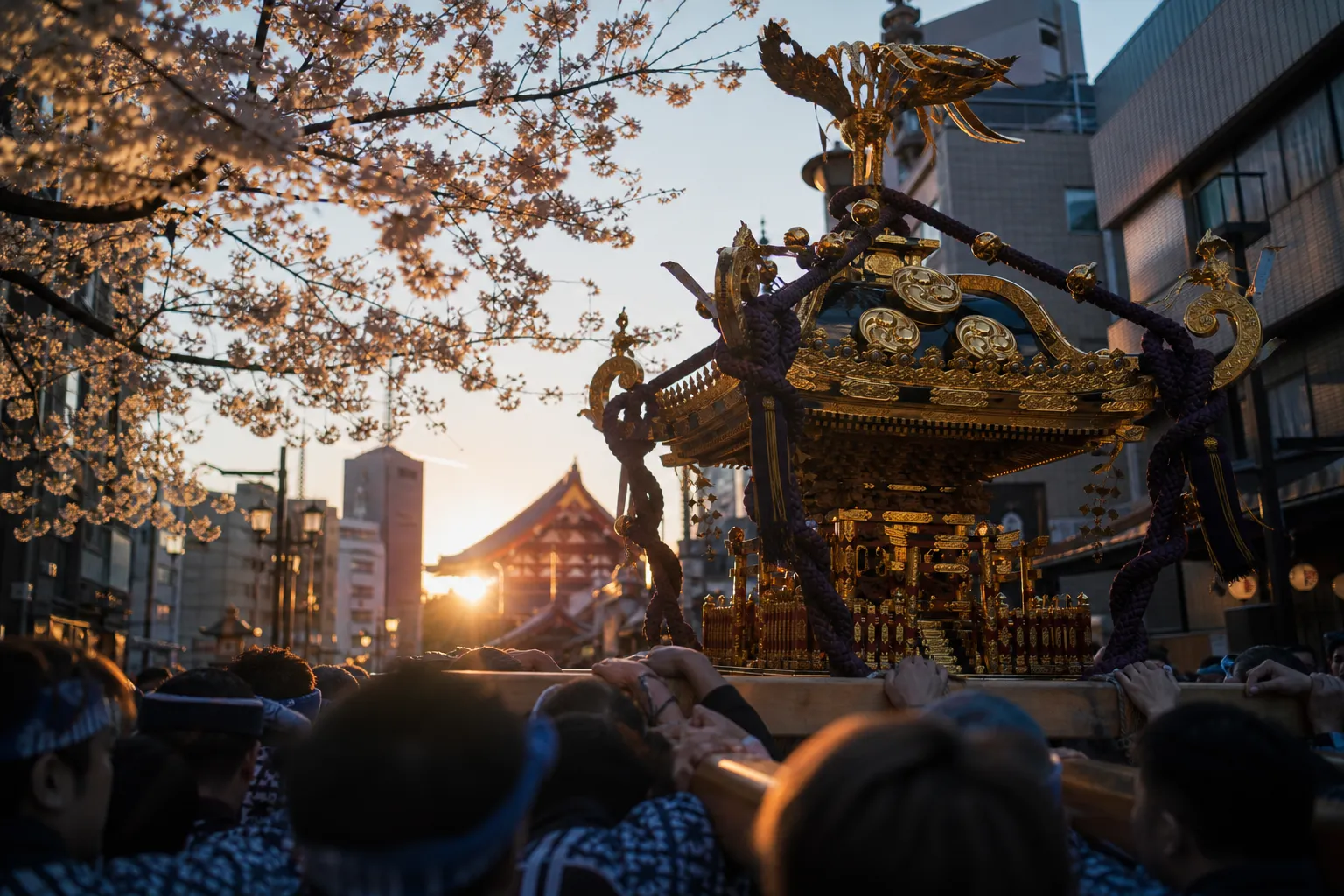
Roughly a hundred mikoshi are carried through the narrow streets around the temple, hoisted on the shoulders of teams who rock and bounce them — the violent motion is believed to please the kami inside. The chanting, the sweat, the lacquered shrines flashing gold in the spring sun: this is festival as physical force.
It is also genuinely crowded and occasionally rough. A guest who wants the spectacle without being swept along benefits from knowing the timing of the main processions and the side lanes where the energy is high but the press of bodies is not. Our coordinators handle private transfers across Tokyo so you arrive composed, not frazzled by the train at rush hour.
Tenjin Matsuri: Osaka On Fire And Water
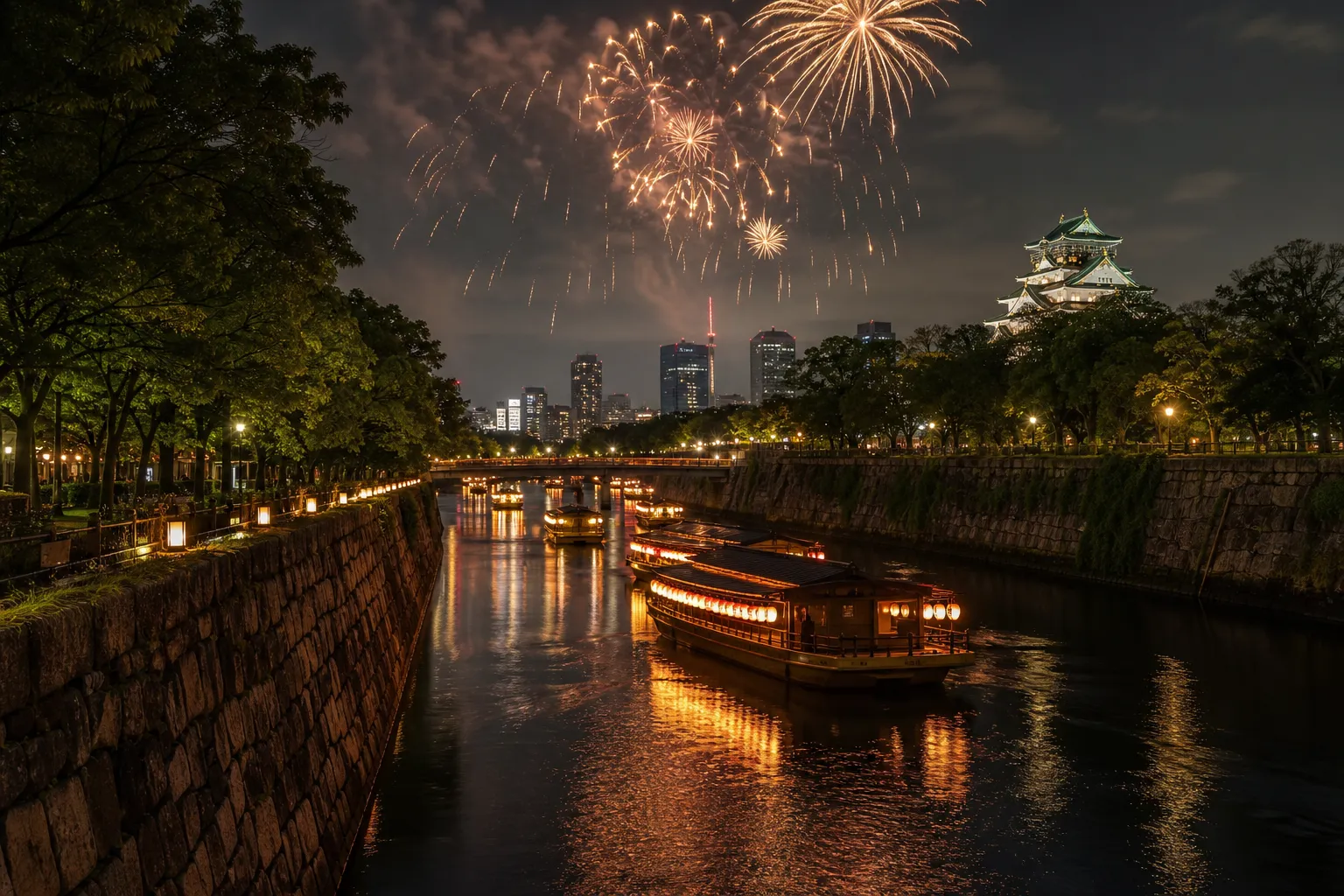
Osaka’s Tenjin Matsuri, held on July 24 and 25, ranks among Japan’s three great festivals. It honors Sugawara no Michizane, the deity of scholarship, at Osaka Tenmangu Shrine, and dates to the tenth century.
The second day is the showpiece. A land procession of around three thousand people in period costume gives way to the Funa-togyo — a river procession of boats gliding along the Okawa as the sky fills with fireworks. The reflection of fire on water, the drums carrying across the current: it is one of the most cinematic evenings in the Japanese calendar.
A boat vantage, or a riverside dinner with an unobstructed view of the fireworks finale, transforms the night. These arrangements require planning well ahead — the good positions are spoken for early.
Nebuta Matsuri: Aomori’s Glowing Giants
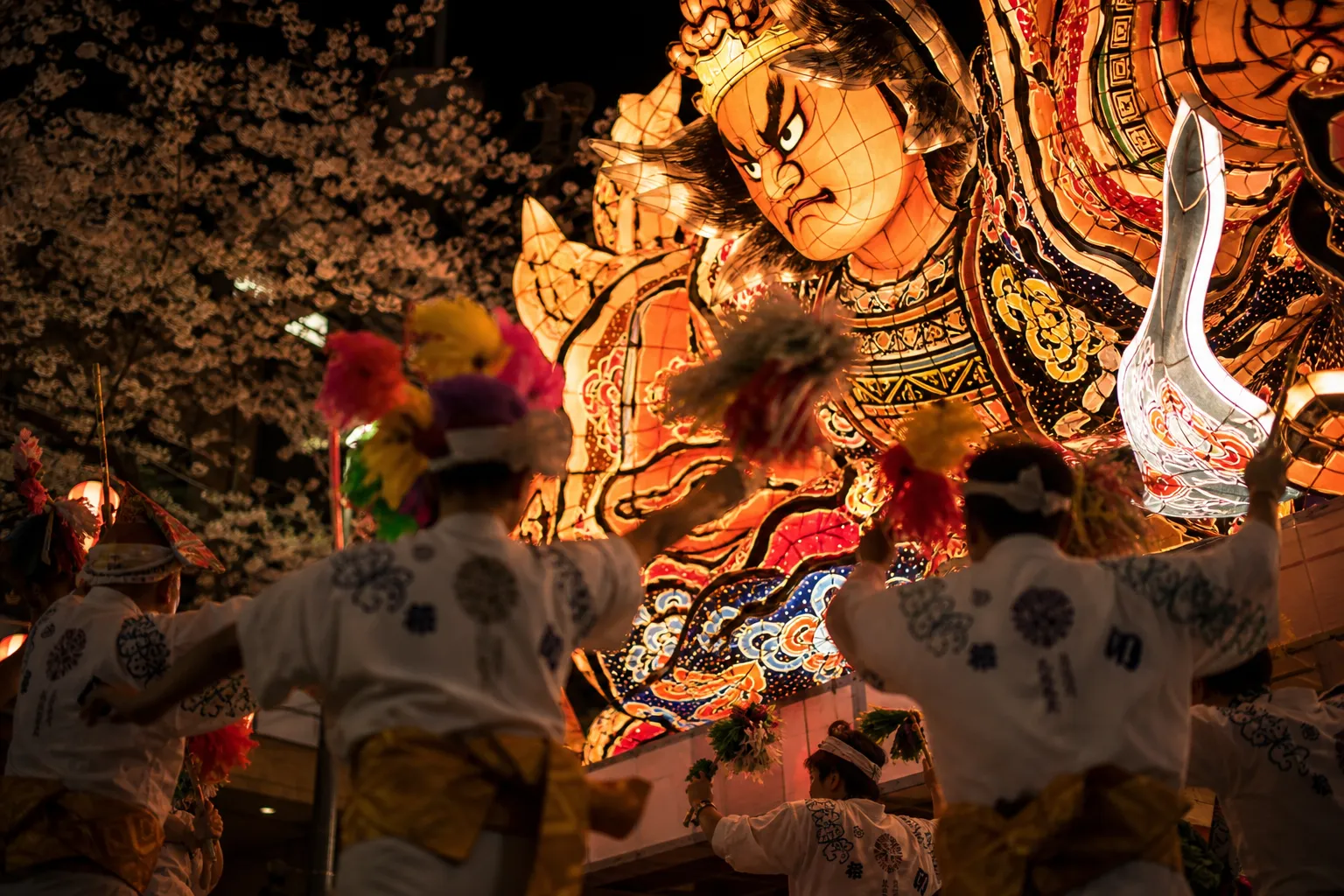
Travel north in early August and the festival mood changes entirely. Aomori’s Nebuta Matsuri, held August 2 to 7, fills the streets with enormous illuminated floats — warriors, gods, and demons built from painted washi paper over wire frames, lit from within.
These nebuta can span nine meters and glow like lanterns the size of houses. Teams of dancers called haneto leap alongside in distinctive costumes, and visitors who rent the outfit are welcome to join the dancing. It is a festival of motion and color, less solemn than Gion, more communal than Sanja.
Tohoku rewards travelers who venture beyond the Golden Route. Pairing Nebuta with the quieter corners of the north — the cedar forests, the coastal onsen — makes for an itinerary that very few foreign visitors ever assemble.
Awa Odori: The Dance Of Tokushima
On the island of Shikoku, the city of Tokushima hosts Awa Odori from August 12 to 15, the largest dance festival in Japan. It is part of Obon, the summer period when ancestral spirits are welcomed home.
Troupes called ren fill the streets — drums, flutes, shamisen, and thousands of dancers moving to a rhythm that has its own famous refrain: “The dancing fool and the watching fool are both fools, so you might as well dance.” The energy is infectious and the welcome is warm. This is a festival that pulls spectators in rather than holding them back.
A Festival Calendar At A Glance
Timing is everything with matsuri. Miss the date by a week and you arrive to empty streets. Here is when the major celebrations fall.
| Festival | Location | When |
|---|---|---|
| Gion Matsuri | Kyoto | All July (processions 17 & 24) |
| Sanja Matsuri | Asakusa, Tokyo | Third weekend of May |
| Tenjin Matsuri | Osaka | July 24–25 |
| Nebuta Matsuri | Aomori | August 2–7 |
| Awa Odori | Tokushima | August 12–15 |
Festival Etiquette For The Discerning Visitor
A matsuri is sacred ground, not a theme park. A little awareness goes a long way, and locals notice.
Do not touch a mikoshi unless you are invited to carry it. Keep clear of the float teams during processions — those wooden wheels do not stop quickly. When priests are conducting rituals, lower your voice and your camera. Photography is usually welcome, but read the moment.
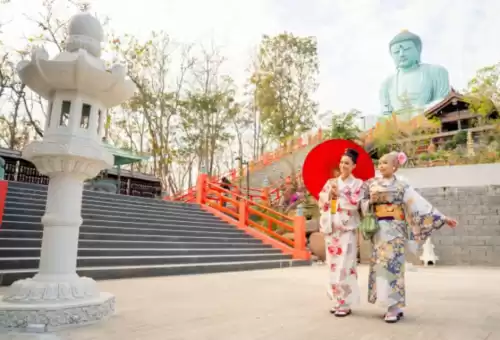
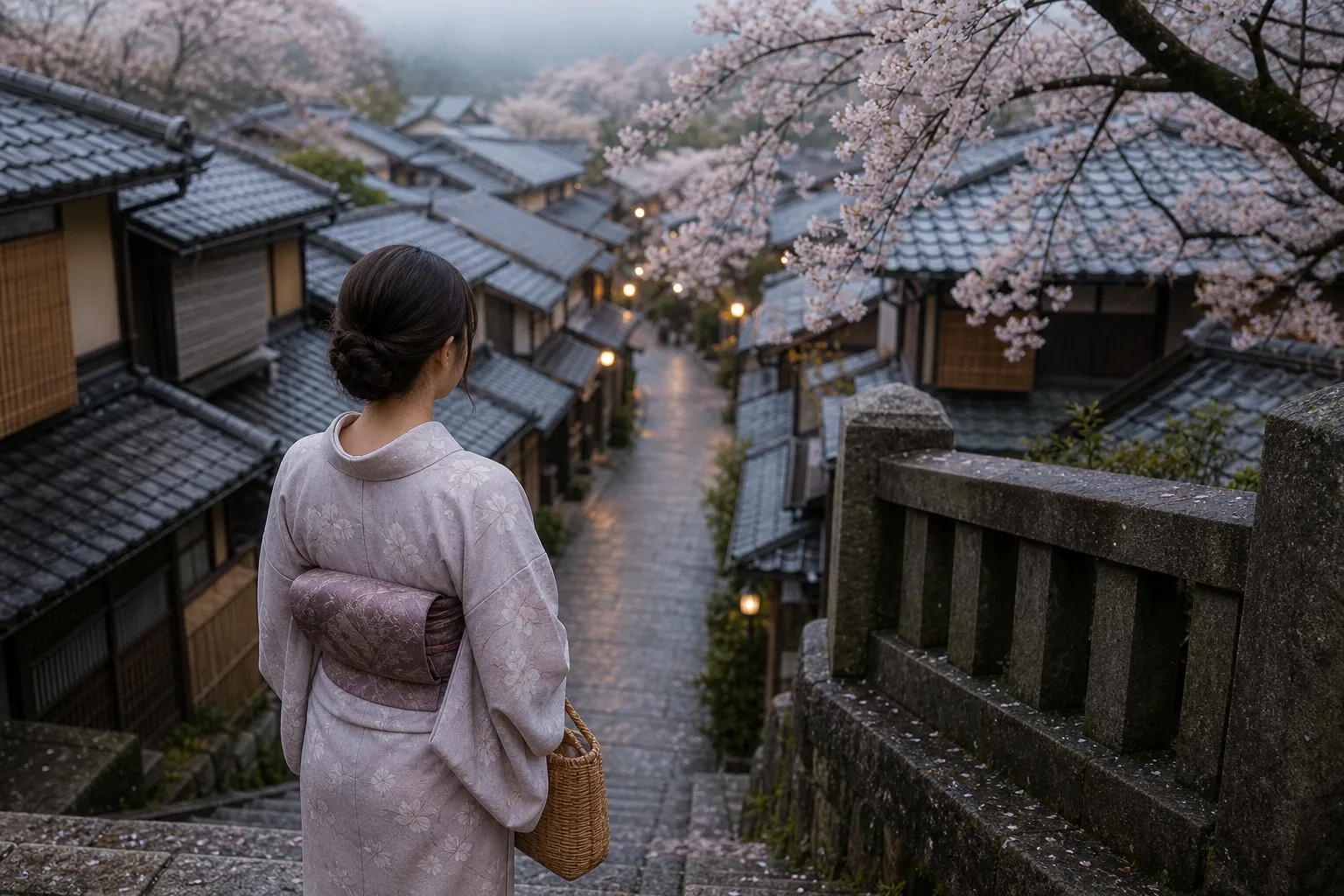
Dress matters too. Summer festivals are punishing in humidity, yet a measure of modesty signals respect. Many guests enjoy wearing a yukata, the light cotton kimono, which is entirely appropriate and quietly elegant. Our team can arrange a proper fitting before the evening begins.
Common Questions About Japanese Festivals
What Is The Most Famous Matsuri In Japan?
Gion Matsuri in Kyoto is the most renowned, celebrated for its thousand-year history and the towering floats of the Yamaboko Junko procession in July. Tenjin Matsuri in Osaka and Kanda Matsuri in Tokyo complete the traditional trio of Japan’s three great festivals.
When Is The Best Time To See A Festival In Japan?
July and August hold the densest concentration of major matsuri, from Gion to Nebuta to Awa Odori. May brings Sanja Matsuri in Tokyo. Because dates are fixed to specific days rather than weekends, planning travel around the exact festival date is essential.
Can Visitors Participate In A Matsuri?
Often, yes. Awa Odori openly invites spectators to dance, and Aomori’s Nebuta welcomes costumed haneto. Carrying a mikoshi, however, is usually reserved for community members unless a formal introduction is arranged. Our concierge can advise on which festivals offer respectful participation.
How Crowded Are Japan’s Major Festivals?
Very. Sanja Matsuri draws nearly two million people and Gion fills central Kyoto. The crowds are part of the atmosphere, but a reserved vantage point, private transport, and informed timing make the difference between a stressful day and a sublime one.
Why Choose Japan Royal Service
Anyone can find a festival date online. What they cannot easily find is the quiet seat, the morning access to the float district before the public arrives, the machiya host who opens their door for a Yoiyama evening. That is the Japan that does not surface in a search engine.
Our work rests on a few principles. Discretion comes first — your identity and your itinerary stay private, always. We build on introductions earned over years, the kind that grant access to artisans and spaces ordinarily closed to outside guests. And we hold a sharp sense of timing, knowing precisely which festival to pair with which season and which calm base to retreat to afterward.
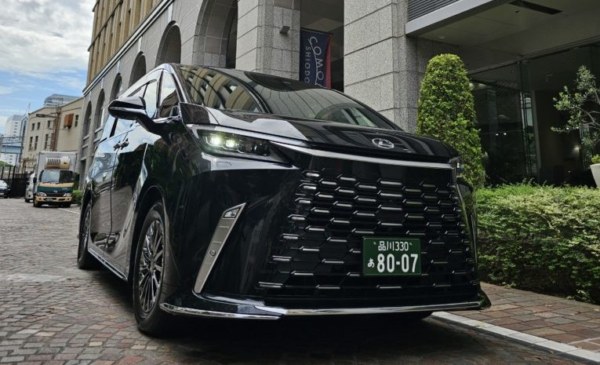
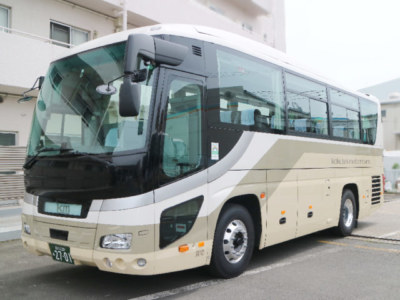
Our fleet — from the Lexus LM to the executive Alphard — moves you across a crowded festival city without the indignity of a packed train. Our coordinators speak English, Japanese, Thai, and Filipino. The aim is simple: that you witness the living heart of Japan, and remember the grace of it rather than the crush.
Whether you are drawn to the floats of Kyoto, the river fire of Osaka, or the glowing giants of Aomori, we shape the experience around you.
To begin planning a journey built around Japan’s great festivals, reach our concierge directly via WhatsApp or the contact form at Japan Royal Service. We will respond with a tailored proposal, in confidence.