In this guide
- 01What "Private" Actually Means in Kyoto
- 02The Architecture of Refusal: What Isn't Possible
- 03The Mechanics of a Request: Protocol and Lead Times
- 04The Guest's Obligation: Conduct and Silence
- 05Seasonal Realities: When the Doors Remain Closed
- 06New Harbors: Establishing a Base for 2026
- 07Why Choose Japan Royal Service
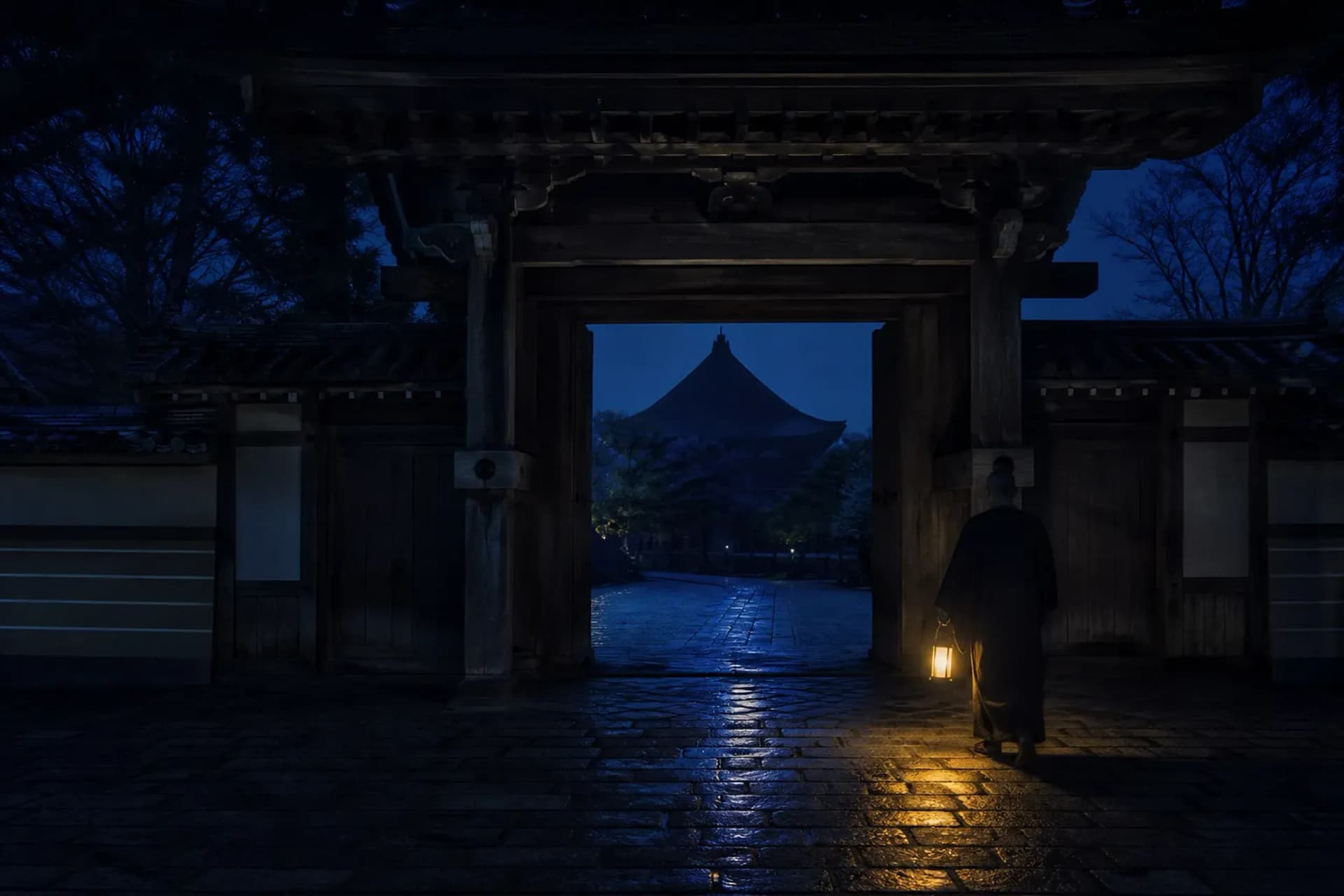
A temple hall long after closing holds a distinct weight. You hear the floorboards settle. You smell the centuries of incense pressed into the wood. The shadows lengthen, illuminated only by dim lanterns, revealing a quiet aesthetic of restraint. Many travelers assume that securing this moss-covered stone silence simply requires sufficient budget or notice. That assumption is incorrect.
Our team at Japan Royal Service frequently counsels guests on the realities of after-hours access in Kyoto. The truth is highly structural. Access operates strictly on the temple's terms, shaped by religious calendars and long-standing protocol rather than commercial demand. Money changes nothing here. In this guide, we outline what private access actually means, what remains permanently off-limits, and how highly restricted cultural sites manage their quietest hours.
What "Private" Actually Means in Kyoto
Language matters deeply when discussing closed-door access. The travel industry frequently conflates public evening events with solitary access. In Kyoto, after-hours viewing falls into four distinct categories. You must know exactly which one you are requesting.
1. Official Special Night Viewings
Major institutions manage congestion by scheduling extended evening hours during peak seasons. Kiyomizu-dera, for example, publishes an official schedule for its Special Night Viewing periods in spring and autumn. The gates remain open later, and the grounds are illuminated. This is beautiful, but it is not private. You will share the precinct with hundreds of other visitors. It requires no special introduction, only adherence to the temple's public calendar.
2. Early Entry Programs
Certain campaigns, such as JR Central's autumn foliage promotions, coordinate special early-morning entry to famous temples before standard gates open. These programs allow ticketed guests to view gardens or halls in relative quiet. While the crowd is smaller, you are still participating in a shared group experience. The temple remains the host of a public, albeit limited, event.
3. Curated Sub-Temple Access
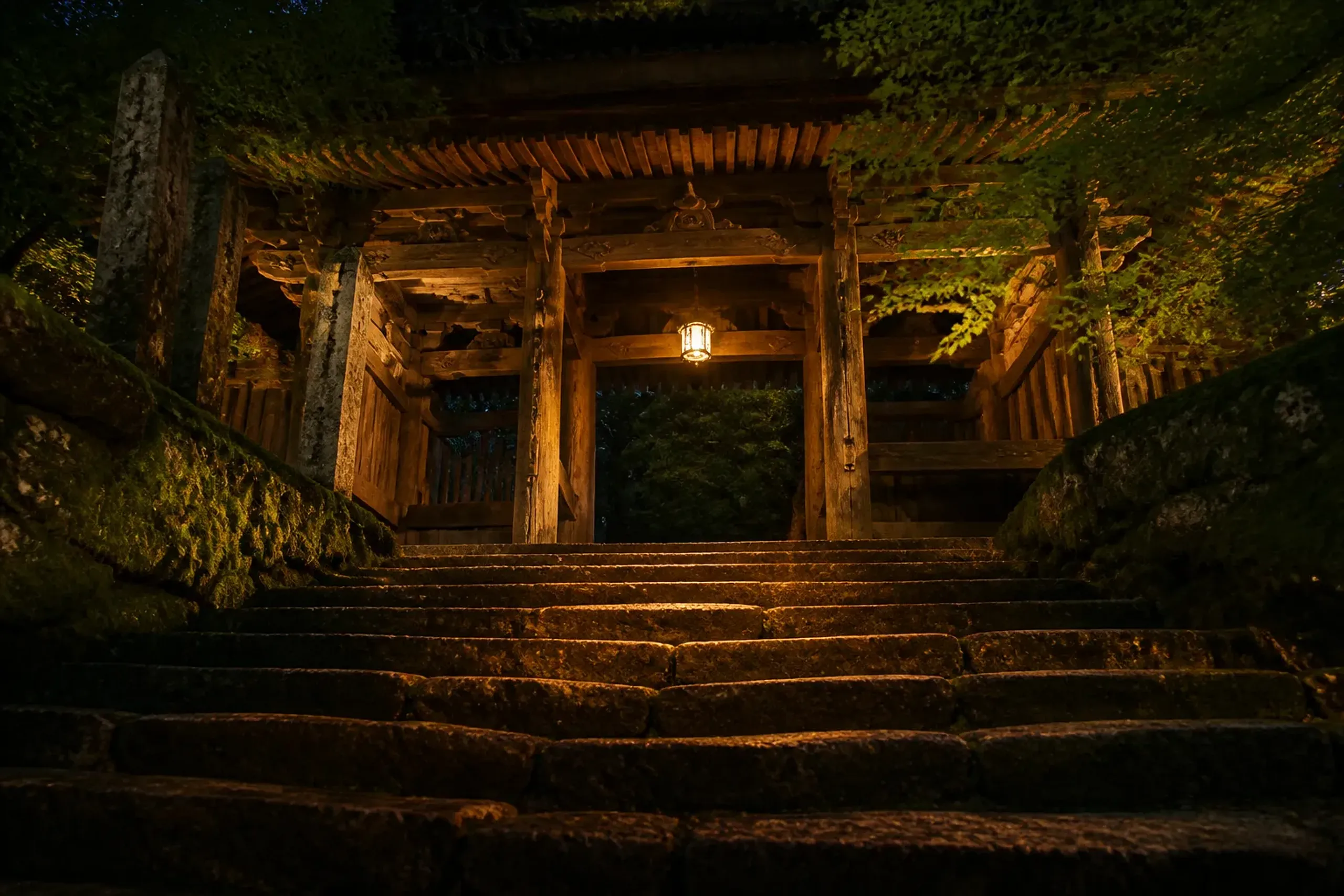
True private access usually occurs away from the famous main halls, deep within the network of sub-temples. This is the hidden Japan that general maps gloss over. Establishments like Keishun-in, a sub-temple of Myoshin-ji, occasionally permit special night visits. Other venues, such as Ikkain, are normally closed to the public entirely but may open for specific, partner-curated sessions involving tea service or geisha hospitality near gardens designed by masters like Chisao Shigemori. In these spaces, you are the only guests.
4. Open Precinct Night Visits
Some shrines, most notably Fushimi Inari, maintain open precincts. The gates do not close. You can walk the mountain paths at midnight. This is solitary, but it is unmanaged. There is no private viewing to coordinate, only the physical effort of walking the grounds in the dark.
The Architecture of Refusal: What Isn't Possible
Understanding what cannot be done is more important than knowing what can. The limits are absolute. They apply to heads of state and casual visitors alike. Refusal is normal.
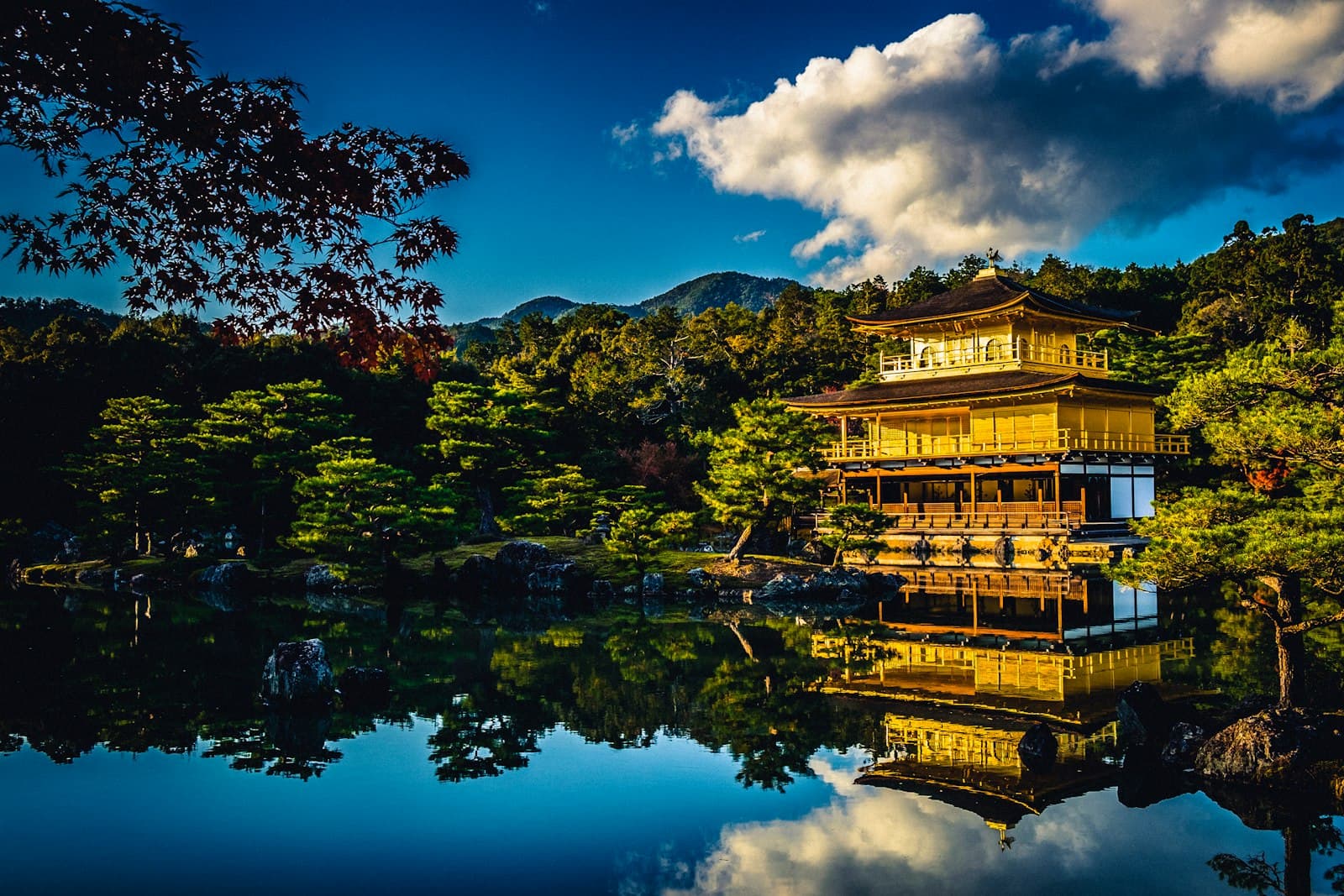
First, UNESCO World Heritage main halls are almost never available for private, solitary rental. The logistical footprint and risk to national treasures are simply too high. You cannot rent the Golden Pavilion for a private dinner. You cannot clear the main stage of Kiyomizu-dera for a solitary photoshoot. These requests are routinely declined.
Second, religious duty supersedes visitor access. A sub-temple that occasionally welcomes private guests will immediately close its doors if a memorial service, a specific ritual, or a period of ascetic training is required. The calendar of the monks dictates the availability of the space. If a sudden ceremonial need arises, a previously discussed viewing will be canceled. The temple offers no apologies for this; their primary function is spiritual, not hospitable.
Key fact: Do not request drone flights, tripod photography, or commercial lighting setups within temple grounds. Kyoto's institutions strictly protect the physical integrity of their wooden structures and the spiritual dignity of their spaces.
Furthermore, the expectation of total control over the environment is a misunderstanding of Japanese aesthetics. The wabi-sabi philosophy demands an appreciation of the environment as it is. If it rains, the doors may remain shut to protect the tatami mats. If the temperature drops, no modern heating will be brought into a fragile wooden hall. You must adapt to the building, not the other way around.
The Mechanics of a Request: Protocol and Lead Times
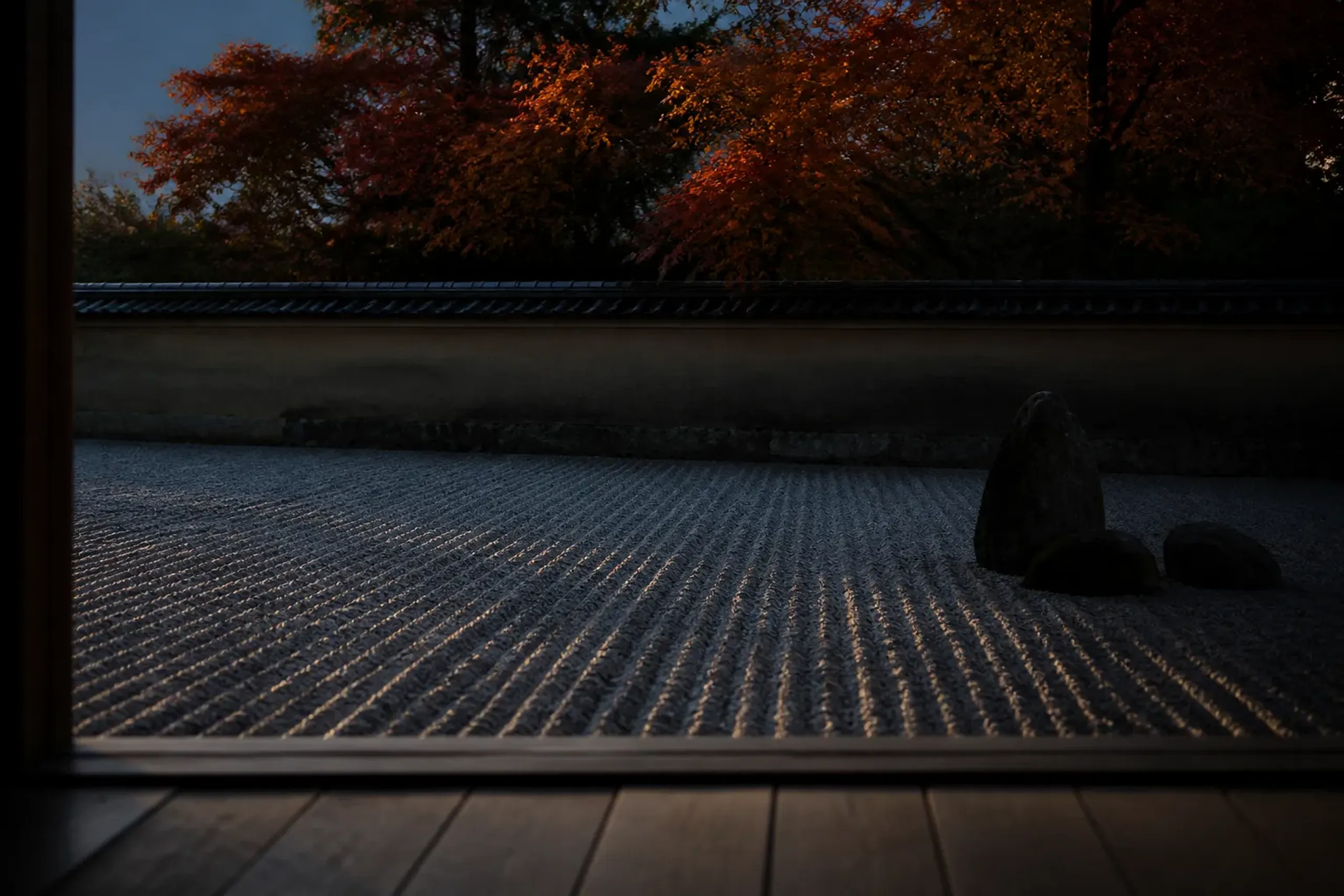
When a legitimate private viewing is possible, the mechanics run entirely through established relationships. You cannot fill out an online form to unlock a closed temple. The request relies on intermediaries who hold the trust of the chief priest.
Lead times are measured in months. A request submitted less than eight weeks in advance is almost always too late. The process begins with a formal inquiry, detailing who is traveling, the exact size of the party, and the purpose of the visit. The temple's administration reviews this information. They consider their own calendar first.
If the response is positive, it often comes with strict parameters. The viewing might be granted for exactly forty-five minutes. It might be restricted to a specific veranda overlooking a garden, with interior rooms remaining firmly closed. Discretion is paramount. Temples that allow these visits rarely advertise them, and they expect guests to maintain that same confidentiality. Announcing the specifics of a private visit on public platforms is considered poor form and can damage the intermediary's relationship with the priest.
The Guest's Obligation: Conduct and Silence
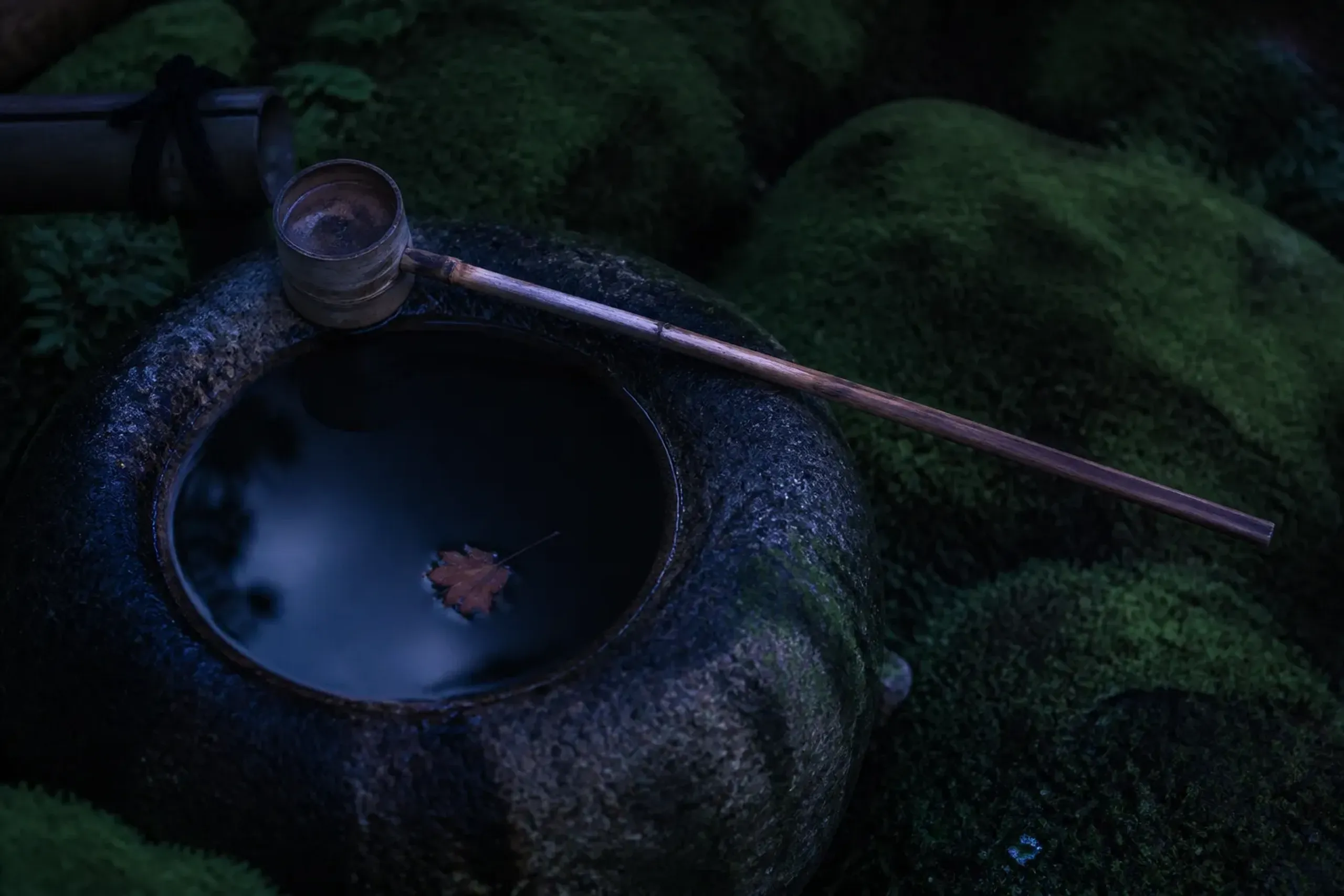
Access is a privilege granted by the temple, and it carries heavy expectations regarding guest conduct. Kyoto City and the Kyoto City Tourism Association actively promote the Kyoto Tourism Moral, a formal code of conduct designed to protect the city's sustainable future. When you enter a temple after hours, you are expected to embody these principles.
Punctuality is non-negotiable. If you are granted access at 6:30 PM, arriving at 6:40 PM is deeply disrespectful. The monks or caretakers have altered their evening to receive you. You must be waiting at the gate precisely when instructed.
Silence is required. The residential neighborhoods surrounding Kyoto's temples are quiet at night. Voices carry over stone walls. Approaching and leaving the site must be done with minimal disruption. Inside the temple, conversations should be kept to a low murmur. The aesthetic experience relies heavily on the auditory environment—the rustle of bamboo, the drip of water into a stone basin.
Dress appropriately. Bare shoulders, short hemlines, and strongly scented perfumes are inappropriate for a religious sanctuary. Photography is often forbidden entirely in the inner sanctums. Even when permitted in the gardens, taking photos should never be the primary focus of the visit. You are there to observe and reflect, not to document.
Seasonal Realities: When the Doors Remain Closed
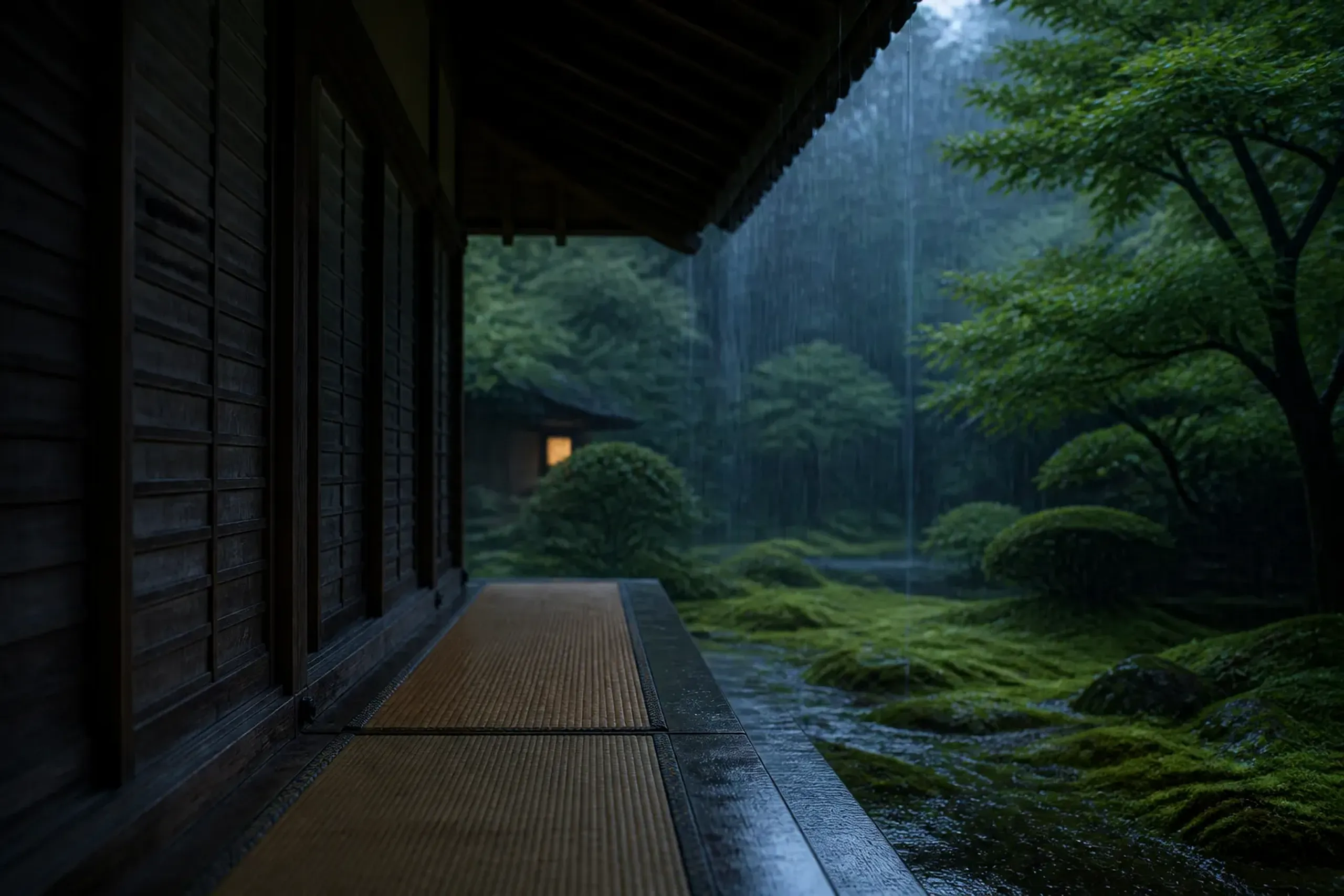
The changing seasons drastically alter the landscape of what is possible. Kyoto's official tourism channels continuously update their guidance regarding peak congestion and weather events, directly impacting after-hours access.
During Golden Week in late April and early May, the city implements severe overtourism countermeasures. Live cameras are installed at major transit points to monitor congestion. During these peak national holidays, private access is exceptionally rare. Temples are fully occupied with managing the sheer volume of domestic visitors. Special requests during this window are highly likely to be declined.
The summer brings the Kyoto Summer Special Openings, where certain normally closed properties open briefly to the public. However, this season is vulnerable to weather. Typhoons frequently approach the Kansai region in August and September. If a storm is forecasted, temples will board up their delicate wooden doors and cancel all visits. The safety of the heritage structure outweighs any scheduled appointment.
Autumn brings the famous foliage illuminations. While stunning, the logistical strain on the city is immense. Navigating to a sub-temple during November requires exacting transport coordination, as standard routes become heavily congested.
New Harbors: Establishing a Base for 2026
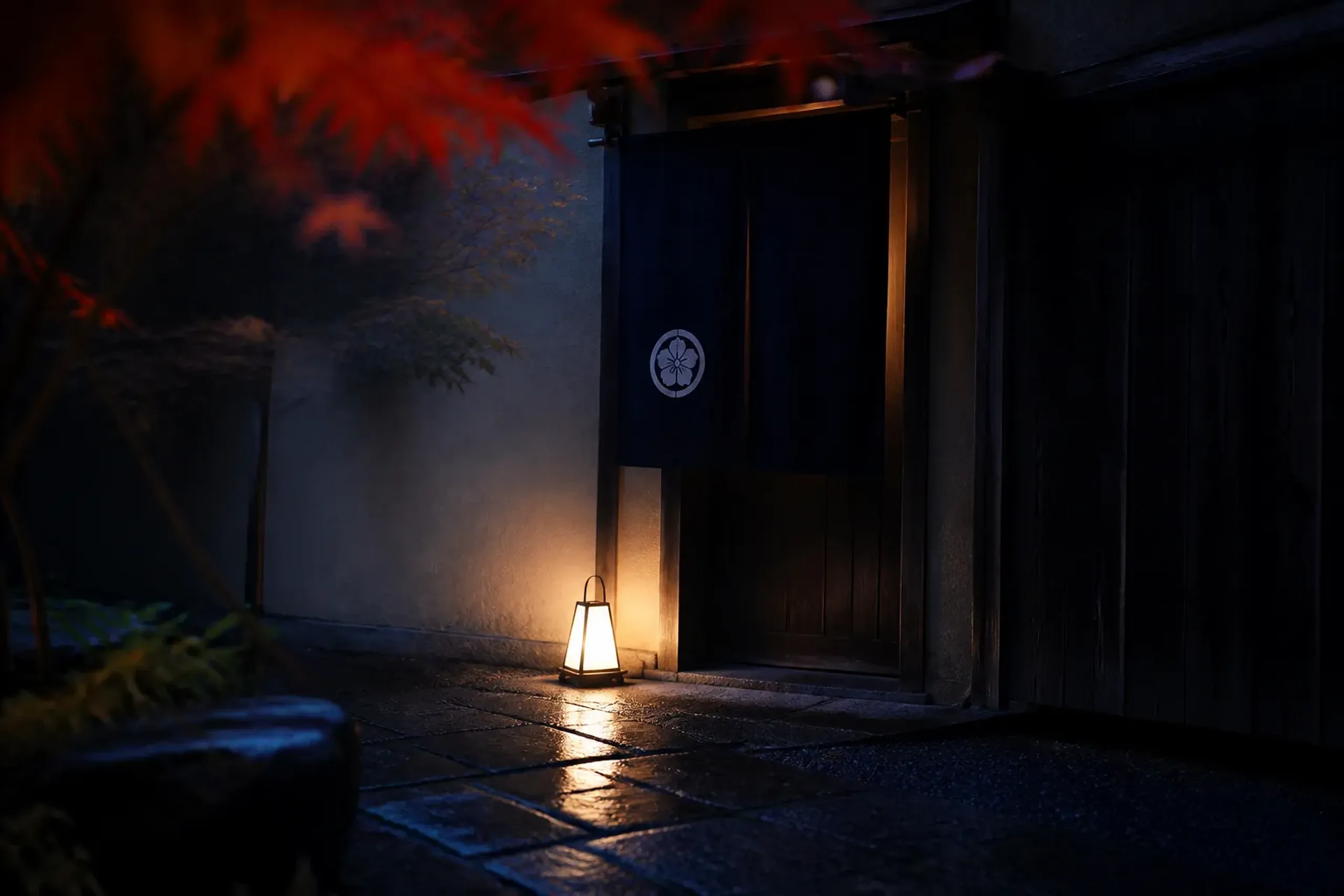
To successfully navigate the complexities of Kyoto's restricted hours, your choice of accommodation and logistics is vital. Arriving at a quiet, hidden temple requires an equally considered departure point. The 2026 luxury hotel landscape in Kyoto provides sophisticated new bases that align with a strategy of absolute discretion.
The Imperial Hotel Kyoto, opening in March 2026, integrates a deep legacy of state-guest hosting with a refined Gion footprint. Properties of this caliber understand the choreography of unseen arrivals and departures, making them ideal launch points for early-morning or late-evening cultural visits. Similarly, Capella Kyoto brings a focus on cultural programming and artisan craft to the Higashiyama area. Utilizing these highly controlled environments allows you to manage your exposure to the city's crowds.
Movement between your hotel and a restricted temple requires careful planning. For this, securing premium private transportation is essential. Navigating narrow temple approach roads in the dark demands drivers who know the precise drop-off protocols that do not disturb the local residents.
Why Choose Japan Royal Service
Our team at Japan Royal Service understands the delicate architecture of access in Japan's historical capitals. We do not deal in false promises of unlimited access, nor do we compromise the quiet integrity of the sites we respect. Instead, we provide factual, highly vetted guidance on what is genuinely possible.
When you approach us with a tailor-made itinerary request, our concierge will assess your desired dates, group size, and interests against the strict realities of Kyoto's religious calendar. We coordinate inquiries privately, ensuring that your identity is protected and the temple's rules are honored. If a requested door cannot be opened, we will explain why and suggest a culturally appropriate alternative that maintains the atmosphere of profound calm you seek.
To begin a private discussion about your upcoming travel to Kyoto, reach our team privately via WhatsApp or LINE, or contact us here. We look forward to guiding you through the authentic, understated quiet of Japan.