In this guide
- 01Why This Museum Is Worth A Private Morning: Sculpture And Hot Spring Water On The Same Grounds
- 02What Makes The Outdoor Collection Feel “Alive” In Hakone’s Landscape
- 03How Strong Is The Henry Moore Collection At The Hakone Open-Air Museum?
- 04What Should You See Inside The Art Hall (And Why It Proves This Is Not Just A Photo Stop)?
- 05How Does The Picasso Pavilion Work At Hakone (And Will You See The Same Pieces)?
- 06Symphonic Sculpture: The Stained-Glass Tower You Can Climb
- 07The Forest Footbath: A Museum Break That Feels Like Hakone
- 08What About Children, Accessibility, And Photography Rules?
- 09How Long Should You Plan For A Private Visit To The Hakone Open-Air Museum?
- 10How To Visit: Hours, Location, And On-Site Practicalities
- 11What A Private Guide Adds That A Normal Visit Cannot
- 12What Japan Royal Service Arranges For This Experience (Private Guiding And After-Hours Access)
- 13Frequently Asked Questions
- 14Why Choose Japan Royal Service
Bronze cools quickly in mountain air. Pine needles stick to wet stone after a passing shower. And somewhere between the first Rodin you recognize and the Henry Moore you didn’t expect to feel in your ribs, you realize why this museum works: it is not a walk past objects. It is a place where sculpture shares ground with onsen culture.
The Hakone Open-Air Museum is a serious collection spread across a landscape. That alone is rare. What makes it stranger—and better—is what sits beside it: a Picasso collection shown in rotation indoors, and a foot bath fed by the museum’s own hot spring source.
For luxury travelers who value time, calm, and context, this is where a private visit changes the day. Our team at Japan Royal Service designs private guiding and, when appropriate, after-hours access so the museum reads like a story instead of a checklist.
Why This Museum Is Worth A Private Morning: Sculpture And Hot Spring Water On The Same Grounds
Hakone’s weather shifts fast, and the museum is built for that reality. Sun can break through cloud and throw hard shadows under Moore’s curves; ten minutes later, mist softens everything and bronze turns quiet.
That is the first reason we like a private morning here. You can move with the light. You can start outside while the paths are open, then step indoors when the air changes, without losing momentum.
The second reason is the museum’s own ashiyu (foot bath), fed by an on-site hot spring source.
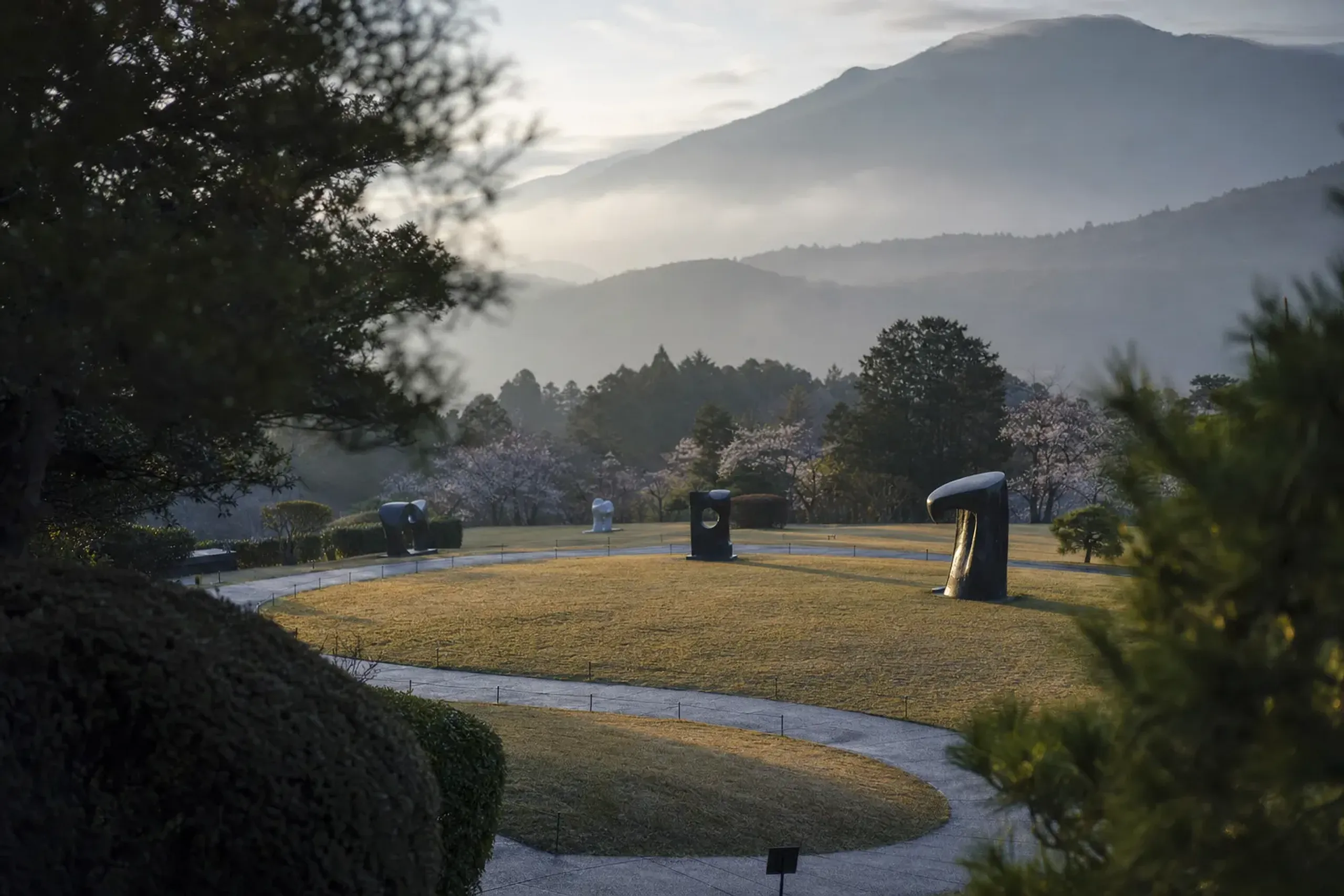
A museum where weather and light are part of the viewing.
It is not a spa add-on. It is a small, very Hakone detail that resets your pace before you return to the sculptures.
What Makes The Outdoor Collection Feel “Alive” In Hakone’s Landscape
The Hakone Open-Air Museum opened in 1969 and is recognized as Japan’s first open-air museum. The site spans about 70,000 square meters between Kowakudani and Gōra, with the Hakone mountains as a constant backdrop.
The museum’s total holdings exceed 2,000 works. Yet the experience is not about volume. It is about placement: approximately 120 sculptures are on permanent outdoor display, and the paths let you meet them at human speed.
This is where private guiding matters. Without context, many guests “recognize” a name and move on. With a guide, you begin to see choices—material, scale, sightlines, and the way Hakone’s terrain edits your perception from one bend of the path to the next.
Rodin, Bourdelle, Maillol, And The Pleasure Of Seeing Form Against Pines
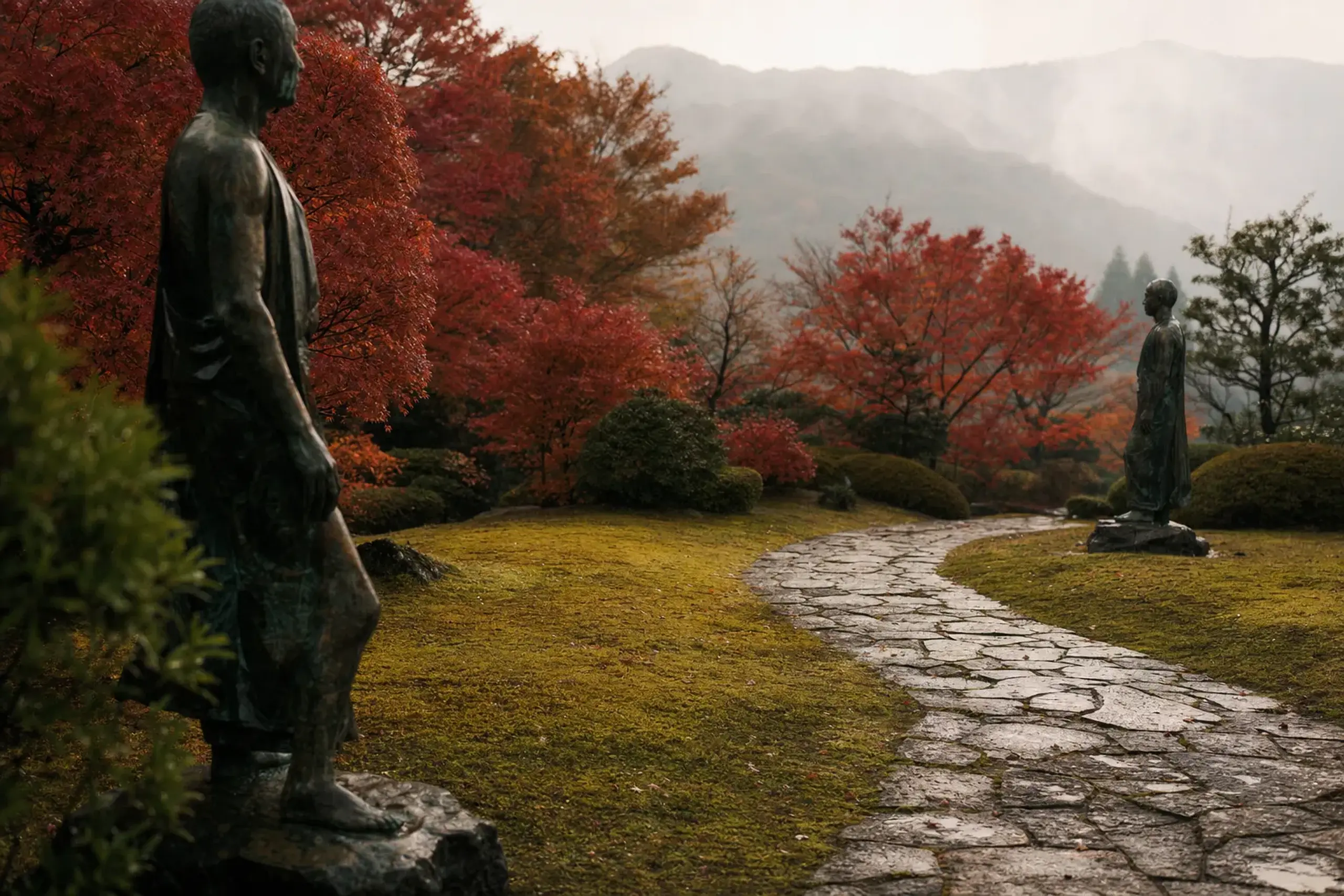
Yes, the museum has the familiar pillars. Works by Auguste Rodin appear with a clarity that feels almost blunt in open air. Antoine Bourdelle and Aristide Maillol hold their own, too, because the landscape gives them room.
Out here, sculpture is not protected by a white wall. It has to stand up to weather, birds, and the long gaze. It does.
How Strong Is The Henry Moore Collection At The Hakone Open-Air Museum?
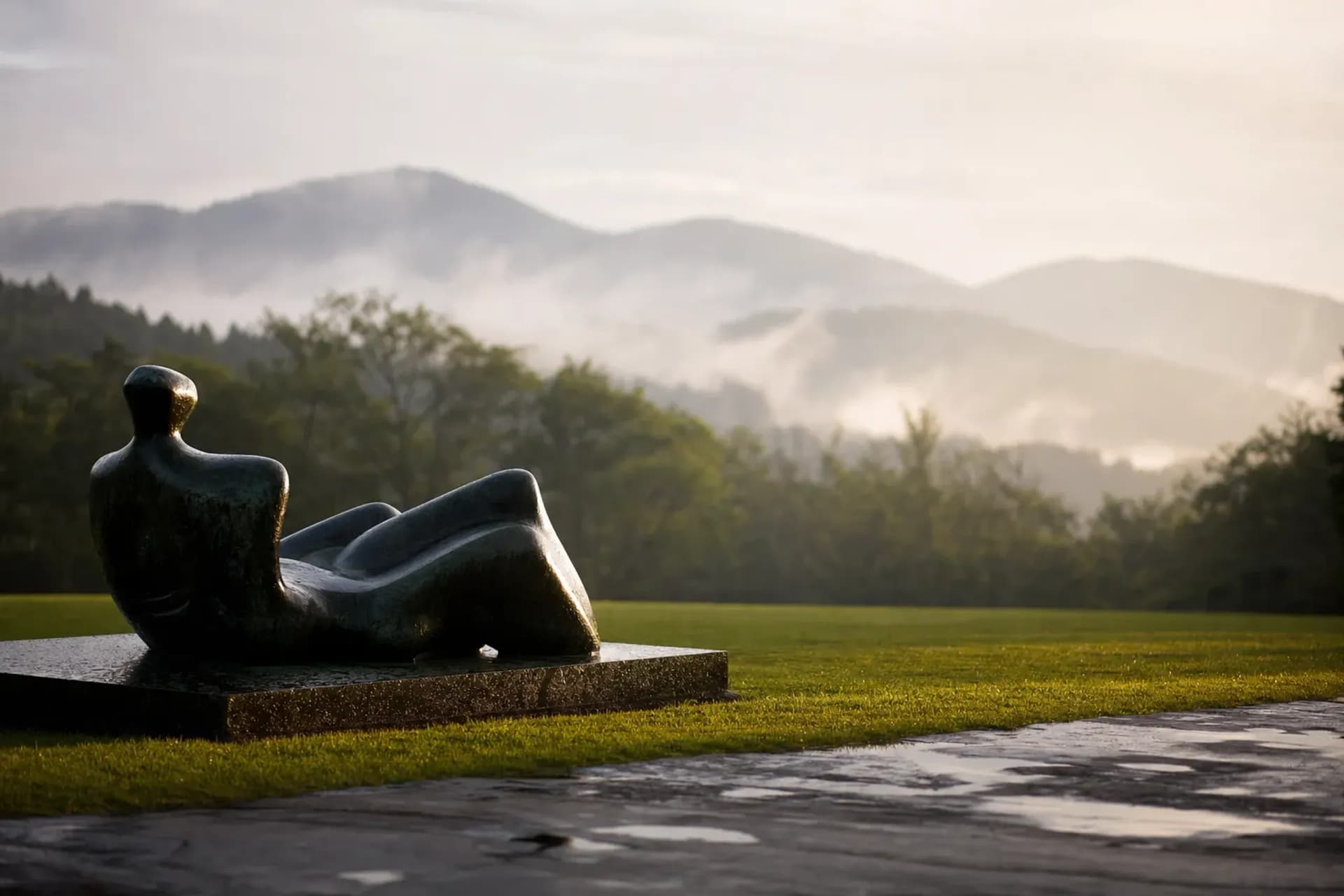
The Hakone Open-Air Museum holds 26 Henry Moore works, one of the world’s largest Moore collections, spanning his mature period through late work.
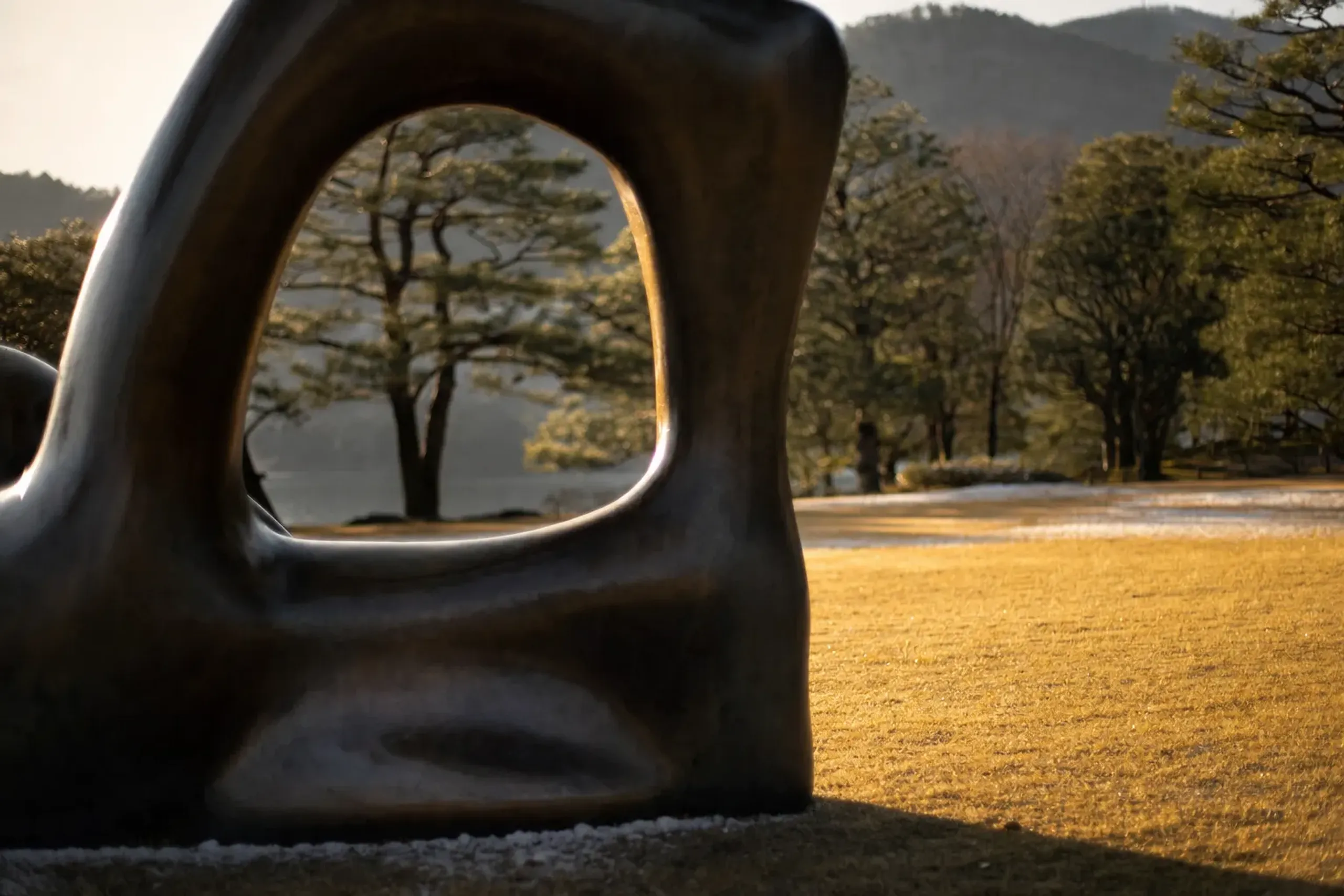
Moore can look “smooth” in a book. In person, the surfaces are more watchful. You see where light catches, where stone or bronze turns blunt, and where negative space becomes the real subject.
For experienced travelers, this is often the surprise of the day. You arrive thinking you are here for “open-air sculpture,” then you realize you’re walking through a collection with international weight.
What Should You See Inside The Art Hall (And Why It Proves This Is Not Just A Photo Stop)?
The Art Hall, showing since December 2024, presents modern and contemporary sculptors from the permanent collection, including Medardo Rosso, Constantin Brâncuși, and Alberto Giacometti, alongside Ogiwara Morie and Shimizu Kyūbei.
This matters because it changes the museum’s profile. Rosso and Brâncuși recalibrate what “sculpture” can be, while Giacometti brings that thin, tense human line that doesn’t need a pedestal to feel unavoidable.
The Japanese sculptors are not “supporting cast.” They are a reminder that this collection is not imported prestige alone; it is also a lens on Japan’s own twentieth-century sculptural language.
One more quiet proof: Miyawaki Aiko’s Utsurohi was selected among Japan’s “100 Selected Artworks” in contemporary Japanese art. It is the sort of work that becomes richer when someone helps you slow down.
How Does The Picasso Pavilion Work At Hakone (And Will You See The Same Pieces)?
The Picasso Pavilion holds 319 works across painting, prints, and ceramics, displayed in rotation—so the specific works on view will vary by visit date.
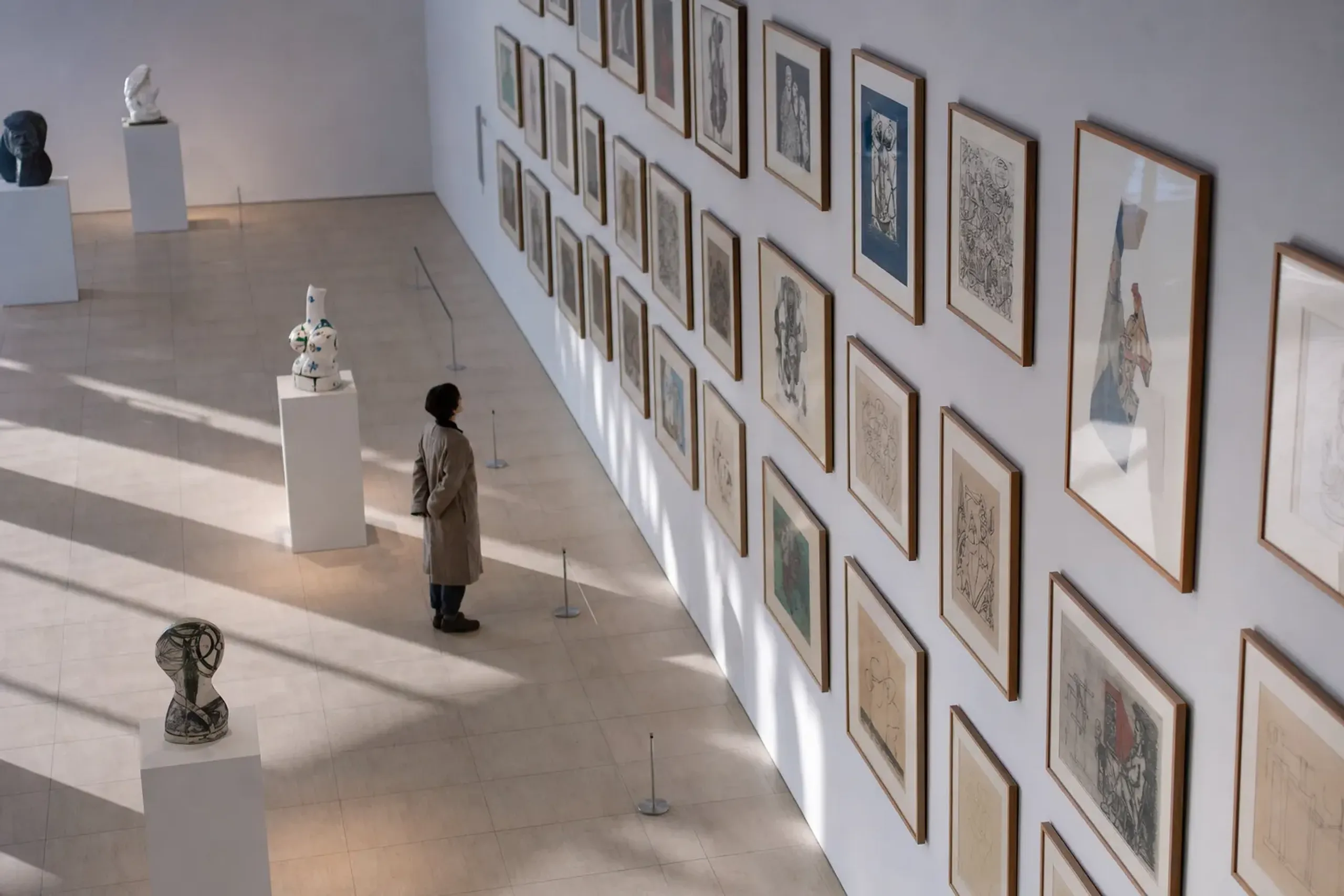
The pavilion opened in 1984 specifically to show Picasso’s work. At its core are 188 ceramic pieces acquired from Picasso’s eldest daughter, Maya Picasso. That origin story matters, because it explains why ceramics carry such presence here.
Rotation changes the return visit. It is not a gimmick. For collectors and repeat Japan travelers, it means Hakone can be revisited without the dull feeling of repetition.
Our team at Japan Royal Service treats this section with care in the pacing. Too early and you rush it. Too late and fatigue sets in. Timing is part of taste.
Symphonic Sculpture: The Stained-Glass Tower You Can Climb
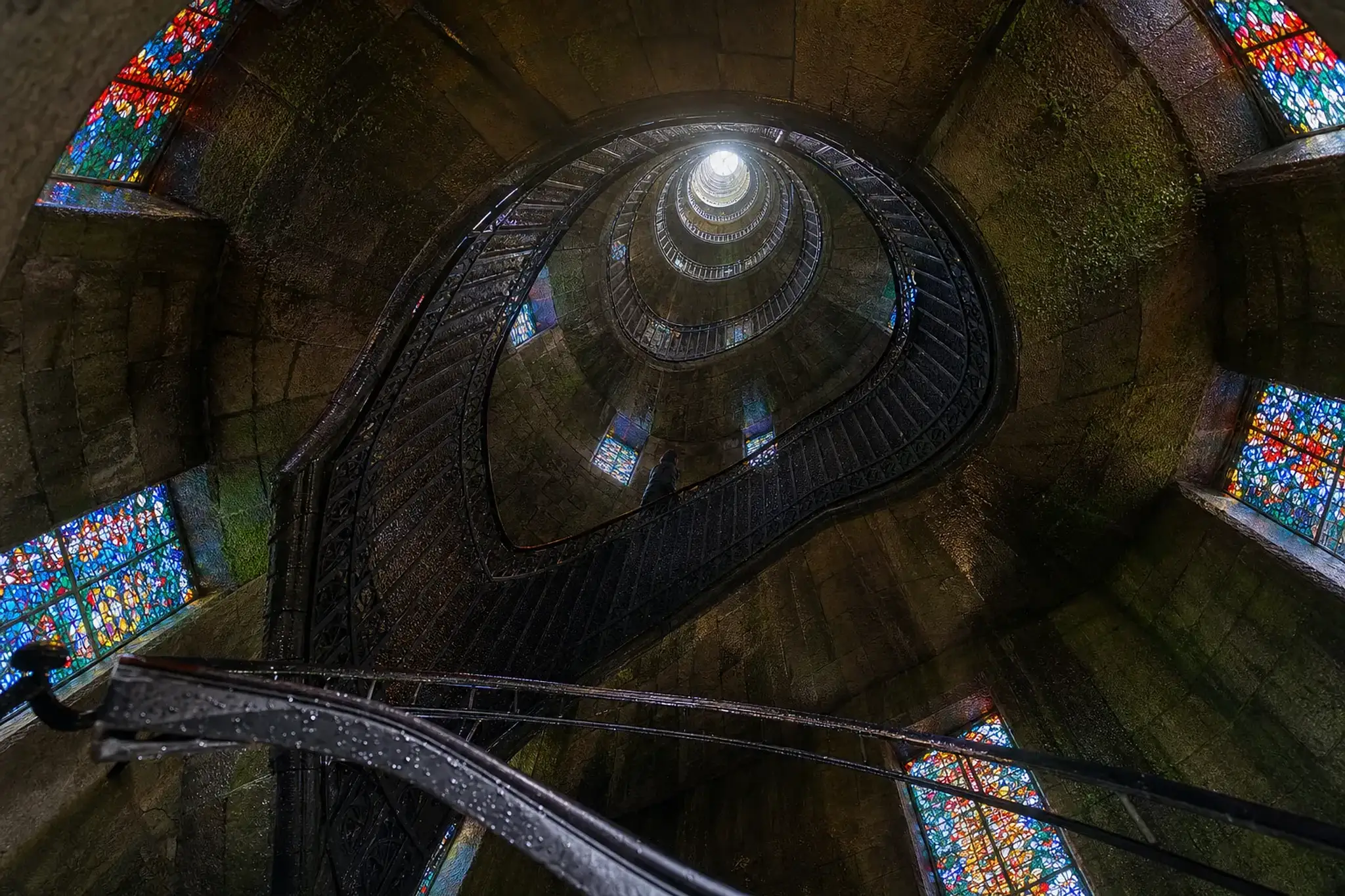
There is one work on the grounds that is not just seen, but entered. Symphonic Sculpture is an 18-metre stained-glass tower by French artist Gabriel Loire, and you can climb it via an internal spiral staircase.
Inside, colored light lands on shoulders, shoes, and the wall itself. It’s a small, private theatre made of glass. Then you step out at height and the museum becomes legible as terrain: paths, lawns, and the slow geometry of people moving between forms.
This is also where after-hours access, when arranged, feels genuinely different. The tower’s light changes late in the day. Quick. Subtle. Memorable.
The Forest Footbath: A Museum Break That Feels Like Hakone
The museum’s Forest footbath uses spring water from an on-site hot spring source, and the seating includes space for wheelchair users. That single detail says a lot about how the museum thinks: art is not separate from real bodies and real comfort.
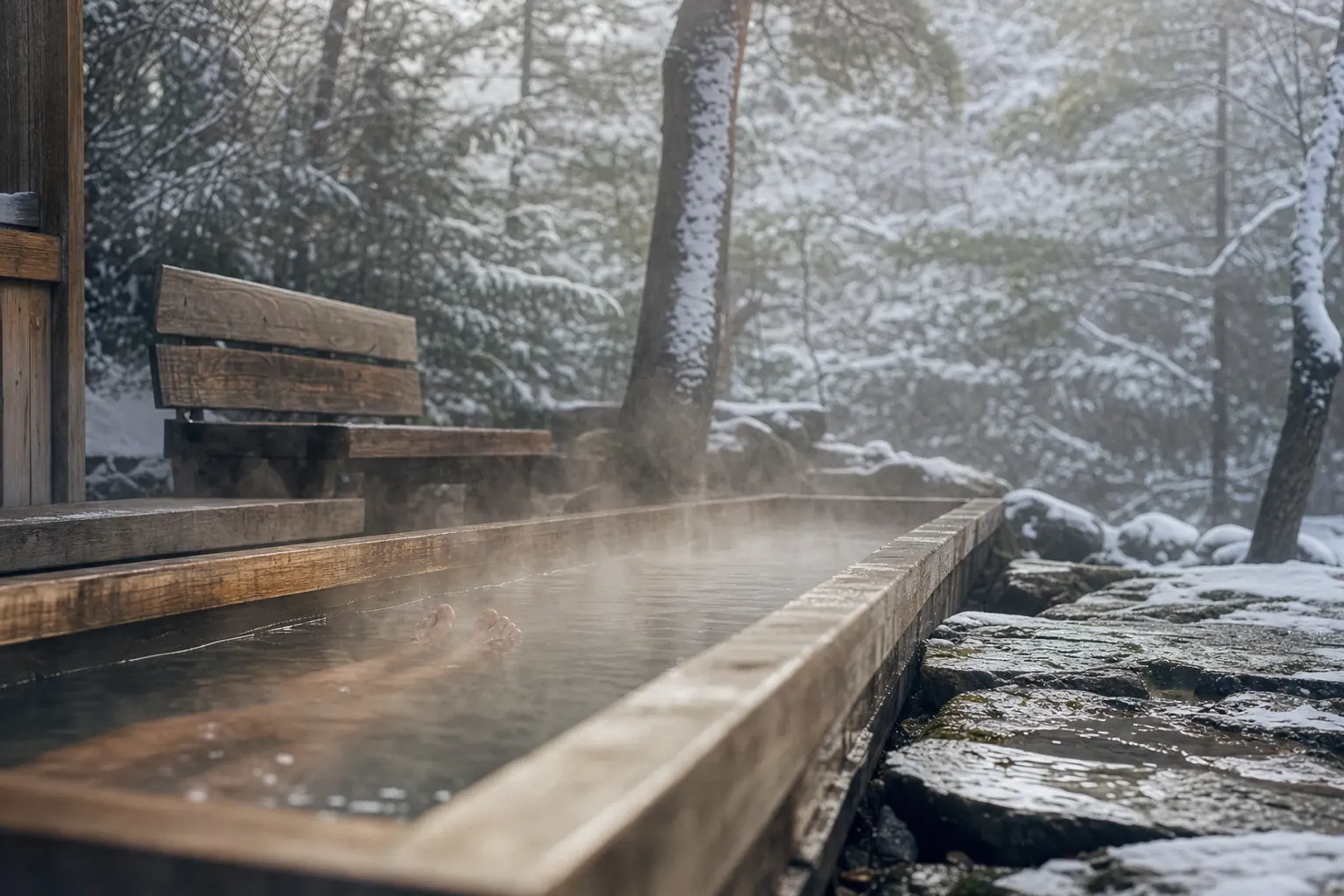
You do not need a long soak. Ten minutes is enough. Steam rises in cool air, and your feet stop being “transport.” They become part of the day again.
For families, this is also a reset point before you continue. For couples, it becomes a small ritual. For solo travelers, it’s a pause you rarely allow yourself in a normal museum.
What About Children, Accessibility, And Photography Rules?
The Hakone Open-Air Museum offers free wheelchair and stroller rentals (subject to availability) at information counters in the main building and the new building.
Families often ask about the playful side, and the museum does have it. Net no Mori is an interactive net-and-hammock sculpture where children can play inside, typically limited to elementary-school age and closed in bad weather.
Photography is often the point of friction at art sites, so it’s worth stating plainly. The museum’s published policy allows indoor photography for personal use, prohibits video recording within indoor exhibition spaces, and prohibits commercial photography.
Key fact: Indoor photography is permitted for personal use, but indoor video recording is not permitted, and commercial photography is prohibited.
How Long Should You Plan For A Private Visit To The Hakone Open-Air Museum?
For most HNW travelers, plan 2.5 to 4 hours on site for a private guided visit that includes the outdoor collection, the Art Hall, the Picasso Pavilion, and a footbath break.
Less than that, and you start cutting corners. More than that, and attention blurs—unless you are building a full art day with deliberate rests.
In our experience, the most satisfying rhythm is a long first outdoor loop, a focused indoor block, then a return outside once your eye has been “reset” by the galleries. Different energy. Better looking.
How To Visit: Hours, Location, And On-Site Practicalities
The museum is open year-round, with published hours of 9:00–17:00 and last admission 30 minutes before closing.
The address is Ninotaira 1121, Hakone-machi, Ashigarashimo-gun, Kanagawa Prefecture. It sits between Kowakudani and Gōra, which is part of why it fits naturally into a well-paced Hakone day without feeling like a detour.
Weather changes quickly in Hakone. Good shoes matter. So does a plan that can flex between outdoor works and indoor spaces without the day turning into a damp compromise.
If you are arriving by car, the first mention is worth making simple: our guests often choose private transportation / chauffeur service for Hakone to keep timing and comfort under your control, especially with families or tight museum pacing.
What A Private Guide Adds That A Normal Visit Cannot
Names alone are not interpretation. A private guide can give the outdoor collection its missing layer: why this Henry Moore sits where it does, why a path bends, what material does under this kind of sky.
It also changes how you move. You stop doubling back. You stop reading every plaque.
You save your attention for the works that match your taste.
This is where our concierge team leans into shokunin—the craft of looking. Not fast. Not loud. Precise.
What Japan Royal Service Arranges For This Experience (Private Guiding And After-Hours Access)
Japan Royal Service arranges private guiding and, when feasible, after-hours access as a special-access visit that is not publicly advertised as a standard private-tour product by the museum.
The Hakone Open-Air Museum operates as a general-admission museum during normal opening hours. Our role is to shape the visit around your priorities—art focus, family pace, accessibility needs, and the kind of quiet that lets you actually hear yourself think.
Discretion is not a slogan for us. It is operational posture. We keep guest identity and day-by-day plans confidential, and we build schedules that avoid unnecessary exposure.
For travelers who prefer a broader canvas, we can also design a tailor-made / bespoke itinerary that places this museum visit in the right position within your Japan journey—without turning your days into a loud “Hakone loop” script.
Frequently Asked Questions
Can Japan Royal Service Get After-Hours Access To The Hakone Open-Air Museum?
Japan Royal Service can arrange after-hours access as a special-access visit when feasible, subject to museum permissions and operational constraints for your date.
We describe it plainly because it matters: this is not a standing public product sold on the museum website, and availability can change with programming and staffing.
Is The Picasso Pavilion Always The Same, Or Does It Change?
The Picasso Pavilion is shown in rotation, so the specific works on display vary by visit date.
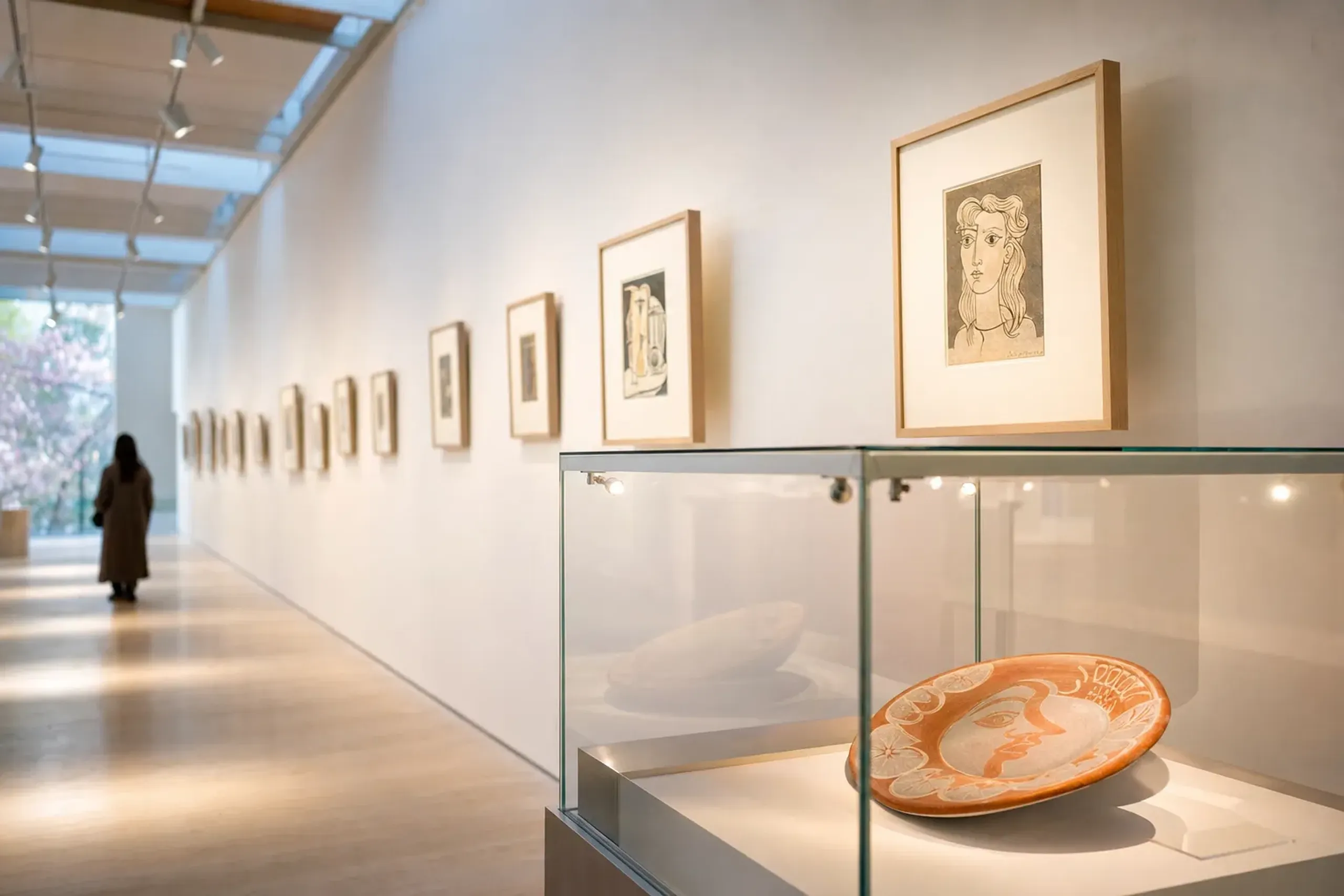
The collection totals 319 works across painting, print, and ceramics, and the rotation is a key reason repeat visitors still find the pavilion fresh.
What Are The Official Opening Hours And Last Admission Time?
The Hakone Open-Air Museum lists hours as 9:00–17:00, with last admission 30 minutes before closing.
We plan pacing around this window so you are not forced into rushed indoor viewing at the end of the day.
Are Wheelchairs Or Strollers Available On Site?
The museum offers free wheelchair and stroller rentals, subject to availability, at information counters in the main building and the new building.
If you have mobility needs, tell our concierge team early so we can shape the route and rest points with care.
Can I Take Photos Inside The Museum Buildings?
The museum permits indoor photography for personal use, prohibits video recording in indoor exhibition spaces, and prohibits commercial photography.
Rules can be updated by the museum, so we always confirm on the day of your visit.
Why Choose Japan Royal Service
Competitors like Remote Lands, InsideJapan Tours, Artisans of Leisure, and Abercrombie & Kent can all put Hakone on an itinerary. The difference is what happens inside the day—how quiet it feels, how precise the pacing is, and whether you leave with real understanding or only photos.