In this guide
- 01Why Japanese Knives Feel Different In The Hand
- 02Three Blade Regions Worth Traveling For
- 03A High-End Knife Day In Tokyo: Kappabashi And A Serious Purchase
- 04Osaka And Sakai: Museum Learning, Then A Sharpening View
- 05Echizen Knife-Making: What To Expect At Takefu Knife Village
- 06Tsubame-Sanjo And TOJIRO: A Factory Visit That Respects Your Time
- 07Knife Types, Steel, And What They’re Actually For
- 08How To Choose Your First Japanese Knife (Without Regret)
- 09Care And Maintenance: The Whetstone Habit That Protects The Edge
- 10Sample Itineraries: Knife Craft Without Turning The Trip Into A Checklist
- 11FAQ: Art Of The Knife Travel In Japan
- 12Why Choose Japan Royal Service
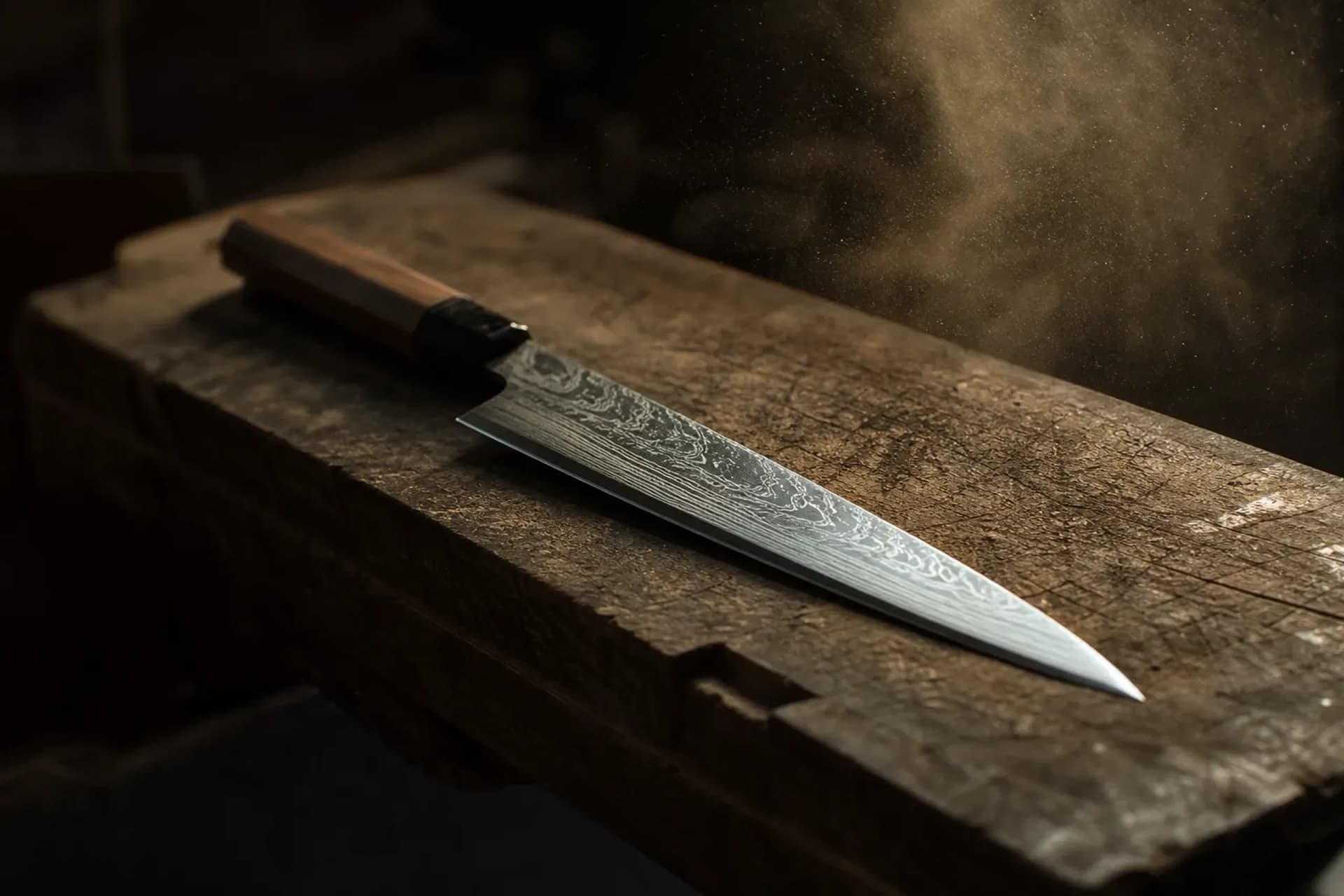
Sparks jump in a dim workshop. Short-lived. Precise.
In Sakai, Seki, and Echizen, a kitchen knife is not a souvenir with a sharp edge. It is a tool with lineage, shaped by shokunin who think in microns and muscle memory, and finished for the quiet satisfaction of a clean cut on a cedar board.
Most travelers miss this Japan. They shop fast, buy loud, and fly home with a blade that never quite feels right. Our team at Japan Royal Service built this guide for guests who want the real thing—craft you can stand beside, understand, and own with confidence, without turning your trip into a logistics marathon.
Why Japanese Knives Feel Different In The Hand
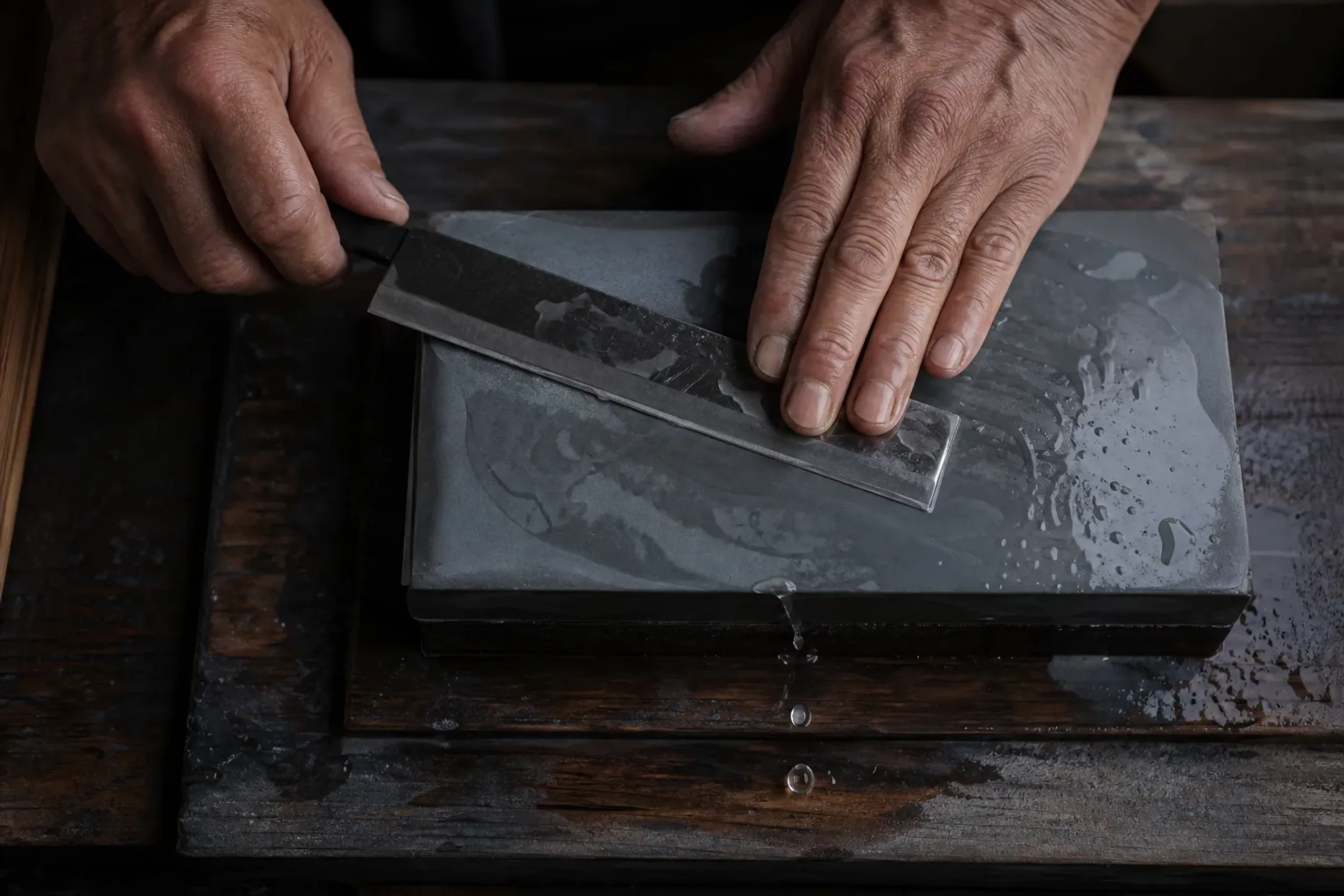
Hold a good Japanese knife and you notice the balance first. Not the shine. The knife feels composed, as if it already knows the line it intends to take through a daikon or a side of fish.
The difference is rarely one “magic steel.” It is the full chain: forging, heat treatment, grinding, sharpening, and how the maker expects you to use the edge. Small choices. Big outcome.
For many of our HNW guests, the appeal is also wabi-sabi. A carbon-steel blade that can patina is honest, a little demanding, and strangely calming—because it asks you to slow down and care for it well.
The Knife As A Culinary Instrument
A chef’s cut changes texture. Period.
Some luxury operators mention this in passing, yet it is the key that makes a “knife trip” more than shopping. The angle and consistency of a slice can change how fish feels on the tongue, and why one counter serves the same neta with a different mouthfeel than another.
In our experience, the best knife journeys connect three moments: a meal where technique is visible, a visit where craft is tangible, and a purchase where provenance is clear. That arc is where the trip becomes personal.
Three Blade Regions Worth Traveling For

Japan has more than three knife centers. Still, these are the regions that reliably reward a traveler’s time, especially when you want craft, access, and a purchase you won’t regret.
Each place has its own atmosphere. Different pace. Different sound in the workshop.
Sakai (Osaka): The Classic Name For Professional Blades
Sakai, in Osaka Prefecture, is closely associated with professional-grade knives, and it remains a compelling stop even when you are not visiting during festival season. The city also works well for travelers who want excellent dining at night and craft during the day.
A practical starting point is the Sakai Traditional Crafts Museum (Sakai Denshōkan), which includes the Sakai Knife Museum “CUT.” It presents the history and production techniques of Sakai knives and has a shop component, which helps first-time buyers learn what they are seeing.
If you are traveling because of the Sakai Knife Festival, plan with care. The official Sakai Cutlery (Sakai Hamono) site states that the 2026 Sakai Knife Festival has ended (令和8年度(2026年)の堺刃物まつりは終了). That matters. Timing is everything.
Echizen (Fukui): A Concentrated Craft Experience At Takefu Knife Village
Echizen City, Fukui Prefecture, is where many travelers have their first “I watched it being made” moment. Not a showroom story. A real workshop rhythm.
Takefu Knife Village is a well-known hub for Echizen cutlery. On its English site, it lists opening hours as 9:00–17:00 and provides official contact details.
It is also unusually practical for buyers. Takefu Knife Village’s shop states it can provide tax-free shopping if visitors bring their passport. Simple. Remember it.
Tsubame-Sanjo (Niigata): Industrial Precision With A Visitor-Friendly Factory Stop
Tsubame-Sanjo is famous for metalwork culture, and it suits travelers who enjoy design, manufacturing, and the clear logic of tools. It feels different from the older, more intimate mood of a small forge town.
One verified highlight: TOJIRO, in the Tsubame-Sanjo area, has an open factory and gallery that can be toured without prior appointment, as described by JNTO/Travel Japan. That is rare in Japan, where many factory visits require planning.
For guests building a longer craft itinerary, Niigata can also pair well with other metalwork interests. The point is contrast: hand craft in one region, industrial exactness in another, both with the same respect for the edge.
A High-End Knife Day In Tokyo: Kappabashi And A Serious Purchase
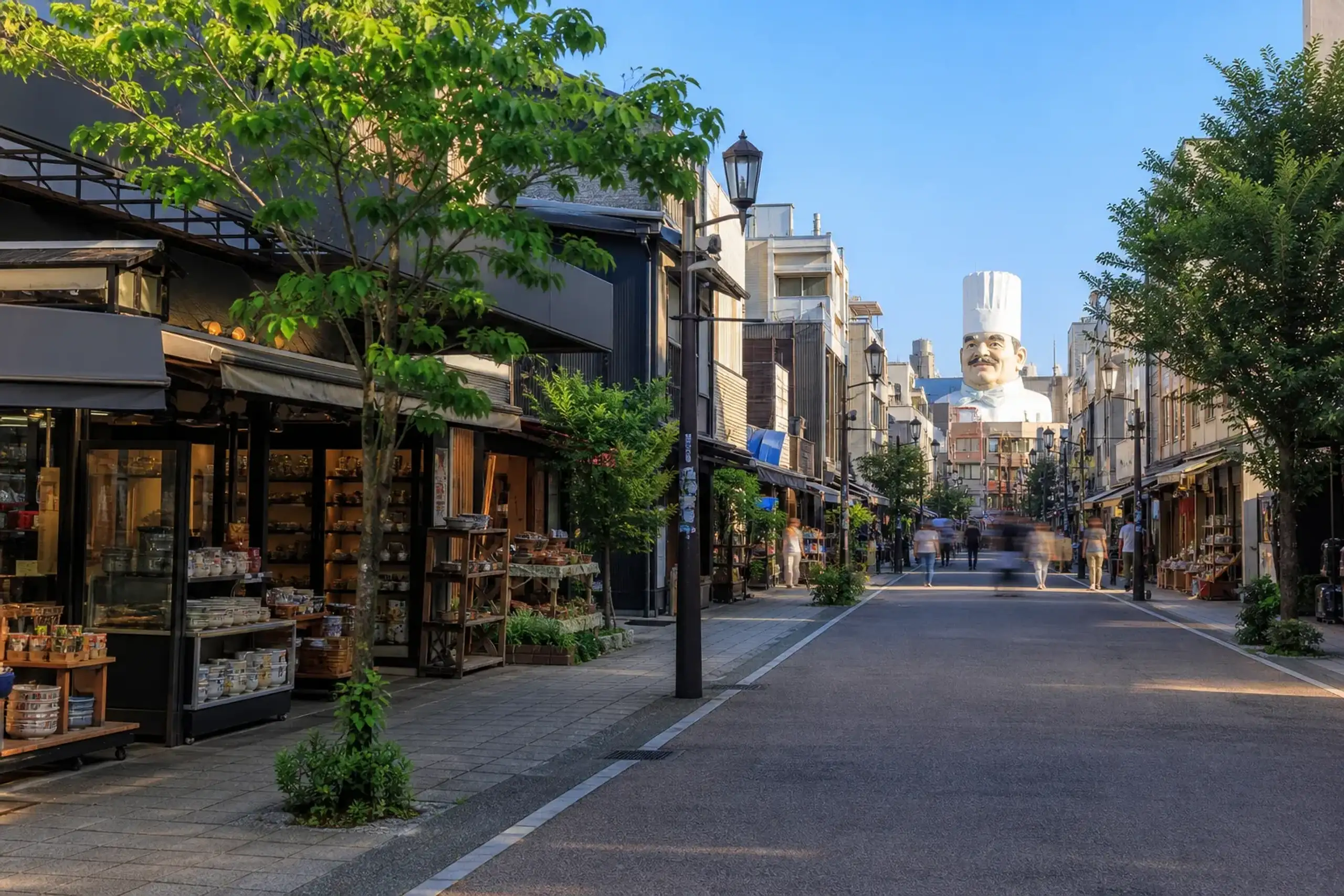
Tokyo is not a knife “region” in the same way. Yet it is where many luxury travelers want to shop—efficiently, well-informed, and without running across three neighborhoods in summer heat.
Kappabashi-dori, between Ueno and Asakusa, is Tokyo’s kitchenware district. It is direct. It is also full of choices that can blur together if you walk in cold.
KAMA-ASA In Kappabashi (Founded 1908)
If you want a curated approach, KAMA-ASA is a reliable reference point. The store states it is dedicated to kitchen tools and knives selected from across Japan, and that it was founded in 1908.
What matters for a traveler is not just the selection. It is context. A good shop helps you match knife type, steel, and your own habits, so you don’t buy a blade that looks right but behaves wrong at home.
Tokyo Logistics: Don’t Turn Shopping Into A Crowded Puzzle
Kappabashi is walkable. The transfer around Tokyo is not always kind.
When guests want a controlled day—hotel pickup, discreet routing, and time kept intact—our concierge often recommends private transportation so the day stays quiet and the purchase stays unhurried. No sprinting. No guesswork.
Osaka And Sakai: Museum Learning, Then A Sharpening View
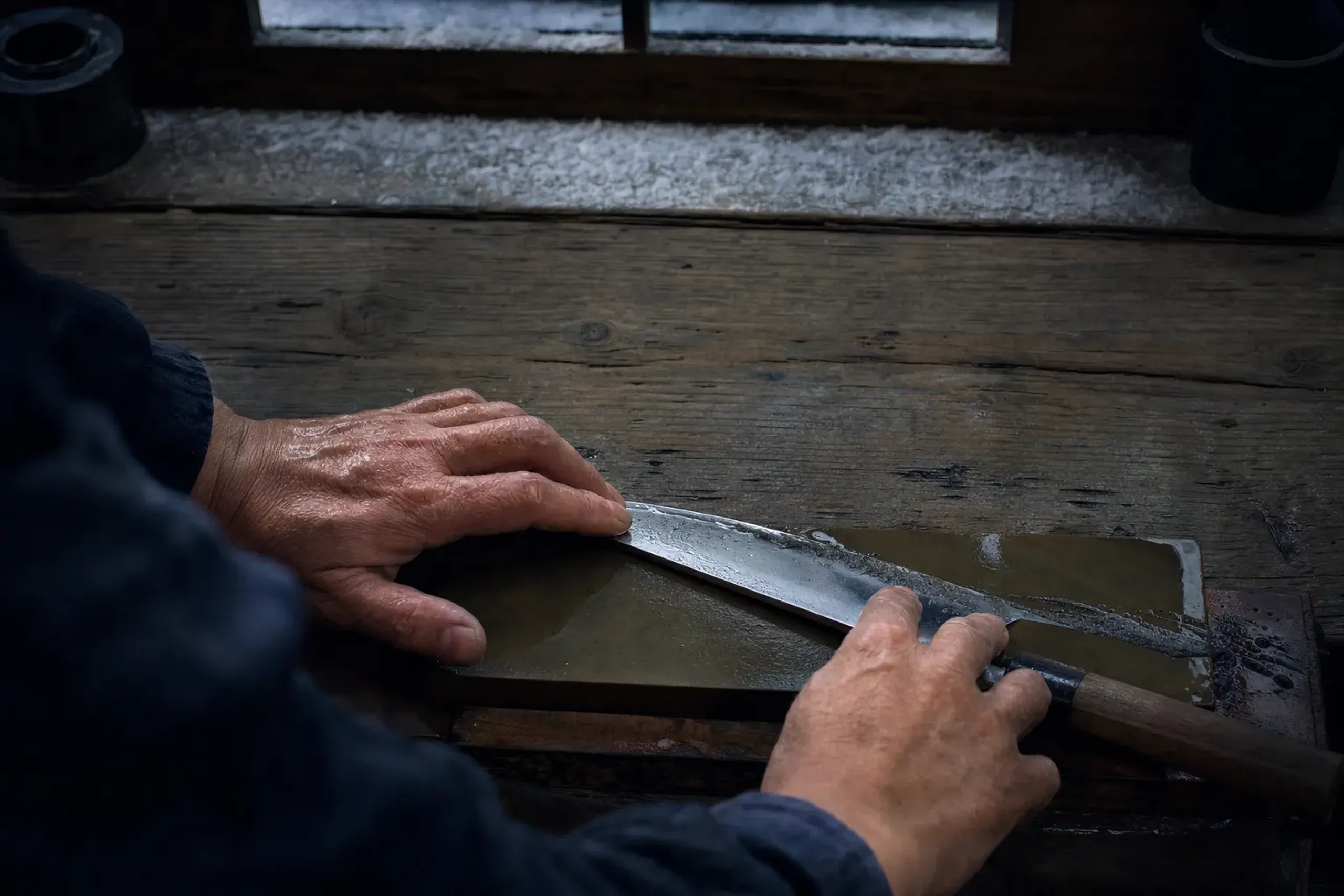
Osaka is a sharp city in the best way. Fast food culture. Clear neighborhoods. Serious craft if you know where to look.
For blades, we like pairing Sakai’s institutional context with Osaka’s shop-level energy. It creates a clean learning curve: see the tradition, then watch the edge come alive under a stone.
Start With Sakai Denshōkan And The Sakai Knife Museum “CUT”
This is where your eyes get trained. You see the tools. The stamps. The story of how the craft developed.
It also helps you shop responsibly. You learn what documentation and maker identification should look like, and you begin to notice the difference between a regional tradition and a generic “Japanese knife” label.
Tower Knives Osaka (Shinsekai) For Close-Up Sharpening
Osaka Info notes Tower Knives Osaka is a knife specialty shop in Shinsekai. It also notes visitors may be able to watch an artisan sharpening knives up close, timing-dependent.
That timing detail is not small. Some days you will see a real sharpening rhythm. Other days you won’t. Our team at Japan Royal Service treats this as information, then guides guests on how to structure the day so they have a strong chance of seeing what they came for.
Echizen Knife-Making: What To Expect At Takefu Knife Village
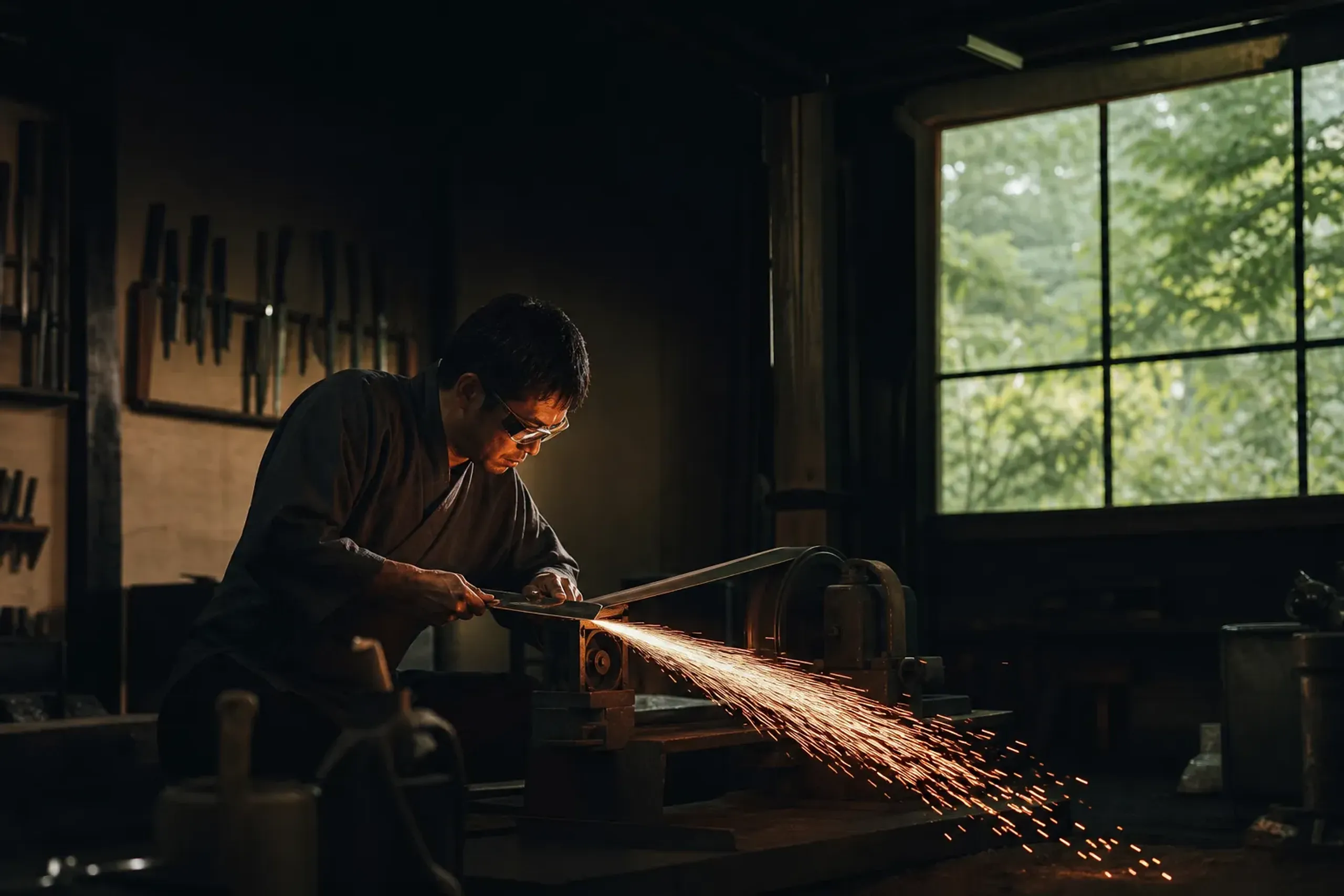
This is where many guests stop calling it “shopping.” They start calling it “craft.”
Takefu Knife Village is approachable, well-documented, and friendly for travelers who want to leave Japan with a blade that has a story they can actually tell—truthfully.
Hours, Tax-Free Rules, And The One Thing You Must Carry
Takefu Knife Village lists its opening hours as 9:00–17:00 on its English site. Clean and clear.
Its shop states it can provide tax-free shopping if visitors bring their passport. So bring it. No passport, no discussion.
Key fact: If tax-free shopping matters to you at Takefu Knife Village, your passport is the deciding item.
Hands-On Courses: A Real Make-And-Take Option
Japan-Guide describes Takefu Knife Village as offering bookable hands-on experiences, including a longer course noted as up to 6 hours, covering aspects of making a kitchen knife. That time range is a gift for the right traveler, and a trap for the rushed one.
Japan-Guide also provides access guidance from Echizen Takefu Station. Plan that connection early in the day, especially if you want an unhurried workshop block and a quiet dinner afterward.
Guests interested in learning more can contact our concierge team for tailored guidance on building a day that fits your pace and comfort level. No pressure. Just clarity.
Tsubame-Sanjo And TOJIRO: A Factory Visit That Respects Your Time
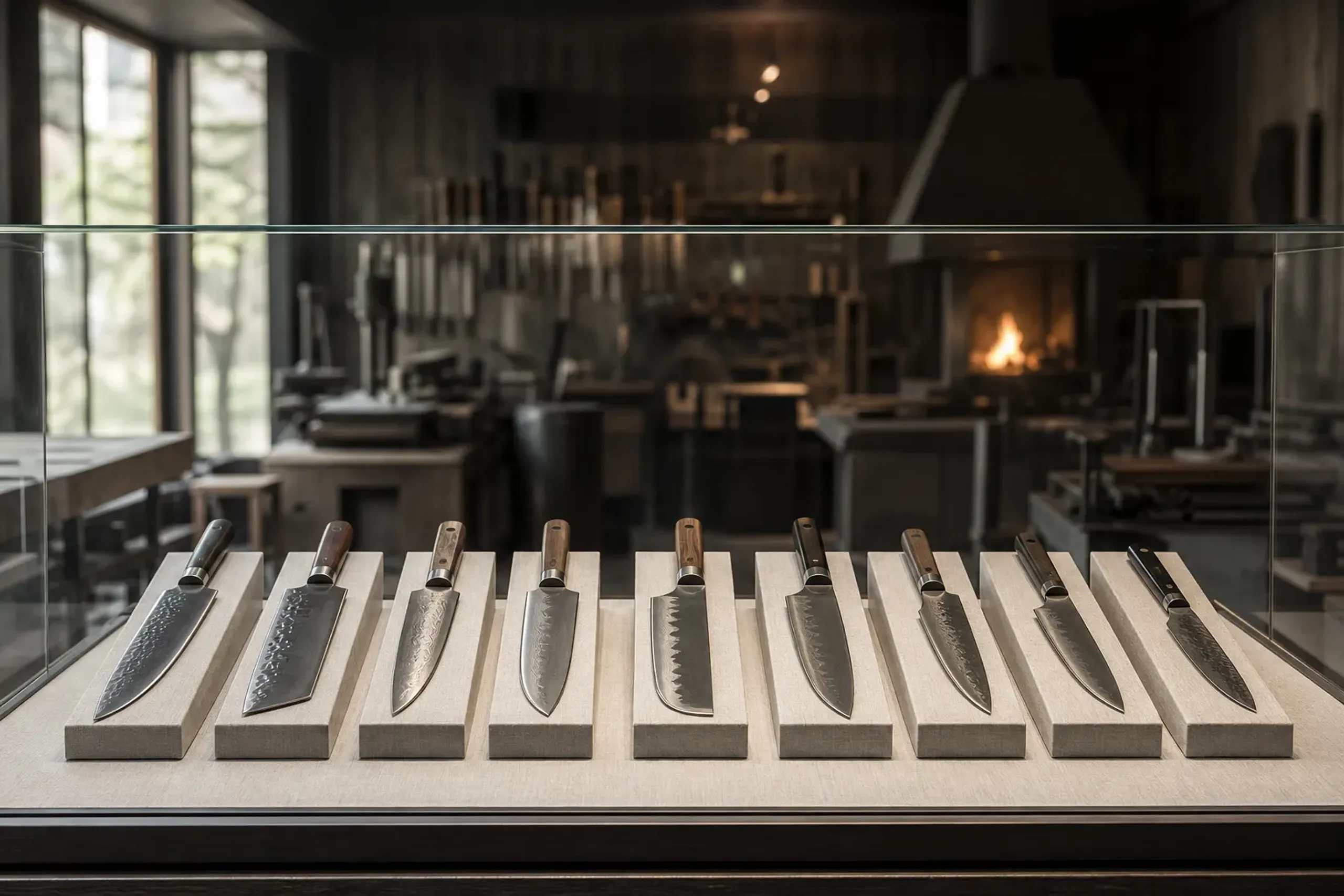
Some craft visits are romantic. Some are instructive. TOJIRO is the second kind—especially if you value process and repeatable precision.
According to JNTO/Travel Japan, TOJIRO in the Tsubame-Sanjo area has an open factory and gallery that can be toured without prior appointment. That is a rare convenience, and it changes how you can build an itinerary.
For HNW travelers, the appeal is control. You can keep your day flexible and still see a legitimate, verifiable blade-making environment, rather than gambling on a workshop that may not be open to visitors.
Knife Types, Steel, And What They’re Actually For
Most first purchases go wrong here. Not because the knife is “bad,” but because it is wrong for your cutting style, board, and patience for maintenance.
Use this as a starting compass. Not dogma.
Gyuto
The gyuto is the workhorse for many Western-trained home cooks. It is typically used for meat, fish, and vegetables, and it suits people who like a longer blade with a confident tip.
- Best for: everyday prep when you want one primary knife
- Watch for: length that matches your board and storage
Santoku
Santoku is often chosen as a first Japanese knife because it feels approachable. Shorter. Balanced.
- Best for: general home cooking, vegetables, and boneless proteins
- Watch for: knuckle clearance and how it fits your grip
Yanagiba
Yanagiba is a specialist blade associated with slicing fish for sushi and sashimi. It rewards technique and a steady hand, and it is not the right “first knife” for most travelers.
- Best for: clean slicing of fish with minimal cell damage
- Watch for: commitment to sharpening and proper use
How To Choose Your First Japanese Knife (Without Regret)
Start with your real life. Not your fantasy kitchen.
Most HNW travelers we advise cook less often than they hope, but they still care deeply about ownership. A knife that demands constant attention may end up parked in a drawer, which is the least respectful outcome.
A Practical First-Knife Checklist
- Choose one primary knife type: gyuto or santoku is often the sensible start.
- Be honest about maintenance: carbon steel can patina and needs more care; that is part of its wabi-sabi charm, but only if you welcome it.
- Ask about provenance: maker identity and region should be clear, not vague.
- Consider engraving carefully: it can be meaningful, yet it should not overpower the object.
Buying Responsibly: Avoid The “Tourist Knife” Problem
Japan is full of excellent blades. It is also full of items that look like craft but are not tied to a transparent maker story.
Our concierge team encourages guests to buy where the region, maker, and aftercare guidance are clear. Quietly verify. Then purchase with confidence.
Care And Maintenance: The Whetstone Habit That Protects The Edge
A Japanese knife does not stay sharp by luck. It stays sharp by routine.
Whetstones can feel intimidating, yet the learning curve is kinder than most people expect, especially if you start slowly and accept imperfect early results. That is the point. Wabi-sabi again, but in practice, not poetry.
Simple Rules That Prevent Damage
- Dry the blade after use: especially important for carbon steel.
- Use an appropriate board: a hard glass board is not your friend.
- Avoid twisting cuts: thin edges dislike lateral force.
- Sharpen thoughtfully: a little, often, beats aggressive sessions that remove too much steel.
Sample Itineraries: Knife Craft Without Turning The Trip Into A Checklist
These are frameworks, not packages. Keep them light.
For many guests, the mistake is trying to visit three regions in three days. Too fast. The craft becomes content, and the object loses meaning.
Option A: Tokyo + One Deep Craft Day (Best For First-Timers)
Use Tokyo for orientation and purchase confidence, then commit one full day to a craft-heavy excursion if your schedule allows.
- Tokyo: Kappabashi shopping focus (including KAMA-ASA).
- One craft stop: choose either Echizen (Takefu Knife Village) or Sakai (Sakai Denshōkan).
- Evening: a chef-led meal where technique becomes visible, and you notice how cuts affect texture.
Option B: Osaka + Sakai (Best For Food-Forward Travelers)
Base in Osaka for dining, then spend a day split between Sakai’s museum context and Osaka’s street-level knife culture.
- Sakai: Sakai Traditional Crafts Museum (Sakai Denshōkan) and Knife Museum “CUT.”
- Osaka: visit a specialty shop such as Tower Knives Osaka in Shinsekai (sharpening view is timing-dependent per Osaka Info).
Option C: Hokuriku Craft Loop (Best For Owners Who Want A Story)
This is for travelers who want to slow down, collect knowledge, and come home with a blade that has a true origin narrative.
- Echizen: Takefu Knife Village (shop, tax-free with passport; possible hands-on course per Japan-Guide).
- Niigata: TOJIRO factory and gallery visit in the Tsubame-Sanjo area (JNTO/Travel Japan notes it can be toured without prior appointment).
FAQ: Art Of The Knife Travel In Japan
Where Are The Best Places To Buy A Japanese Knife In Japan?
For Tokyo, Kappabashi is a practical shopping district, and KAMA-ASA is a well-known specialist store. For regional depth, Sakai (Osaka) and Echizen (Fukui) are strong choices, and Takefu Knife Village is a major visitor-friendly hub.
Can I Tour A Knife Factory In Japan Without An Appointment?
According to JNTO/Travel Japan, TOJIRO in the Tsubame-Sanjo area has an open factory and gallery that can be toured without prior appointment. Always confirm current hours directly with the official source before you go.
What Are Takefu Knife Village’s Opening Hours?
Takefu Knife Village lists its opening hours as 9:00–17:00 on its English site.
Does Takefu Knife Village Offer Tax-Free Shopping?
Its shop states it can provide tax-free shopping if visitors bring their passport.
Is The Sakai Knife Festival Happening In 2026?
The official Sakai Cutlery (Sakai Hamono) festival page states that the 2026 Sakai Knife Festival has ended. If you are planning around the festival, check the official page for future updates.
How Do I Keep A Japanese Knife Sharp At Home?
Dry the blade after use, use a suitable cutting board, avoid twisting cuts, and learn basic whetstone sharpening. Small habits protect the edge for years.
Why Choose Japan Royal Service
Knife craft rewards patience, not rushing. Our team at Japan Royal Service designs tailor-made itineraries that keep the experience quiet, time-efficient, and culturally correct—so you can meet shokunin standards without feeling like you’re performing tourism.
We also protect what matters most to HNW travelers: discretion. We plan routes to avoid crowds, advise on respectful workshop etiquette, and keep your movements and purchases private, whether you are traveling solo, with family, or with an assistant.
If you want the Japan that Google cannot quite package—hidden-Japan addresses, museum time that actually breathes, and craft encounters built around restraint rather than spectacle—our concierge team is ready to guide you.
For private coordination, reach our team directly via WhatsApp or LINE, or contact us here.