In this guide
- 01Tokyo: Where Innovation Meets Tradition
- 02Kyoto: The Heart of Japanese Heritage
- 03Mount Fuji and Hakone: Natural Majesty
- 04Osaka: Culinary Capital and Urban Energy
- 05Hiroshima and Miyajima: Peace and Sacred Spaces
- 06Kanazawa: Preserved Edo-Period Elegance
- 07Takayama and the Japanese Alps: Mountain Villages
- 08Nara: Ancient Capital and Sacred Deer
- 09Hokkaido: Northern Wilderness and Culinary Adventures
- 10Okinawa: Tropical Paradise and Ryukyuan Culture
- 11Seasonal Considerations for Travel Planning
- 12Transportation and Logistics for Premium Travel
- 13Exclusive Access and Insider Experiences
- 14Regional Cuisine Beyond Major Cities
- 15Practical Considerations for Luxury Travelers
- 16Emerging Destinations for 2026
Japan rewards travelers who value craft, restraint, and access earned through trust. In one journey, you can move from Tokyo’s design-forward neighborhoods to Kyoto’s quietly guarded temple precincts, then on to ryokan landscapes where the loudest sound is water over stone. The best places to go in Japan depend on what you want to feel—energy, stillness, reverence, or pure focus—but the common thread is shokunin devotion, wabi / sabi beauty, and the “Hidden Japan” that rarely reveals itself without the right introductions. Throughout, discretion matters: the most refined experiences are often the least advertised.
Tokyo: Where Innovation Meets Tradition
Tokyo is an essential starting point when planning where to go in Japan. It blends ultramodern architecture with historic temples, and it’s also where Japanese craftsmanship—fashion, food, and design—often feels most concentrated.
Exclusive Neighborhoods and Cultural Hotspots
Ginza remains Tokyo’s premier luxury shopping district, where flagship boutiques and department stores spotlight Japanese workmanship at the highest level. After dark, Ginza shifts into an intimate dining destination—sushi counters, kappo, and kaiseki—with reservation difficulty that often reflects the chef’s standing.
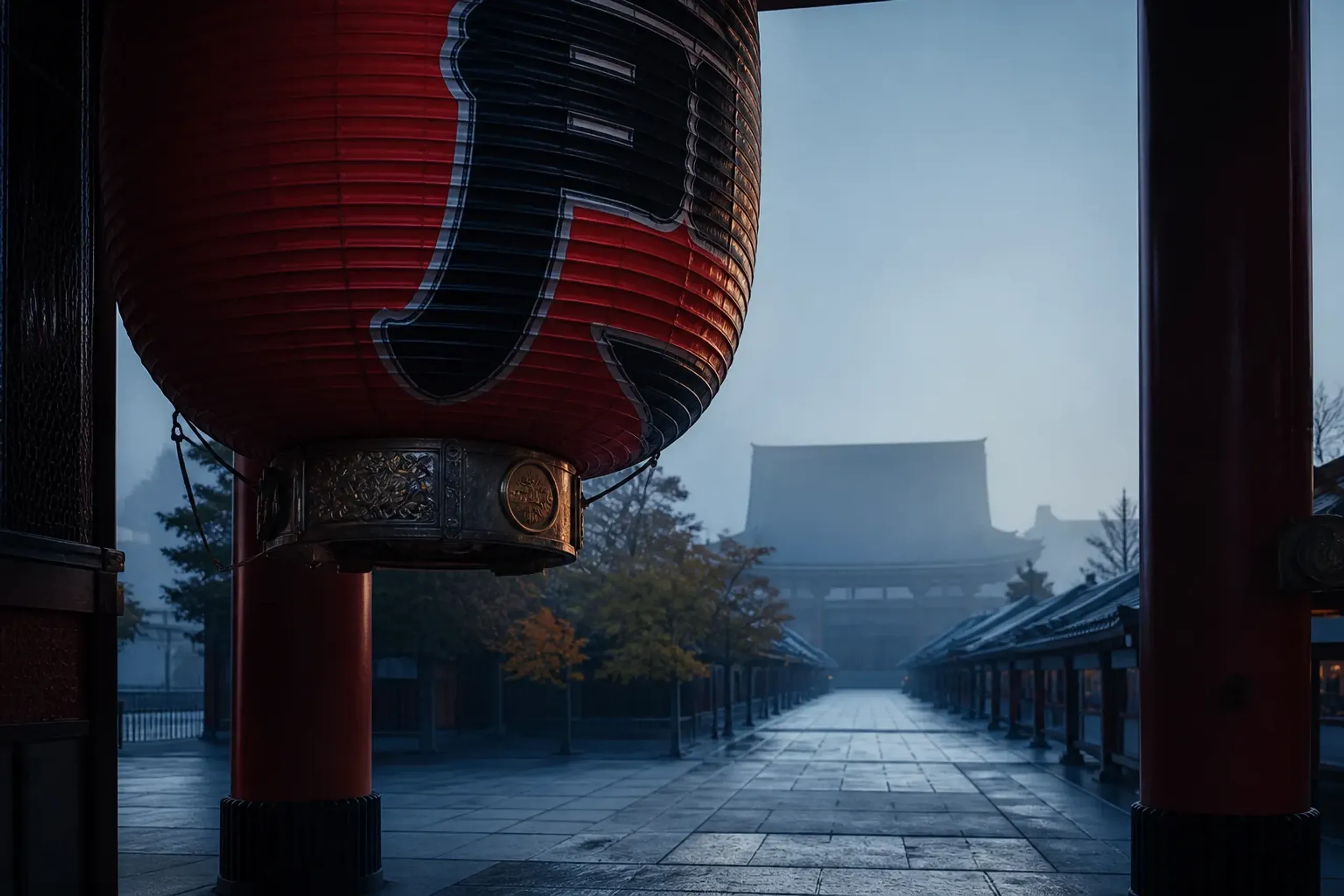
For traditional culture within the metropolis, Asakusa offers access to Senso-ji Temple, Tokyo’s most-visited Buddhist temple. Private early-morning visits can change the experience entirely, replacing crowds with a quieter, more contemplative atmosphere guided by expert context.
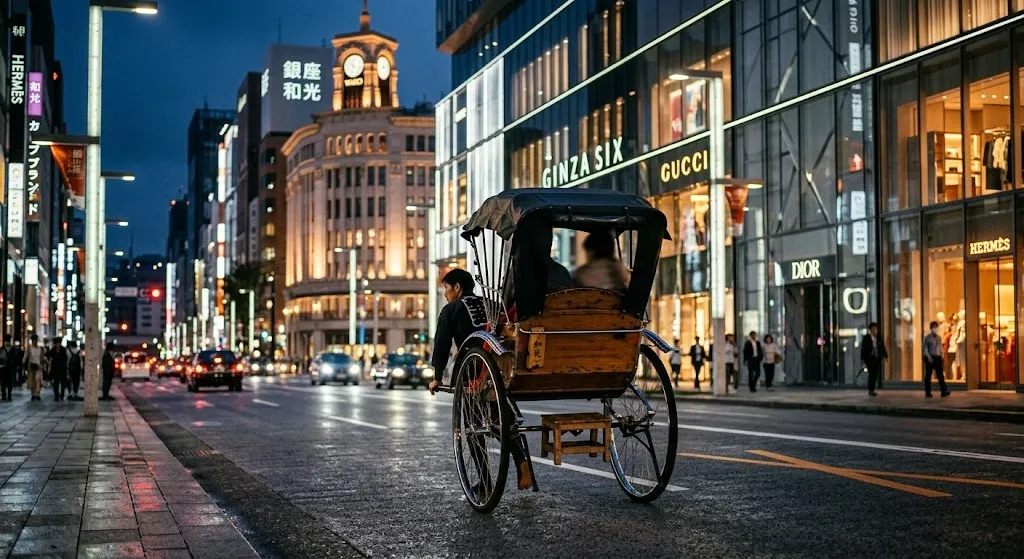
Tokyo neighborhoods often place contemporary luxury and living tradition side by side—best understood through detail, not spectacle.
Elsewhere, Omotesando offers a tree-lined boulevard of architectural statements housing global brands, while nearby Harajuku reveals Japan’s creative youth culture. For travelers drawn to “Hidden Japan,” Tokyo’s true finds are often small: appointment-only ateliers, private tastings, and counters where the chef’s work speaks more loudly than the room.
Culinary Excellence in the Capital
Tokyo has more Michelin-starred restaurants than any other city. Reservations at exclusive venues—especially three-star counters—often require months of planning and, in some cases, local connections.
| Experience Type | Recommended Venue | Price Range | Booking Timeline |
|---|---|---|---|
| Sushi Omakase | Sukiyabashi Jiro | ¥40,000+ | 3-6 months |
| Kaiseki | Kanda | ¥30,000+ | 2-4 months |
| Tempura | Mikawa Zezankyo | ¥20,000+ | 1-2 months |
| Wagyu Teppanyaki | Ukai-tei | ¥25,000+ | 1-3 months |
Kyoto: The Heart of Japanese Heritage
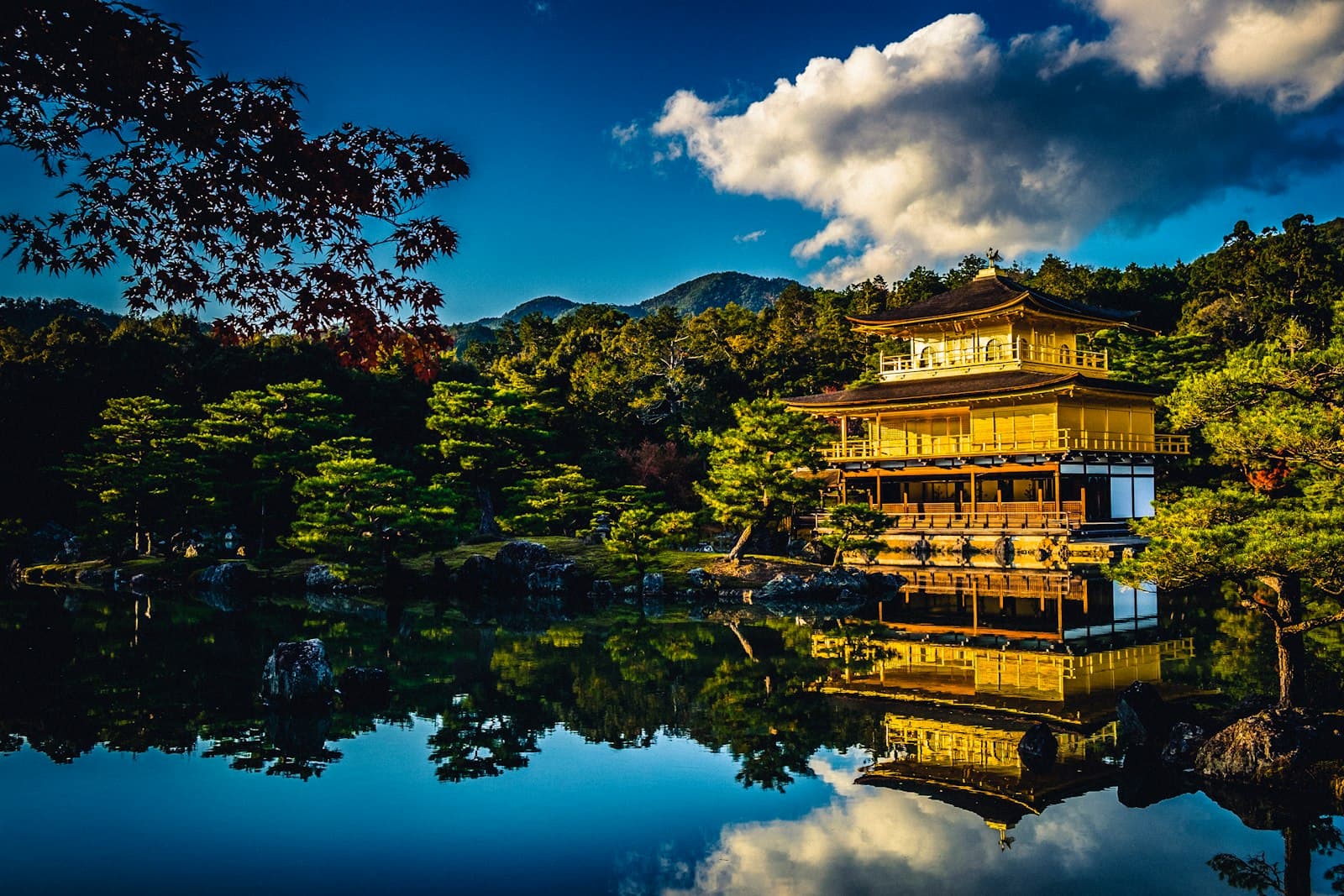
For cultural immersion, Kyoto reigns supreme. The former imperial capital preserves over 2,000 temples and shrines alongside traditional wooden machiya houses—an environment where wabi / sabi restraint is not a concept but a lived texture.
Temple Districts and Spiritual Sanctuaries
Arashiyama pairs natural beauty with historic landmarks. The bamboo grove can be deeply meditative at the right hour, while nearby Tenryu-ji Temple is known for carefully maintained Zen gardens. Private morning access helps preserve the stillness that makes the area meaningful.
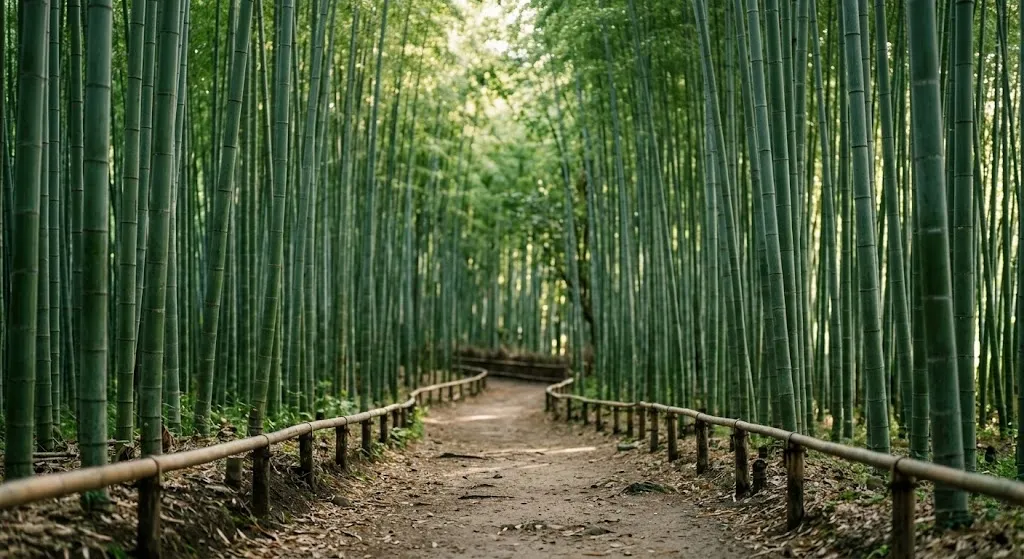
Kyoto’s iconic landscapes feel most authentic in quiet hours—when the atmosphere returns to itself.
The Higashiyama District includes Kiyomizu-dera Temple, perched on wooden pillars above the city, and the preserved streets of Ninenzaka and Sannenzaka, where Kyoto’s past remains tangible.
For a deeper level of engagement, specialized arrangements can secure access to normally closed temples and private tea ceremonies with renowned masters—experiences that hinge on shokunin lineage, etiquette, and introductions.
Geisha Culture in Gion
Gion remains one of Japan’s exclusive geisha quarters. Along Hanamikoji Street, you may see geiko and maiko moving quietly to appointments.
Private ozashiki experiences allow select guests to enjoy traditional performances and conversation inside intimate ochaya (tea houses). These arrangements typically require introductions through established relationships, and discretion is essential.
Mount Fuji and Hakone: Natural Majesty
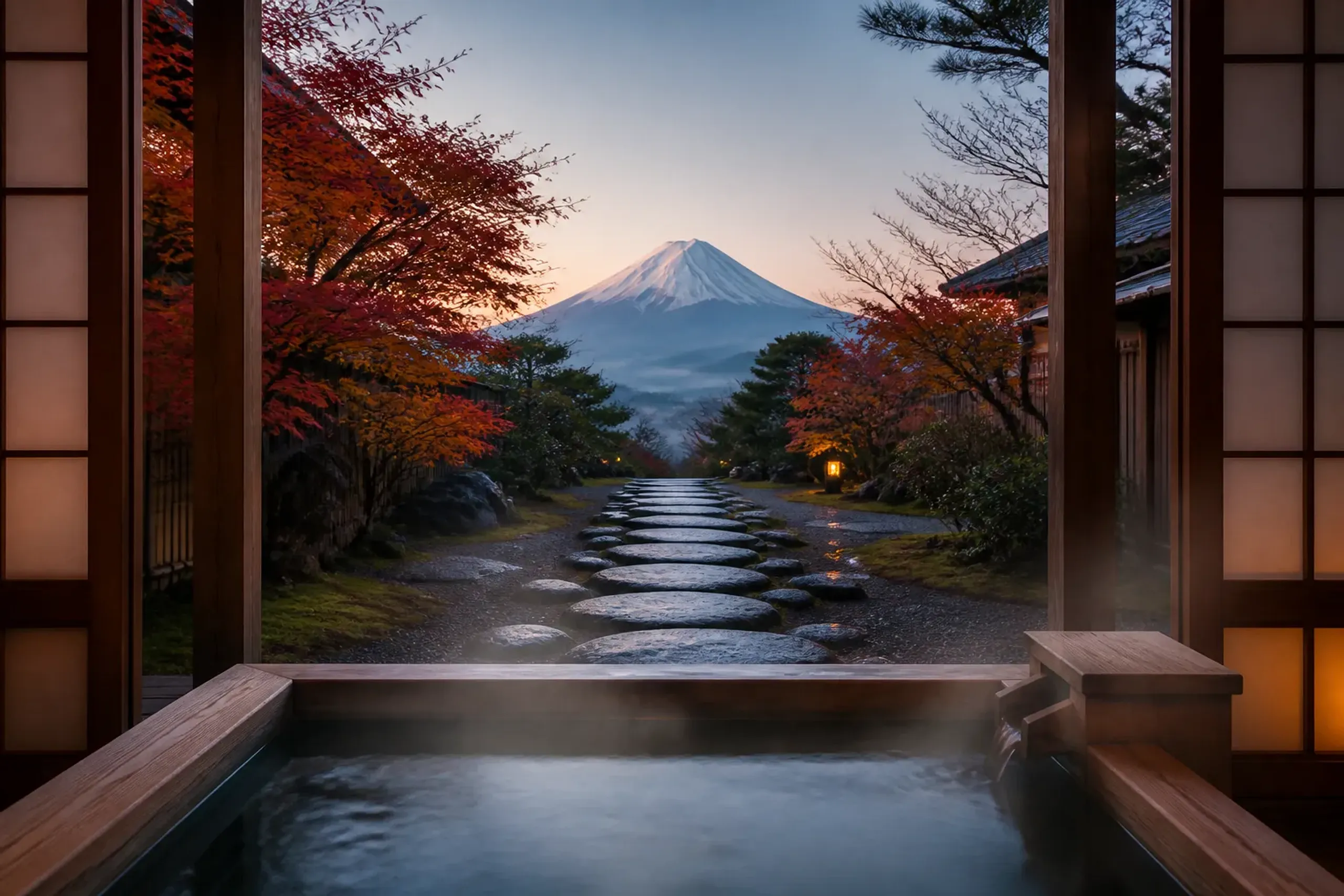
No list of the best places to go in Japan is complete without Mount Fuji. The peak’s symmetry and presence define the surrounding landscape, offering year-round opportunities for appreciation.
Luxury Ryokan Experiences
The Hakone region surrounding Mount Fuji is known for traditional inns that elevate hospitality through architecture, onsen culture, and kaiseki. For many HNW travelers, this is where Japan’s quiet luxury feels most immediate—garden paths, paper screens, and water-warmed silence.
Premium ryokan provides:
- Private outdoor baths with Mount Fuji views
- Multi-course seasonal kaiseki prepared by master chefs
- Personalized concierge services
- Traditional Japanese gardens for contemplative walks
- Exclusive access to cultural workshops
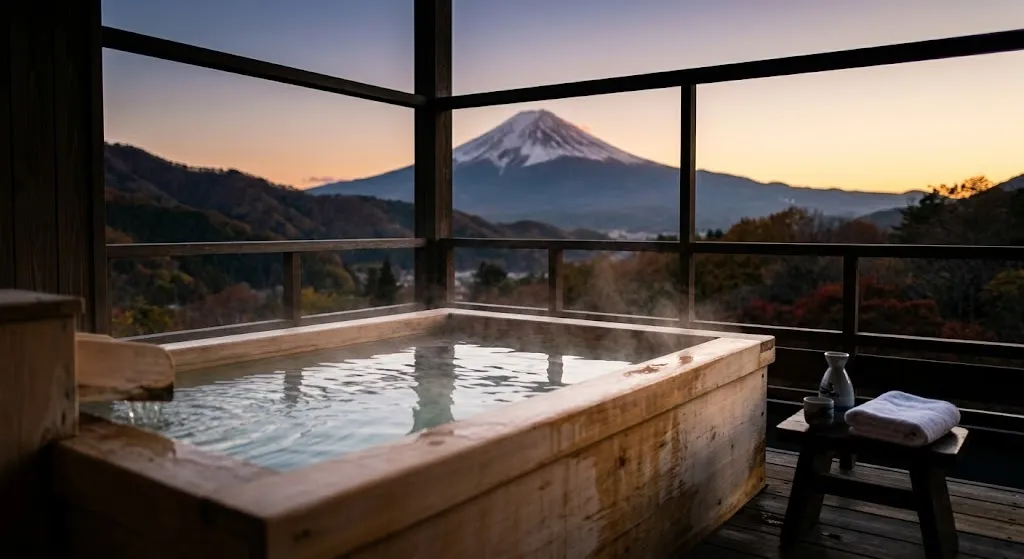
A private onsen with Mount Fuji views is less about indulgence than about space—time, quiet, and perspective.
Near Mount Fuji, geological sights include ice caves with frozen formations that can persist even in summer, offering a different kind of natural wonder beyond the classic viewpoints.
Osaka: Culinary Capital and Urban Energy
Osaka is a standout for travelers who plan around food. The city’s merchant culture shaped a dining identity that celebrates flavor and generosity while still leaving room for precise, chef-led craft.
Michelin-Starred Street Food Evolution
Where Tokyo often emphasizes refinement, Osaka celebrates boldness—sometimes casual in format, often serious in execution. Dotonbori pulses with energy, from standing sushi to intimate kappo-style counters.
Signature dishes to seek out:
- Takoyaki: Octopus-filled batter balls perfected over generations
- Okonomiyaki: Savory pancakes with premium ingredients
- Kushikatsu: Deep-fried skewers in specialized restaurants
- Kobe Beef: The ultimate Wagyu experience in nearby locations
Historic Osaka Castle and Modern Architecture
Osaka Castle reflects the city’s history and resilience, with a surrounding park that’s especially compelling during cherry blossoms and autumn foliage.
For contemporary views, the Umeda Sky Building and its Floating Garden Observatory provide sweeping panoramas from 173 meters above ground.
Hiroshima and Miyajima: Peace and Sacred Spaces
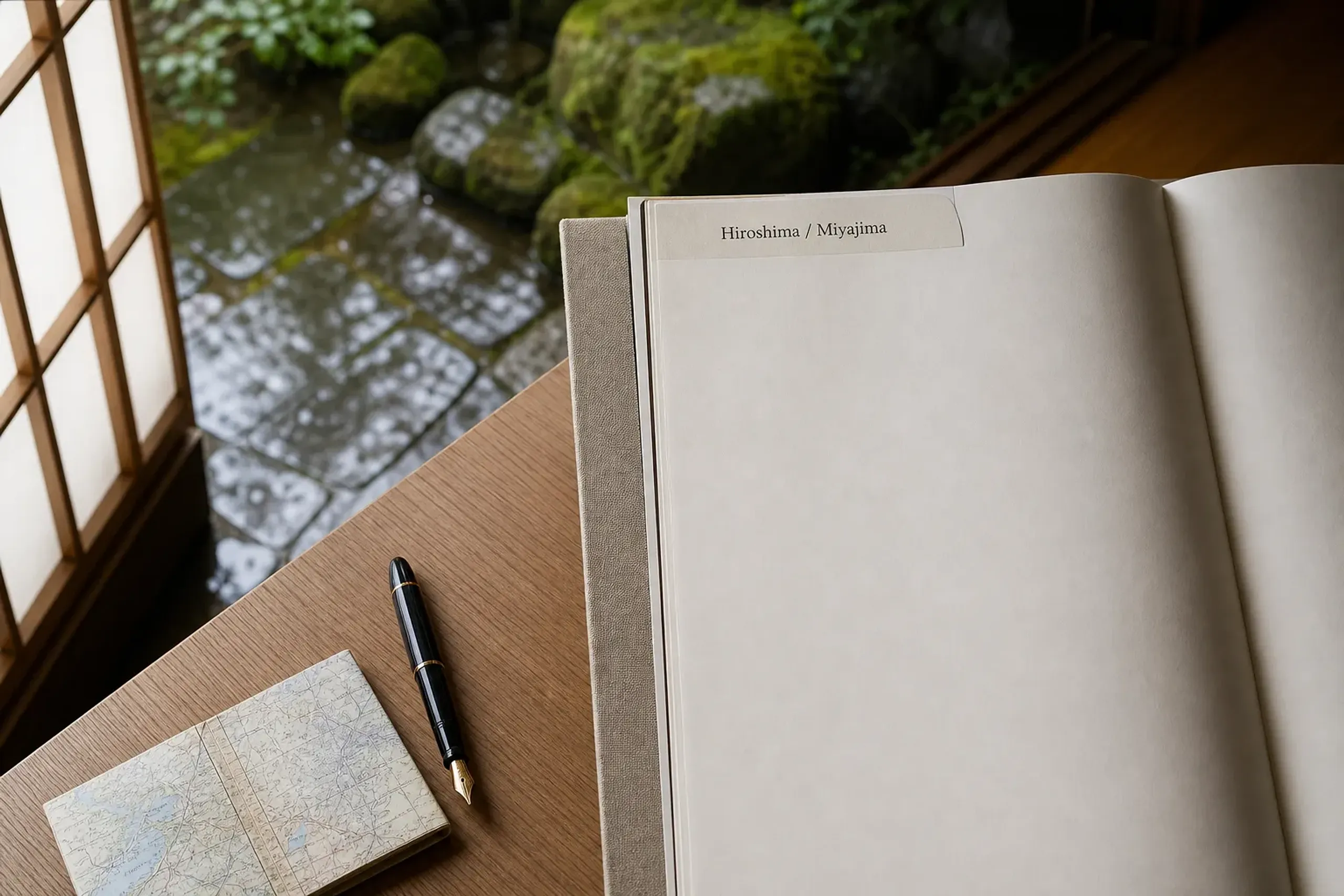
For reflective travel, Hiroshima offers profound historical significance. The Peace Memorial Park provides essential context for understanding modern Japan.
Miyajima Island’s Floating Torii
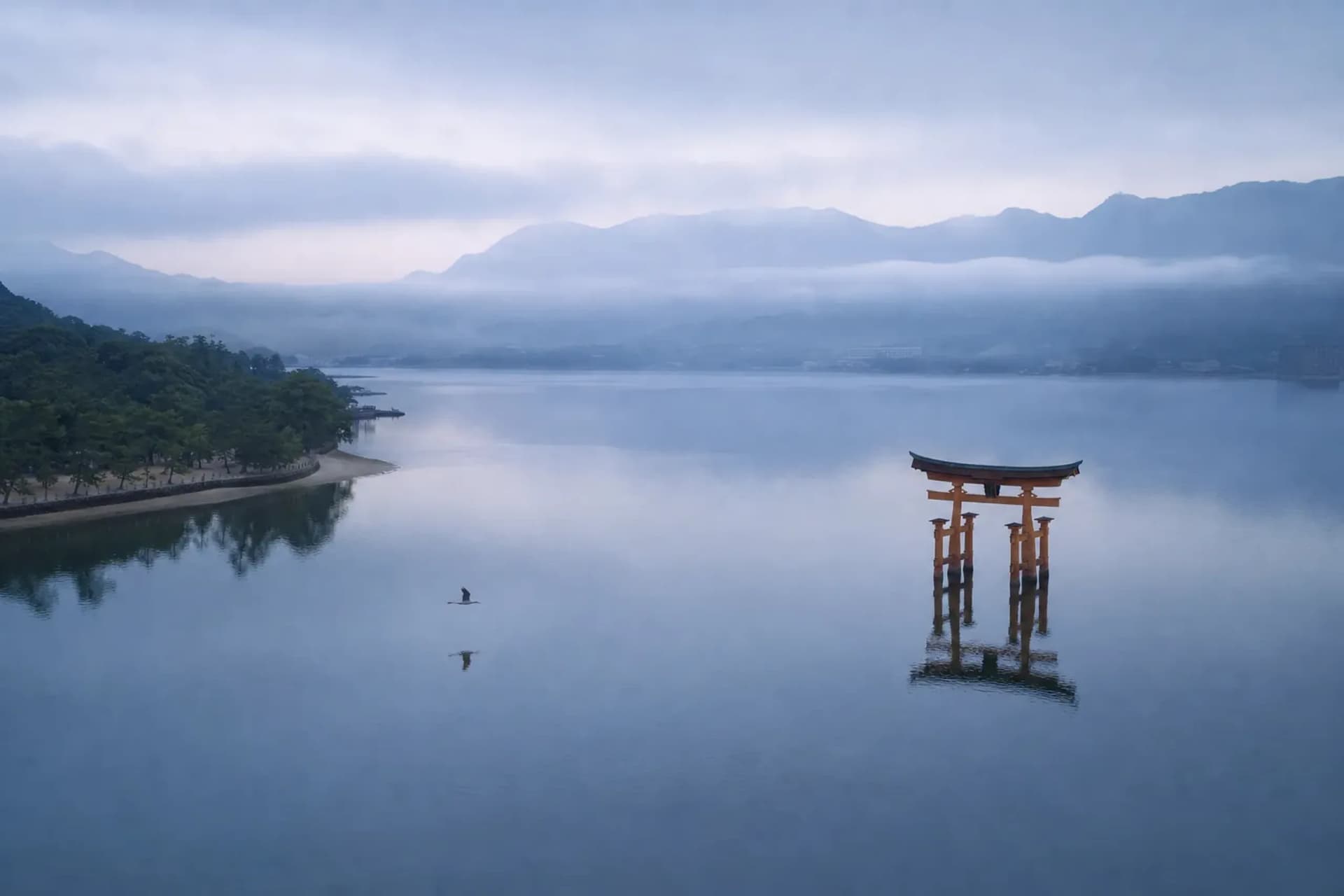
Offshore, Miyajima is among Japan’s most photographed places. At high tide, the vermilion torii appears to float—an image of calm power that lingers.
Itsukushima Shrine, a UNESCO World Heritage site, demonstrates architectural mastery through buildings constructed over water. Private boat tours can offer exceptional angles and calmer timing, including golden-hour views.
| Season | Best Experience | Timing Recommendation |
|---|---|---|
| Spring | Cherry blossoms around the shrine | Late March – Early April |
| Summer | Sunrise viewing from the summit | June – August |
| Autumn | Maple foliage hiking trails | Mid-November |
| Winter | Oyster season dining | December – February |
The island’s luxury ryokan can be especially rewarding for access to sacred spaces after day-trippers depart, when the atmosphere returns to quiet.
Kanazawa: Preserved Edo-Period Elegance
Kanazawa is often highlighted by experienced travelers seeking authenticity. This castle town preserved its traditional character through careful urban planning—ideal for travelers drawn to “Hidden Japan” without sacrificing comfort.
Kenrokuen Garden and Samurai Districts
Kenrokuen, considered among Japan’s most beautiful landscape gardens, showcases design principles refined over centuries. A private guided visit helps reveal seasonal details and historical context that are easy to miss.
The Nagamachi Samurai District retains original earthen walls and residences, offering an architectural window into feudal life. Several homes welcome visitors through special arrangements.
Gold Leaf Craftsmanship and Contemporary Art
Kanazawa produces over 99% of Japan’s gold leaf. Artisan workshops offer demonstrations and hands-on experiences, connecting you directly to shokunin technique and patience.
The 21st Century Museum of Contemporary Art adds a striking counterpoint through circular glass architecture and rotating international exhibitions.
Takayama and the Japanese Alps: Mountain Villages
For alpine scenery and traditional architecture, Takayama and the surrounding region deliver a slower, craft-centered Japan with sophisticated accommodations.
Gassho-Zukuri Villages
The UNESCO-listed Shirakawa-go and Gokayama villages feature thatched-roof farmhouses built to withstand heavy snowfall. Winter illumination events are atmospheric, while spring and autumn offer compelling visits without the harshest weather.
Select farmhouses operate as exclusive lodgings, pairing authentic rural life with modern comforts. Meals highlight mountain vegetables and local specialties prepared with generational knowledge—shokunin spirit expressed through home cooking.
Sake Breweries and Morning Markets
Takayama Morning Market showcases regional produce, crafts, and street food. Early visits allow more meaningful interaction before crowds build.
The region’s breweries welcome visitors for tastings and education on traditional brewing. Premium sake varieties that are rarely exported can be a highlight for curious palates.
Nara: Ancient Capital and Sacred Deer
Nara is often rushed as a day trip, but travelers who allocate time find artistic and spiritual depth. As Japan’s first capital, it holds treasures that predate many of Kyoto’s famed sites.
Todai-ji Temple and the Great Buddha
The bronze Buddha at Todai-ji is among Japan’s most impressive religious sculptures. The wooden hall that houses it is one of the world’s largest wooden structures.
Kasuga Taisha Shrine, known for thousands of bronze and stone lanterns, creates an atmospheric approach through sacred forest. Special illumination events twice annually transform the path into candlelit quiet.
Deer Park Experiences
Over 1,200 semi-wild sika deer roam Nara Park, designated as a national treasure. They bow to request specially prepared crackers, creating a memorable interaction.
Luxury accommodations in Nara can reward an overnight stay with serene garden views and sophisticated kaiseki—especially valuable for those who prefer unhurried mornings.
Hokkaido: Northern Wilderness and Culinary Adventures
Hokkaido is essential for travelers prioritizing natural landscapes and seafood. Japan’s northernmost island offers distinct seasons and outdoor recreation.
Sapporo and Snow Festivals
Sapporo combines urban sophistication with access to wilderness areas. The annual Snow Festival turns the city into an outdoor sculpture gallery, while outdoor enthusiasts find compelling reasons to visit year-round.
Niseko has evolved into Asia’s premier ski destination, known for powder snow and luxury accommodations. In summer, the region shifts to hiking and golf.
Seafood Excellence and Dairy Products
Hokkaido is celebrated for:
- Sea urchin (uni) directly from fishermen
- King crab prepared in multiple ways
- Salmon roe (ikura) at peak freshness
- Scallops from pristine bays
The island’s dairy culture supports a sophisticated pastry and dessert scene, with cream, cheese, and milk products often noted for European-level quality.
Okinawa: Tropical Paradise and Ryukyuan Culture
Okinawa offers a distinct atmosphere from the main islands: subtropical climate, different historical identity, and beach-forward resort experiences.
Island-Hopping and Marine Activities
Beyond the main island, Ishigaki and Miyako offer world-class diving, snorkeling, and clear-water beach time among coral reefs and rich marine life.
Luxury resorts may include private beach access, spas incorporating traditional Okinawan techniques, and cuisine blending Ryukyuan and Japanese influences.
Ryukyuan Cultural Heritage
The former independent kingdom maintains unique traditions in architecture, performing arts, and crafts. Shuri Castle (under restoration following the 2019 fire) remains a key symbol of this identity.
Okinawan longevity research has also inspired wellness retreats focused on diet, lifestyle, and natural therapies rooted in local knowledge.
Seasonal Considerations for Travel Planning
Timing shapes what Japan feels like. Each season offers distinct advantages, especially when your goal is to experience places at their most atmospheric.
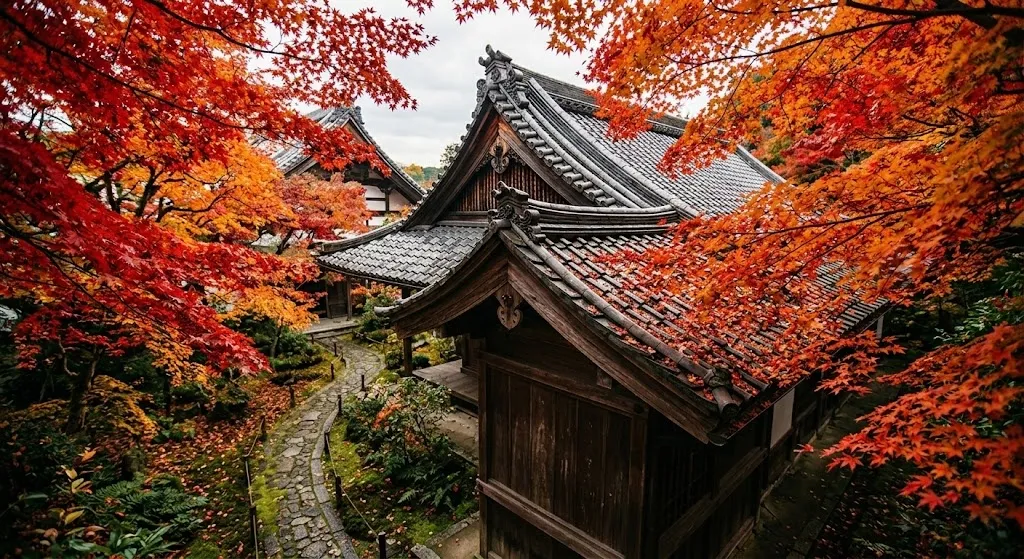
Autumn is often prized for calm weather, vivid foliage, and a natural rhythm that suits unhurried travel.
Spring (March-May) brings cherry blossoms and comfortable temperatures. Premium viewing spots include:
- Private garden access in Kyoto temples
- Evening illuminations along the Meguro River in Tokyo
- Lesser-known mountain locations with extended blooming periods
Summer (June-August) features festivals and mountain hiking despite humidity. Highlights include:
- Gion Matsuri in Kyoto
- Alpine flower meadows in Hokkaido
- Fireworks displays over Tokyo Bay
Autumn (September-November) offers foliage and harvest celebrations with consistently comfortable travel conditions.
Winter (December-February) is ideal for snow sports, illuminations, and onsen stays—often with fewer crowds.
Transportation and Logistics for Premium Travel
Japan’s rail network makes major destinations efficient, but premium travel benefits from planning the “in-between” moments as carefully as the highlights. For flexibility, privacy, and timing control—especially in rural regions—private transportation can be decisive.
Japan Rail Pass and Premium Options
The standard JR Pass provides unlimited travel on most trains, including Shinkansen. Green Car passes add first-class seating with more space and amenities.
For travelers who enjoy the journey itself, private chartered trains and luxury sleeper trains such as Seven Stars in Kyushu offer an elevated way to move between regions.
Private Drivers and Luxury Vehicles
Private transport is especially useful for:
- Rural areas with limited public transit
- Multiple destinations in one day
- Luggage management between luxury accommodations
- Access to exclusive restaurants and hidden locations
Premium vehicles with English-speaking drivers can keep the day smooth, quiet, and on your preferred pace—an understated form of luxury that also supports discretion.
Exclusive Access and Insider Experiences
Guidebooks can outline destinations; exceptional journeys hinge on access, timing, and relationships. For HNW travelers, the goal is often not extravagance but authentic proximity: meeting the right people, entering the right rooms, and doing so respectfully.
Private Cultural Workshops
Master craftspeople sometimes accept small groups for focused instruction, including:
- Tea ceremony with renowned practitioners
- Calligraphy with contemporary artists
- Pottery in historic kiln towns
- Sword polishing demonstrations
- Traditional textile creation processes
These experiences typically require advance arrangements through established relationships with cultural organizations and individual masters—shokunin culture at its most personal.
After-Hours Temple and Shrine Visits
Select sites allow private visits outside public hours. Morning meditation, evening prayer, and seasonal rituals become available through proper introductions.
Temple lodgings (shukubo) offer monastic immersion with vegetarian cuisine and morning services—particularly compelling for travelers who value quiet and cultural depth.
Regional Cuisine Beyond Major Cities
Japan’s food identity is regional. Beyond the major cities, local markets and small counters can deliver flavors and ingredients that rarely travel.
Kaiseki variations often reflect local traditions and ingredients:
- Kyoto’s vegetable-focused preparations
- Osaka’s merchant-influenced heartiness
- Kanazawa’s seafood emphasis
- Takayama’s mountain ingredients
For many travelers, this is where “Hidden Japan” becomes tangible: not a secret location, but a way of eating shaped by place, season, and craft.
Practical Considerations for Luxury Travelers
Japan is smooth when expectations are aligned with local norms—especially at ryokan, temples, and small restaurants where precision and respect are part of the experience.
Accommodation Reservations
Top ryokan and boutique hotels may require six to twelve months of advance booking for peak seasons. Some accept reservations only via concierge services or established specialists.
Cancellation policies are often strict, particularly at traditional inns where meals are prepared specifically for each guest.
Communication and Language
Major cities increasingly support English, but rural areas and exclusive establishments may not. Professional guides and interpreters can enable more meaningful exchanges and help protect the tone of privacy and ease.
Cultural Etiquette in Premium Settings
Being attentive to customs improves every interaction:
- Removing shoes appropriately
- Onsen bathing protocols
- Gift-giving when appropriate
- Dining etiquette at formal kaiseki meals
- Photography restrictions at sacred sites
This sensitivity often determines whether a moment stays surface-level or becomes an invitation into something rarer.
Emerging Destinations for 2026
Beyond established icons, several regions are gaining attention among travelers seeking something fresher.
The Kanmon Straits region between Honshu and Kyushu holds historical significance and is developing luxury infrastructure. Ise-Shima offers sacred shrine experiences, pearl culture, and seafood excellence.
The Seto Inland Sea art islands, including Naoshima and Teshima, blend contemporary installations with traditional island life, creating a distinctive cultural itinerary.
Japan’s diversity ensures the best places to go in Japan can be shaped around your exact interests—craft, landscape, food, spirituality, and calm—while preserving privacy at every step. When you’re ready to translate possibilities into a discreet, precisely paced plan, a tailor-made itinerary ensures access, timing, and transitions are handled with care. To begin, contact us here.
Japan Royal Service specializes in quietly exceptional journeys across Japan—built around cultural depth, shokunin encounters, and the kind of access that can’t be assembled last-minute or found through search results.