In this guide
- 01What Actually Changes Once You Leave The Golden Route
- 02Hokkaido: The Case For Space, And When It Collapses
- 03Tohoku: Festival Country, On A Fixed Clock
- 04The Setouchi Islands: Art, Water, And Patience
- 05Kyushu: The All-Rounder, With A 2026 Pull
- 06The Japan Sea Coast: The Quiet Argument
- 07What These Five Regions Share
- 08Who Should Stay On The Route, And Why That Is A Real Answer
- 09Frequently Asked Questions
- 10Why Choose Japan Royal Service
You have done Tokyo twice. Kyoto, twice as well, once in blossom season and once with the maples turning. The Golden Route is no longer a discovery for you; it is a memory you can already picture. The question on a third visit is not what to see but where to point the extra days, and whether the detour repays the travel time it costs.
This guide is for that traveler. Not a first-timer. Someone weighing five regions — Hokkaido, Tohoku, the Setouchi islands, Kyushu, and the Japan Sea coast — against real dates and a finite calendar. Each region below is an argument, not a catalogue. When we say skip it, we mean skip it.
Two of our earlier pieces sit underneath this one and are worth reading first. Japan Royal Service published "The Calm Windows" on when to visit by crowd and weather, and "The Ingredient Calendar" on what is at peak, month by month. We will not restate their logic here. We are extending it past the cities.
What Actually Changes Once You Leave The Golden Route
Three things shift, and all three are practical rather than romantic.
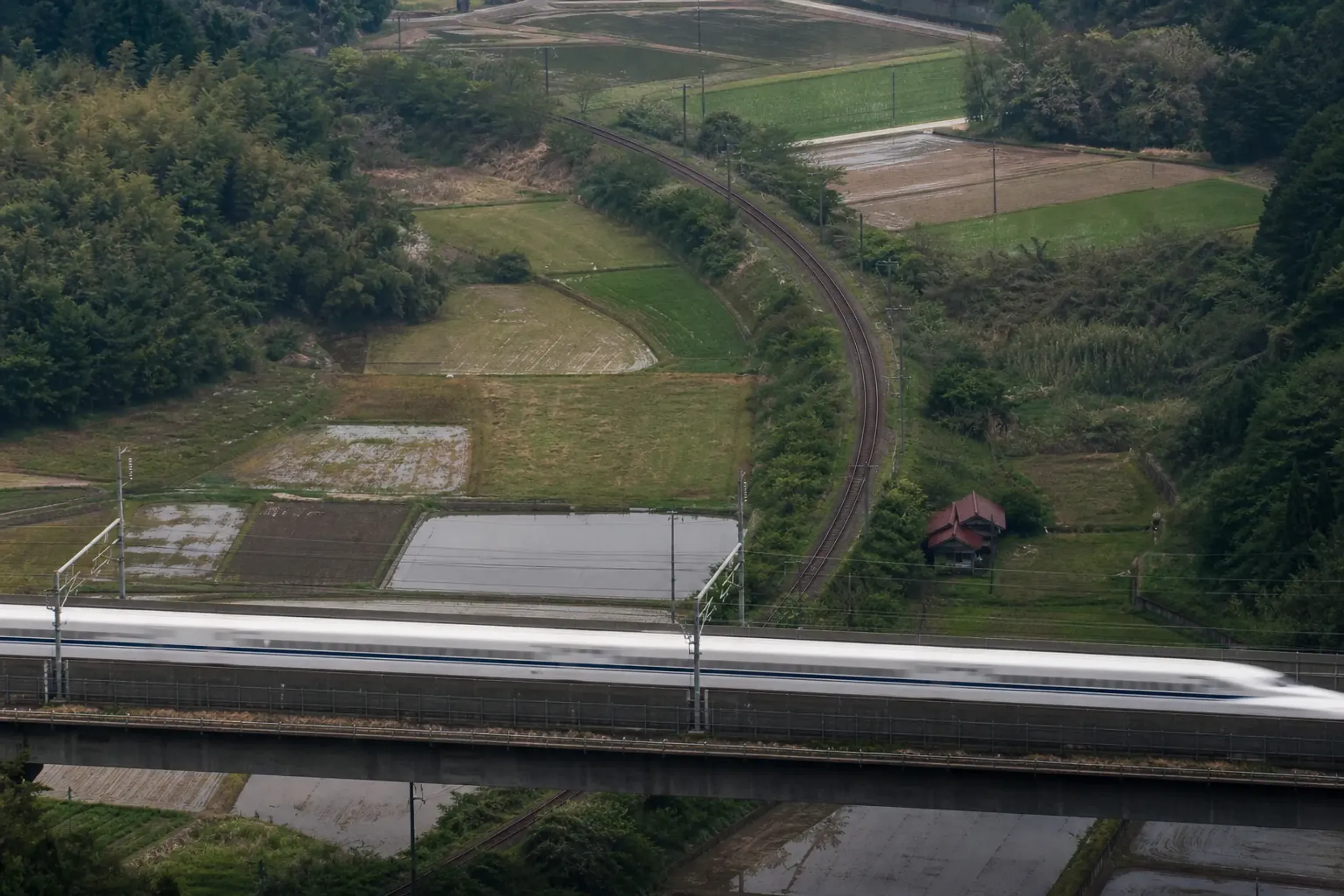
First, travel time stops being a rounding error. Between Tokyo, Kyoto, and Osaka the shinkansen makes distance almost invisible. Step outside that spine and rail thins. Some of these regions need a domestic flight; at least one is better with a car. A detour that reads as "nearby" on a map can cost you a full day each way, and a day is the real currency of a short trip.
Second, luxury inventory thins even faster than the trains. The cities have depth now — the 2023–2026 openings alone gave Tokyo and Osaka several genuine flagships. Outside them, the picture is patchier. Sometimes one region has a single property worth the name. Sometimes the honest answer is a ryokan of an entirely different character, run by a family rather than a brand, and you either want that or you do not.
Third, seasonality gets sharper, not softer. A region's case can hinge on a two-week window. Go outside it and you have travelled a long way for a muted version of the thing. We will name the season for each, and we will flag where a date needs checking against the current year.
The one distinction that matters most: some of these regions work as a detour bolted onto an existing trip. Others need a trip of their own. The answer differs by region, and getting it wrong is the most common planning mistake we see.
Hokkaido: The Case For Space, And When It Collapses
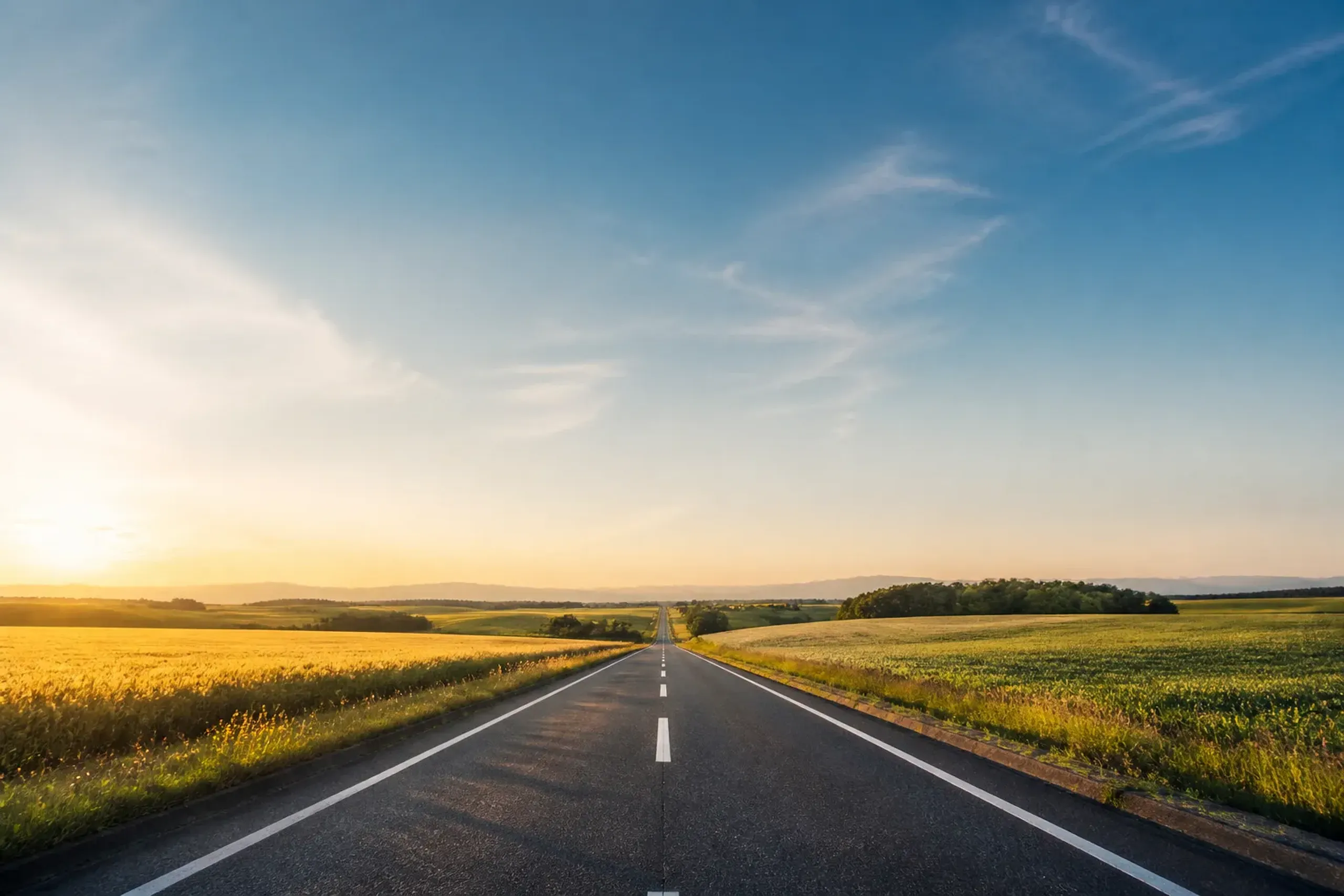
Hokkaido feels unlike the rest of Japan the moment you land — Japan with room to breathe.
Hokkaido feels unlike the rest of Japan the moment you land. The roads are wide, the farmland runs to the horizon, and the light in summer is long and clean. This is Japan with room to breathe.
The argument for Hokkaido is landscape and ingredient, not culture. You do not come here for temples. You come for the seafood at its northern best, for dairy and produce that shape the plate differently than anywhere south, and in winter for snow that is genuinely among the driest on earth. That last part is why the ski world knows the island's name.
The season. Two windows, and they are opposites. Deep winter for snow and powder [VERIFY current-season conditions and any road closures on mountain routes]. Then the summer stretch for cool air and peak seafood when the rest of Japan is humid and heavy [VERIFY peak seafood windows against the current-year ingredient calendar]. The shoulder months in between are not the reason to come.
The accommodation reality. This is where Hokkaido is honest. In the winter resort areas the luxury inventory is real and growing, driven by the ski market. Elsewhere on the island it thins quickly, and outside the resort clusters you are often choosing between a small onsen ryokan and comfortable rather than exceptional hotels. Our concierge will tell you plainly when a region's best available room is good, not extraordinary.
Detour or dedicated trip. Dedicated. Hokkaido does not bolt onto a Kyoto week. It is a flight from the main island [VERIFY current flight routes and durations from your departure city], and the distances within it are large enough that a car earns its place. Give it its own arc of days or do not give it any.
Who should skip it. Anyone whose reason to return to Japan is cultural depth — the counters, the crafts, the temple mornings. Hokkaido answers a different appetite. If you are not a skier and not a serious eater, the space alone will not hold you.
Tohoku: Festival Country, On A Fixed Clock
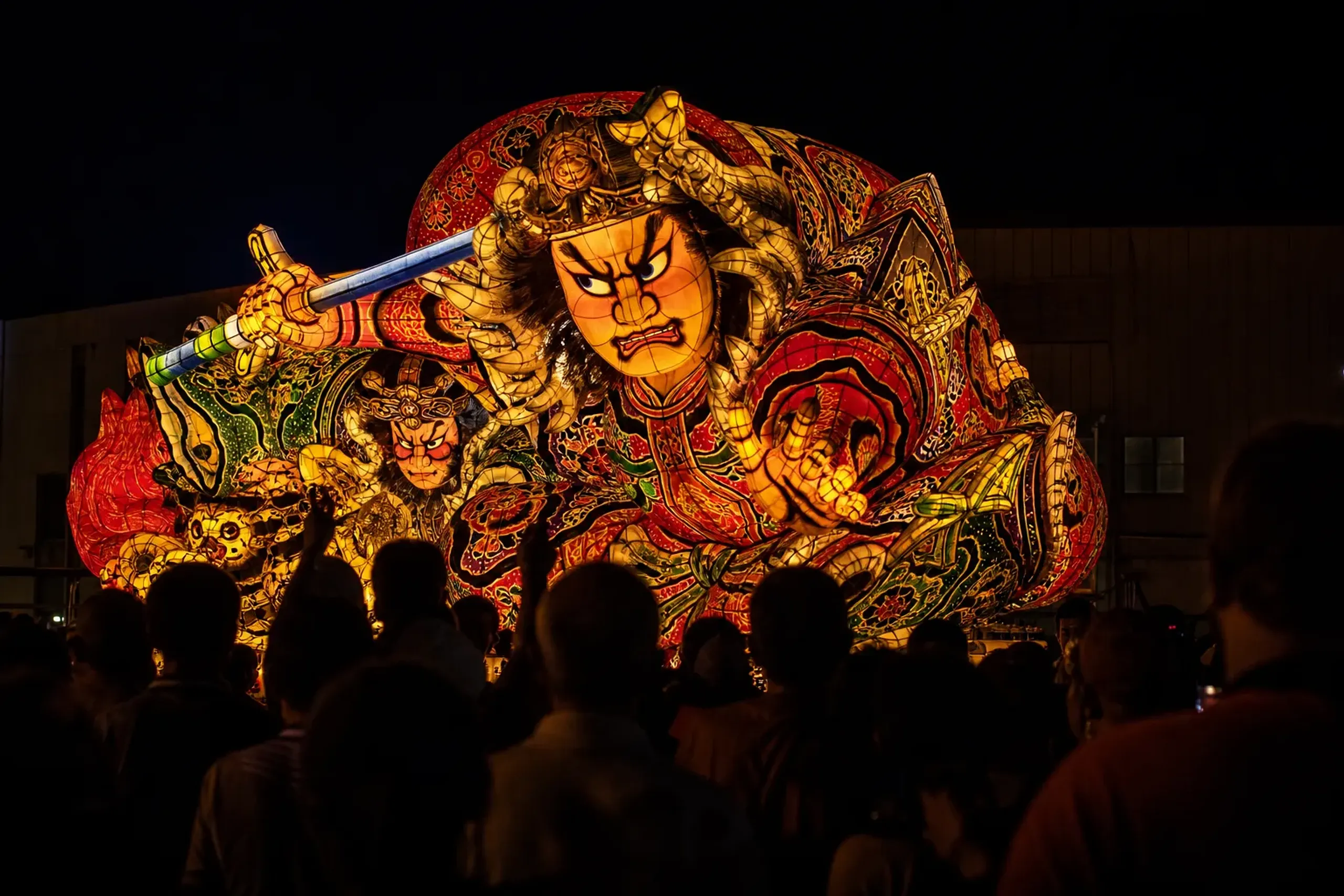
Aomori's Nebuta: reserved overseas seating covers a fixed set of festival dates each year.
Tohoku is the northern third of the main island, and it stays quiet in a way the Golden Route no longer manages. Mountains, hot springs, and a farming rhythm that has not sped up to match the cities. The pull here is atmosphere and, at one point in the calendar, spectacle.
The case rests partly on the great summer festivals. Aomori's Nebuta is the one people travel for — enormous illuminated floats moved through the streets by hand. It is not a trickle-in-anytime attraction. Reserved seating for overseas visitors is offered for a fixed set of festival dates each year, and for 2026 those reserved seats cover August 2 to August 6 only, with pickup handled inside Japan [VERIFY exact dates and reserved-seat process for your travel year via the official Nebuta site]. If the festival is your reason to come, the dates decide the trip, not the other way around.
The season. Early August for the festival window. Beyond that, Tohoku rewards autumn for foliage and winter for snow-country onsen [VERIFY foliage and winter-access timing, and any snow-related road or rail limits, for the current year]. Spring arrives later here than in Tokyo, which can be a quiet advantage for blossom if your dates slip past the southern peak.
The accommodation reality. Modest, and this is the candid part. Tohoku's strength is the traditional onsen ryokan — often family-run, often wonderful in a specific, unpolished way. What it largely lacks is international-flagship luxury. If your standard is a brand hotel with a full spa and English at every turn, Tohoku will disappoint you. If a superb tatami room and a private open-air bath is your idea of arrival, it will not.
Detour or dedicated trip. Detour, if timed to the festival, and better as a dedicated few days if foliage or onsen is the draw. It connects to the north of the main island by rail, though services are less frequent than on the Golden Route [VERIFY current rail connections and journey times]. Build in slack.
Who should skip it. Travelers who need reliable high-end hotel comfort every night, and anyone coming outside the festival or foliage windows expecting the region to perform. Off-season, Tohoku is quiet in the plain sense — restful for some, thin for others.
The Setouchi Islands: Art, Water, And Patience
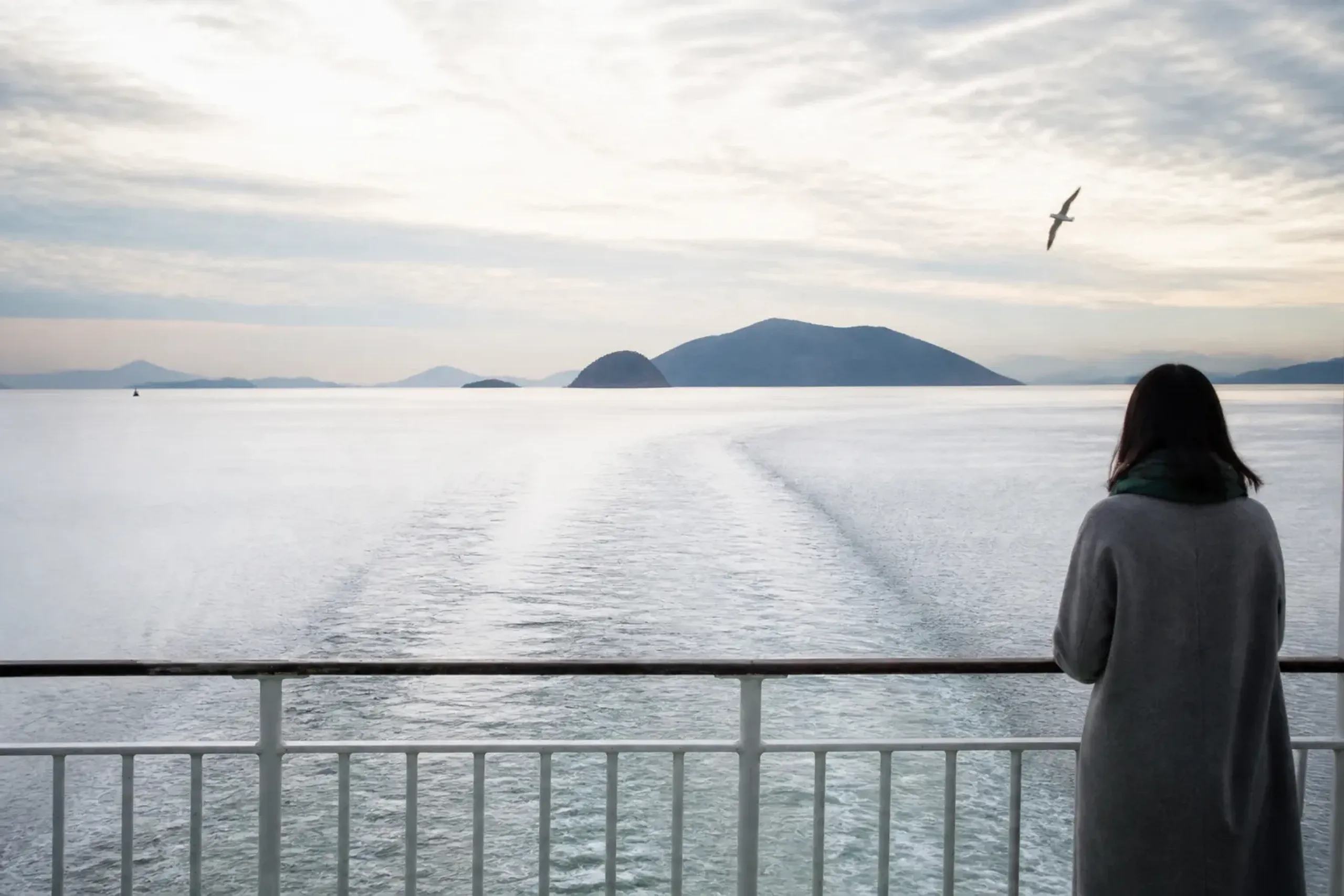
The islands are reached by boat, with the sea always in view between installations.
The Seto Inland Sea is calm, dotted with small islands, and unusually mild. Over the past two decades several of these islands became homes for contemporary art, sited so that the work and the landscape argue with each other rather than sit politely apart. Naoshima is the name most travelers know.
The case is singular. Nowhere else in Japan puts world-level contemporary art on quiet islands you reach by boat, walking between installations with the sea always in view. The Naoshima New Museum of Art opened in spring 2025 near the Honmura district, adding to what was already there. Note that art sites rotate and close — the new museum has a scheduled closure from November 24 to December 12, 2026 for exhibit changes [VERIFY current closure dates and opening hours for every site you intend to visit, as these shift]. Checking is not optional here; a closed island is a wasted ferry.
One timing note. The Setouchi Triennale is the region's largest art festival, held every three years, with the next expected in 2028 [VERIFY]. A Triennale year is more crowded and more comprehensive; a non-Triennale year is quieter and still deeply worthwhile. Know which you are travelling in.
The season. Spring and autumn for the mild, dry days the islands are built for [VERIFY]. Summer is hot and the ferries fill; winter is quiet but some sites reduce hours [VERIFY seasonal ferry frequency and site hours].
The accommodation reality. Limited on the islands themselves, by design. A very small number of art-led properties exist on Naoshima [VERIFY current availability and status], and beyond them the island lodging is simple. Many travelers base on the mainland side and cross by day. Osaka works well as a high-comfort hub for this, which is one reason we increasingly route Setouchi through it.
Detour or dedicated trip. A strong detour from an Osaka or western-Japan base, needing two to three days to do properly rather than a rushed single crossing [VERIFY ferry timings before committing to a day plan].
Who should skip it. Anyone indifferent to contemporary art. The islands are lovely, but the art is the reason, and without appetite for it you have travelled for a pleasant boat ride and not much more.
Kyushu: The All-Rounder, With A 2026 Pull
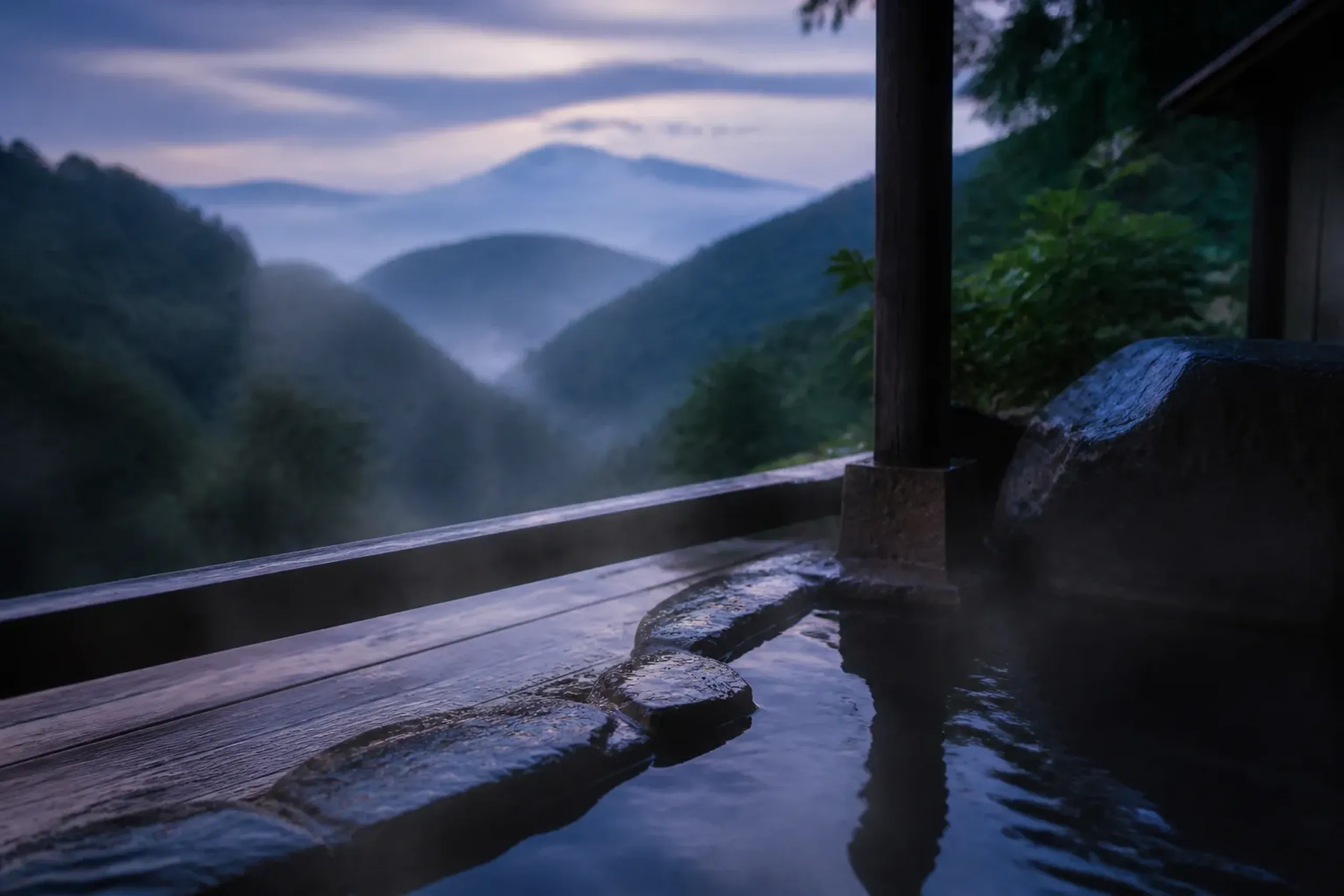
Kyushu's strength is range — onsen country, volcanic landscape, and historic ports.
Kyushu is the southern main island, warmer than the rest of the country, volcanically active, and rich in hot springs. It carries real history at its ports and a food culture with its own accent. Of the five regions here, it is the most complete on its own terms.
The case is breadth. Onsen country of genuine depth, active volcanic landscapes, distinctive regional cooking, and port cities that were Japan's window to the world when the rest of the country was closed. Nagasaki was selected for The New York Times '52 Places to Go in 2026,' which will lift its profile through the year — worth knowing whether you want the momentum or want to sidestep it.
The season. Spring and autumn are the balanced windows. Summer runs hot and humid this far south, and the wet season lands earlier than in Tokyo [VERIFY current-year rainy-season and typhoon-risk timing before booking summer dates]. The onsen towns are wonderful in cooler months.
The accommodation reality. Better than Tohoku, uneven against the cities. The onsen resort areas hold some genuinely excellent ryokan, and the larger cities have solid hotels. What Kyushu does not yet have in volume is the tier of international flagship that arrived in Tokyo and Osaka. The strongest stays here are the ryokan, and they are worth the trip on their own.
Detour or dedicated trip. Dedicated, realistically. It is reachable by shinkansen from the Osaka–Kyoto region [VERIFY current through-services and journey times], but the island has enough to hold a week that treating it as a day's detour undersells it. Come for it, not past it.
Who should skip it. Travelers on a tight window who want one clear headline. Kyushu's strength is its range, which means it rewards time and frustrates the rushed. If you have four days, spend them elsewhere.
The Japan Sea Coast: The Quiet Argument
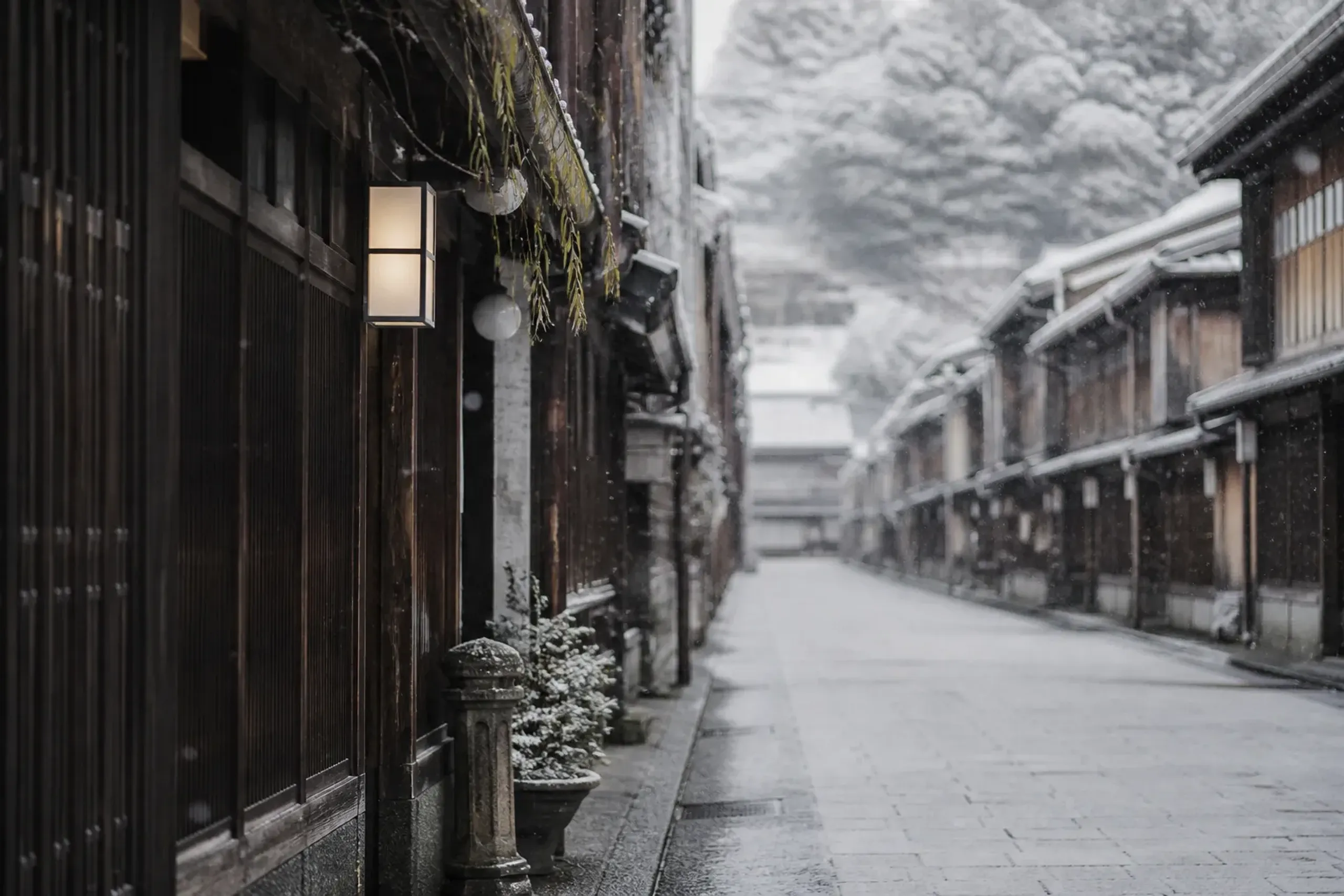
The wabi-sabi coast in temperament — weathered wood, soft light, snow as a feature.
The coast facing the Japan Sea runs cooler, greyer, and slower than the Pacific side, and that is precisely its character. Winters here are heavy with snow; the light off the water is soft even in summer. Kanazawa anchors the region as its most polished city, with preserved districts, a celebrated garden, and a strong craft tradition in lacquer, gold leaf, and ceramics.
The case is restraint and craft. This is the wabi-sabi coast in temperament — moss, weathered wood, the aesthetic of the understated rather than the golden. The Hokuriku Shinkansen made Kanazawa markedly easier to reach in recent years, and there is active planning to extend the line further toward Osaka, with a Kyoto-area route proposal reported in mid-2026 [VERIFY current route and completion status]. Even now, the existing line makes this the most accessible of the five regions.
The season. The winter here is a feature, not a warning — snow country and cold-water seafood at its best in the cold months [VERIFY peak seafood windows against the ingredient calendar]. Spring and autumn are gentler and easier for garden visits. Summer is the least distinctive time to come [VERIFY seasonal detail].
The accommodation reality. Kanazawa itself has a workable spread of good hotels and refined ryokan, better than most regional cities. Move along the coast beyond it and inventory thins to the familiar onsen-ryokan picture. This is a region where basing in the anchor city and travelling out by day makes the most of the stay.
Detour or dedicated trip. The best detour of the five, thanks to rail. Kanazawa slots onto a trip through central Japan with less friction than any other region here [VERIFY current shinkansen connections and times]. Two or three days is enough to feel it; more if the craft workshops pull you in.
Who should skip it. Travelers chasing heat, sun, and headline sights. The Japan Sea coast is a quiet argument, and if quiet does not appeal, it will read as merely grey.
What These Five Regions Share
They ask for time you do not need on the Golden Route, and they repay it in a different currency. Not more sights per hour — fewer, and slower. Each rewards knowing its window and arriving inside it. And each has an accommodation ceiling that is lower than the cities in almost every case, which is not a flaw so much as a fact to plan around. The traveler who accepts a superb family ryokan over a familiar flagship will do well out here. The one who cannot will not.
Who Should Stay On The Route, And Why That Is A Real Answer
Plenty of returning travelers should still spend their third visit inside the Golden Route, and there is nothing timid about that choice. The cities gained real depth between 2023 and 2026 — Tokyo and Osaka in particular added flagship stays that did not exist on your last trip, and the counters, ateliers, and early-morning temple access that make Kyoto worth a fourth visit have not moved. If your appetite is craft, dining, and refined comfort every single night, the route holds more of it, more reliably, than any detour on this list.
The regions are the right choice when you want a change of texture, when your dates line up with a specific window, and when you have the days to spend without rushing. They are the wrong choice when the calendar is tight or the standard is unbending. Wanting to stay is a legitimate answer, not a failure of curiosity.
Frequently Asked Questions
Which Region Works Best As A Short Detour?
The Japan Sea coast around Kanazawa, because the shinkansen reaches it with the least friction of the five. Setouchi is a strong second if you are based near Osaka. Hokkaido and Kyushu genuinely want their own trip.
Are These Regions Better Visited In A Particular Season?
Yes, and more sharply than the cities. Tohoku pivots on its early-August festival window; Setouchi favours mild spring and autumn; the Japan Sea coast makes a feature of winter. Confirm every date against the current year before committing, as festival and closure calendars shift.
Is The Luxury As Strong As In Tokyo Or Kyoto?
Honestly, no, with the winter resort areas of Hokkaido as a partial exception. The regional strength lies in traditional ryokan rather than international flagships. Travelers who value that character are well served; those who need a brand hotel every night are not.
Do I Need A Car Or A Domestic Flight?
It depends on the region. Hokkaido rewards a car and usually needs a flight to reach; Kyushu is reachable by rail but large; the Japan Sea coast is the most rail-friendly. We map this to your exact route before you commit any days to it.
Why Choose Japan Royal Service
The value we add out here is candour first. Anyone can list what a region contains. What matters on a second or third visit is whether the detour is worth the days it costs you, and that answer depends on your dates, your appetite, and your tolerance for a family ryokan over a flagship. In our experience, the planning error is almost always treating a dedicated-trip region as a detour, or arriving two weeks outside its one good window.
Our concierge team tests a region against your actual calendar before anything is committed — the season, the travel time, the accommodation ceiling, all of it stated plainly. Where a region genuinely does not suit you, we say so. When you are moving between a city base and a quieter region, our private chauffeured transport keeps the connective days unhurried, and a tailor-made itinerary is built around your windows rather than a fixed template.
Tell us the dates you hold and the days you can spare. Reach our team privately via WhatsApp or LINE, or contact us here, and we will test a region against them before you commit a single day.