In this guide
- 01Guests Are Traveling, Not Attending
- 02Accommodation Is The Constraint (And The First Domino)
- 03Arrivals Are The Real Logistical Problem
- 04Lead Times: What Closes First In Japan
- 05The Days Around The Event: Structure Without Babysitting
- 06Moving A Group That Does Not Know The Country
- 07What Guests Need To Know Before They Land
- 08Constraints Worth Planning For: Diet, Accessibility, Elderly Guests
- 09Scale Changes Everything: Twelve Guests Vs Eighty Guests
- 10Responsible Routing In 2026: Discretion Includes Community Impact
- 11How To Book Entry Steps And Reduce Airport Friction (Official Process)
- 12Why Choose Japan Royal Service
You can plan a flawless event and still disappoint your guests. It happens when the event is the only thing that gets planned. Your guests are flying to Japan, changing time zones, and trying to function in a country where most signage and policies won’t match what they’re used to.
That means your “event” is really a trip with an anchor date. Everything around it decides whether people feel cared for or left to improvise. Our team has learned that the pressure points are consistent: rooms, arrivals, and movement between them.
This guide is the backstage view. Practical. Host-first. It shows what has to be decided early, what can wait, and what breaks when you assume Japan will behave like New York or London.
Guests Are Traveling, Not Attending

Most guests will build three to seven days around your date. Some will come early to shop or rest. Others will stay after, because Japan is not a “fly in, fly out” country when you’re already crossing oceans.
If you only design the event day, you inherit chaos. Questions multiply. Small decisions become urgent because they are happening in real time, with jet-lag and language friction in the background.
Design the trip frame first. Then lock the event inside it. That single reversal is the difference between a calm host and a host who spends the week triaging.
What The Trip Frame Usually Includes
Think in three bands: arrival days, event day, and decompression days. Each band needs a shape. Each band needs transport logic and clear “what happens next” cues.
Some guests will be independent travelers. Fine. Your job is not to control their free time. Your job is to prevent the predictable failure points that make a premium trip feel oddly rough.
- Arrival band: where guests sleep, how they get there, and what happens if flights slip
- Event band: staging, timing buffers, and what guests do before and after the main moment
- Decompression band: optional structure so guests aren’t stranded with questions
Accommodation Is The Constraint (And The First Domino)

Accommodation is where most Japan-hosted programs win or lose. Not because Japan lacks luxury. Because many top properties are smaller than Western equivalents, and room inventory is often limited in the categories your guests actually want.
Block booking can be difficult. Sometimes impossible. A group may need two or three properties that behave as one program, with transport and timing designed to hide the seams.
That is normal here. The mistake is pretending it isn’t.
Why Group Blocks Are Harder In Japan
Japanese luxury hotels and ryokan often have fewer keys. They also have a different operating rhythm, especially in places where dinner service, bathing schedules, and quiet hours are part of the stay.
When you bring guests, you’re not only buying rooms. You’re buying predictability: late arrivals, early departures, luggage flow, private dining options, and a front desk that won’t be surprised by VIP-level needs.
And you’re buying discretion. Quietly.
When You Need Multiple Properties, Make It Intentional
Splitting a group can feel like a compromise. It doesn’t have to. Done well, it can become a deliberate “house” strategy: one property as the anchor for leadership and program flow, another for families, a third for guests who want more independence.
The key is standardizing what matters. Arrival instructions. Pickup points. Timing. Daily touchpoints. If you let each hotel become a separate universe, your operations team becomes a switchboard.
Keep the guest experience simple, even if the backend is not.
Ryokan Decisions You Must Not Leave Until Late
Ryokan are not just “Japanese hotels.” They are a sequence of choices that affect the entire day: dinner times, dietary constraints, bedding setup, stairs, bathing access, and the tolerance for late-night noise.
If your program includes ryokan nights, decide early whether the group is suited to traditional rooms or needs a more modern setup. If you want a deeper read on that tradeoff, see our earlier piece on bespoke itinerary design choices in traditional settings, and our published guide “Traditional or Modern: How to Choose a Ryokan.”
Small detail. Big consequences.
Key fact: If you are hosting in Kyoto during peak weeks or major seasonal draw periods, the accommodation problem tightens first. Build your dates and routing around what can actually be held together.
Arrivals Are The Real Logistical Problem

Arrivals are where a hosted program gets judged, even if nobody says it out loud. Guests are tired. They’re carrying expensive luggage. Some will have assistants sending updates. Others will land and go silent for an hour, exactly when you want certainty.
Now multiply that by multiple countries, multiple days, and two Tokyo airports. You’re not managing an airport transfer. You’re managing staggered uncertainty.
This is where discretion matters most. No leaks. No public confusion at a curb.
Tokyo’s Two-Airport Reality (And Why It Matters)
Tokyo arrivals can route through Narita (NRT) or Haneda (HND). Guests may choose based on airline, cabin availability, or connections. Some will arrive into Osaka (KIX/ITM) or elsewhere if your event is not Tokyo-centered.
For the host, the issue is not distance. It’s choreography: who lands when, where they go, and how you avoid a bottleneck at check-in when rooms are not yet ready.
Plan arrivals as a rolling wave, not a single moment.
Visit Japan Web: The Group Readiness Step People Skip
Japan’s Immigration Services Agency recommends using Visit Japan Web to submit the Foreigner Entry Record (ED card) electronically to enable smoother entry procedures. Japan’s Digital Agency describes Visit Japan Web as an online service to complete arrival procedures (immigration, customs) and tax-free shopping service online.
For groups, the practical issue is device readiness. QR codes. Battery life. Wi‑Fi uncertainty. You want a fallback plan so one dead phone doesn’t stall a family at the counter.
Build a simple pre-arrival checklist for guests. Keep it short. Make it robust.
Visa Readiness Without Guesswork
Japan’s Ministry of Foreign Affairs states that the JAPAN eVISA system enables eligible foreign nationals to apply online for a visa for short-term tourism, and notes an availability update dated May 15, 2026.
As a host, you do not want to be diagnosing visa eligibility in the final weeks. You want a workflow: identify nationalities and residency situations early, confirm what path applies, and keep a contingency buffer if someone is not eligible for online processing.
Clear. Quiet. Early.
Lead Times: What Closes First In Japan

In Japan, the scarcity is not always the obvious thing. Sometimes flights are easy and rooms are hard. Sometimes rooms exist, but keeping a group together across room types is what collapses.
Peak periods tighten every screw at once. Hotels become less flexible, restaurants become less accommodating, and the streets around key districts become harder to move through without friction.
Hosts feel this as “everything is suddenly complicated.” It’s predictable.
Policy And Crowding Are Now Part Of Premium Planning
Japan’s policy direction is clear: manage congestion, protect resident life, and reduce inappropriate tourist behavior. The Japan Tourism Agency maintains an overtourism measures page with a latest update date of April 24, 2026. OECD Tourism Trends and Policies 2026 highlights Japan’s priority of balancing inbound tourism with local residents, including addressing congestion and behavior.
For a hosted program, this affects routing, pickup zones, and timing. It also affects what you brief guests on, because one person behaving poorly can create real reputational drag.
Luxury now includes social license. That is the new baseline.
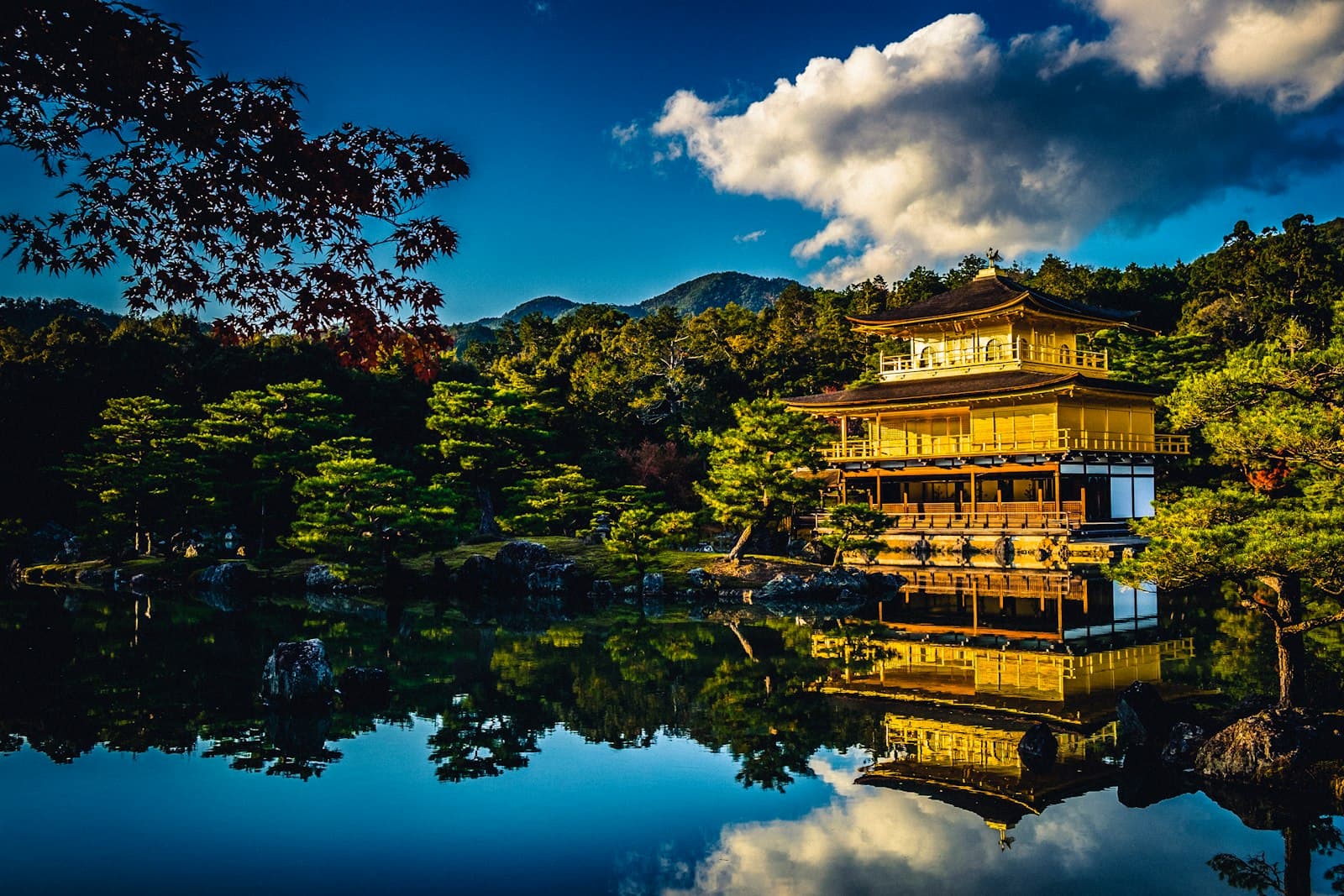
Kyoto Is The Sharp Edge
Kyoto City published an update dated February 17, 2026 about efforts to promote harmony between citizens’ lives and tourism. Kyoto City Tourism Association (DMO KYOTO) has also published sustainable tourism initiatives, including hands-free tourism measures.
If your program touches Gion, you need a conduct standard. Kyoto Travel’s “Gion manner” message instructs visitors not to stop, touch, follow, or take unauthorized photos or videos of geiko or maiko in the district.
This is not atmosphere. It is operations.
The Days Around The Event: Structure Without Babysitting

Guests will ask what to do. If you give them nothing, they will build their own plan, and you will inherit questions and last-minute requests that hit your schedule at the worst moments.
If you over-schedule them, the program becomes exhausting. People skip. Then you have empty seats and awkward timing gaps.
The best approach is optional structure: two or three strong anchors, plus open space.
What A Host Can Reasonably Offer
Offer clarity on the non-negotiables. Pickup times. Meeting points. Dress guidance. Any etiquette that prevents embarrassment. Then provide optional half-day modules that guests can join without penalty if they opt out.
In our experience, hosts do well with one cultural anchor and one food anchor. Not a checklist. A single good moment, properly timed.
Wabi-sabi helps here: restraint reads as confidence.
Hidden Japan Beats A Crowded Greatest-Hits List
Many hosts default to the Golden Route highlights because they are easy to describe. The problem is crowd density and guest fatigue. When you are responsible for a group, “easy to describe” is not the same as “easy to run.”
This is where hidden-Japan planning makes the program feel private without needing theatrics. A quieter garden at an off hour. A craft neighborhood with a single, focused visit. A meal with a clear beginning and end.
Less noise. Better memories.
Moving A Group That Does Not Know The Country
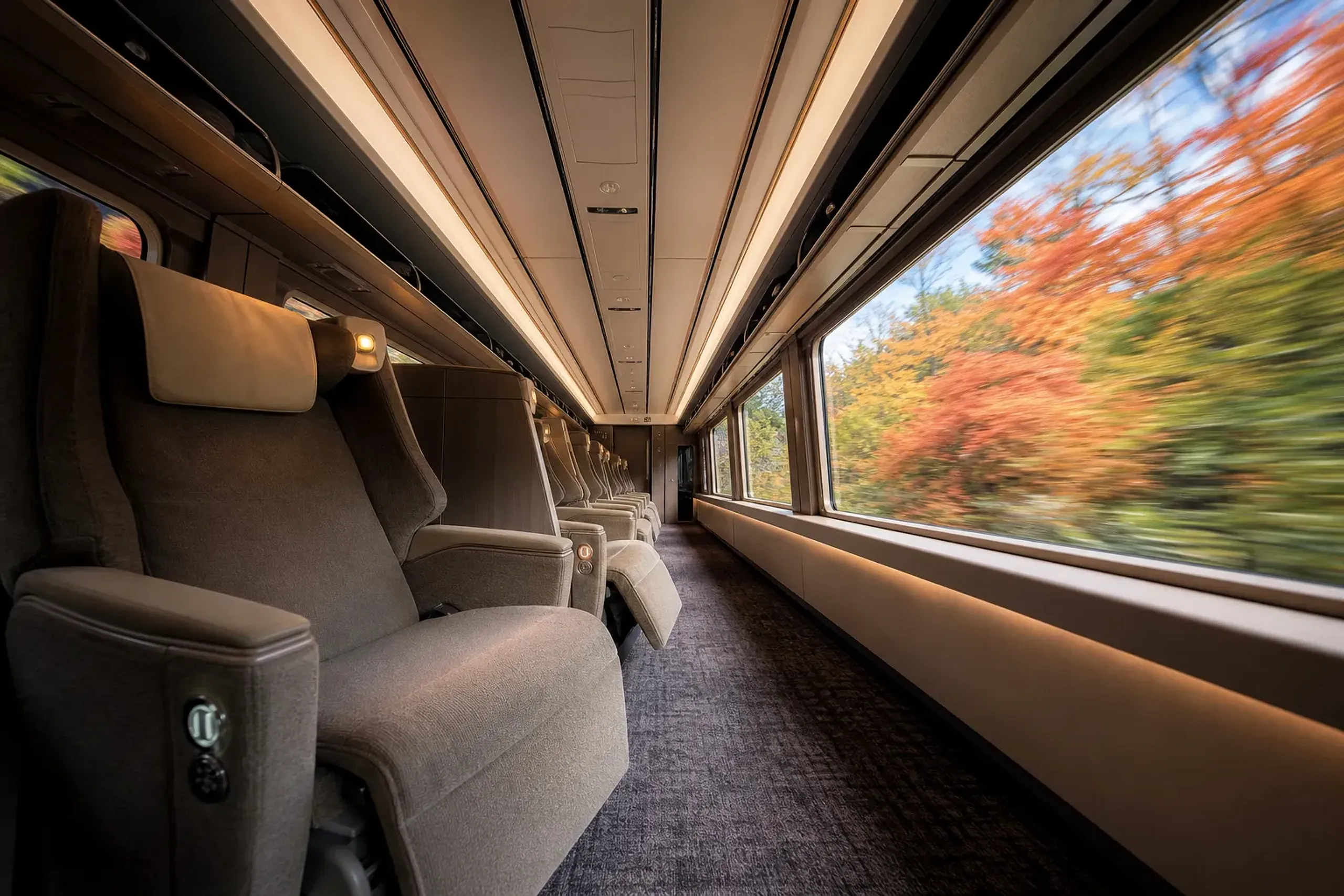
Japan’s rail system is excellent. It is also a maze when you are jet-lagged, carrying luggage, and trying to find the correct platform while keeping a group together.
For hosted programs, the question is not “car vs rail.” It’s where you can tolerate risk. Stations introduce dispersion: people get split, miss turns, and end up in the wrong car.
Chauffeured transport creates a single point of control. That matters.
When A Bus Wins, And When It Doesn’t
Buses are efficient for tight schedules and single-departure moments. Think: moving everyone from one hotel cluster to a single venue, then back again. It reduces coordination points.
Cars win when arrivals are staggered, when guests have different end points, or when privacy matters. They also win when you are staging pickups in areas where curb space is limited and you need flexibility.
One size does not fit.
Private Transportation: The Baseline For Hosted Confidence
When we talk about premium movement, we mean fewer decision points for guests. Door to door. Luggage handled with intention. No one being told to “just take a taxi.”
If you want to understand fleet and routing options, start with our guide to private transportation and compare it to the realities described in our published post “Cars or Rail in Japan: When Each One Actually Wins.”
It’s not glamour. It’s control.
What Guests Need To Know Before They Land
Your guests do not need a long PDF. They need a small set of answers they can trust, delivered early enough that they stop asking you in the middle of your workday.
They need to know where they are sleeping, how they are getting there, what the schedule is on the key day, and what to wear. That’s the core.
Everything else is optional.
The Pre-Arrival Information Checklist
- Arrival instructions: airport, timing windows, and where the pickup or meeting point is
- Hotel details: property name, check-in expectations, and how early arrivals are handled
- Event-day schedule: when to be ready, what is provided, and when it ends
- Dress guidance: what “appropriate” means in Japan for the venues you’ve chosen
- Transport plan: whether movement is grouped or staggered, and what to do if someone is delayed
- Visit Japan Web readiness: reminder to complete it, with QR/device backup guidance
Luggage Is Not A Minor Detail
Luggage is a time tax. It slows station transfers, complicates early check-ins, and creates a constant low-grade stress for guests who don’t want to drag suitcases through crowded areas.
Japan has strong luggage-forwarding culture, but the host’s job is to decide what the group standard will be, and when bags should move. If you want the mechanics, read our published post “Where Your Bags Are: Luggage on a Japan Itinerary.”
Ignore luggage planning and you will feel it every day.
Constraints Worth Planning For: Diet, Accessibility, Elderly Guests
In hosted programs, constraints are not edge cases. They are the program. One guest with a serious dietary restriction can reshape a dinner plan. One guest with limited mobility can reshape a day’s route.
Japan can be accommodating, but it is rarely improvisational at the last minute. Many venues need advance notice. Some traditional properties have stairs, low seating, or bathing setups that are not suitable for everyone.
Ask early. Confirm early. Then design around reality.
Dietary Requirements: Precision Beats Optimism
“No seafood” is simple. Severe allergies are not. Japan takes food seriously, and so should you, but you must translate needs into clear, practical constraints that kitchens can act on.
Expect that some venues cannot safely accommodate certain allergies. That is not a failure. It is a boundary. The host’s job is to route the group in a way that keeps everyone safe without turning meals into negotiations.
Be exact. Be calm.
Accessibility And Pace: Protect The Group’s Energy
If you have elderly guests, protect mornings. Build buffer time. Avoid forcing long stair climbs or extended standing in peak congestion areas.
This is also where wabi-sabi restraint improves outcomes: fewer stops, more time seated, and a program that feels considered rather than aggressive.
Fast itineraries look good on paper. They feel punishing in practice.
Scale Changes Everything: Twelve Guests Vs Eighty Guests
A twelve-guest hosted program can run with tight personalization. You can move in cars, adjust timing, and still keep a coherent shape. It can feel like a private house party that happens to be in Japan.
An eighty-guest program is a different species. You are now running zones, waves, and redundancies. Check-in becomes a process. Transport becomes staging. Dining becomes capacity management.
Same country. Different discipline.
How The Operating Model Shifts
With smaller groups, you can keep decisions fluid later in the timeline. With larger groups, you must lock basics earlier: accommodation distribution, transport routing, and the “what happens if” plans.
Large groups also create visibility. That affects discretion. It affects how you use hotel lobbies, where you stage pickups, and how you avoid turning a quiet venue into a spectacle.
Privacy is not a tagline. It is a set of choices.
A Simple Way To Think About Complexity
Every added guest adds questions. Every added hotel adds interfaces. Every added day adds risk. Your job as host is to decide where you want complexity to live: in the backend, or in your guests’ faces.
Put it in the backend. Always.
Responsible Routing In 2026: Discretion Includes Community Impact
Group travel in Japan is now watched more closely, especially in high-pressure districts. National and city-level overtourism measures are not theoretical, and Kyoto’s public guidance around behavior in places like Gion is explicit.
For hosts, this changes the bar. You don’t just plan a beautiful week. You plan a week that does not create friction for residents, staff, or other guests.
That is part of discretion, too.
What This Looks Like On The Ground
It looks like off-peak timing. It looks like not stopping a group in a narrow lane for photos. It looks like choosing experiences that are designed to receive guests, not experiences that depend on intrusion.
When guests want a geiko/maiko-style evening in Kyoto, there are public-facing options such as Gion Shizuka’s “Ozashiki Experience Plan,” which is described on its English reception page. Not every group needs it, and not every group suits it, but it is an example of an experience presented as open to the public in a controlled setting.
Pick what fits. Avoid what causes trouble.
How To Book Entry Steps And Reduce Airport Friction (Official Process)
Your guests will ask “what do I need to do before landing?” Keep the answer official and simple. Japan’s government agencies point travelers toward digital pre-arrival completion to smooth procedures.
Visit Japan Web (Immigration And Customs): What To Do
- What it is: Visit Japan Web is an online service described by Japan’s Digital Agency to complete arrival procedures (immigration, customs) and tax-free shopping service online.
- Why it matters for groups: it can reduce friction at arrival by keeping information consistent and ready to present.
- Operational tip: ensure guests have device access on arrival (battery, QR availability) and a fallback plan if a phone fails.
JAPAN eVISA (If Eligible): What To Do
- What it is: Japan’s Ministry of Foreign Affairs states the JAPAN eVISA system enables eligible foreign nationals to apply online for a visa for short-term tourism, with an availability update noted May 15, 2026.
- What hosts should do: identify early who may need a visa path, and confirm eligibility and timing based on official MOFA guidance.
For questions about how these steps interact with your schedule, airport windows, and guest readiness, contact our concierge team privately.
Why Choose Japan Royal Service
You are not trying to “plan a nice itinerary.” You are trying to run a multi-day operation in Japan that protects your guests, your reputation, and your time. Our team at Japan Royal Service is built for that host mindset.
We focus on four things hosts actually feel: discretion (zero-leak privacy), wabi-sabi restraint (fewer moving parts, higher quality moments), hidden-Japan routing that avoids needless crowd friction, and shokunin-level standards when cultural experiences are part of the week.
Scope matters. Japan Royal Service handles venues, accommodation, transport, and guest logistics. We do not handle ceremony content, officiants, legal marriage, or shrine arrangements. If your plan includes those elements, we’ll keep our role clean and coordinate around them, not through them.
For private coordination, reach our team directly via WhatsApp or LINE, or contact us here.