
In this guide
- 01What “By Invitation Only” Really Means In Japan’s Craft World
- 02Why Craft Collectors Are Turning Toward Kogei (And Away From Noise)
- 03A Collector-Grade Kogei Route: Real Anchors, Then Private Upgrades
- 04How Invitation-Only Access Is Built (Without Breaking Trust)
- 05Commissioning And Acquisition: The Bespoke Process VHNW Guests Expect
- 06The Role Of Specialized Luxury Interpreters In High-Register Craft Settings
- 07Discreet Logistics: Private Transport And Timing That Protect The Day
- 08How To Plan And “Book” Craft Access Responsibly (Without False Promises)
- 09FAQ: VVIP Artisan Access In Japan
- 10Why Choose Japan Royal Service
There is a version of Japan that never appears on booking sites. No signboard. No public schedule. Just a door that opens when the introduction is right.
For VHNW travelers, this is often the real challenge. Not finding “a craft experience.” Finding a quiet, legitimate path into a working lineage—without disrupting it, commodifying it, or turning it into content.
Our team at Japan Royal Service approaches artisan access the way Japan’s best ateliers do. Patiently. Precisely. With discretion as the baseline, and wabi-sabi restraint as the taste level that keeps everything from becoming a spectacle.
What “By Invitation Only” Really Means In Japan’s Craft World
In Japan’s craft world, access begins with restraint—and the right introduction.
Invitation-only is not a marketing phrase in Japan. It is a social mechanism that protects craft lineages, apprentices, patrons, and a workshop’s daily rhythm.
That rhythm is fragile. A lacquer studio cannot pause mid-process for photos. A ceramics kiln schedule does not bend to a late arrival. A blade-maker’s work is not a performance.
So “by invitation” usually means one of two things. Either the visit is mediated through an institution that already has a relationship, or it happens through a chain of introductions built on trust over time. Nothing else works.
Public Workshops Vs. Private Atelier Access
Japan has excellent public-facing craft programs, and they are worth doing. They are structured, predictable, and designed to welcome first-time visitors.
Private atelier access is different. It is quieter, smaller, and shaped around the maker’s workday. It can also include collector-grade steps—documentation, provenance context, and serious commissioning conversations—handled with proper etiquette and language support.
Key fact: In our experience, the fastest way to lose access is to treat a working studio like a tourist stop. “By invitation only” is earned behavior, not a fee.
Why Craft Collectors Are Turning Toward Kogei (And Away From Noise)
Kogei sits in a rare place. It is both deeply Japanese and increasingly legible to global collectors—objects with use, lineage, and material truth, rather than a headline and a hype cycle.
That shift is visible in 2026 programming. Remote Lands has published a small-group journey titled “KOGEI: A Journey Through Japan’s Living National Treasures,” scheduled for Nov 12–22, 2026, limited to up to 14 guests, spanning Tokyo, Kyoto, Yamanaka Onsen, Kanazawa, and Kurashiki.
We mention that not as an endorsement, but as market proof. Serious buyers are moving from “shopping” to patronage. And they want the process to feel calm.
What VHNW Guests Usually Want (But Rarely Say Out Loud)
They want time, not itinerary pressure. They want to walk into a studio and feel that nothing has been staged.
They also want discretion. Not just “privacy,” but zero-leak privacy—no casual mentions, no identifiable photos, no staff gossip, no lingering digital trail.
And they want wabi-sabi, not ostentation. The mossy quiet of a workshop courtyard beats a loud luxury label. Every time.
A Collector-Grade Kogei Route: Real Anchors, Then Private Upgrades
Objects first. Noise last.
True invitation-based access cannot be promised publicly, and it should not be. What we can do—openly and accurately—is show the real, verifiable anchor points by region, then explain how private upgrades are typically approached in Japan.
Think of it like a museum’s study room. The institution is public. The deeper layer requires permission, timing, and trust.
Kanazawa: Gold Leaf, Kaga Inlay, And A Serious Craft Ecosystem
Kanazawa is not a “cute craft town.” It is an industrial-scale craft capital, with living techniques that still supply working ateliers and contemporary makers.
JNTO states Kanazawa is home to 99% of Japan’s domestically produced gold leaf. That dominance shows up everywhere—from architecture details to objects designed to be used, not just displayed.
- HAKUICHI offers gold-leafing experiences at its Kanazawa locations, including Main Store HAKUKOKAN and Kanazawa Bikazari Asano, and notes it can accommodate from one person up to groups (stated up to 70).
- Visit Kanazawa lists a “Private Masterclass with a Kanazawa Artisan” within its Kaga inlay activity content, positioned as a private masterclass format.
Where private access becomes meaningful is after that first layer. A collector may want a quiet studio viewing, a discussion of technique constraints, and a commissioning conversation that respects the maker’s lead times and material reality.
Wajima (Ishikawa): Wajima-Nuri And The Discipline Of Lacquer
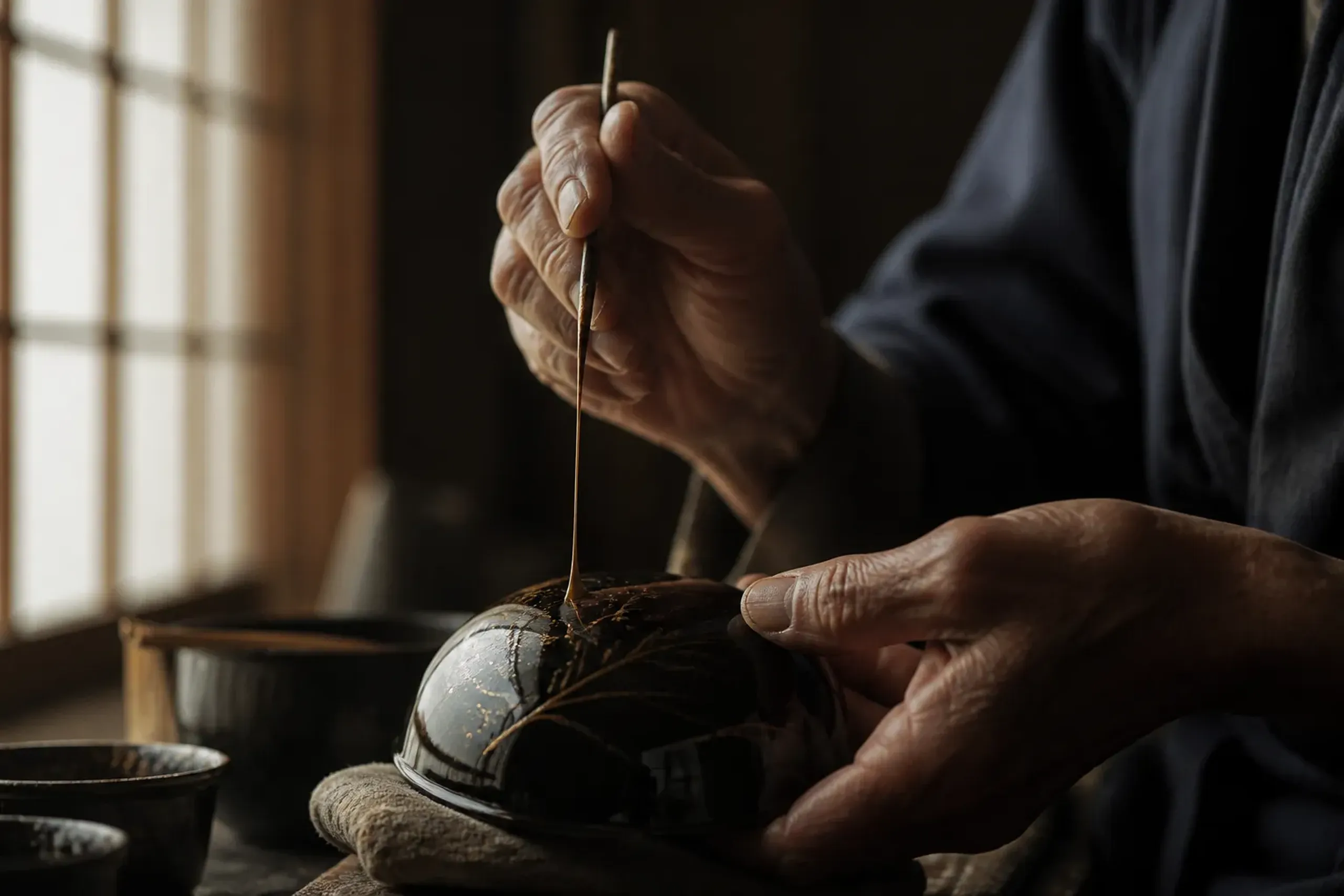
Lacquer is not forgiving. Dust, temperature, humidity, and timing all matter, and that is why lacquer workshops often keep visits controlled.
Wajima Kobo Nagaya (Wajima City, Ishikawa) states it offers workshop tours, hands-on production experiences, and purchasing related to lacquer (Wajima-nuri). This is a legitimate starting point for understanding the craft in context.
For VVIP guests, the best outcome is not “access at any cost.” It is access that leaves the studio intact—no disruption, no forced photos, no careless handling of unfinished work.
Kyoto: Tea Discipline As Cultural Literacy (Urasenke)
When a guest tells us they want “master artisans,” we often recommend learning the etiquette architecture first. Tea is one of the cleanest ways to do that.
The Urasenke Center in Kyoto offers a “Chanoyu Experience” by reservation when exhibitions are showing in the galleries; participation is tied to the exhibition admission fee. It is a public, verifiable way to enter a high-register cultural space without pretending you belong there on day one.
After that, atelier visits—when appropriate—feel less extractive. The guest already knows how to move, how to wait, and how to listen through silence. Small thing. Huge difference.
Seki (Gifu): Sword Heritage With Clear 2026 Practicalities
Seki’s sword heritage is real, and it is also a place where logistics matter. In 2026, some visitors will arrive expecting a full museum experience and find a partial closure instead.
The Seki Traditional Swordsmith Museum (関鍛冶伝承館) announced that due to a planned renovation in Reiwa 8 (2026), from June 22, 2026, the 2nd-floor exhibition room will be closed for the time being, while the 1st-floor permanent exhibition remains open (with full-closure dates to be announced later).
That detail seems minor. It is not. It affects whether you build Seki as a primary day or as a quiet add-on, and whether you pair it with other Gifu or Nagoya-area cultural stops.
2026 Signals: Pokémon X Kogei And KOGEI Art Fair Kanazawa
Mainstream demand is a double-edged blade. It brings visibility, and it brings crowds.
The Pokémon x Kogei exhibition’s official site shows 2026 as the final year of its Japan tour, with confirmed showings beginning in Hokkaido, followed by Miyagi and Hiroshima. For some families, it is a friendly bridge into craft interest.
For collectors, KOGEI Art Fair Kanazawa has announced 2026 dates of Nov 27–29, 2026. Fairs can be useful for establishing gallery relationships, then returning later for slower studio conversations—when the noise drops.
How Invitation-Only Access Is Built (Without Breaking Trust)
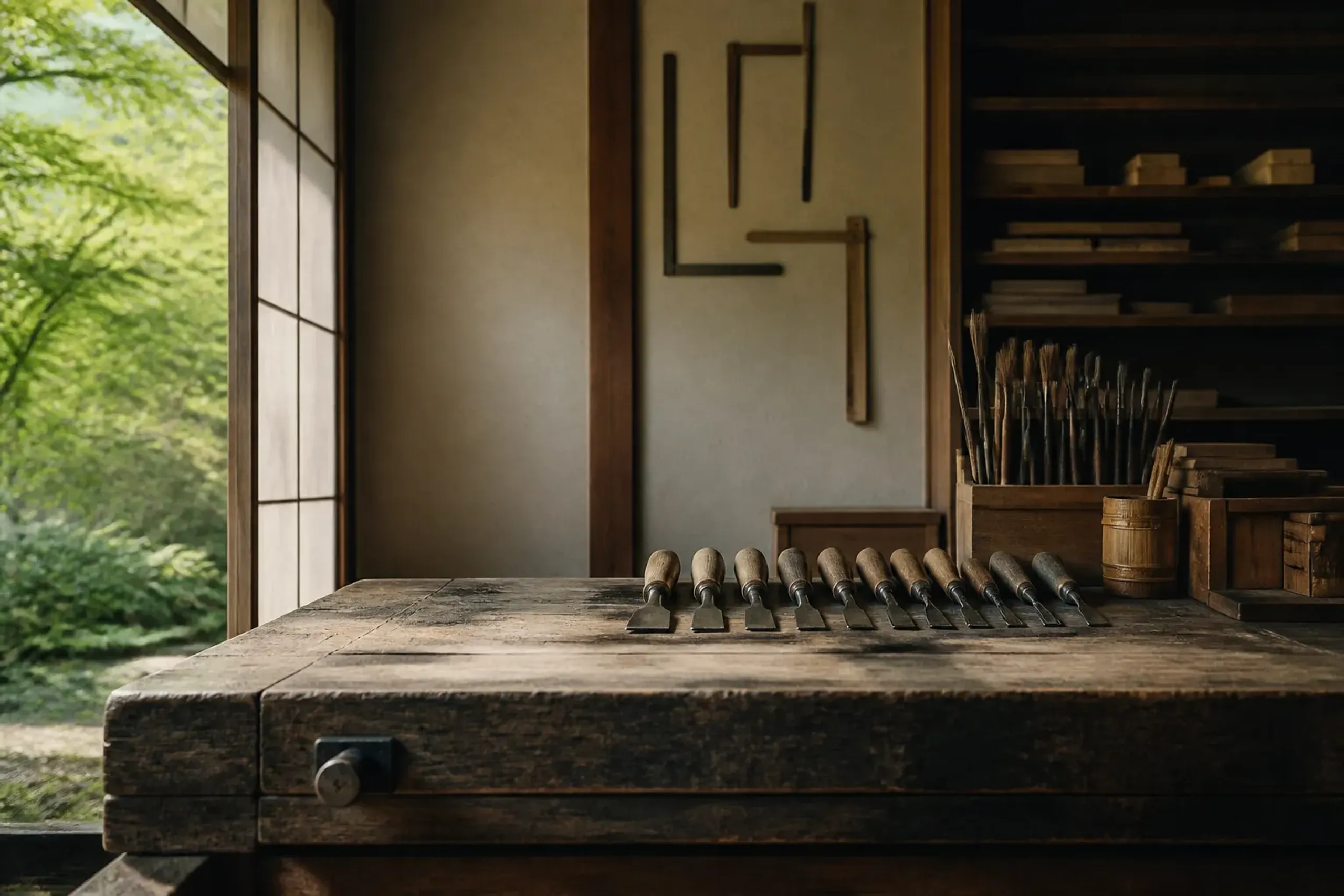
The goal is not access at any cost. It is access that protects the workday.
There is a myth that money solves introductions. In Japan’s craft world, blunt wealth often does the opposite.
Introductions are built through credible intermediaries, respectful timing, and behavior that protects a maker’s day. It is closer to being admitted to a private members’ space than to buying a ticket.
Three Legitimate Pathways That Do Not Rely On Luck
- Institution-led entry points: municipal craft centers, reputable galleries, museums, and official cultural programs that already host makers in an appropriate frame.
- Region relationships: returning to the same craft area across multiple visits, building a “second hometown” cadence where your presence becomes familiar rather than extractive.
- Patronage behaviors: commissioning with realistic timelines, accepting technique limits, and handling intellectual property and photography permissions with care.
Access Etiquette That Experienced Guests Still Get Wrong
Even seasoned luxury travelers misread Japan’s signals. A polite “it may be difficult” is often a firm no.
These rules keep doors open:
- Keep party size tight. Two to four guests is often the most workable range for a serious studio visit.
- Arrive early. Five minutes late can collapse the entire cadence of a workshop day.
- Assume photography is restricted. Ask first, accept “no,” and never publish identifiable details without permission.
- Dress quietly. No strong fragrance. No loud accessories that can scratch surfaces.
Commissioning And Acquisition: The Bespoke Process VHNW Guests Expect
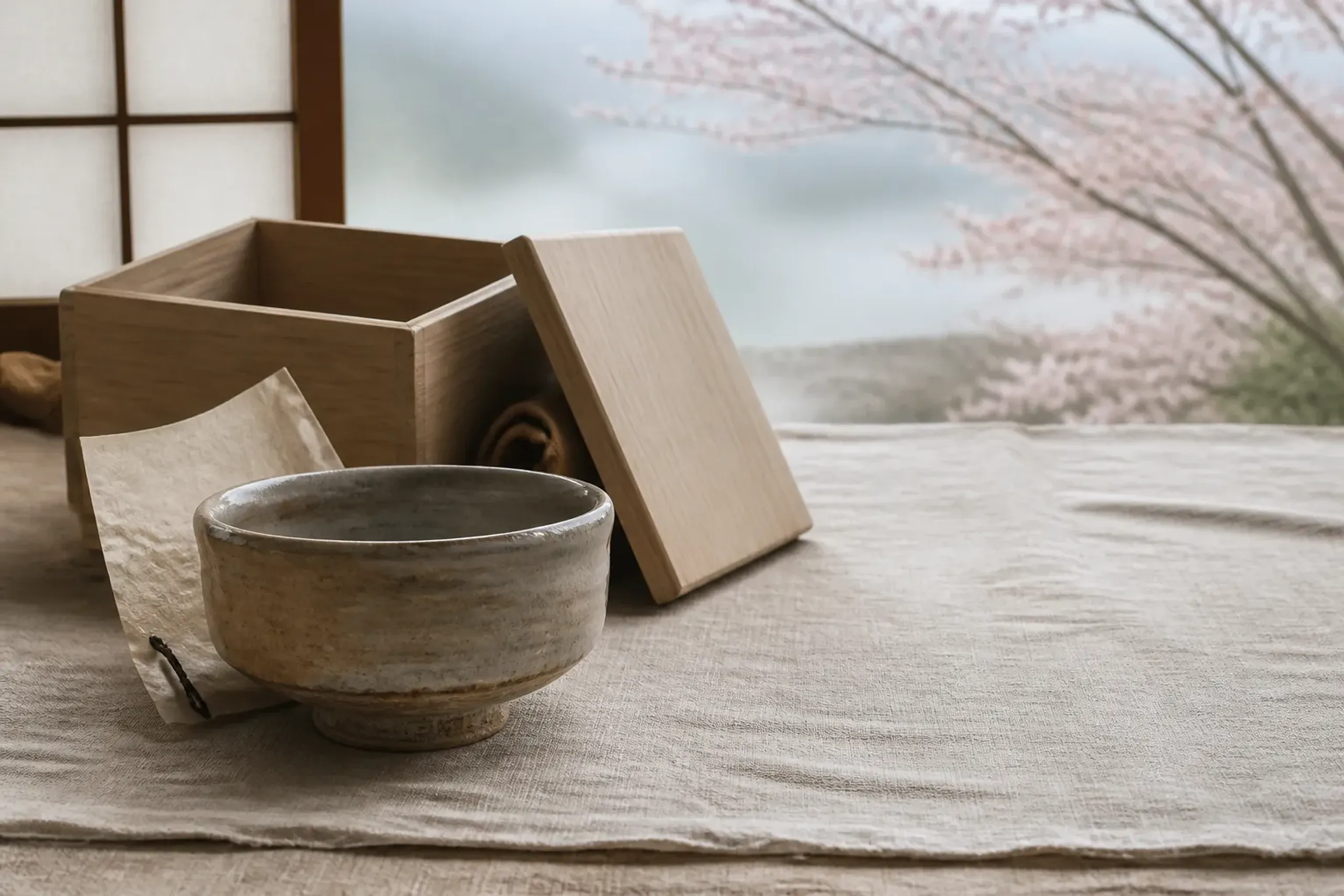
A commission is a relationship, not a souvenir.
A studio visit is only the beginning. The real value, for many VHNW collectors, is a piece that will live with their family for decades.
Commissioning in Japan is often slower than Western buyers expect. That slowness is part of the quality. Big mistake: rushing it.
What A Proper Commission Conversation Covers
We guide clients to treat a commission like a design brief with humility. The maker leads; the patron clarifies intent.
- Use case: display piece, daily use, ceremonial use, gifting, or legacy collection.
- Material realities: lacquer curing, kiln schedules, metalwork lead times, seasonal constraints.
- Size and storage: where it will live, how it will be handled, light and humidity exposure.
- Documentation: what can be provided as provenance context, maker notes, and care guidance.
Provenance, Shipping, And Insurance (Handled Quietly)
Collector-grade acquisition is not only about the object. It is also about how it moves through the world without damage, confusion, or unwanted attention.
In our experience, the best practice is conservative. Minimal disclosure, careful packaging, and clear records held privately by the client.
Guests who want tailored guidance on these steps can speak with our concierge team directly. Discretion first.
The Role Of Specialized Luxury Interpreters In High-Register Craft Settings
Translation is not the hard part. Register is.
A master artisan may communicate through understatement, pauses, and technical vocabulary that does not map cleanly into English. A literal interpreter can miss the point. A good one catches the intent and preserves respect.
When we build craft-focused days, we think about three layers: technical accuracy, etiquette, and the guest’s own voice. One wrong tone can close a door for years.
When To Use An Interpreter Vs. When To Stay Quiet
Some moments require language support. Discussing materials, commissioning constraints, or care instructions is one.
Other moments are better left unfilled. Watching an artisan work is not a meeting. Silence can be the polite choice.
Discreet Logistics: Private Transport And Timing That Protect The Day

Controlled arrivals keep high-register days calm.
Craft access lives or dies on logistics. Not the glamorous kind. The unromantic kind: punctuality, controlled arrivals, and the ability to change course without making a scene.
That is why many VHNW guests choose private transportation for craft days. You avoid public friction, keep your schedule tight, and arrive with the calm that serious ateliers expect.
Vehicle Matching: Quiet Comfort Without Drawing Attention
Our fleet ranges from flagship options like the Lexus LM 500 to executive group transport such as the Mercedes V-Class, with refined alternatives like the Toyota Executive Alphard, Vellfire, and Granace.
For larger families or teams, options include the Hiace Grand Cabin, Mercedes Sprinter Van, and Toyota Coaster (microbus). The point is not to impress strangers. It is to move in a way that feels controlled.
Timing Strategy: The Anti-Crowd Approach
- Start early to meet makers before their day becomes noisy.
- Build decompression gaps between stops so you are not rushing into a high-register setting.
- Keep a second plan for weather, traffic, or last-minute workshop constraints.
How To Plan And “Book” Craft Access Responsibly (Without False Promises)
Many travelers search for “how to book a master artisan visit in Japan.” The honest answer is that it depends on which layer you mean: public programs or private introductions.
For Public, Verifiable Craft Programs
- Urasenke Center (Kyoto): The Chanoyu Experience is offered by reservation when exhibitions are showing in the galleries; participation is tied to the exhibition admission fee. Booking is handled through the Urasenke Center’s published guidance.
- HAKUICHI (Kanazawa): Gold-leafing experiences are offered at its Kanazawa locations, with capacity notes published by HAKUICHI. Booking is done via HAKUICHI’s official experience information.
- Wajima Kobo Nagaya (Wajima): The facility states it offers workshop tours and hands-on experiences related to Wajima-nuri. Booking follows its official visitor guidance.
For questions, contact our concierge.
For Invitation-Only Studio Time
There is no universal public booking button. Access is typically built through introductions, timing, and consent—often in coordination with local institutions or existing networks.
If you want to explore what may be realistic for your dates, party size, and collecting goals, our team can share tailored guidance privately. We keep these conversations discreet for the maker and for you.
FAQ: VVIP Artisan Access In Japan
Is “Living National Treasure” access something a traveler can request?
It can be discussed, but it is not a commodity. Some journeys in the market publish “Living National Treasures” access as part of a set program—Remote Lands, for example, has published a Nov 12–22, 2026 kogei journey limited to up to 14 guests. Private requests still depend on timing, consent, and relationships.
What regions are strongest for serious craft travel?
Kanazawa is a major anchor, including gold leaf and other craft ecosystems. Wajima is a serious lacquer region. Kyoto is essential for cultural literacy, including formal tea contexts like Urasenke. Seki has deep sword heritage, with practical 2026 museum exhibition limitations to factor in.
Can I commission ceramics, lacquer, or knives during a trip?
Commissioning may be possible depending on the maker’s practice and schedule. The key is to approach it as patronage: realistic lead times, clear use case, and respect for technique constraints. Our concierge can advise on how these conversations are typically handled in Japan.
How private can this kind of trip be?
Privacy depends on your choices. Small party size, controlled transport, conservative photography, and quiet scheduling help. Discretion is not an “add-on” for us; it is the base layer.
Is it better to visit during a craft fair week?
It depends on your goal. Fairs like KOGEI Art Fair Kanazawa (Nov 27–29, 2026) can be useful for meeting galleries and seeing breadth. For studio visits, calmer weeks can be better for everyone involved.
Why Choose Japan Royal Service
Luxury competitors can sell you “private experiences.” Our team at Japan Royal Service is built for the harder brief: hidden-Japan access that respects craft lineages, wabi-sabi restraint that keeps the trip from feeling performative, and discretion that protects your identity and itinerary end-to-end.
We also bring practical control to days that must run cleanly—especially when you are moving between regions, ateliers, and institutions with very different rules. A tailor-made itinerary is only as good as its tone, timing, and ethics. That is where we tend to win.
For private coordination and tailored guidance, reach our team privately via WhatsApp or LINE, or contact us here.