In this guide
- 01Gion Or Miyagawa-cho: The Neighborhood Decides More Than You Think
- 02Design And Atmosphere: Heritage Institution Or Quiet Contemporary Craft
- 03Service Temperament: Formal Register Or Curated Ease
- 04Evenings And Dining: Where The Two Houses Diverge Most
- 05The Facts, Side By Side
- 06Spring In The Kagai: Timing Your Stay Around Haru No Odori
- 07The Verdict: Choose Capella If, Choose Imperial If
- 08Booking Windows And What Is Operating Now
- 09Why Choose Japan Royal Service
Kyoto rarely gains a true luxury anchor. In March 2026 it gained two — nineteen days apart, in adjacent historic districts, each with a claim on your next stay. The Imperial Hotel, Kyoto opened on March 5 inside Gion's Yasaka Kaikan, a registered Tangible Cultural Property. Capella Kyoto followed on March 22, a Kengo Kuma & Associates design set in Miyagawa-cho, the working geiko district beside the Kamo River.
A good problem. Also a real one.
Our team at Japan Royal Service has fielded the same question from clients since both properties began accepting reservations: which one? The honest answer is that these are not interchangeable hotels with different logos. They are different characters entirely — a heritage institution with a formal register on one side, a design-led contemporary house embedded in a living neighborhood on the other. This guide is built to get you to a decision, not to admire both in parallel.
Gion Or Miyagawa-cho: The Neighborhood Decides More Than You Think
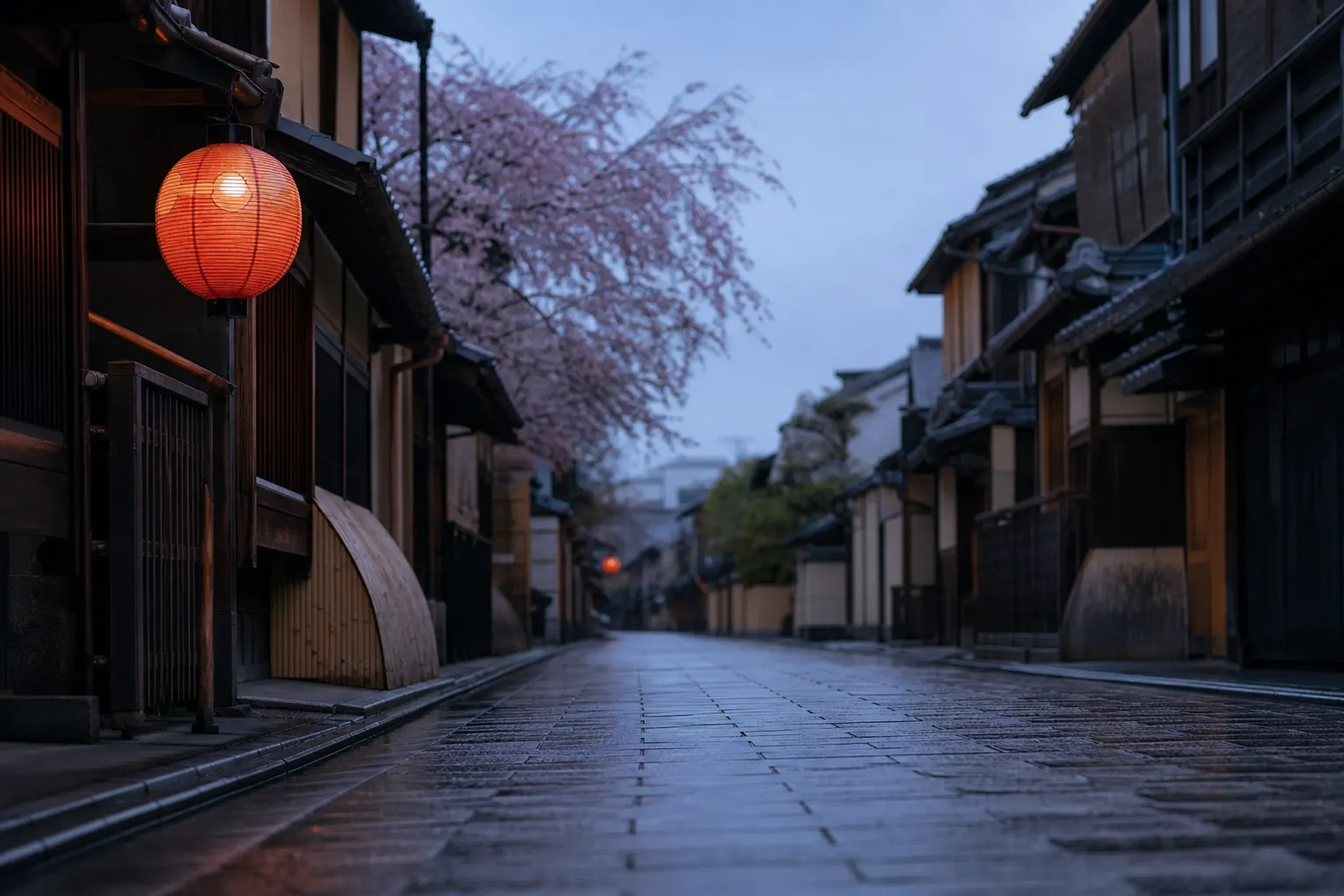
Start with the ground beneath each lobby, because it shapes everything else.
The Imperial sits on Gionmachi Minamigawa in Higashiyama-ku — Gion proper, the most photographed of Kyoto's five kagai, the entertainment districts where geiko still train in dance, music, and tea. Gion carries prestige and it carries foot traffic. By mid-morning the main lanes fill; by dusk they thin again, and the district's older rhythm resurfaces. Staying inside Gion means you inhabit that cycle rather than commuting into it. Early risers win here. Decisively.
Capella Kyoto sits one district south, in Miyagawa-cho, on the former grounds of Shinmichi Elementary School between the district's Kaburenjo theatre and Kenninji, Kyoto's oldest Zen temple. Miyagawa-cho draws a fraction of Gion's crowds while remaining a genuine kagai — the broader development even includes the restored Kaburenjo itself. The Kamo River is steps away. For guests who prize quiet arrivals and unremarked comings and goings, this geography is the stronger card. It is, frankly, the closer of the two to what we mean by hidden Japan: a district most visitors walk past without knowing what it is.
Both addresses are minutes apart by car. A private chauffeured transfer from Kansai International Airport reaches either door in roughly ninety minutes to two hours depending on traffic, and once you are in Higashiyama, almost everything that matters is walkable.
Design And Atmosphere: Heritage Institution Or Quiet Contemporary Craft
The Imperial Hotel, Kyoto is an act of adaptive reuse. Its 55 rooms split across two wings: a Main Building woven into the Yasaka Kaikan heritage structure, and a newly built North Building shaped to sit politely within the Gion streetscape. The result reads as continuity — the Imperial brand's century of formal hospitality translated into Kyoto's oldest quarter. This is imperial-class atmosphere in the literal sense: a state-guest lineage of hotelkeeping, applied at small scale. Fifty-five keys is boutique by any measure, and unusually intimate for the Imperial name.
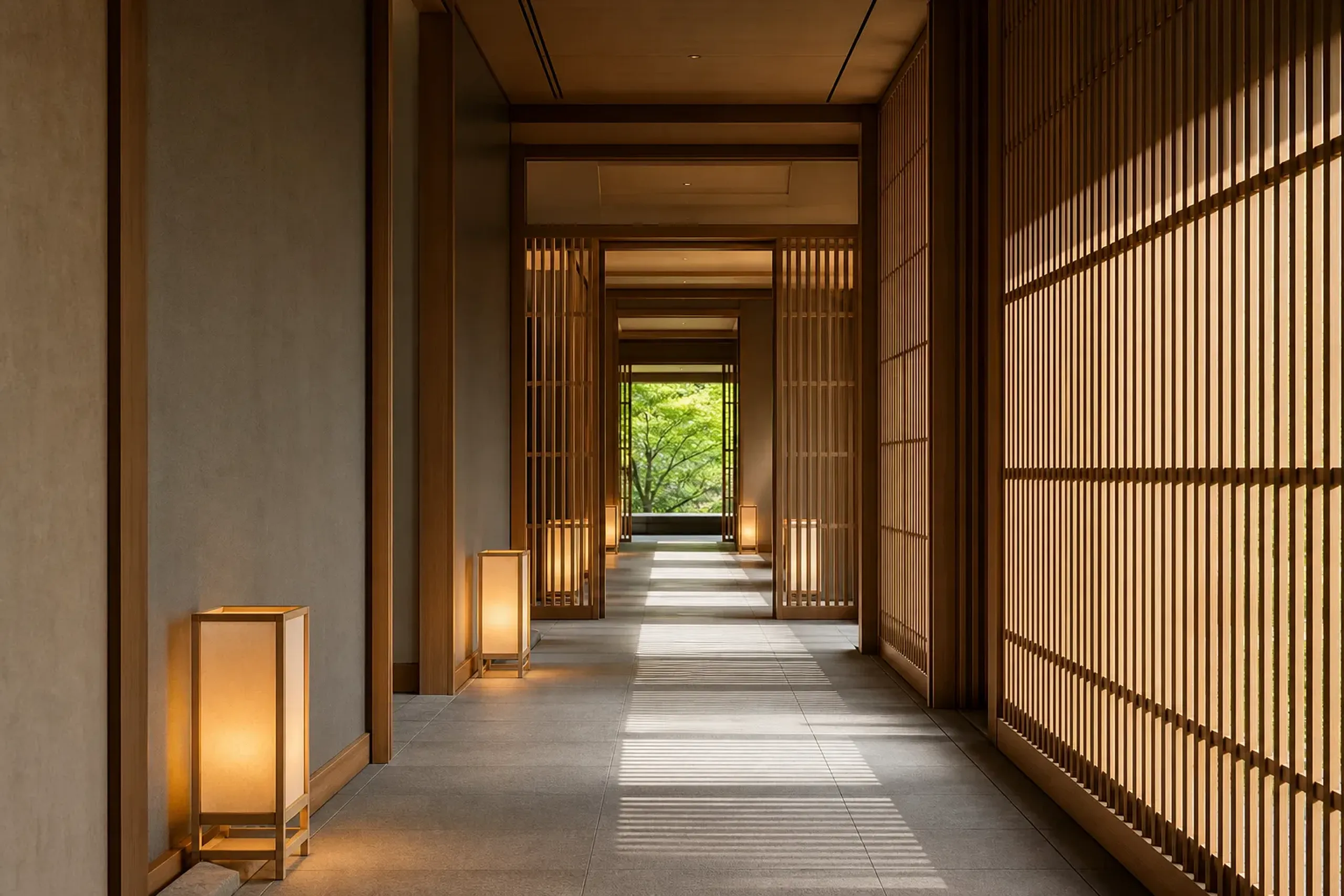
Capella Kyoto is larger, at 89 rooms including 29 suites, and newer in spirit. Kengo Kuma & Associates handled the architecture, with Brewin Design Office credited on interiors in Capella's own materials. Expect the vocabulary Kuma is known for — natural materials, layered screens, controlled light — rather than gilt or spectacle. If wabi-sabi means anything in a modern hotel, it means this: restraint chosen deliberately, texture over shine. Design-literate travelers will recognize the intent within the first corridor.
So the atmospheric contrast is sharp. The Imperial feels like joining an institution mid-sentence. Capella feels like a new argument about what a Kyoto hotel should be.
Service Temperament: Formal Register Or Curated Ease
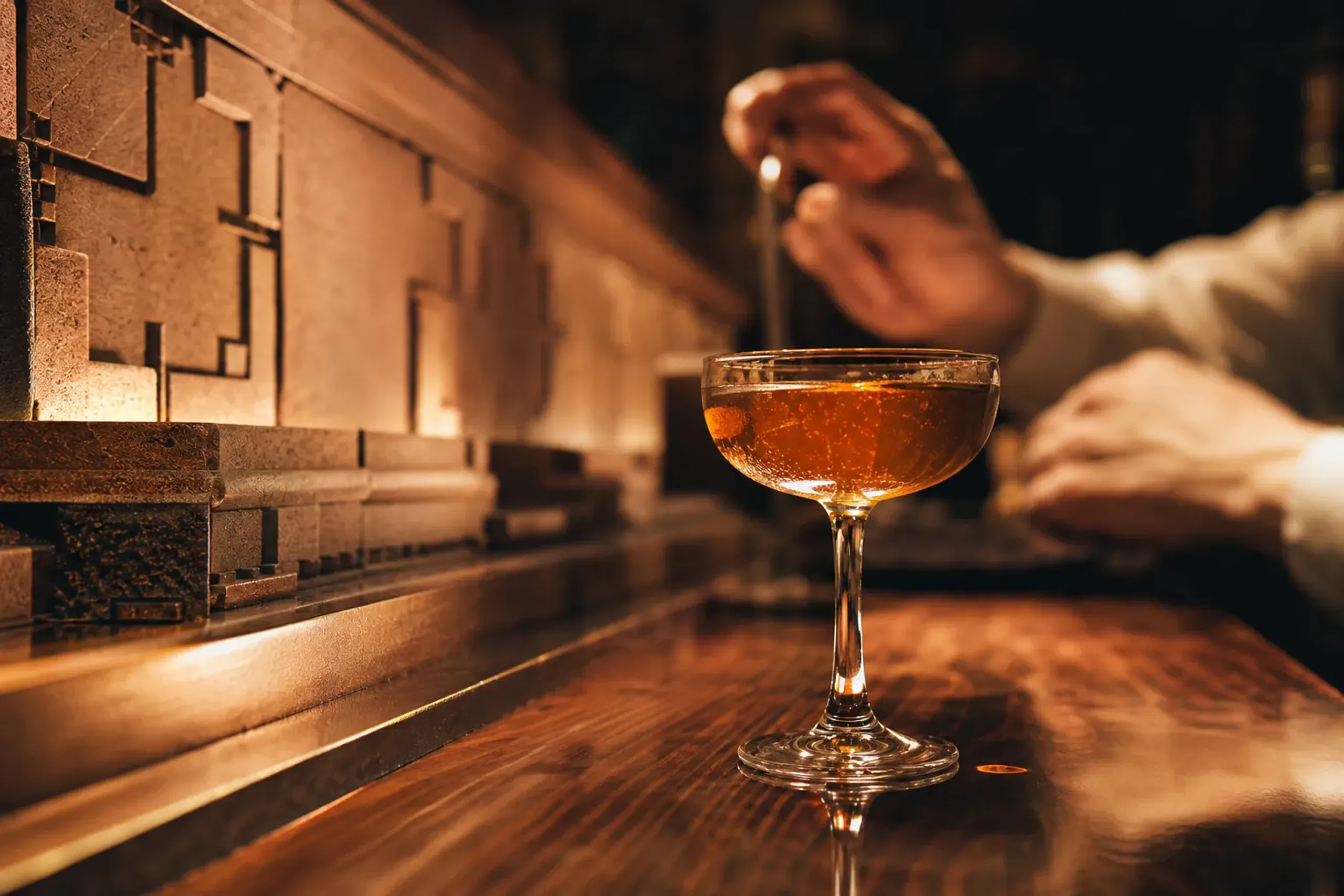
Service is where guests most often mis-choose, in our experience, because brochures cannot convey temperament.
The Imperial's register is formal. Precise, ceremonious, hierarchical in the best sense — the style refined over generations of hosting dignitaries in Tokyo, now compressed into a 55-room house. Guests who enjoy protocol, who like a bar with lineage (the property's OLD IMPERIAL BAR carries the brand's signature bar tradition into Kyoto), and who read formality as respect will feel immediately at home. Guests who find ceremony heavy may not.
Capella's model runs warmer and looser. The brand builds service around dedicated cultural hosts and in-house programming — a curated-ease approach rather than a ceremonial one. It suits travelers who want a hotel to open doors into the neighborhood: the temple next door, the theatre across the lane, the district's own calendar. Less bowing. More introducing.
Neither is superior. One will fit you and one will not, which is precisely why this decision deserves more than a glance at room photography.
Evenings And Dining: Where The Two Houses Diverge Most
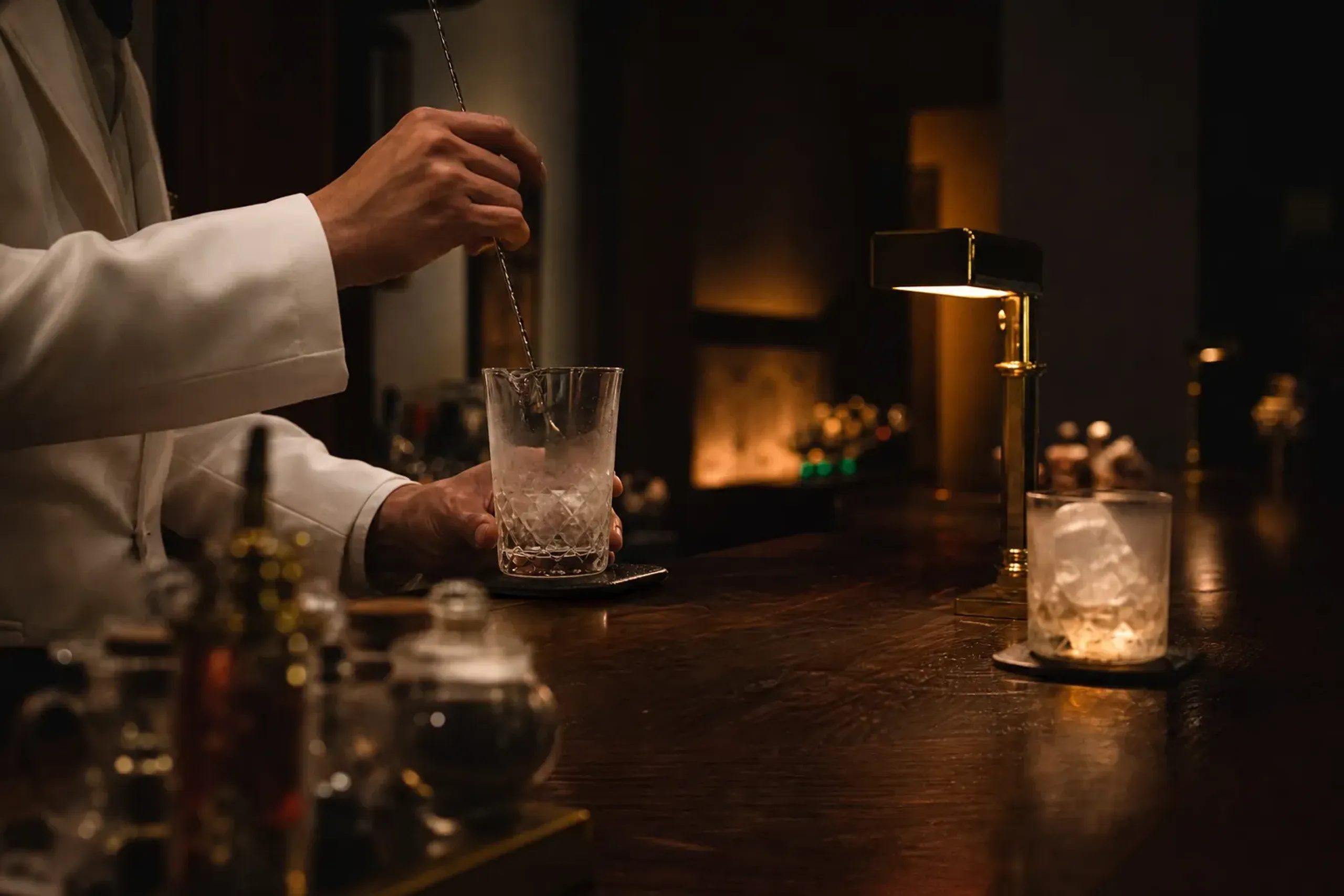
Evenings expose the difference in character faster than anything else.
At The Imperial: The Bar As Anchor
The Imperial Hotel, Kyoto brings its signature OLD IMPERIAL BAR to Gion, alongside its restaurants — Travel + Leisure's early review counted two dining venues plus spa, pool, and bar among the facilities. The pull here is ritual: a properly made cocktail in a room that takes its own history seriously, ten minutes' walk from wherever you dined. For guests who structure evenings around a nightcap rather than a tasting menu, this is the stronger base.
At Capella: A Destination Restaurant In-House
Capella Kyoto's dining program has drawn attention for SoNoMa by SingleThread, the Kyoto expression of the celebrated Northern California restaurant — reported widely around the opening as a primary reason to stay. Travelers who build itineraries around culinary reservations, and who want the hardest table of the trip to be an elevator ride away, should weight this heavily. Book early. New-opening restaurants in Kyoto fill their calendars fast, and spring dates go first.
Either way, the surrounding lanes hold the deeper story: the kaiseki counters and introduction-only rooms of Gion and Miyagawa-cho that no search engine will surface for you. Those doors open by referral, and we discuss them privately, never in print.
The Facts, Side By Side
Judgment above; specifications below. Here is the verified picture as of publication.
| Imperial Hotel, Kyoto | Capella Kyoto | |
|---|---|---|
| Opened | March 5, 2026 | March 22, 2026 |
| District | Gion (Gionmachi Minamigawa, Higashiyama-ku) | Miyagawa-cho, beside Kenninji and the Kamo River |
| Rooms | 55, across a heritage Main Building (Yasaka Kaikan) and new North Building | 89, including 29 suites |
| Design Identity | Adaptive reuse of a registered Tangible Cultural Property | New build by Kengo Kuma & Associates, interiors with Brewin Design Office |
| Signature Spaces | OLD IMPERIAL BAR; restaurants; pool, sauna, thermal baths, spa | Dining including SoNoMa by SingleThread; adjacent restored Kaburenjo theatre within the development |
| Character In One Line | A heritage institution, formal and intimate | Contemporary craft embedded in a working geiko district |
Spring In The Kagai: Timing Your Stay Around Haru No Odori
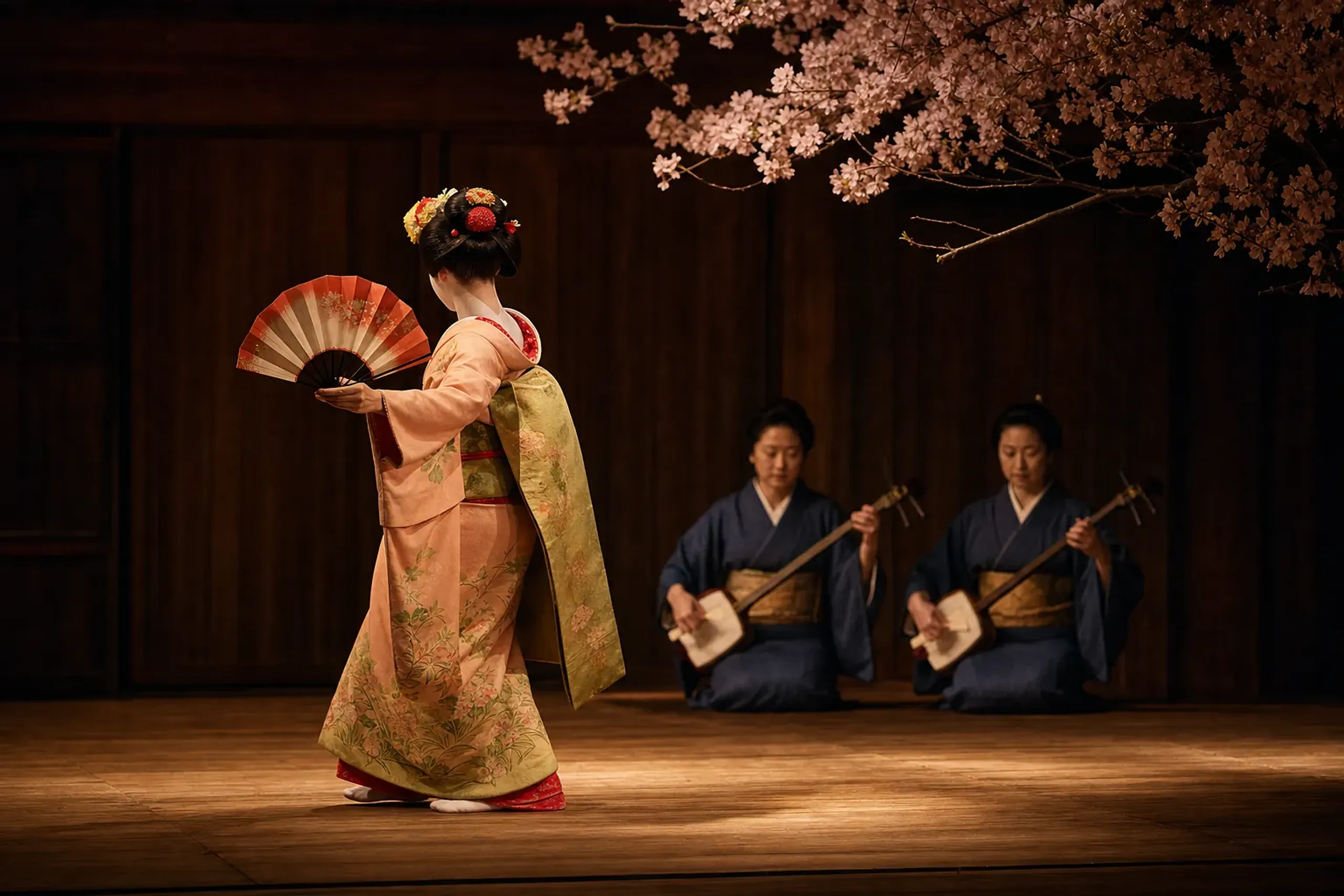
Both hotels sit in or beside Kyoto's kagai — Gion Kobu and Miyagawa-cho among the city's five geiko districts. That location becomes most valuable in spring.
From late March through May, the Haru no Odori spring dances run across four districts — Gion Kobu, Miyagawa-cho, Pontocho, and Kamishichiken — performed at Kaburenjo theatres and other venues, as described by Kyoto's official tourism site. These are public performances with published schedules. They are also the most legitimate way to see geiko and maiko artistry, and staying at either hotel puts a theatre within a short walk. Capella's position beside the Miyagawa-cho Kaburenjo is, in this season, a quiet trump card.
A word of caution: be wary of marketing that promises "private geisha shows" on demand. The ochaya world operates on introduction, not transaction. Public performances are open to all; the private rooms behind them are a matter of relationships built over years, and any conversation about them belongs offline.
Key fact: Both properties opened in March 2026 and, like most new hotels, may phase in facilities. Travel + Leisure's early review of the Imperial noted the fitness center, saunas, and Japanese deep soaking tubs were not yet open at the time of the reviewer's stay. Confirm current facility status directly with each hotel before you commit dates.
The Verdict: Choose Capella If, Choose Imperial If
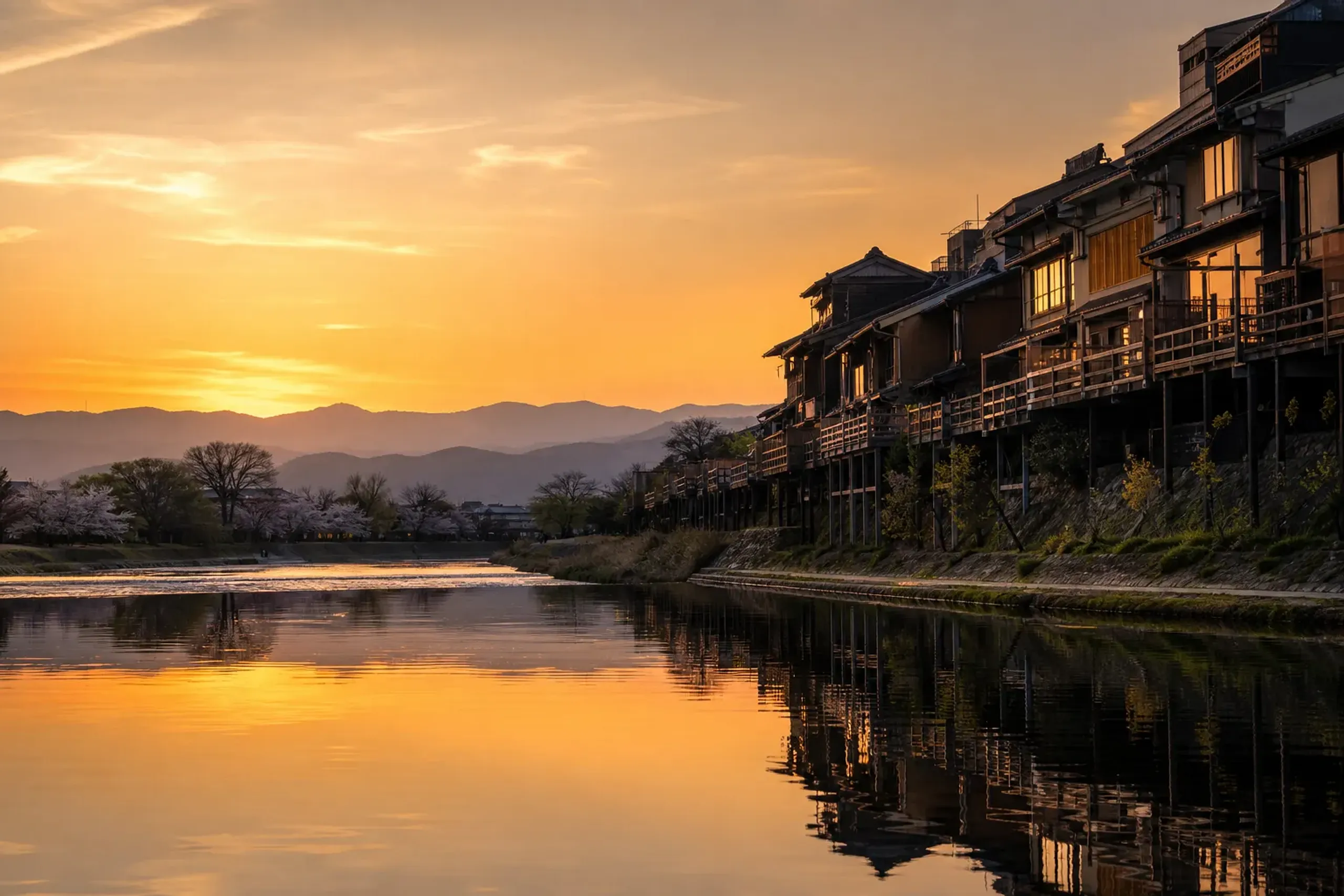
Here is the call, by traveler type.
Choose Capella Kyoto If…
- You are design-literate and want architecture — Kuma's materials and light — to be part of the pleasure of the stay
- You build trips around dining, and a destination restaurant in-house matters more than a storied bar
- You prize discretion and low foot traffic; Miyagawa-cho's quieter lanes suit guests who prefer to pass unremarked
- You want a suite-heavy inventory (29 of 89 rooms) with room to spread out for a longer stay
Choose Imperial Hotel, Kyoto If…
- Heritage moves you — sleeping within a registered Tangible Cultural Property is itself the experience
- You value a formal, ceremonious service register and a brand with state-guest lineage
- You want the smallest possible house: 55 rooms means genuine intimacy and staff who know your name by day two
- Gion's prestige address, and the OLD IMPERIAL BAR as your evening anchor, outweigh the district's daytime crowds
Still torn? There is a third answer we often recommend: split the trip. Two nights in a countryside ryokan for immersion, then two or three nights at whichever of these two fits your temperament — the ryokan gives you ritual, the hotel gives you flexibility and a launchpad. A well-built tailor-made itinerary makes the pairing feel inevitable rather than indecisive.
Booking Windows And What Is Operating Now
Reservations for both properties are made through the hotels' official channels — the Imperial via imperialhotel.co.jp and Capella via capellahotels.com. Both began taking bookings ahead of their March 2026 openings, and demand for debut-year stays is real: opening seasons at pedigree properties in Kyoto tend to fill first around cherry blossom and autumn foliage, so travelers eyeing spring 2027 should be watching availability now, not next winter.
Three practical checks before you confirm:
- Verify which wellness facilities are operating for your dates — new hotels open in phases, as noted above
- Ask about room placement; in dense historic districts, orientation determines both quiet and view, and the difference between a good room and the right room is rarely visible online
- If SoNoMa by SingleThread or a specific dining slot is the point of the trip, secure the table before the room
For questions on any of the above, contact our concierge.
Why Choose Japan Royal Service
Anyone can read a factsheet. What our team at Japan Royal Service adds is judgment — the ground-level knowledge of how Gion and Miyagawa-cho actually move hour by hour, which temperament each hotel rewards, and how to frame a stay around what the kagai calendar genuinely offers rather than what marketing implies. We build itineraries in confidence: guest identities and movements stay private, always. Our chauffeured fleet, from the Lexus LM 500 to the Toyota Executive Alphard, keeps the days between Gion, Kenninji, and the wider Kansai region unhurried. And the doors that matter most in this part of Kyoto — the introduced kaiseki counters, the shokunin ateliers that do not receive walk-ins — are exactly the kind we spend our years cultivating, quietly.
Kyoto handed you a fine dilemma this year. Let us help you resolve it well. Reach our team privately via WhatsApp or LINE, or contact us here, and we will talk through which of Kyoto's two new anchors belongs in your 2026 plans.