In this guide
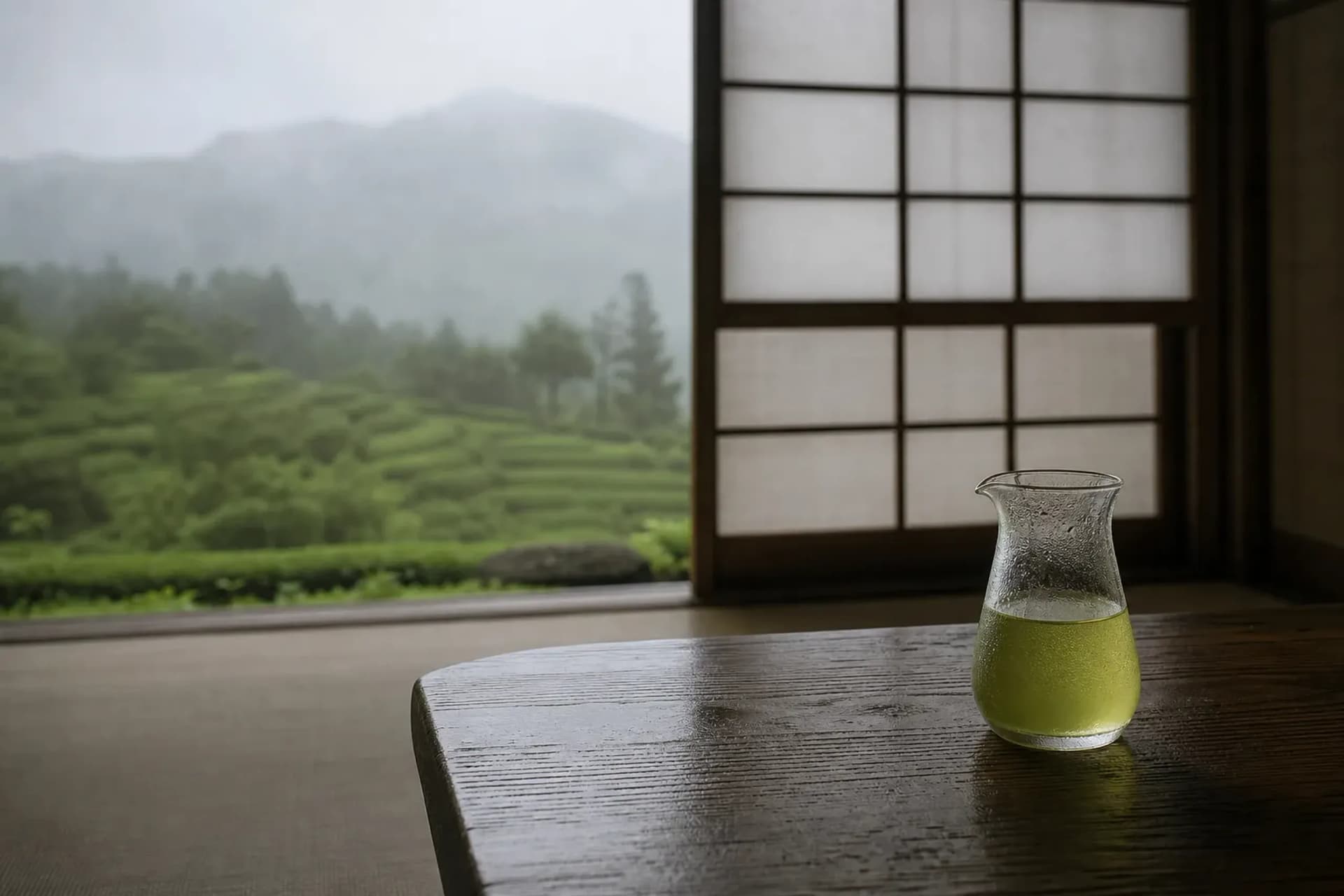
The heat sits heavy over Shizuoka in late July. Cicadas drone. And yet, on a shaded veranda above rows of tea bushes that spill toward the Oigawa River, the moment turns cool and slow. A glass of ice-brewed gyokuro arrives, no bigger than a thimble, the colour of pale jade. One sip. The sweetness lingers where you expected sharpness.
This is cold-brew tea as ritual, not refreshment. And in 2026, Shizuoka is quietly the best place in Japan to taste it. Our team at Japan Royal Service has spent years mapping the prefecture's finest tea houses and family farms, and the summer story here has changed. Matcha commands the headlines. But the connoisseur's move this season is chilled.
Below, a concierge-grade look at where the ritual lives, how the flavour works, when to come, and how to brew a version of it in your own kitchen once you are home.
Why Cold-Brew Tea Deserves The Word Ceremony
Most people meet cold tea as a plastic bottle from a vending machine. Fine on a hot platform. Forgettable within seconds. What happens in Shizuoka's tea houses is a different creature entirely.
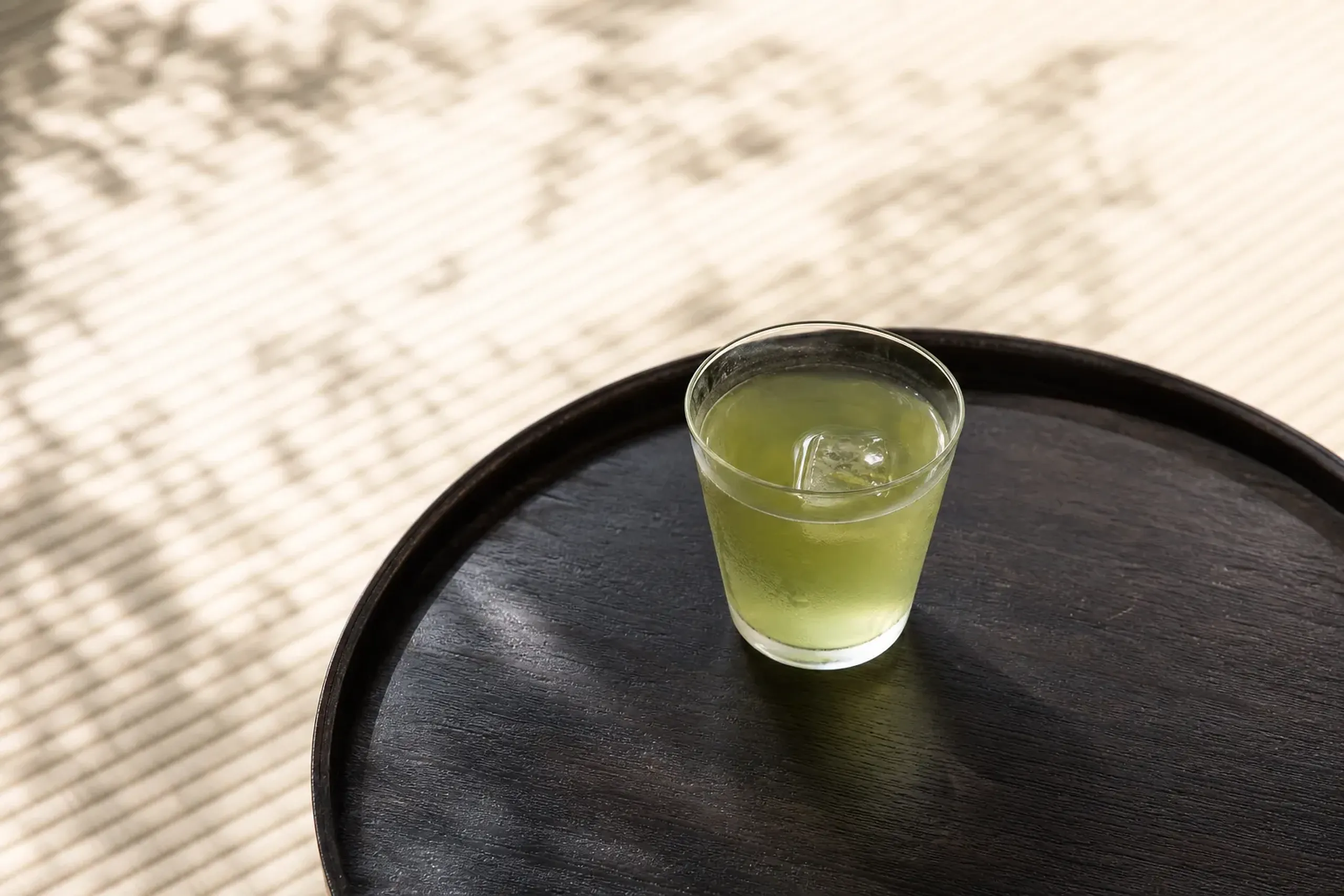
Cold brewing — mizudashi with cold water, or kooridashi where a single ice cube melts drop by drop over the leaves — pulls flavour out slowly. The result skews sweet and full of umami, with far less of the bitterness that hot water draws out. There is a reason for that. Bitter compounds and much of the caffeine extract faster in heat; cool water leaves them behind and coaxes out the amino acids instead. Shizuoka's own gastronomy tourism writers have documented exactly this appeal, which is part of why cold brew has become a serious topic among the region's growers rather than a passing gimmick.
So the pace is the point. A hot tea ceremony, chanoyu, has centuries of choreography behind it — the Muromachi-era aesthetics that JNTO's own tea guide describes in careful detail. Cold brew borrows that stillness and adds patience. You wait. The tea will not be rushed. In our experience, guests who arrive restless leave calmer than they have felt in months.
Shizuoka's 2026 Tea Renaissance, Explained
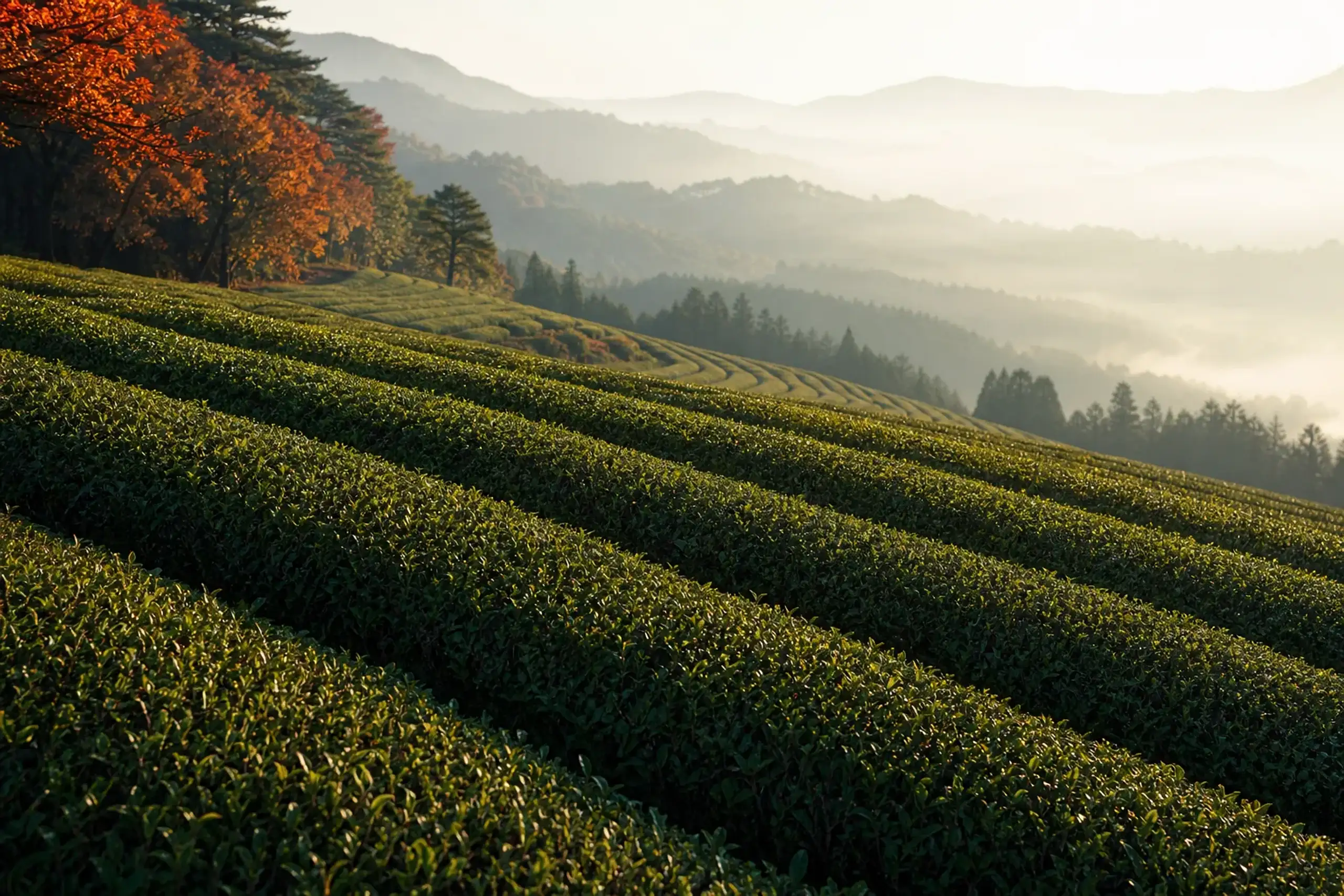
Something is shifting in these hills. The Japan Times reported in February 2026 that Shizuoka is steering production away from sencha and toward tencha — the leaf that becomes matcha — chasing a global appetite that shows no sign of cooling. Prefectural authorities have kept pace, with a tea-promotion office running brand programmes under the "JAPAN TEA SHIZUOKA" banner and posting fresh notices as recently as mid-July 2026.
Here is the elegant contradiction. As matcha booms in the warming months, cold-brew sencha and gyokuro have become the sophisticate's summer counterpoint. Quieter. Less photographed. All the more rewarding for it.
The seasonal calendar reflects this too. Shizuoka City lists a Tea Ice Project 2026, built around Chagori — shaved ice made with Shizuoka tea. And the Gyokuro-no-Sato tea festival is scheduled for May 17, 2026, an anchor for anyone chasing the year's finest gyokuro at its source. These are not manufactured events for tourists. They are how the region marks its own year.
Best window: Late spring through high summer. Shincha (new tea) energy carries into May's festivals, and the chilled formats — ice-brew flights, Chagori — hit their stride from June onward, when the heat makes the cool ceremony feel like a small revelation.
Where To Taste It: Verified Shizuoka Tea Houses
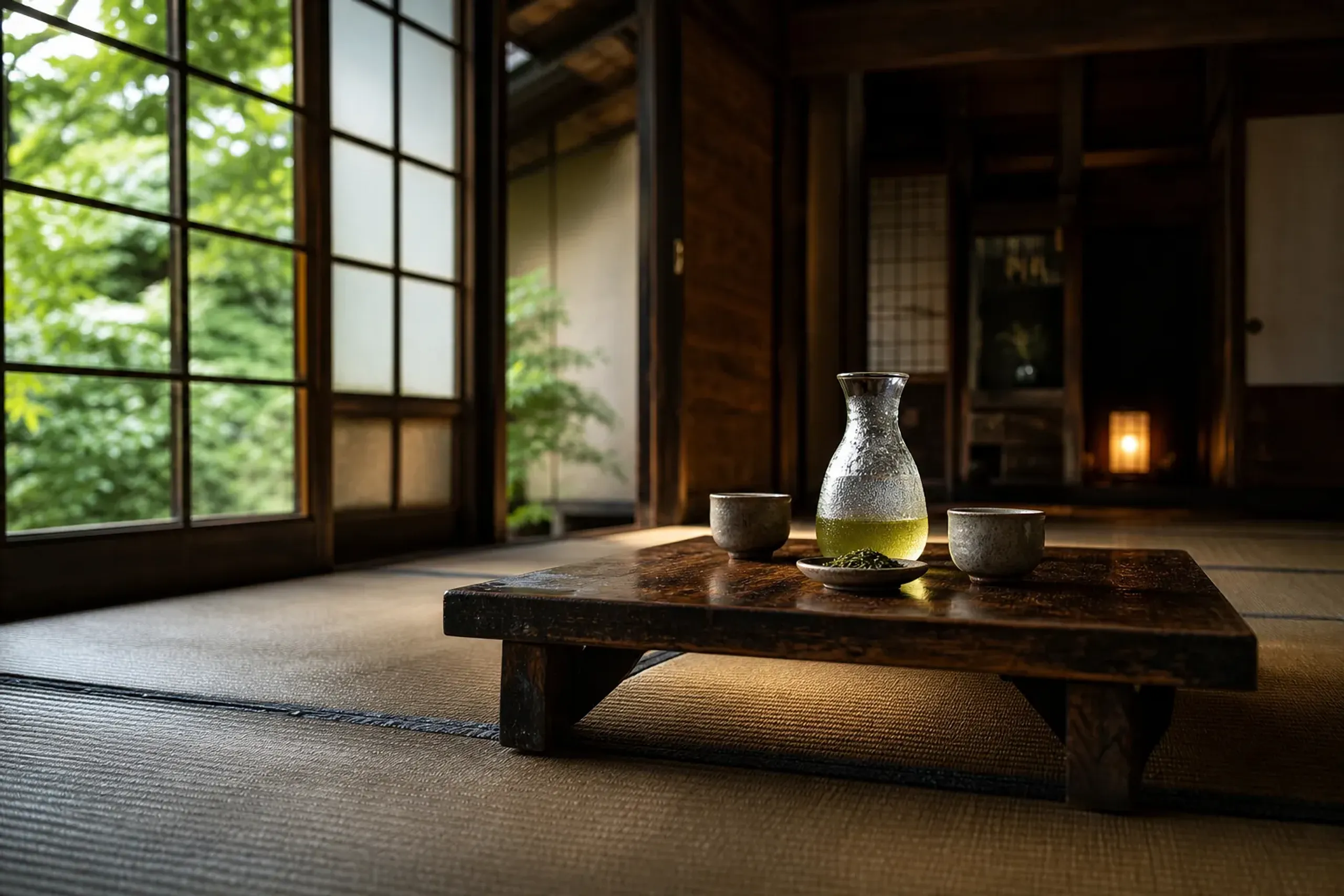
We only send guests to places we can stand behind. Below are real, visitable venues, each with its own character. Our concierge tailors the routing, the timing, and the level of privacy around them.
Moriuchi Tea Farm
About a 25-minute drive from Shizuoka Station, in the Aoi-ku district of the city, Moriuchi is family tea country at its most genuine. Shizuoka City Tourism Navi lists its programmes: you tour expansive tea fields, then settle into a 150-year-old traditional house to taste a range of teas. The farm's own English site references cold-brew tea among its offerings — confirmation that chilled brewing here is heritage, not trend-chasing.
This is our first recommendation for a cold-brew flight. Field in the morning, glassware in the shade after. The kind of afternoon that resets a nervous system.
Seishintei Tea House
In Shizuoka City, Seishintei offers a traditional Japanese tea ceremony paired with seasonal wagashi sweets, per its own activity page. We use it as the formal grounding of a day — the hot, choreographed chanoyu — before the modern, chilled counterpart at a farm. The contrast teaches more than either would alone.
The Peaceful Tea Terrace Above The Oigawa
JNTO's own "Japan's Local Treasures" feature describes a raised terrace overlooking tea plantations along the Oigawa River — a private tea break with a view that photographs never quite capture. Wide green rows. River light. Silence. This is where a single glass of cold-brew gyokuro stops feeling like a drink and starts feeling like a place you carry with you.
Building A Chilled-Tea Day The JRS Way
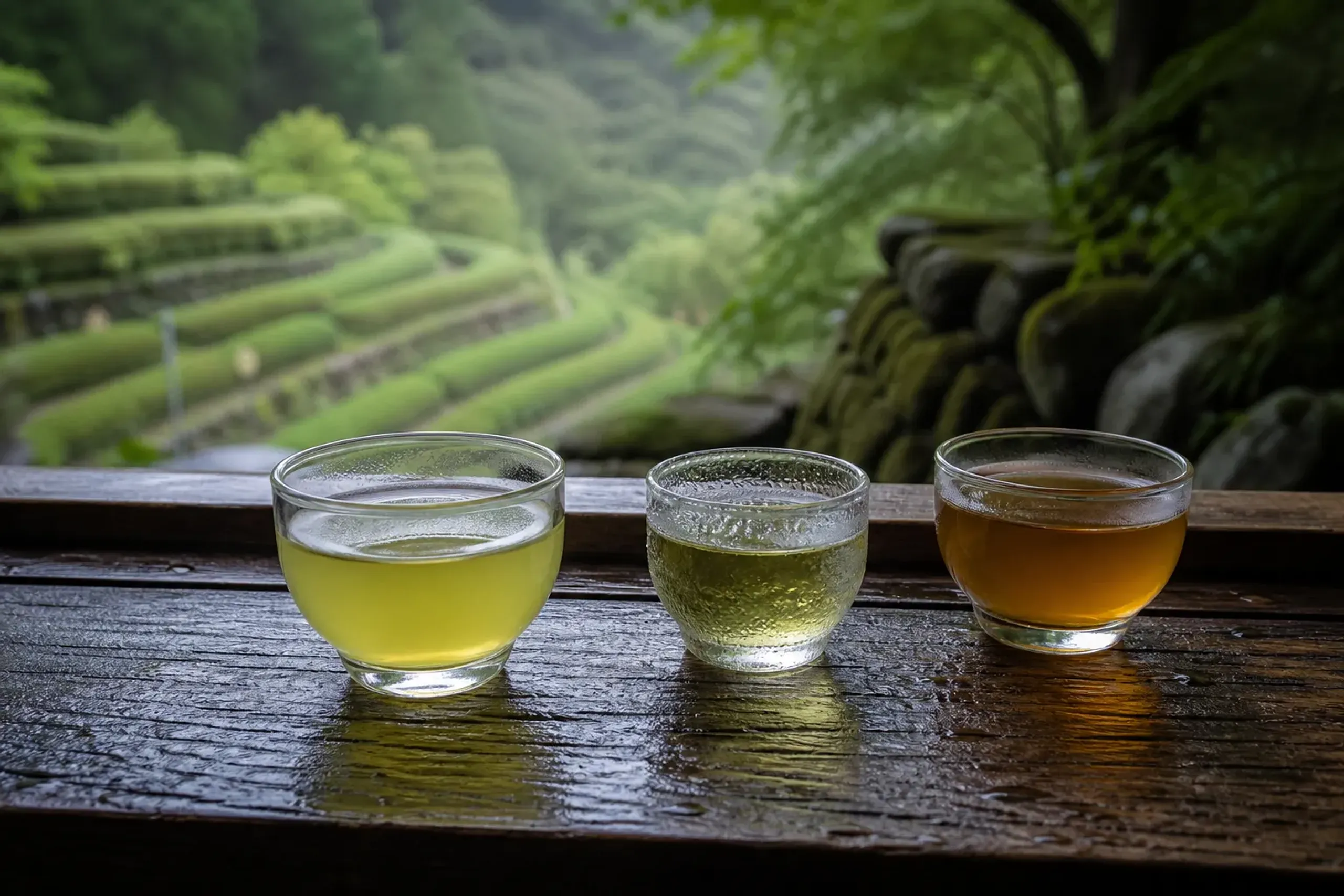
A well-shaped Shizuoka tea day has a rhythm. Ours tends to run like this.
- Morning: A field walk at a family farm while the air is still cool, the leaves still damp.
- Late morning: A formal tea ceremony with seasonal sweets, for grounding and etiquette.
- Afternoon: A cold-brew flight — single-cultivar sencha, ice-brew gyokuro, perhaps a hojicha for contrast — tasted slowly on a shaded veranda.
- Finale: Chagori, the tea shaved ice, if the Tea Ice Project season is running.
The connective tissue is private chauffeured transport. Shizuoka's tea country is beautiful precisely because it is spread out; the farms sit up valleys and along river roads that reward a quiet car and a driver who knows them. A tea specialist or interpreter can travel with you, so the grower's stories land fully rather than getting lost in translation. And the whole arc folds into a tailor-made itinerary that treats Shizuoka as a considered detour between Tokyo and Kyoto rather than a rushed stop.
How To Brew Cold Tea At Home
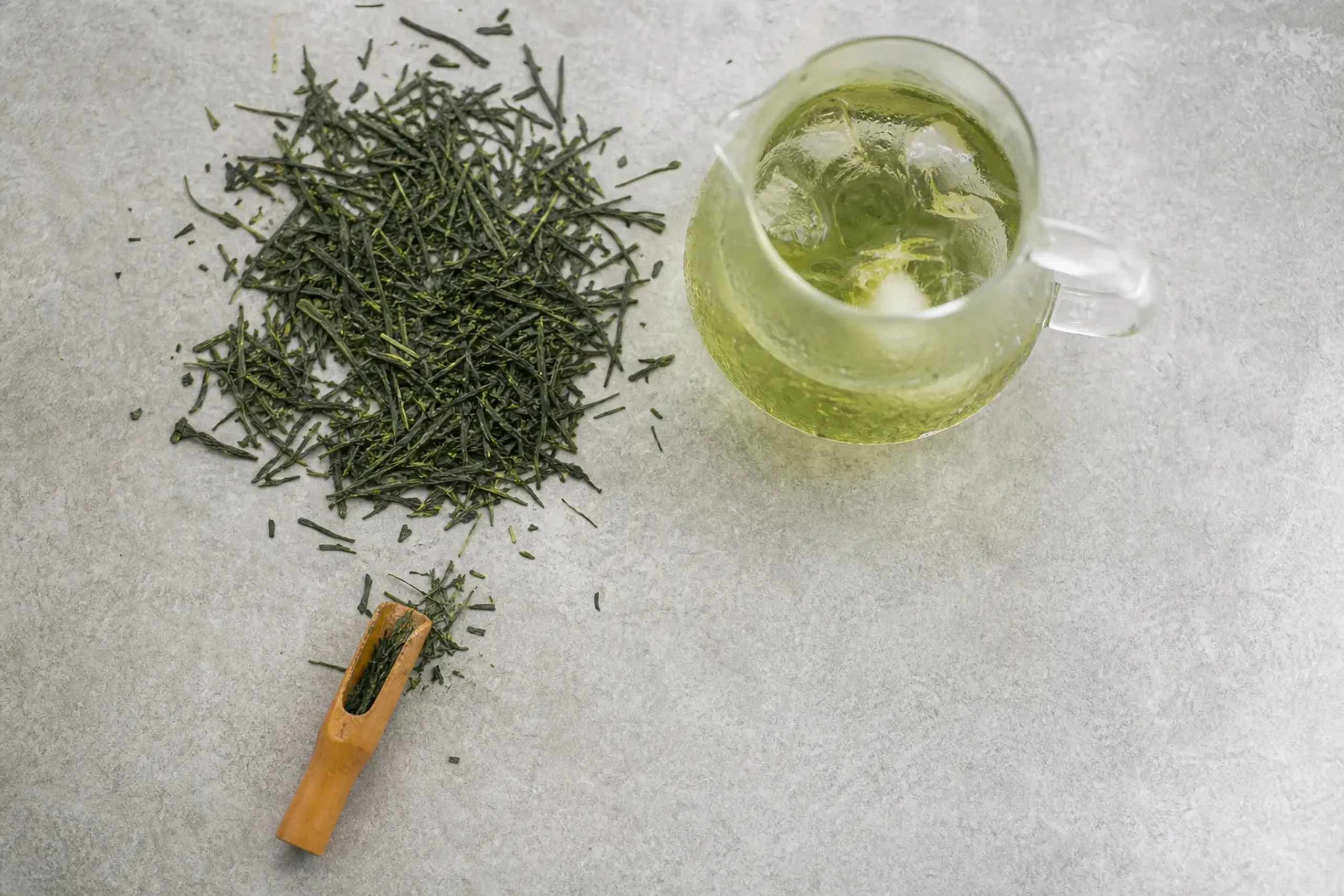
Part of the pleasure is taking the ritual home. You do not need Shizuoka's climate — only good leaf, clean water, and patience. Here are two methods worth mastering.
Mizudashi (Cold-Water Brew)
The everyday method. Forgiving, and gorgeous in a glass pitcher in the fridge.
- Leaf to water: roughly 10g of sencha per 1 litre of cold, soft water
- Steep: 3 to 6 hours in the refrigerator
- Then: strain, and drink within the day
Adjust to taste. More leaf and a longer steep gives a rounder, sweeter cup. Soft water matters more than most people think — hard water flattens the umami.
Kooridashi (Ice-Drip Brew)
The showpiece. Slow, precise, and the closest thing to what you taste on a Shizuoka veranda.
- Leaf: a generous spoon of high-grade gyokuro in a small cup or bowl
- Ice: place one or two quality ice cubes directly on the leaves
- Wait: 20 to 40 minutes as the ice melts and drips through
- Yield: a tiny, concentrated pour — jade-coloured, intensely sweet
Kooridashi is not about quantity. One thimble-sized sip carries more flavour than a whole glass of anything hot. That restraint — the wabi-sabi of accepting a very small, very perfect thing — is the entire lesson.
Cold Brew, At A Glance
| Method | Time | Character |
|---|---|---|
| Mizudashi (cold water) | 3–6 hours | Clean, sweet, easy-drinking; larger volume |
| Kooridashi (ice drip) | 20–40 minutes | Concentrated, intensely umami; tiny yield |
| Formal chanoyu (hot) | a full sitting | Ceremonial, structured; the classic reference point |
Frequently Asked Questions
Is cold-brew tea lower in caffeine than hot tea?
Generally, yes. Cool water extracts caffeine more slowly than hot water, which is one reason Shizuoka's own gastronomy writers cite for cold brew's appeal. The exact amount depends on leaf grade, quantity, and steeping time.
When is the best time to visit Shizuoka for tea?
Late spring through summer. New-tea season energises May — the Gyokuro-no-Sato festival falls on May 17, 2026 — and the chilled formats, including the Tea Ice Project's Chagori, are most compelling from June onward when the heat makes a cool ceremony feel restorative.
How far is Shizuoka's tea country from Tokyo?
Shizuoka sits on the Tokaido corridor between Tokyo and Kyoto, which makes it a natural, uncrowded pause on a longer route. Moriuchi Tea Farm is roughly a 25-minute drive from Shizuoka Station. Our concierge builds the movements around your wider itinerary.
Can I combine a formal tea ceremony with a cold-brew tasting?
Yes, and we recommend it. A morning of formal chanoyu at a house such as Seishintei, followed by a farm-based cold-brew flight, lets you feel the full range of Shizuoka tea in a single day.
Why Choose Japan Royal Service
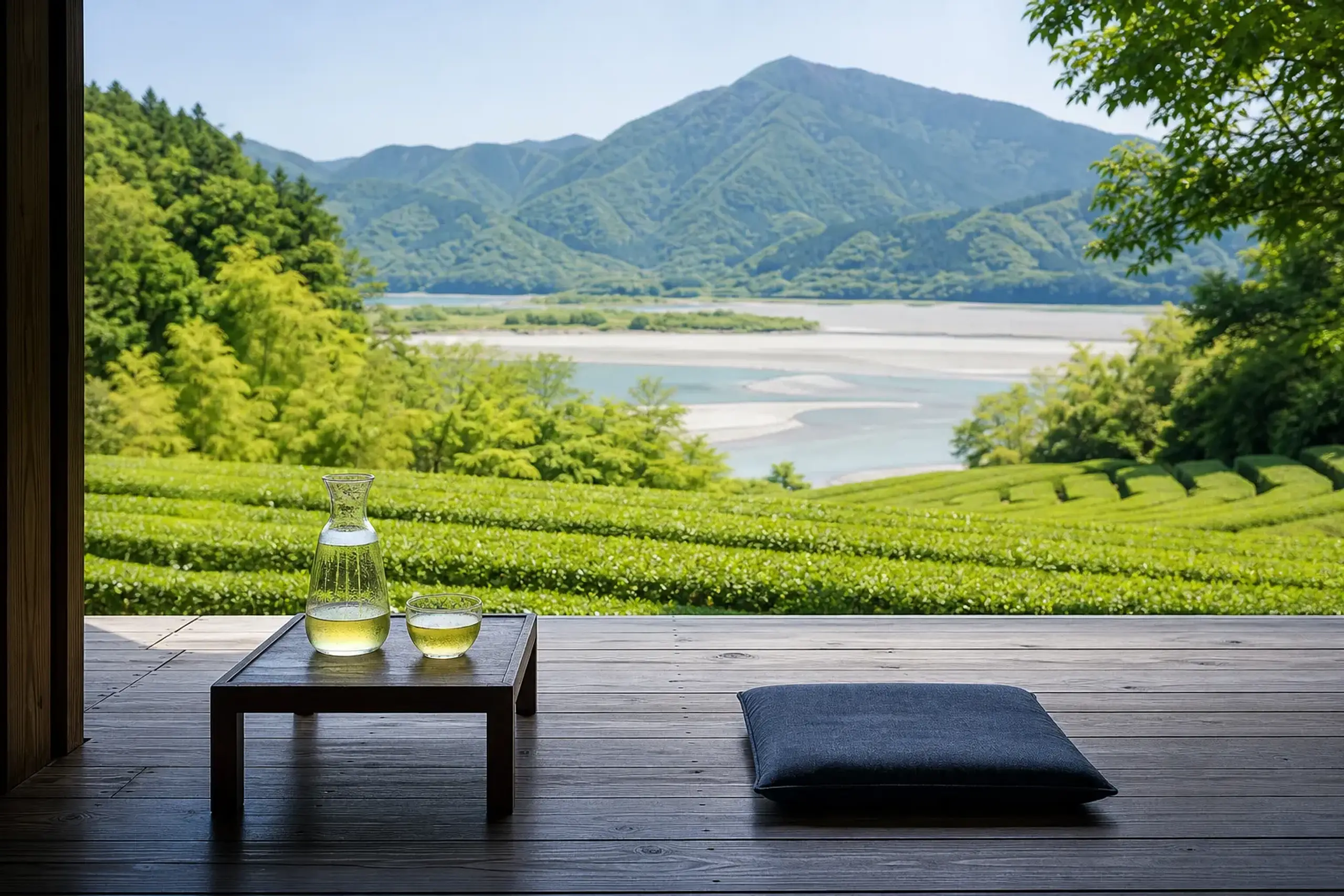
Anyone can find a tea farm online. What our team at Japan Royal Service offers is the shaping of the day around you — the quiet car up the valley, the grower who opens the field early because we asked, the tea specialist who translates not just words but centuries. Discretion runs through all of it; your itinerary and your name stay ours alone.
We work only with real, verified venues. No invented experiences, no borrowed glamour. Just the Japan that rewards patience — a thimble of ice-brewed gyokuro on a veranda above the Oigawa, and the silence that follows the first sip. Guests curious about the seasonal events, the private terraces, or a full Shizuoka tea day are welcome to speak with our concierge for tailored guidance.
To begin a private conversation, reach our team directly via WhatsApp or LINE, or contact us here.