In this guide
- 01Why Room Category Names Mislead In Japan
- 02What Actually Makes A Room Good (And Why Heritage Buildings Change The Math)
- 03Size, Honestly: Why Optimising For Square Metres Backfires
- 04Historic And Converted Buildings: The Comfort Constraints You Should Expect
- 05Bathrooms: The Most Common Disappointment (And How To Avoid It)
- 06Families And Parties: Connecting Rooms Are Rare, So Plan Like An Adult
- 07How Length Of Stay Changes The Answer
- 08The Questions Worth Asking Before You Book (Use These Verbatim)
- 09What Is Worth Paying Up For (And What Usually Isn’t)
- 102026 Planning Notes For Heritage Stays In Kyoto (Tax And Compliance)
- 11MICHELIN Keys And Heritage: A Useful Signal, Not A Substitute For Fit
- 12A Short FAQ For People Who Keep Searching The Same Question
- 13Why Choose Japan Royal Service
You book the biggest suite in a historic building, expecting the easiest stay. You arrive, and the room is the loudest on the floor. The “view” is a sliver, angled through a small window. The bathroom layout is the real shock.
We see this often. In Japan, the best room is rarely the biggest. It is the room that fits your sleep, your pace, and your privacy.
Why Room Category Names Mislead In Japan
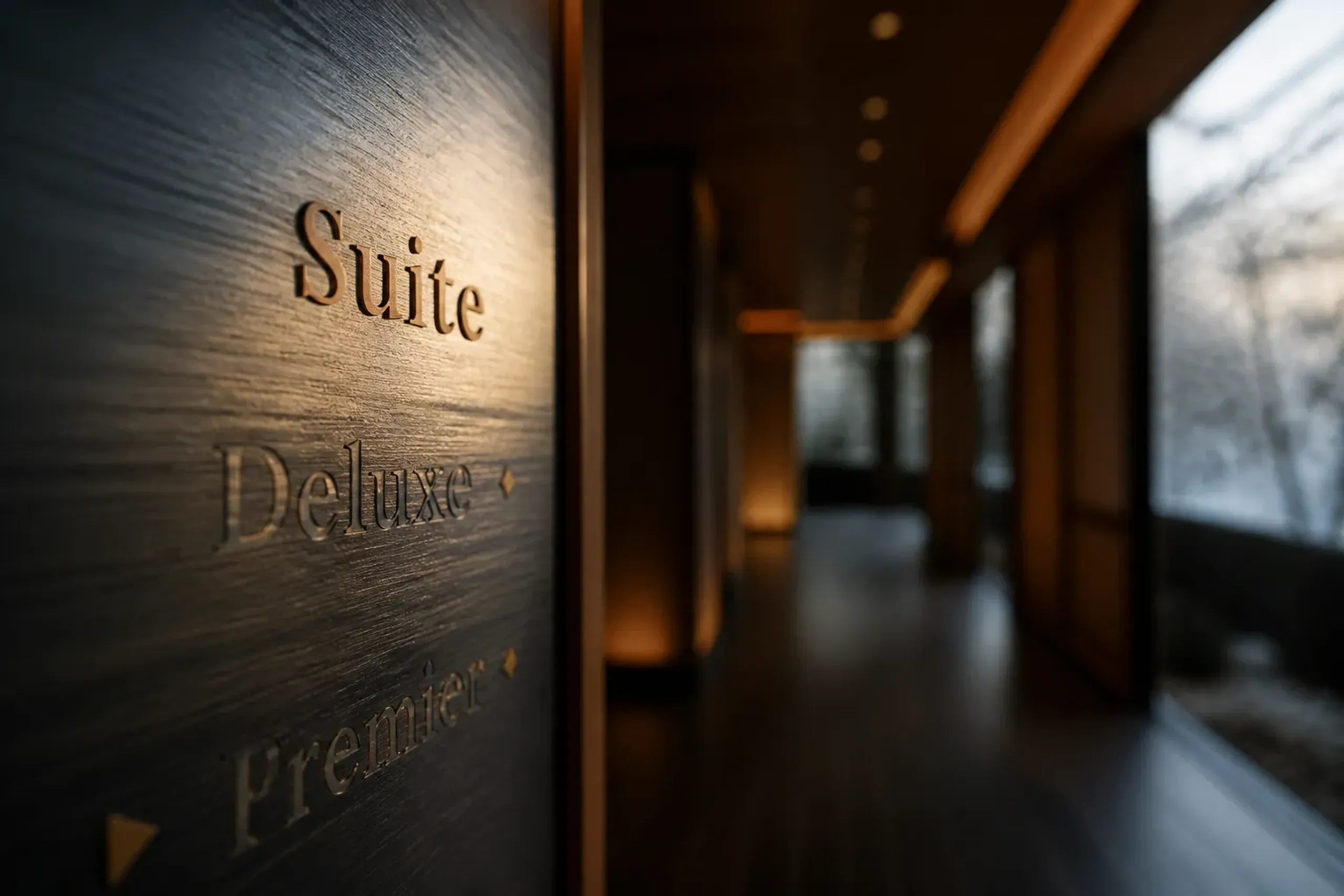
Room labels are marketing. Fit comes from the plan and placement.
“Suite,” “Deluxe,” and “Premier” sound precise. They aren’t. In our experience, these labels behave like marketing, not engineering.
Small problem. Two “suites” in the same property can feel like different hotels. One is calm and bright; the other is larger but awkward, with a corridor echo and a bathroom you can’t unsee.
Heritage-forward properties sharpen the confusion. Converted buildings have structural limits—columns, load-bearing walls, protected façades—so the “higher” category might simply mean “rare shape,” not “better to live in.”
One more trap: category names often hide trade-offs. A “Garden” room can face a courtyard where staff and delivery traffic pass. A “City View” room can mean “city is technically visible.”
Key fact: In converted or historic buildings, category names may describe scarcity, not comfort. Ask what the room faces, where it sits on the plan, and how sound travels.
What Actually Makes A Room Good (And Why Heritage Buildings Change The Math)
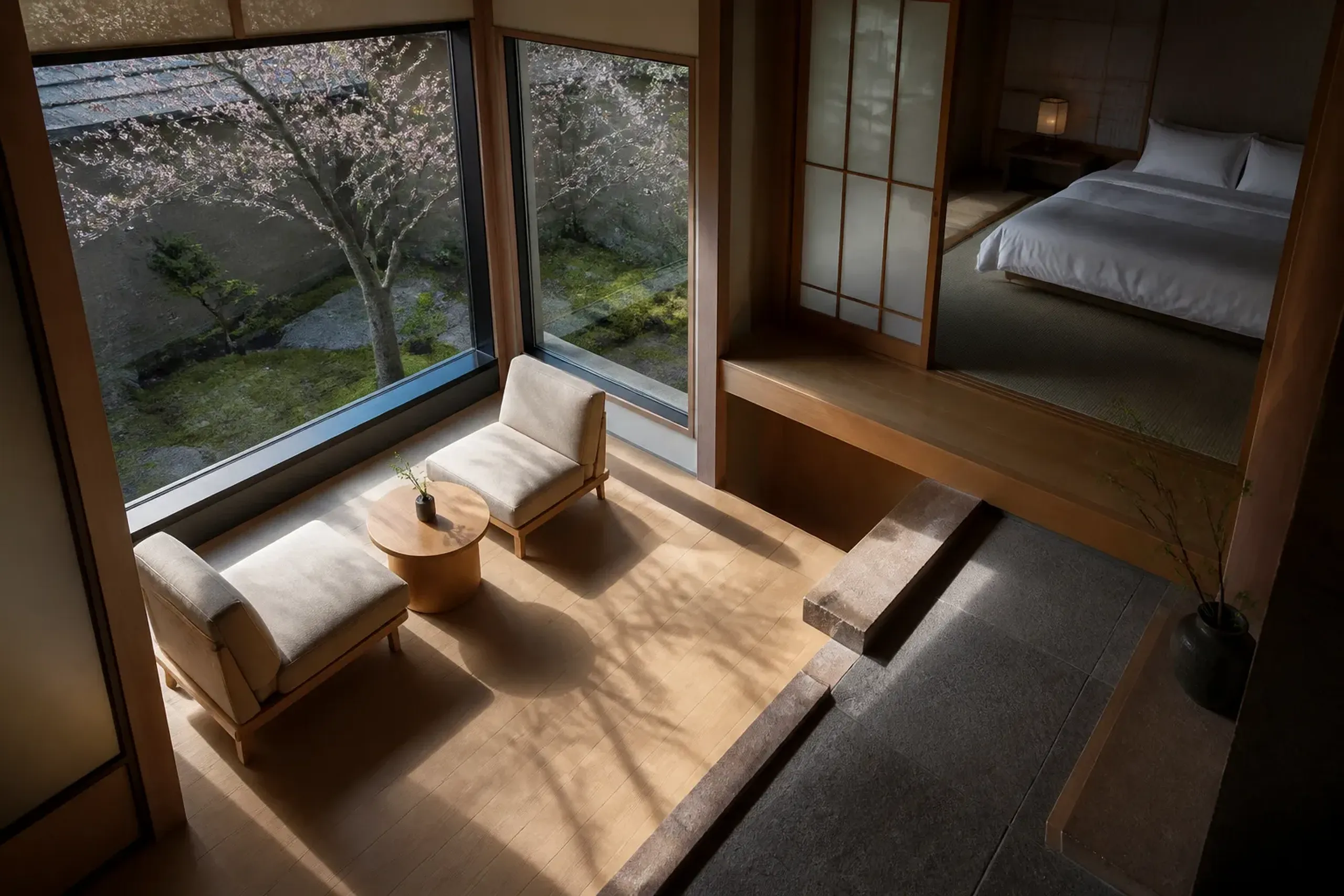
Aspect, corridor position, and layout decide comfort more than category names.
Forget the label. Start with the plan. A good room works when two people can move without colliding, reset without performing “hotel life,” and sleep without hearing the building’s circulation.
Aspect And What The Room Faces
Aspect is the quiet kingmaker. It decides morning light, heat load, and whether you wake to a street, a courtyard, a wall, or a slice of garden.
Ask exactly what “garden-facing” means. Not “a garden exists somewhere.” You want to know if the room looks directly onto greenery, or if you are facing a service path that happens to have plants.
When you care about privacy, this matters twice. A low floor facing a pedestrian lane can feel like living in a display window, even in an expensive property.
Floor Level, Corridor Placement, And Lift Noise
Noise in Japan is often polite, not absent. Doors close softly—until they don’t. Lifts are quiet—until midnight arrivals stack up.
End-of-corridor rooms and corner rooms are often the pick. You reduce pass-by traffic. You also tend to get fewer shared walls, which can help if the building has thin internal partitions.
Heritage buildings add a twist. Mechanical systems may have been threaded through older structures, and sound can travel in odd ways. The quietest room is sometimes the one farthest from the most “logical” location.
Layout That Lets Two People Live Independently
This is where many luxury stays fail. One person wakes early, the other wants darkness. One wants a bath, the other needs the sink and mirror. Friction begins.
Look for separation. Not just doors—zones. A small entry, a partial wall, or a turn in the plan can give privacy without needing extra square metres.
Also consider seating. A room you can sit in changes the day. Even if it’s smaller.
Size, Honestly: Why Optimising For Square Metres Backfires
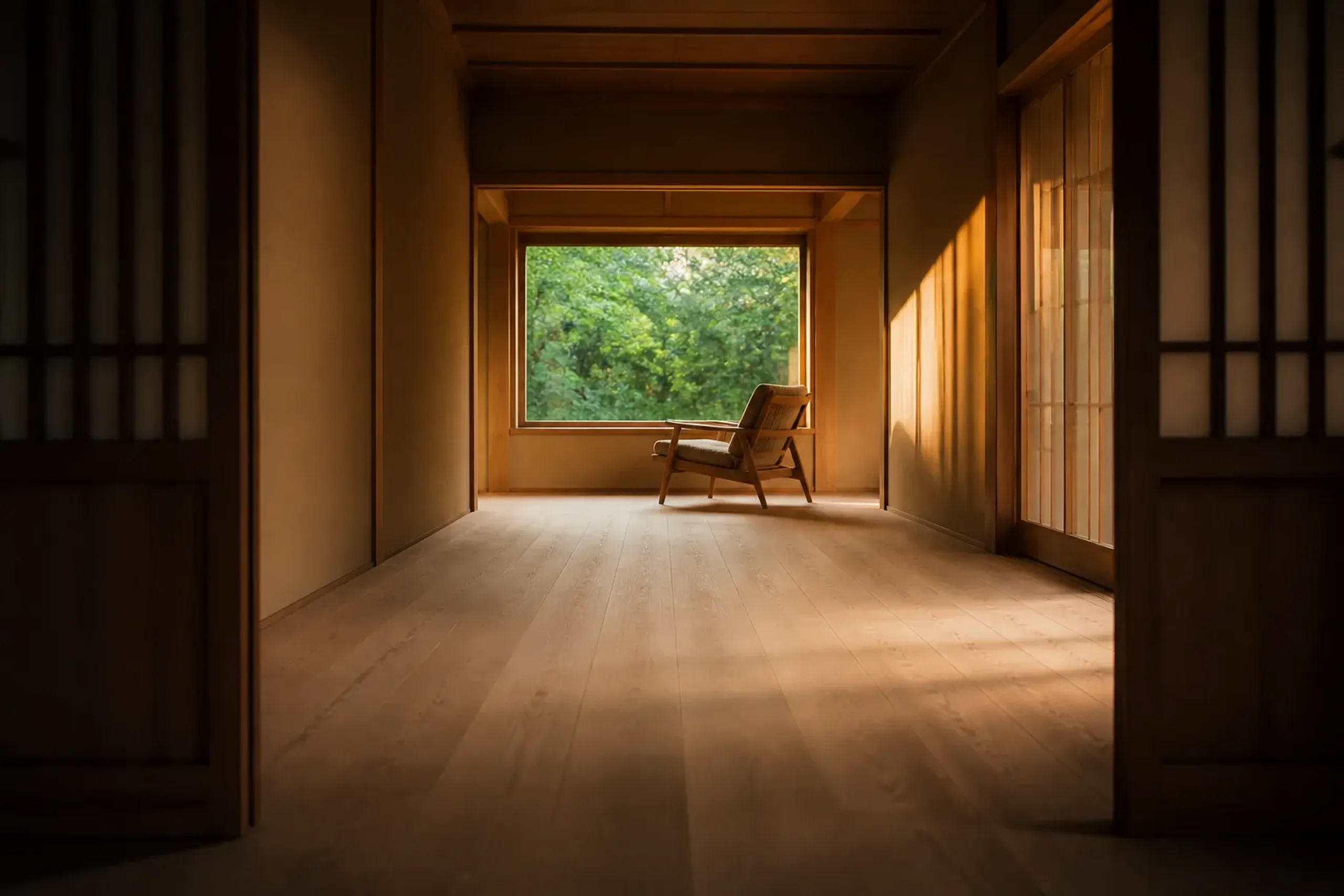
Japanese rooms tend to be smaller than Western equivalents at every tier. That is normal. The mistake is trying to “buy your way out” of that reality with the largest category.
Big mistake. A poorly chosen large room can be louder, more exposed, and less practical than a smaller room with clean lines of movement and better sound insulation.
Square metres also don’t tell you where the space is. Some rooms are large because they include long corridors, odd corners, or dramatic but unusable voids. You feel it when you live there, not when you read the website.
For HNW travellers, the practical goal is simple: you want the room to disappear as a problem. When it does, the whole trip lifts.
Historic And Converted Buildings: The Comfort Constraints You Should Expect
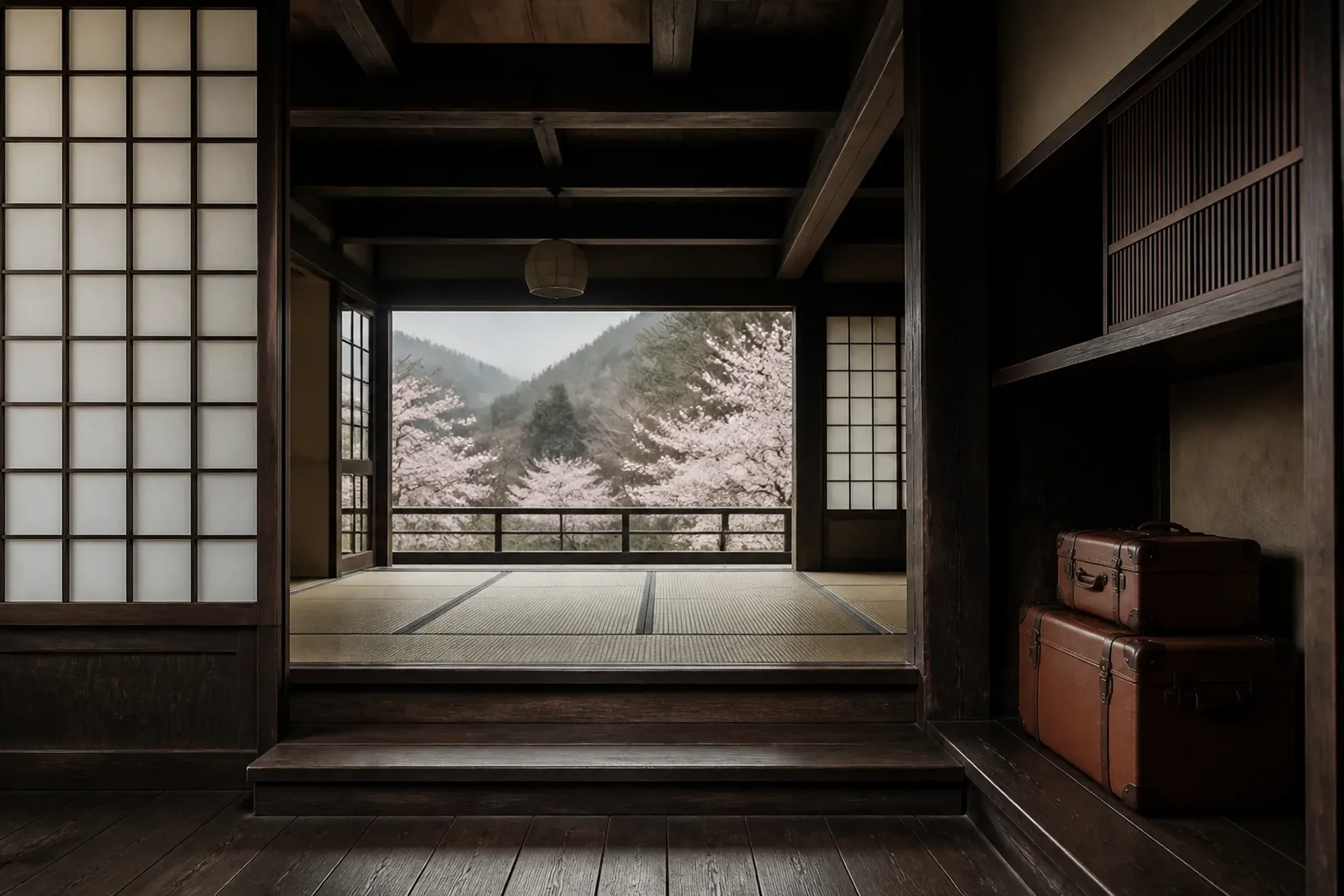
Converted buildings reward you with character—and require practical planning.
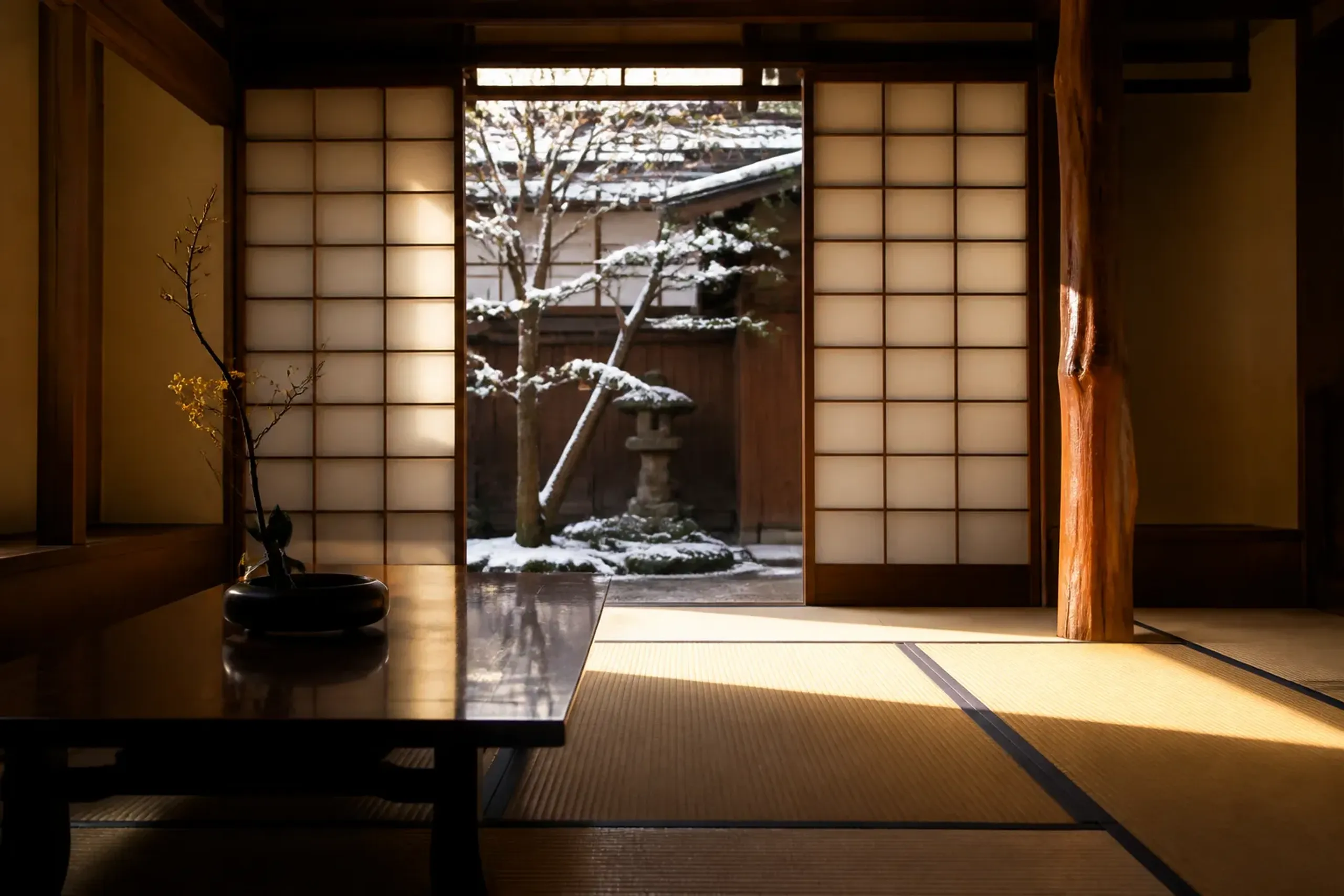
Heritage-forward stays reward you with atmosphere you can’t replicate in a glass tower. You feel materials. Timber. Plaster. Quiet weight. You also inherit the building’s opinions.
Expect irregular room shapes. Expect level changes, steps, and lower doorways in some conversions. Expect storage to be limited, especially if the building’s original footprint was not designed for modern luggage.
If you are considering a machiya or kominka-style stay, understand what those words mean. A kominka (古民家) is a traditional Japanese farmhouse or rural dwelling, often 50–100+ years old, built with traditional construction and increasingly renovated for stays. A machiya is a traditional townhouse associated with merchants and craftsmen in Kyoto during the Edo period (1603–1868), and staying in one is often positioned as a daily-life way to experience Kyoto’s history.
Those buildings can be extraordinary. They can also be drafty in winter and humid in summer, depending on the renovation approach. Ask how the modern comfort layer was added—quietly, not aggressively—and how that affects sleep.
We also watch for luggage choreography. Heritage rooms often lack “dead space.” If two people each arrive with a large suitcase, you want a plan that doesn’t turn into a daily wrestling match.
Bathrooms: The Most Common Disappointment (And How To Avoid It)
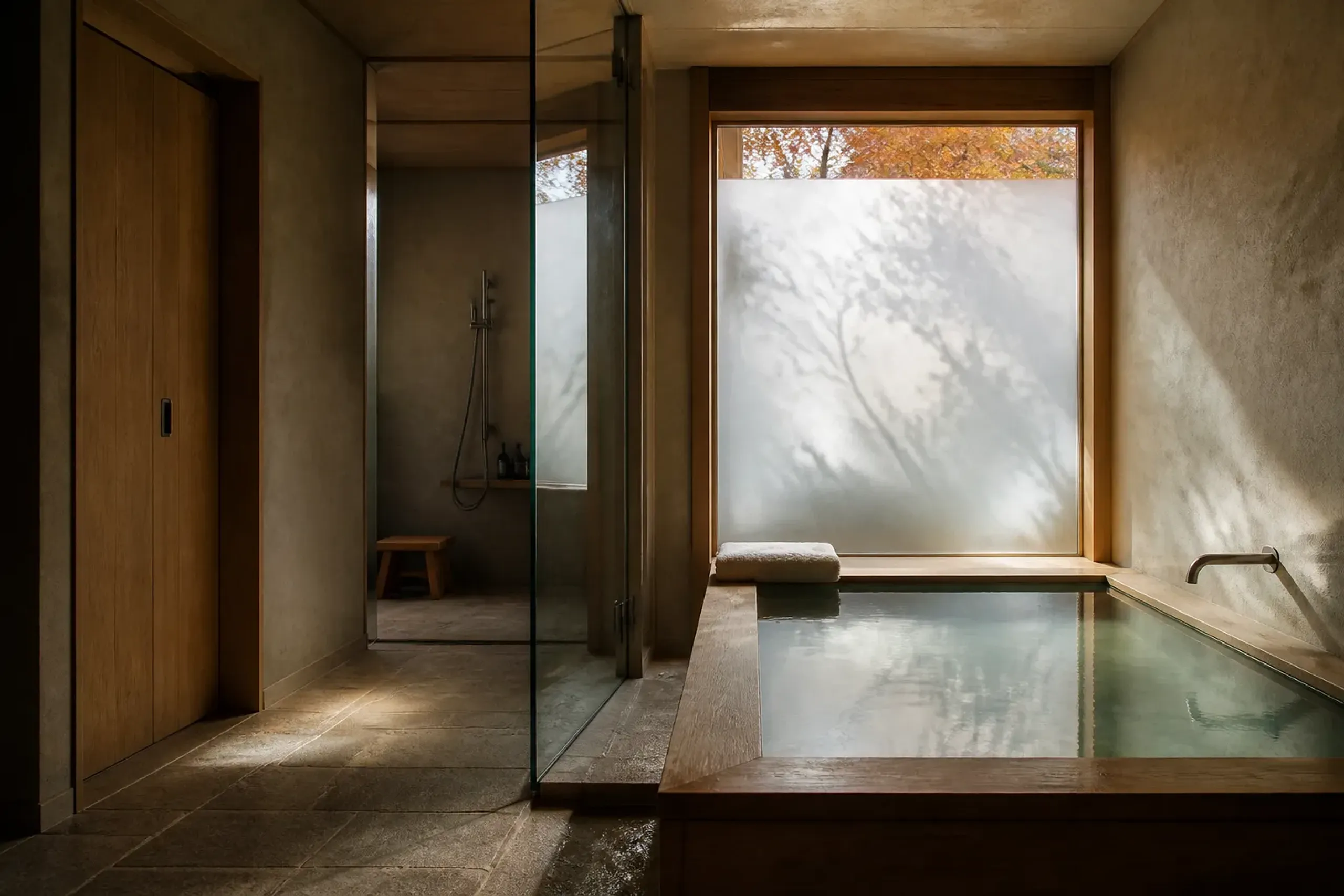
Bathroom configuration is the most common surprise. Ask early.
Bathrooms are where expectations go to die. Not because Japan lacks quality—often the opposite—but because the configuration can surprise guests used to Western privacy norms.
Common scenarios include wet rooms, separate bath and shower arrangements, or glass walls between bath and bedroom. Some couples love that openness. Others regret it on night one.
Ask for clarity before you commit. You want to know whether the toilet is separated, whether the sink is inside the bathing area or outside it, and whether there is a door between the bath zone and the sleeping zone.
Also ask about ventilation. In older structures, humidity management matters. If you are staying several nights, a bathroom that doesn’t dry well becomes a quiet nuisance.
Families And Parties: Connecting Rooms Are Rare, So Plan Like An Adult
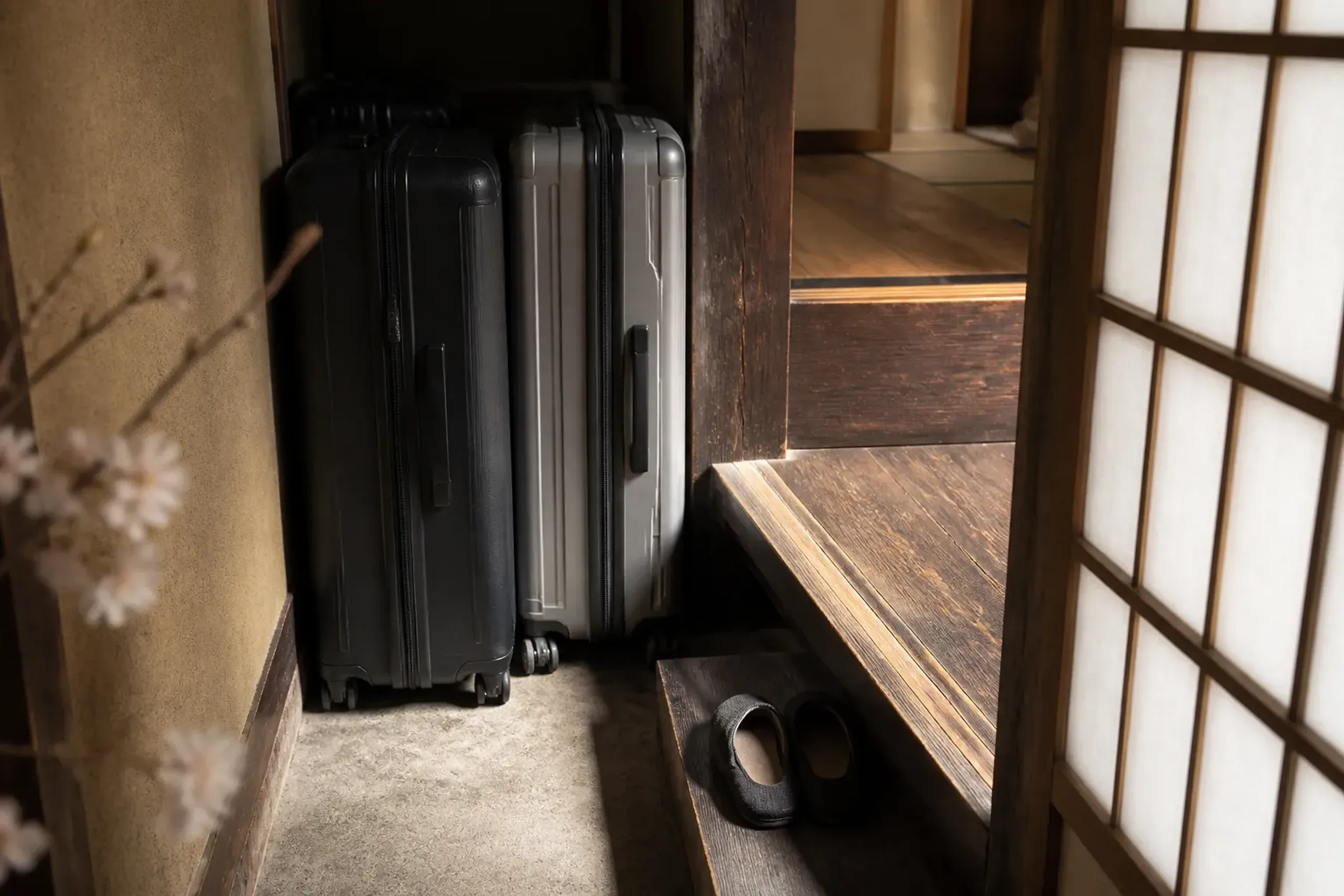
Families often assume connecting rooms are easy. In Japan, inventory can be limited, especially in heritage-forward buildings where the footprint is fixed and room layouts vary.
Two truths can coexist. You can have an authentic building and a smooth family stay. You just need to plan earlier and accept that “adjacent” may be more realistic than “connecting.”
When you travel with children or a multi-generational group, the layout matters more than the label. You want a predictable route between rooms, minimal steps, and bathrooms that reduce the morning bottleneck.
If you are bringing a caregiver, assistant, or security detail, be direct about privacy lines. A room across the hall is not the same as a room with controlled sightlines and quiet access.
How Length Of Stay Changes The Answer
One night rewards convenience. You arrive, sleep, leave. A room that is slightly smaller can be fine if it is quiet and close to what you’re doing the next morning.
Four nights is different. You start living in the room. Light matters. Storage matters. The ability to sit, read, and reset without climbing onto the bed matters.
Longer stays also expose noise patterns. A room near a service corridor may be fine on a weekend and irritating on a weekday. Heritage properties can have distinctive rhythms—deliveries, housekeeping timing, internal courtyards that amplify footsteps.
This is why our concierge team at Japan Royal Service asks about pace, not just destinations. The best room is a function of how you actually travel.
The Questions Worth Asking Before You Book (Use These Verbatim)
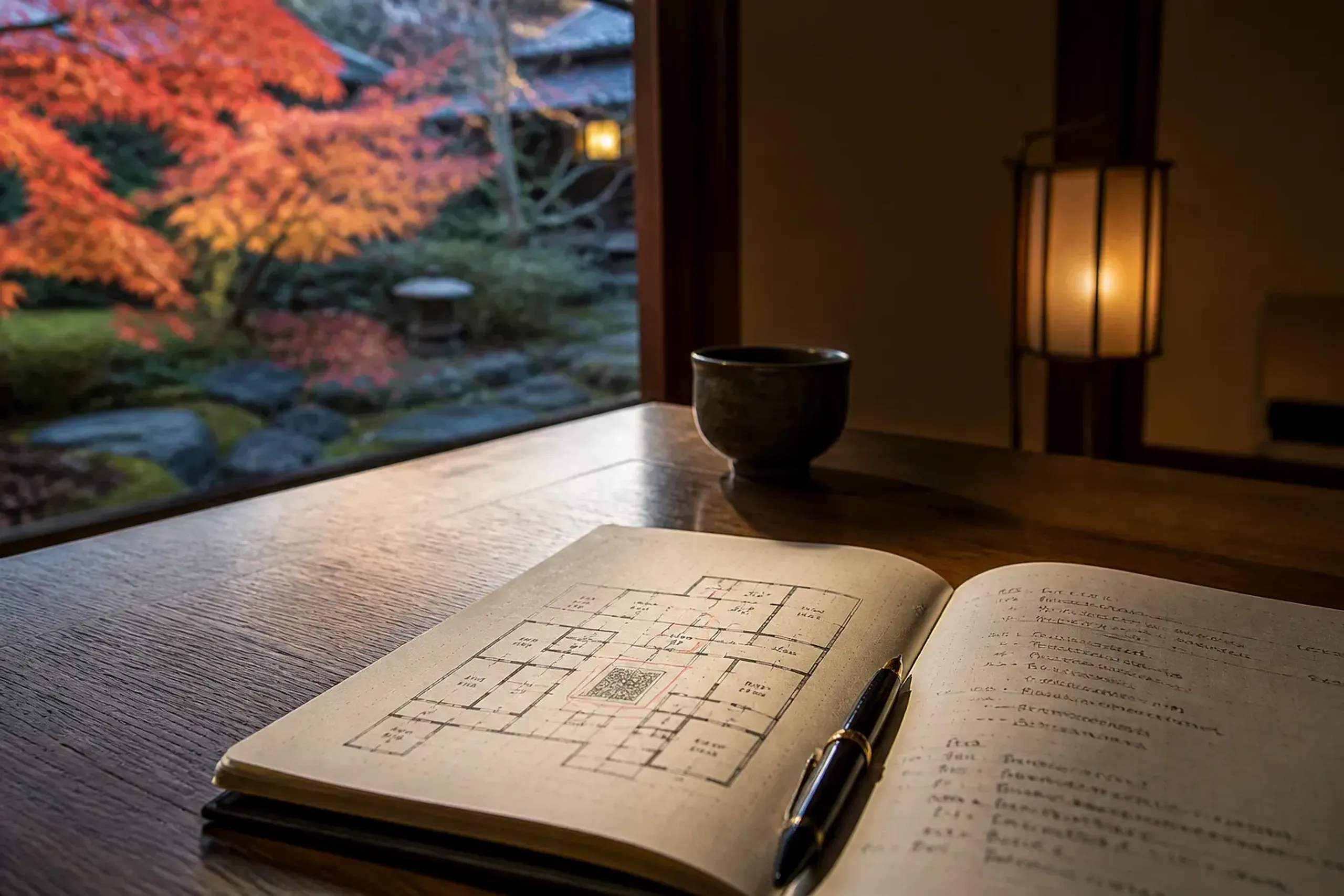
Better questions reduce disappointment—especially in heritage-forward stays.
Most guests ask “Which room category is best?” It’s the wrong question. Better questions get better answers, and they reduce miscommunication across languages.
- What does this room face exactly? Street, inner courtyard, garden, wall, neighbouring building, or open view.
- Is the window view direct, or angled? If it’s a named view, ask how much of it is actually visible from inside.
- Where is the room located relative to the lift and stairs? Ask for distance and whether it is near a service door.
- Is the room at the end of a corridor or beside a junction? Junctions mean foot traffic.
- How is sound insulation in this part of the building? Ask what guests most often mention: corridor noise, street noise, or neighbour noise.
- Are there any steps inside the room or at the entry? In converted buildings, small level changes are common.
- Is the bed area visually separated from the entry? A turn in the plan can improve privacy.
- Can two people move around the room at the same time? Ask about pinch points around the bed and bathroom door.
- Is there space to open two suitcases at once? If not, ask how guests typically handle luggage.
- Is there a proper place to sit besides the bed? Chair, small table, or window bench.
- Is the toilet in a separate enclosed space? This is often the deciding comfort detail.
- Is the bath/shower area separated by a door from the sleeping area? If there is glass, ask whether it has privacy screening.
- Does the bathroom dry quickly? Ask about ventilation or dehumidification, especially in rainy season.
- Is the room accessible without stairs from the main entrance? For mobility needs, this is non-negotiable.
- For families: are there adjacent rooms, and what “adjacent” means here? Same floor, same corridor, or simply “nearby.”
- For longer stays: what storage is available? Closets, drawers, and hanging space, not just “storage exists.”
If you ask these, you stop buying adjectives. You start buying fit.
What Is Worth Paying Up For (And What Usually Isn’t)
Paying up can be wise. It just needs a reason that touches daily use, not prestige.
Often Worth It
Quiet and privacy tend to pay dividends. So does a layout that gives two people separate lanes, especially on business-led trips or long city stays where you start and end each day in the room.
- A better aspect (light, openness, fewer sightlines into your room)
- A calmer location (end-of-corridor, away from lifts, away from service flow)
- A bathroom configuration you actually like (privacy, separation, ventilation)
- Practical seating when you are staying multiple nights
Often Not Worth It
A named “view” can disappoint if it is partial. Extra space can be useless if it is in corridors and odd angles. “Higher floor” can be meaningless in a low-rise historic structure.
- Marketing labels alone (“Premier,” “Grand,” “Executive”) without location specifics
- Incremental size if it doesn’t improve layout, storage, or sound
- Features you won’t use because your days are full and your nights are short
This is also where wabi-sabi becomes practical rather than poetic. Restraint is comfort when it’s chosen, not forced.
2026 Planning Notes For Heritage Stays In Kyoto (Tax And Compliance)
If you are planning Kyoto in 2026, two administrative details can affect heritage-forward stays more than people expect. Kyoto City’s accommodation tax has been in place since October 1, 2018, and the tax rates changed starting March 1, 2026. Kyoto City also published updated information on its own rules relating to 住宅宿泊事業(民泊) dated April 1, 2026.
This isn’t romantic. It is protective. Heritage-style lodging—especially machiya-style stays—often sits close to local neighbours, and compliance is part of a calm trip.
When you evaluate a heritage stay, ask how it is operated and supported. If a listing cannot clearly explain its legal standing and guest support process, that ambiguity tends to surface at the worst moment: late arrival, noise complaint, key handover confusion, or a sudden rule reminder.
MICHELIN Keys And Heritage: A Useful Signal, Not A Substitute For Fit
MICHELIN introduced a Japan MICHELIN Key selection covering 244 recommended hotels, with 108 receiving Keys (including 6 Three Keys, 17 Two Keys, and 85 One Key). MICHELIN also frames the selection as spanning “from authentic ryokans… to tiny accommodations far off the beaten path,” which matches what many repeat travellers now want: character with real standards.
Keys can help when you want an outside trust signal. They do not answer room fit. They won’t tell you whether a “suite” has a glass bathroom wall or whether the quiet rooms face the inner courtyard.
Use Keys like you’d use a good reference. Then do the room work.
A Short FAQ For People Who Keep Searching The Same Question
Is Japan Royal Service Reliable, Or Is Japan Royal Service A Fraud?
We understand why people search this phrase. Discretion cuts both ways: we protect guest identity, but that can make luxury travel planning feel opaque from the outside. Our position is simple—Japan Royal Service is a real Japan-based luxury travel concierge and chauffeured transportation provider, and we focus on clear communication, written confirmations for what we control, and privacy-first handling of guest details.
How Do I Choose Between A Heritage Stay And A Big City Hotel?
Choose based on mornings and evenings, not lobby impact. If you want quiet rituals—tea, bathing, reading, early sleep—a heritage stay can outperform a larger suite. If you need predictable elevators, broad corridors, and maximal convenience for meetings, a modern hotel may fit better.
What Should I Prioritise If I’m Sensitive To Noise?
Ask about corridor placement, lift proximity, and what the room faces. Then ask what guests complain about most in that specific building. Heritage conversions vary widely.
Are Kominka And Machiya Always Legal To Stay In?
They can be legal and well-run, and they can also be ambiguous depending on how they are operated. In Kyoto, rules and guidance for minpaku (住宅宿泊事業) are published by the city, and they were updated with information dated April 1, 2026. If the operator cannot explain compliance clearly, treat that as a practical risk.
Do I Always Want The Top Category Room?
No. You want the room that matches how you sleep and move. A smaller end-of-corridor room with the right aspect often beats a larger room with noise, exposure, or an awkward bathroom layout.
Why Choose Japan Royal Service
Our team at Japan Royal Service is built for guests who want Japan without friction, and who care about the quiet details that decide whether a stay feels restorative or merely expensive. We plan tailor-made itineraries with a room-selection mindset: aspect, privacy lines, bathroom reality, luggage flow, and the building’s constraints—especially in heritage-forward properties where every room is different.
Discretion is not a slogan for us. It is the operating standard. We share guest information on a need-to-know basis, we keep itineraries confidential, and we design routing that reduces exposure when privacy matters.
When you need ground logistics to match the tone of the stay, we also guide the transport layer. The first hour in Japan sets the nervous system. Private transportation with a watchful chauffeur changes everything, especially after a long-haul flight or during multi-stop heritage stays where luggage timing matters.
And for travellers who want more than a pretty building, we can shape the cultural core around shokunin craft and hidden-Japan access points—introduced quietly, and only when they truly fit your days.
Reach our team privately via WhatsApp or LINE, or contact us here, and tell us what you’ve already booked, how many nights you’ll stay, and what you refuse to compromise on.