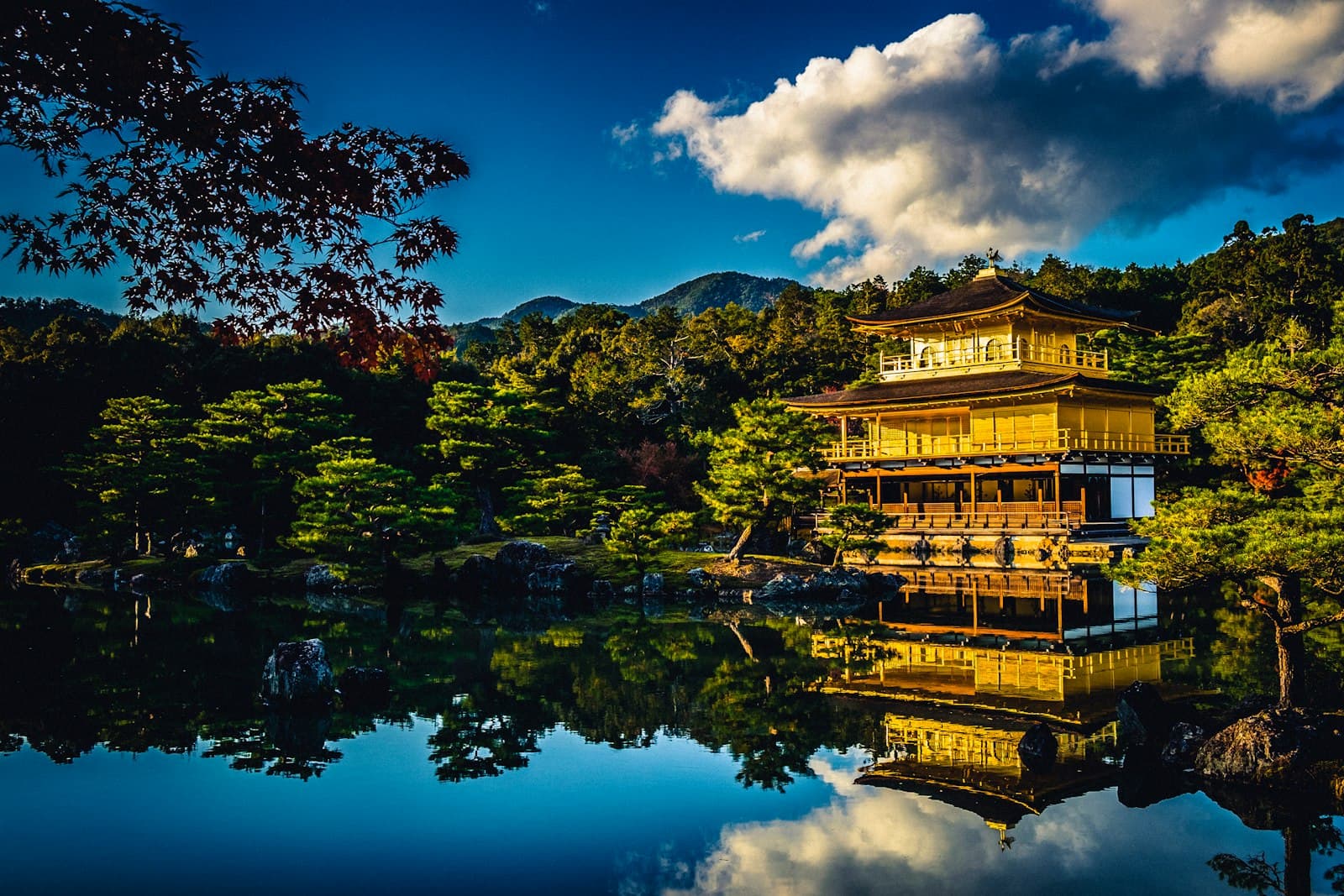
In this guide
- 01What Shukubo Is (And What It Is Not)
- 02The Three-Way Choice: Koyasan, Eiheiji, Or Kyoto
- 03Option 1: Koyasan (Shingon) — The Most Usable Temple Stay
- 04Option 2: Eiheiji (Soto Zen) — For Guests Who Want The Practice
- 05Option 3: Kyoto Subtemples — The “No Overnight” Answer When Time Is Tight
- 06The Comfort Gap: Read This Before You Commit
- 07Language Is The Real Constraint (And Changes Everything)
- 08Shojin Ryori: A Cuisine With Technique, Not A Checkbox
- 09Season And Cold: When To Go (And When To Think Twice)
- 10Booking And Practicalities: What To Confirm Before You Go
- 11FAQ: Temple Stays In Japan (Shukubo)
- 12Why Choose Japan Royal Service
The corridor is dark and cold. Your socks whisper over tatami. A bell carries through timber, and then the day begins before you feel ready.
That is the honest starting point for shukubo, Japan’s temple lodging. It is not a “retreat,” and it is not a wellness product. The schedule belongs to the temple. Always.
Our team at Japan Royal Service sees the same question from high-net-worth travelers who want culture with teeth, not a staged performance: Where should I actually do a temple stay? The answer is a three-way choice. Koyasan, Eiheiji, or Kyoto.
What Shukubo Is (And What It Is Not)
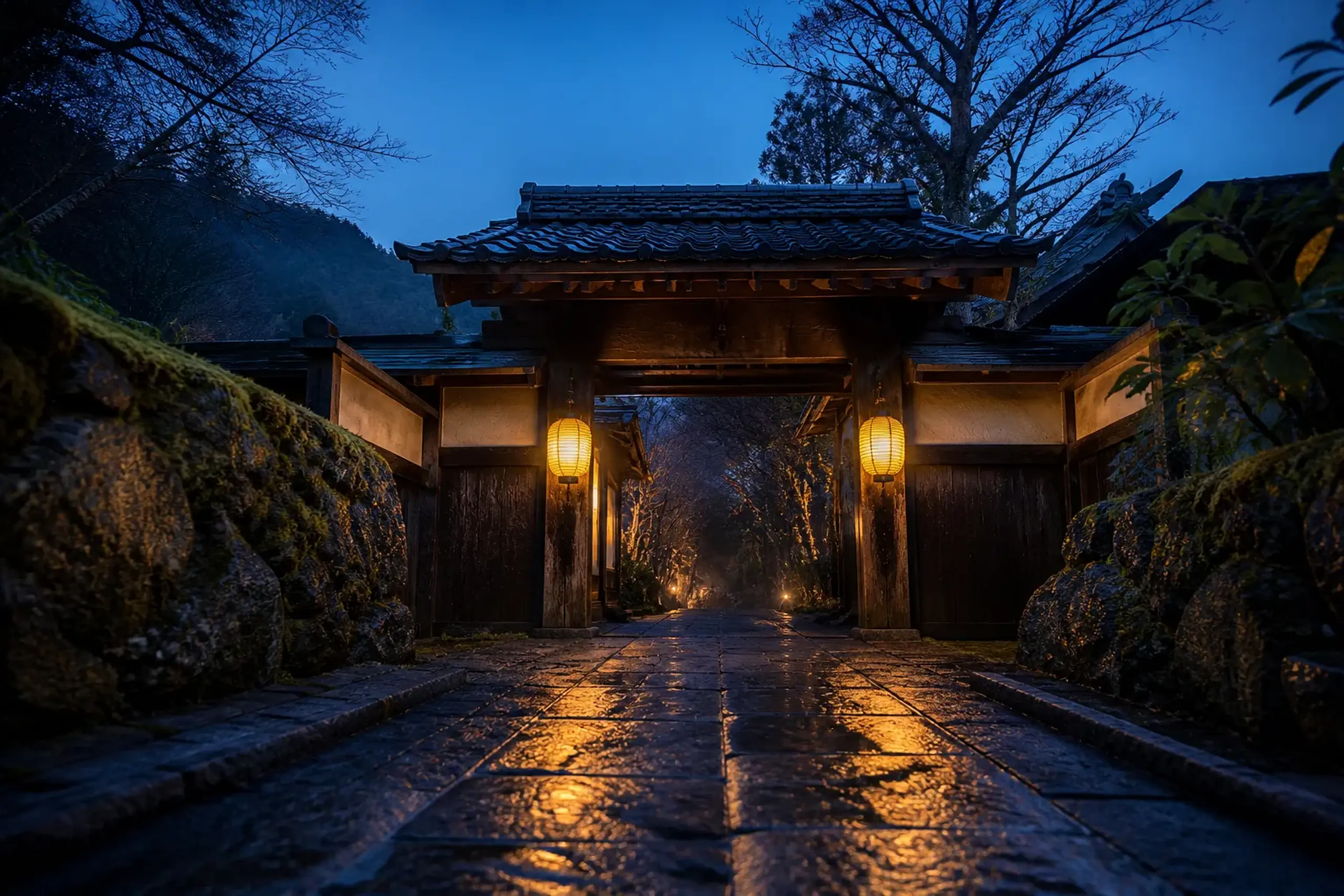
Shukubo begins with the temple’s rules, not hotel habits.
Shukubo is lodging attached to a working Buddhist temple. You are a guest inside an existing rhythm, with rules that come from religious life, not hospitality trends. That can feel clarifying. It can also feel strict.
Expect futon on tatami. Expect early nights and an early morning. Expect shared spaces and thin walls in older wooden buildings. No in-room service.
What you do depends on the temple. Many stays include attending a morning service. Some offer meditation (zazen) sessions. Meals are often shojin ryori, Buddhist vegetarian cuisine served early, in quiet rooms.
If you want a soft landing, you can still do this well. You just need to choose the right place, and set expectations with precision.
Key fact: A temple stay is not “made for you.” You fit into the temple’s timetable, noise rules, curfew, and photography boundaries.
The Three-Way Choice: Koyasan, Eiheiji, Or Kyoto
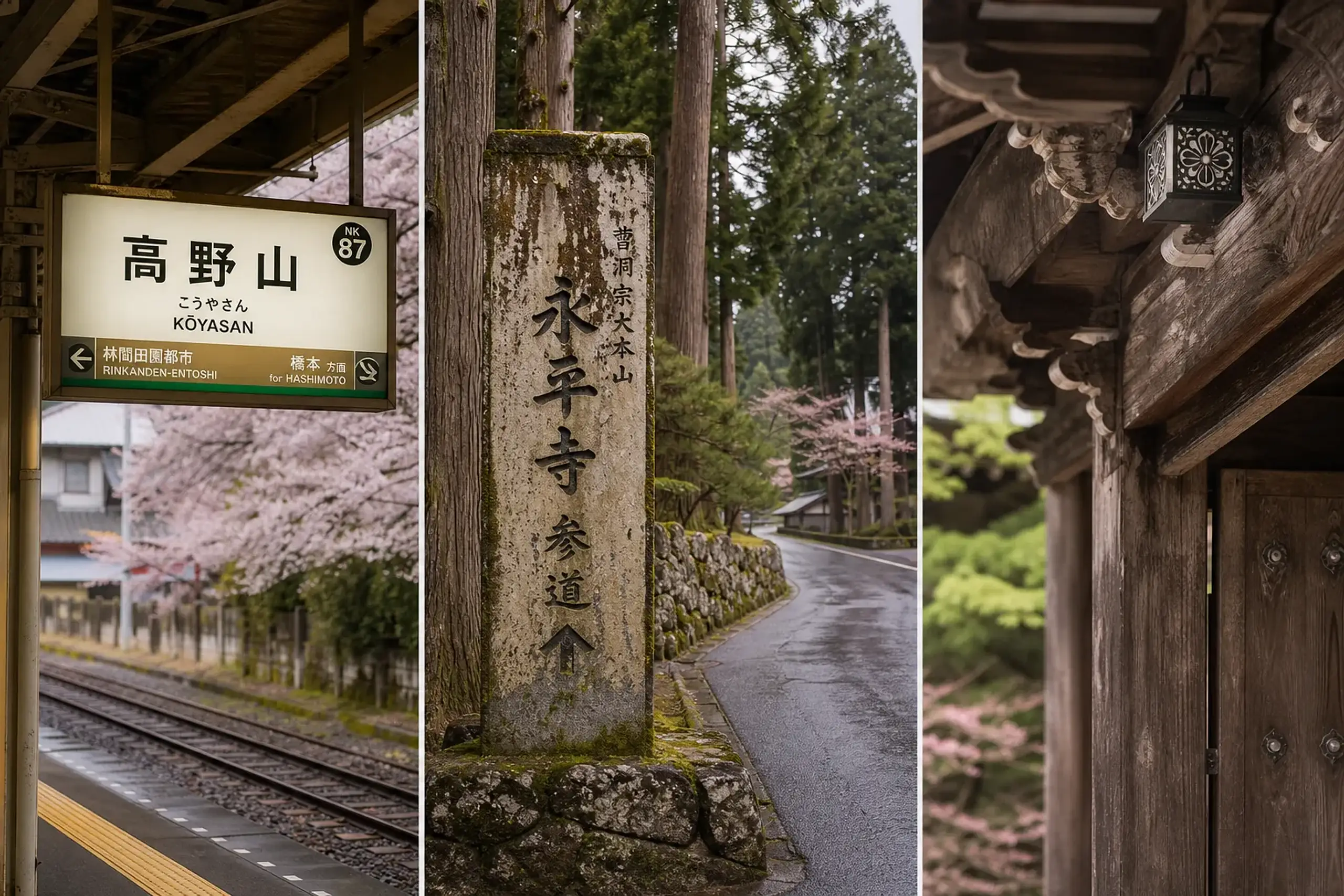
Pick the tradition and the logistics that match your tolerance for rules and cold.
Most online coverage flattens these options into one mood. That is the mistake. The traditions, expectations, and comfort levels differ sharply.
Here is the clean decision logic we use in practice: Koyasan for the accessible, complete shukubo experience; Eiheiji for a stricter Zen-facing stay; Kyoto for people who cannot give up a mountain night but still want a temple-led session.
| Option | Best For | Reality Check | If You Should Avoid It |
|---|---|---|---|
| Koyasan (Mt. Koya)<br>Shingon Buddhism | First shukubo stay, clear structure, strong infrastructure for foreign guests, iconic temple-town atmosphere | Altitude and cold, early curfew, variable comfort by temple, shared bathing is common | You need hotel-style heating, late dinners, nightlife, or soundproof rooms |
| Eiheiji Area<br>Soto Zen | Travelers who want practice and discipline, not just setting; serious interest in Zen context | More rigorous tone; fewer “touristic” cushions; language can be limiting depending on program | You want a gentle introduction, flexible timing, or you dislike structured rules |
| Kyoto Subtemples<br>Short Sessions | Itineraries that cannot absorb a mountain overnight; clients who want zazen plus cultural learning in the city | Often not an overnight; crowd-management realities in Kyoto affect timing and access | You want a full temple-lodging night with curfew, early service, and temple-town immersion |
Option 1: Koyasan (Shingon) — The Most Usable Temple Stay
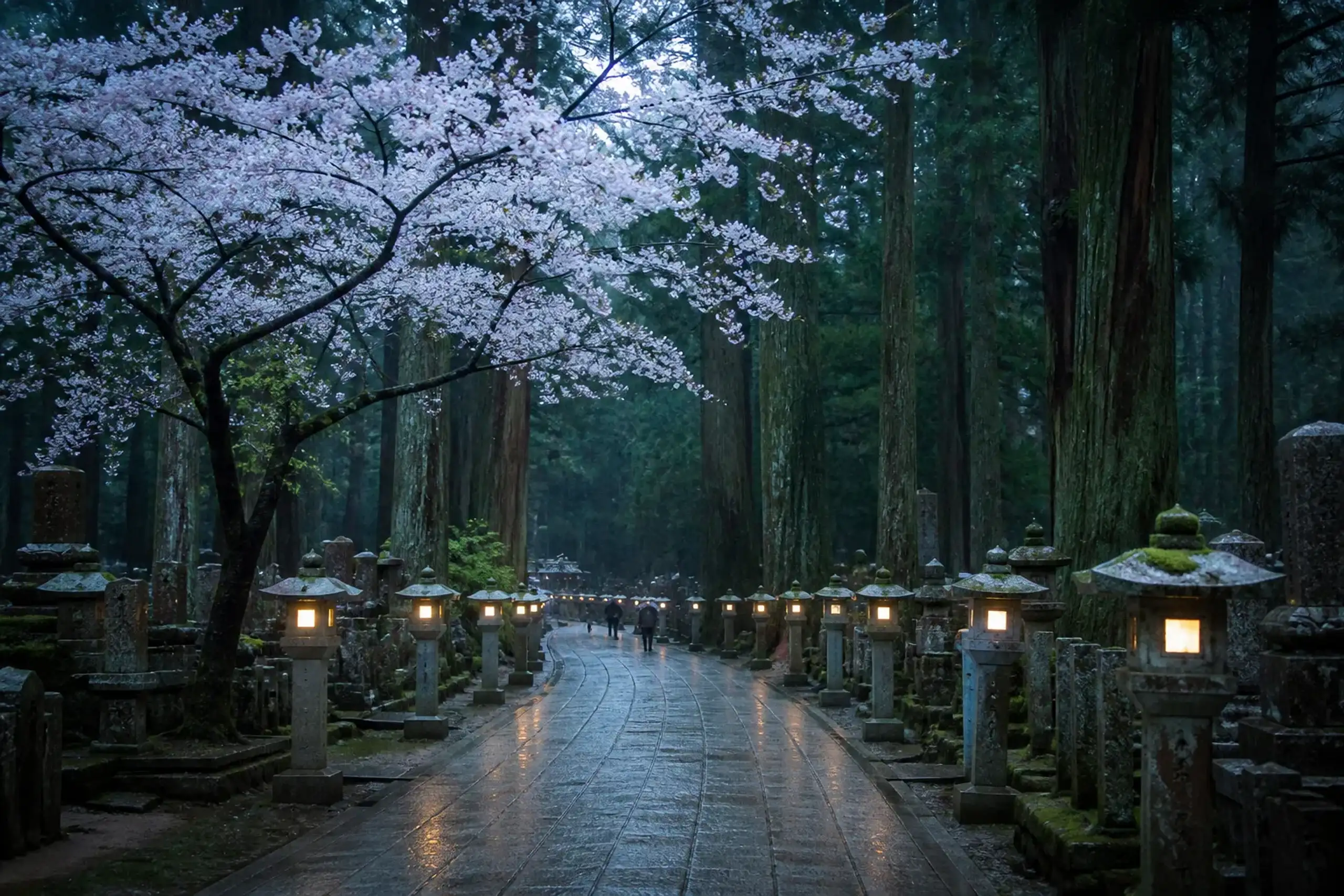
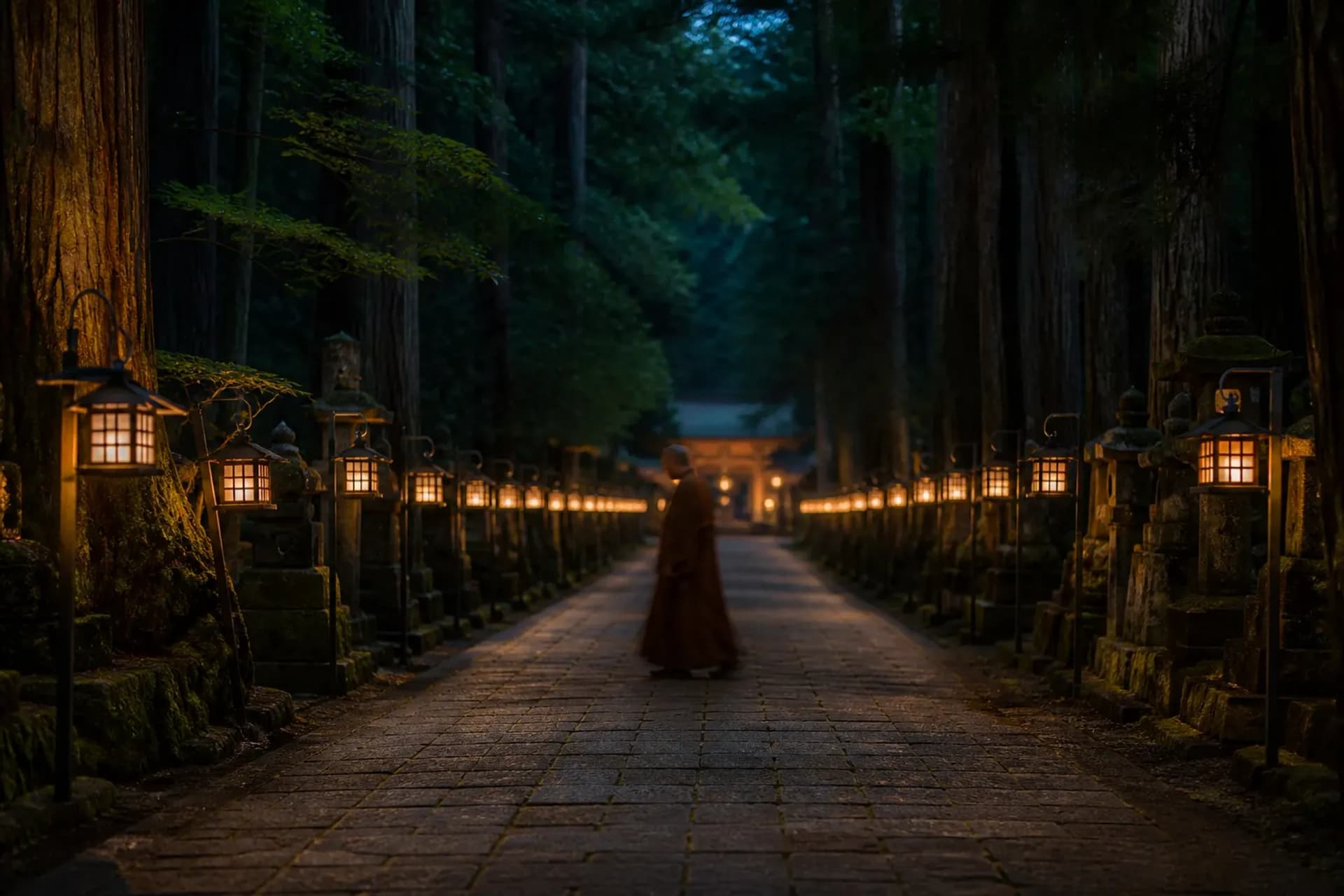
Okunoin at night is quiet, long, and unforgettable—arrive before curfew so you can walk slowly.
Koyasan in Wakayama Prefecture is one of Japan’s best-known places to experience shukubo. It is a mountain temple town with a real religious cadence, yet it also has the practical scaffolding many travelers need the first time. That combination is rare.
There are more than 50 temples in Koyasan that serve as shukubo. Big choice. Also a big spread in comfort and in how much English is realistically supported.
What A Night In Koyasan Actually Looks Like
You arrive before evening. You remove shoes, and you learn quickly where quiet starts. Dinner comes early, commonly shojin ryori, and then the town settles.
Many guests make time for Okunoin Cemetery after dark. The path is long. The cedar trunks read as black pillars, and lantern light turns faces indistinct.
Morning is the point. The day begins pre-dawn, with attendance at a service, and in some temples the goma fire ritual is the center of that experience. You are not watching a show. You are present inside a practice.
Comfort And Language: The Two Real Variables
Koyasan is “accessible” relative to other temple stays, not “comfortable” in the hotel sense. Heating can be limited in older buildings. Hallways can be cold. Shared bathing is common.
Language is the practical constraint most articles glide past. Some temples have English explanations; some do not. Interpretation changes the feel, and not everyone wants a mediated morning service.
How To Book Koyasan Shukubo (Official Pathways)
The Koyasan Shukubo Association operates an official English reservation site. It also offers a booking request service where the secretariat listens to your needs and suggests suitable temple lodgings.
Some temples also publish their own official booking channels. For example, Eko-in (Ekoin) is a shukubo in Koyasan with its own official English website.
Planning windows can be strict. Ekoin has publicly stated that reservations for July 2027 open from August 1, 2026 on its English news page. That is the tone of the market now. Earlier is calmer.
Two Micro-Itineraries That Work (Without Rushing)
1 night is possible, but it can feel like a sprint. In our experience, Koyasan is better with space for the cemetery walk and a full morning.
- 1 Night / 2 Days: Arrive mid-afternoon → temple check-in → early dinner → Okunoin walk at dusk → sleep → morning service → depart late morning.
- 2 Nights / 3 Days: Add a quiet morning in town after the first service, then a second evening with less agenda; the experience deepens when you stop “collecting” it.
If you are pairing Koyasan with walking, note that the Kohechi route of the Kumano Kodo connects Koyasan toward the Kumano region. The logistics are sensitive. Weather, luggage, and timing matter.
Option 2: Eiheiji (Soto Zen) — For Guests Who Want The Practice
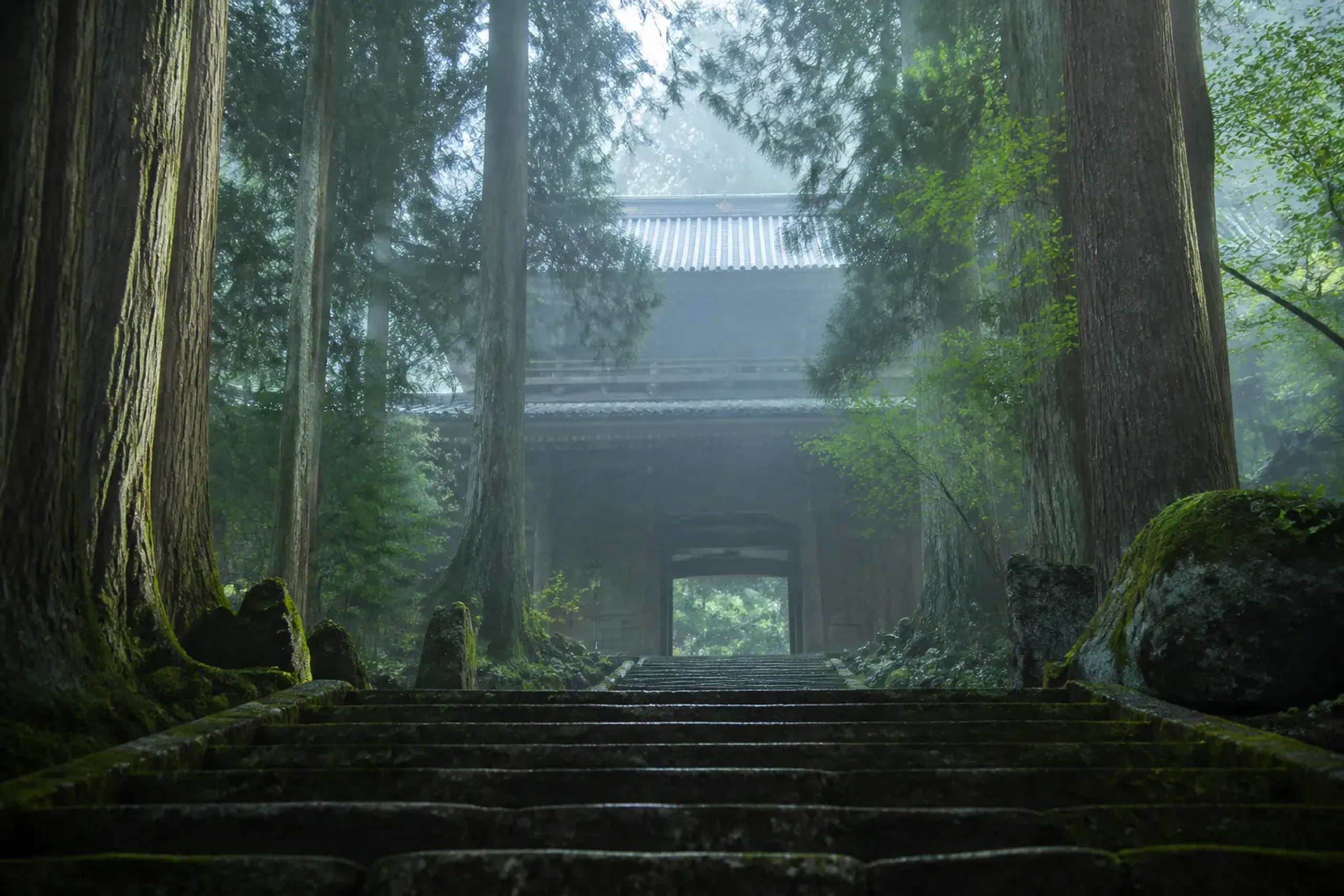
Eiheiji rewards guests who want structure more than scenery.
If Koyasan is the broad doorway, Eiheiji in Fukui Prefecture is narrower. It asks more of you. Less atmosphere-shopping, more discipline.
For many HNW travelers, that is exactly the appeal. The constraint is the point. You go because you want the structure to press back.
Where To Stay: Hakujukan As A Comfort-Forward Base Near Eiheiji
One verifiable, published option is Hakujukan, a lodging positioned at Eiheiji that combines Japanese-inn services with Zen-related experiences. Its own official messaging describes offerings such as authentic Buddhist vegetarian cuisine and sitting Zen (zazen).
ANA’s Japan Travel Planner also describes Eiheiji Hakujukan as sitting between a traditional Japanese inn and a shukubo, with facilities and services while introducing guests to Zen with vegetarian cuisine and meditation. It lists the address as 6-1 Shihi, Eiheiji-cho, Yoshida-gun, Fukui.
This matters if you want Zen context but you are not trying to replicate monastic life. It is a different proposition than sleeping inside a temple building in Koyasan.
Who Eiheiji Suits (And Who It Does Not)
Choose Eiheiji if you want to participate, not only observe, and you can handle earlier mornings and a firmer tone. Short tempers don’t do well here. Neither does a packed itinerary.
Avoid Eiheiji if you want flexible timing, late dinners, or a social atmosphere. It will feel like friction, not clarity.
Option 3: Kyoto Subtemples — The “No Overnight” Answer When Time Is Tight
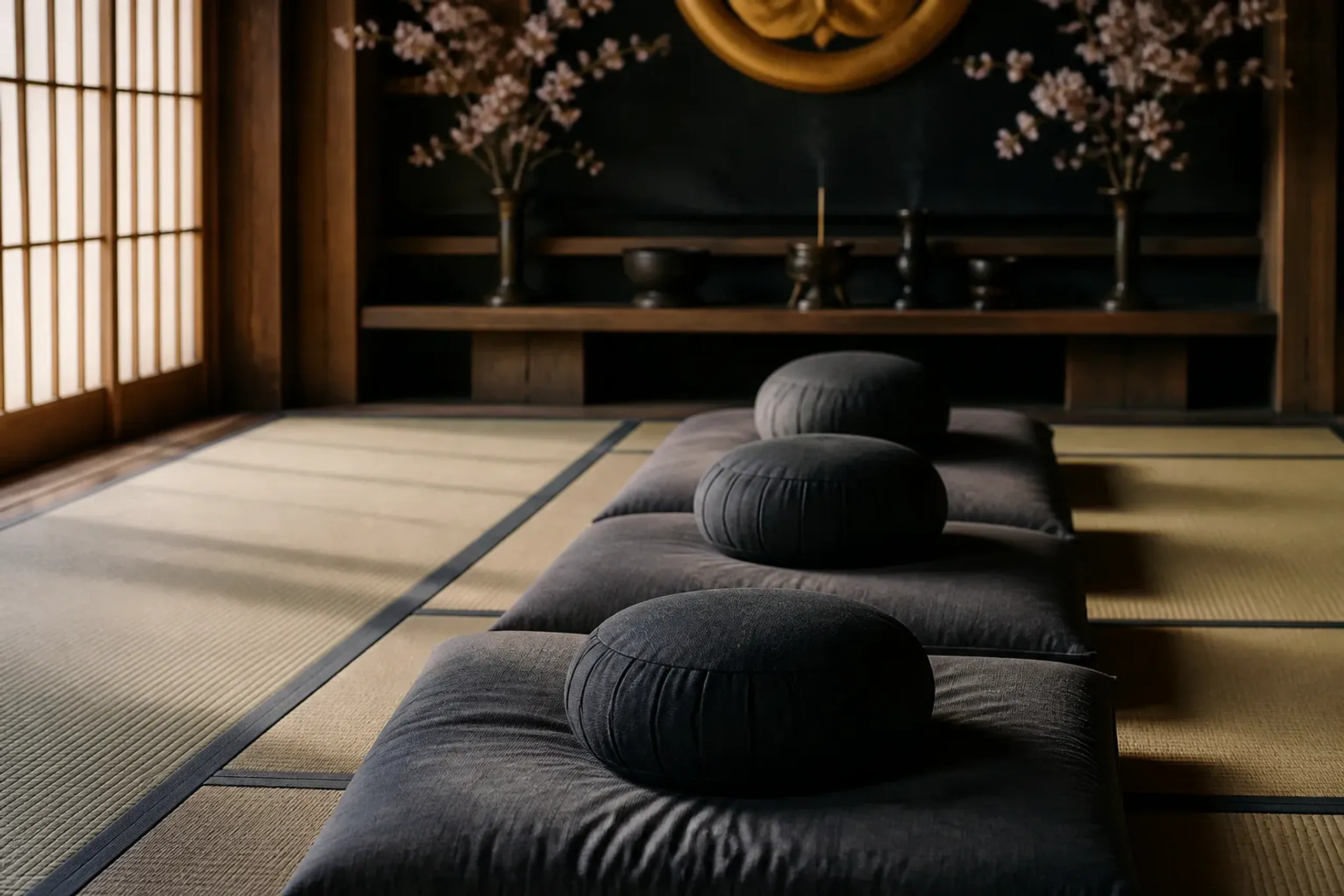
Kyoto can be the right choice when the calendar is the constraint. A mountain night is not always possible, especially on a first Japan visit built around Tokyo–Kyoto–Osaka.
This is where Kyoto’s subtemples and temple programs earn their place: shorter sessions, often zazen, without committing to an overnight in the mountains. It is not a substitute for shukubo. It is a different tool.
A Concrete, Published Example: Shunkoin (Myoshin-ji), Kyoto
Shunkoin Temple within the Myoshin-ji temple complex publishes Zen immersion schedules for 2026. The published program description we have seen weaves Zen meditation with calligraphy, tea ceremony, and seasonal shojin ryori cuisine.
That kind of published schedule is useful for planning because it gives fixed dates and a clear outline. It also sets expectations: you are learning within a temple’s framework, in a city with crowds and strict timekeeping.
Kyoto’s 2026 Reality: Crowds, Rules, And Limited Openings
Kyoto is actively working on the balance between residents’ daily life and tourism, and official updates in 2026 reflect that direction. The result on the ground is simple: timing matters more than it used to.
Kyoto’s official tourism site also publishes content such as Kyoto Summer Special Openings 2026, which can be a smart way to see temple spaces that are not always open, without forcing a temple-stay narrative onto them.
For HNW travelers, Kyoto can still feel quiet. The trick is planning hours, not trying to “find” tranquility at noon in peak season.
The Comfort Gap: Read This Before You Commit
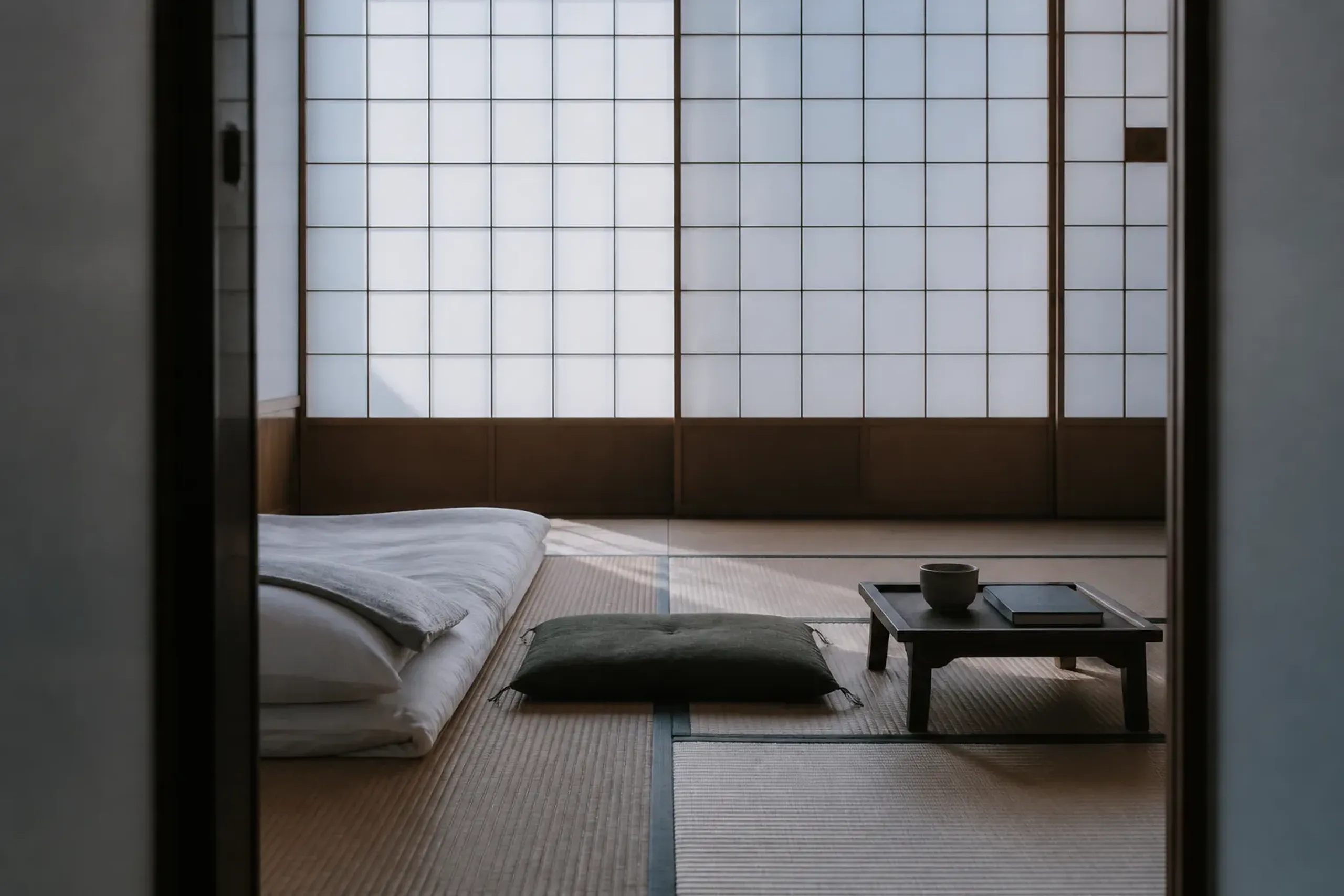
Futon, tatami, thin walls, early nights—know the comfort gap before you commit.
This is where many people misjudge temple lodging. Not because they are naive. Because most articles are coy.
Expect futon, not a Western bed. Expect tatami under you. Shared bathing is common, and bathrooms may be shared depending on the temple and room category. Silence is expected.
Heating can be minimal in older timber buildings. Winter corridors can be genuinely hard, especially at altitude in Koyasan. Thin walls mean you will hear footsteps, doors, and early risers.
If that sounds irritating, do not force it. Choose Kyoto sessions instead, and keep your nights in a hotel or ryokan that matches your sleep needs.
Language Is The Real Constraint (And Changes Everything)
Many temples do not “teach” in English. Some offer basic explanation. Some offer none. This is not a criticism; it is the reality of religious spaces serving their own communities first.
Interpretation can help, but it also filters the experience. A morning service heard in fragments lands differently than one explained step-by-step.
In our experience, the best approach is to decide what you want: quiet presence without full understanding, or a guided learning experience where translation is part of the structure. Then choose the destination and temple accordingly.
Shojin Ryori: A Cuisine With Technique, Not A Checkbox
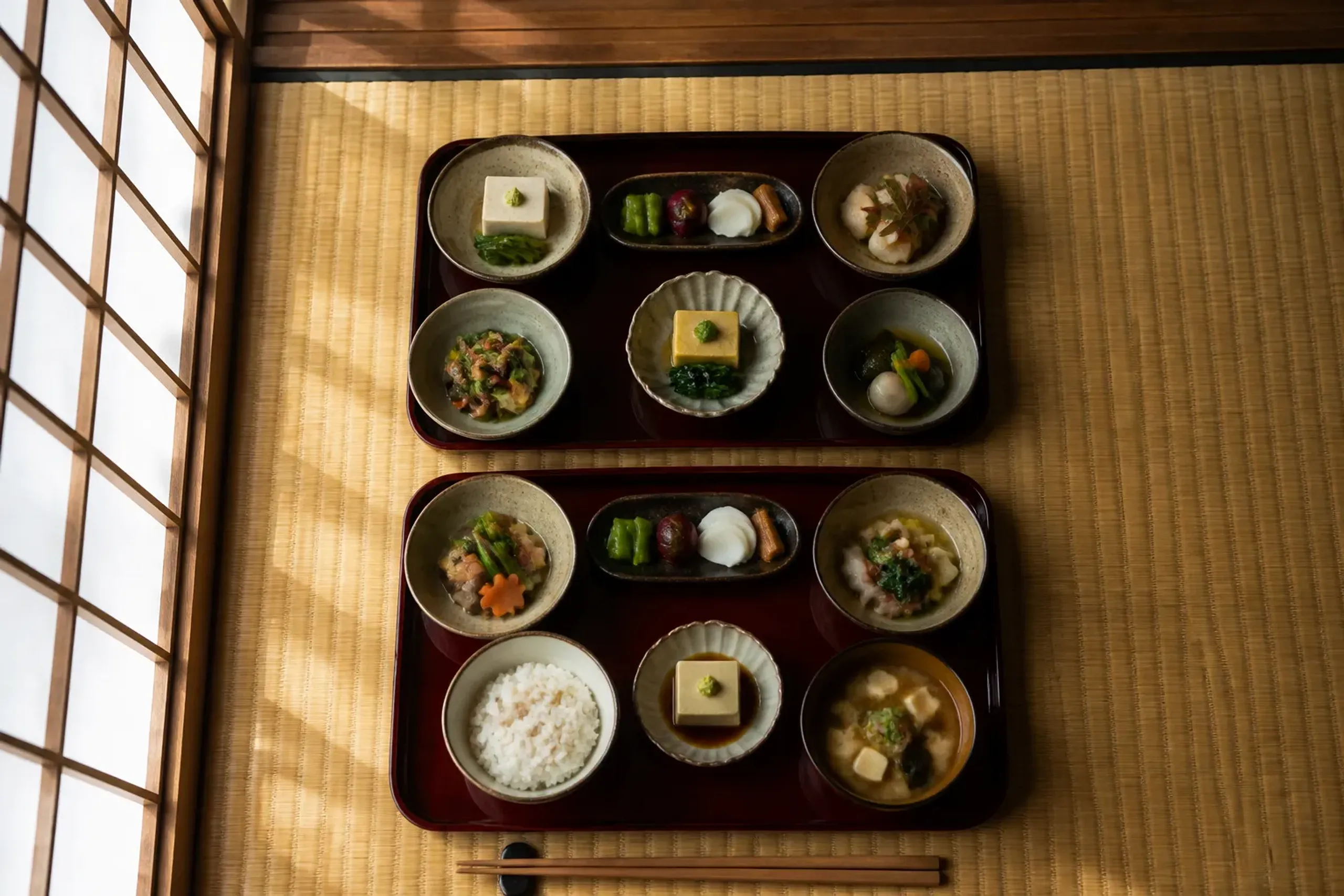
Shojin ryori is often described as “vegetarian temple food.” Technically true. Practically misleading.
It is a cuisine with lineage and restraint, built around texture, temperature, and timing. It is often vegan, and alcohol may not be part of the meal. Dinner is usually early.
If you have dietary restrictions, you need to confirm what is possible in advance. JNTO’s shukubo guide also notes that some temples accept cash only, which is another detail worth confirming early.
Season And Cold: When To Go (And When To Think Twice)
Koyasan sits at altitude. That changes the air. It also changes the cold.
For most guests, spring and autumn are the easiest seasons for a first temple stay: stable temperatures, less physical discomfort, and better sleep. Winter can be extraordinary, but only if you accept the tradeoff.
Snow-season Okunoin can be unforgettable. Still true. The warning stands.
Kyoto is different. The challenge is less temperature than congestion, especially around popular districts and peak visiting hours.
Booking And Practicalities: What To Confirm Before You Go
Temple stays reward planning. They also punish assumptions.
Practical Checklist (Temple-By-Temple)
- Meals: What meals are included, and at what times.
- Curfew and lights-out: Exact time, and whether late arrival is accepted.
- Payment: Cash vs card acceptance (JNTO warns some temples accept cash only).
- Bathing: Shared vs private bathing, and any time windows.
- Language: Whether there is any English guidance for services or zazen.
- Photography: Restrictions in halls, rituals, and sensitive areas.
- Access: Whether a vehicle can reach the lodging directly or you walk with luggage.
Overtourism policy is also changing the national conversation. In March 2026, Japan adopted a target to increase the number of regions implementing measures against overtourism from 47 in 2025 to 100 by 2030, as reported by The Japan Times. The Japan Tourism Agency (MLIT) maintains and updates guidance on initiatives aimed at preventing and suppressing overtourism (an update was posted April 24, 2026).
For you, this lands as simple travel strategy: go earlier in the day, keep groups small, and pick places where your presence doesn’t add pressure to a tight neighborhood.
How To Get There Without Turning It Into A March
If you are carrying proper luggage, the “last mile” matters. A calm arrival changes the whole night.
For the first mention of private driving: many guests prefer private transportation on temple-stay days so they can arrive before curfew, avoid transfers, and carry luggage without strain. It is not about status. It is about not arriving flustered.
If you are folding a temple stay into a broader journey, we typically design a tailor-made itinerary that protects sleep, respects temple rules, and keeps transit realistic, especially when Kyoto is in the mix.
FAQ: Temple Stays In Japan (Shukubo)
Is A Shukubo A Hotel Or A Ryokan?
No. It is temple lodging in a working religious site. Comfort can overlap with a ryokan in some places, but the schedule and rules come from the temple.
Which Is Better: Koyasan Or Eiheiji?
Koyasan suits most first-time temple-stay guests because it has many shukubo options and strong infrastructure for visitors. Eiheiji is better if you want a stricter, practice-led Zen context and can handle a more disciplined tone.
Can I Do A Temple Stay In Kyoto?
Kyoto is often better for temple-led sessions and short zazen programs than for a full shukubo overnight, especially if your itinerary cannot absorb a mountain night. Shunkoin (Myoshin-ji) publishes 2026 immersion schedules that combine meditation with calligraphy, tea, and shojin ryori.
What Do You Actually Do During A Temple Stay?
Most stays involve early meals and attending a morning service. Some temples offer meditation (zazen) or ritual elements such as goma fire rituals (commonly associated with Shingon contexts like Koyasan). The details vary by temple.
Are Temple Stays Vegan-Friendly?
Shojin ryori is Buddhist vegetarian cuisine and is often vegan, but you should confirm ingredients and restrictions directly with the lodging before arrival.
Is It Very Cold In Winter?
Koyasan is at altitude, and older buildings may have limited heating in corridors and shared spaces. Spring and autumn are easier for a first stay. Winter can be memorable if you are comfortable with real cold.
Do I Need Cash?
Possibly. JNTO notes that some temples accept cash only, so it is wise to confirm payment method in advance.
How Do I Book Koyasan Shukubo As A Foreigner?
The Koyasan Shukubo Association runs an official English reservation site and also offers a booking request service where the secretariat suggests suitable temples based on your needs. Some temples, such as Eko-in (Ekoin), also maintain their own official English websites and publish booking windows.
Why Choose Japan Royal Service
Temple lodging is sensitive travel. Rules differ by temple, language support is uneven, and the comfort gap is real. Our concierge team at Japan Royal Service is built for this kind of planning: quiet, exact, and discreet.
We guide you toward the right match among Koyasan, Eiheiji-area options like Hakujukan, and Kyoto programs like Shunkoin, then we help you pressure-test the details that matter: curfew, meals, payment method, language realities, access, and timing that respects local crowd-management goals.
Discretion is non-negotiable for our clients. So is cultural seriousness. When a temple stay belongs in your journey, we keep it clean and properly placed.
For private coordination, reach our team at Japan Royal Service directly via WhatsApp or LINE, or contact us here.