In this guide
- 01Why Operational Security Looks Different In Japan
- 02Low-Profile Movement: Arrivals, Transfers, And Quiet Check-In
- 03Nightlife Intelligence For Tokyo And Osaka
- 04Overtourism As An Exposure Risk
- 05Disaster-Ready Itineraries For Principals And Staff
- 06Confidentiality By Design: How Vendor Operations Stay Sealed
- 07A Note On Executive Protection And Japanese Law
- 08Confidential Japan: Common Questions
- 09Why Choose Japan Royal Service
The wealthiest travelers rarely fear being unsafe in Japan. Japan is calm. What they fear is being seen — the accidental photograph, the predictable route, the entourage that announces itself before the principal has even stepped out of the vehicle.
Real privacy is not a bodyguard in dark glasses. It is the absence of anything worth photographing. In our experience at Japan Royal Service, the highest form of security in Japan looks like nothing at all. A quiet arrival. A car that waits in the right place. A room reached without passing through a lobby full of phones.
This guide explains how discreet travel actually works here — grounded in official Japanese guidance, not theatrics. No tactical instructions. Just the operating standard that lets a high-net-worth family move through Tokyo, Kyoto, and beyond without leaving a trail.
Why Operational Security Looks Different In Japan
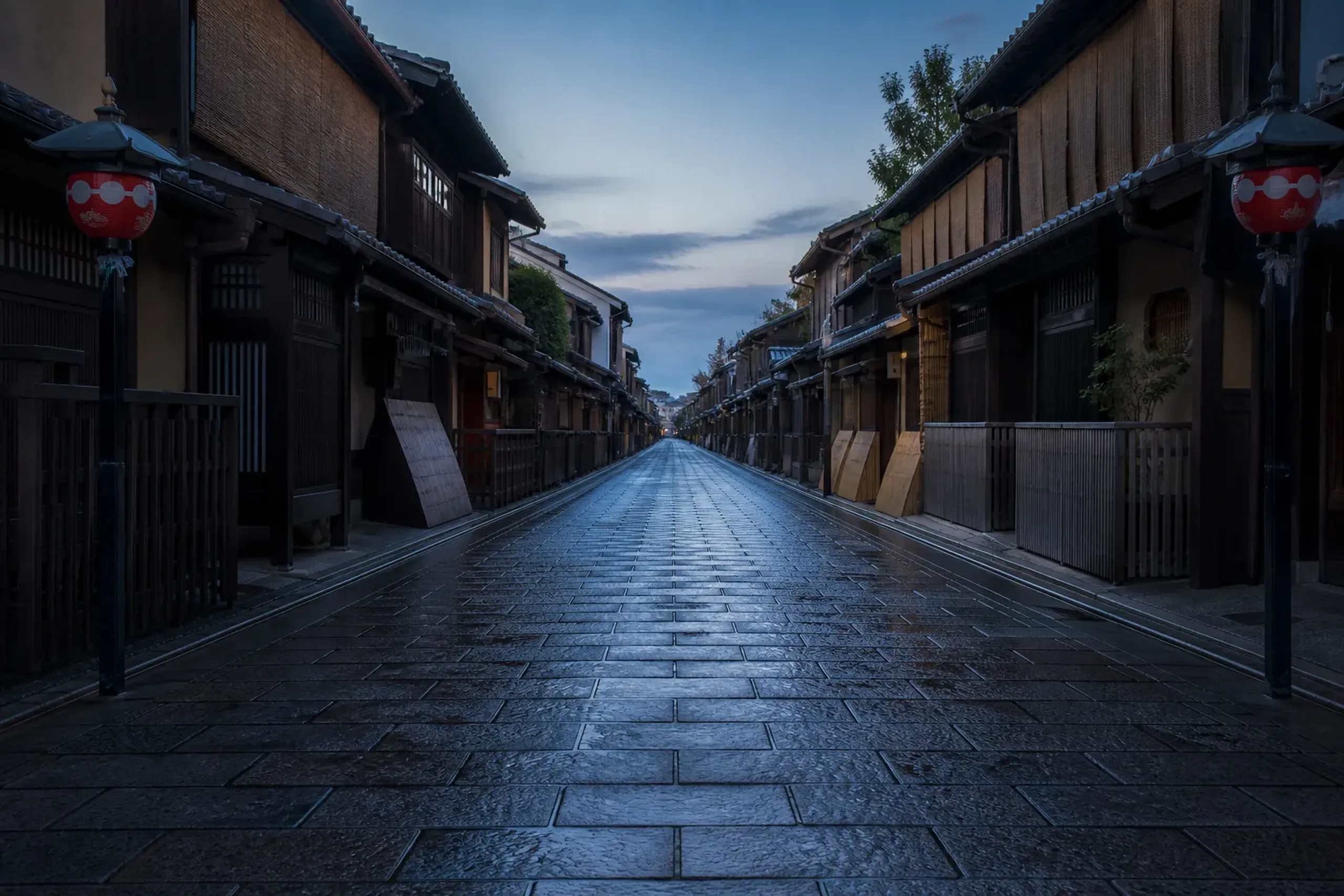
Japan runs on a social instinct with no clean English translation: the avoidance of meiwaku — causing disturbance to others. A convoy of black SUVs blocking a Gion lane does not read as powerful here. It reads as rude. And rudeness draws exactly the attention a private guest wants to avoid.
This is the paradox. The louder the security, the more exposed the principal becomes. Practitioner briefings on executive protection in Japan, including guidance from FFGR Security Worldwide, consistently favor a low-profile posture — precisely because the visible-security look invites paparazzi, media surveillance, and the curiosity of strangers.
So the goal shifts. Not "protect the visible principal" but "remove the principal from view entirely." Wabi-sabi, oddly, is the right frame. Restraint. Nothing ornamental. A presence so plain it disappears into the ordinary rhythm of a Japanese street.
The Invisible Bubble, Not The Security Detail
Picture a departure from a Kyoto ryokan at 6:40 a.m. The luggage left the night before. The vehicle idles at a side entrance, engine already warm. The check-out was settled in advance, so no one lingers at a desk. The guest walks eleven steps from a private garden gate to a rear door. Total exposure: under thirty seconds, seen by no one but staff who signed confidentiality terms months earlier.
That is the bubble. It is built from timing, staging, and relationships — not muscle. Our concierge team designs these movements the way a stagehand plans a scene change: in the dark, before the audience notices anything has moved.
Low-Profile Movement: Arrivals, Transfers, And Quiet Check-In
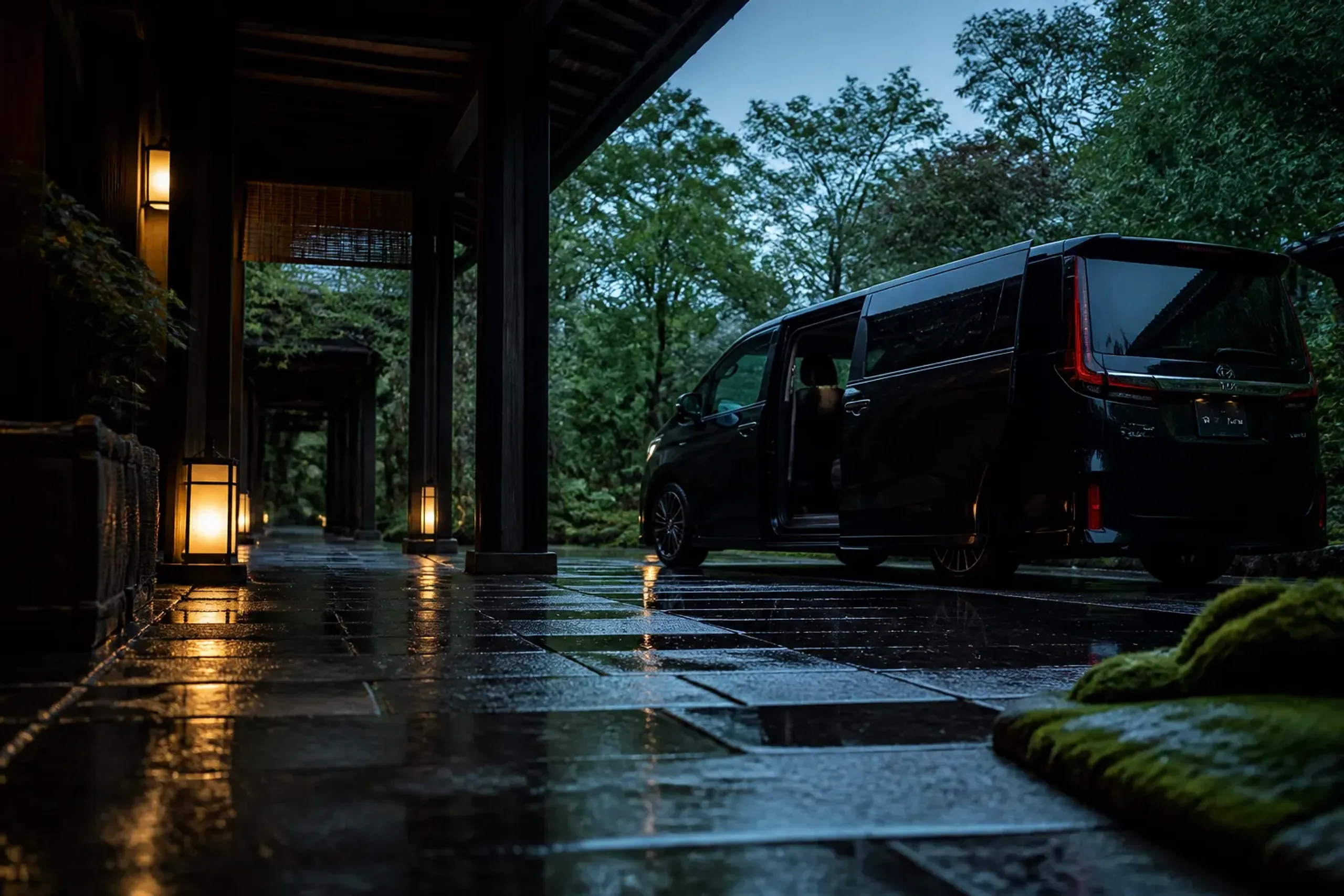
Most privacy failures happen in the seams — the gap between airport and car, the walk across a hotel lobby, the pause at an elevator. These are the moments where a phone comes out.
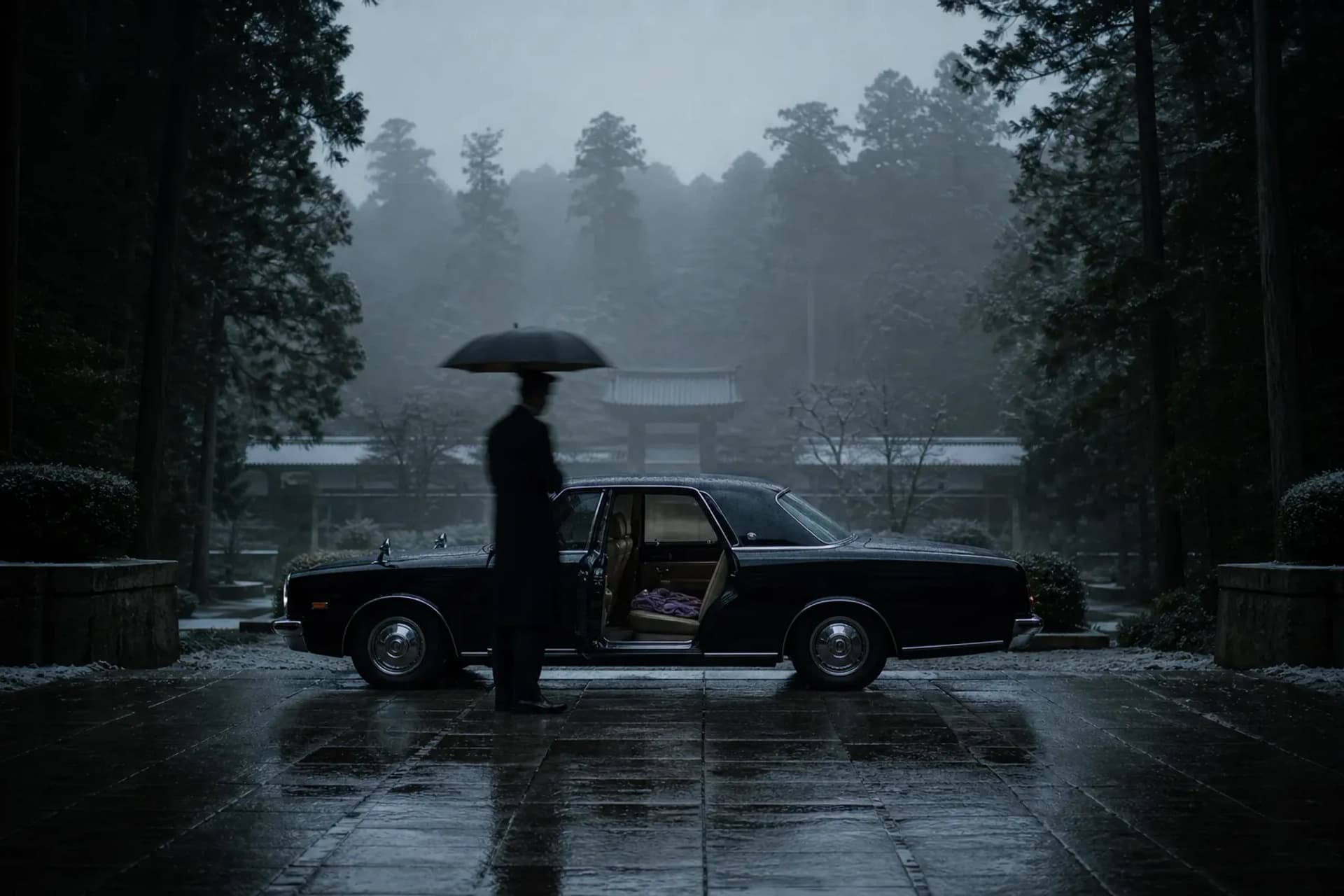
Japan gives us unusual advantages here. Its airports and hotels are built for order, and that order can be shaped around a principal without anyone noticing the effort. Our approach to private chauffeured transport treats the vehicle as the first secure room of the trip.
- Meet-and-greet flow. The principal is met before the public concourse, not in it. Handling moves to staff so the guest carries nothing and stops for nothing.
- Vehicle staging. The car is positioned so the door-to-door distance is minimal. Our flagship Lexus LM 500 and executive Mercedes V-Class offer cabin privacy that turns the transfer itself into a shielded space.
- Elevator and entrance control. Quiet check-in means the paperwork is done; the guest goes room-to-vehicle and vehicle-to-room without theater.
- Route variation. Predictable routes are the enemy of privacy. Small changes in timing and path break the pattern that observers rely on.
None of this requires disruption. Done well, no other guest ever knows a principal passed through.
Nightlife Intelligence For Tokyo And Osaka
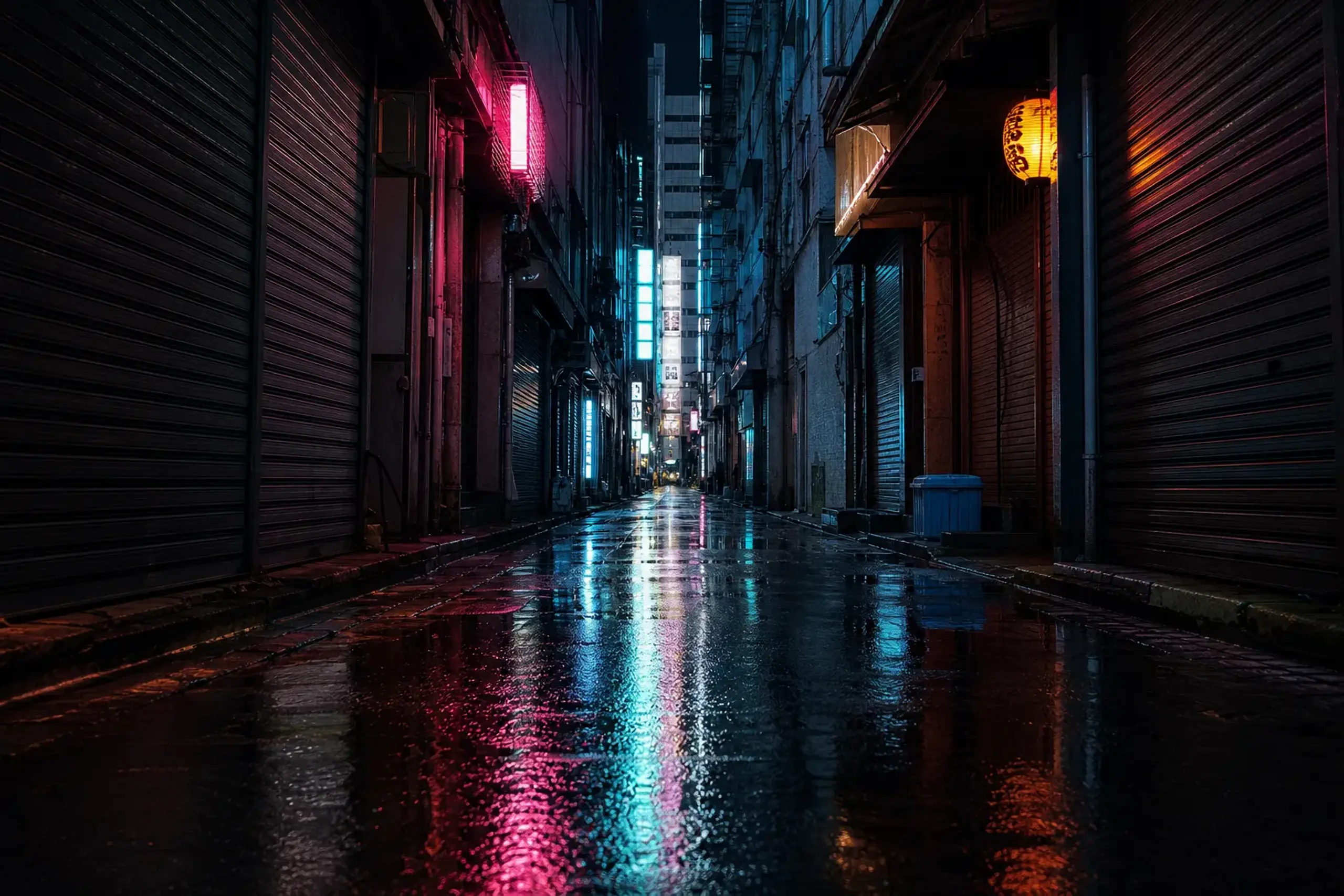
The single most realistic risk to a visiting executive is not dramatic. It is a stranger on a sidewalk in a nightlife district, offering to take you somewhere "better."
The Tokyo Metropolitan Police publish English-language crime-prevention guidance (updated February 13, 2026) warning that when someone approaches you on the street and tries to lead you to a specific bar, trouble often occurs at the venue the tout recommends. Opaque pricing. Coercive bills. The switch from one venue to another. Reputable travel operators note that districts such as Roppongi and Kabukicho in Tokyo, and America Mura in Osaka, warrant extra care.
Key fact: Japan's emergency numbers are 110 for police and 119 for fire and ambulance. Program both into every phone in the party before arrival.
A Simple Decision Framework For Evenings Out
Assistants and protection leads can hold to a short set of rules that removes almost all nightlife exposure:
- Pre-select venues. Never follow a street invitation. If it was not on the plan, it does not happen.
- Arrive and leave by pre-arranged car — never by a walk-up taxi from an unfamiliar curb.
- Confirm pricing before entering any establishment not already vetted.
- Set a clean exit trigger. Any pressure, any confusion about the bill, any venue switch — the party leaves.
The elegant part: a private evening in a vetted room removes the sidewalk entirely. There is no tout to decline when the car takes you straight to a reserved table.
Overtourism As An Exposure Risk
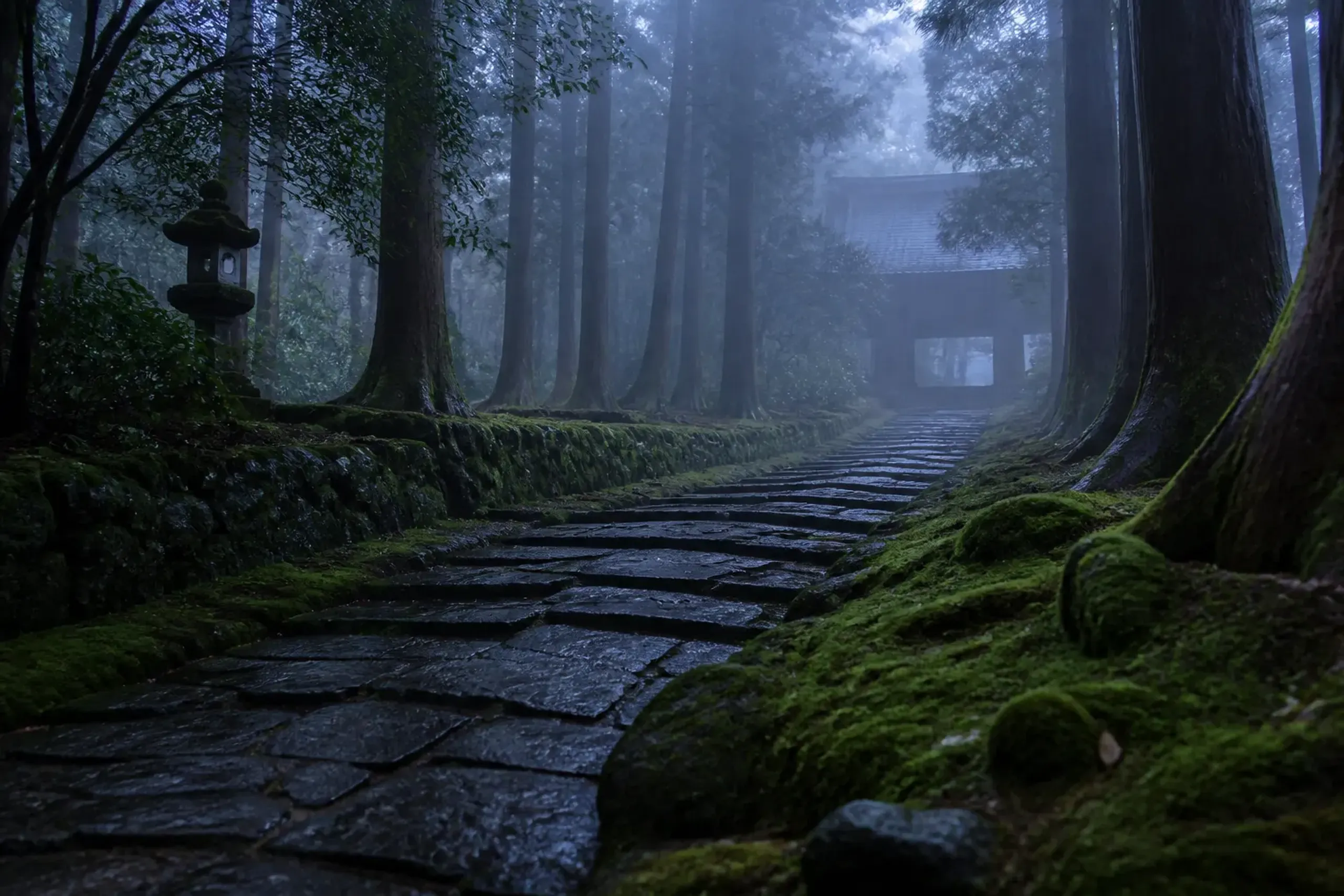
Crowds are not just uncomfortable for private guests. They are a security problem. A dense street means unpredictable movement, hundreds of raised cameras, and routes so obvious that anyone could anticipate them.
Japan's Tourism Agency maintains a national page on overtourism countermeasures (last updated April 24, 2026), and Kyoto City published guidance on harmony between resident life and tourism (dated February 17, 2026). For the traveler who values privacy, these policy shifts are a gift — they make discreet, low-profile logistics both more welcome and more valuable.
The answer is time-shifting and place-shifting. Early access before a garden opens to the public. Alternative districts with the same cultural depth and a fraction of the phones. This is the Hidden Japan principle applied to security: the temple you can view in near-silence is safer precisely because it is empty.
Plan for 2026: Kyoto's accommodation tax rates change on March 1, 2026. It is a small operational detail, but the kind of current fact that separates a serious itinerary from a generic one.
Building A Calm, Low-Transfer Route
The fewer transfers, the fewer exposure points. A well-designed bespoke itinerary often uses three layers: Tokyo as a controlled arrival and departure bookend, Kyoto as a quiet cultural core reached through off-peak timing, and an onsen town as the decompression layer where crowd pressure simply drops away.
New 2026 openings can anchor such a route without being the point of it. HOTEL THE MITSUI HAKONE (opening December 15, 2026) and the Kengo Kuma–designed WE Hotel Toya in Hokkaido (joining the Dusit Collection July 1, 2026) both sit in landscapes where restraint is the aesthetic and privacy is easier to hold.
Disaster-Ready Itineraries For Principals And Staff
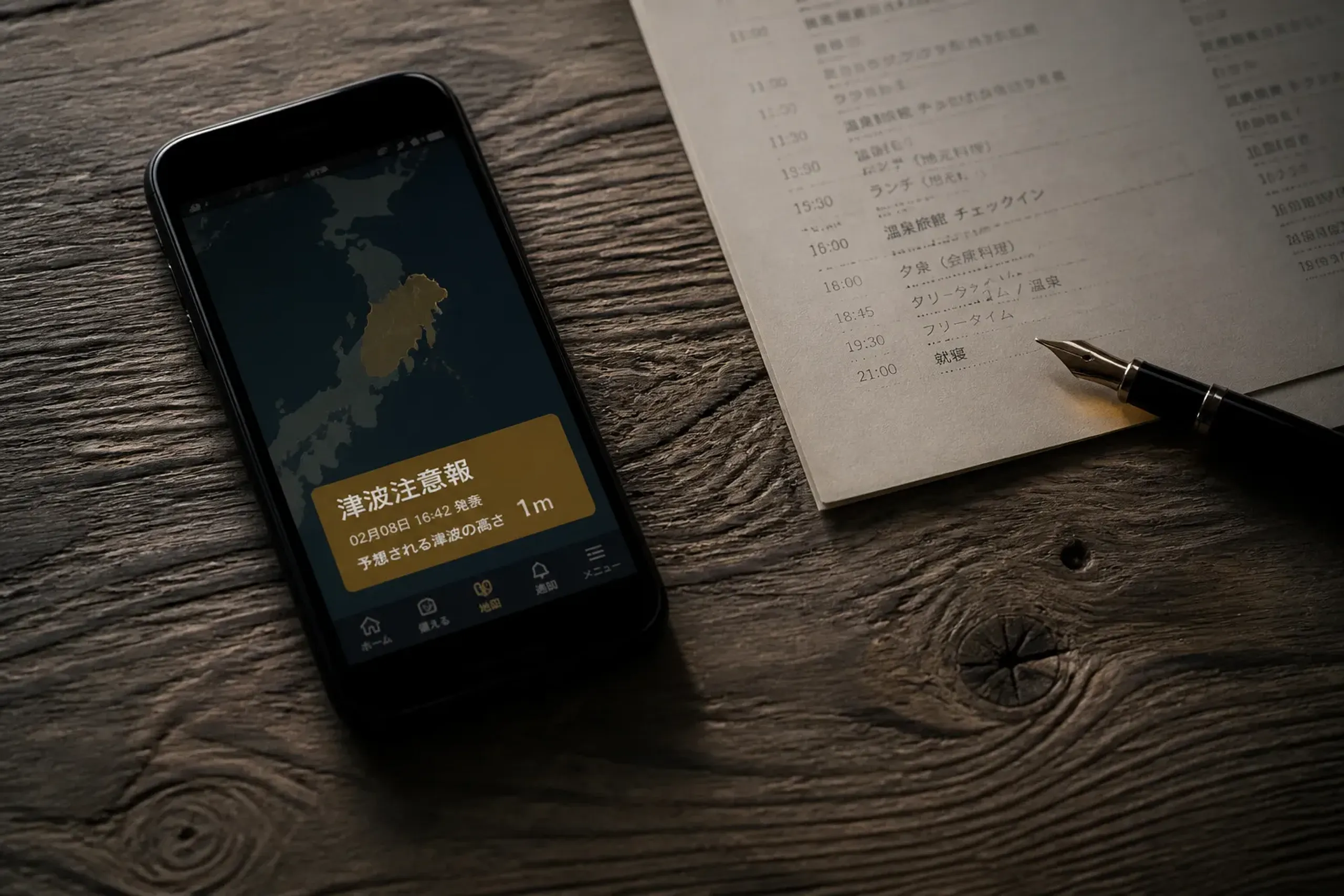
Continuity planning is part of confidential travel, and Japan makes it straightforward. This is not fear — it is composure. The traveler who has a plan never has to improvise in public.
The Japan National Tourism Organization provides an official Safety Tips resource covering earthquake and tsunami information and alerts. The U.S. Department of State's Japan travel advisory recommends disaster preparedness and references the NHK World app for cellphone safety alerts before an earthquake strikes. JNTO's Japan Safe Travel Information page even carries a dedicated section on the 2026 Earthquake off the Sanriku Coast.
A calm preparedness module for a private party usually covers:
- Alerting stack. Official app-based alerts installed on every phone, principal and staff alike.
- Comms tree. A pre-agreed order of contact so a family office knows within minutes that everyone is accounted for.
- Rally points. Simple, named meeting locations at each stop.
- Hotel liaison and medical routing. Coordination worked out with the property before arrival, not during an event.
Handled quietly in advance, none of this touches the guest's experience. It simply exists, ready.
Confidentiality By Design: How Vendor Operations Stay Sealed
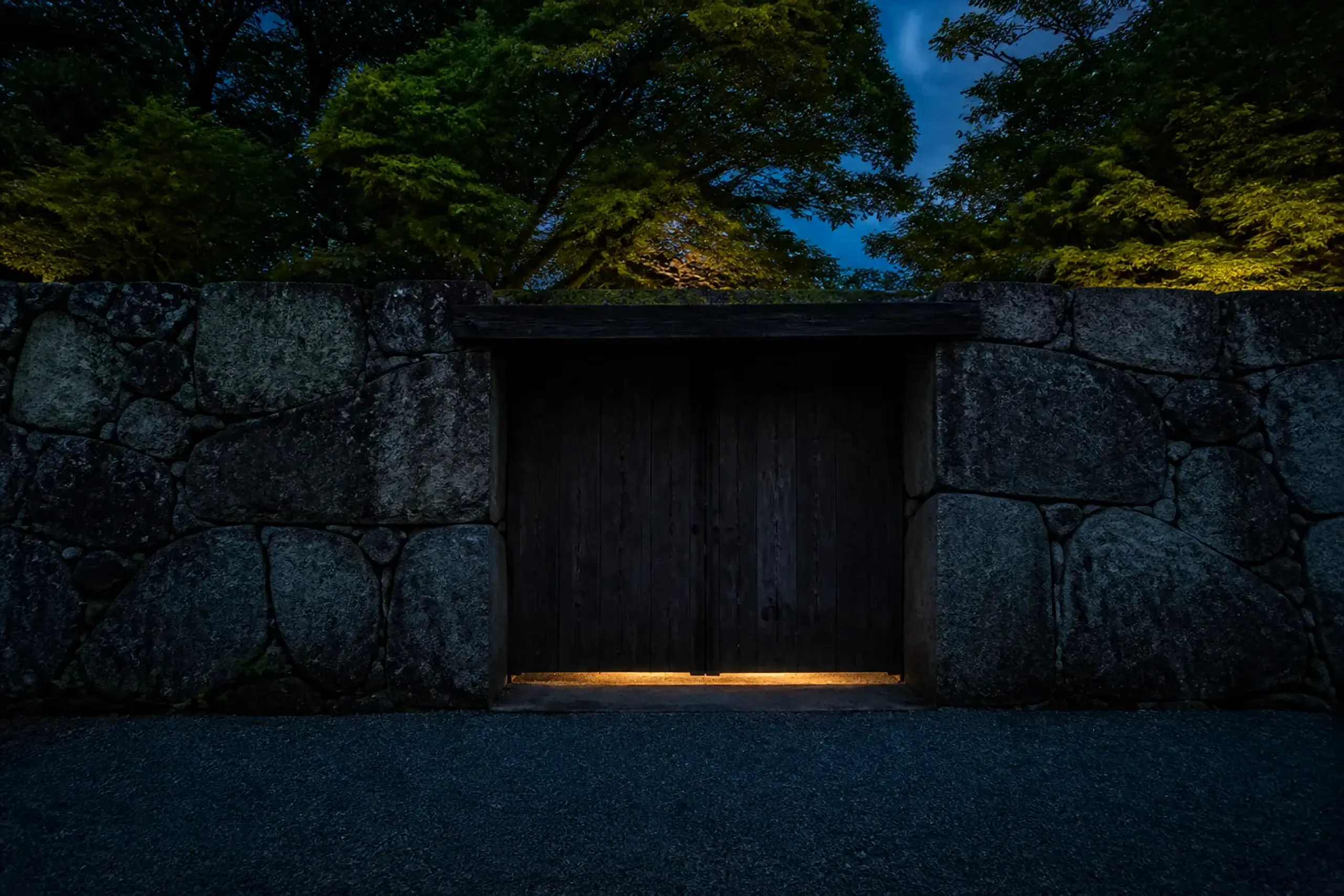
The weakest point in most private trips is not the principal. It is the chain of vendors who each know a little too much. Discretion is the value we protect above all others, and it is engineered — not promised.
- Non-disclosure agreements. Strict confidentiality terms bind everyone with contact, from drivers to atelier hosts.
- Compartmentalization. No single vendor sees the full itinerary. Each is briefed on a need-to-know basis only.
- Data minimization. The less personal information distributed, the less that can leak. Details of guest identity stay held closely.
- Social and geotag protocols. Security briefings widely recommend disabling geotagging, avoiding real-time posting, and limiting how far a detailed itinerary travels. We treat these as standing rules for staff.
This is the layer competitors rarely discuss. Inspirational editorial sells the dream; it does not explain how the dream stays private. For a guest whose face is known, that difference is everything.
A Note On Executive Protection And Japanese Law
Japan's legal environment around security equipment is strict, and this is not the place for tactical advice. Any protection team planning to bring equipment into the country should verify compliance through qualified legal counsel well before travel. Practitioner briefings emphasize that the low-profile approach — plain vehicles, quiet coordination, cultural fluency — is both the most effective and the most compliant posture in Japan. Our role is to coordinate legitimate, discreet logistics; formal protection work remains with licensed professionals.
Confidential Japan: Common Questions
Is Japan Safe For High-Profile Travelers?
Japan is among the calmest destinations in the world. The realistic risks are not violent crime but exposure: photography in crowds, nightlife touts, and predictable routes. All three are addressable through low-profile movement and off-peak timing.
What Are Japan's Emergency Numbers?
Dial 110 for police and 119 for fire and ambulance. English support is available. We recommend both numbers, plus the NHK World safety-alert app, on every device in the party.
How Do You Protect A Guest's Identity From Leaking?
Through confidentiality agreements, compartmentalized vendor briefings, data minimization, and strict social-media and geotagging protocols. No single party ever holds the full picture.
Which Areas Warrant Extra Care At Night?
Tokyo Metropolitan Police guidance highlights the risk of street touts leading visitors to specific bars. Districts such as Roppongi and Kabukicho in Tokyo, and America Mura in Osaka, call for a pre-planned, car-based evening rather than walk-up venues.
Why Choose Japan Royal Service
Anyone can promise privacy. Delivering it in Japan takes relationships built over years, staff bound by confidentiality, and an instinct for the local grammar of discretion — the difference between a movement that commands a street and one that vanishes from it.
Our team at Japan Royal Service designs low-profile itineraries for high-net-worth families and executives across Tokyo, Kyoto, Osaka, Nara, Nikko, Hakone, Hiroshima, and Hokkaido, with a fleet ranging from the Lexus LM 500 to executive coaches, and multilingual coordination in English, Japanese, Thai, and Filipino. We work as your trusted information source and private point of coordination — the quiet hand that arranges timing, staging, and confidentiality so that nothing about your visit becomes public.
We do not sell the security look. We sell its opposite: a Japan you move through unseen.
For private, confidential coordination of a discreet itinerary, reach our team directly via WhatsApp or LINE, or contact us here. Every conversation is held in strict confidence.