In this guide
- 01Why Discretion Is The Real Luxury Language In Japan
- 02The 2026 Privacy-First Kyoto Briefing: Gion And Southern Gionmachi
- 03Content And Confidentiality Etiquette For High-Profile Travelers
- 04Discretion At The Table: Omakase And Fine Dining
- 05Hands-Free Movement And Congestion As Discretion
- 06Social Capital: How Introduction-Only Access Actually Works
- 07Pre-Departure Q&A
- 08Why Choose Japan Royal Service
Discretion is not a mood in Japan. It is a discipline. And for the well-traveled guest arriving with a family, a security detail, or simply a strong preference for privacy, it becomes the difference between a visit that feels effortless and one that draws unwanted attention.
This briefing is written for exactly that reader. Not a list of tourist manners. A working protocol for moving quietly through a country where silence is a form of respect and restraint is a form of taste.
Our team at Japan Royal Service prepares a version of this note for every guest before arrival. What follows is the public version — grounded in official 2026 guidance from Kyoto City, the Japan National Tourism Organization, and Japan's Ministry of the Environment. Read it once. Keep it close.
Key principle: In Japan, being noticed is rarely a marker of status. The most refined travelers move through the country almost invisibly — and are treated better for it.
Why Discretion Is The Real Luxury Language In Japan
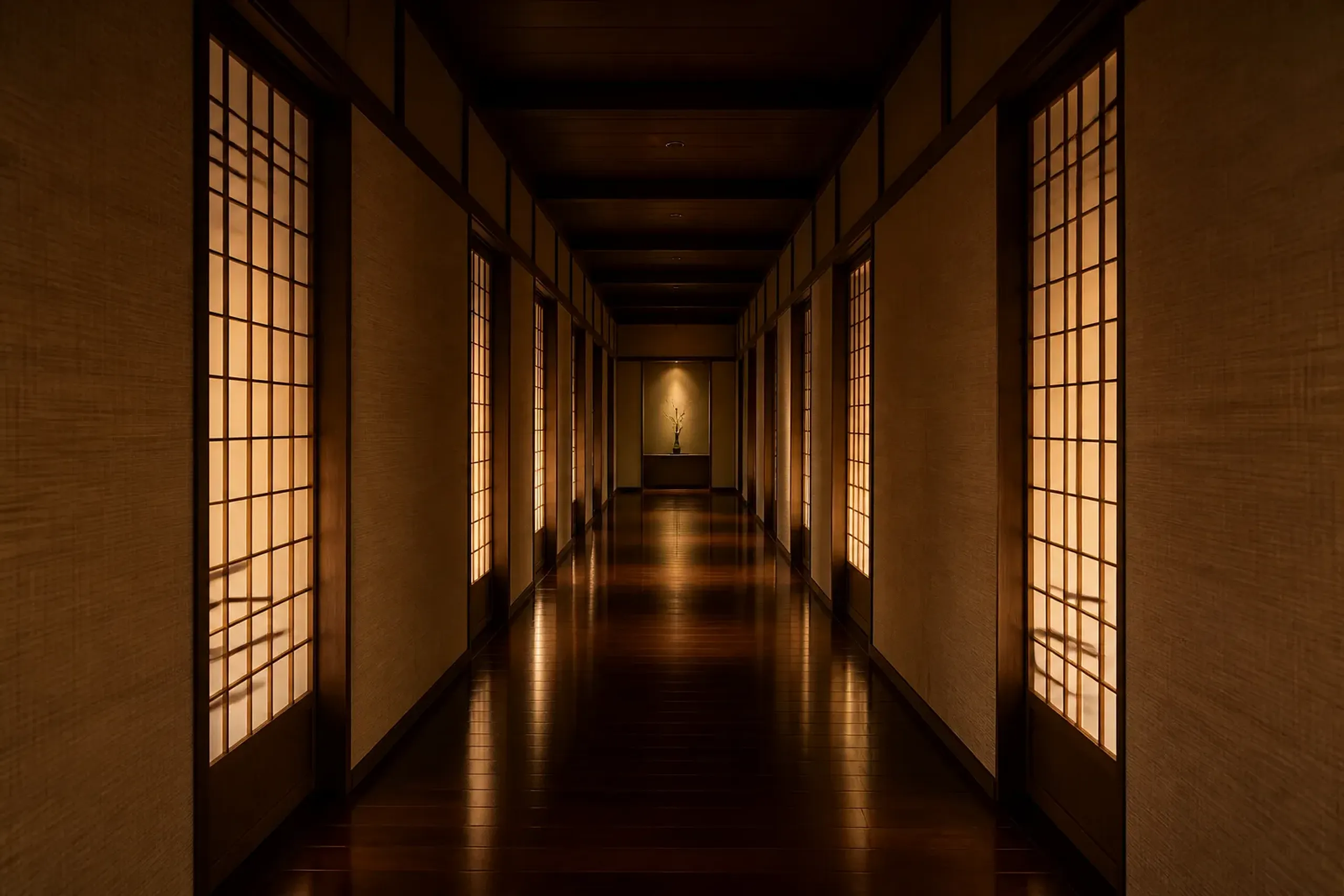
In Japan, the highest form of service is the one you barely notice.
Western VIP culture tends to be loud. Roped-off sections. Visible special treatment. A certain theater of importance.
Japan runs on the opposite grammar. Here, the highest form of service is quiet. Staff appear when needed and vanish when not. A ryokan meal arrives at the precise minute, without a word of announcement. A car door is opened before you reach for it.
This is often described through the idea of omotenashi — anticipatory care that never asks for acknowledgment. For the guest, the etiquette is simple but counterintuitive: accept silent service without over-directing it. Do not fill the pauses. Do not manage the staff. Let the room work around you.
Many first-time luxury travelers instinctively try to control every touchpoint. In our experience, the guests who relax into the quiet are the ones who receive the most attentive care of all. Being demanding reads as insecurity here. Composure reads as class.
What This Looks Like In Practice
- Corridors and lobbies: Keep your voice low. Volume travels, and in a fine ryokan or hotel, it is the fastest way to break the mood for everyone.
- Car protocol: Let the chauffeur handle doors and luggage. Reaching for the handle first is not polite here — it interrupts a choreography that exists to serve you.
- Meal timing: Ryokan kaiseki is paced deliberately. Arrive on time, and let the courses come. Rushing the sequence undoes the entire experience.
- Fewer words: A slight bow of the head and a soft "arigatō gozaimasu" carries more weight than effusive thanks.
The 2026 Privacy-First Kyoto Briefing: Gion And Southern Gionmachi
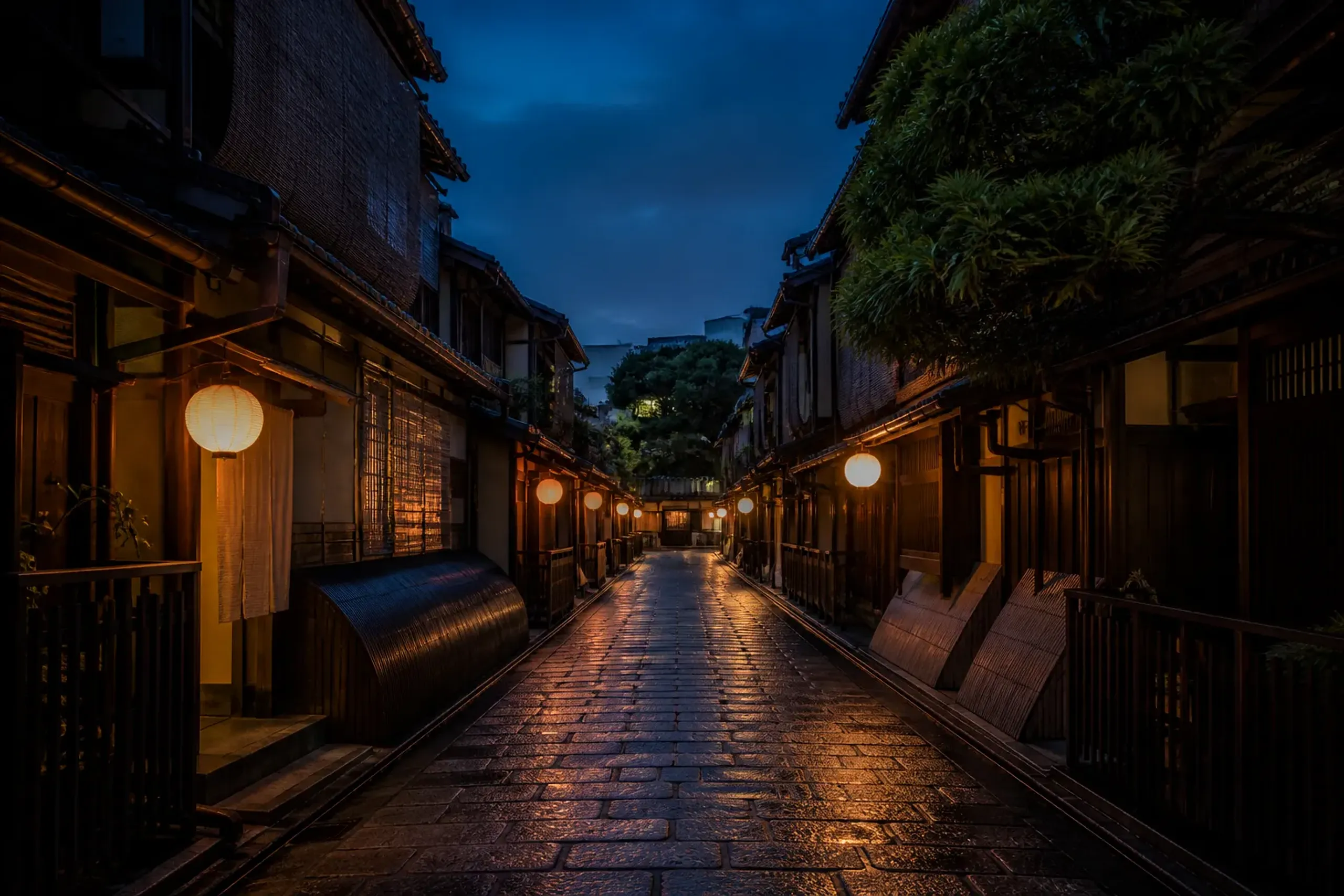
Gion is a residential neighborhood first, and a photograph last.
Kyoto is where discretion stops being philosophy and becomes rule. In 2026 the city tightened its public guidance considerably, and the geiko and maiko districts sit at the center of it.
On July 15, 2026, Kyoto City's official tourism site published "4 Guidelines to Follow When Visiting Kyoto." It asks visitors to treat Gion as what it actually is — a residential neighborhood — and to refrain from photographing geiko and maiko without permission, entering private property, and blocking the streets.
The Southern Gionmachi district reinforces this. Its official "Manners" page states plainly that photography is prohibited on designated private roads, that streets must not be blocked, and that no one may touch a maiko or geiko without permission. The Kyoto City Tourism Association maintains an ongoing Code of Conduct with 2026 updates as well.
For a high-profile traveler, the risk cuts both ways. You are not only expected to respect residents' privacy — you also have your own to protect. A tense sidewalk confrontation over a camera is exactly the kind of scene that gets photographed by someone else.
Scenario Protocol: You See A Maiko In Gion
- Cameras stay down. No exceptions on private lanes. If you genuinely wish for a photograph, it must be a permission-based arrangement, not a street ambush.
- Do not follow. Do not step into her path. She is a working professional on her way to an appointment, not a photo opportunity.
- Move to the side and keep the lane clear. Narrow Gion streets clog quickly, and a stationary group is the definition of blocking traffic.
- Say nothing that draws a crowd. Attention attracts attention.
JNTO's own "Responsible Photography in Japan" guidance names this directly — it references the problem of chasing maiko in Kyoto and stepping onto private property for selfies, and asks travelers to respect boundaries and venue rules. The message is consistent across every official source: do not turn people into content.
Content And Confidentiality Etiquette For High-Profile Travelers
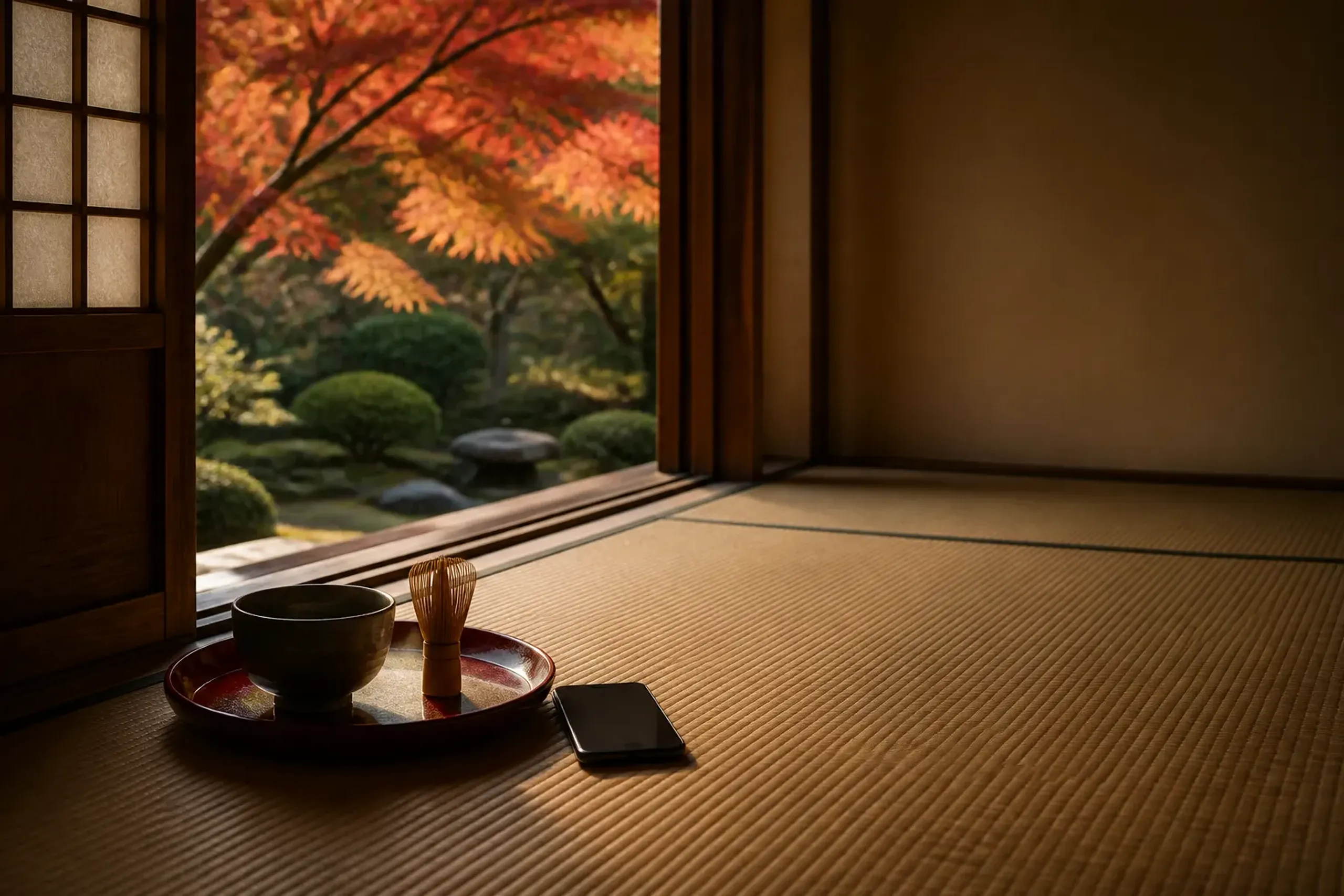
The modern discretion problem is not the paparazzi. It is the well-meaning assistant with a phone.
For guests who travel with staff, a family office, or a social team, we recommend a clear posting policy agreed before arrival. Not because Japan is unusually strict — but because the country's most beautiful private spaces are exactly the ones you should not broadcast.
A Share-Safely Checklist
- No geiko or maiko shots taken without consent. Ever. This is both etiquette and, in designated areas, a stated prohibition.
- No staff faces — chauffeurs, ryokan attendants, chefs — posted without their agreement.
- No filming inside shops, temple halls, or private venues where recording is restricted. When in doubt, the answer is no.
- No geotagging of private residences, introduction-only restaurants, or a ryokan's exact location. A tag can undo years of a venue's careful obscurity.
- Delay, don't live-post. Publishing your location in real time is the single easiest way to compromise a private itinerary.
For teams, a simple approval step works well: nothing goes public until one person has reviewed it against this list. Our concierge can help shape that workflow before you land, so no one is improvising in the moment.
Discretion At The Table: Omakase And Fine Dining
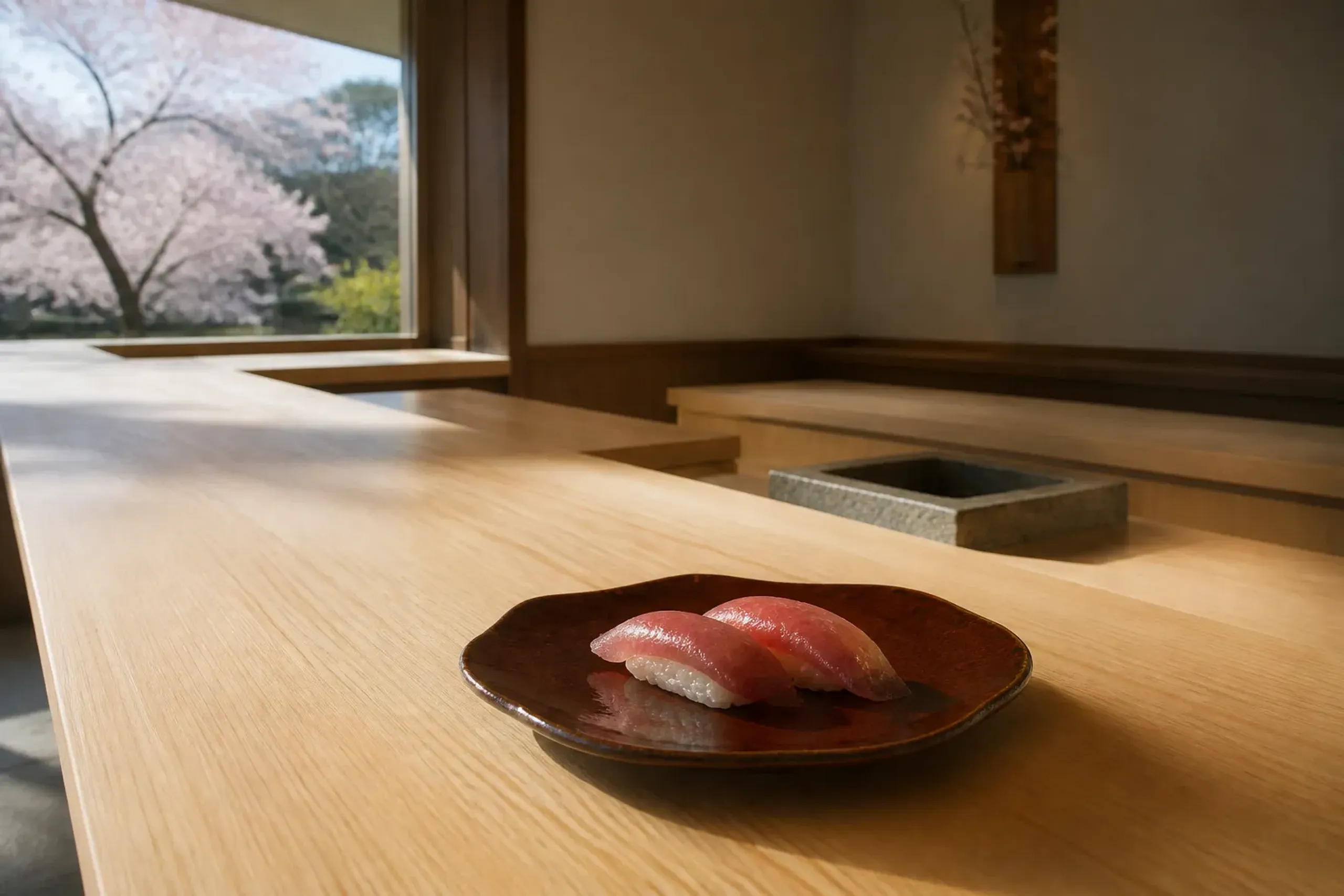
At the counter, respect is measured in stillness and timing.
The counter of a serious sushi or kaiseki house is an intimate space. Ten seats. One craftsman. A rhythm built over decades.
Cultural fluency here is quiet, not performed. You signal respect for the shokunin by how you sit, how you eat, and how little you disrupt.
- Phone on silent, off the counter. Photographing the chef or other guests should never happen without asking — and at many counters, the answer regarding other diners is simply no.
- Skip strong fragrance. Perfume and cologne interfere with delicate aromas and flavors. This is a genuine courtesy to both the chef and the seats beside you.
- Eat at the pace set for you. Nigiri is served to be eaten immediately. Let a piece sit while you talk, and you have quietly undone the chef's timing.
- Follow the venue's rules on photography. Some houses permit a discreet shot of the food; some permit nothing. Ask, once, and abide by the answer.
Tipping deserves a note of its own. In Japan it is generally not customary, and leaving cash on a table can cause confusion rather than gratitude. Where thanks is warranted — often for a private guide — the discreet approach is a sealed envelope offered with two hands. Our team will advise you when, and whether, this applies.
Hands-Free Movement And Congestion As Discretion
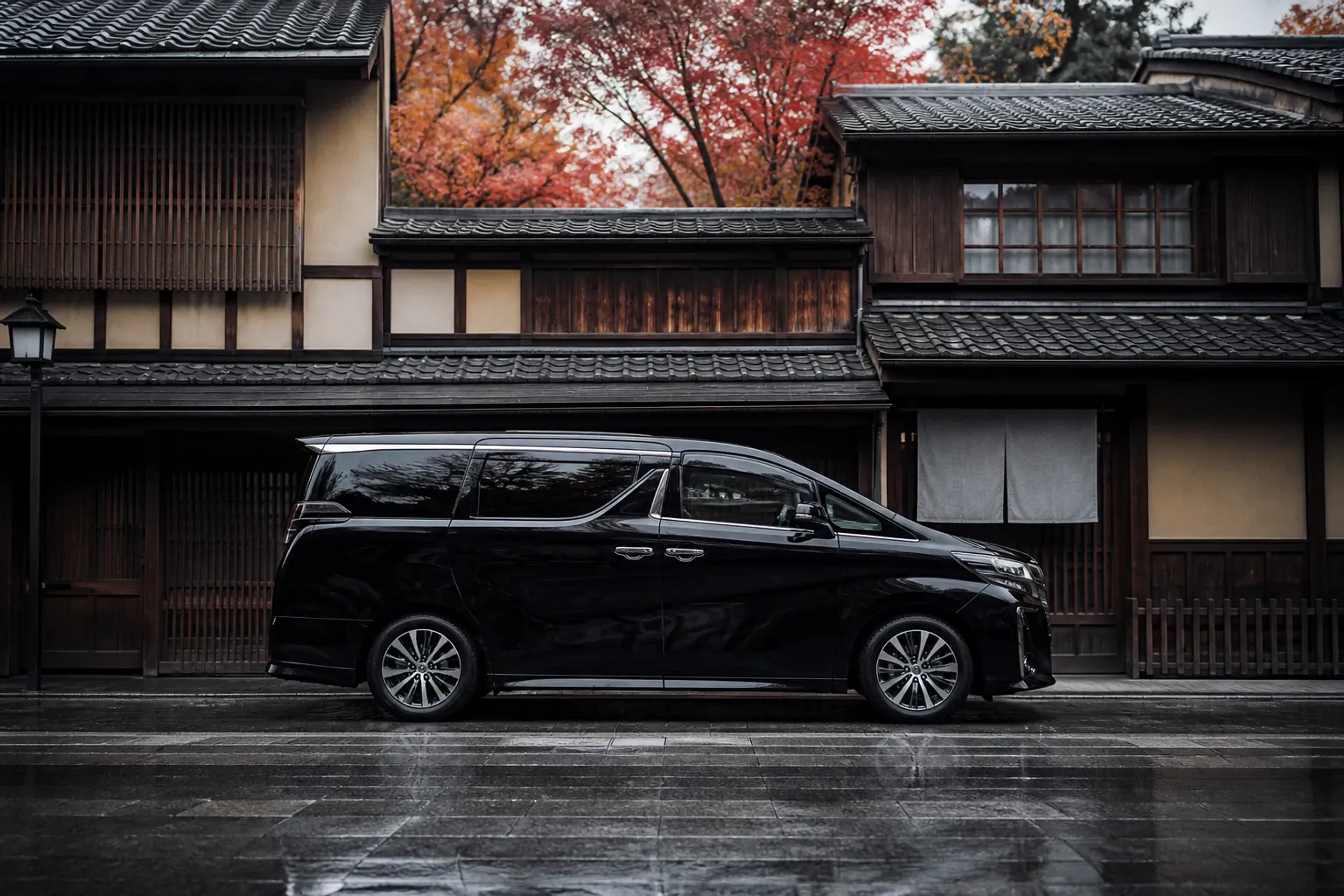
Early hours and private transport keep a party out of the crowds — and out of view.
Privacy is partly a logistics problem. The fewer public chokepoints you pass through, the less you are seen.
Two tools matter most. The first is luggage forwarding — sending bags ahead so you move between cities unencumbered. Kyoto's own tourism guidance actively encourages hands-free travel, and for a private party it also means you are never wrestling suitcases through a crowded station.
The second is timing. Early-morning and late-evening scheduling, arranged through private chauffeured transportation, keeps you out of the densest windows at temples, gardens, and shrines. A quiet arrival before the gates open is worth more than any express queue.
The Equipment Footprint Nobody Warns You About
Discretion in 2026 now includes what you carry. Japan's Ministry of the Environment restricts non-commercial photography equipment at Shinjuku Gyoen during peak periods — tripods, reflectors, and photographing specific subjects are prohibited across the garden from March 19 to April 26, 2026, and in the Japanese garden from November 1 to November 15, 2026.
For guests traveling with a photographer or security team, this is a real planning point. A large kit draws eyes and can breach venue rules outright. Where private, sanctioned photography matters to you, it must be arranged with the venue in advance — not improvised on site.
Social Capital: How Introduction-Only Access Actually Works
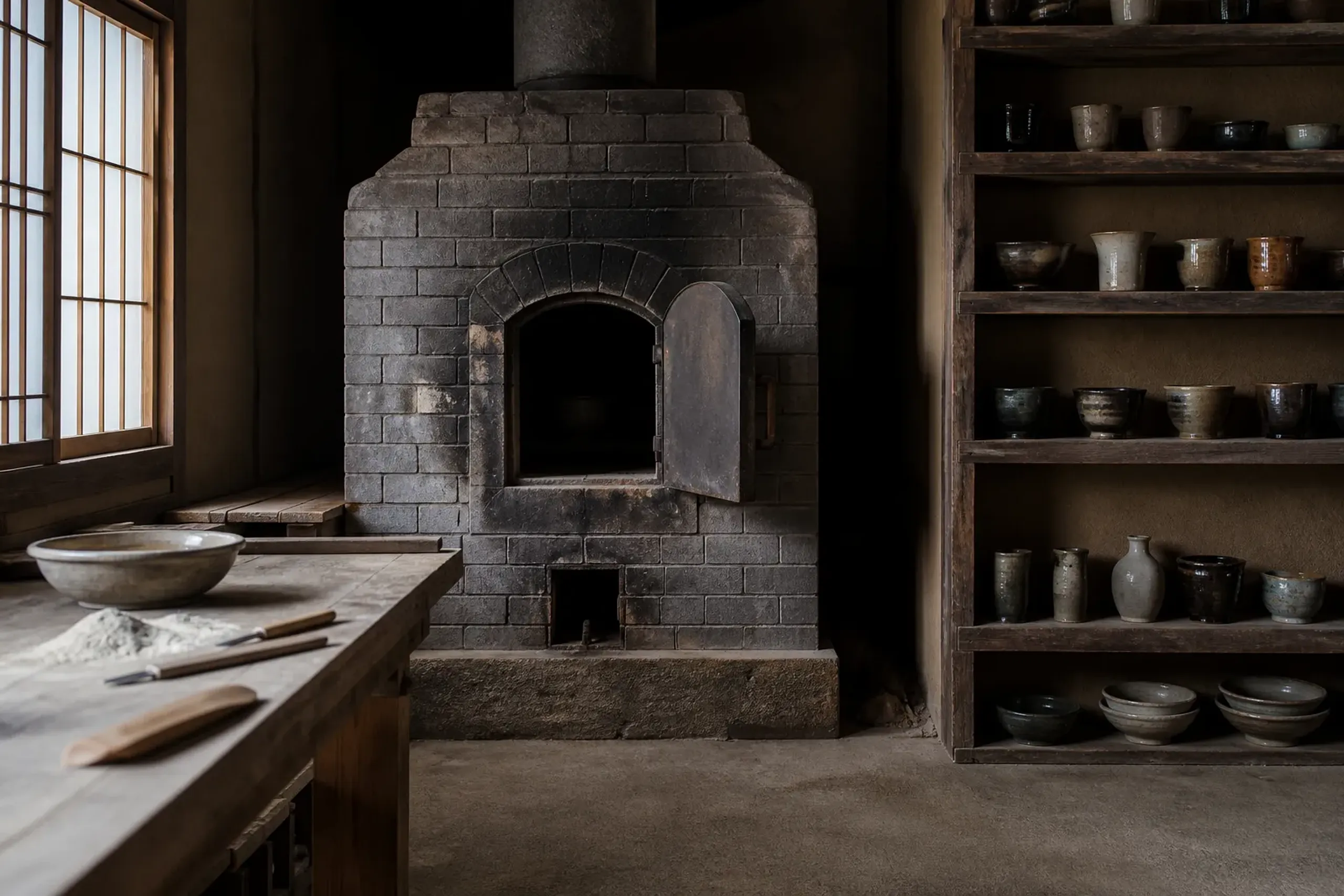
Introduction-only doors open on trust — and stay open on conduct.
The Japan that Google cannot find is real. It is a world of counters, ateliers, and tea houses that admit guests only through introduction — and that introduction is a form of social capital you cannot buy at the door.
Here is the part most guides omit: the introduction is a promise about your behavior. When a house opens its doors on someone's word, your conduct reflects on the person who vouched for you. Break the room's unspoken code — arrive late, photograph without asking, treat the master like a service — and you close that door not only for yourself but for the network that opened it.
This is why discretion and access are inseparable. The traveler who moves quietly, honors the venue's rules, and never turns a private evening into public content is precisely the traveler these networks keep saying yes to. Reputation compounds. So does its opposite.
A private session with a kiln master or a shokunin who does not normally take outside guests is not a transaction. It is a relationship, extended to you on trust. Treat it that way, and the door stays open for your next visit — and the one after.
Pre-Departure Q&A
Is tipping expected in Japan?
Generally, no. Tipping is not customary, and leaving cash on a table can cause more confusion than gratitude. The one common exception is a private guide, where a sealed envelope offered with two hands is the discreet approach. When in doubt, ask your concierge whether it applies.
Can I photograph a maiko or geiko in Kyoto?
Not without permission, and not at all on designated private lanes in Gion and Southern Gionmachi, where photography is prohibited under 2026 city guidance. Keep cameras down, do not follow, and never touch a maiko or geiko. If you want a genuine photograph, it must be a consented, arranged setting.
Are there places where photography equipment is restricted?
Yes. Shinjuku Gyoen in Tokyo restricts tripods, reflectors, and photographing certain subjects during peak 2026 periods — across the garden from March 19 to April 26, and in the Japanese garden from November 1 to November 15. Many temples and private venues have their own rules. Always follow the posted policy.
How do I protect my privacy at a ryokan?
Many ryokan offer private in-room baths or reservable private-use baths, which the Japan Tourism Agency's official guidance confirms and recommends for guests with privacy concerns. Photographing others in shared baths is a serious privacy violation. For high-profile guests, requesting private-bath accommodation in advance is the cleanest solution.
What is the single most important etiquette rule for a private trip?
Accept quiet service without over-managing it, and never turn people or private venues into public content. Almost every discretion mistake traces back to one of those two failures.
Why Choose Japan Royal Service
Discretion is not an add-on for us. It is the entire architecture of how we work.
Japan Royal Service designs tailor-made itineraries for guests who value privacy over performance — successful professionals, entrepreneurs, and families who want depth without exposure. Our concierge briefs every guest before arrival on the exact protocols above, adapted to your route, your party, and your comfort with attention.
Where competitors publish generic etiquette lists, we translate official 2026 guidance into a working plan: quiet movement through Kyoto, hands-free logistics between cities, sanctioned access to houses that admit guests only through introduction, and total confidentiality of your identity and schedule. English, Japanese, Thai, and Filipino support runs throughout.
We do not broadcast our guests. We do not name them. And we build every day so that you are cared for completely while being noticed almost not at all.
For a confidential, pre-departure conversation about a private itinerary in Japan, reach our team directly via WhatsApp or LINE, or contact us here.