In this guide
- 01Kyoto Never Stopped: The Lineage You Can Still Walk Into
- 02Okazaki: Kyoto’s Walkable Museum Quarter For Contemporary Culture
- 03HOSOO: Nishijin Textiles That Never Converted Into A “Brand Story”
- 04Small Galleries That Make Contemporary Kyoto Worth The Detour
- 05Garden Of Fine Arts Kyoto: Tadao Ando In Concrete And Water
- 06Machiya Reuse: The Street-Level Architecture Of Kyoto Now
- 07Design Retail Stops That Reward A Sharp Eye
- 08Kyoto’s 2026 Contemporary Calendar: When To Time Your Trip
- 09How To Move Around Contemporary Kyoto: Where A Car Helps (And Where It Doesn’t)
- 10Planning Notes: Hours, Tickets, And What we will Confirm Before You Go
- 11FAQ: Contemporary Kyoto For Luxury Travelers
- 12Why Choose Japan Royal Service
Kyoto does not “mix” old and new. It never had to.
Walk into the HOSOO Gallery and you feel it right away. Textiles born in Nishijin workshops centuries ago sit comfortably inside the language of modern interiors and fashion. No costume. No reinvention story. Just continuity.
Many guides treat contemporary Kyoto as a side quest after temples. That’s the wrong map. The city’s modern art, architecture, and design read best when you see them as the same lineage still working—quietly, with the stamina of shokunin craft and the restraint of wabi-sabi.
Our team at Japan Royal Service built this guide for high-net-worth travelers who want Kyoto that feels current without being loud. Practical, walkable, and real. No filler.
Kyoto Never Stopped: The Lineage You Can Still Walk Into
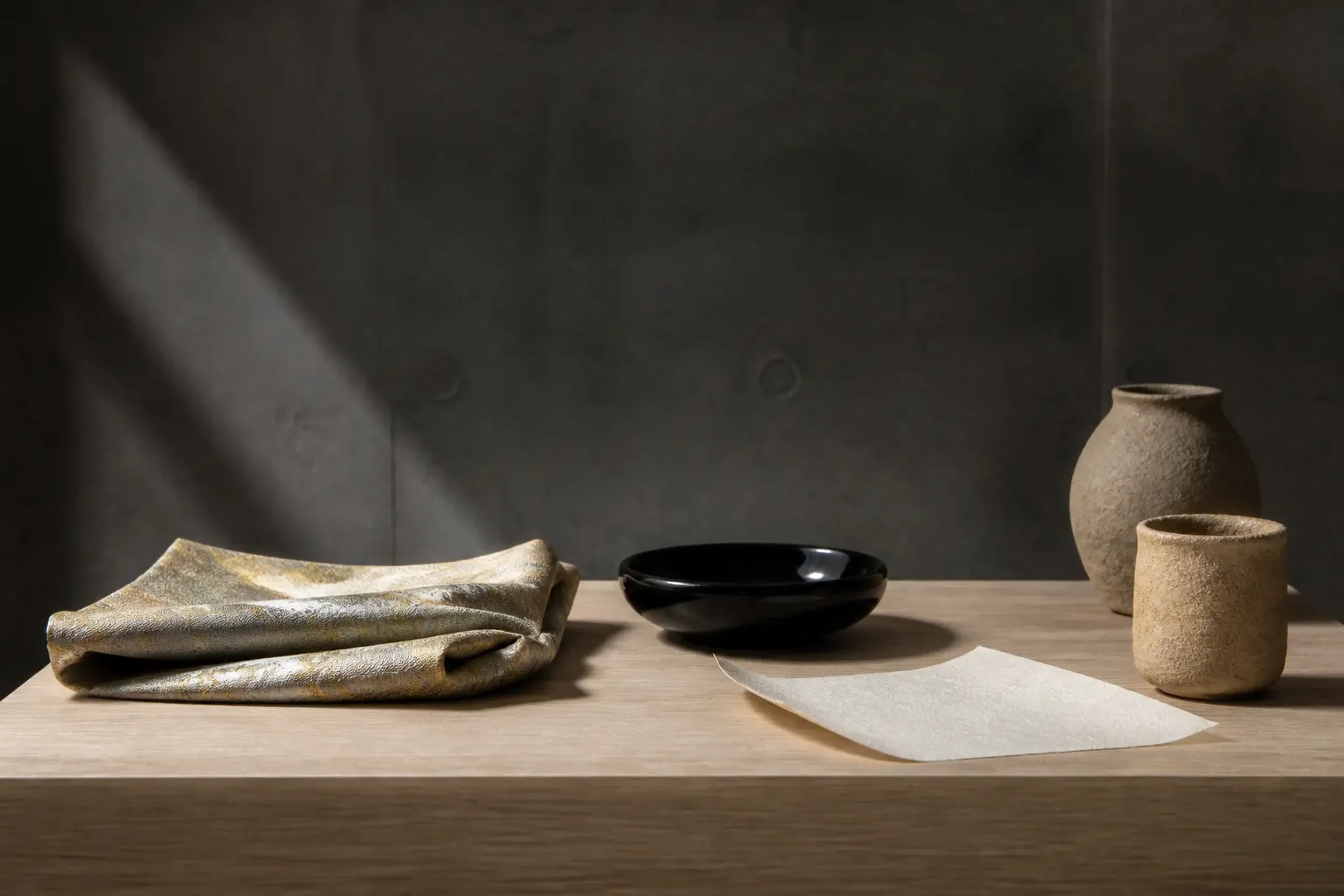
Kyoto’s contemporary scene is not a reaction to heritage. It is what happens when workshops, patrons, and institutions keep moving—year after year—without asking permission to be “modern.”
Look at the materials first. Silk, lacquer, clay, paper, wood. The same ingredients that once defined court culture now show up in galleries, museum collections, and design retail, with a sharper silhouette and different lighting.
This is why contemporary Kyoto rewards repeat visitors. You are not “escaping” the classics. You are learning where the city’s attention went next.
Start with a small rule: if a place is trying too hard to prove it is contemporary, skip it. Kyoto’s best modern work rarely announces itself.
Okazaki: Kyoto’s Walkable Museum Quarter For Contemporary Culture
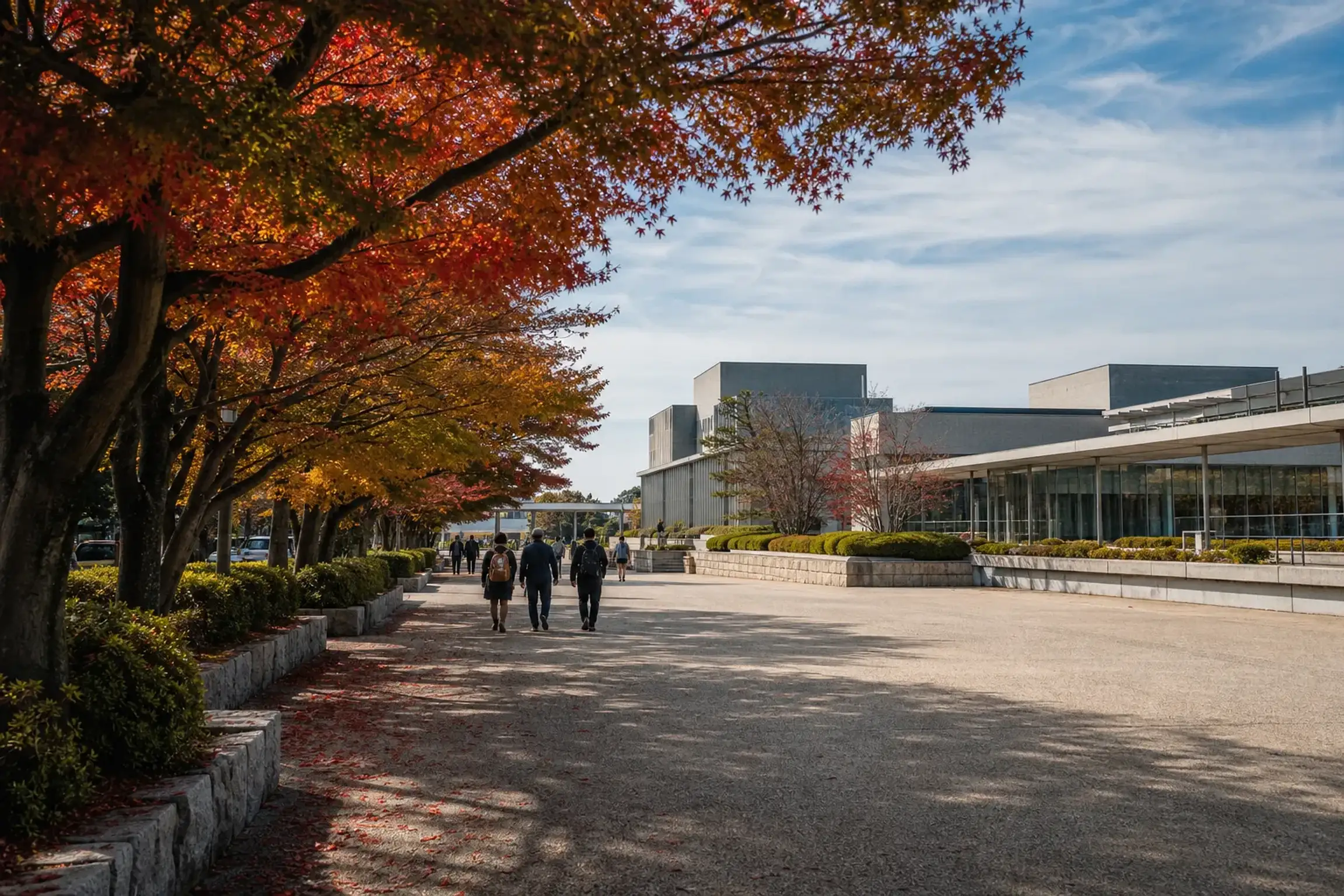
Okazaki is Kyoto’s most efficient cluster for contemporary museums and performance.
If you want a geography that makes sense, base a half-day in Okazaki. It is tidy. It is walkable. It also lets you read buildings as part of the collection.
Two major museums sit close together, and ROHM Theatre Kyoto is nearby. You can move between them without needing a vehicle, and you will not spend your day in transit.
In our experience, this matters more than people expect. Kyoto traffic can steal your best hours, especially around peak weekends and school holidays.
Kyoto City KYOCERA Museum Of Art: A Building That Makes The Argument
Kyoto City KYOCERA Museum of Art in Okazaki opened in 1933 and was renovated and expanded in 2020. The renovation and expansion were led by Jun Aoki with Tezzo Nishizawa. The preserved façade stays legible while circulation and underground gallery space were added behind it.
The point is not just “old meets new.” It is a single institution evolving in place, with no break in identity. You feel the continuity as you move through the spaces.
Do not rush it. Give yourself time to notice the transitions, the light changes, and how the building guides you without theatrics.
Higashiyama Cube: Contemporary Art, Fashion, And Design
Within the museum, the Higashiyama Cube focuses on contemporary art, fashion, and design. It gives you a clean way to stay on-theme when you are in Kyoto specifically for the “now.”
Exhibitions change, and details should be checked close to your travel dates. A smart approach is to plan your day around the museum’s current program rather than forcing a fixed list.
The National Museum Of Modern Art, Kyoto (MoMAK): Craft As Contemporary Evidence
The National Museum of Modern Art, Kyoto (MoMAK) is also in Okazaki. It was designed by Fumihiko Maki and opened in 1986. The museum is known for strength in craft-related collections, including ceramics, textiles, and lacquer.
If you want proof that contemporary Kyoto is not a departure, MoMAK gives it to you in institutional form. The craft lineage is not background decoration. It is central.
MoMAK lists a “3rd Collection Gallery Exhibition 2026” scheduled from October 24, 2026 to January 17, 2027. Dates are useful. Still, JRS always confirm the latest exhibition schedule and opening hours before you go.
ROHM Theatre Kyoto: A Nighttime Kyoto That Feels Current
Kyoto changes tone after dark. Less tour-group energy. More local rhythm.
ROHM Theatre Kyoto is a strong anchor for that version of the city, especially if you care about contemporary performing arts. It lists a 2026 run of Anne Teresa De Keersmaeker and Radouan Mriziga / Rosas, A7LA5 on June 27–28, 2026.
Plan dinner around the performance rather than squeezing the show into an already crowded day. You will arrive calmer. You will watch better.
HOSOO: Nishijin Textiles That Never Converted Into A “Brand Story”
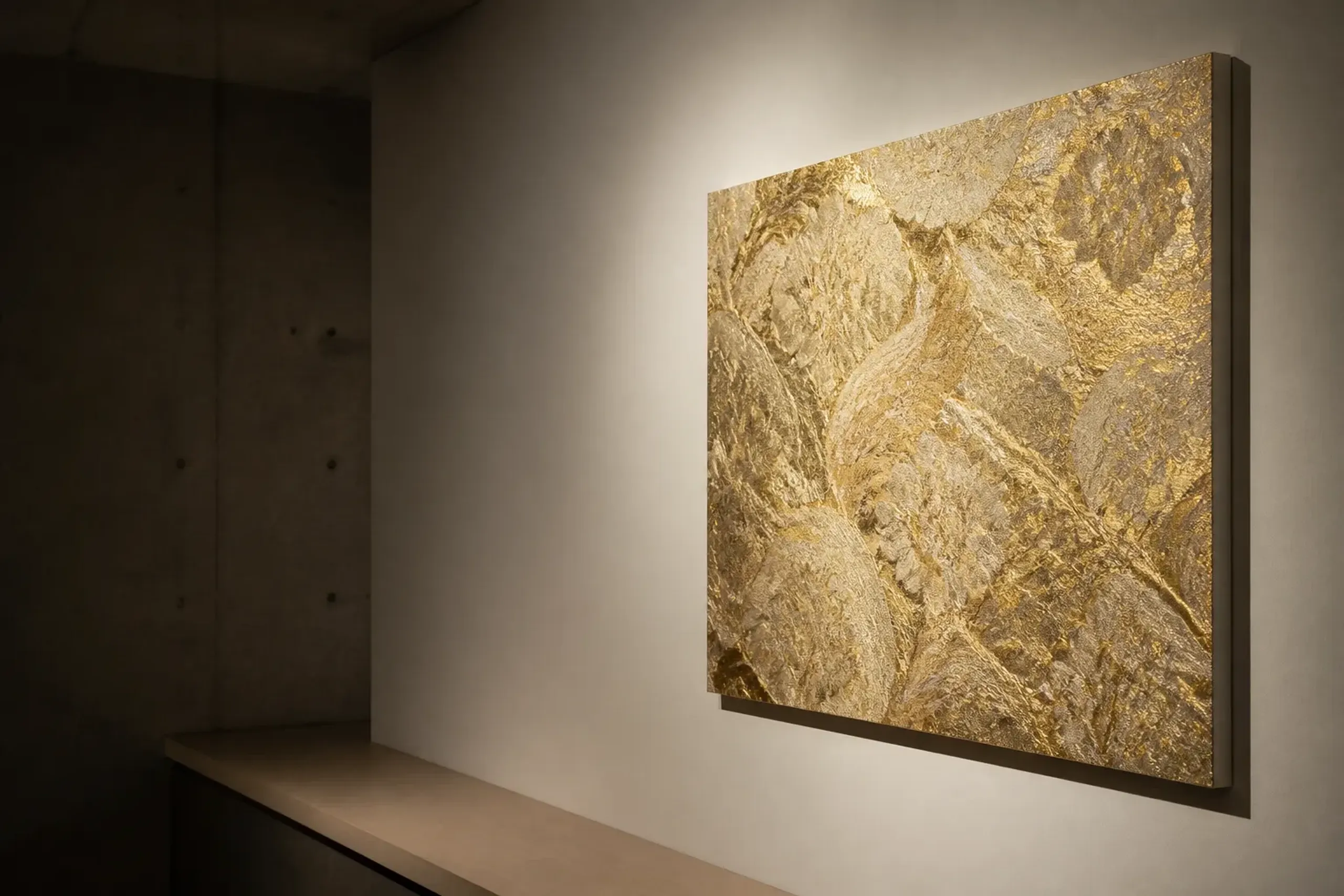
At HOSOO, Kyoto’s textile lineage continues in a contemporary register.
HOSOO is the cleanest way to understand contemporary Kyoto. Not because it is trendy. Because it never stopped doing what it does.
The house dates to 1688 in the Nishijin textile tradition, and it produces textiles used in contemporary architecture and fashion today. It also operates the HOSOO Gallery.
When we bring design-minded guests here, the reaction is often a quiet pause. Not the “wow” of spectacle. More like recognition—of how a shokunin lineage stays alive when it is allowed to keep making real work.
Practical note: galleries and showrooms can have changing schedules. JRS confirms opening days and visitor policies close to your dates, especially outside peak travel seasons.
Small Galleries That Make Contemporary Kyoto Worth The Detour
Kyoto’s contemporary scene lives in small rooms as much as large institutions. That is the point. The scale stays human, and your attention becomes the luxury.
These spaces can be irregular. Some change hours with exhibitions. Others close for installation windows. Check before you commit your afternoon.
COHJU: A Serious Gallery Near The Kyoto Imperial Palace
COHJU is a Kyoto gallery known for exhibiting emerging and mid-career artists, located near the Kyoto Imperial Palace area. It is the kind of place where a short visit can reset your eye after big museums.
Keep your plan flexible. If the gallery is between exhibitions, do not force it—use the time for a nearby café or a longer walk through the Imperial Palace grounds.
Mori Yu: A Renovated Machiya In Sakyō-Ku
Mori Yu is located in Sakyō-ku and operates in a renovated machiya. It makes a simple architectural argument: reuse is not nostalgia. It is a living urban habit in Kyoto.
When you see contemporary work inside a townhouse scale, it changes your pacing. You lean in. You stay quieter. It fits the city.
Key fact: Small Kyoto galleries often keep irregular hours, and some exhibitions require advance notice. JRS confirms current opening days and whether walk-in visitors are welcome before you build a fixed route.
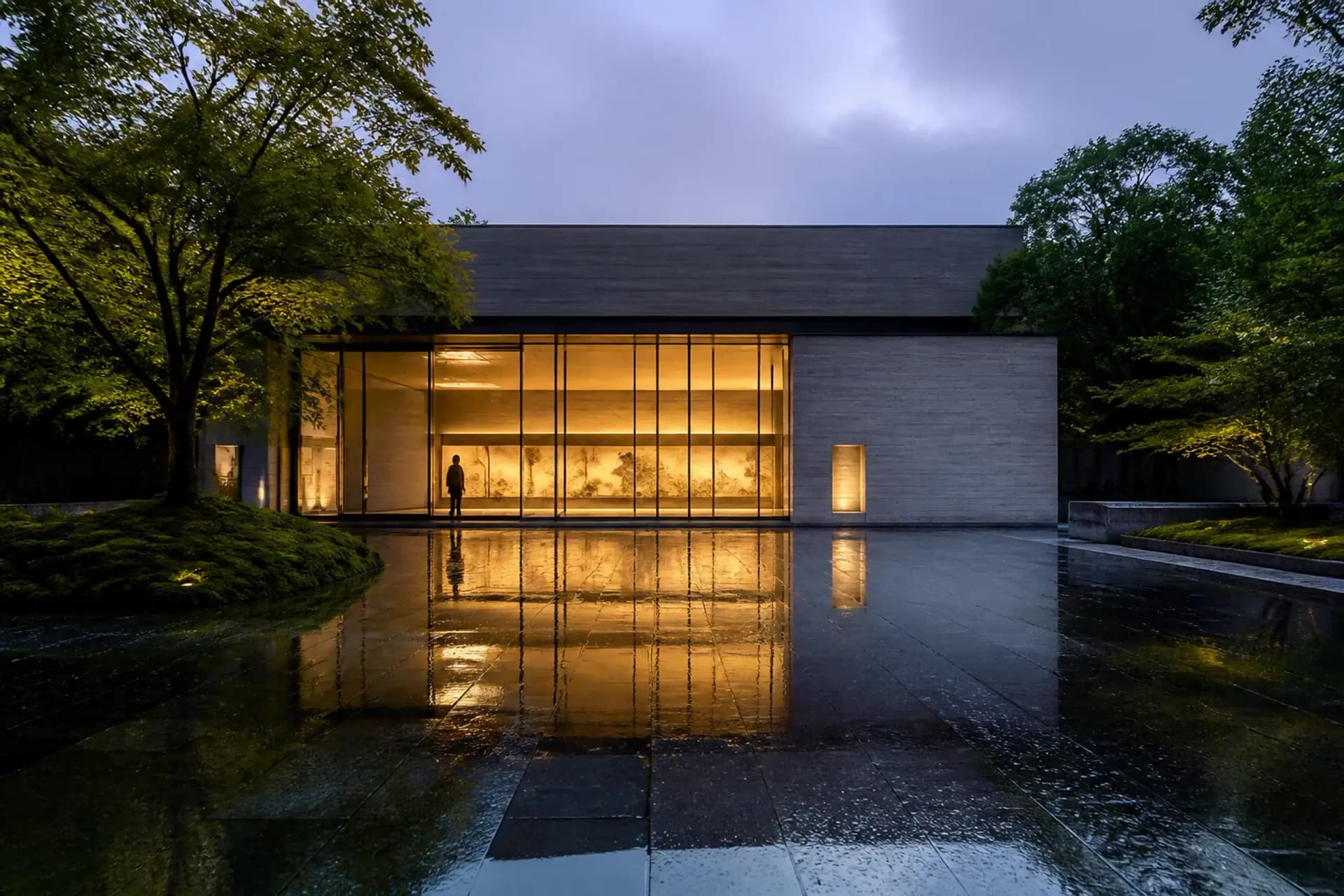
Garden Of Fine Arts Kyoto: Tadao Ando In Concrete And Water
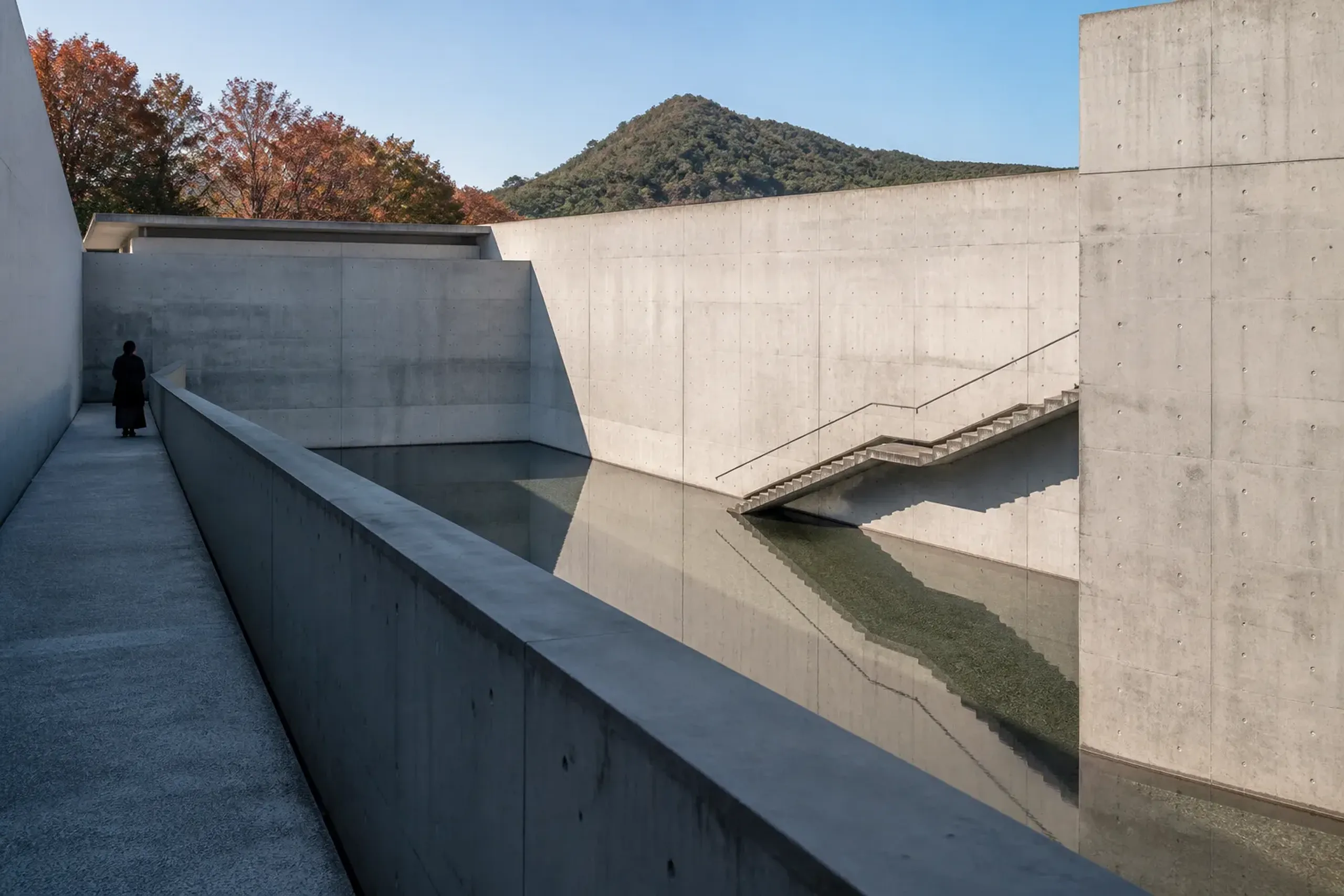
Concrete and water, outdoors—Kyoto’s modern architecture in a compact visit.
Garden of Fine Arts Kyoto, designed by Tadao Ando, is an outdoor museum-like space of concrete planes and water. It is direct. It is photogenic. It also surprises people who only know Ando from large interior projects.
One important detail: the works displayed are reproductions rather than originals. That is not a flaw. It is simply the format, and it changes how you should approach the visit.
Go for the architecture and the experience of moving through it. Let the reproduced images serve as rhythm, not as the main event.
Machiya Reuse: The Street-Level Architecture Of Kyoto Now
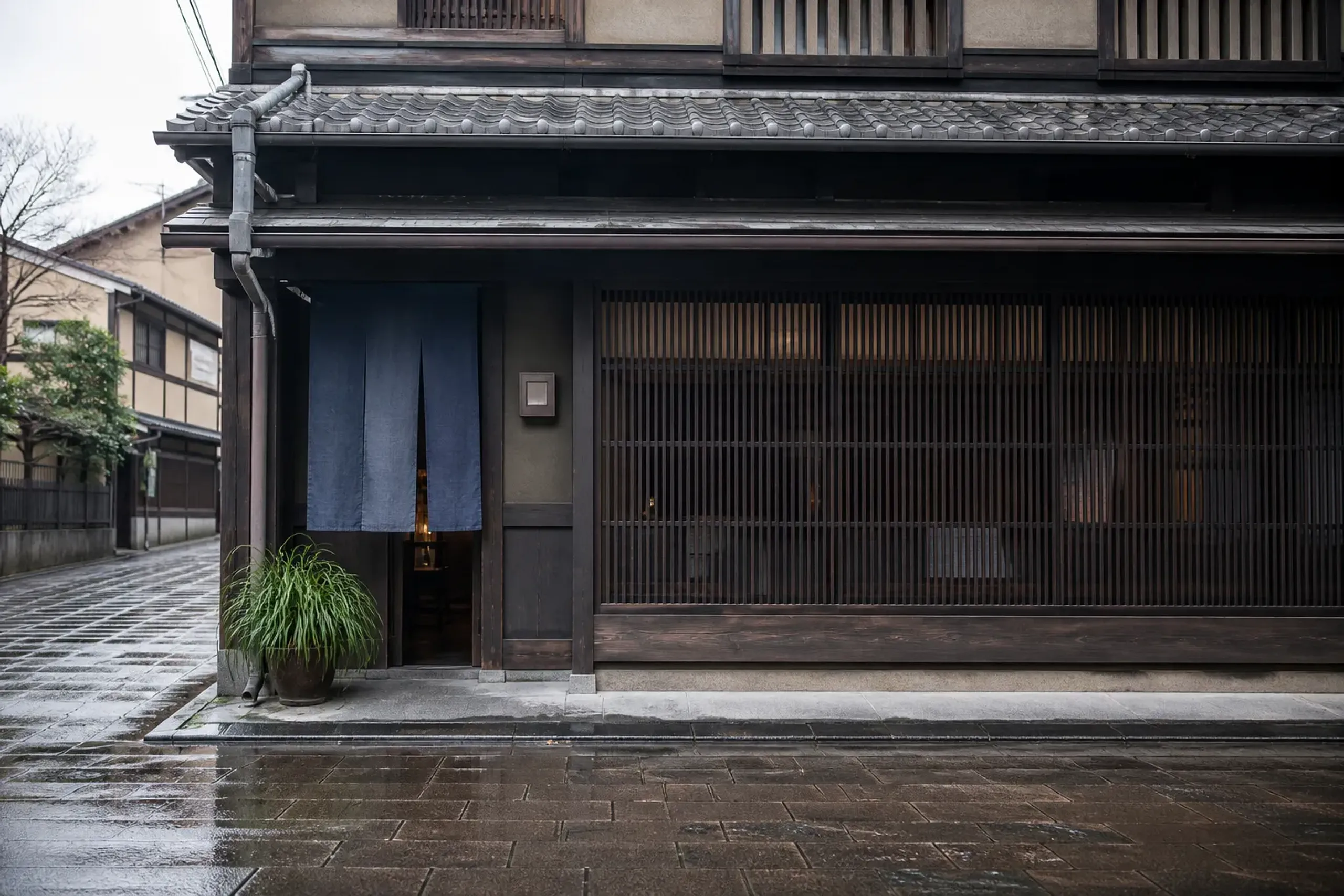
Machiya reuse is one of Kyoto’s most contemporary habits: repair, adapt, continue.
Machiya reuse is not a theme park version of Kyoto. It is a practical, ongoing urban choice: repair, adapt, and keep the footprint.
You see it in galleries. You see it in small shops. You also see it in hospitality, where contemporary comfort is being expressed through traditional proportions and materials rather than maximal decoration.
This is where wabi-sabi reads as design discipline, not a slogan. The best spaces leave room for quiet.
Capella Kyoto (Opens March 22, 2026): Contemporary Hospitality With Kyoto DNA
Capella Kyoto is scheduled to open on March 22, 2026. It is designed by Kengo Kuma & Associates with interiors by Brewin Design Office, and it has been positioned as a contemporary reimagining of Kyoto tradition.
For repeat visitors, new openings like this matter when they fit the way you actually travel: calmer mornings, controlled entry points, and a base that supports short, purposeful outings rather than constant movement.
We discuss hotel fit privately because preferences are personal. Some guests want absolute quiet. Others want a sharper, more social feel. Both can be “luxury,” but they are not the same trip.
Imperial Hotel, Kyoto (Opens March 5, 2026): Heritage Fabric In Gion
Imperial Hotel, Kyoto is scheduled to open on March 5, 2026. It will be housed in the restored Yasaka Kaikan in Gion, which is a nationally registered tangible cultural property.
This is not “new for the sake of new.” It is a heritage structure returning to use, which is one of Kyoto’s most contemporary acts.
If you are designing a 2026 Kyoto stay, this opening is a legitimate new anchor. Dates and details will still be confirmed by JRS close to travel, as openings can shift.
Design Retail Stops That Reward A Sharp Eye
Kyoto’s design shopping is best in small doses. Fifteen focused minutes can beat two hours of browsing. The goal is to see how Kyoto taste shows up in objects meant to be used, not displayed.
HaaT Kyoto (Issey Miyake): Textile Thinking In Retail Form
HaaT Kyoto is a design retail stop associated with Issey Miyake’s HaaT line. It is a useful counterpoint to museums because the materials are meant to move, fold, and live.
Go when you are fresh. Your eye gets dull after too many galleries, and this shop deserves attention to texture and construction.
Maana Living: Contemporary Objects With A Calm Palette
Maana Living is worth a stop if you like modern Japanese interiors and restrained home objects. It pairs well with a machiya gallery afternoon because the scale and mood align.
If you collect, take notes rather than buying in a rush. Kyoto rewards a second pass.
Kyoto’s 2026 Contemporary Calendar: When To Time Your Trip
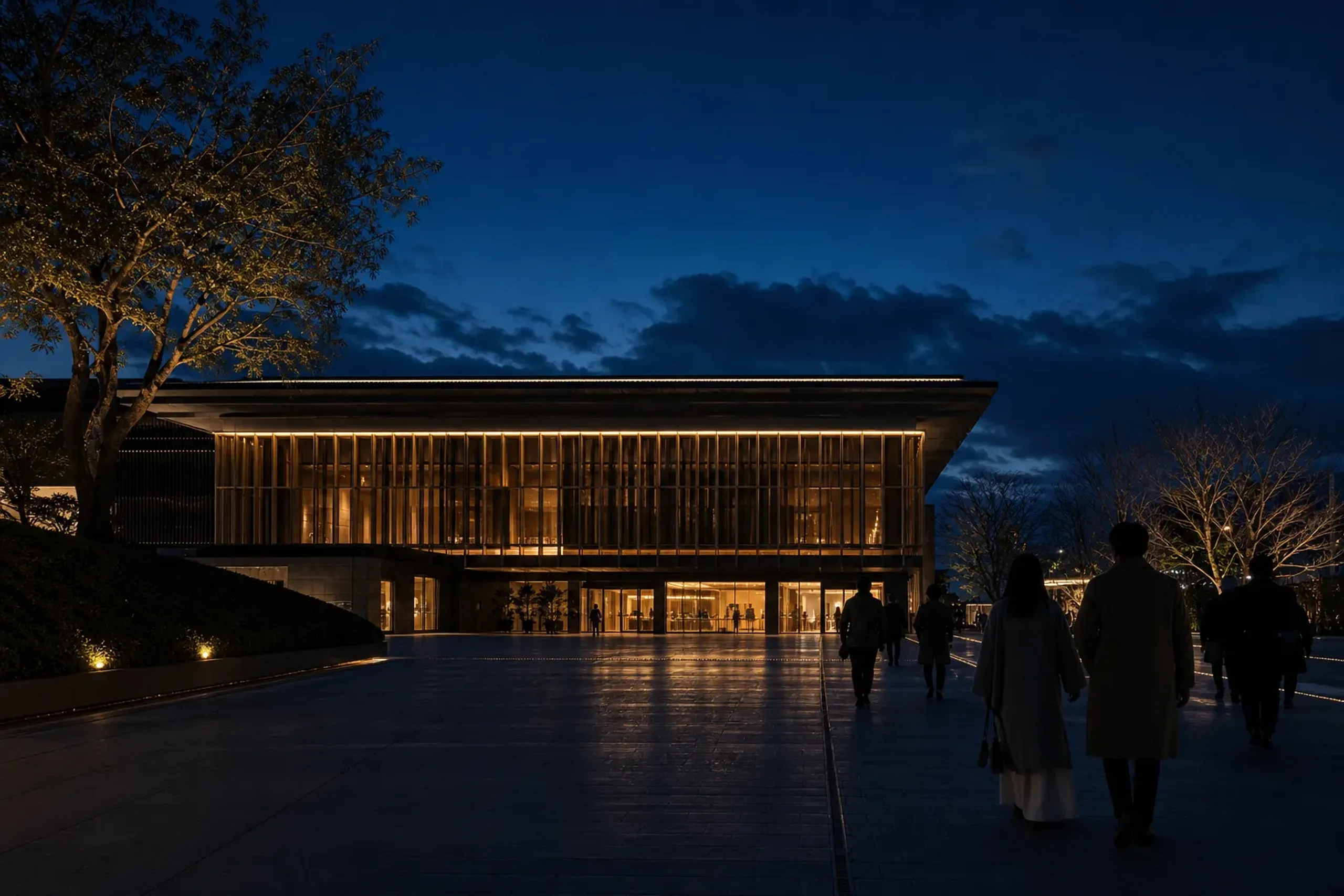
Kyoto after dark feels quieter—and often more contemporary.
Dates change the entire feel of Kyoto. One weekend can mean crowds and queues. Another can mean a city that feels like it belongs to residents again.
For contemporary culture, a few 2026 anchors are especially useful because they create a clear reason to time the trip around something current rather than default sightseeing.
Art Collaboration Kyoto: November 7–9, 2026
Art Collaboration Kyoto is scheduled for November 7–9, 2026. It is a strong Kyoto anchor for guests who want a focused contemporary art window.
It also sits right after a major Tokyo design week rhythm. If you prefer a corridor trip, Tokyo first and Kyoto second can feel natural in early November.
CURATION⇄FAIR Kyoto: November 6–8, 2026 (Nishijin Area)
Kyoto City announced that CURATION⇄FAIR Kyoto will be held in the Nishijin area on November 6–8, 2026, with a preview on November 5 for press and invited guests.
This matters for collectors and design-driven travelers because it ties directly into Kyoto’s textile district logic. Nishijin is not a backdrop. It is the subject.
Kyoto Modern Architecture Festival 2026
Kyoto City announced program details and passport sales for the Kyoto Modern Architecture Festival 2026. This is one of the cleanest ways to structure an architecture-forward Kyoto stay without turning the trip into a scavenger hunt.
Exact venues and access rules depend on the year’s program. JRS confirms the official details when planning.
KYOMAF 2026: September 19–20, 2026
Kyoto International Manga Anime Fair 2026 (KYOMAF 2026) is scheduled for September 19–20, 2026. It is planned to take place at Miyako Messe, ROHM Theatre Kyoto, and the Kyoto International Manga Museum.
Even if you are not a manga traveler, the dates can affect hotel demand and city flow. If you prefer quieter streets, avoid the event weekend. If you like contemporary pop-culture energy, lean into it.
KCUA Exhibition Anchor: May 16 To July 12, 2026
Kyoto City University of Arts Art Gallery @KCUA lists the exhibition “Robert Zhao Renhui: After Control” running May 16, 2026 to July 12, 2026.
This is a practical planning hook. You can build an Okazaki-and-nearby contemporary day with a real exhibition date range, not just a generic “visit a gallery” line.
How To Move Around Contemporary Kyoto: Where A Car Helps (And Where It Doesn’t)
Okazaki is best on foot. The museums and ROHM Theatre Kyoto sit close enough that walking keeps you relaxed, and you can add short café stops without losing time.
After Okazaki, the pattern changes. Galleries and shops are scattered across areas like Nakagyō and Sakyō. This is where holding a vehicle between clusters can protect your day.
Our HNW guests usually want one thing: less friction. The clean approach is walking within a cluster, then moving decisively to the next one.
When you do choose a driver, make sure the service understands quiet timing and museum pacing. Here is our guide to private transportation options for Kyoto and beyond.
Suggested Half-Day Route: Okazaki On Foot
- Start: Kyoto City KYOCERA Museum of Art (allow time for architecture, not only galleries).
- Then: The National Museum of Modern Art, Kyoto (MoMAK) for craft-to-contemporary context.
- Finish: ROHM Theatre Kyoto area if you have an evening performance, or a calm café stop.
Keep it simple. That is the luxury.
Suggested Afternoon Route: Scattered Galleries With A Held Car
- One anchor gallery (COHJU or Mori Yu, depending on opening days).
- One design retail stop (HaaT Kyoto or Maana Living).
- One flexible buffer for closures, installation days, or a longer conversation if a show is strong.
Do not overpack. Kyoto punishes rush.
Planning Notes: Hours, Tickets, And What we will Confirm Before You Go
Kyoto’s big institutions are steady. Small spaces are not. That reality should shape how you plan.
What To Check 7–10 Days Before Your Visit
- Opening hours and last entry times for Kyoto City KYOCERA Museum of Art and MoMAK.
- Current exhibition schedules for Higashiyama Cube and KCUA.
- Whether COHJU and Mori Yu are open to walk-in visitors on your target day.
- Performance schedules and ticket availability for ROHM Theatre Kyoto if you are timing an evening program.
Write it down. Screenshot it. Kyoto days run better when you reduce last-minute searching.
A Note On Seasonal Timing (Without Making It A Slogan)
If your trip is built around art dates, let the calendar drive the season, not the other way around. November is especially strong for contemporary culture in 2026 because multiple events cluster together.
That is the Japanese sense of timing done properly. One well-placed week can beat three vague ones.
FAQ: Contemporary Kyoto For Luxury Travelers
Is Contemporary Kyoto Worth It If I’ve Already Done The Classics?
Yes, especially if you want Kyoto that feels current and less crowded. Okazaki museums, ROHM Theatre Kyoto, and Nishijin design stops give you a fresh framework without repeating the standard checklist.
What Neighborhood Should I Base In For A Contemporary Kyoto Trip?
Okazaki is the most efficient cultural cluster for museums and performance. For shopping, galleries, and machiya reuse, you will likely move through central Kyoto and toward Sakyō. We shape the base around your pace: walking-heavy days versus held-car days.
Are The Garden Of Fine Arts Kyoto Works Original?
No. Garden of Fine Arts Kyoto displays reproductions rather than original artworks. Go for Tadao Ando’s architecture, the water, and the sequence of spaces.
How Do I Plan Around Small Galleries Like COHJU Or Mori Yu?
We will keep your itinerary flexible and confirm opening days close to your travel date. Many small galleries change exhibitions frequently and can have irregular hours.
Can You Share A Good Tokyo-To-Kyoto Contemporary Art Corridor Timing?
Early November 2026 is the cleanest corridor because Art Collaboration Kyoto (Nov 7–9, 2026) follows major Tokyo design-week timing. If you want a tight itinerary, we usually recommend Tokyo first, then Kyoto, with one buffer day between cities.
What Does “Luxury” Mean In A Contemporary Kyoto Guide?
It means discernment, quiet pacing, and privacy. Not shopping bags. Not loud itineraries. In our experience, the most satisfying Kyoto days are the ones with space to look properly.
Why Choose Japan Royal Service
Kyoto rewards travelers who plan with restraint. That is where our team at Japan Royal Service is most useful: we design tailor-made itineraries that protect your time, your privacy, and your attention.
Discretion comes first. We treat guest identity and itineraries as confidential by default. Quiet entries, controlled pacing, and low-friction movement matter more than flashy claims.
Hidden-Japan judgment. Contemporary Kyoto is full of small doors: galleries with irregular hours, design shops worth a precise stop, and neighborhoods that only make sense when sequenced well. We help you choose what fits, then cut what doesn’t.
Shokunin continuity. From Nishijin textiles at HOSOO to museum craft collections, we build routes around living work—places where Kyoto’s culture is still being made, not only displayed.
Timing that respects the calendar. Kyoto’s art weeks, performance runs, and exhibition windows can make or break the experience. We align dates to your travel rhythm so the city feels open, not congested.
If you want Contemporary Kyoto with calm logistics and sharp curation, reach our team privately via WhatsApp or LINE, or contact us here.