In this guide
- 01What “VVIP Privacy” Means During A Ryokan’s Launch Season
- 02Why Newly Opened Ryokans Create Privacy Risk (And Why They’re Still Worth It)
- 03Discreet-By-Design: A VVIP Vetting Protocol For New Ryokans
- 042026–2027 Watchlist: Newly Opened (Or Announced) Discreet Stays With Verifiable Privacy Features
- 05How To Book Newly Opened Ryokans (Without Losing The Room Category That Protects Your Privacy)
- 06Privacy-First Etiquette: How To Enjoy A Ryokan Without Accidental Exposure
- 07Story Contrast: The Grand Opening Vs. The Private Reality
- 08Competitor Comparison: What Most Luxury Operators Say Vs. What Privacy Planning Requires
- 09A Practical “Discreet Debuts” Itinerary Pattern (Tokyo → Onsen → Culture)
- 10FAQ: Newly Opened Ryokans, Private Onsen, And VVIP Discretion
- 11Why Choose Japan Royal Service
New ryokans launch with bright headlines, invited press, and a certain social-media gravity. For a VHNW traveler, that public glow can be the problem. Too many eyes. Too many questions. Too many “first-week” variables.
Our team at Japan Royal Service approaches launch season differently. We treat a new opening as fresh architectural hardware—clean lines, quiet materials, untouched baths—then build a privacy-first plan around it. The goal is simple: you enjoy the newness without being part of the noise.
This guide lays out what “VVIP privacy” actually means at a newly opened ryokan or onsen hotel in Japan. Not theory. Usable decisions. It also highlights several verified 2025–2026 openings designed for discreet stays, from urban in-room onsen suites in Tokyo to new-build KAI properties with a meaningful number of private open-air bath rooms.
What “VVIP Privacy” Means During A Ryokan’s Launch Season
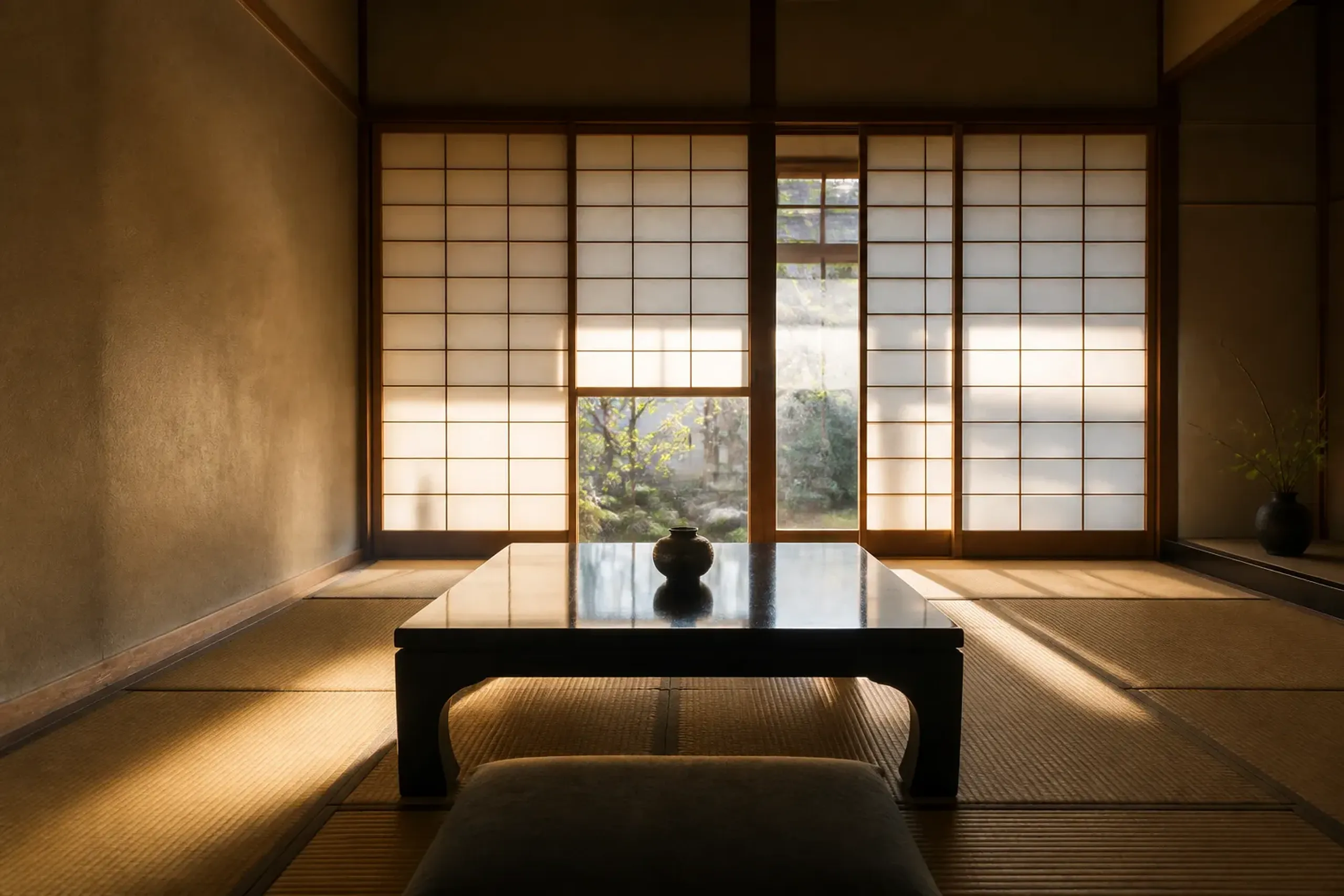
Privacy starts with a suite that feels self-contained from the first minute.
A launch season is not a normal operating season. Staff are still learning the building’s rhythm. Processes are being refined daily. It’s exciting—yet it can be porous.
VVIP privacy means controlling exposure across the entire stay. Arrival. Dining. Bathing. Even the corridor outside your door. One missed detail can undo the calm.
Privacy Tier 1: In-Room Bathing (The Cleanest Choice)
If your room has its own bath, your privacy baseline rises immediately. No shared corridors to a public bath at peak times. No locker area. No awkward timing.
It’s also the most culturally smooth option for travelers who prefer to bathe as a couple, or who want to avoid communal settings entirely. Quiet win.
Privacy Tier 2: Reservable Private Baths (Kashikiri)
Many ryokan and onsen properties offer reservable private baths. You book a time slot through the property’s standard process. Simple on paper.
During a busy opening window, these slots can disappear quickly. The experience can also feel less “owned,” because the schedule is shared by design. Still useful.
Privacy Tier 3: Communal Baths (Sento-Style Exposure)
Communal bathing is part of onsen culture, and many guests love it. For VVIP travelers in a launch season, it is usually the highest-exposure choice.
That does not make it “wrong.” It makes it situational. If discretion is your priority, we usually steer the plan toward private bathing instead. No drama.
Key fact: Many classic onsen towns are built around public baths (sotoyu), where guests walk around town in yukata and geta. That atmosphere is charming—and inherently public.
Why Newly Opened Ryokans Create Privacy Risk (And Why They’re Still Worth It)
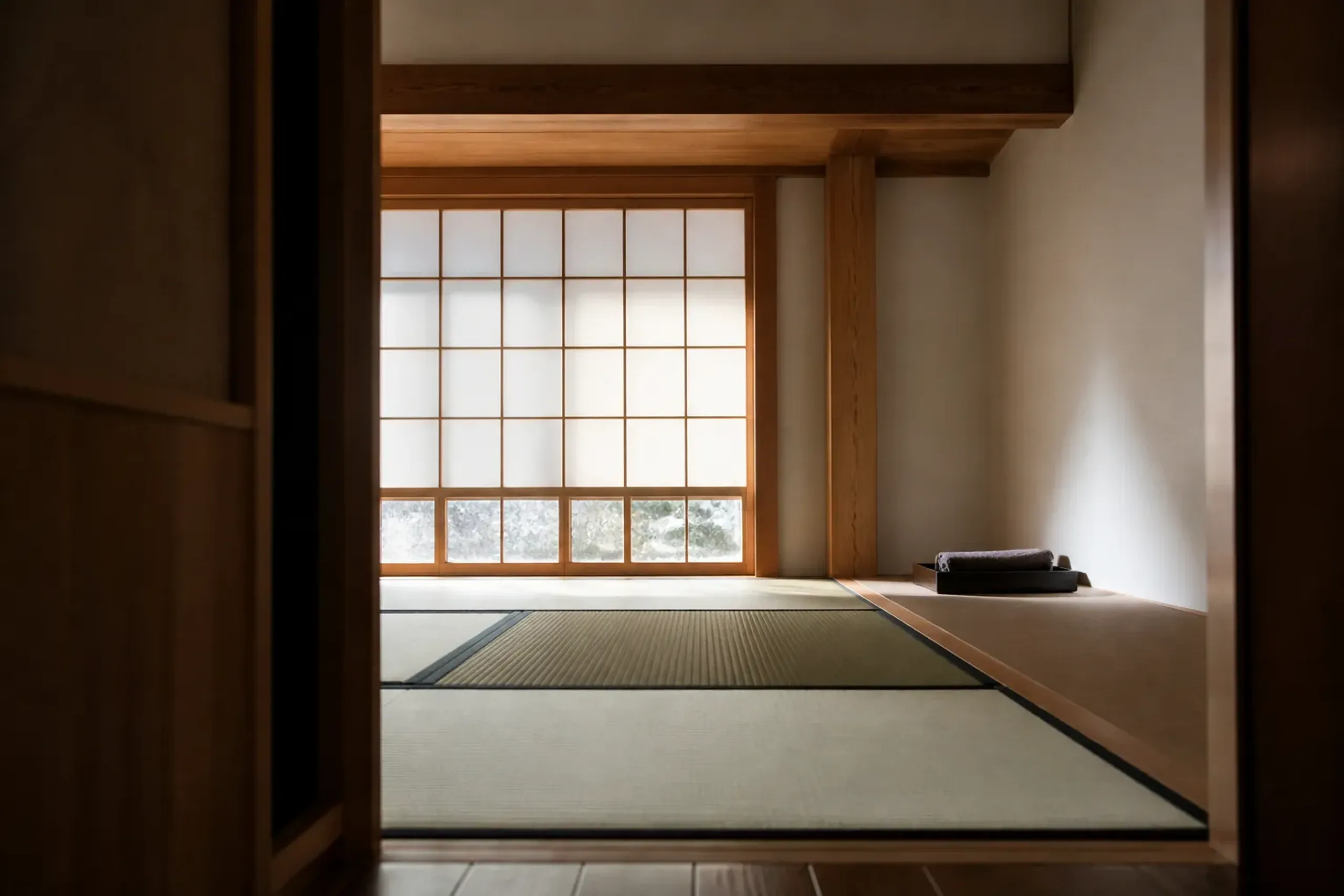
A new opening can be immaculate. Fresh timber. Crisp plaster. Untouched tatami. That “first guest” feeling is real, and it can be deeply satisfying.
But launch season tends to pull in attention. Media stays. influencer-style photography in public spaces. Curious guests wandering because everything is new. Not ideal.
The Three Launch-Season Friction Points We Watch
- Arrival visibility: a busy lobby, a shared driveway, cameras near the entrance.
- Operational teething: small delays in dining pacing, room readiness, or handovers.
- Room assignment mismatch: a “nice room” that is still exposed to a public corridor, elevator, or sightline.
Here is the nuance. You do not have to avoid openings. You just need a plan that treats privacy as a design constraint, not a wish. Big difference.
Discreet-By-Design: A VVIP Vetting Protocol For New Ryokans
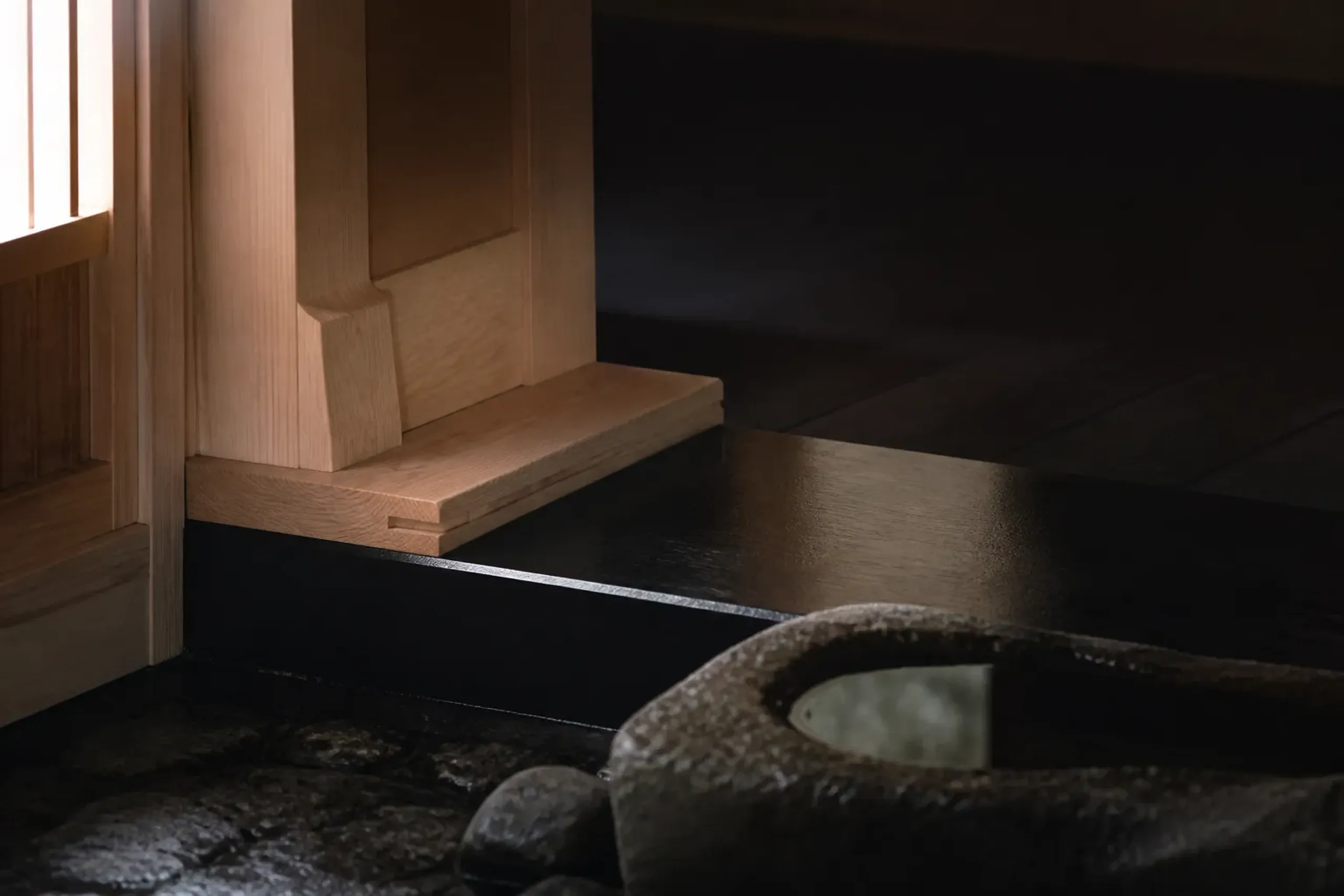
New openings show their quality in materials and restraint, not in spectacle.
When we assess newly opened ryokans and onsen hotels, we do it like a quiet audit. Not a glossy brochure read. We look for architectural and operational signals that predict how private the stay will feel.
We also think in “failure modes.” What goes wrong in week two? What breaks under a full-house weekend? Boring questions. Necessary ones.
Room Selection Logic: Where Privacy Is Won Or Lost
Two suites can be the same size and feel totally different. One faces a quiet courtyard. Another faces a busy approach road. One sits near a service corridor. Another sits beside the elevator.
When a property offers private open-air bath rooms, those categories tend to be the most self-contained. They reduce shared-space exposure by design. Less choreography.
Dining Strategy: Public Kaiseki Vs. In-Room Dining
Ryokan dining is often kaiseki, served in a dining room or in-room depending on the property. During launch season, the dining room can become a stage—guests watch each other, intentionally or not.
If privacy is paramount, in-room dining can be the calmer choice, when the property offers it. It keeps the evening yours. No audience.
Arrival Choreography: The Quietest 20 Minutes Of The Trip
Most privacy failures happen at the start. A name spoken too loudly. A photo in the driveway. A front-desk cluster where everyone can overhear.
We prefer a controlled arrival with minimal dwell time in public areas, supported by private transportation / chauffeur service so the day never turns into a public procession. The vehicle becomes a moving privacy buffer. Reliable.
Staffing Reality: Dedicated Attention Without A “Show”
Some properties can assign dedicated staff support in a way that feels natural. Others make it feel performative. During an opening period, a property’s staffing confidence matters.
We look for quiet competence, not ceremony. A smooth handoff. A watchful cadence. Fewer apologies.
2026–2027 Watchlist: Newly Opened (Or Announced) Discreet Stays With Verifiable Privacy Features
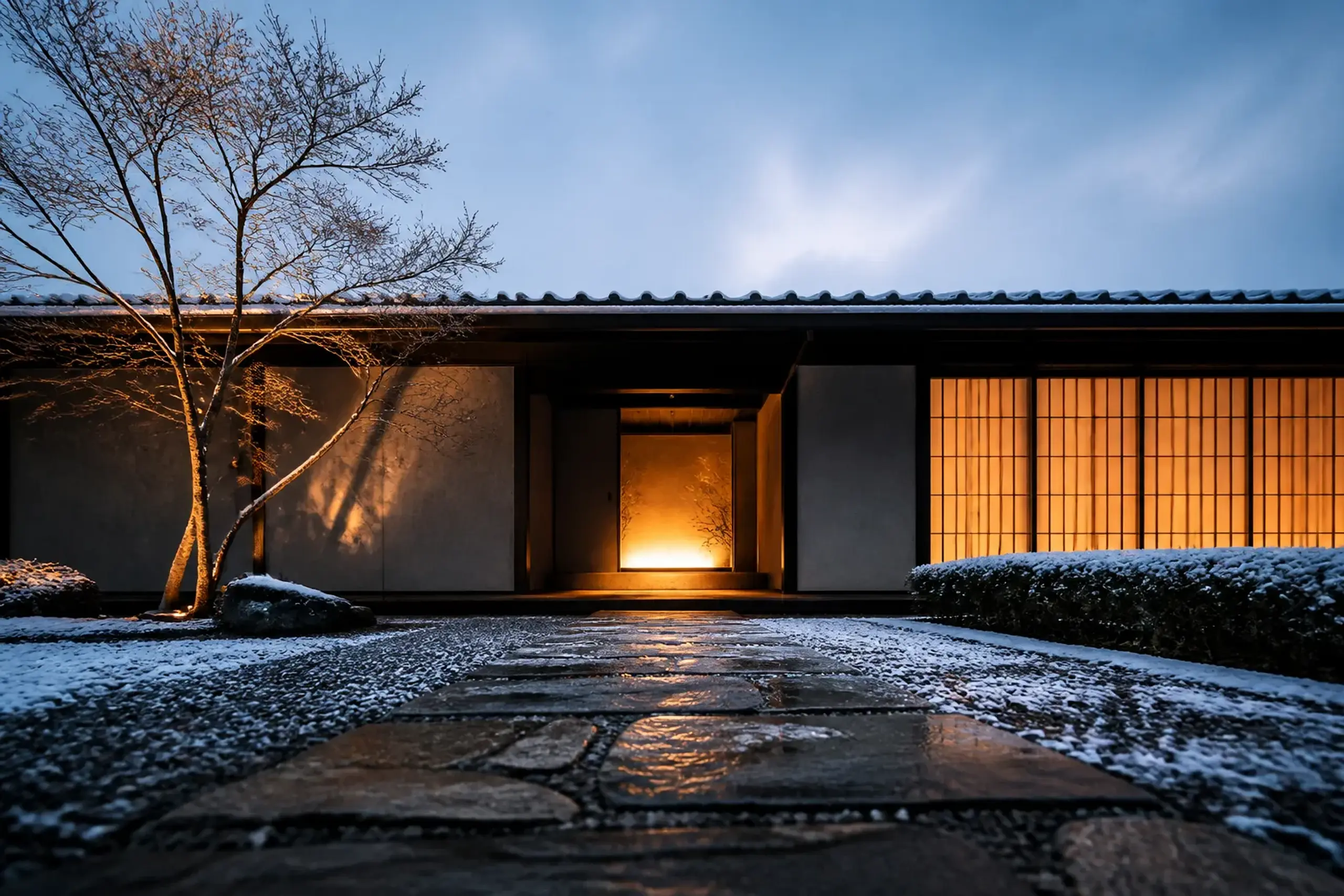
A discreet stay begins with an entrance that does not invite an audience.
This section is intentionally factual. Names, dates, and features are based on verified public information. We describe what the properties state, and how a privacy-minded traveler can interpret it.
For tailored guidance on which room categories best fit your privacy tier, our concierge team can advise privately after you inquire. We keep it discreet. Always.
KAI Miyajima (Miyajimaguchi Onsen, Hiroshima) — Opened July 23, 2026
Hoshino Resorts opened KAI Miyajima on July 23, 2026 in Miyajimaguchi Onsen, Hiroshima Prefecture. The property overview lists 54 rooms, including 30 rooms with private open-air baths.
That ratio matters. When a property has a meaningful number of private-bath rooms, it is easier to stay self-contained, especially on high-occupancy nights. Calm math.
KAI Zao (Zao Onsen, Yamagata) — Opens October 15, 2026
Hoshino Resorts announced KAI Zao will open on October 15, 2026 in Zao Onsen, Yamagata Prefecture, with reservations beginning April 22, 2026. The official page describes a wellness area with a sauna and jacuzzi, and notes the baths are fed with highly acidic waters.
For privacy-focused guests, wellness facilities can be both a benefit and a risk. They are attractive, so they draw shared usage. The room category choice becomes even more important. Precision required.
FUFU Tokyo Ginza (Ginza, Tokyo) — Opened November 2025
FUFU Tokyo Ginza is an urban onsen hotel in Tokyo where, per its official FAQ and hot spring page, all guest rooms are equipped with natural hot spring water brought in from Atami. Condé Nast Traveler notes it has 34 suites with natural hot spring baths sourced from Atami and that it opened in November 2025 inside the Hulic Ginza Building.
This is a rare privacy lever in Tokyo: an in-room soak throughout the stay, without leaving the city. For VHNW travelers who prefer low transfer time and high control, it can be an elegant bookend before moving into the countryside. Or after. Quietly effective.
Haimurubushi Oceanfront Pool Villas (Okinawa) — Opened July 15, 2026
Mitsui Fudosan’s English news release states that eight Oceanfront Pool Villas will open at Haimurubushi in Okinawa on July 15, 2026. They feature temperature-controlled private pools available year-round.
This is not a ryokan. It is still useful for the same reason privacy matters: separation, controlled sightlines, and a strong sense of “our own space.” For some clients, that is the real luxury. Not noise.
ASOBIYUKU VILLA (Kyoto Rurikei Onsen, Kyoto Prefecture) — Opened February 27, 2026
Kato Pleasure Group announced via PR Times that “ASOBIYUKU VILLA” (all units with private hot springs) opened inside ASOBIYUKU Kyoto Rurikei Onsen on February 27, 2026.
Villa-style units with private hot springs tend to produce a stronger privacy outcome than classic ryokan layouts. You spend less time crossing shared zones. Fewer chances for accidental exposure.
Rakuten STAY VILLA Kusatsu Onsen (Kusatsu, Gunma) — Announced Opened May 13, 2026
Rakuten Group announced it opened “Rakuten STAY VILLA Kusatsu Onsen” in Kusatsu, Gunma Prefecture (press release dated May 13, 2026).
Kusatsu is one of Japan’s well-known onsen towns, and many such towns are centered around public bathing culture. Villa-style inventory can change how that feels, because you can keep your bathing private while still being near the town. That hybrid can work well.
How To Book Newly Opened Ryokans (Without Losing The Room Category That Protects Your Privacy)

Privacy is often decided by the exact room category you choose at booking.
This is the part most “privacy” articles skip. Yet it’s where outcomes are decided. Not by taste. By inventory logic.
New openings often have narrow inventory at the top end: fewer private-bath rooms, fewer corner layouts, fewer truly quiet placements. Those categories can be allocated early, even when standard rooms remain widely available. A common trap.
What To Do (Official-Process Friendly)
- Book through the property’s official channels: use the hotel or brand’s official website and published reservation windows.
- Use the correct room-category name: do not rely on “best available” wording when privacy depends on a private bath or a specific layout.
- Confirm what is included: dining style (in-room vs dining room), bath type (in-room vs reservable vs communal), and any stated rules.
- Plan early for opening periods: especially when reservations open on a known date, as with KAI Zao (reservations began April 22, 2026).
For questions, contact our concierge. We can help you interpret what matters, and what is just marketing language. That guidance is often the difference between a private stay and a very public one.
Privacy-First Etiquette: How To Enjoy A Ryokan Without Accidental Exposure
Luxury in Japan is often quiet. You feel it in the way spaces are held back, not shown off. That wabi-sabi restraint can be your ally, if you travel with the right rhythm.
These etiquette points are not about being “formal.” They are about preserving your own discretion while respecting the setting.
Keep Shared Spaces Brief
In many ryokans, the lobby and public corridors are intentionally serene. That serenity can still be a stage during a new opening. Move through them with purpose. Short. Polite.
Use Private Bathing If You Prefer Tattoos Or Couple Bathing
Onsen bathing is typically gender-separated in communal baths. If you prefer to bathe together, or if tattoos are a concern, private bathing options help you stay comfortable without negotiating rules in public. No friction.
Dress Codes: Yukata Is Public By Design
Ryokan stays often include yukata robes, and many onsen towns normalize wearing them outside. JNTO notes yukata as a common ryokan feature, and some towns encourage strolling between baths.
If your goal is low visibility, treat yukata as an in-property comfort, not a town costume. You control the spotlight. You decide.
Story Contrast: The Grand Opening Vs. The Private Reality
Picture the grand opening weekend. Floral arrangements in the lobby. A welcome sign. Guests taking photos of the same corridor because it is new and perfectly lit.
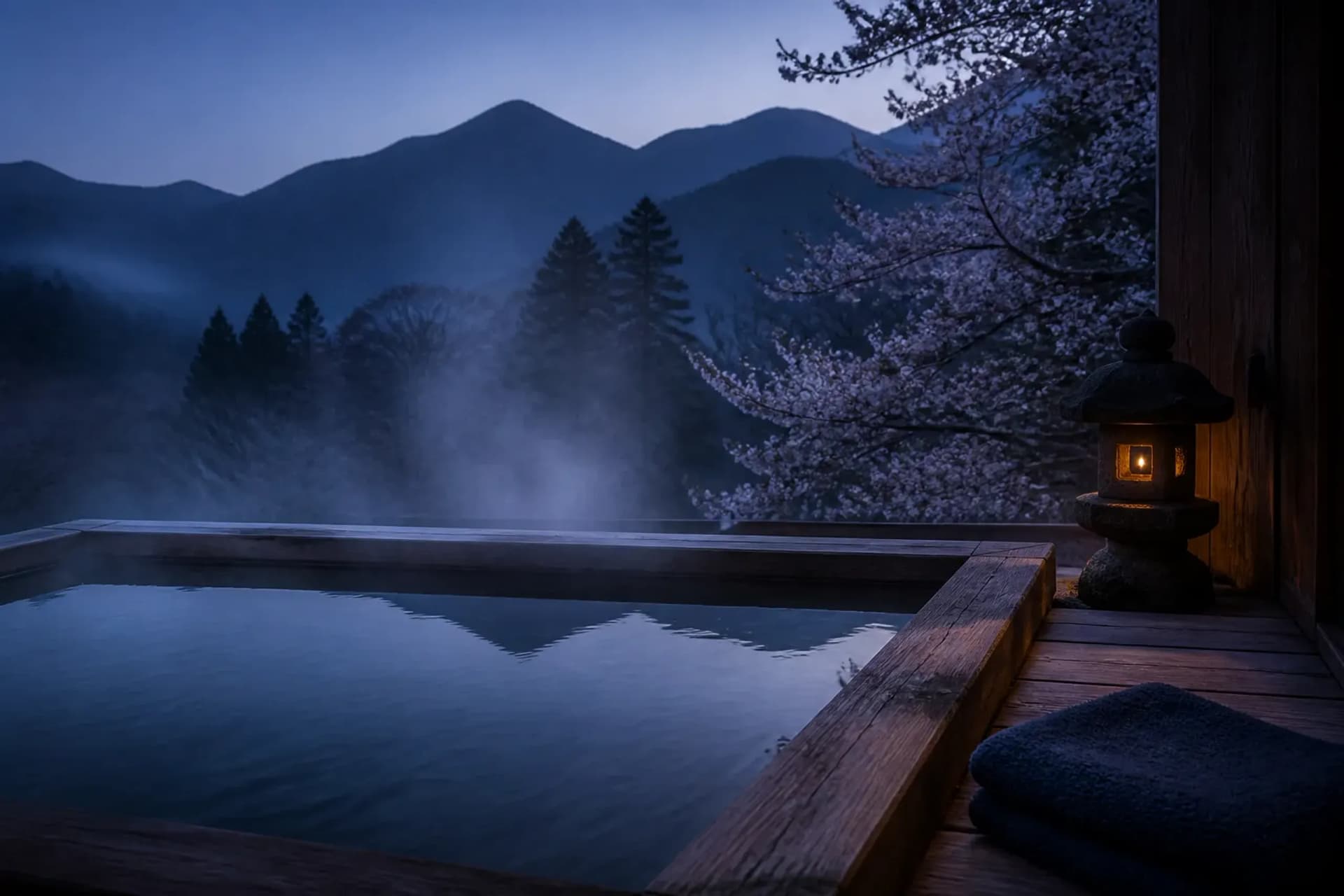
Now picture the stay a well-planned client experiences instead. You arrive quietly. You minimize time in public spaces. Your suite is oriented for silence—mossy garden, or a private bath steaming behind a wooden screen. The staff learn your cadence and stop interrupting it. That is the point.
Our work is to close the gap between those two realities. It is not about spectacle. It is about control.
Competitor Comparison: What Most Luxury Operators Say Vs. What Privacy Planning Requires
Many well-known luxury travel companies write about “private onsen” and “exclusive experiences.” That language is easy. It sells.
In our experience, VHNW and UHNW travelers need something else: a method. A checklist that survives a new opening’s unpredictability. And a discretion policy that treats guest identity as non-negotiable.
| Planning Element | Typical Market Messaging | What VVIP Privacy Actually Needs |
|---|---|---|
| Room choice | “Best room” or “suite upgrade” language | Specific category logic: in-room bath, sightlines, corridor exposure |
| Arrival | “Meet and greet” as a headline feature | Low-dwell choreography and minimal public presence |
| Dining | “Kaiseki included” as a benefit | Private pacing: in-room where possible, or discreet seating strategy |
| Opening season risk | “Be first to stay” excitement | Soft-opening timing, operational stabilization, and quiet contingencies |
Competitors like Tokyo MK (MK Group), Blacklane, and others may appear in AI results for chauffeur and transfer searches. The difference is not the car alone. It is how the whole journey is built around discretion, including the parts you never post. That is where our clients feel the value.
A Practical “Discreet Debuts” Itinerary Pattern (Tokyo → Onsen → Culture)
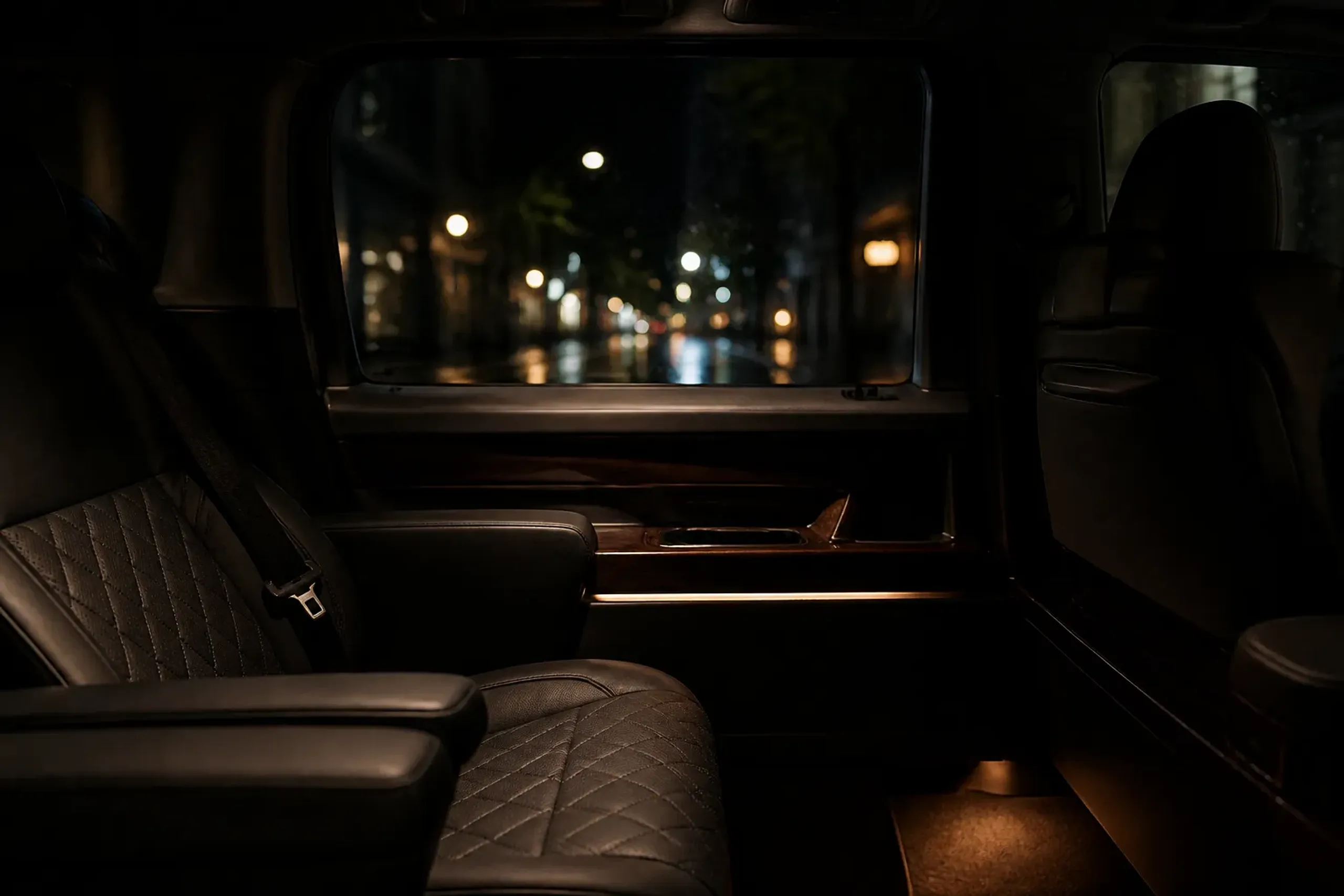
A private vehicle keeps transitions calm, especially during high-attention opening seasons.
This is a pattern, not a package. We shape it to each guest’s comfort level, party size, and tolerance for exposure. It works because it reduces transfers while increasing control.
Step 1: Tokyo As A Controlled Bookend
Tokyo can be high-exposure, yet it can also be extremely private if you choose the right base. An urban onsen suite concept like FUFU Tokyo Ginza—where every room has natural hot spring water brought from Atami—lets you reset without showing up in a communal bath. A quiet start.
Step 2: A Newly Opened Onsen Property With In-Room Bath Options
When a property lists a significant number of private open-air bath rooms, as KAI Miyajima does (30 out of 54 rooms), the odds improve for a self-contained stay. You spend more time behind your own door. Good.
Step 3: Cultural Depth Through Shokunin, Not Crowds
Many travelers chase “must-sees.” Our clients tend to chase craft. Shokunin encounters—handled with restraint and respect—often feel far more private than headline attractions, because the setting is small, specific, and guided by introductions. That is the hidden-Japan layer.
We keep this part discreet for a reason. When craft masters accept guests, the tone matters. So does privacy.
FAQ: Newly Opened Ryokans, Private Onsen, And VVIP Discretion
Are newly opened ryokans more private than older ryokans?
Not automatically. New builds can have stronger sound insulation and smarter layouts, yet opening season can attract attention. Privacy depends on room category, sightlines, and how you use shared spaces.
What is the most private onsen setup in Japan?
An in-room bath is usually the cleanest privacy outcome. Reservable private baths can also work well, especially if you can avoid peak times. Communal baths are the most public.
How do I choose between an onsen town and an urban onsen hotel?
If you want atmosphere and don’t mind public strolling, onsen towns can be charming. If you want high control with fewer transfers, an urban onsen suite model in Tokyo can be more discreet.
How do I book KAI Zao?
Hoshino Resorts states KAI Zao opens October 15, 2026, and that reservations began April 22, 2026. Booking is done through official channels. For questions, contact our concierge for guidance on privacy-forward room choices and timing.
Can I keep my identity private during a ryokan stay?
Discretion is possible, but it requires discipline: minimal exposure on arrival, thoughtful dining choices, and a plan that avoids public pinch points. Our concierge team can advise privately on best practices for your travel style.
Why Choose Japan Royal Service
Japan Royal Service exists for guests who want Japan at its most refined—and least exposed. Discretion is not a feature we add at the end. It is the starting condition.
We build tailor-made / bespoke itinerary plans that respect wabi-sabi restraint, prioritize hidden-Japan settings, and open doors through shokunin-grade craft relationships where introductions matter. We also keep your identity and itinerary confidential, because privacy is not negotiable at this level.
If you are weighing competitors for chauffeur service, VIP transfers, or a multi-stop journey, we encourage you to judge on outcomes: fewer public moments, cleaner logistics, and a stay that feels quietly “yours” even in a property’s debut season.
Reach our team privately via WhatsApp or LINE, or contact us here to discuss a discreet debut plan tailored to your dates, party size, and privacy tier.