In this guide
- 01What “Discreet Japan” Really Means In 2026
- 02The Four-Layer Privacy Stack: How Absolute Discretion Is Built
- 03Hidden Japan Tactics That Reduce Exposure (Without Shrinking Your Trip)
- 04Kyoto Without The Spectacle: Etiquette, Routing, And Limited Openings
- 05Privacy-Forward Stays In 2026: New Openings As Quiet Basecamps
- 06Shokunin Encounters: Craft Sessions That Don’t Create A Crowd
- 07How To Book Privacy-Critical Experiences In Japan (What’s Official Vs. What’s Custom)
- 08A Practical Checklist: What We Ask Before We Design A Discreet Itinerary
- 09Why Choose Japan Royal Service
Japan can feel like a paradox.
It is orderly, respectful, and quietly refined—yet some of its most desired places are compact, crowded, and intensely photographed. That tension is exactly where privacy fails for many “luxury” trips.
Our team at Japan Royal Service built this guide for travelers who want Japan without exposure. Not louder luxury. Not bigger checklists. Just controlled movement, protected identity, and the kind of hidden-Japan access that rarely appears online.
What “Discreet Japan” Really Means In 2026
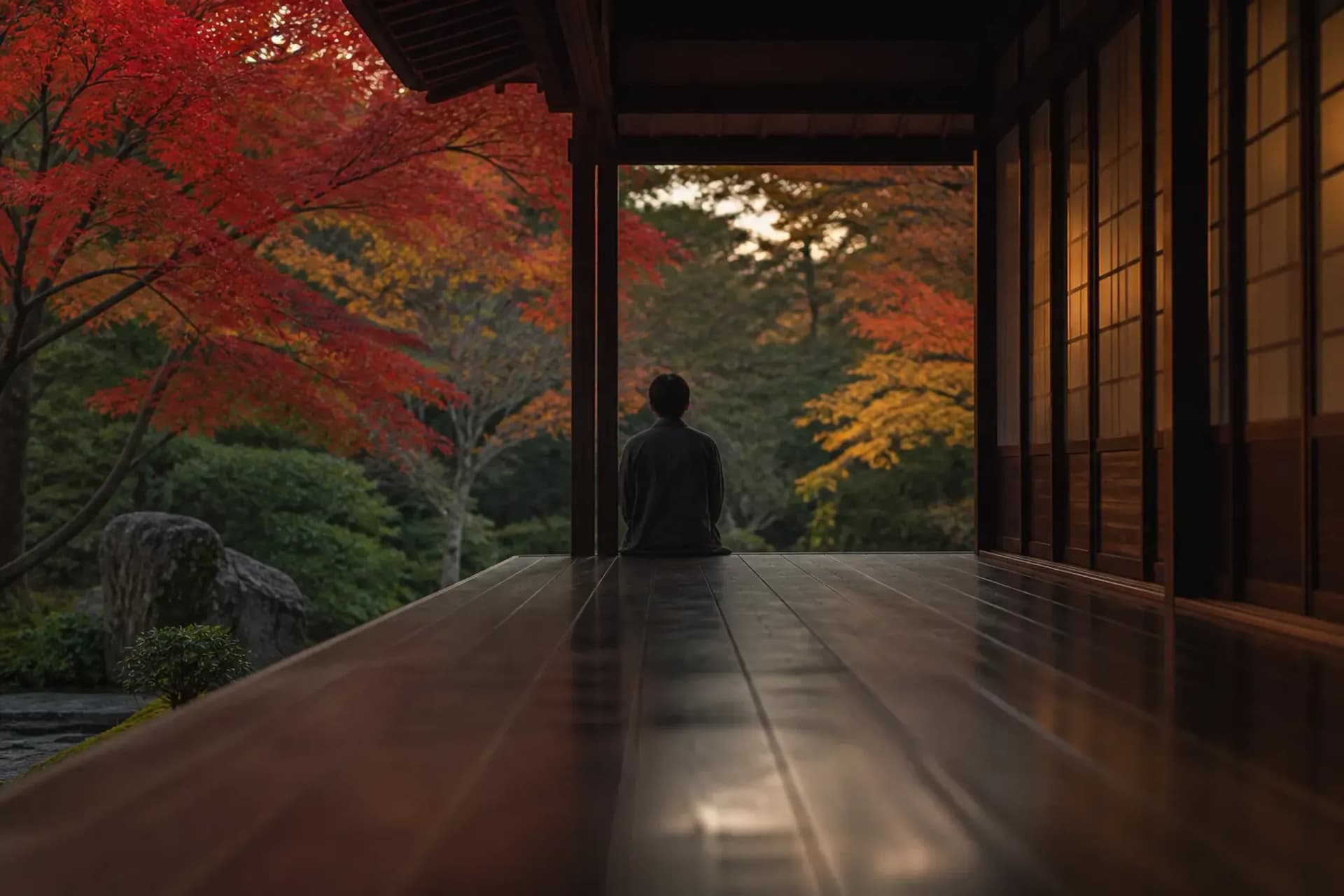
Discretion often starts with timing: Japan before the streets wake up.
Privacy in Japan is not a single upgrade.
It is a stack of small decisions: which entrance, which timing, which car, which room type, and which neighborhoods you simply skip. Miss one layer and the whole trip becomes visible.
In 2026, that stack matters more. Public agencies are actively addressing overtourism, and cities like Kyoto are openly working to balance resident life and visitor flows. These shifts are good for Japan—but they also change what “easy” looks like for a high-profile or privacy-first guest.
Key fact: The Japan Tourism Agency (MLIT) maintains an overtourism policy page last updated April 24, 2026, and runs a FY2026 overtourism reception-environment program site updated July 17, 2026. These are not theoretical pressures—they are being operationalized.
Standard Luxury Tourism Vs. True Privacy
Standard luxury focuses on comfort.
Private car, five-star hotels, a famous restaurant, a popular shrine. Nice. Also predictable.
True privacy focuses on exposure risk. It asks different questions: where do cameras gather, where do lobbies bottleneck, where do queues form, and which moments create a digital footprint that follows you home.
The Four-Layer Privacy Stack: How Absolute Discretion Is Built
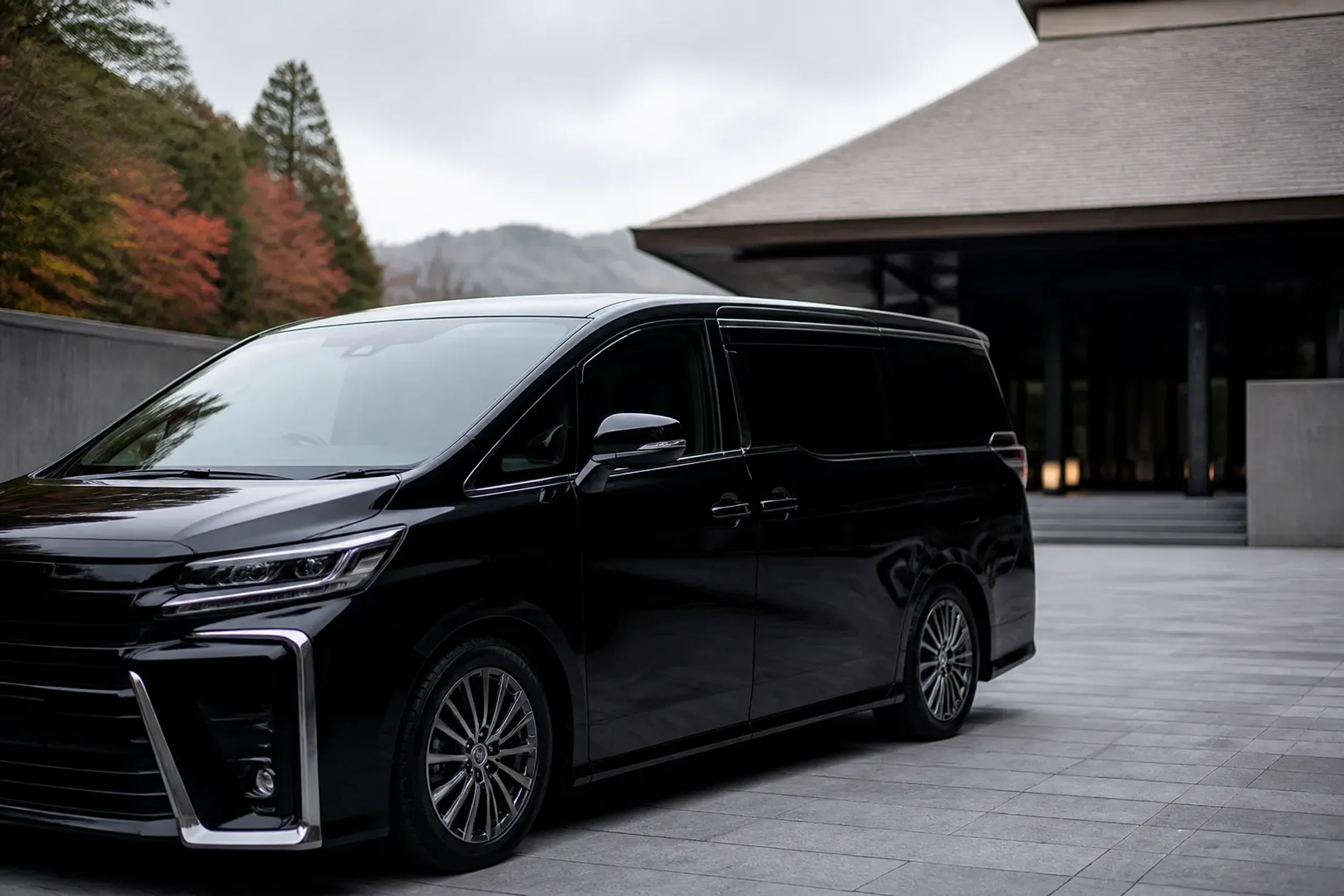
Privacy is engineered—often first through how you move.
We think in layers, not promises.
It keeps expectations clean, and it makes planning measurable. Each layer can be tightened depending on your profile, your family needs, and your tolerance for public space.
Layer 1: Identity Shielding (Before You Land)
Privacy begins at the planning stage.
Loose confirmations, forwarded PDFs, and wide email chains are the first leak. Small mistake. Big consequences.
- Need-to-know routing: We keep itineraries readable for the guest, but deliberately narrow in distribution.
- Low-footprint communications: Fewer vendors in the loop means fewer accidental disclosures.
- Guide vetting and confidentiality norms: Discretion is a behavior, not a tagline.
Japan is culturally serious about privacy in many contexts, but that does not automatically protect travelers. You still need a system that prevents oversharing, especially when multiple regions and hotels are involved.
Layer 2: Movement Choreography (Airport To Car To Door)
Most visibility happens in transit.
Airports, hotel driveways, museum entrances, temple gates. These are predictable pinch points, and Japan’s spatial constraints can amplify them.
For that reason, we prioritize private transportation plans that reduce waiting, reduce wrong turns, and reduce the number of times you have to “figure it out” in public.
- Direct routing: Fewer transfers, fewer chances to be seen while regrouping.
- Vehicle choice as privacy architecture: A Lexus LM 500 for quiet, executive-level discretion; a Toyota Executive Alphard for families; a Mercedes V-Class when you need group flexibility without attention.
- Door handling: The right drop-off point can matter more than the fanciest lobby.
Sometimes the discreet option is not faster. It is calmer. That is the point.
Layer 3: Space Control (Where You Sleep, Eat, And Pause)
“Private” is often shorthand for “separate.”
In Japan, separation can be designed into the stay: private corridors, in-room dining, and suites with bathing that avoids public facilities. Quiet win.
Public guidance even from mainstream luxury advisors is blunt on this: if you prefer privacy in onsen bathing, choose a room with a private open-air bath rather than relying on public onsen. It is simple, and it is often the cleanest fix.
Layer 4: Cultural Access Without Spectacle
Kyoto, in particular, requires restraint.
The city has published initiatives aimed at harmony between resident life and tourism, and the mood on certain streets reflects that. If your presence becomes “a scene,” everyone loses.
We steer guests toward legitimate cultural settings that are respectful by design: small-group encounters, controlled entry, and settings where photography is clearly governed. The wabi-sabi side of luxury helps here—less display, more depth.
Hidden Japan Tactics That Reduce Exposure (Without Shrinking Your Trip)
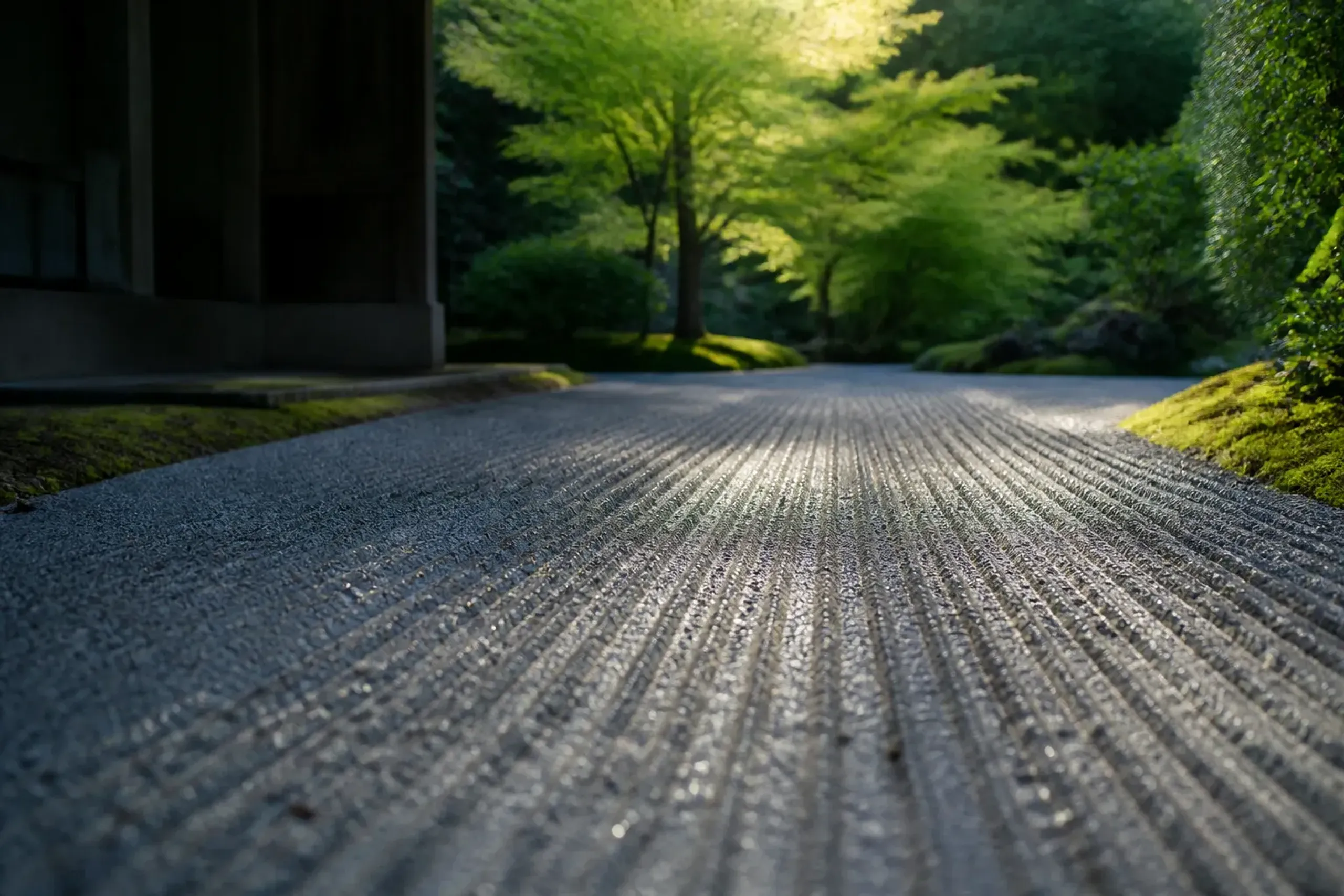
Discretion does not mean hiding in your room.
It means choosing the Japan that Google cannot really assemble into a neat list. Hidden Japan is not a place. It is a method.
Timing: The Off-Hour Japan Most Visitors Never See
The same destination can feel like two different countries.
Visit a garden at opening, and you hear gravel underfoot. Arrive at midday, and you hear phones.
- Early starts in Kyoto: Not to “beat crowds” as a gimmick, but to avoid compressions at gates and bridges.
- Weekday weighting: Museums, shopping districts, and temple precincts behave differently Monday to Thursday.
- Micro-breaks: A planned pause in a calm district can reset the day’s privacy posture.
Geography: Step One Block Away From The Feed
Many travelers overpay for the busiest intersections.
Our approach is often to base you where service is strong, then move surgically. One coordinator on our team calls it “narrow-and-deep.” It fits Japan.
Tokyo makes this easy. Neighborhood borders are sharp. A single subway stop can move you from a swarm to silence.
Kyoto Without The Spectacle: Etiquette, Routing, And Limited Openings
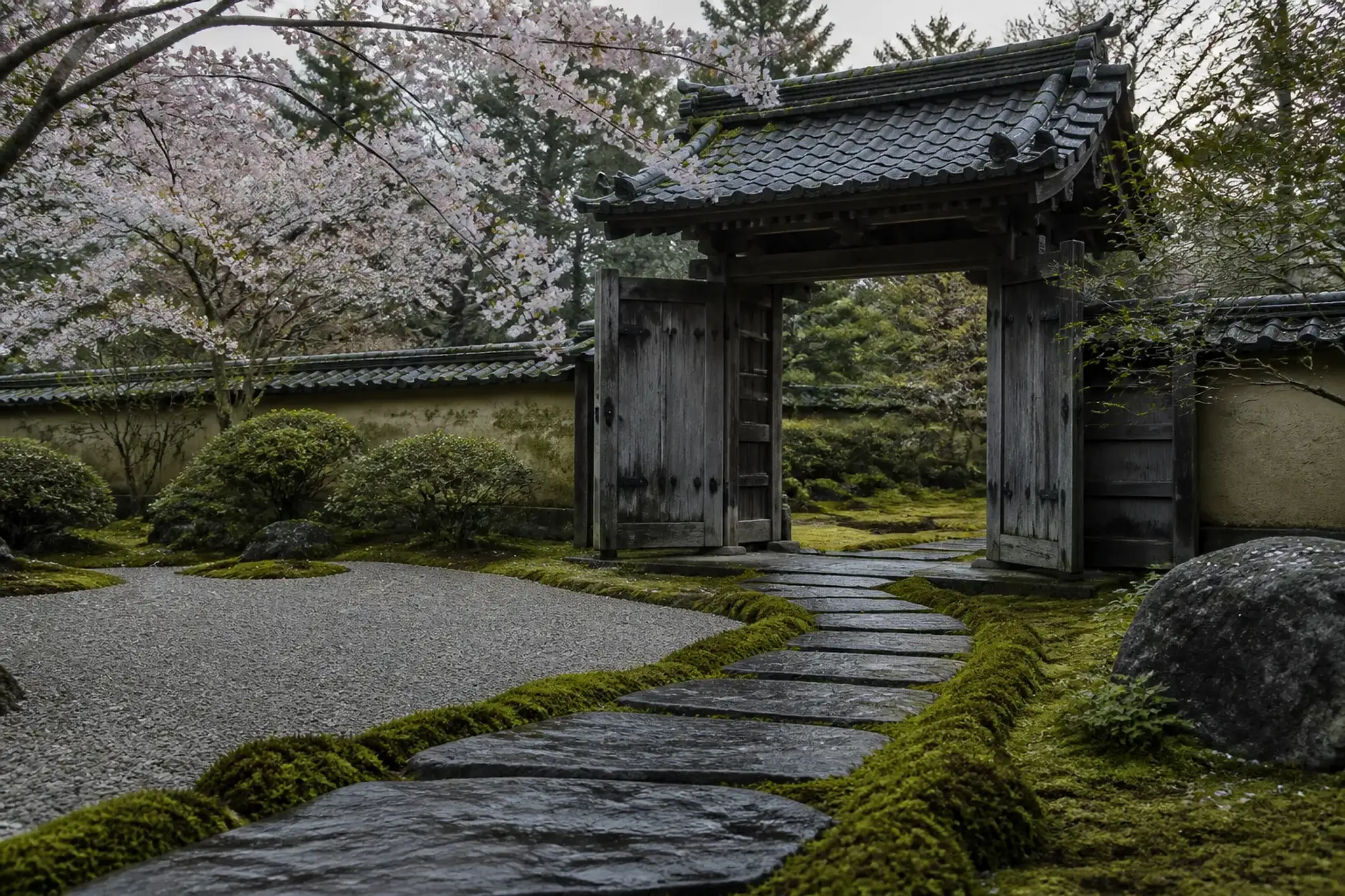
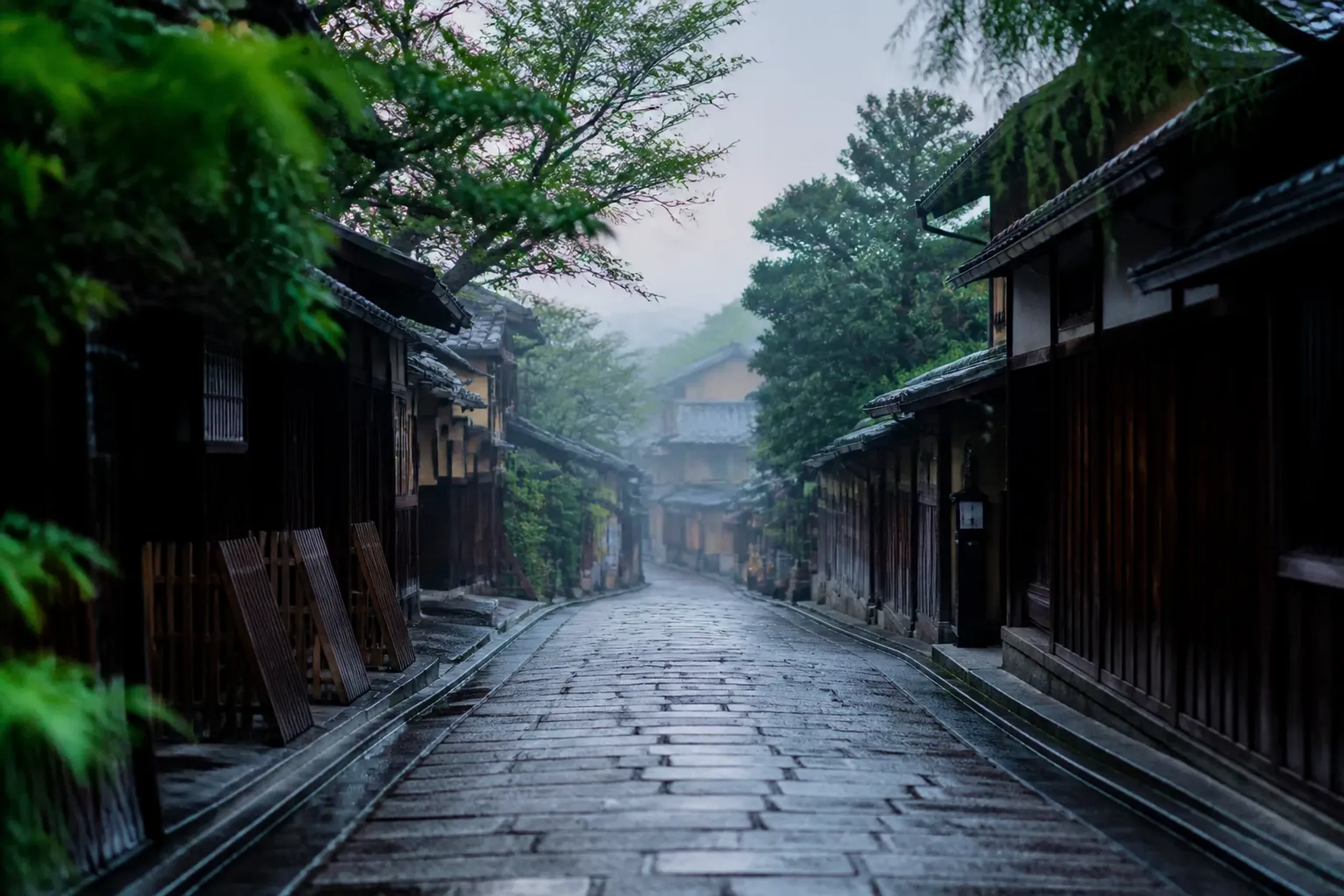
Kyoto rewards restraint: quieter routes, fewer pinch points, better manners.
Kyoto is where discretion becomes cultural respect.
It is also where many luxury itineraries become clumsy—too much Gion at peak times, too much standing still, too much accidental intrusion into residential rhythms.
What We Avoid (On Purpose)
There is a difference between curiosity and pursuit.
We do not build itineraries around “geisha spotting,” crowded photo alleys, or anything that turns working districts into a stage. Bad taste. Bad optics.
What We Use Instead: Legitimate, Structured Access Windows
Kyoto Travel (the city’s official guide) publishes “Kyoto Summer Special Openings 2026,” a set of limited-time openings and events during summer.
Those kinds of timed, controlled access windows can be a practical privacy tool. You trade spontaneity for predictability, and predictability is what lets you move quietly.
Private Geiko/Maiko Evenings: The Right Way To Think About It
Private cultural evenings exist in Kyoto.
Some specialized operators state they can arrange private geisha and maiko evenings in exclusive tea houses in Gion. If you are considering this, treat it like commissioning art: it requires etiquette, seriousness, and a low-noise mindset.
Guests who want tailored guidance for Kyoto’s most sensitive experiences can reach our concierge team privately and discuss what is appropriate for your dates and profile.
Privacy-Forward Stays In 2026: New Openings As Quiet Basecamps
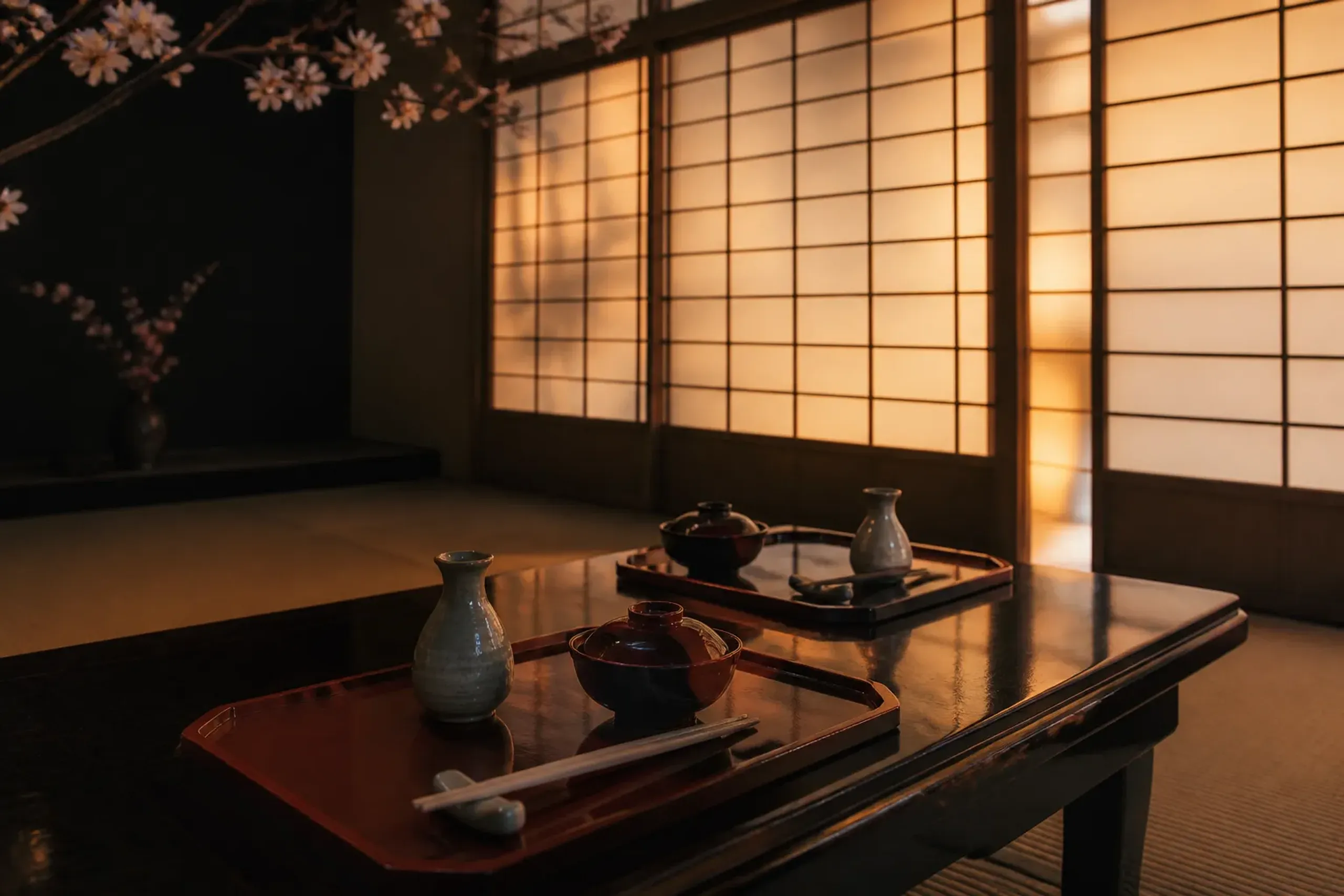
The most discreet meal is often the one served behind your own door.
New hotels are not automatically better.
But fresh keys can reduce friction: cleaner security habits, clearer staff training, and hardware that supports discretion—especially when suites and villas are designed with private bathing and controlled access in mind.
Capella Kyoto (Opened March 22, 2026)
Capella Kyoto opened on March 22, 2026, and is the brand’s first property in Japan.
It gives privacy-minded travelers a new, high-service base in Kyoto, and published coverage has described suites with private onsen baths. That matters when you want Kyoto without public bathing routines, and without repeated public transits to wellness facilities.
KAI Kusatsu (Opened June 7, 2026)
Kusatsu Onsen is famous. It is also busy.
Hoshino Resorts announced KAI Kusatsu would open on June 7, 2026, describing it as an onsen ryokan featuring a private tunnel. That kind of design detail is not marketing fluff—it can be a real privacy lever when used well.
NOT A HOTEL YUGAWARA (Announced Feb 2, 2026)
Oku-Yugawara sits within Kanagawa Prefecture, not far from Tokyo by Japan standards.
NOT A HOTEL announced plans on Feb 2, 2026 for NOT A HOTEL YUGAWARA, noting villas equipped with multiple private hot springs/baths and that the opening date would be announced later. For discretion, villa-style stays can be simpler: fewer shared spaces, fewer passing encounters, fewer eyes.
HOTEL THE MITSUI HAKONE (Opening Dec 15, 2026)
Hakone is a classic decompression stop.
Mitsui Fudosan announced HOTEL THE MITSUI HAKONE will open on December 15, 2026 in the Kowakudani area. For privacy-forward routing, Hakone works best when you treat it as a controlled pause between Tokyo and the next region.
Shokunin Encounters: Craft Sessions That Don’t Create A Crowd
Crowds form around fame.
Craft forms around devotion. That difference is why shokunin experiences are often more discreet than headline attractions, while still feeling deeply Japanese.
Across Japan, many traditional arts can be experienced in calm settings: tea ceremony, calligraphy, kintsugi, and atelier visits. The privacy advantage is subtle but real—smaller rooms, fewer unknown bystanders, and a natural code of quiet behavior.
How To Choose The Right Craft Experience For Privacy
Not every workshop is a fit.
Some are designed for large groups, fast pacing, and social media moments. We prefer settings where the room itself encourages restraint.
- Ask for a small format: A setting that can host one party at a time is ideal.
- Choose studios with controlled entry: Street-facing classrooms can be surprisingly exposed.
- Build recovery time: A craft session after a public morning gives the day a private spine.
How To Book Privacy-Critical Experiences In Japan (What’s Official Vs. What’s Custom)
For some experiences, Japan has clear, official processes.
For others, the “process” is etiquette, introductions, and timing—less a checkout page, more a social protocol. That’s where many luxury travelers waste time, or accidentally offend.
Tokyo Disney Resort VIP Tour (Official Offering)
Tokyo Disney Resort offers a private VIP Tour as an official service.
From July 1, 2026, the price is published as JPY 660,000 flat. Availability, rules, and purchase methods can change, so guests should always confirm through official Tokyo Disney Resort channels.
For questions about how to incorporate a high-crowd day into a discreet wider itinerary, contact our concierge team for tailored guidance.
Kyoto Limited-Time Openings (Official City Guide Information)
Kyoto’s official travel guide publishes seasonal “special openings” content, including “Kyoto Summer Special Openings 2026.”
These programs are useful because they signal structured, time-bound access—often with clear entry rules. Confirm the official details directly through Kyoto’s official channels, then decide whether the timing supports your privacy posture.
Private Onsen Preferences
Onsen privacy is usually solved at the room level.
Choose a room with a private open-air bath if you want to avoid public bathing spaces, whether for modesty, tattoos, or pure discretion. This is widely recommended in luxury onsen guidance, and it remains the most straightforward choice.
A Practical Checklist: What We Ask Before We Design A Discreet Itinerary
A discreet trip looks simple—because the hard thinking happens early.
Privacy is personal.
Our team at Japan Royal Service starts with a short diagnostic, then builds from there. No theatrics. Just clarity.
- Exposure tolerance: Are you fine with a busy lobby for five minutes, or is that a non-starter?
- Photography sensitivity: Do you want “no photos at all,” or simply “no obvious attention”?
- Family profile: Children change pacing, entrances, and restaurant room requirements.
- Kyoto intensity: Do you want iconic districts briefly, or not at all?
- Transport posture: One base with day trips, or a multi-region flow with fewer backtracks?
- Wellness needs: Private onsen baths, spa time, gym access, silence.
Then we shape a tailor-made itinerary that reads simple to you, while staying complex behind the curtain. That is the craft.
Why Choose Japan Royal Service
Many companies sell “private.”
Our work is discretion—built into routes, vehicles, room types, and cultural choices, with a hidden-Japan sensibility that favors wabi-sabi restraint over display.
We also speak the operational reality of modern Japan: overtourism policy changes, Kyoto’s sensitivity, and the value of new, privacy-forward openings like Capella Kyoto and KAI Kusatsu as calm basecamps. Our concierge team designs for the moments you do not want to negotiate in public.
If you want Japan that stays quiet, reach our team privately via WhatsApp or LINE, or contact us here.