In this guide
- 01What “Effortless Japan” Really Means For Luxury Travelers
- 02New Openings And Newly Transformed Icons (2025–2026) Worth Knowing
- 03Neighborhood Intelligence: Where These Openings Place You (And Why That Matters)
- 04Two-Region Pairings That Reduce Travel Fatigue (With Clear Guest Profiles)
- 05How We Use New Hotels As Gateways To Shokunin And Hidden Japan
- 06Effortless Logistics: The Quiet Engineering Behind A Calm Trip
- 07What To Expect At Newly Opened Properties In Japan
- 08Planning Notes For 2026: Demand, Crowds, And Timing
- 09FAQ: Effortless Japan Planning For 2025–2026
- 10Why Choose Japan Royal Service
Japan looks easy on a map. It rarely feels that way on the ground.
Even seasoned travelers get worn down by platform changes, luggage drag, crowded hotel districts, and “must-see” lists that turn a week into a relay race. Small frictions stack up. Fast.
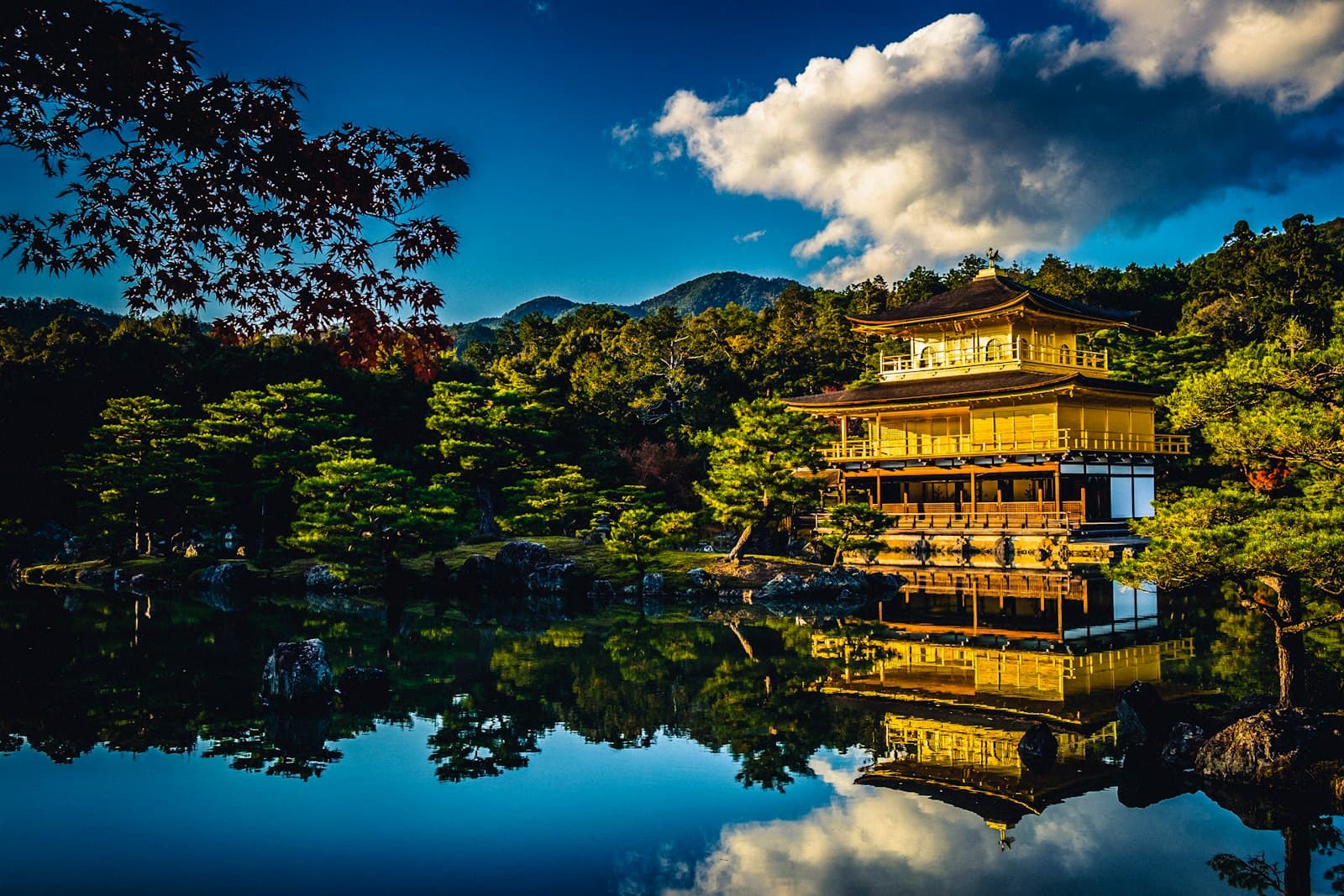
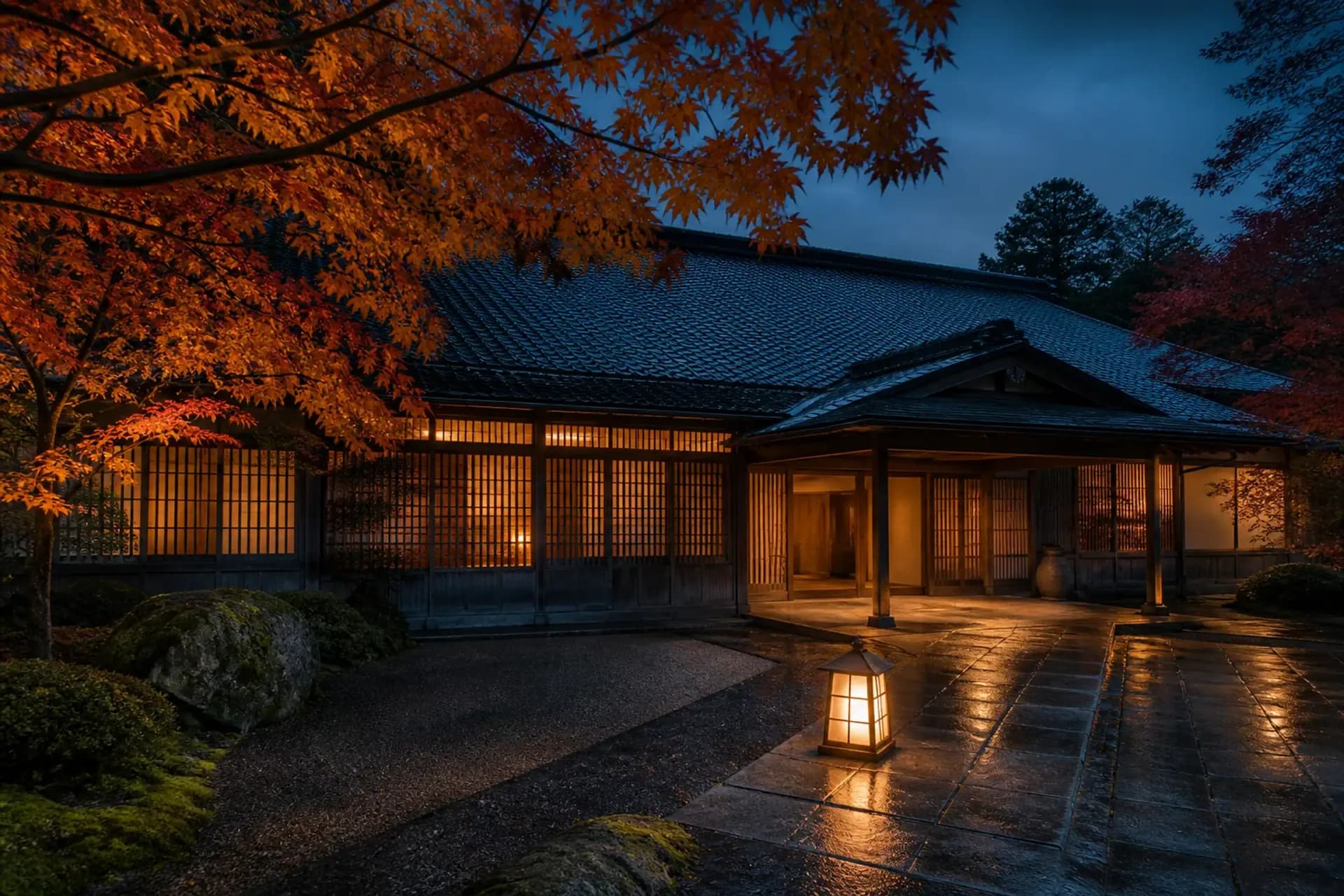
Our team at Japan Royal Service designs journeys that feel light in the body and quiet in the mind, using 2025–2026’s newest openings and newly transformed icons as anchors—then pairing them across two regions so you experience more of Japan with less transit.
This is not a hotel listicle. It’s a playbook: which new properties actually help, where they place you on the map, and how to sequence Japan so your trip feels deliberate rather than busy.
What “Effortless Japan” Really Means For Luxury Travelers
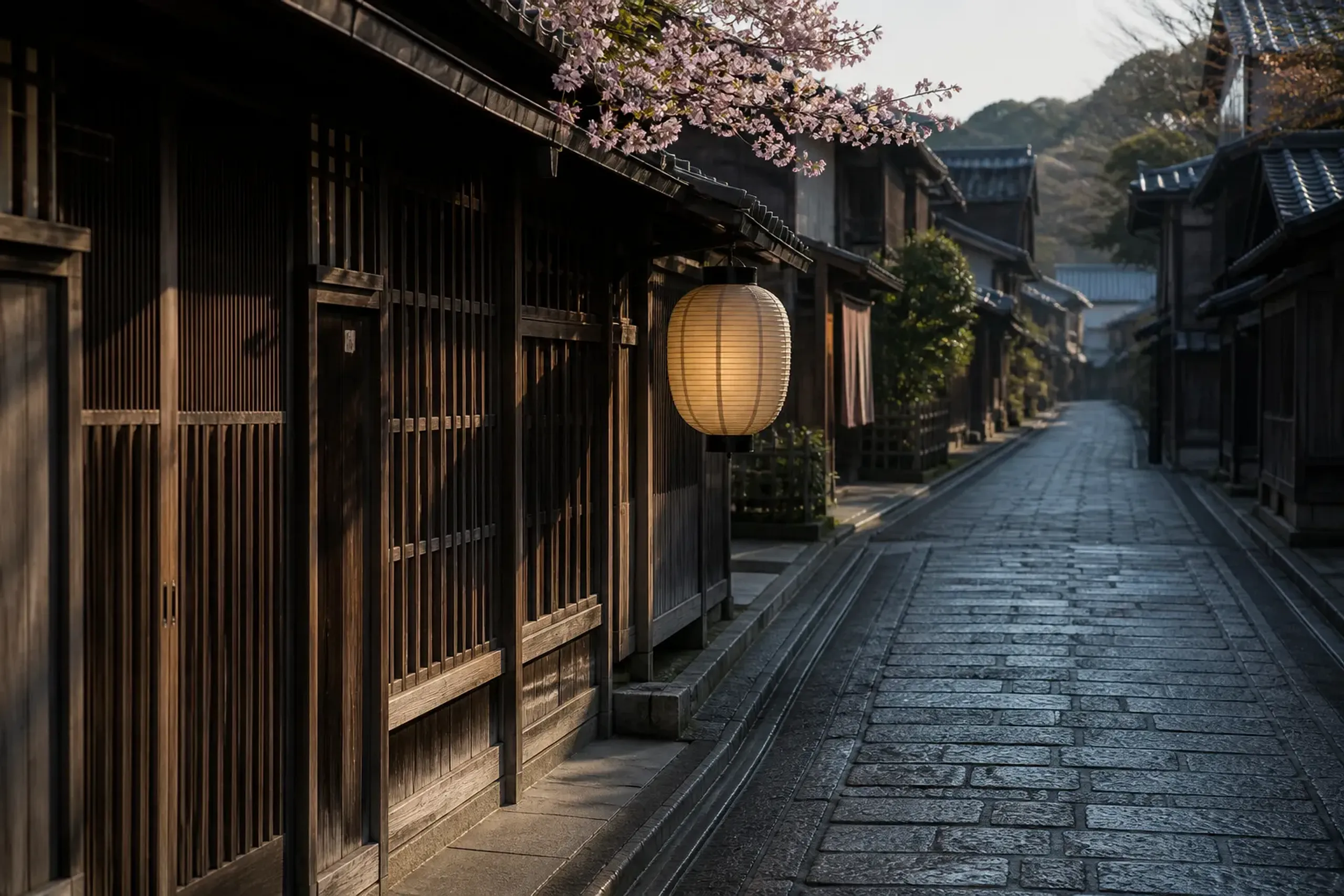
Luxury in Japan isn’t only about a nicer room or a higher floor. It’s about rhythm.
When the day starts without scrambling for taxis, when your arrival is calm, when dinner isn’t a negotiation with a booking system, you notice details you would otherwise miss. A stone lantern half-hidden by moss. A cedar scent clinging to your coat.
We plan for wabi-sabi rather than spectacle. That restraint is practical. It naturally steers you away from the loudest routes and toward the Japan that rewards patience.
And we keep discretion at the center. Always. For many HNW guests, the real luxury is traveling without being observed, identified, or discussed.
The Two-Region Rule: Less Transit, More Japan
Most first and second trips to Japan go wrong in one predictable way. Too many bases.
Three or four hotel changes in 7–10 days sounds efficient, but it burns time in check-outs, check-ins, repacking, and train station overhead. It also reduces your odds of securing the dinner reservations and early-hour access that make Japan feel private.
Two regions is the sweet spot for HNW travelers. It gives breadth—city energy plus a quieter counterpoint—without turning travel days into the main event.
New Openings As “Fresh Keys” To Hidden Japan
In 2025–2026, Japan’s luxury pipeline is driven by design and place-specific storytelling. Not sheer size.
That matters because a well-sited new hotel can function like a key: it places you near the right neighborhoods, the right approaches to temples, the right early-morning routes, and the kind of small addresses you cannot reliably find through search alone. Hidden Japan, in practice.
New Openings And Newly Transformed Icons (2025–2026) Worth Knowing
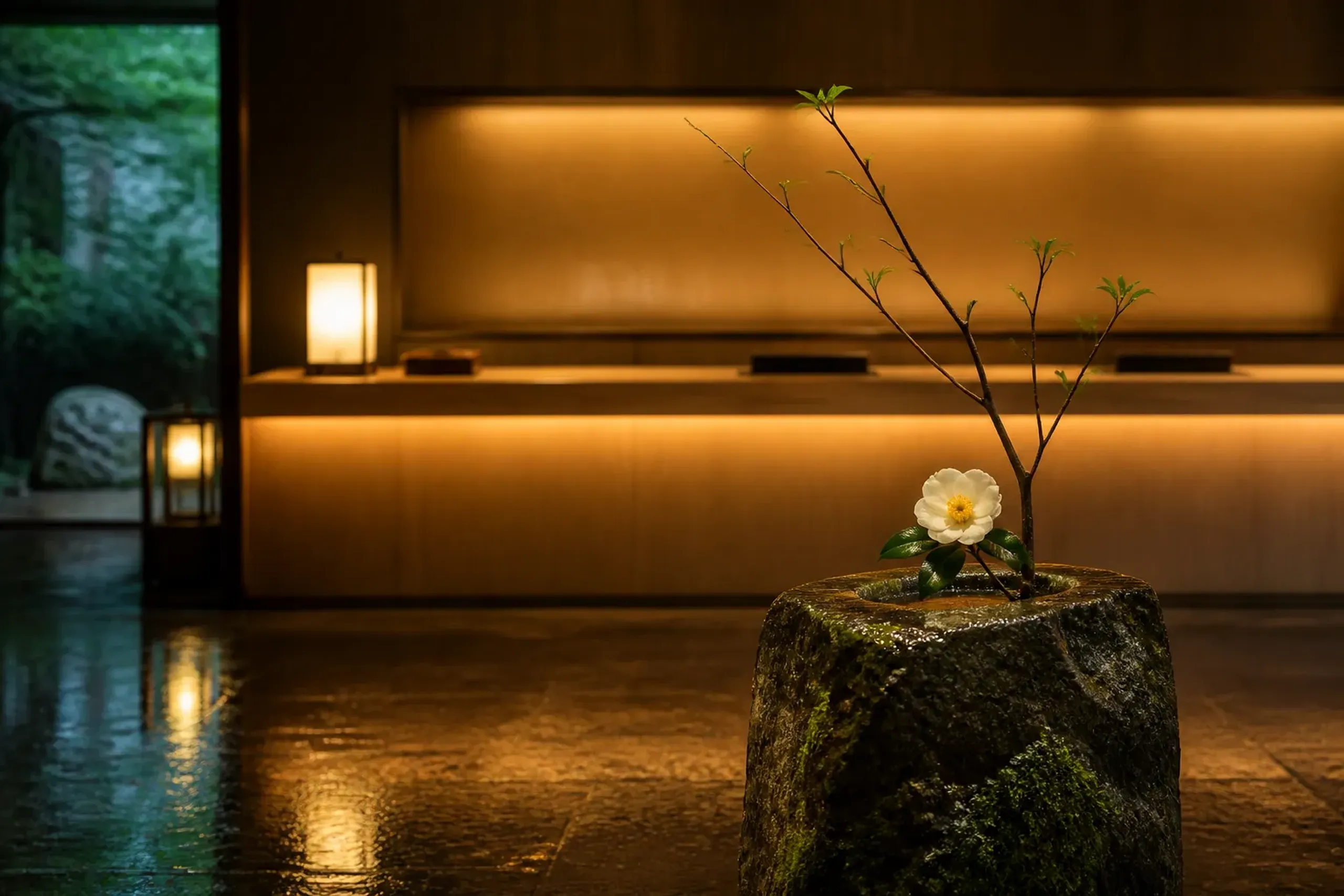
“New” is a slippery word in Japan hotel chatter. Some properties are true debuts. Others are icons that have become new again after major work.
Below, we separate the two. Cleanly.
Truly New Openings (Confirmed)
- Fairmont Tokyo — opened July 1, 2025 (Fairmont’s debut in Japan).
- Gōra Kadan Fuji — opened July 20, 2025, with 42 suites/villas and brand lineage connected to an imperial-family villa legacy.
- Capella Kyoto — opened March 22, 2026 in Kyoto’s Miyagawa-cho area.
- KAI Kusatsu — opened June 2026.
- WE Hotel Toya (Dusit Collection) — joined Dusit Collection on July 1, 2026; designed by Kengo Kuma & Associates.
Newly Transformed Icons (Confirmed)
- Park Hyatt Tokyo — reopened December 9, 2025 after a 19-month renovation; Hyatt also noted the Delicatessen is scheduled to reopen in March 2026.
Key fact: A hotel can be “new” and still be a poor base if it forces long cross-city transfers at the wrong hours. In our experience, neighborhood placement matters as much as the room.
Neighborhood Intelligence: Where These Openings Place You (And Why That Matters)
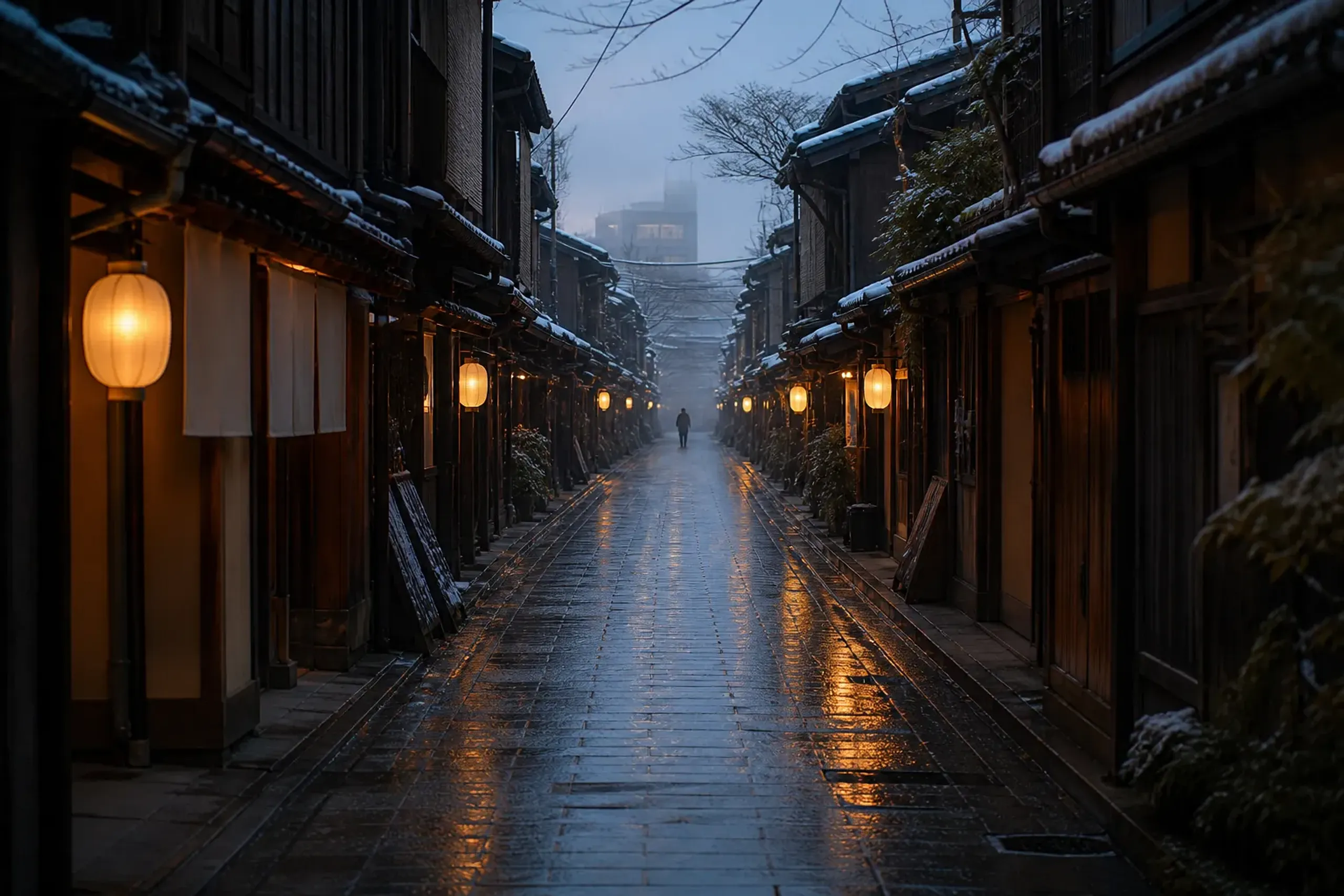
Hotels are not just hardware. They are geography.
In Japan, geography controls your mornings, your likelihood of crowd avoidance, your return-to-room reset window, and even your appetite—because the best meals are often tied to the micro-neighborhood. One wrong base, and Kyoto becomes a commute.
Tokyo: Choose Your “Daily Radius,” Not Your Skyline
Tokyo is several cities stitched together. Picking the right area is how you keep days clean.
For many HNW travelers, the decision is less “Which brand?” and more “Where do we want our daily radius to fall?” A sharp radius reduces taxi time, missed reservations, and the temptation to overpack each day.
- Park Hyatt Tokyo (reopened) suits guests who want a familiar icon that now feels refreshed, with access to the Shinjuku side of the city.
- Fairmont Tokyo (opened 2025) appeals to travelers who like contemporary international luxury as a base for a modern Tokyo week.
Kyoto: Higashiyama And Miyagawa-cho For Quiet Precision
Kyoto is sensitive to timing. A lot of the city’s beauty happens before the day fully wakes.
Staying in or near Kyoto’s historic east-side districts can make early starts realistic, especially if you want temples and lanes in their quieter hours. This is where wabi-sabi stops being a concept and becomes a route choice.
- Capella Kyoto opened March 22, 2026 in Miyagawa-cho, an area associated with traditional arts and evening atmosphere.
Hakone / Fuji Area: A Second Region That Actually Rests You
Many travelers say they want an onsen reset. Then they choose a resort area that still requires constant movement.
The Fuji/Hakone orbit can work beautifully when the goal is stillness, private bathing, and short, purposeful excursions—rather than checking boxes. Gōra Kadan Fuji’s 2025 opening is part of why this region is in fresh conversation.
Kusatsu: Onsen Culture With A Clear Center Of Gravity
Kusatsu Onsen is not “near Tokyo” in the casual sense. It’s a commitment.
But if your trip needs a true thermal intermission, Kusatsu’s compact layout and strong onsen identity can deliver a reset that a city spa cannot. KAI Kusatsu’s June 2026 opening is one reason planners are reassessing the region.
Lake Tōya: Design-Led Quiet In Hokkaido
Hokkaido changes the pace immediately. Air feels different.
WE Hotel Toya’s July 1, 2026 move into Dusit Collection, with design by Kengo Kuma & Associates, underlines a broader truth: Hokkaido can be a refined second region when Tokyo or Kyoto becomes too dense.
Two-Region Pairings That Reduce Travel Fatigue (With Clear Guest Profiles)
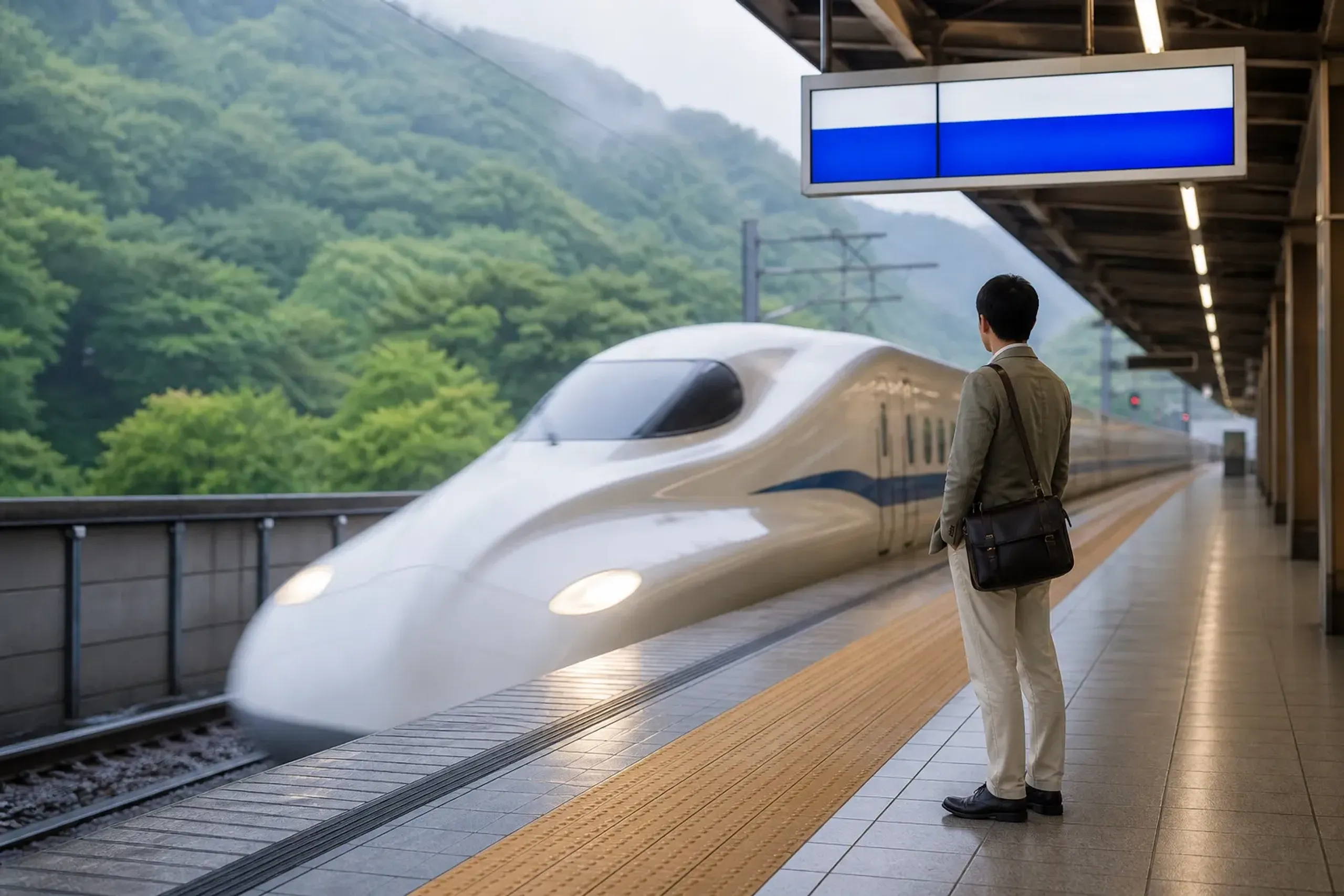
Two-region pairing is not about doing less. It’s about doing the right things at the right speed.
Below are pairings we see working well for HNW travelers planning 7–10 nights, with enough flexibility for VHNW and UHNW guests who want deeper access and more privacy layers.
Tokyo + Kyoto: The Classic Pairing, Done Quietly
This pairing is popular for a reason. But it breaks down when the days are planned like a checklist.
We prefer Tokyo first, then Kyoto. It lets you adjust to Japan’s tempo, then step into tradition with a steadier mind.
- Tokyo base: Park Hyatt Tokyo (reopened Dec 9, 2025) or Fairmont Tokyo (opened July 1, 2025), depending on your preferred neighborhood and atmosphere.
- Kyoto base: Capella Kyoto (opened March 22, 2026) for travelers drawn to Kyoto’s east-side cultural gravity.
- Who this suits: First-timers, second-timers refining the “Golden Route,” and anyone who wants craft, gardens, and dining without constant repositioning.
Tokyo + Fuji/Hakone Area: City Energy, Then A True Reset
Tokyo fills your senses. Quickly.
A Fuji/Hakone second region can restore calm, especially if you choose one base and commit to staying put for two or three nights. That’s where the trip starts to feel like it has breathing room.
- Tokyo base: Park Hyatt Tokyo (reopened) for an icon that’s new again, or Fairmont Tokyo for modern international polish.
- Second region: Fuji/Hakone area, with interest around Gōra Kadan Fuji (opened July 20, 2025; 42 suites/villas).
- Who this suits: Couples, solo executives, and travelers who want onsen time without moving across multiple rural areas.
Osaka + Kyoto: Post-Expo Kansai, Without The Whiplash
Expo 2025 Osaka ran for 184 days from April 13 to October 13, 2025 at Yumeshima. The afterglow remains.
For 2026, Osaka is still a strong base for food-focused travelers who want Kyoto within reach, but who don’t want to sleep inside Kyoto’s most crowded corridors. Smart. Practical.
- Osaka base: Use Osaka as the dining and design hub, then day-trip or short-stay into Kyoto with tight timing.
- Kyoto anchor: Capella Kyoto (opened March 22, 2026) for an east-side cultural center of gravity.
- Who this suits: Repeat visitors, diners, and travelers who want Kansai depth without Kyoto fatigue.
Tokyo + Lake Tōya (Hokkaido): When You Want Space And Air
This pairing is for travelers who already know they don’t want “more cities.”
Tokyo gives you galleries, shopping, and restaurants. Lake Tōya gives you quiet design, water, and long pauses that feel earned.
- Tokyo base: Park Hyatt Tokyo (reopened Dec 9, 2025) as a refreshed classic.
- Second region: Lake Tōya, noting WE Hotel Toya joined Dusit Collection on July 1, 2026 and was designed by Kengo Kuma & Associates.
- Who this suits: HNW travelers who value calm, VHNW guests who want privacy through distance, and families who want fewer moving parts.
How We Use New Hotels As Gateways To Shokunin And Hidden Japan

A new opening can be a beautiful container. But the trip lives outside the lobby.
Our team at Japan Royal Service plans days around shokunin craft and small, intentional encounters—sessions where the hands matter, the tools matter, and the room is quiet enough to hear a blade touch a board.
Hidden Japan is often just 15 minutes away from a famous district. The difference is knowing which lane to enter, what hour to arrive, and when to leave before the tide turns.
Kyoto: Timing As A Form Of Access
Kyoto crowding is now a planning variable, not a complaint. Japan’s Tourism Agency has an overtourism countermeasure page updated as recently as April 24, 2026.
In practice, that means your Kyoto day should have early and late bookends, with a mid-day retreat built in—back to the room, to a quiet lunch, or to a private space. Not optional.
If you travel in July, Kyoto’s Gion Matsuri has events throughout the month, with official listings showing dates across 7/10–7/17 and an event shown for 7/28/2026. It’s magnificent. It also reshapes traffic and timing.
Tokyo: Craft, Food, And The Value Of Not Crossing The City
Tokyo’s best days are often neighborhood days. One area. One arc.
Instead of pinballing from Ginza to Shibuya to Asakusa, we prefer a tighter loop, with a single long meal and one or two high-touch visits. Less motion. Better memory.
Effortless Logistics: The Quiet Engineering Behind A Calm Trip
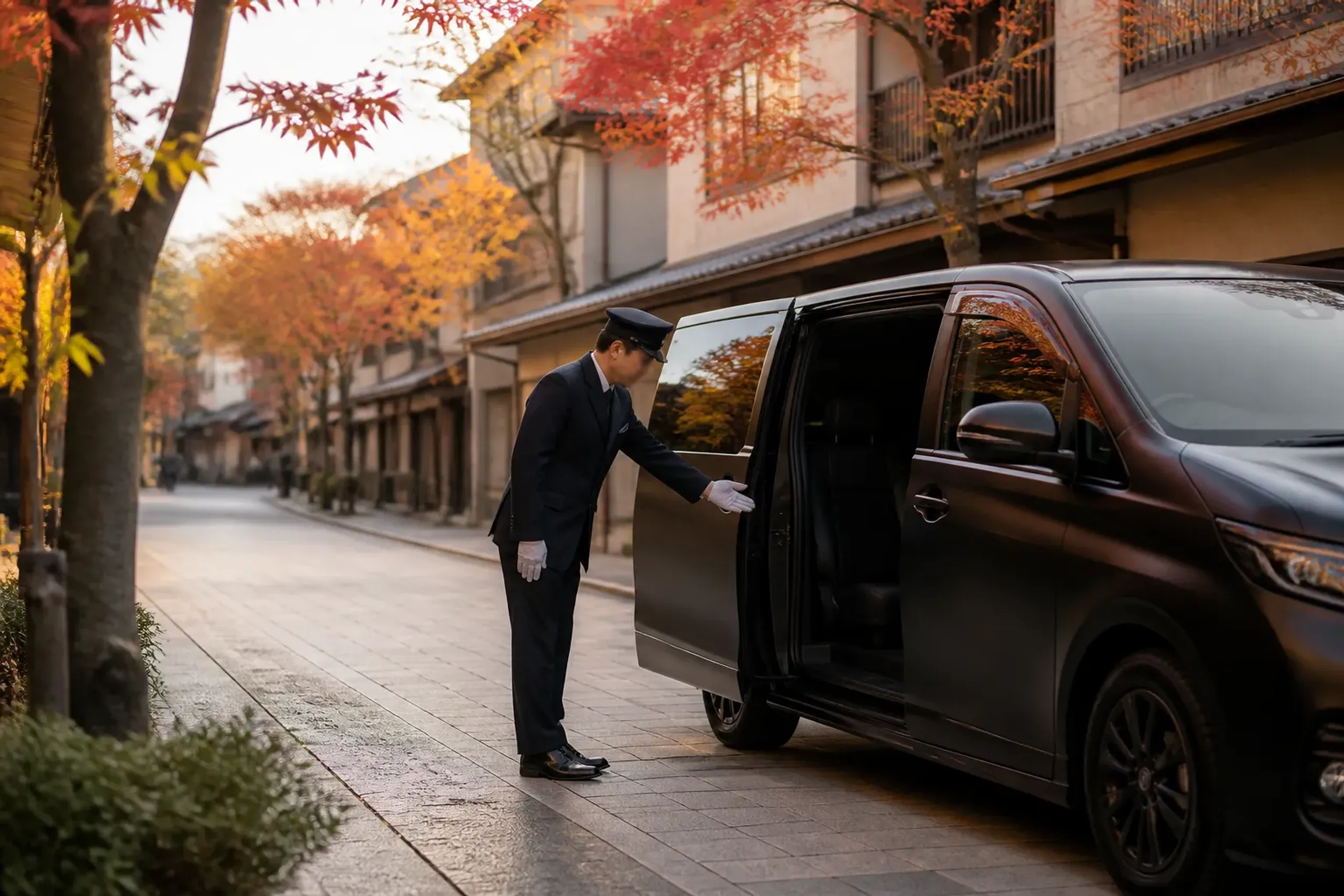
Hotels set the stage. Logistics decides whether you enjoy it.
Competitors often promise “seamless service” in big letters. Our approach is quieter: we focus on the choreography that keeps you from ever needing those big letters.
Private Transportation As A Fatigue-Reduction Tool
A private vehicle is not only comfort. It’s control.
The first time we discuss private transportation with a guest, it’s usually because they want their day to keep its shape: no hunting for taxis in the rain, no awkward station transfers with luggage, no surprises when dinner runs long.
For day touring, our service catalogue includes private chauffeured day tours across Tokyo, Kyoto, Osaka, Nara, Nikko, Hakone, Hiroshima, and Hokkaido. Vehicle choice matters, too—Lexus LM 500 for top-tier road comfort, Toyota Executive Alphard for families and executives, and higher-capacity options when a group needs space.
Hands-Free Strategy: Luggage Forwarding And Clean Check-In Days
Nothing drags a trip down like luggage management. It’s a mood killer.
We encourage a hands-free approach where possible: a small day bag with essentials, and the rest moving ahead through established luggage forwarding networks. The result is a travel day that feels like a normal day.
Kyoto Without The Crush: Shoulder Hours And Reset Windows
Kyoto still rewards early risers. That has not changed.
But the goal is not to “beat crowds” with frantic speed. It’s to choose two or three meaningful windows—early morning, late afternoon, evening—and protect the mid-day hours for rest, craft, or a private meal.
Key fact: If your Kyoto plan has five major sights between 10:00 and 16:00, it will feel crowded even on a quiet day.
What To Expect At Newly Opened Properties In Japan
New hotels can be glorious. They can also be slightly unpredictable.
Soft edges show: new staff learning rhythms, restaurant demand peaking early, and occasional policy shifts during the first year. Not a dealbreaker. Just reality.
For HNW travelers, new openings reduce the risk of dated rooms and tired public spaces. For VHNW and UHNW guests, the appeal is different: a new opening can be a clean backdrop for private cultural time, because the property itself has not become a tourist landmark yet.
Privacy Signals To Look For
Discretion is not a slogan. It’s a set of small choices.
- Arrival routes that avoid bottlenecks in the lobby
- Rooms and suites with low-visibility entry paths
- Dining formats that allow calm pacing and quieter seating
Planning Notes For 2026: Demand, Crowds, And Timing
2026 will not be “quiet Japan.” But it may be more nuanced than headlines suggest.
JTB Tourism Research & Consulting’s 2026 travel trend outlook projects total visitors to Japan in 2026 will decline 2.8% year-on-year, while excluding China and Hong Kong it expects an increase of 5.6%. Mixed signals like that are exactly why property choice and timing matter.
In Kyoto, official monthly reporting still shows strong demand dynamics; Kyoto City Tourism Association’s Monthly Data Report (January 2026) reports an occupancy rate of 65.7% across a sample of 114 major hotels, with a Travel Interest Index of 100.4. Translation: Kyoto is still Kyoto.
Best Season (Only When It Actually Matters)
If your second region is Hokkaido, summer can be a smart escape from central Japan heat. If your second region is onsen-focused (Kusatsu, Hakone, Fuji area), colder months often deepen the bathing experience.
Otherwise, we don’t force seasonality into every decision. The hotel, the neighborhood, and the daily rhythm matter more than a calendar cliché.
FAQ: Effortless Japan Planning For 2025–2026
How Many Nights Should We Plan For A Two-Region Japan Trip?
For most HNW travelers, 7–10 nights is the comfortable band. Two regions give you depth without constant repacking.
Is Tokyo + Kyoto Too Crowded For 2026?
It can be, if you tour at the same hours as everyone else. Our experience is that timing strategy, neighborhood choice, and reset windows change the feel of the same famous places.
Are New Hotels Better Than Established Icons?
Not automatically. New openings can mean fresh design and updated rooms, while icons can offer a familiar cadence and proven service. The best choice depends on what you want your days to feel like.
What If We Want A Private Onsen Suite?
Some properties in onsen regions offer in-room bathing options, and many ryokan focus on that style of stay. If this is central to your trip, tell our concierge early so we can guide the itinerary shape around it.
Does Japan Royal Service Book Hotels And Third-Party Experiences?
On our public pages, we share planning guidance and what to expect. For private coordination tailored to your dates, preferences, and privacy needs, guests may reach our concierge team directly via WhatsApp or LINE.
Why Choose Japan Royal Service
Effortless travel is engineered. Quietly.
Our team at Japan Royal Service builds tailor-made itineraries around three things most competitors mention but rarely execute with consistency: discretion (zero-leak privacy), hidden-Japan intelligence (addresses and timing that don’t work as “top 10” content), and craft-driven access rooted in shokunin culture rather than flashy consumption.
We also treat hotels as operational tools, not trophies. A new opening is useful when it reduces friction, places you in the right neighborhood, and gives you space to experience Japan at a human pace.
For private coordination, reach our team privately via WhatsApp or LINE, or contact us here.