In this guide
- 01A Rule For Everything, Including The Ordinary
- 02Eiheiji’s Founding And The 1615 Shogunal Edict
- 03What Makes Eiheiji Feel Different On The Ground
- 04Sanshōkaku Hall And Its Ceiling Of 230 Painted Panels
- 05The Gates, The Corridors, And The Architecture Of Discipline
- 06What Can You See Of Monastic Life As A General Visitor?
- 07How Do You Get To Eiheiji Temple From Fukui Station?
- 08What Are Eiheiji Temple’s Visiting Hours, And When Should You Arrive?
- 09How Can Visitors Observe The Early Morning Chanting Service At Eiheiji?
- 10Etiquette That Preserves Eiheiji’s Silence
- 11Hidden Japan In Fukui: Why Eiheiji Appeals To Discerning Travelers
- 12A Practical Half-Day Plan For A First Visit
- 13Where Hakujukan Fits If You Want To Stay Near Eiheiji
- 14What Japan Royal Service Coordinates For Eiheiji
- 15Frequently Asked Questions
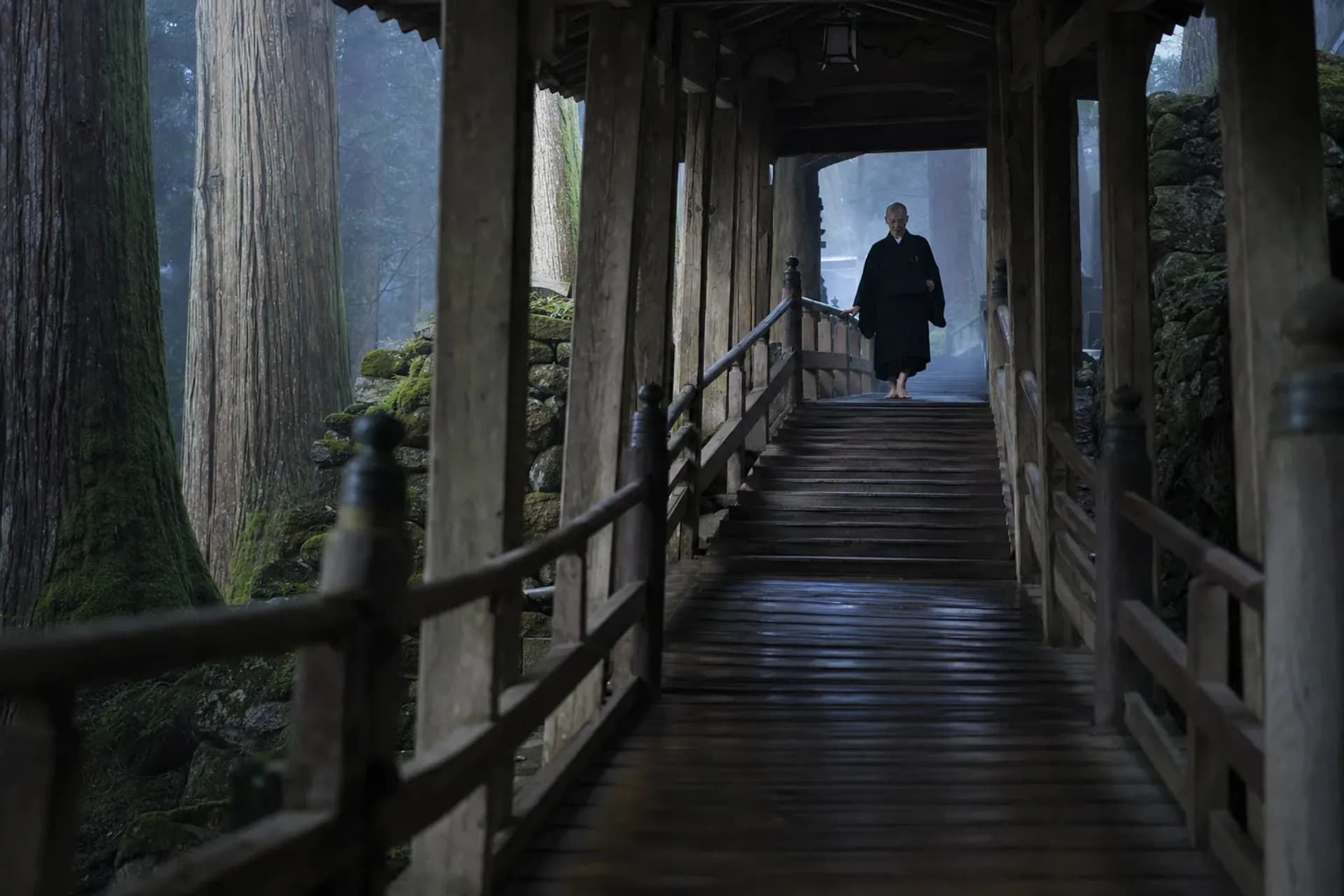
A cedar corridor narrows. Footsteps soften on wood worn smooth by generations. A bell lands somewhere deep in the compound, and the sound seems to choose its own pace as it fades into the trees. Quiet work. Quiet rules.
Eiheiji Temple in Fukui is not a scenic stop that happens to have monks. It is a working monastic training center where a specific philosophy is applied so literally that ordinary acts—yes, even using the washroom—are treated as practice with exact method. No shortcuts. No “vacation version.”
Our team at Japan Royal Service built this guide for discerning travelers who want substance rather than performance: clear history, what you can respectfully observe, and how to visit without disturbing the very thing that makes Eiheiji what it is. This is the Japan that rankings and search results rarely reach—accessible, when it is accessed at all, through introduction and careful timing.
A Rule For Everything, Including The Ordinary
Eiheiji was founded in 1244 by Dōgen, the founder of Sōtō Zen Buddhism, and its core teaching is shikantaza—simply sitting, without extra technique layered on top. Plain on paper. Severe in life.
At Eiheiji, that exactness does not stop at the meditation hall door. Trainee monks (unsui) follow strict rules that govern nearly every aspect of conduct, because daily life itself is treated as practice rather than a break from it. Even routine, private acts have prescribed forms. No room for drifting.
This is the point many visitors miss. Eiheiji is not “Zen-themed.” It is Zen as a system of living, enforced by repetition, schedule, and an architecture that keeps you moving in the right way, at the right speed.
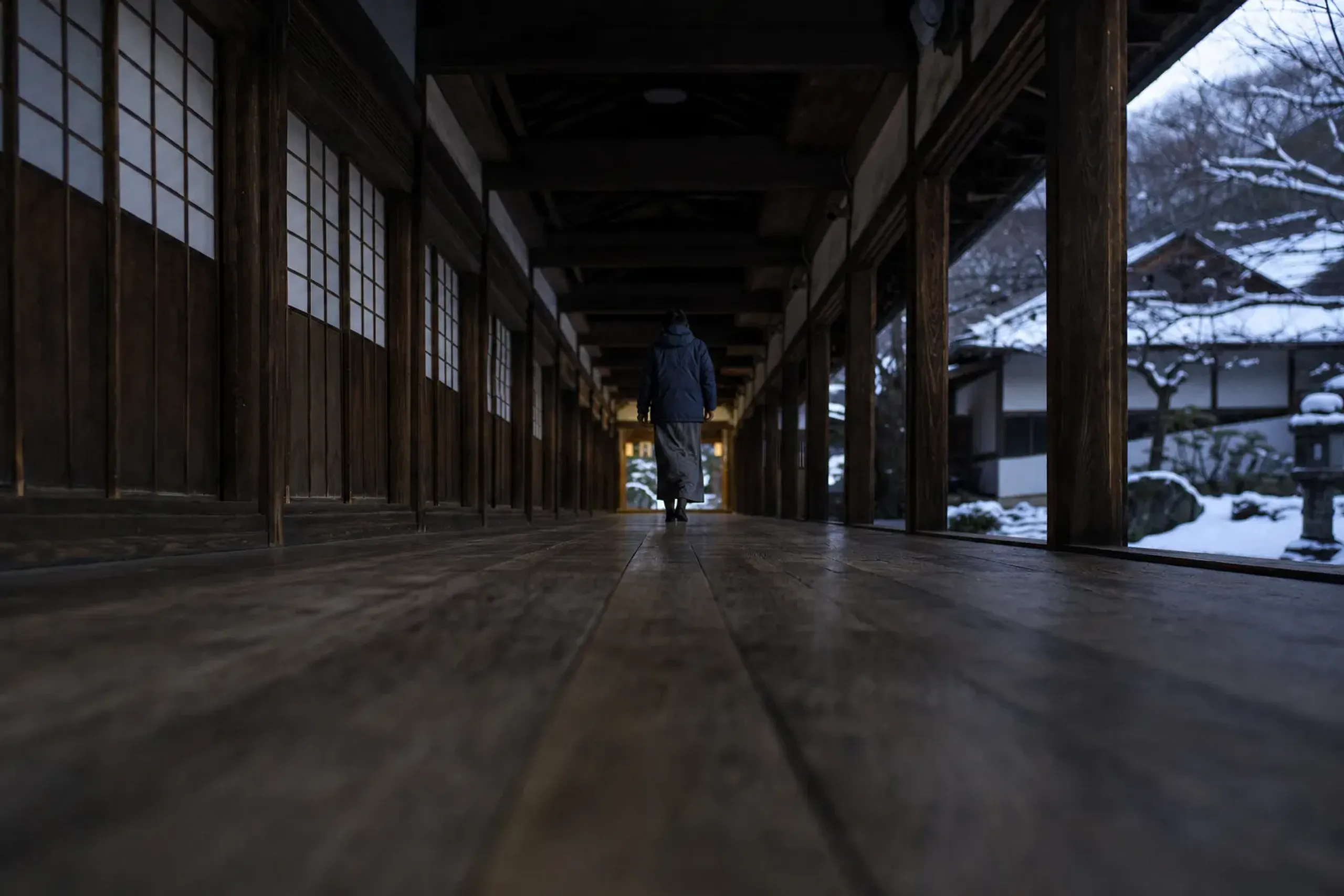
At Eiheiji, the architecture sets the pace before you read a single sign.
Slowly. Always.
Eiheiji’s Founding And The 1615 Shogunal Edict
Eiheiji began in 1244 (Kangen 2) under the original name Sanshōhō Daibutsuji, then was renamed Eiheiji two years later. The temple’s scale today can make that origin feel distant. It isn’t.
The historical weight becomes blunt in 1615. The Tokugawa shogunate issued a formal edict protecting Eiheiji’s status and requiring Sōtō sect branch temples nationwide to follow Eiheiji’s house rules, reinforcing its position by direct shogunal decree. That kind of protection is not decorative history. It changes what a place becomes.
Eiheiji is also one of only two head temples of the Sōtō sect; the other is Sōji-ji in Yokohama. It oversees roughly 15,000 affiliated temples and about 8 million lay followers. Big numbers. And yet the first thing you notice on the grounds is restraint.
What Makes Eiheiji Feel Different On The Ground
The grounds cover roughly 330,000 square metres and hold around 70 large and small buildings, many connected by covered corridors. That design matters. It keeps movement contained, protected from rain and snow, and it draws your attention inward.
Look up and you see beams, joinery, and a discipline of repetition. Look down and there is stone, moss, and water channels that do not ask to be photographed.
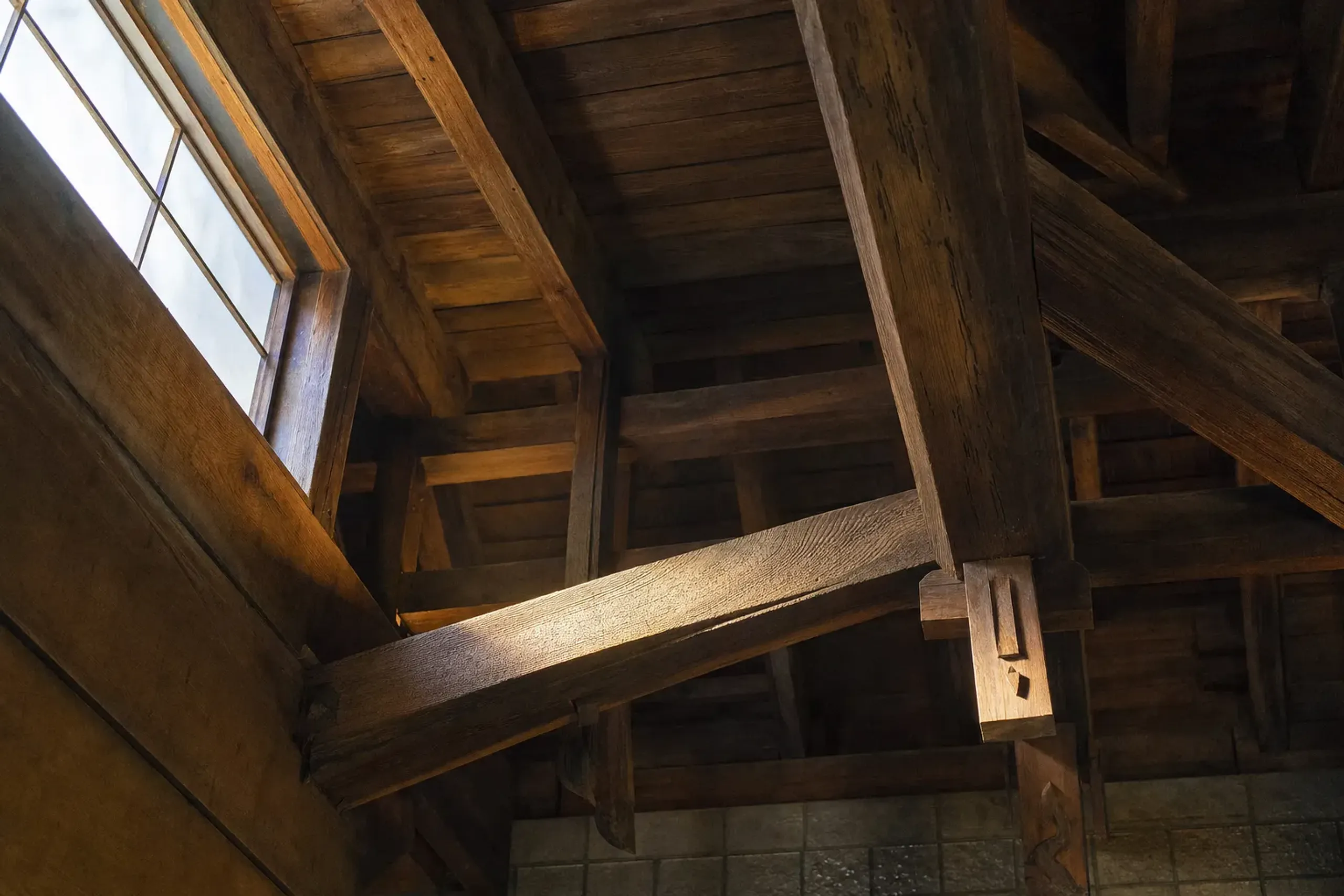
Hold back. The atmosphere rewards that choice.
In our experience, well-traveled guests who appreciate wabi-sabi—the aesthetic of restraint—often feel an immediate relief here. No glittering spectacle. No gold-leaf flash. Just cedar, mountain air, moss-covered stone, and an order that refuses to negotiate with modern impatience.
Sanshōkaku Hall And Its Ceiling Of 230 Painted Panels
Sanshōkaku is used for visitor reception and formal functions, and it contains one of Eiheiji’s most checkable artistic facts: a ceiling covered in 230 painted panels created by 144 named prominent Japanese artists. Many depict flowers and birds, along with wind and moon motifs rendered in traditional Japanese painting styles.
It changes the rhythm of the visit. After long corridors and shadowed eaves, the ceiling reads like a controlled burst of imagery—still quiet, still restrained, but undeniably present. The art is not an “extra.” It is part of how the institution receives guests without turning itself into an attraction.
Stand there for a minute longer than you planned. Good. This is a place where lingering is a kind of respect, as long as your body stays out of the way.
The Gates, The Corridors, And The Architecture Of Discipline
Eiheiji’s main gate (sanmon) is reserved for monks arriving to begin training, monks departing after completing it, and formal ceremonies; general visitors enter through a separate side gate.
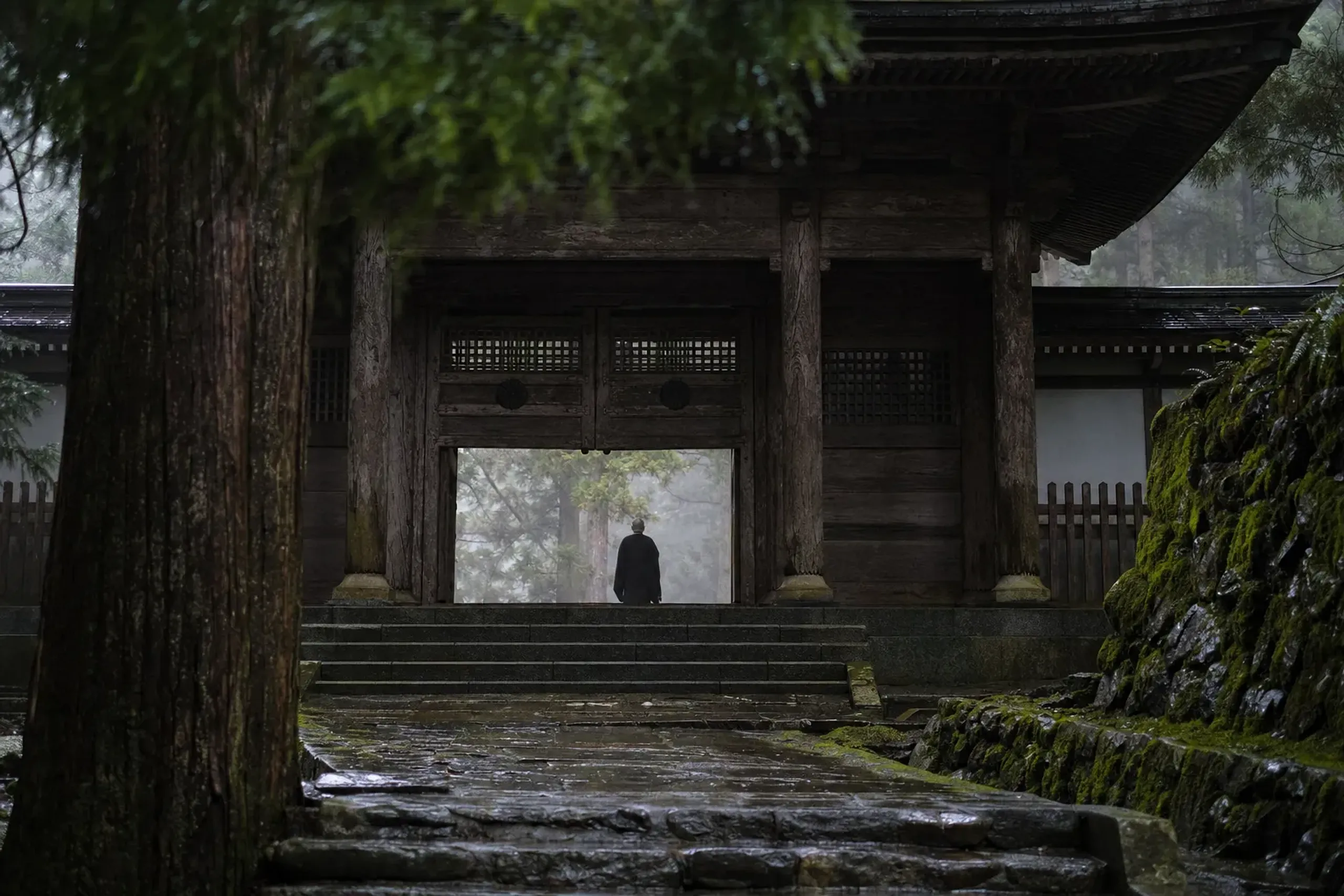
That separation is not a gimmick. It draws a firm line between training life and observation.
The current main gate structure dates to 1881. It stands with a plain authority that feels almost modern in its refusal to entertain. You can sense the hierarchy without being told a word.
Architecture is instruction here. Corridors funnel foot traffic. Covered walkways reduce noise and keep the pace steady. Even a crowded day can feel controlled, because the buildings themselves teach people how to move.
What Can You See Of Monastic Life As A General Visitor?
As a general visitor, you can observe Eiheiji as an active monastery—its buildings, daily rhythm, and certain public services—without crossing into training spaces meant only for resident monks. That boundary is essential.
As of 2025, roughly 100 monks were in residence training, with roughly 50 to 60 new trainees typically joining each year. They are not performers. They are working through a demanding routine under rules that treat “ordinary life” as practice.
One detail visitors often remember is the temple’s ceremonial bathing practice: formal ceremonial bathing takes place only on specific calendar days (those ending in 4 or 9) and can be observed only from outside the bathing hall. Even here, you are kept at the correct distance. On purpose.
How Do You Get To Eiheiji Temple From Fukui Station?
From Fukui Station, you can reach Eiheiji by direct bus in about 30 minutes, or by train-plus-bus in about 45 minutes via Eiheiji-guchi Station.
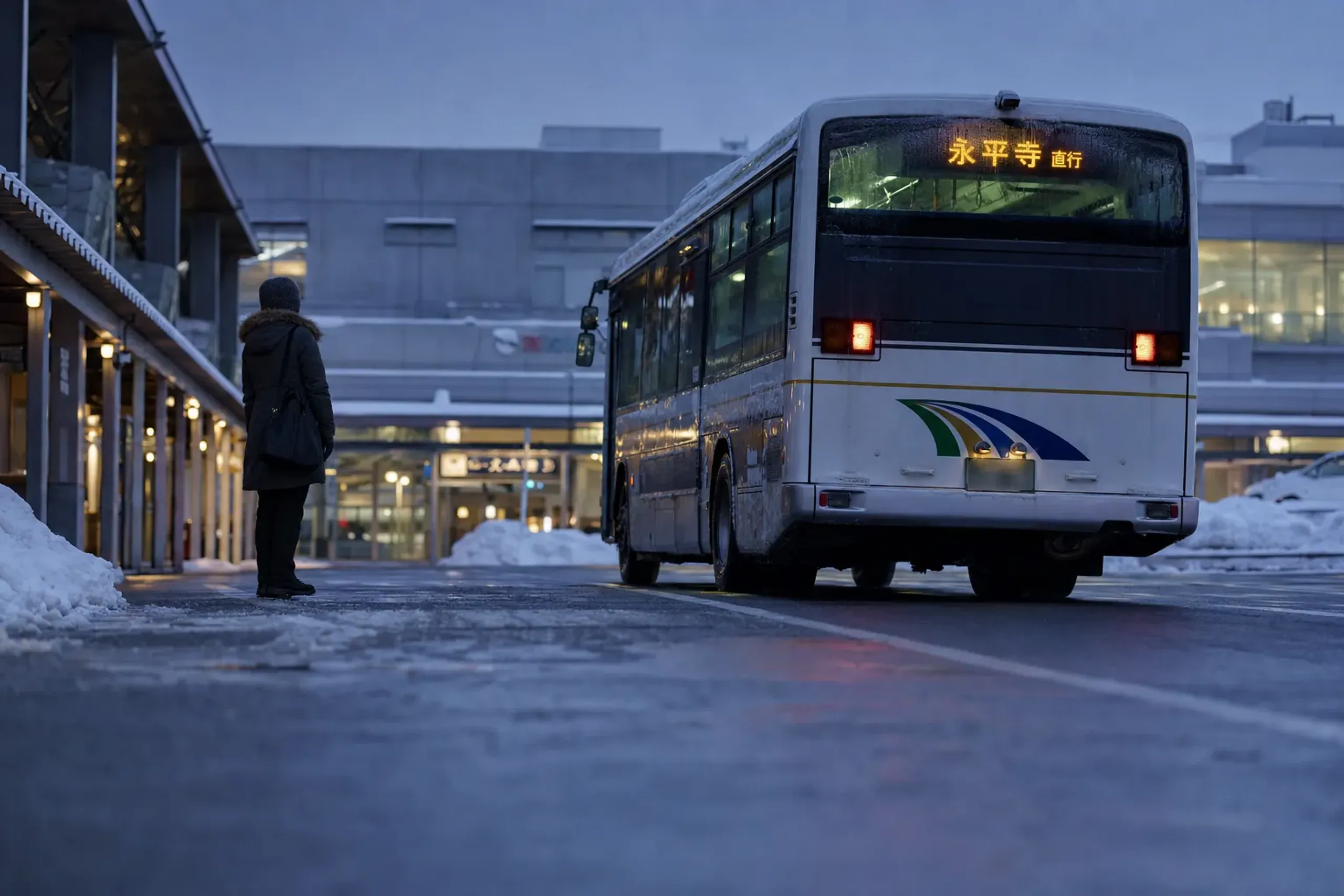
If you prefer the official step-by-step public transit route, Discover Fukui describes it this way: from Echizen Railway Fukui Station, take the Katsuyama Eiheiji Line to Eiheiji-guchi Station, then transfer to a Keifuku Bus bound for Eiheiji to the last stop, then walk about 5 minutes.
Driving is also straightforward: by car, it is roughly 10 minutes from a nearby expressway interchange to the temple area. Parking is public near the approach, with walking times to the main gate area typically about 5 to 15 minutes depending on the lot. Small detail. Big comfort.
For travelers who value discretion, a private arrival can remove the awkwardness of maps, transfers, and crowded bus queues entirely. The first mention matters: our private transportation planning focuses on quiet timing and a calm approach—never on speed for its own sake.
What Are Eiheiji Temple’s Visiting Hours, And When Should You Arrive?
Eiheiji is open year-round from 8:30 to 16:30, with arrival requested by 16:00.
That final-hour request is easy to ignore on paper, then painful in practice. The covered corridors invite slow walking, and Sanshōkaku can hold you longer than expected. Do not sprint through a monastery. Bad form.
If you are building a broader Fukui day, plan your approach so you arrive earlier, then leave enough time to exit without hurry. Knowing precisely when to be where—the seasonal quiet of an early winter morning, the settled hush before the crowds—is exactly the kind of timing a well-planned visit turns on.
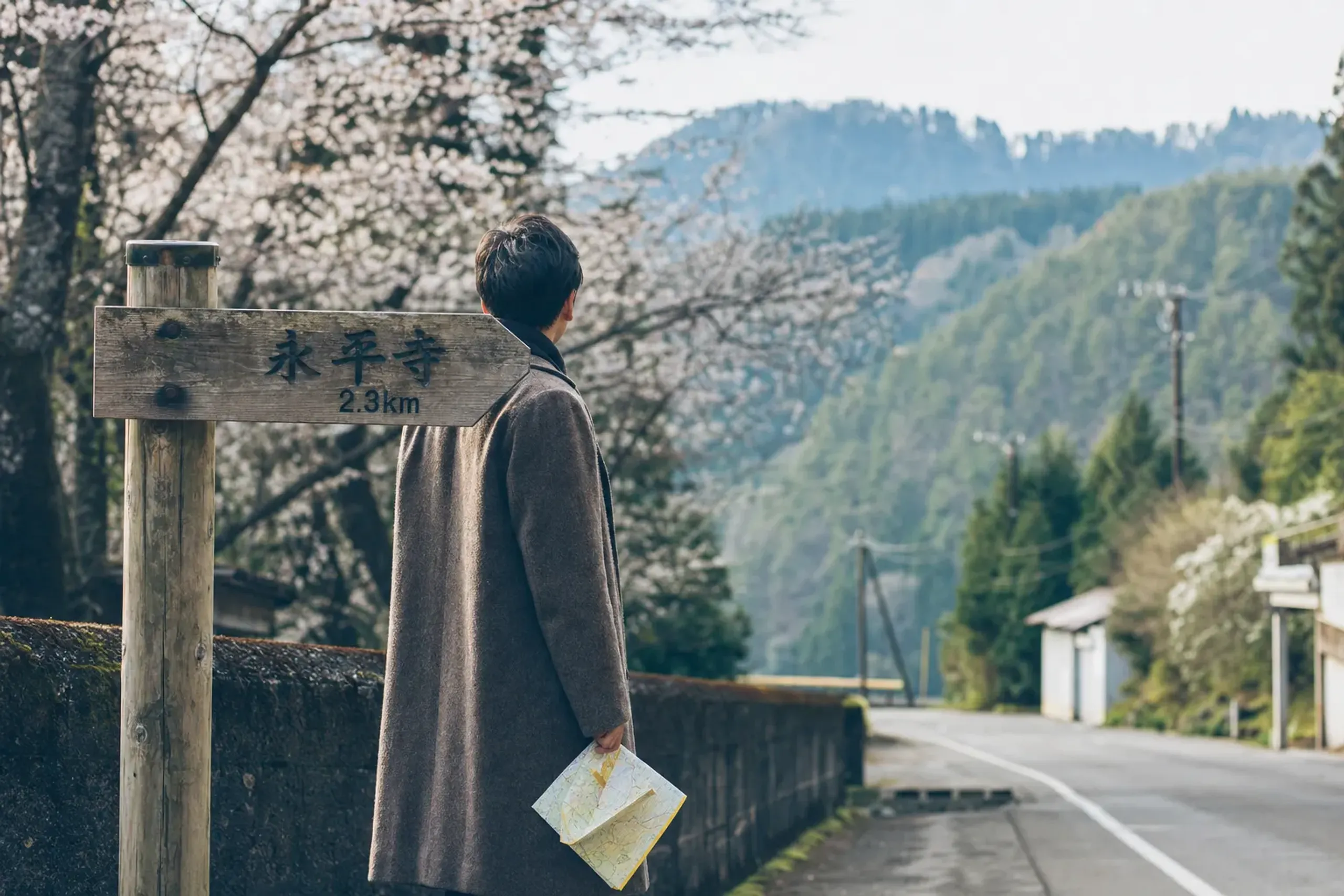
A calm departure is part of the visit. It signals you understood the place.
How Can Visitors Observe The Early Morning Chanting Service At Eiheiji?
General visitors can observe Eiheiji’s early morning chanting service (chōka) from a designated public area when an advance reservation is made.
This is observation, not participation, and that distinction matters. Before dawn, the air in the halls can feel tense with cold and concentration, and the sound of dozens of trainee monks chanting together lands in your chest more than in your ears. No narration needed.
Keep your posture modest. Keep your phone away. Follow the staff guidance and the signage. In our experience, the most respectful visitors do one simple thing: they become smaller—physically and behaviorally—so the monastery can remain what it is.
Because procedures can change, our concierge team verifies current observation reservation steps and any access updates before a client’s visit. Quiet certainty is the goal. Discretion, too: your presence and your itinerary remain entirely your own.
Etiquette That Preserves Eiheiji’s Silence
This is an active training monastery. Act like a guest in someone else’s working day. Simple.
Keep voices low in corridors, especially near halls where chanting may be underway. Walk with awareness of other visitors; the covered passageways can narrow quickly, and stopping mid-corridor creates a ripple of disruption. Don’t do it.
Clothing should be subdued.
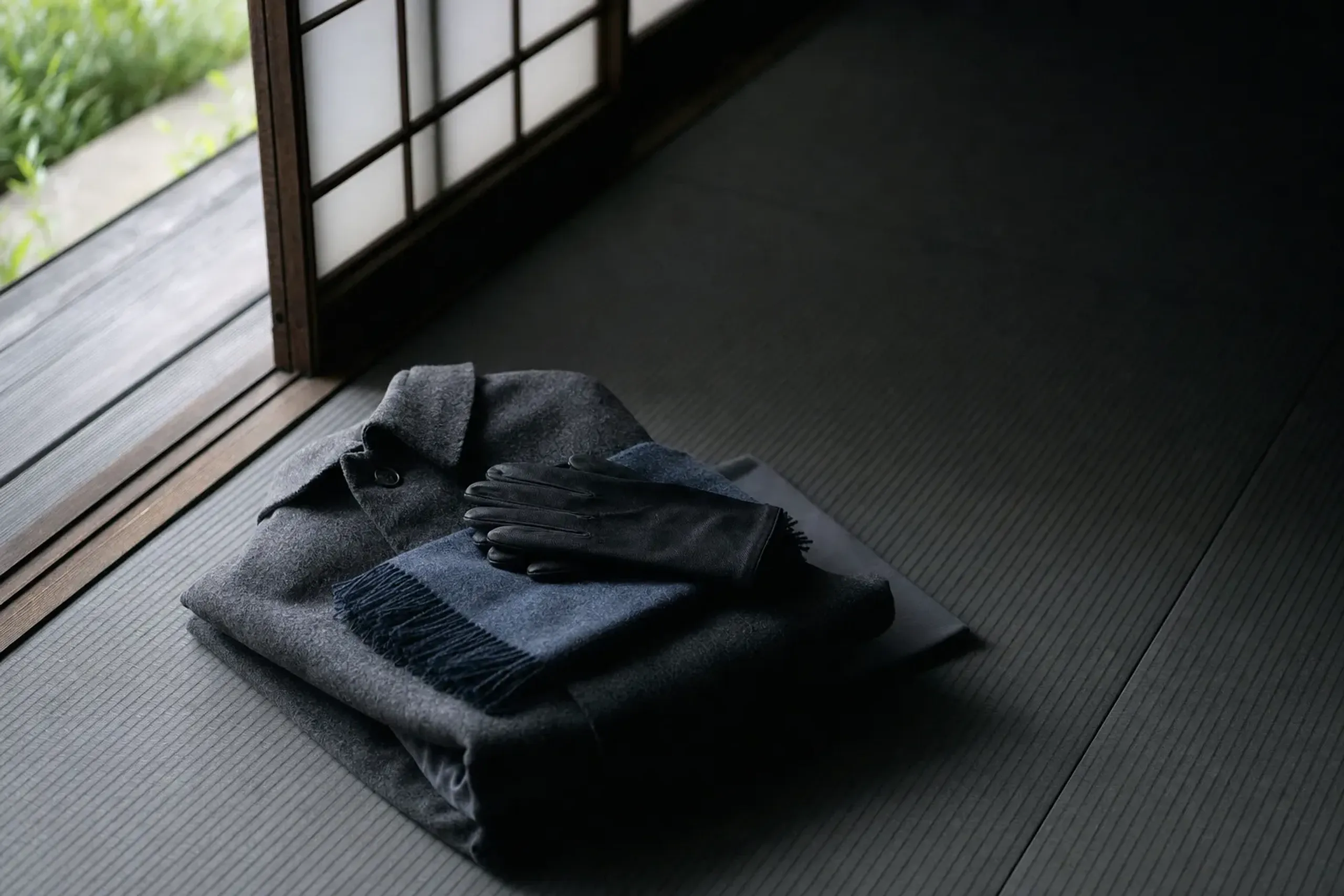
Nothing flashy. In colder months, bring a warm layer that doesn’t rustle loudly as you move, because sound carries in wooden spaces. Small choices. Real respect.
Hidden Japan In Fukui: Why Eiheiji Appeals To Discerning Travelers
Eiheiji sits in Eiheiji-chō in Fukui Prefecture, about 15 km east of Fukui City, and it offers something many well-traveled guests quietly crave: cultural weight without the constant crowd pressure of the Golden Route. Relief.
This is hidden Japan in the practical sense. It is not “unknown,” and it is absolutely significant, yet it still feels like a destination chosen on purpose rather than stumbled upon via rankings. That matters to the traveler who prefers intention over trend—the one who has already seen the marquee sights and now wants the Japan that Google cannot quite deliver.
Discretion fits naturally here. Eiheiji does not reward loud presence, and it does not invite public performance. The best visit is the one nobody else hears about.
A Practical Half-Day Plan For A First Visit
If this is your first time at Eiheiji, a half-day rhythm keeps the visit respectful and unforced. No marathon. No frantic checklist.
- Arrival: Aim to arrive soon after opening (8:30) to experience the corridors before peak visitor flow.
- Orientation: Move slowly through the connected buildings and let the covered walkways set your pace.
- Sanshōkaku: Spend time with the 230 ceiling panels; it is the most specific art highlight many visitors overlook.
- Exit: Leave enough margin to be out comfortably before the pressure of the 16:00 arrival cutoff builds near closing.
Traveling with family?
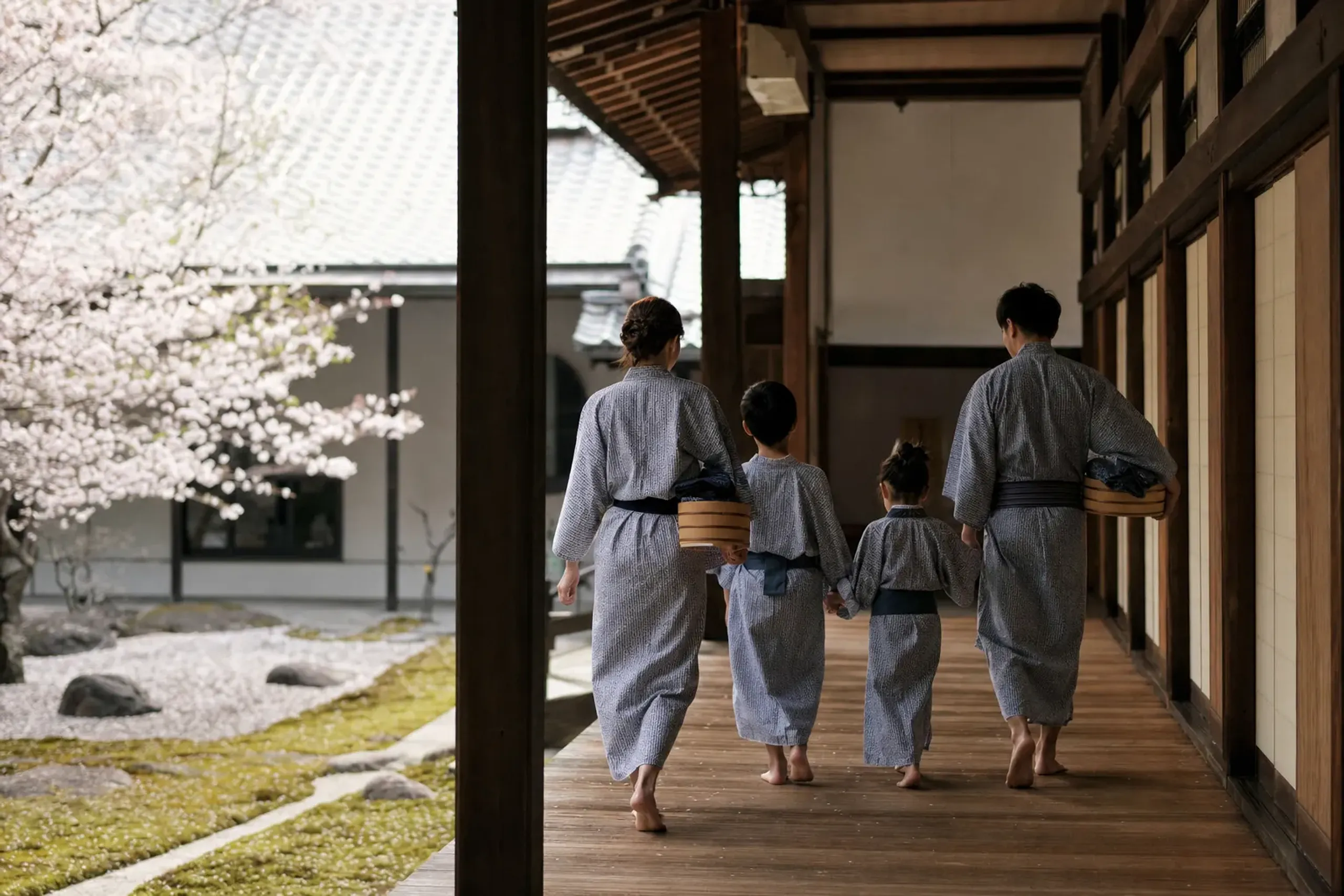
Keep the structure, just shorten the corridor loops and build in a warm break. Children tend to mirror the adult pace. Your calm is contagious.
Where Hakujukan Fits If You Want To Stay Near Eiheiji
Hakujukan is an upscale lodging that opened in 2019 near Eiheiji, positioned as a hybrid concept that blends elements of temple lodging and a high-end Japanese inn. It stands directly in front of Eiheiji, and it was developed as part of a revitalization project involving Eiheiji Temple, Eiheiji Town, and Fukui Prefecture.
For many luxury travelers, staying close changes the visit in a simple way: you can approach the grounds without a rushed morning transfer, and you can return to comfort quickly after a long, quiet walk through cedar corridors. That’s the real benefit. Not novelty.
If you are building a journey that includes Fukui as a deliberate pause between bigger cities, our team can advise on pacing and routing as part of a bespoke itinerary. A single night in the right place can re-balance an entire Japan trip.
What Japan Royal Service Coordinates For Eiheiji
Japan Royal Service coordinates guiding and transfers for Eiheiji visits, and we keep the experience respectful, timed, and private.
That means clear interpretation support when needed, watchful pacing through the complex, and arrival planning that quietly removes friction at the edges of the day.
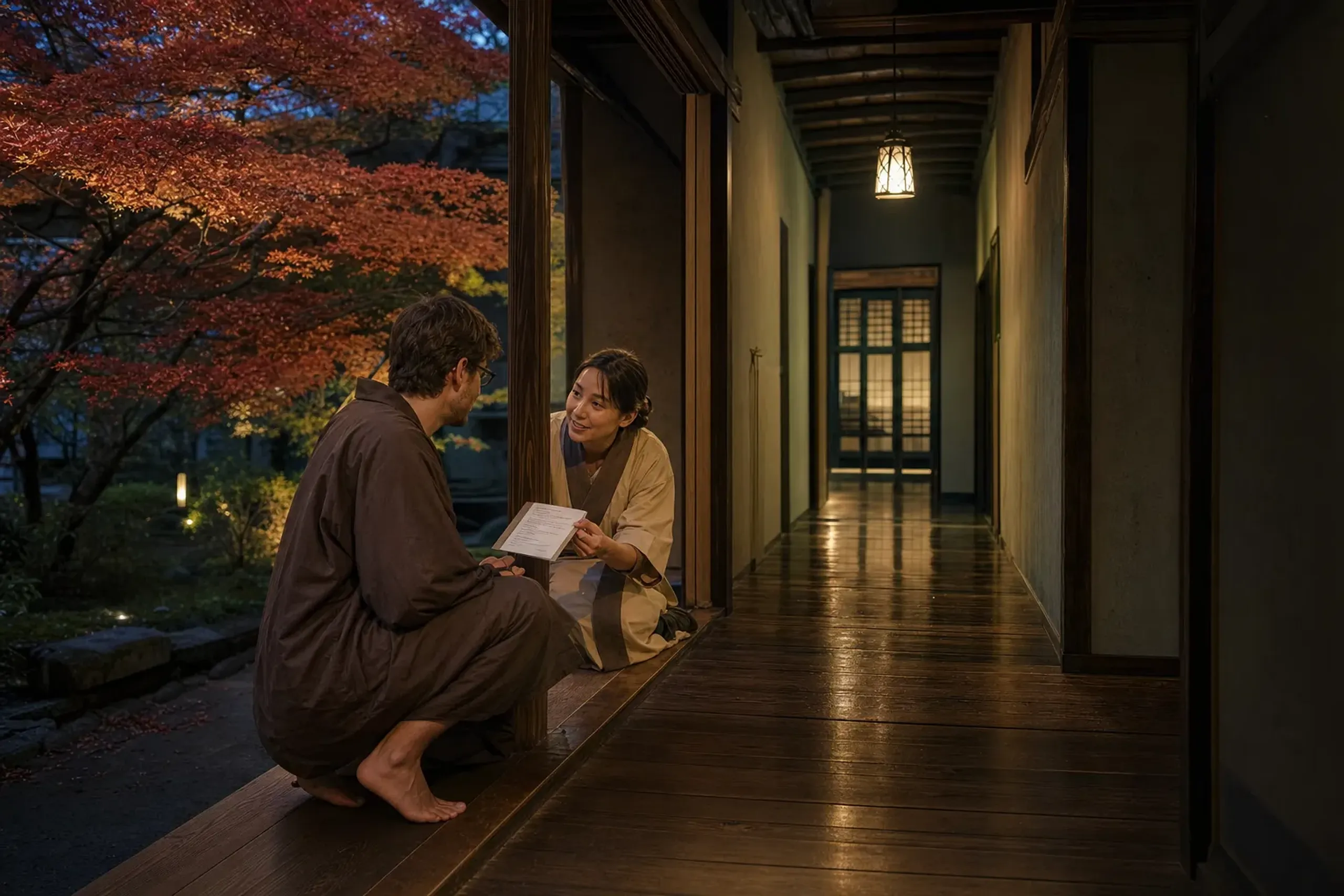
Quiet logistics. The kind you feel more than you see.
We also verify practical details ahead of time—current visiting hours, observation reservation procedures for the early morning chanting service, and any access changes—so you are never troubleshooting at the gate. Not the mood.
If Eiheiji belongs in your Japan—as a deliberate pause, a morning of chanting before dawn, or the still centre of a longer route through Fukui—contact us here to begin a quiet, tailored conversation. We will handle the timing, the access, and the discretion, so you are left with only the silence.
Frequently Asked Questions
Is Eiheiji Temple Open Every Day, Including Winter?
Yes—Eiheiji is open year-round with no closed days, typically from 8:30 to 16:30, and visitors are asked to arrive by 16:00.
Winter can add cold corridors and slick paths near the approach, so footwear with stable grip and a quiet, warm outer layer helps you stay comfortable without breaking the monastery’s atmosphere.
Can I Watch Monks Chanting At Eiheiji Without Joining Any Training?
Yes—general visitors can observe the early morning chanting service from a designated public area when an advance reservation is made.
This is observation only, and it is one of the most powerful ways to understand Eiheiji’s daily rhythm while staying within the public boundaries.
What Is The Most Important Artwork To Look For Inside Eiheiji?
Sanshōkaku Hall’s ceiling of 230 painted panels by 144 named artists is one of Eiheiji’s most specific, verifiable art highlights.