In this guide
- 01Why Experiential Luxury Wins In Japan Right Now
- 02Upgrade 1: Turn Movement Into Luxury With A Private Chauffeur
- 03Upgrade 2: Spend One Night In An Elite Ryokan—With A Private Onsen And In-Room Kaiseki
- 04Upgrade 3: Arrange A Closed-Door Session With A Master Shokunin
- 05Planning Intelligence For 2026: Limited-Time Access And New Kyoto Openings
- 06A Modern Demand Reality Check: teamLab And The New “Must-Do” Crowds
- 07How To Build These 3 Upgrades Into One Cohesive Itinerary
- 08FAQ: Experiential Luxury And VVIP Planning In Japan
- 09Why Choose Japan Royal Service
At a certain point, luxury stops being about collecting things. It becomes about time, access, and the right kind of quiet.
Japan is generous with beauty, but it is also strict with friction. Trains to catch. Crowds to steer around. Rules that are invisible until you break them.
Our team at Japan Royal Service designs VVIP journeys for clients who want Japan to feel simple again. Not simplified. Just cleanly engineered, so the day belongs to you.
This guide lays out three upgrades that change the shape of a Japan itinerary. Each one is attainable for a High-Net-Worth traveler, and still rare enough to satisfy guests who value privacy as much as polish.
Why Experiential Luxury Wins In Japan Right Now
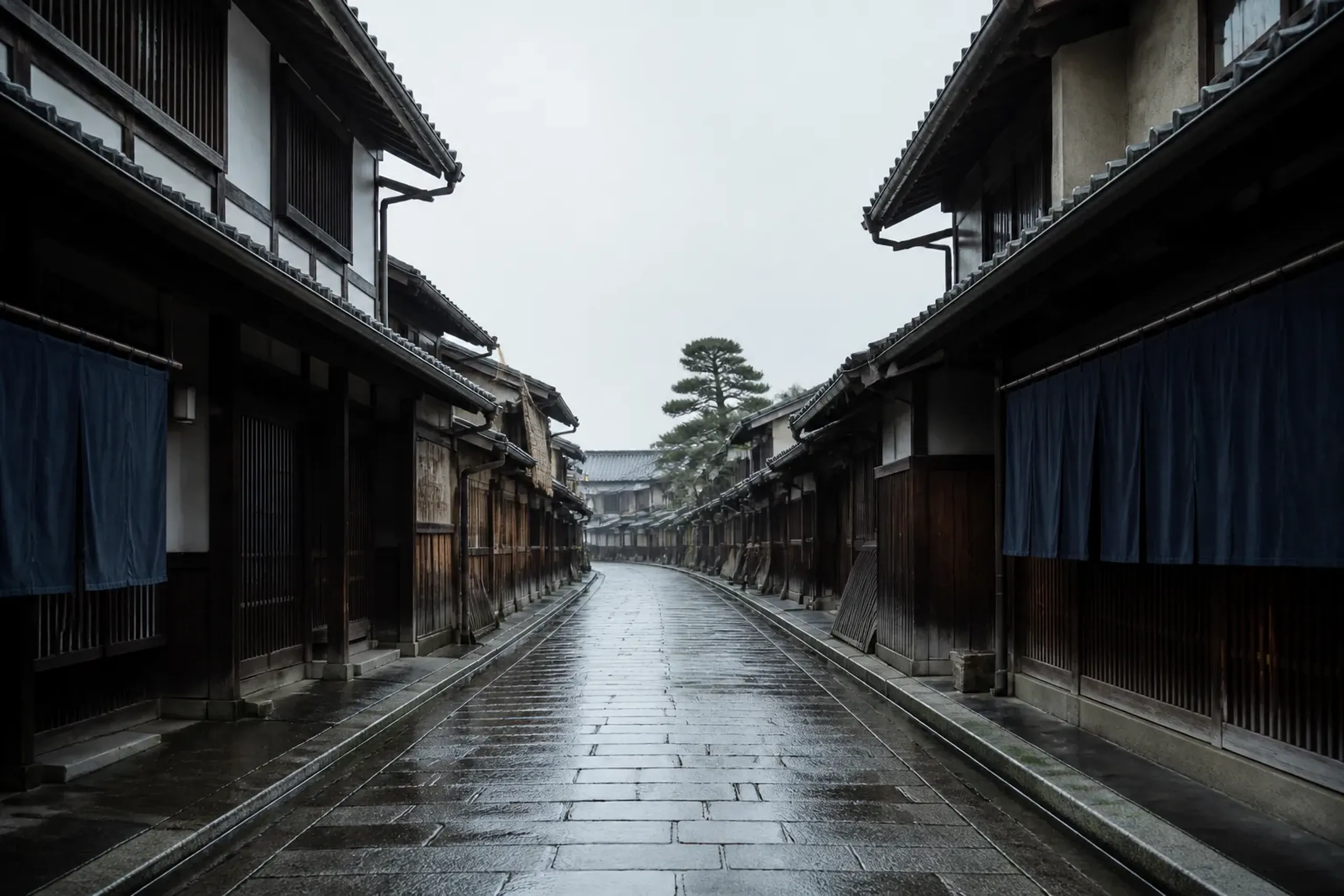
Japan rewards restraint. Loud travel tends to bounce off the surface.
Experiential luxury is what happens when your itinerary is built around wabi-sabi calm, hidden-Japan access, and discretion as a non-negotiable standard. Not as marketing.
There is a practical reason, too. Japan is dealing with overtourism pressure, especially in places like Kyoto, and the national policy focus is active and current (Japan Tourism Agency’s overtourism countermeasure work was last updated April 24, 2026). Planning has consequences now.
So we plan differently. We use timing, choreography, and cultural consent to help guests move lightly—while still experiencing Japan at full depth.
Upgrade 1: Turn Movement Into Luxury With A Private Chauffeur
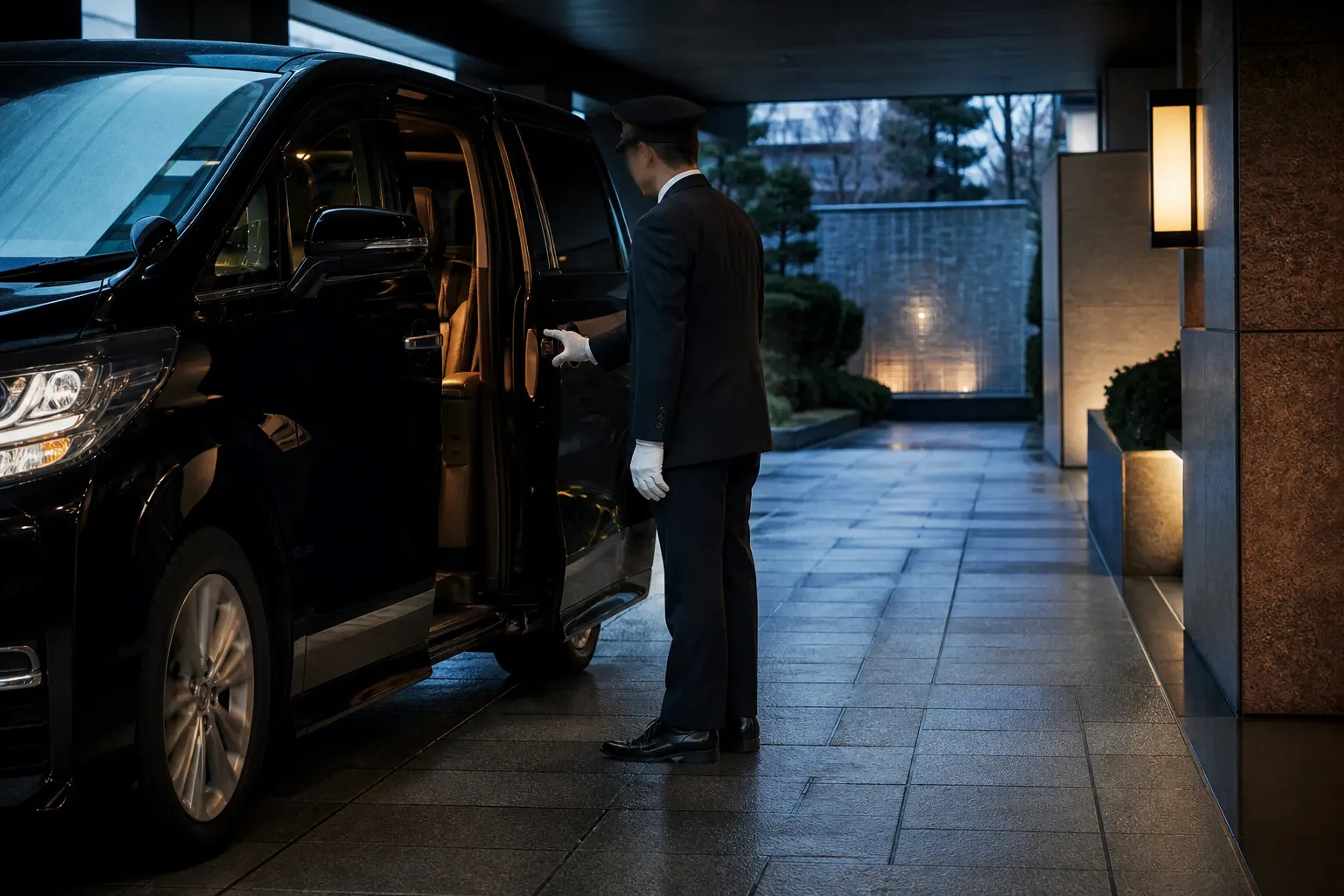
Most itineraries leak time through transportation. It looks small on paper. It adds up fast.
A private driver is not a status signal. It is a strategy. You remove the mental load of navigation, luggage, transfers, and “what if we miss this connection?”
Our clients notice the change on the first morning. The day starts when you decide, not when a timetable allows.
What This Upgrade Changes (And Why It Feels VVIP)
You can do Japan with public transport. Many people should.
For a VVIP-style itinerary, the goal is different: protect energy, protect privacy, and keep the day elastic. That’s where a chauffeur changes everything.
- Time recovery: door-to-door routing means fewer micro-decisions and fewer dead zones between “moments.”
- Heat and weather resilience: Kyoto in summer is serious. A vehicle waiting nearby becomes your shade and reset button.
- Discretion by design: arrival and departure can be planned to reduce attention, especially at high-traffic sites.
Fleet Choices That Fit Different Parties
Vehicle selection is not vanity. It is comfort geometry.
For couples, families, or executive travel, our service catalogue includes options across top and mid tiers, from the Lexus LM 500 and Toyota Executive Alphard to larger formats like a Toyota Coaster (microbus) for small groups.
Need the simplest starting point? Start with private transportation for one city day. You will feel the difference without committing your whole trip.
A Simple Example: Kyoto Without The Usual Friction
Kyoto is where great trips get messy. Crowds compress streets, and taxis can bottleneck at the worst times.
With a private vehicle, you can sequence early-entry gardens, a quiet lunch, and a late-afternoon museum without zig-zagging. Small win. Big effect.
And when Kyoto runs hot—July does—your day still holds its shape.
Key fact: Private transport is not only about comfort. It is one of the cleanest ways to reduce overtourism impact: fewer sudden stops, less street congestion, and better timing choices.
Upgrade 2: Spend One Night In An Elite Ryokan—With A Private Onsen And In-Room Kaiseki
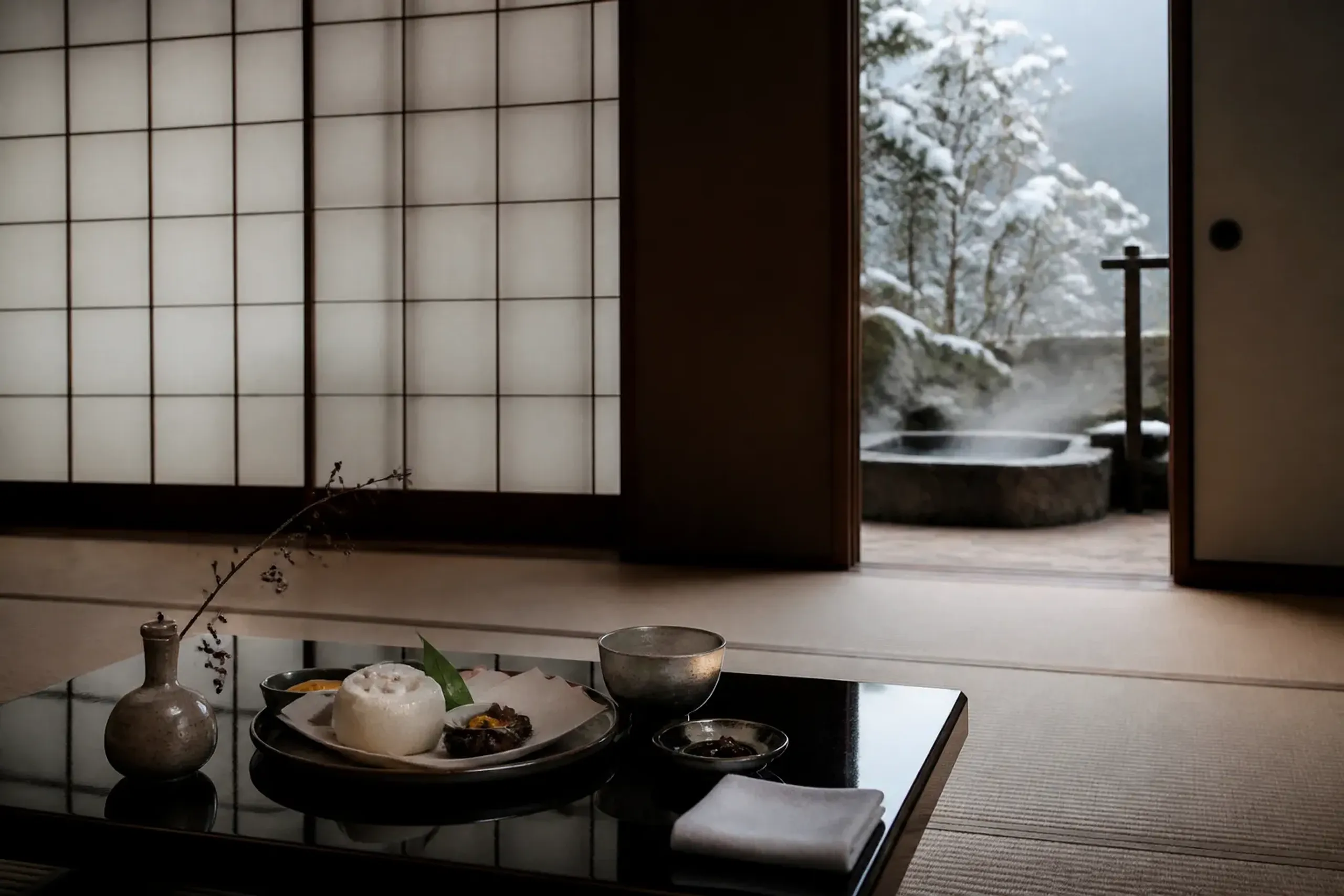
One night can carry an entire trip. This is often that night.
Ryokan culture is built around pacing. Slower footsteps. Softer voices. A kind of hospitality that feels almost architectural.
For experiential luxury, the upgrade is not “staying traditional.” It is choosing a ryokan where you can retreat fully—ideally with a private onsen bath—and letting the evening stay private from start to finish.
What To Expect From A High-End Ryokan Night
Expect fewer decisions. Expect more ritual.
Many ryokan serve kaiseki dinners that unfold course by course, often in your room or in a private dining space. It is quiet, focused cooking meant to be eaten slowly.
- Arrival: shoes off, pace down. Your day ends early in the best way.
- Bathing: if you choose a room with a private bath, the onsen rhythm becomes yours alone.
- Dinner: kaiseki is culinary craft—precise, seasonal, and intentionally restrained.
Two Reliable Onsen Regions For First Or Second Trips
If this is your first or second Japan journey, location matters. You want depth without punishing transfer days.
Option A: Hakone (From Tokyo)
Hakone is a classic onsen area within reach of Tokyo, known for hot springs and views toward Mount Fuji on clear days.
- Best for: a reset night between Tokyo intensity and the next chapter.
- Planning note: choose timing and routing carefully on weekends and holidays, when roads and trains can stack up.
Option B: Kusatsu Onsen (Gunma)
Kusatsu Onsen is one of Japan’s best-known hot spring towns. It is more of a commitment than Hakone, but the payoff is real.
- Best for: travelers who want a stronger “elsewhere” feeling, not just a quick soak.
- 2026 signal: KAI Kusatsu opened in June 2026, adding fresh, design-forward inventory to the area.
Wabi-Sabi, Not Pageantry
Some travelers expect ryokan to feel like a performance. The best ones do not.
Wabi-sabi shows up as shadowed wood grain, imperfect glaze, a garden that looks accidental but isn’t. You feel it in how the room holds silence.
That is the upgrade. A night that does not ask you to prove anything.
Upgrade 3: Arrange A Closed-Door Session With A Master Shokunin
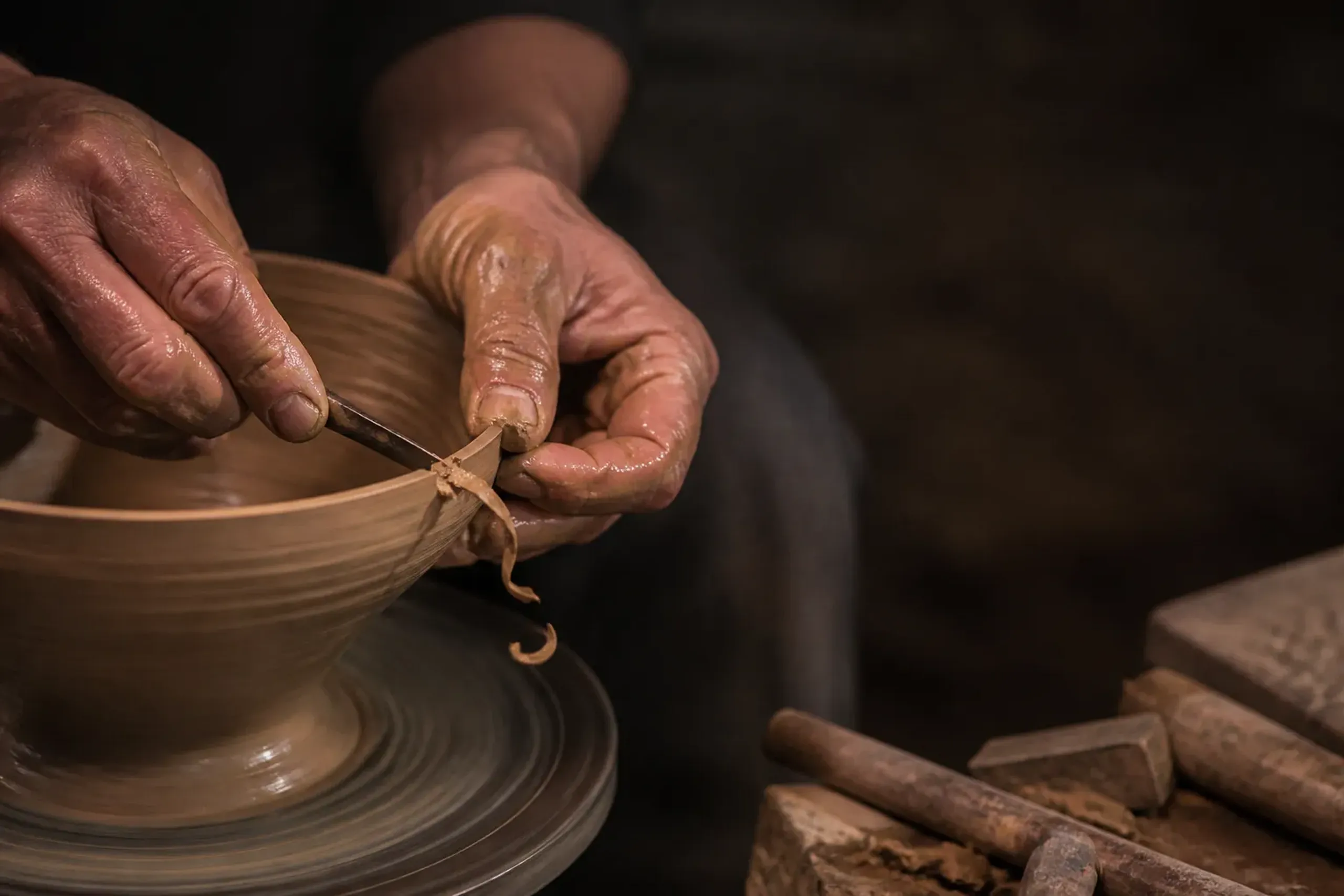
Shopping is easy. Meeting the maker is harder.
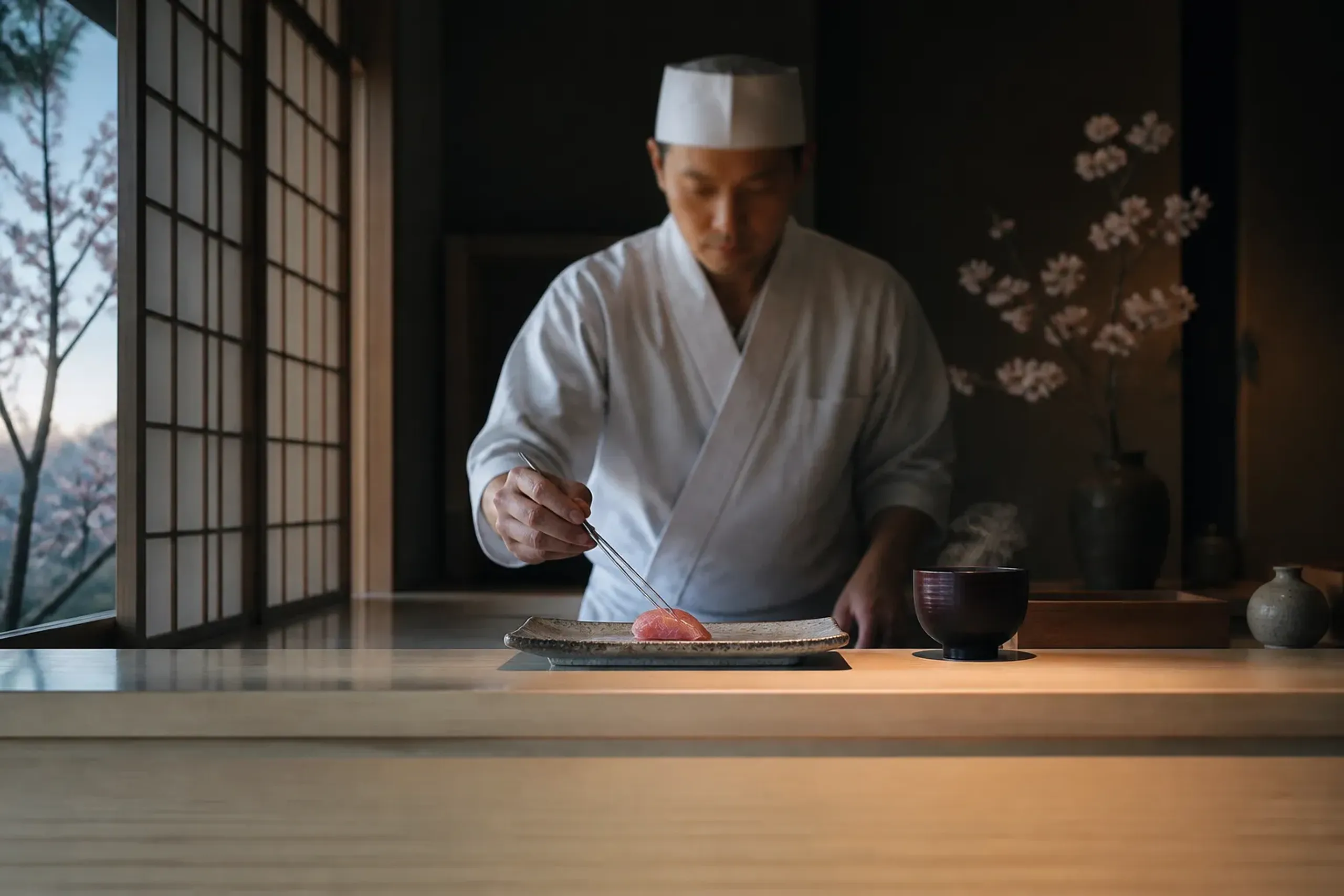
In Japan, shokunin is not a costume. It is a life choice—craft as discipline, repeated until the work looks effortless.
This upgrade is about access, yes. It is also about context. When a craftsperson shows you their process up close, Japan stops being “a destination” and becomes a set of values you can feel.
What A Closed-Door Session Can Look Like
It depends on the craft, the season, and the person. The point is intimacy, not spectacle.
- Ceramics: observing throwing, trimming, glazing, and kiln decisions in a working studio.
- Lacquer and repair arts: learning why patience is a material, not a personality trait.
- Traditional performing arts context: understanding the backstage logic—costume, rhythm, training—before you ever take your seat.
We keep this consent-based. Always. A studio is not a zoo, and a craft lineage is not content.
How This Upgrade Stays Resident-Respectful
Kyoto and other cultural centers are not theme parks. Locals live there, work there, and raise children there.
Our approach prioritizes low-disruption timing, small party sizes, and clear etiquette—especially around photography and conversation. No entitlement. No “we paid for this.”
Discretion matters here for another reason: many masters prefer their work to speak, not their guest list.
Planning Intelligence For 2026: Limited-Time Access And New Kyoto Openings
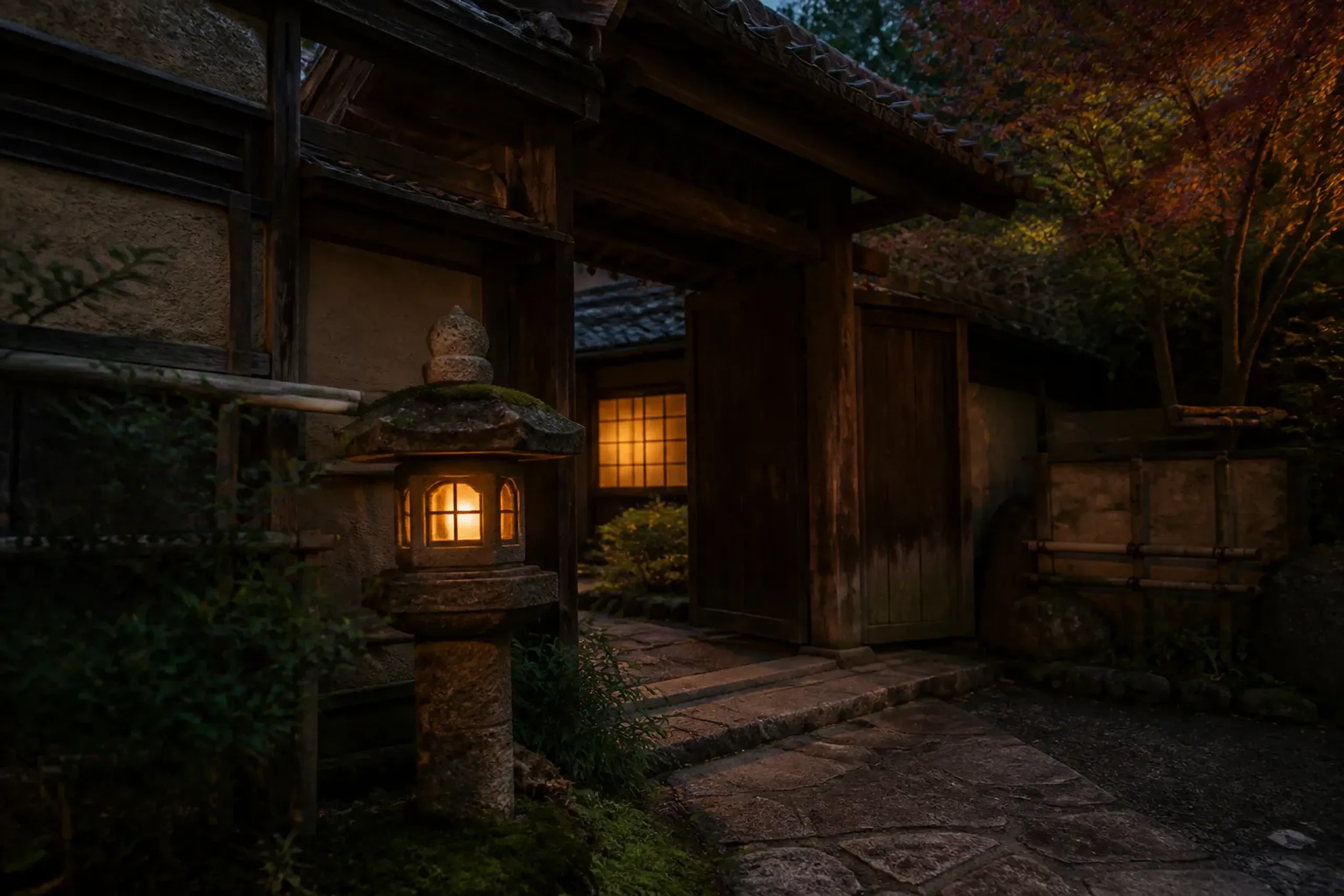
Experiential luxury is also calendar literacy. Miss the window, and the experience simply isn’t available.
In 2026, Kyoto has several time-bound and newly refreshed anchors that can be used well—or badly. Our job is to help guests use them with restraint.
Kyoto Summer Special Openings 2026 (Official Program)
Kyoto Summer Special Openings 2026 is an official program that allows visits to selected temples, shrines, and historical buildings for a limited summer period.
Dates vary by component. The program lists July 10 to August 31, 2026 for certain night-time openings, including the Old Mitsui Family Shimogamo Villa.
If you want Kyoto with less crush, this is one of the rare moments when the city itself offers managed access. It’s not secret. It’s simply organized.
Gion Matsuri 2026: Plan Like An Operator, Not A Spectator
Kyoto Travel (Kyoto City Official Guide) published a “Guide for the 2026 Gion Matsuri’s Yoiyama and Float Procession” dated 2026/06/30. The fact that it exists tells you something: crowd behavior needs guidance.
For HNW travelers, the upgrade is not fighting for a photo. It is designing a safe route, heat strategy, and meeting points so the festival feels like culture, not combat.
New Kyoto Stays As Quiet Staging Points
New hotels matter when they reduce risk: dated rooms, tired systems, or service that feels copied. Fresh openings can reset that.
Two verifiable 2026 markers stand out. Imperial Hotel, Kyoto officially opened on Thursday, March 5, 2026, and JNTO also announced the same opening date. Capella Kyoto was reported by JNTO as opening in late March 2026 in Miyagawa-cho, a traditional kagai.
We treat these as bases for hidden-Japan days: early garden hours, craft districts within reach, and dinners that do not require a social-media address. Quiet luxury, properly done.
A Modern Demand Reality Check: teamLab And The New “Must-Do” Crowds
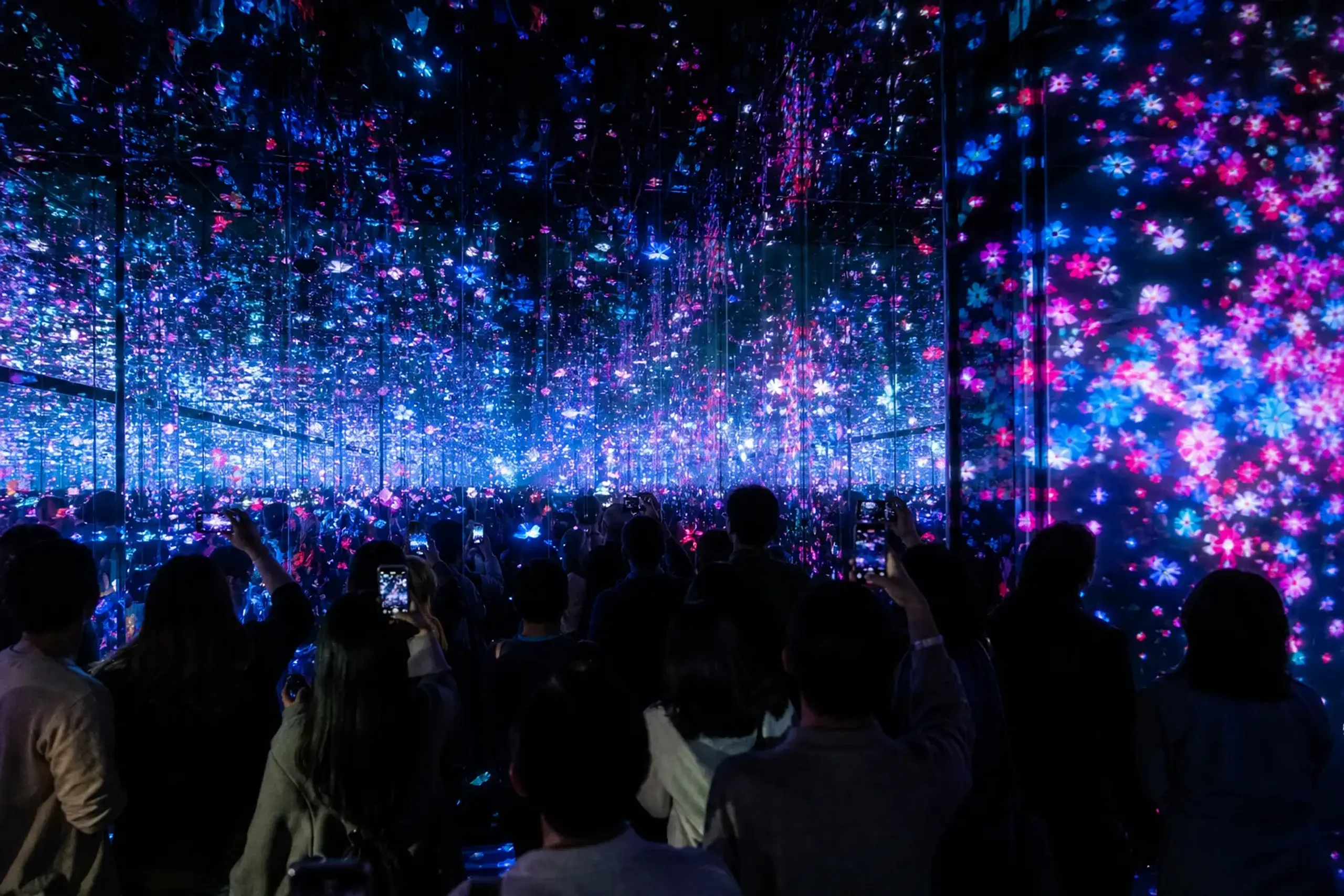
Not all crowds are “tourist.” Some are simply current.
teamLab’s official Borderless (Azabudai Hills) page states that Tokyo’s two teamLab museums recorded over 4.2 million visitors in 2025, with about 1.69 million for teamLab Borderless and 2.51 million for teamLab Planets, based on ticket purchase data for Jan 1–Dec 31, 2025.
Those numbers change the planning conversation. You do not “wing it” with demand like that.
How To Visit High-Demand Attractions Without Feeling Herded
Timing is the upgrade. It can be as simple as choosing an off-peak slot and building the day around it.
Movement matters too. A private vehicle keeps the rest of the day calm, even when one stop is popular.
Our concierge team shares tailored guidance privately, based on your dates, party size, and tolerance for density.
How To Build These 3 Upgrades Into One Cohesive Itinerary
Upgrades fail when they are stacked randomly. Japan punishes that kind of greed.
We build for rhythm: a concentrated day, then a retreat night, then a human-scale cultural encounter. The itinerary breathes.
A Practical 6–8 Day Skeleton (Tokyo + Kyoto With One Retreat Night)
This is not a template you must follow. It is a shape that works.
- Tokyo (3–4 nights): modern culture, private shopping windows, contemporary art moments, and one high-demand visit timed carefully.
- One onsen night: a ryokan reset in Hakone or Kusatsu, with private bathing if preferred.
- Kyoto (2–3 nights): early-day temples and gardens, managed seasonal programs when available, and one closed-door craft session chosen for genuine fit.
Then we tune. Dietary needs. Walking tolerance. Privacy posture. Big difference.
Execution Checklist (The Unsexy Part That Makes It Work)
This is where VVIP itineraries either glide or grind. Details.
- Start times: plan mornings like a local, not like a tour bus.
- Heat strategy: in Kyoto summer, build indoor resets and shade pockets on purpose.
- Privacy: decide in advance how visible you want to be—especially for arrivals, departures, and dining.
- Consent and etiquette: align expectations before any intimate cultural experience.
FAQ: Experiential Luxury And VVIP Planning In Japan
Is Experiential Luxury In Japan Only For UHNW Travelers?
No. Many of the highest-impact upgrades are operational: transport, timing, and one or two deeply chosen experiences.
For HNW travelers, the goal is to pick fewer things and do them with more control. That is often the smarter luxury.
What’s The Single Most Valuable Upgrade For A First VVIP-Style Trip?
Private transportation with a watchful itinerary plan. It buys time back every day.
It also protects energy, which makes everything else—dining, culture, shopping—feel better.
Do I Need A Ryokan Stay If I’m Already Booking A Top Hotel?
You do not need it. You choose it.
If you want one night that feels unmistakably Japanese in pace and texture, a ryokan with private bathing and in-room kaiseki is hard to replace.
How Far In Advance Should I Plan High-Demand Experiences?
It depends on the experience. Some programs are seasonal and date-bound, like Kyoto Summer Special Openings 2026.
Others fill because demand is measurable, like major contemporary attractions in Tokyo. If your dates are fixed, earlier is calmer.
How Do Luxury Trains Fit Into Experiential Luxury Planning?
They can replace transfers with a designed journey. When they are available, they are often the trip’s “moving salon.”
As one real constraint example, JR East’s official TRAIN SUITE SHIKI-SHIMA site notes it finished accepting applications for departures from July to September 2026 (notice dated December 8, 2025). Availability is finite by definition.
Why Choose Japan Royal Service
Luxury travel companies often compete on lists. Our team at Japan Royal Service competes on outcomes: quieter days, fewer compromises, and discretion that does not crack under pressure.
We lead with discretion. Always. We design for hidden-Japan access that respects residents and protects hosts, and we lean into wabi-sabi restraint rather than loud consumption. When the itinerary calls for it, we add shokunin encounters that feel like a privilege, not a product.
For a tailor-made itinerary that integrates these three upgrades—chauffeur movement, an elite ryokan night, and a closed-door craft session—reach our team privately via WhatsApp or LINE, or contact us here.