In this guide
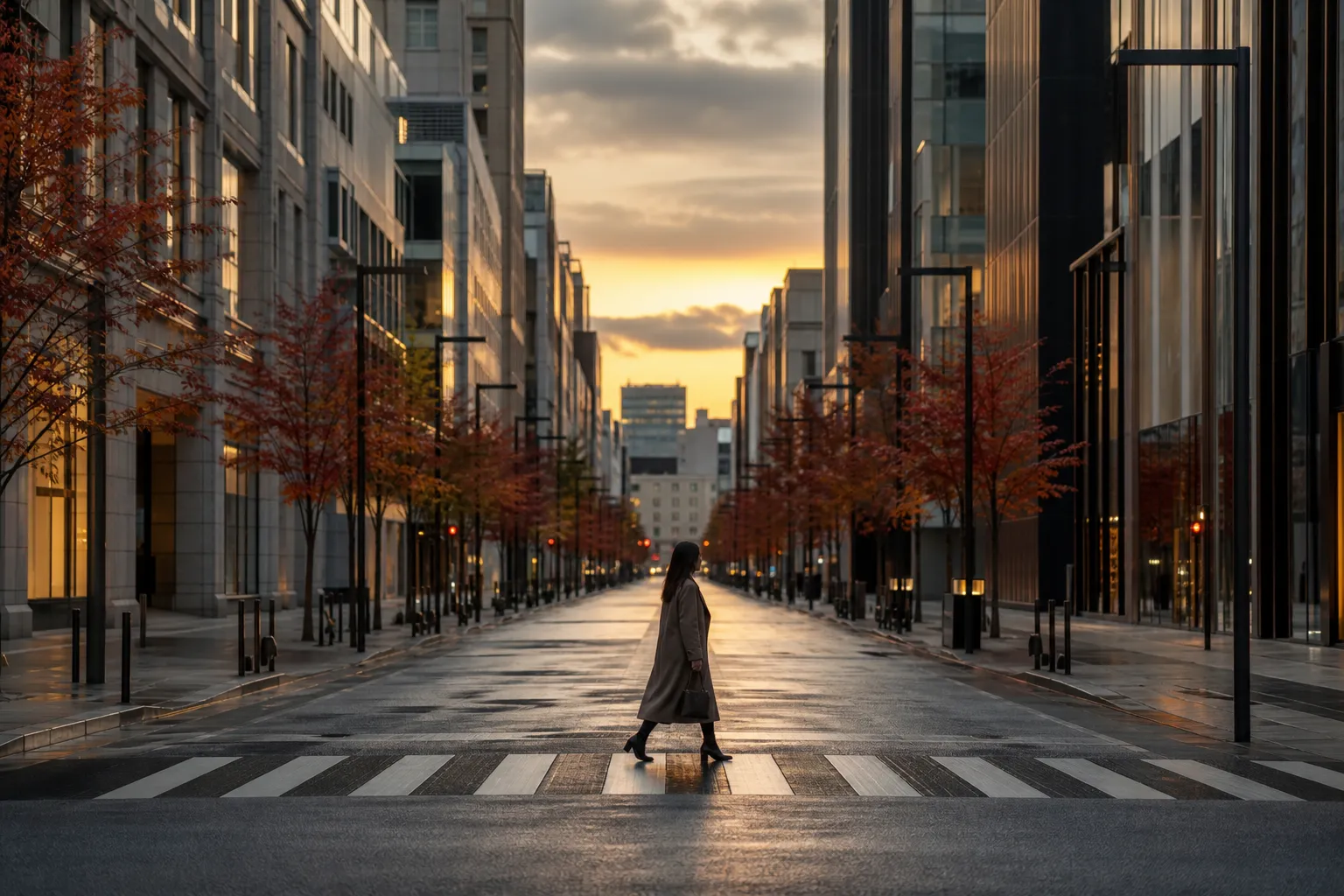
Ginza is where Tokyo keeps its composure. A few blocks of measured elegance where global maisons, century-old department stores, and quiet artisan ateliers share the same polished pavement—and where the real luxury is not the label in the window, but the ease with which the day unfolds.
At Japan Royal Service, we plan Ginza for guests who would rather feel the district than merely tick it off. Not a checklist. A route with rhythm: the right doors opened at the right hour, a private car waiting out of sight, and the discretion to move through it all unhurried. This guide is how a concierge reads Ginza—its history, its landmark houses, and the smaller finds that make a visit feel personal.
From Silver Mint To Style Capital: Why Ginza Feels The Way It Does
To understand Ginza's magnetism, it helps to know how it was made. The district's poise is not an accident—it is centuries of deliberate refinement.
The Historic Roots
The name itself is a clue: Ginza means "silver mint," the role it played for the Tokugawa shogunate in the Edo period. After the Great Kanto Earthquake of 1923, the quarter was rebuilt with broad boulevards and Western-style architecture—the stage on which its retail future would be set.
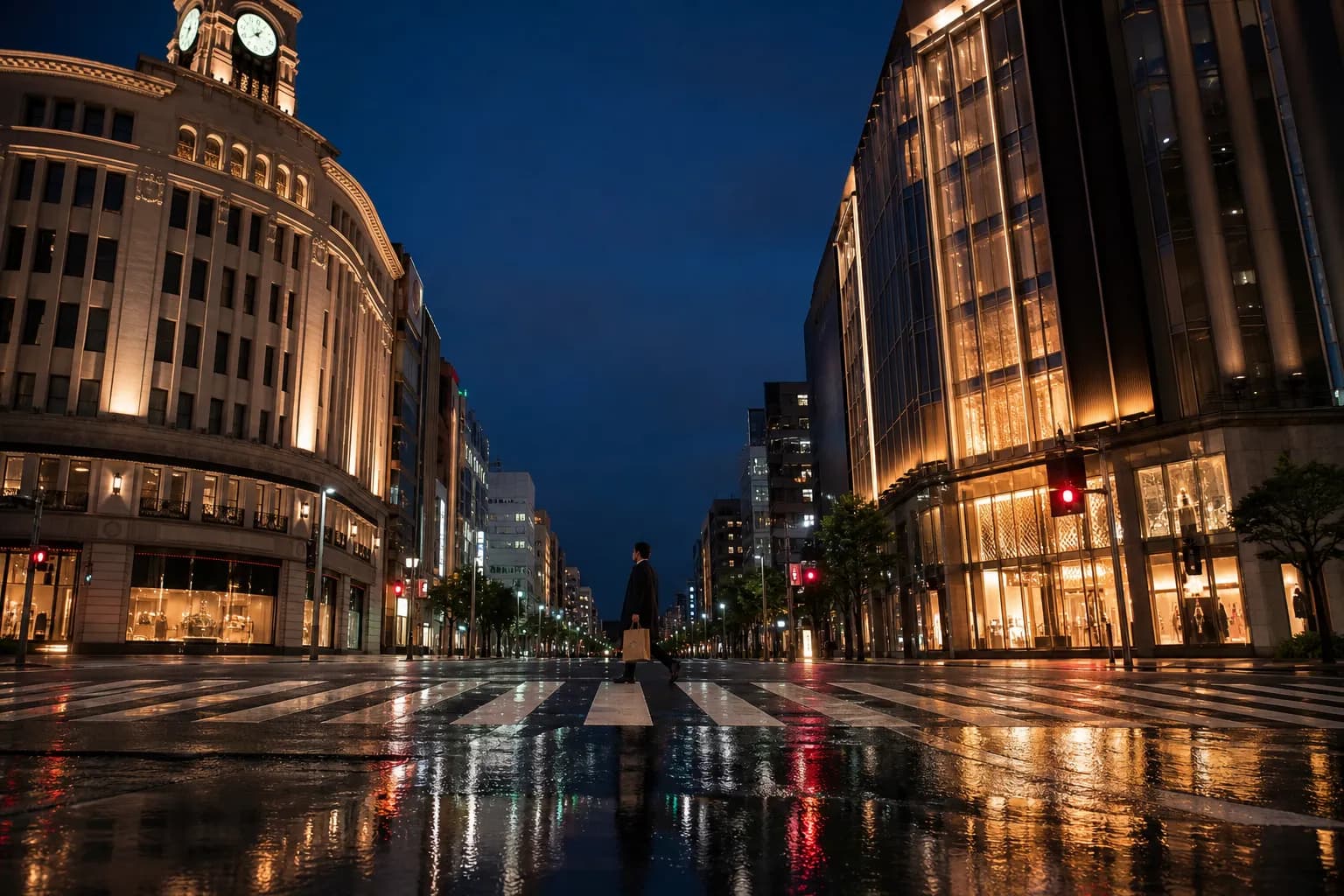
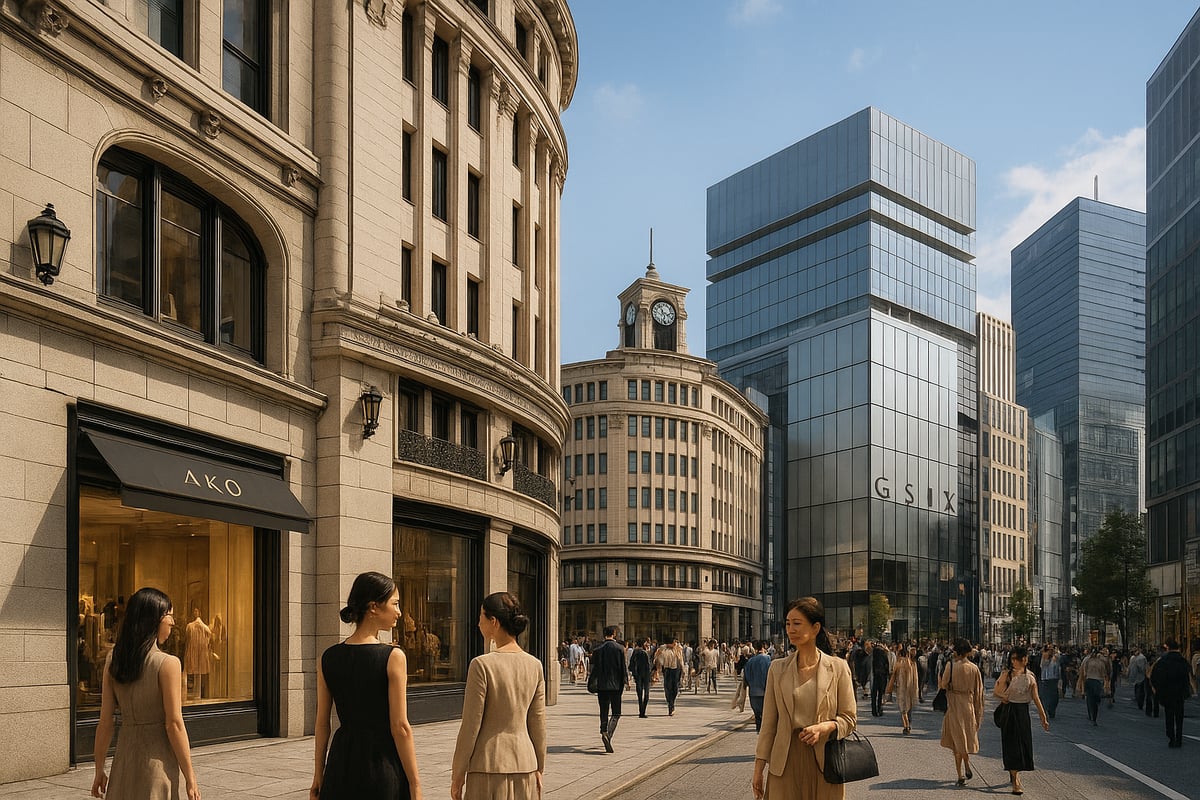
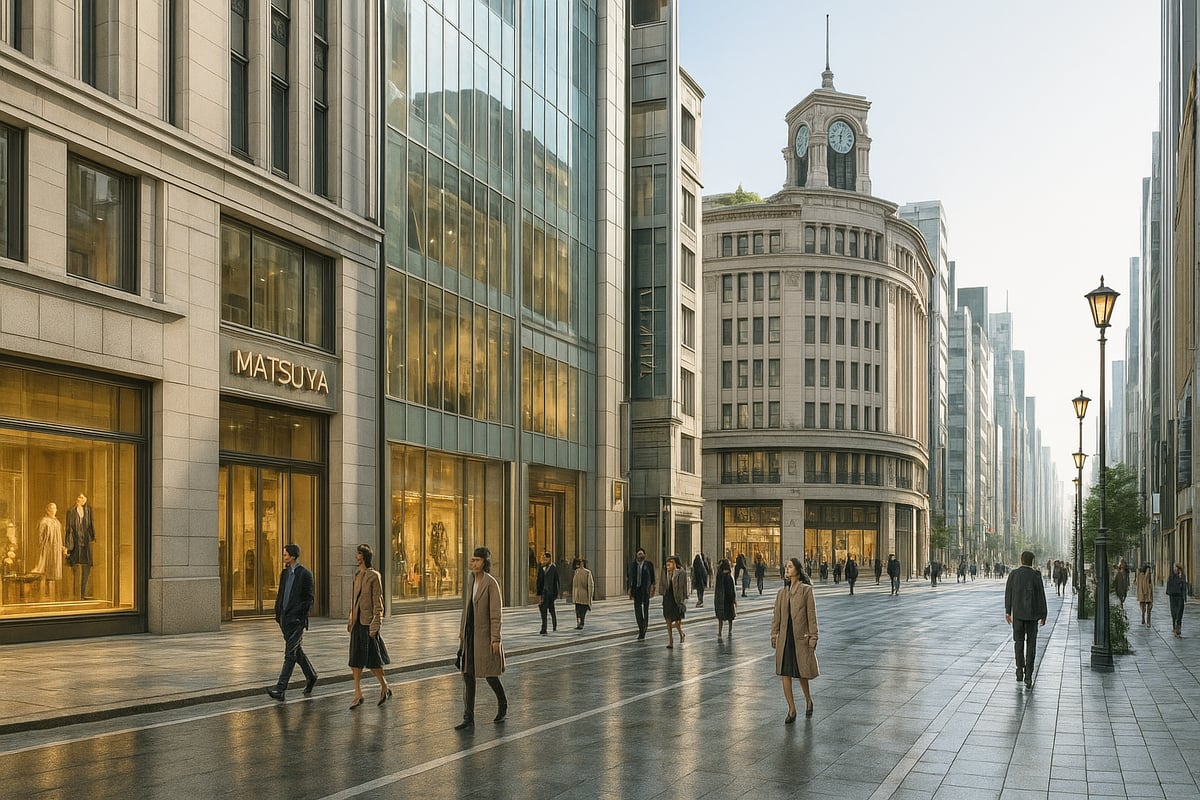
The great department stores became its heart. Mitsukoshi, with roots reaching back to 1673 and a defining Ginza presence from 1904, brought a new grammar of refined service. Matsuya followed, and Wako, whose clock tower still keeps time over the Ginza 4-chome crossing as a symbol of the district's steadiness. Elaborate window displays, attentive staff, seasonal ceremony—these houses shaped what "shopping well" means in Japan.
Today more than 200 flagship stores line these streets. On weekend afternoons, the tradition of Pedestrian Paradise closes Chuo-dori to traffic and gives the boulevard back to those on foot—an unhurried way to take the measure of the place.
The Modern Renaissance
Contemporary Ginza is a study in restraint meeting invention. Architectural statements such as Ginza Six stand beside preserved historic facades, and the maisons treat their flagships as experiences—art installations and curated events weighing as much as the season's collection. The heritage lives on in the manner of it: the seasonal display, the wrapped parcel, the bow at the door.
For our guests, the point of a concierge is to make all of this feel effortless—private fittings arranged, appointments held, the logistics invisible—so the day reads as pleasure rather than errand.
The Landmark Houses: Ginza's Great Department Stores And Flagships
Begin with the institutions. These are the anchors that give Ginza its gravity, each a world in itself.
Mitsukoshi Ginza
A byword for tradition and refinement. Established in 1673 and grown into a luxury emporium, Mitsukoshi pairs curated kimono, international houses, and one of the city's finest gourmet halls. The rooftop garden offers a moment of quiet, and its exhibitions and cultural programming give a genuine taste of Japanese heritage. See its comprehensive guide for current offerings.
Matsuya Ginza
The contemporary counterpoint—fashion-forward selections, rotating exhibitions, and designer pop-ups that track the pulse of modern Tokyo. Seasonal displays and limited releases mean each visit holds something new.
Ginza Six
Eight floors given to global icons—Céline, Fendi, Jimmy Choo—alongside striking art installations and a Kanze Noh theatre beneath the same roof. The rooftop garden opens onto a panorama of the city, a calm remove above the energy of the street.
Wako
Recognizable by its landmark clock tower, Wako holds an exceptional selection of fine watches, jewelry, and objects—each reflecting the meticulous craft that defines the house. A destination for serious collectors and first-time visitors alike.
Uniqlo Ginza Flagship
Twelve stories of modern retail theatre, showcasing global and Japan-exclusive collections, limited collaborations, and interactive displays—proof that considered design need not be exclusive to be excellent.
Muji Ginza
The world's largest Muji: a sanctuary of minimalist homeware, clothing, and stationery, with an in-store bakery, the Muji Diner, and the attached Muji Hotel for those who want to live inside the aesthetic for a night.
At A Glance
| Store | Signature | Worth Lingering For |
|---|---|---|
| Mitsukoshi Ginza | Kimono, gourmet hall | Rooftop garden, cultural events |
| Matsuya Ginza | Contemporary fashion, art | Designer pop-ups, limited editions |
| Ginza Six | Luxury houses, art | Rooftop garden, Noh theatre, city views |
| Wako | Clock tower, fine jewelry | Timeless service, watch salon |
| Uniqlo Ginza | 12 floors, exclusives | Immersive flagship, collaborations |
| Muji Ginza | Minimalist lifestyle | Muji Diner, hotel, bakery |
Each of these is a doorway into Tokyo's idea of style. With the right introductions—insider access, private fittings, an itinerary that flows rather than backtracks—the day becomes something closer to a private tour than a shopping trip.
The Maisons And Japan's Own Visionaries
From the anchors, the district opens into fashion proper—the international houses along Namiki-dori and Chuo-dori, and the Japanese designers who made Tokyo a capital in its own right.
The International Flagships
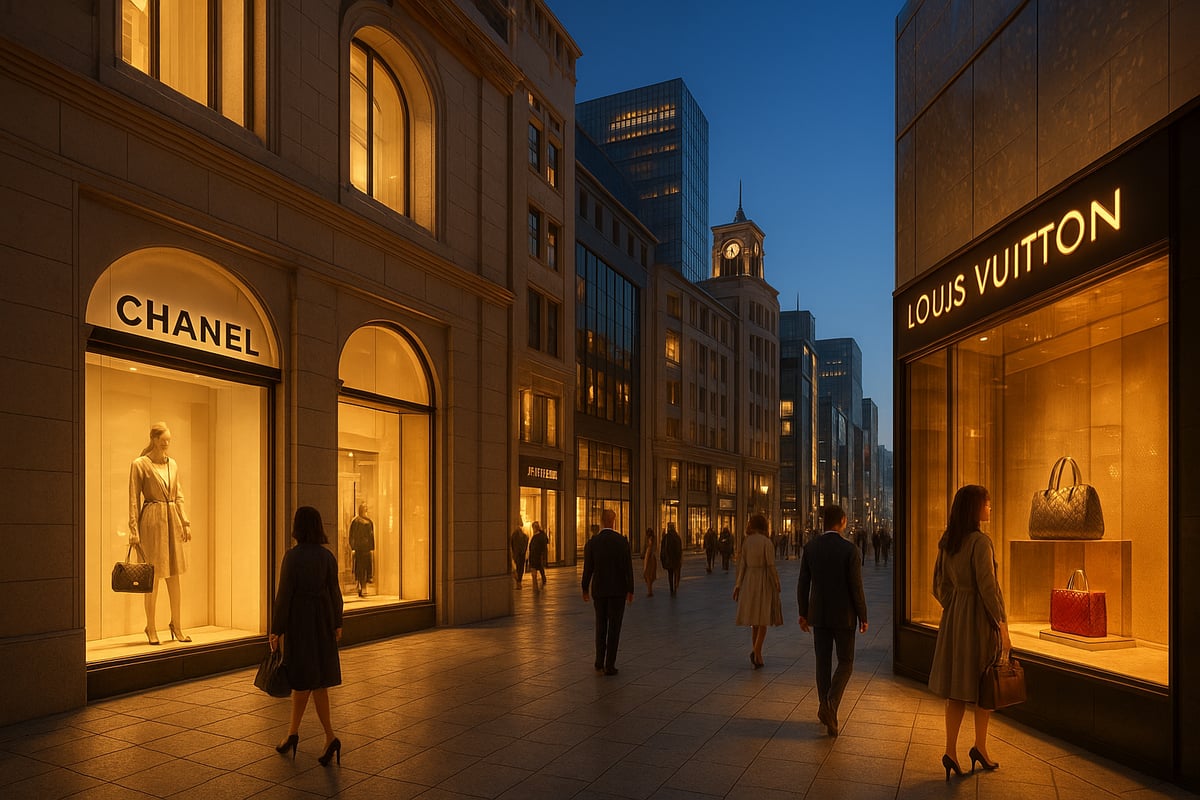
Chanel, Louis Vuitton, Dior, Gucci—the great houses reveal their collections in architecturally ambitious flagships, many with private lounges and capsule pieces held for established clients. The Louis Vuitton building on Namiki-dori, with its shifting glass façade, is a destination in itself. For those who prefer to be expected rather than to queue, our Tokyo luxury travel team arranges private appointments and quiet after-hours access.
Japan's High Fashion
Beyond the imported names, Ginza is a stage for Japan's own trailblazers. Comme des Garçons, Issey Miyake, and Yohji Yamamoto keep boutiques where innovation and tradition fold into one another. Dover Street Market Ginza, curated by Rei Kawakubo, is a multi-level concept space of avant-garde installation and limited pieces—a shop that rewards the curious as much as the committed.
Emerging Designers And Concept Stores
For fresh perspective, houses such as United Arrows and Tomorrowland curate emerging talent alongside established favourites—a considered alternative to mainstream luxury, built on craftsmanship and individuality, with staff glad to tell the story behind a piece.
The Service Itself
The hallmark of Ginza is not the goods but the care around them: private fittings, multilingual staff, seamless tax-free service for overseas guests, and the quiet art of a beautifully wrapped parcel. It is omotenashi—anticipatory hospitality—expressed through retail.
Beyond The Big Names: Artisans, Ateliers, And Quiet Treasures
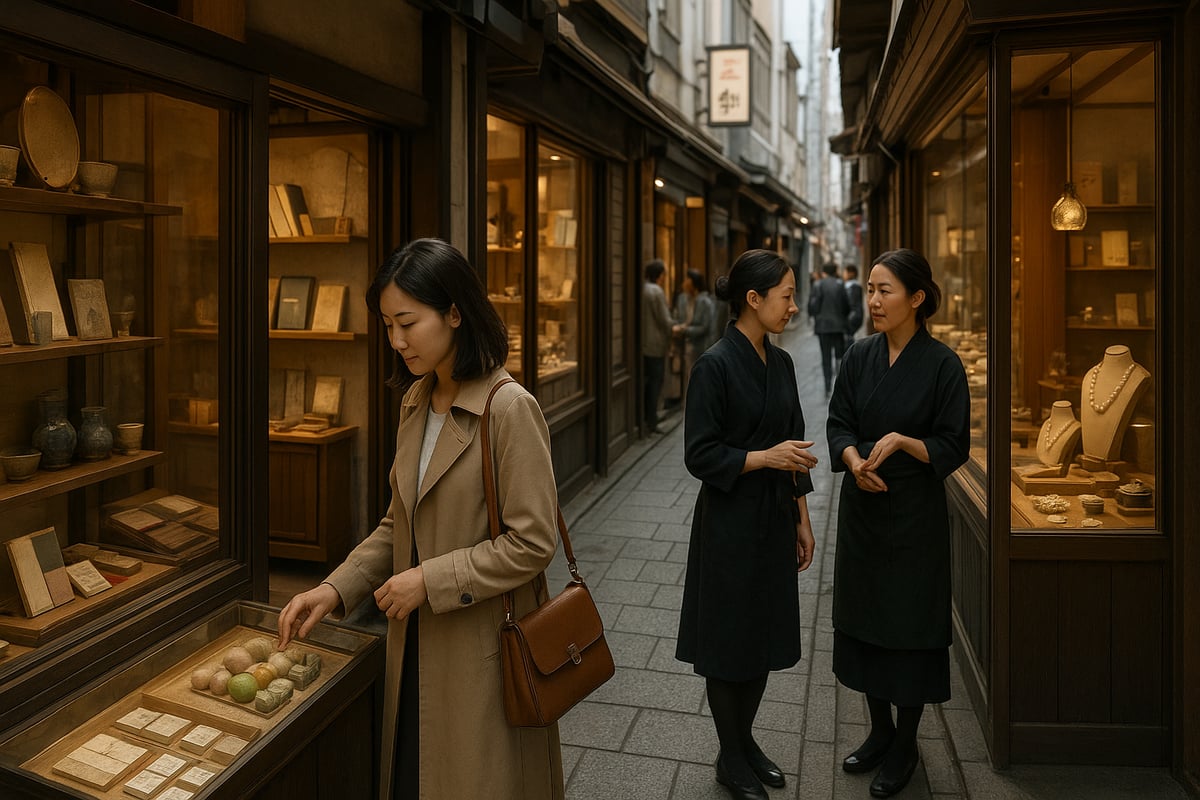
The most memorable finds in Ginza are often the smallest. Between the flagships sit ateliers that have kept their craft for generations—where the pleasure is discovery, and the object carries meaning home.
Stationery And Paper
A quiet paradise for anyone who loves the tactile. Itoya gives twelve floors to the art of writing—washi, calligraphy brushes, fine pens, workshops. Nearby, Kyukyodo (established 1663) enchants with handmade paper, incense, and elegant letter sets. These are the places to find a gift that means something.
- Itoya — creative workshops, custom notebooks
- Kyukyodo — traditional incense, artisanal paper
Jewelry And Watches
The Mikimoto Ginza Main Store pairs its world-famous cultured pearls with architectural grandeur, while Ginza Tanaka works in precious metals, diamonds, and gold objets. More than luxury, these houses are a celebration of Japanese precision.
- Mikimoto — cultured pearls, heritage
- Ginza Tanaka — gold sculpture, fine jewelry
Traditional Crafts
Seek out yukata, lacquerware, ceramics, and one-of-a-kind gifts; Ginza Akebono tempts with beautifully wrapped Japanese confectionery. For deeper access, our traditional Japanese experiences open doors to these time-honoured makers.
Books And Galleries
Tsutaya Books at Ginza Six curates an exceptional shelf of art, design, and fashion titles in a serene setting, and the district's galleries rotate contemporary and traditional work—an invitation to pause, and perhaps carry home a piece of Japanese creativity.
The Depachika
No visit is complete without the food halls beneath Mitsukoshi and Matsuya: wagashi, premium sake, regional delicacies, and patisseries worth a detour. The senses come fully awake here—shopping becomes an appetite.
Pedestrian Paradise (Hokosha Tengoku)
On Saturday and Sunday afternoons, Chuo-dori empties of cars and fills with people—shoppers, performers, pop-up cafés, and impromptu seating. It is the most relaxed way to experience the boulevard, and the moment the district feels most itself.
Seasonal Rhythm
Ginza keeps time with the year: cherry-blossom illuminations in spring, festive lights in winter, and timed releases that draw collectors from around the world. The food halls turn out sakura pastries and holiday sweets in step. Knowing when to visit is its own kind of insider knowledge—the Japanese sense of shun, of catching a thing at its peak.
A Few Quiet Rules
Weekday mornings are the calmest hours. Carry your passport for tax-free service. Side streets hide the best of the small ateliers. And leave room for the unplanned—the finest Ginza days are the ones with a little space in them.
Making Ginza Effortless: The Concierge Difference
Picture Ginza arranged entirely around you. A private car waiting where you need it. Appointments held at the maisons. A guide who knows which door to knock on, and when. For discerning travellers, that is what turns a good day into a seamless one.
From the moment you arrive, Japan Royal Service handles the invisible work—private transfers, VIP introductions, fittings, and dining reservations at Ginza's most sought-after tables, the kind featured in guides to Tokyo's fine dining scene. Privacy is the default, not a request; your name and your itinerary are treated as your own.
If Ginza is part of a wider Japan journey, our concierge team can shape the whole of it—routing, timing, and the quiet decisions that keep a day of shopping from becoming a day of logistics. Request a private consultation and let us design a Ginza—and a Japan—made precisely to your measure.