In this guide
- 01The Historical Significance of Hakodate Hokkaidō
- 02Mount Hakodate and Panoramic Excellence
- 03Culinary Mastery in Hakodate, Hokkaidō
- 04Natural Hot Springs and Wellness Retreats
- 05Seasonal Attractions Throughout the Year
- 06Boutique Wine Culture
- 07Transportation and Access Considerations
- 08Exclusive Accommodations and Luxury Properties
- 09Architecture and Historic Districts
- 10Art, Crafts, and Cultural Shopping
- 11Planning Your HakodatHokkaidōdō Experience
- 12Beyond the City Center
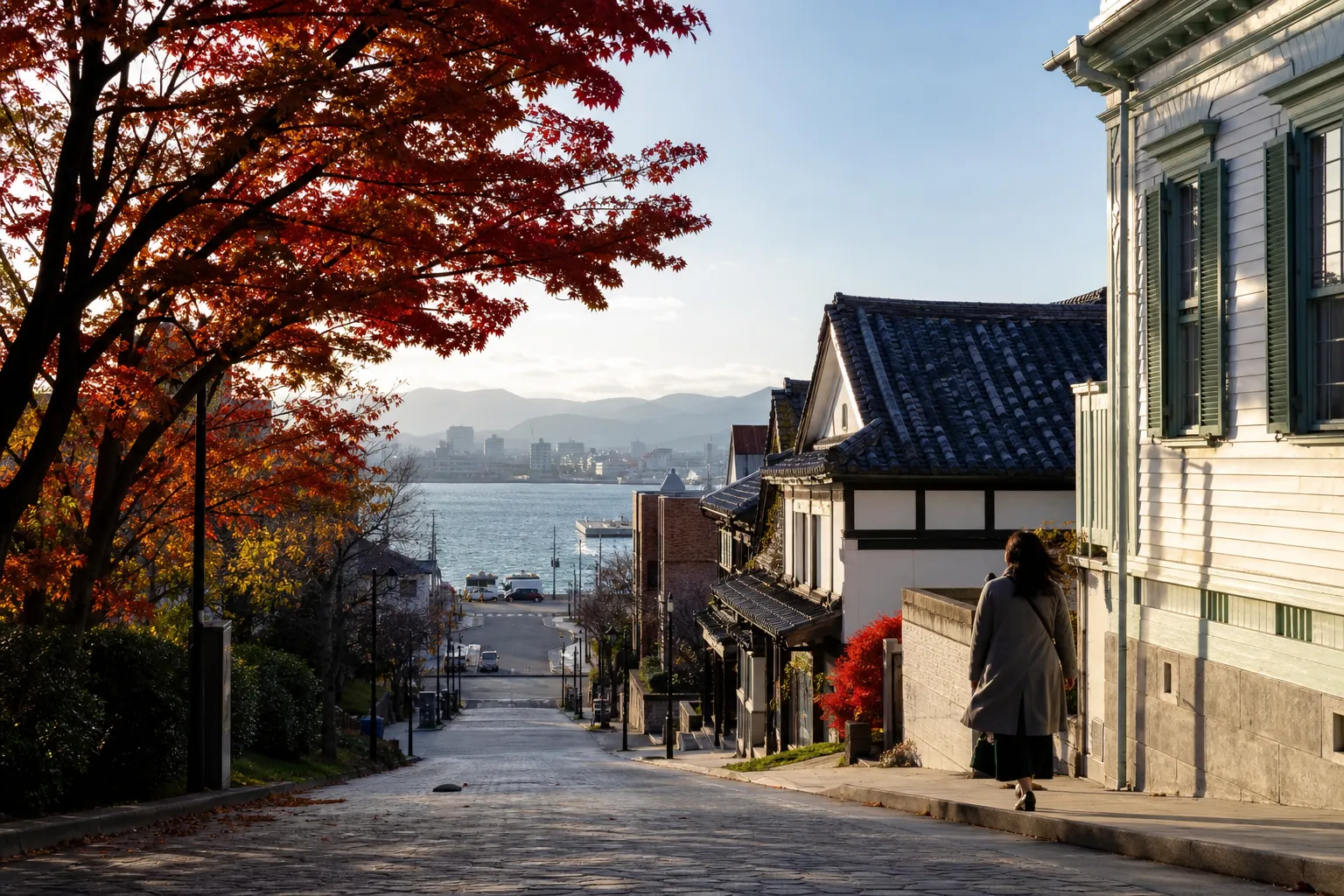
Hakodate sits at Hokkaidō’s south end. Windy. Salt air. Old port angles. It’s a city where overseas footprints (and Japanese habits) share the same streets, so you can feel the international past without having to work for it, and you can still slip into quiet comfort when the day gets loud.
The Historical Significance of Hakodate Hokkaidō
Hakodate’s location matters. A lot. Since 1854, when it became one of Japan’s first ports open to international trade, the city has carried a slightly outward-facing mood—Russian, British, and American traces mixing with Japanese customs in a way that’s obvious once you look up at the buildings and down at the harbor.
Key Historical Milestones:
- Opening to foreign trade in 1854 under the Convention of Kanagawa
- Establishment of foreign consulates and trading houses in the 1850s
- Development as a major fishing and commerce center
- Preservation of Western-style architecture throughout the historic district
Motomachi shows this best. Steep streets. Quick views. A church dome here, a former consulate there, and little pockets that now operate as museums or small shops; you end up reading the modernization era through architecture, especially when the slope forces you to slow down and notice details in the stonework and trim.
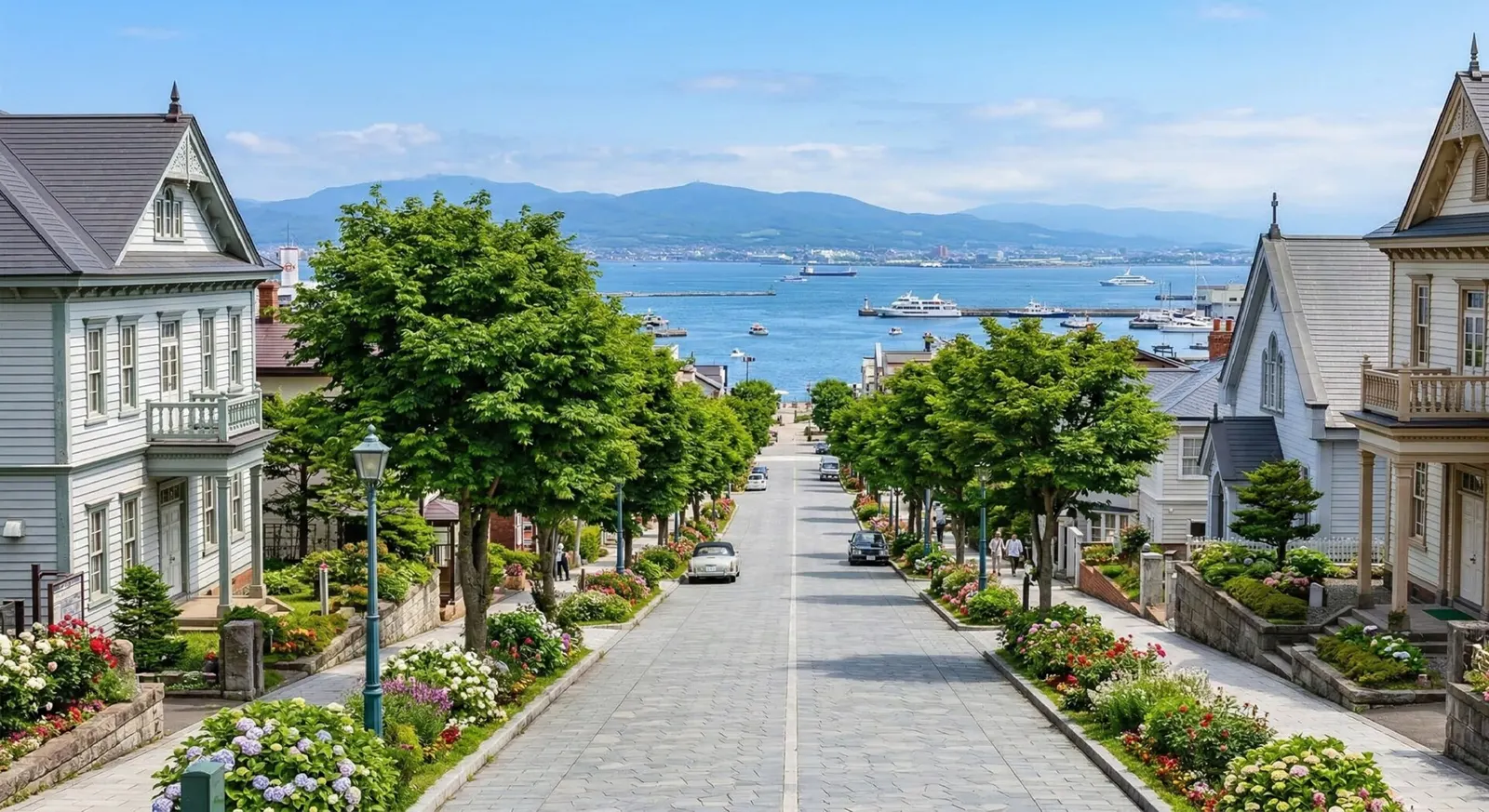
A walk through Motomachi puts Hakodate’s trading-era story right beside wide harbor views, especially when you pause on the slopes and watch the ships drift.
Cultural Museums and Heritage Sites
The Hakodate City Museum of Northern Peoples keeps things focused and human. It’s set inside a restored 1926 bank building, and the exhibits give you a direct look at Ainu culture and northern indigenous traditions without burying you in noise—good for visitors who want substance, not just photo stops.
Then there’s the Hakodate Jōmon Culture Center, home to the “Hollow Dogū,” Hokkaidō’s only National Treasure, which makes the region’s ancient timeline feel less abstract and more lived-in. The Hakodate City Museum of Literature adds another angle through local writers, and the 1921 building itself is part of the appeal—high windows, early 20th-century lines, that particular hush you get in older public spaces.
Mount Hakodate and Panoramic Excellence
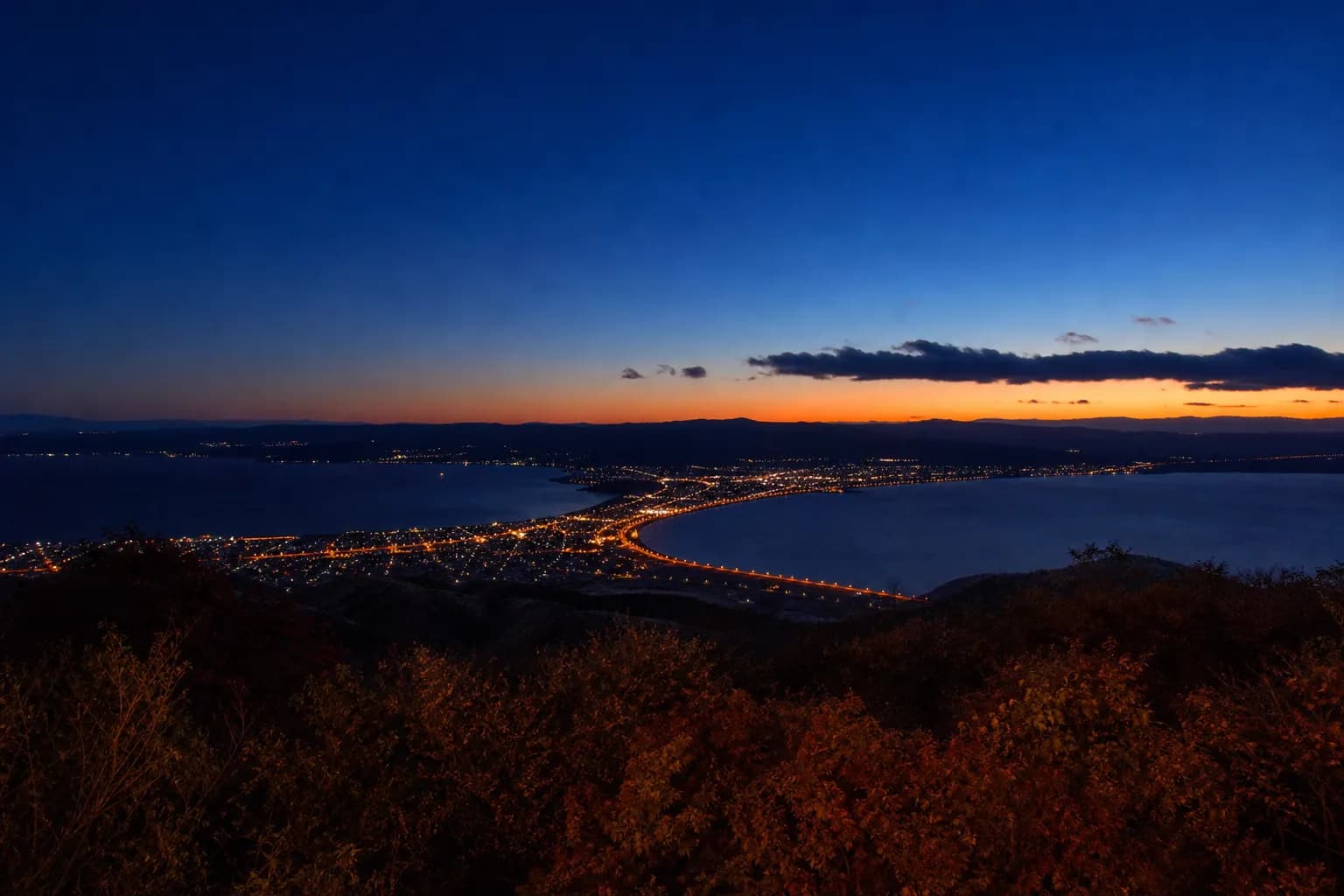
Mount Hakodate’s observation deck is the famous one. For night views. When the streets light up across the narrow land bridge between two bays, the shape is the point: the city looks like it was drawn with a bright pen, and people compare it to Hong Kong and Naples for a reason—even if the air up there feels colder than you expected.
Accessing the Summit
| Transportation Method | Duration | Best Season | Luxury Consideration |
|---|---|---|---|
| Ropeway Cable Car | 3 minutes | Year-round | Climate-controlled comfort |
| Private Vehicle | 15 minutes | April-November | Exclusive access, personalized timing |
| Walking Trail | 60 minutes | May-October | Guided nature experience |
The summit is 334 meters, and the view is full-circle: Tsugaru Strait, the city grid below, and Hokkaidō’s interior mountains behind it all (on a clear day you catch more than you planned). Some guests arrange a private ropeway car for sunset or line up an early meal at the summit restaurant before the busiest public window. Worth it.
Season shifts change the feel fast. Spring brings cherry blossoms along the slopes, autumn leans into foliage, and winter often gives the sharpest clarity—except the access road closes from November through mid-April, which means the ropeway becomes the one dependable way up.
Culinary Mastery in Hakodate, Hokkaidō
Hakodate eats like a port town. Early mornings, wet pavement, the smell of the sea. The morning market (Asaichi) is the headline for freshness, but plenty of travelers choose a more controlled meal at a quiet counter where timing, temperature, and service feel closer to omotenashi than hustle.
Signature Hakodate Specialties:
- Uni (sea urchin): Sweet, creamy specimens harvested from cold northern waters
- Ika-somen: Transparently fresh squid sliced into delicate noodle-like strands
- Hakodate ramen: Salt-based broth showcasing local pork and seafood
- Ikura don: Premium salmon roe over perfectly prepared rice
Elevated Dining Experiences
Step away from the stalls and the tone changes. Kaiseki here tends to lean on shun ingredients from the north, handled by shokunin who don’t rush, and the meals usually run 2 to 3 hours—slow enough that you notice the ceramics, the pacing, and the quiet decisions in each course (but still grounded in local produce and seafood, not theater).
Hakodate’s Western history shows up at the table too, with French rooms, Italian trattorias, and hybrid menus inside older buildings. If you’re after privacy, private dining arrangements can be set at places that don’t really welcome walk-ins, which keeps the evening calm even when the city is busy.
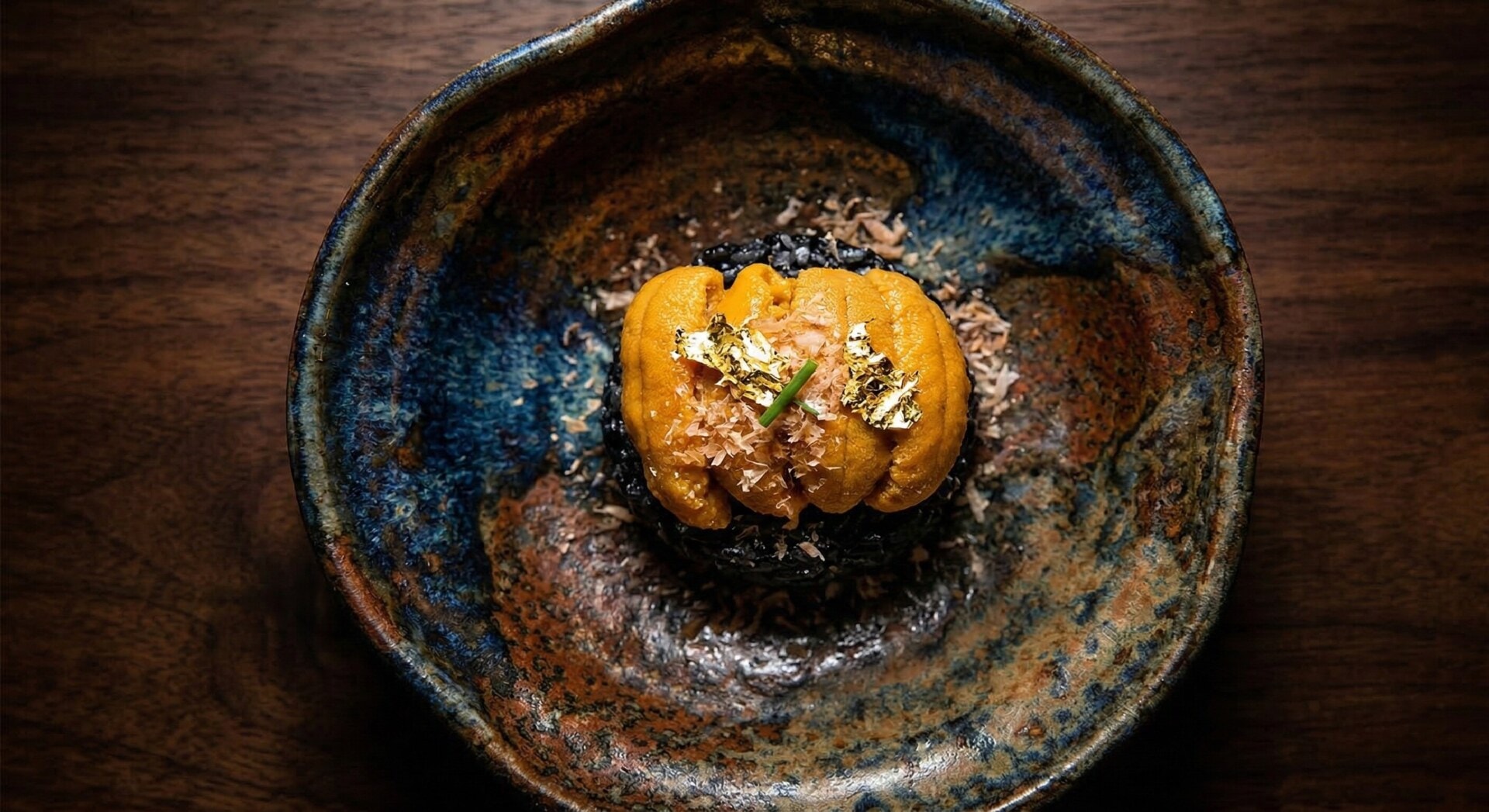
Hakodate’s best chefs don’t just “plate” food—they work with the season, the sea, and restraint, turning Hokkaidō ingredients into a paced multi-course meal.
Natural Hot Springs and Wellness Retreats
Yunokawa Onsen is close. Really close. It has welcomed visitors since 1653, and the water is hot—up to 65°C—mineral-rich, and commonly linked with circulation and skin comfort. On a winter evening, when the air bites and the bath steams, the contrast is the whole trick.
Premium Onsen Experiences
| Ryokan Category | Features | Guest Capacity | Privacy Level |
|---|---|---|---|
| Luxury Boutique | Private baths, kaiseki dining | 10-30 rooms | High exclusivity |
| Heritage Establishment | Historic architecture, cultural programs | 50-100 rooms | Semi-private options |
| Ultra-Luxury | Personal attendants, custom treatments | Under 10 rooms | Complete privacy |
At the top tier, you can soak in a private rotenburo facing the ocean, watching the Tsugaru Strait while the bath’s surface trembles in the wind. Some places add in-room private onsen, which is ideal if you want complete separation from shared spaces. No small talk.
Wellness programming at stronger facilities goes beyond the water: massage based on traditional methods, quiet meditation blocks, and seasonal wellness cuisine planned by nutritionists who understand Japanese food thinking alongside modern health science. Think wabi-sabi pacing, not a fitness boot camp.
Seasonal Attractions Throughout the Year
Hakodate changes with the calendar. Fast. If you like variety, it’s a good problem, because weather decides the day more than schedules do—especially when you’re trying to catch a view before clouds roll in.
Spring (March-May)
Hakodate Park dates to 1879, one of Hokkaidō’s first Western-style parks, and it’s now a reliable sakura spot. Roughly 400 trees. Evening strolls feel different here, and the Hakodate City Museum inside the park gives the blossoms a bit of context beyond “pretty.”
Spring also opens the premium seafood window, with delicate sakura shrimp and fresh uni appearing at higher-end counters.
Summer (June-August)
Summer is mild by Japan standards, usually 20–22°C, which means you can walk Motomachi without melting. The Hakodate Port Festival in early August fills the city with performances, but some travelers prefer a smaller, private demonstration arranged through a concierge so they can actually hear the narration.
This is also prime time for hiking on Mount Hakodate and nearby peaks, and on the clearest days the strait opens up enough that Honshu feels oddly close.
Autumn (September-November)
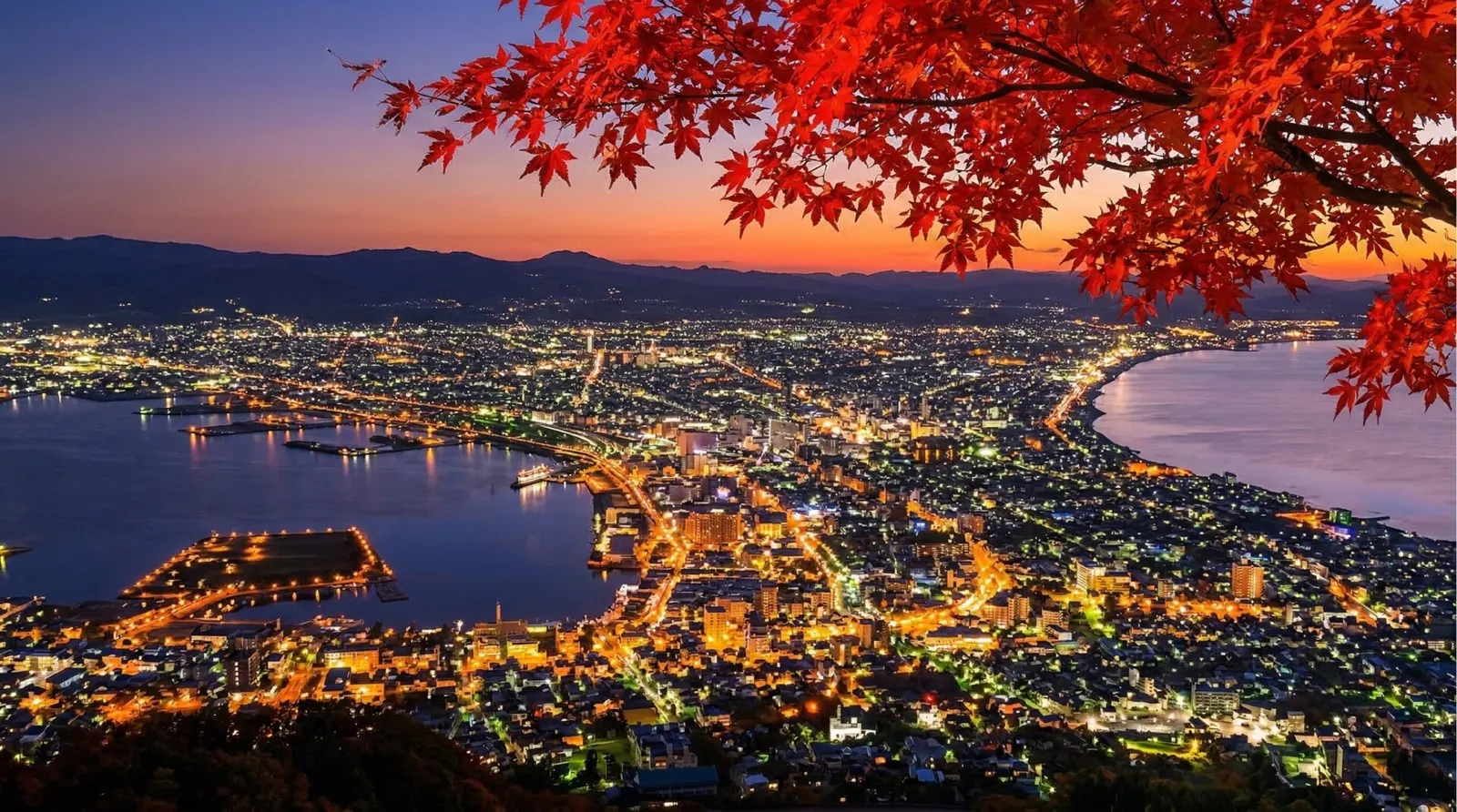
On clear autumn nights, Mount Hakodate’s view gets extra crisp, and the city lights read like a clean outline against the bays.
Autumn brings color to parks and hillsides. Clean air. Better visibility. If you’re carrying a camera, this is when the skyline looks least hazy and the panorama feels the most precise.
Fall culinary highlights often feature matsutake mushrooms, autumn salmon varieties, and harvest vegetables worked into kaiseki courses.
Winter (December-February)
Winter lights take over. Buildings in the historic district get outlined, the streets feel quieter, and snow tends to stay moderate compared with Sapporo, so moving around is usually manageable while still getting that winter atmosphere.
The Hakodate Christmas Fantasy and other illumination events can feel properly romantic, and private viewing arrangements can be timed away from the loudest public moments if you prefer space. Big mistake if you assume “winter” means empty—weekends can still pull crowds.
Boutique Wine Culture
Hakodate, Hokkaidō’s wine scene is still young, yet the results are real, with Domaine Hakodate often cited as the leading name. Production stays limited, and the focus is clearly on cold-climate grapes rather than chasing volume.
The Zweigelt red wine lands with a steady balance and berry notes that sit well beside local lamb and beef. If you lean white, the 100 Kerner has a crisp edge that pairs neatly with seafood from the port.
Wine Tasting Arrangements:
- Schedule private cellar tours with winemakers
- Coordinate food pairings featuring local ingredients
- Arrange vineyard visits during harvest season
- Secure allocation of limited-release bottles
The Rouge blend and Blanc offerings can be easier entry points if you’re new to Japanese wine, while still showing what Hokkaidō’s climate can do when the winemaking is disciplined.
Transportation and Access Considerations
Getting to Hakodate takes planning. Not drama. With the current infrastructure, the logistics are straightforward when you prioritize timing and comfort, and that’s usually what luxury-minded travelers care about most.
Air Travel
Hakodate Airport has direct flights from Tokyo (Haneda), Osaka, and Nagoya, usually 80 to 100 minutes in the air. It’s a compact airport, so you’re not stuck in long corridors, and private transfer arrangements can get you to accommodations within about 20 minutes.
Rail Connections
The Hokkaidō Shinkansen reaches Hakodate via Shin-Hakodate-Hokuto Station in roughly four hours from Tokyo. It’s slower than flying, but Green Car or Gran Class comfort changes the math, and the route through northern Honshu can feel like part of the trip rather than dead time.
Local transportation in Hakodate includes streetcars, private vehicles, and chauffeur services. The streetcars are charming and practical, but they won’t suit every luxury preference, so private rides tend to be the calmer default.
Exclusive Accommodations and Luxury Properties
Hakodate has properties that meet international luxury expectations while keeping Japanese hospitality values in view. Quiet service. Good timing. The kind of omotenashi that feels like someone noticed your pace without asking you to announce it.
Premium properties typically offer:
- Ocean-view rooms with floor-to-ceiling windows
- Private onsen facilities within suites
- Multi-course kaiseki dining utilizing Hakodate ingredients
- Concierge services with cultural expertise
- Exclusive access to local artisans and experiences
The most selective places keep room counts low for more personal attention, and during peak seasons staff-to-guest ratios can approach one-to-one. Suite configurations often mix a separate living area, a tatami room, and a Western-style bedroom, which is handy if you’re staying longer or traveling as a small family instead of solo.
Architecture and Historic Districts
Hakodate’s Western-influenced buildings change the whole mood of the city. Motomachi’s slopes carry former consulates, churches, and merchant homes from the port’s international era, and the setting feels different from most Japanese urban centers precisely because the streets keep revealing new angles as you climb.
Architectural Highlights:
- Old British Consulate: Now a museum and tea salon
- Orthodox Church: Active place of worship with distinctive Russian design
- Old Public Hall: Elegant French colonial-style building
- Western-style residences: Merchant homes showcasing international influence
These buildings aren’t frozen behind glass. Many have been adapted into boutiques, galleries, and dining rooms, so you can spend time inside historic spaces without giving up modern comfort.
If you want deeper context, walking tours with architectural historians can be arranged, covering construction methods, cultural meaning, and the personalities tied to Hakodate’s growth. Private tours also let you start later, linger longer, or duck inside when the weather shifts.
Art, Crafts, and Cultural Shopping
Shopping in Hakodate isn’t only department-store retail. It leans toward workshops, food specialists, and small galleries that feature regional makers, and it’s easy to spend an hour talking to someone who actually made the piece you’re holding.
Glass-blowing is one thread, shaped by European techniques introduced when the port opened, and a few studios still keep the craft alive with functional pieces as well as decorative work. Private appointments can be arranged to watch the process or request custom work. Ainu culture also feeds into current craft through textile patterns, woodcarving motifs, and jewelry design, and ethical galleries representing Ainu artists are the better place to buy if you care about provenance and fair support.
Specialty Products Worth Considering
| Category | Examples | Sourcing Recommendation |
|---|---|---|
| Seafood | Ikura, uni, kelp products | Direct from processors |
| Confections | Trappist butter cookies, dairy chocolates | Historic producers |
| Crafts | Glass art, Ainu-inspired textiles | Artisan workshops |
| Wine | Domaine Hakodate selections | Winery direct |
Planning Your HakodatHokkaidōdō Experience
Three to five days is the sweet spot. Shorter can feel rushed. Longer is easy if you like slow mornings and room for weather changes, because Hakodate rewards wandering more than speed-running highlights.
Three-day itinerary framework:
- Day One: Arrival, historic district exploration, Mount Hakodate evening viewing
- Day Two: Cultural museum visits, onsen experience, kaiseki dinner
- Day Three: Market tour, wine tasting, departure or extension activities
Five-day enhancement: With two extra days, you can go deeper on culture, add nearby excursions, and keep flexibility for things that depend on visibility—like the night view or coastal walks when the wind calms.
The Japan Royal Service team can coordinate comprehensive itineraries that keep structure without locking you into a rigid tempo, so your days match your interests and still feel unhurried. Nico on our staff once insisted we leave five minutes early for the ropeway because “the line bends fast after 18:10,” and he was right—the queue doubled while we were still sipping coffee.
Timing matters. Spring cherry blossoms (late April to early May) and autumn foliage (mid-October to early November) are the peak visual windows, but summer’s comfortable temperatures and winter’s illumination season each have their own pull.
Beyond the City Center
The city center can fill your days. Still, the surrounding area is where Hakodate starts to feel broader, especially if you’ve got extra time and want nature without a long transfer.
Onuma Quasi-National Park, about 30 minutes north, offers volcanic scenery, clean lakes, and trails that range from easy lakeside loops to tougher climbs. Private guided experiences with naturalists can be arranged for ecological context and route choices that match your fitness and what you actually want to see (not what the brochure thinks you should).
Coastal drives along the Tsugaru Strait pass fishing villages and sharper cliffs, and you’ll find places where chefs cook the day’s catch with minimal handling, letting ingredient quality do the heavy lifting.
The Esan peninsula adds more hot springs in a quieter setting, which suits travelers who want solitude beyond even Yunokawa’s polished atmosphere.
Hakodate, Hokkaidō, works because the mix feels real: international history you can see in the streets, nature that’s close enough to actually use, and food that stays tied to the port. If you’re looking for Japan beyond the usual circuit, the city offers strong accommodations, real cultural weight, and access to Hokkaidō’s landscapes without heavy friction. Japan Royal Service can design Hakodate stays with private access where it matters—artisan visits, quiet dining, and tight logistics—so the trip feels smooth on the ground, not just good on paper.