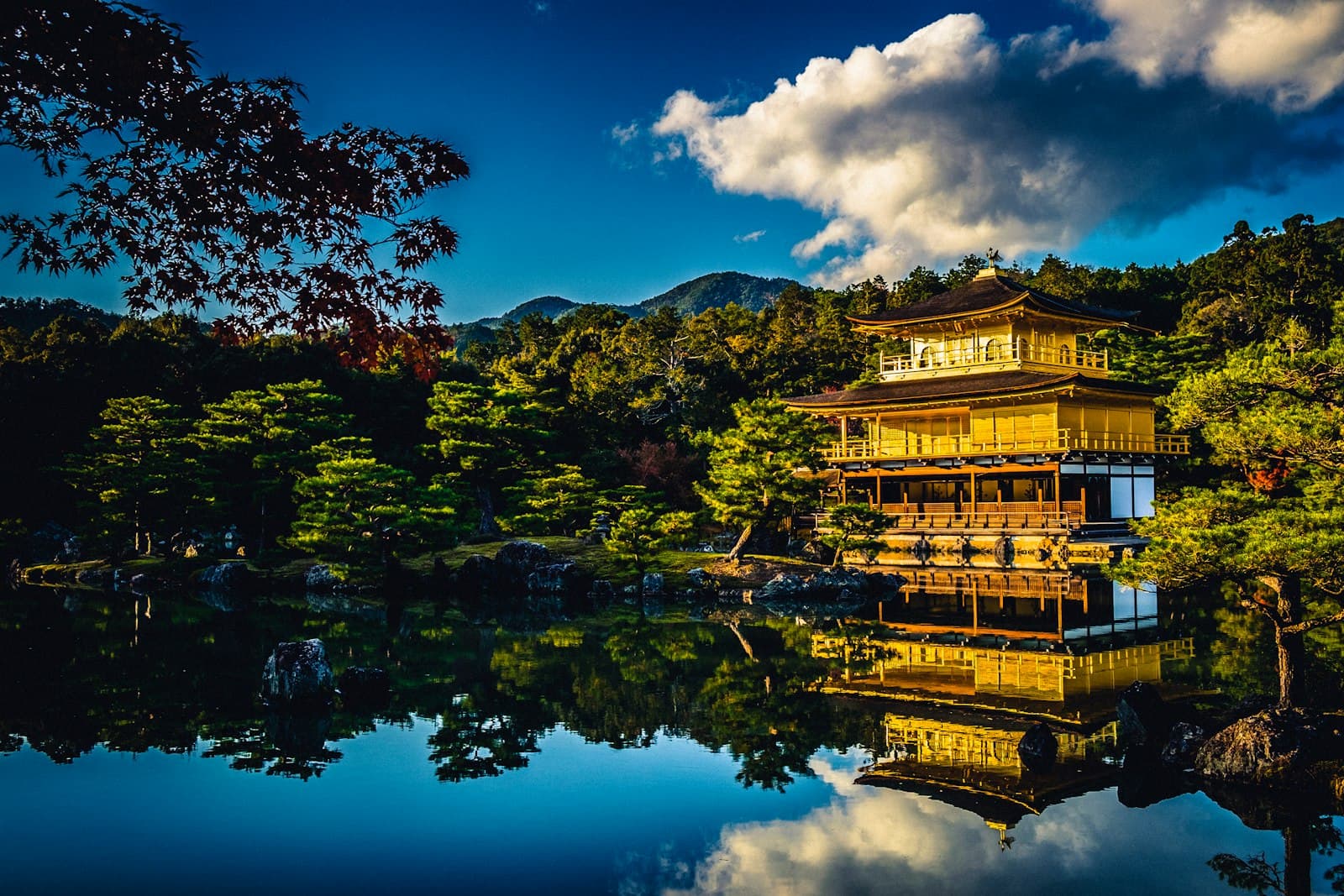
In this guide
- 01One Loop, Two Landscapes: Why This Route Works In Summer
- 02How Do You Do Lake Ashi And Ōwakudani In One Day From Tokyo?
- 03Lake Ashi First: Cruise, Shoreline, And The Peace Torii
- 04What Should You Know About Ōwakudani Volcanic Gas Before Visiting?
- 05When Does The Hakone Ropeway Stop, And What Should You Do Instead?
- 06Summer On Lake Ashi: What To Know About Fireworks Week
- 07A Step-By-Step Summer Day Loop (Lake First, Volcano Second)
- 08Let Us Shape Your Hakone Day
The boat eases away from the pier at Tōgendai. Water taps softly at the hull. Ahead, the ridgeline holds its shape—calm, green, almost polite—until you notice a thin smear of steam on the far slope and remember: Hakone is not one landscape.
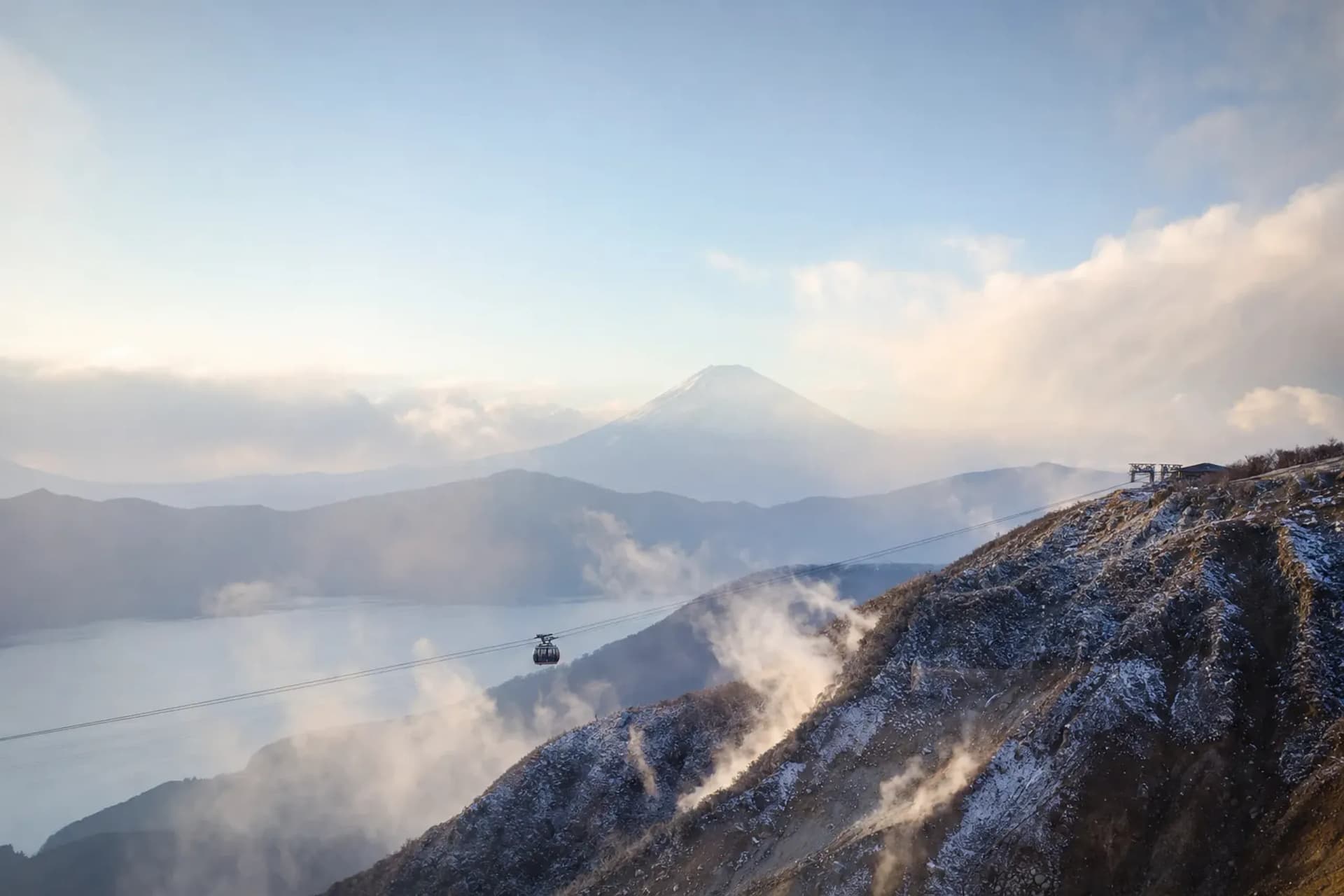
It behaves like two. A quiet lake set high inside the Hakone caldera, and a volcanic valley where sulfur vents still breathe. They are linked by public transport that can pause without apology: the Hakone Ropeway. Plan the day like an adult. If the ropeway stops, your trip should not.
Our team at Japan Royal Service designs this loop for travelers who want culture and comfort, not a frantic checklist. Privacy matters. Timing matters more. And in summer—when weather shifts and crowds spike—you want a route built around what is actually running, not what you wish were running.
One Loop, Two Landscapes: Why This Route Works In Summer
Hakone’s best summer day pairs early-lake stillness with late-morning volcanic drama, then exits before fatigue and weather build.
Start with Lake Ashi while the air is cooler and the surface looks like brushed metal. Then ride upward toward Ōwakudani, where the ground changes color and the smell turns mineral. Keep a clean Plan B that stays satisfying even without the ropeway. No sulking. No scrambling.
This is also where the idea of a “hidden Japan” becomes something practical rather than mythical. Not secret addresses—small, quiet decisions: which pier, which deck, which short walk, which museum hour, which photo angle that doesn’t require waiting behind twenty raised phones.
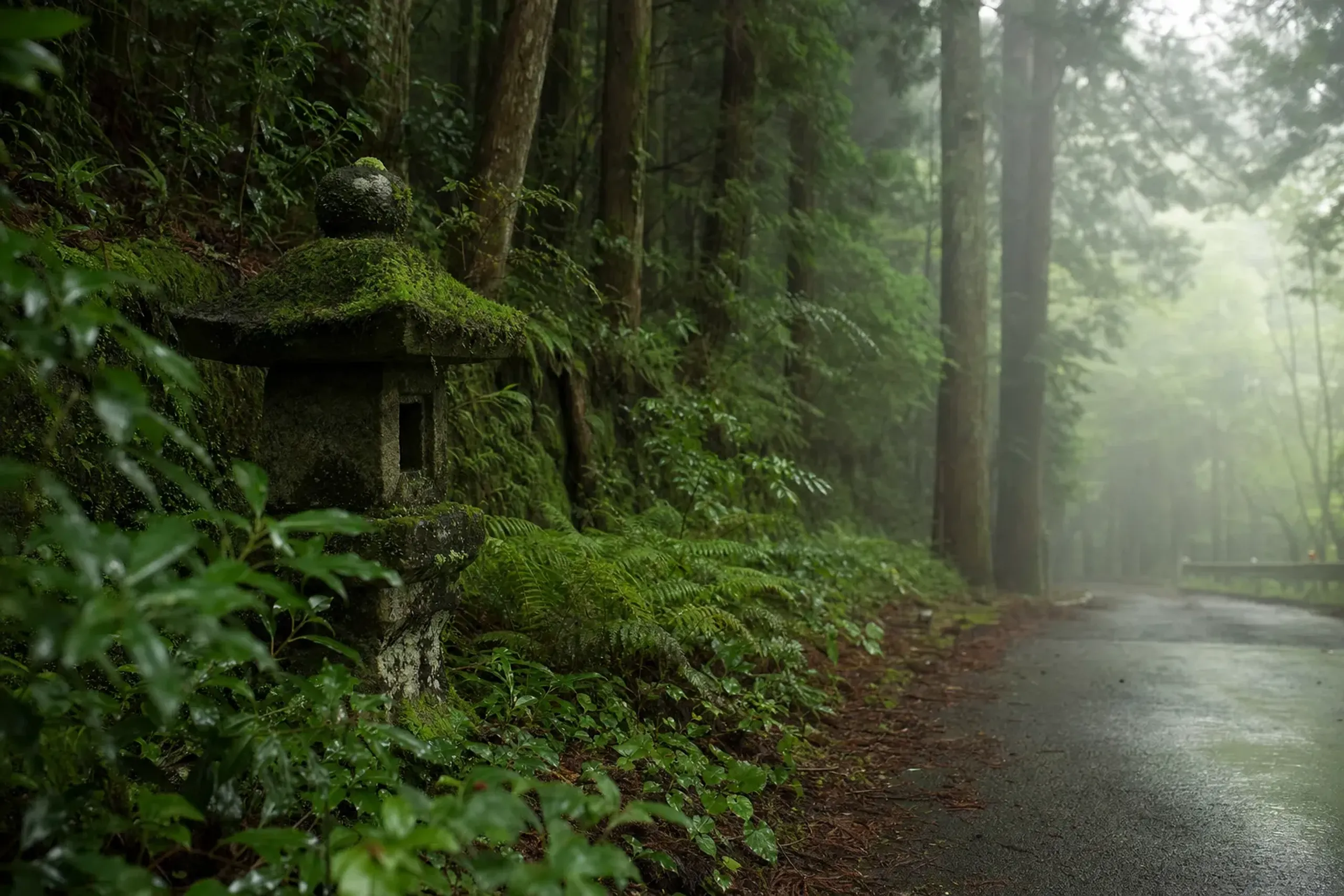
Knowing what to experience where and in which week—the Japanese sense of shun, of perfect seasonality—is precisely the kind of judgment that separates a good Hakone day from an unforgettable one.
How Do You Do Lake Ashi And Ōwakudani In One Day From Tokyo?
You can do the loop as a long day trip by taking the Odakyu Romancecar to Hakone-Yumoto (about 75–85 minutes) or the Shinkansen to Odawara (about 30–33 minutes) and continuing into Hakone.
From Shinjuku, the Odakyu Romancecar is the cleanest psychological start. You sit down once. You arrive with your shoulders still where they belong. Note that the Romancecar requires a separate seat ticket.
From central Tokyo, the Shinkansen to Odawara is fast and tidy, after which you connect to reach Hakone-Yumoto (about 15 minutes on the Hakone Tozan line). Either way, you are entering a mountain resort area where weather and transport status deserve genuine respect.
Many HNW travelers choose to add private transportation / chauffeur service once in Hakone for steadier pacing and far less friction between modes. Our concierge team can advise on routing, pick-up sequencing, and realistic dwell times—especially when you want both lake and volcano inside the same loop without the day ever feeling compressed.
Lake Ashi First: Cruise, Shoreline, And The Peace Torii
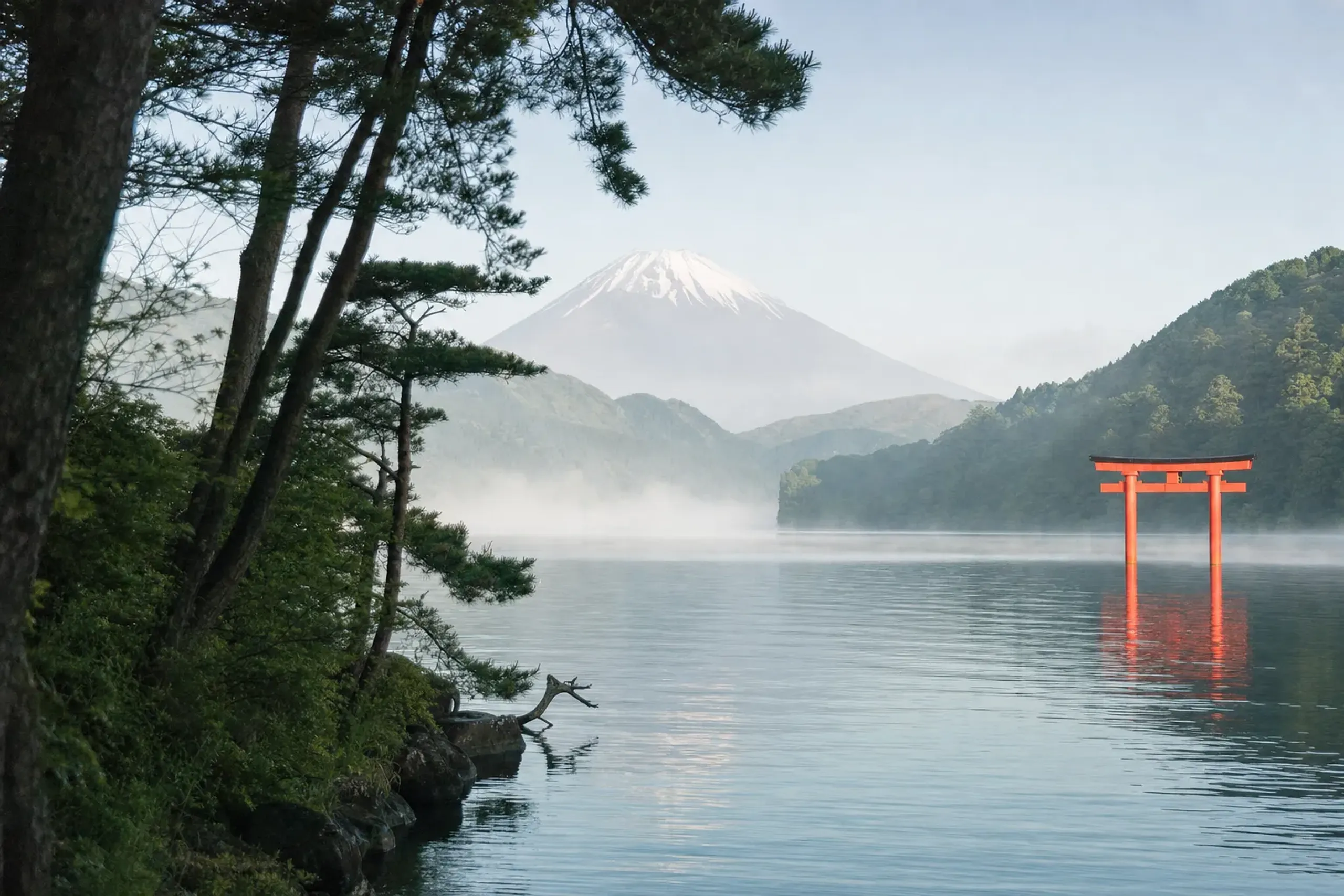
Lake Ashi (Ashinoko) sits at roughly 720–725 meters above sea level, with sources placing its maximum depth around 40–43 meters.
The numbers wobble slightly. The feeling does not.
It is a dammed lake inside the Hakone caldera, formed around 3,000 years ago when a collapse of Mt. Kamiyama blocked the Haya River. That geology shows up as scenery: a wide basin, steep edges, and shifting light across the water that can look silver one moment and slate the next. Quietly theatrical—more wabi than spectacle.
In summer, the shoreline can fill by mid-morning, so we like to place the lake early. Not heroic early. Just earlier than the bus wave.
Choosing A Lake Ashi Cruise: Two Operators, Different Moods
Lake Ashi has two main cruise operators. They are public services. They can be delayed or cancelled by wind or fog.
Option A: Hakone Sightseeing Cruise (Hakone Kankōsen / “Pirate Ship”)
This Odakyu-group cruise connects ports including Tōgendai, Hakone-machi, and Motohakone. Port-to-port travel runs roughly 25 to 40 minutes depending on the segment.
- Best for: simple point-to-point movement with a fun, easy-to-read format.
- Watch for: weather changes on the lake; fog can soften visibility and alter sailings.
- Photo tip: step away from the loudest cluster, even if it means losing a “perfect” angle.
Option B: Hakone Yusen (Fujikyu Group)
This operator offers loop cruises of about 40 and 70 minutes from ports that can include Motohakone, Hakone Checkpoint, and Hakone-en. It can feel less like transport and more like a slow, contemplative lap.
- Best for: travelers who want the lake itself to be the main event.
- Watch for: route patterns and coverage can change; confirm details close to the day.
A New Way To Read The Lake: Hakone Yusen Daichakai (Tea-Themed Cruise)
Since December 20, 2025, the tea-themed sightseeing ship “Hakone Yusen Daichakai” has offered a more culture-forward way to experience the lake.
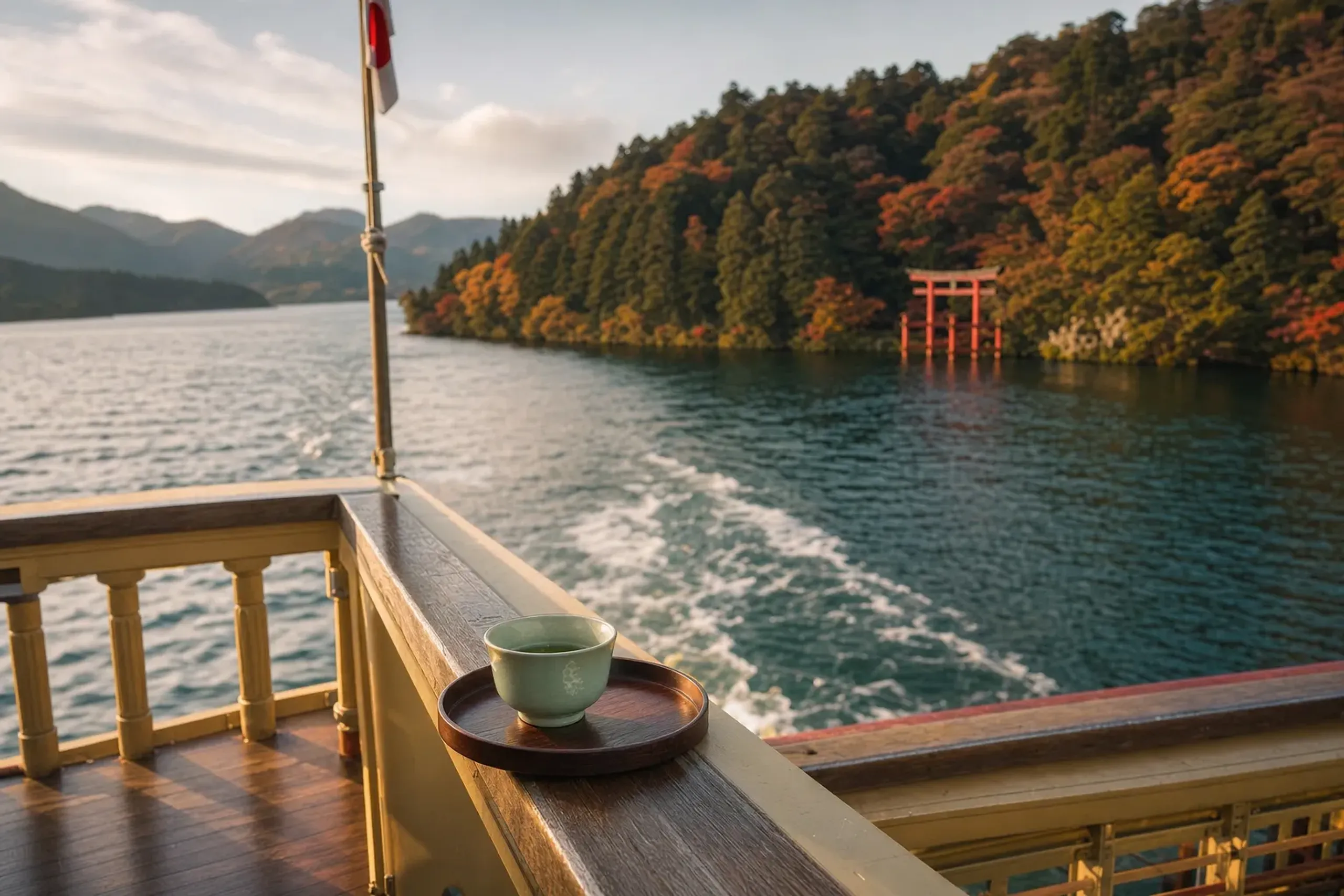
This is where the hand of the craftsman—the shokunin—and the aesthetic of restraint meet the landscape. Tea here is not “an activity.” It is a lens. The lake becomes slower. The mountains look more deliberate. If you appreciate Japanese craft with a quiet finish—ceramics, tea, small seasonal sweets—this is the version of Lake Ashi that makes sense for a discerning traveler.
Guests interested in learning more can contact our concierge for tailored guidance on how to weave tea culture into a Hakone day without turning the schedule brittle.
The Hakone Peace Torii: What It Is, And How To See It Without The Crush
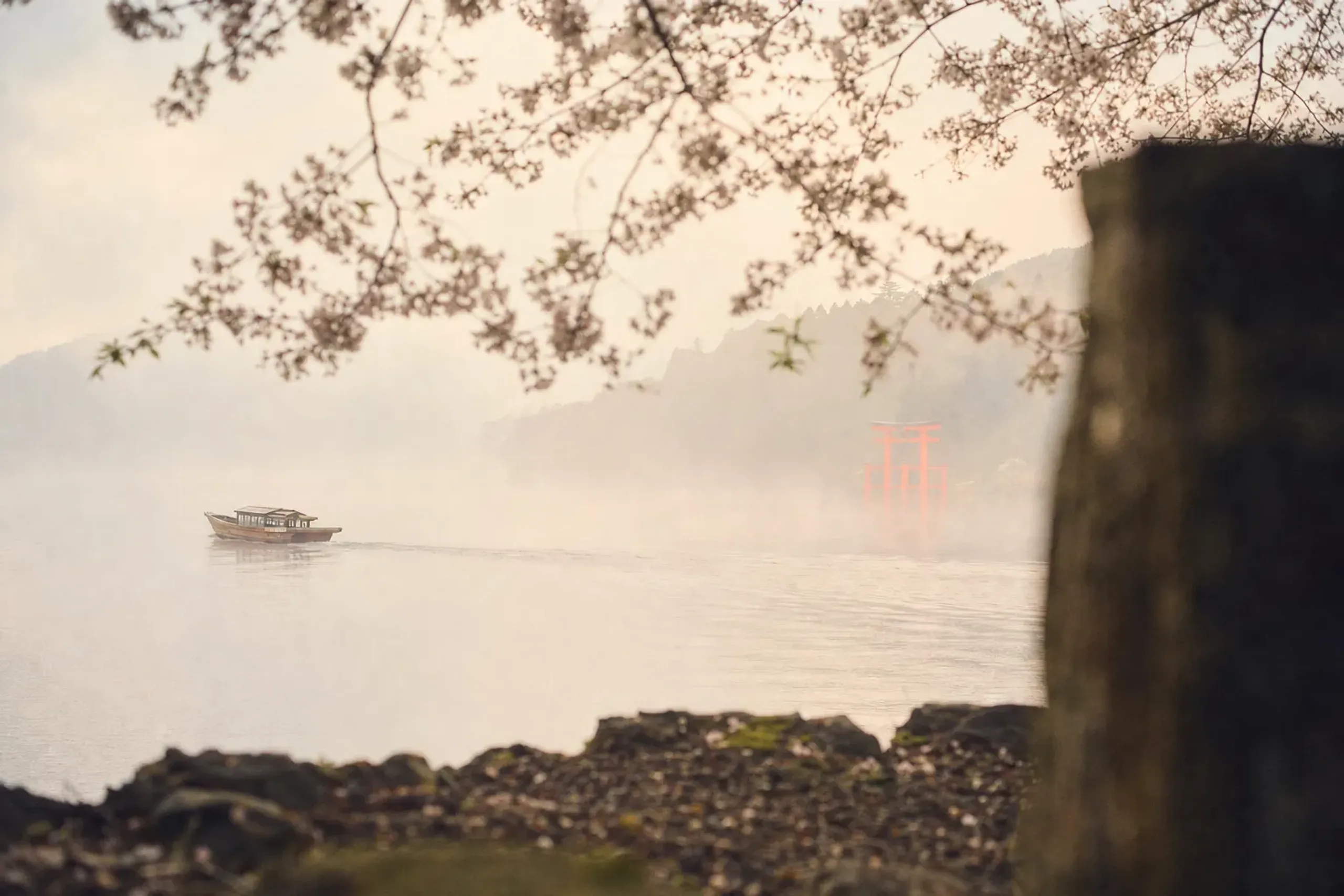
The Peace Torii (Heiwa no Torii) stands in Lake Ashi near Motohakone, in front of Hakone Shrine, and was built in 1952 to mark the San Francisco Peace Treaty.
It photographs beautifully from the lakeshore near Motohakone Port and from boats out on the water. It also attracts lines. That’s fine. Just don’t donate your best hour to waiting for a single frame.
Our preferred approach is simple: arrive with a shot list. Take two angles, not twenty. Then move on, while your day still feels spacious.
What Should You Know About Ōwakudani Volcanic Gas Before Visiting?
Ōwakudani is monitored around the clock for volcanic gas, and warnings are broadcast; people with asthma, respiratory or heart conditions, or pacemakers are advised not to visit.
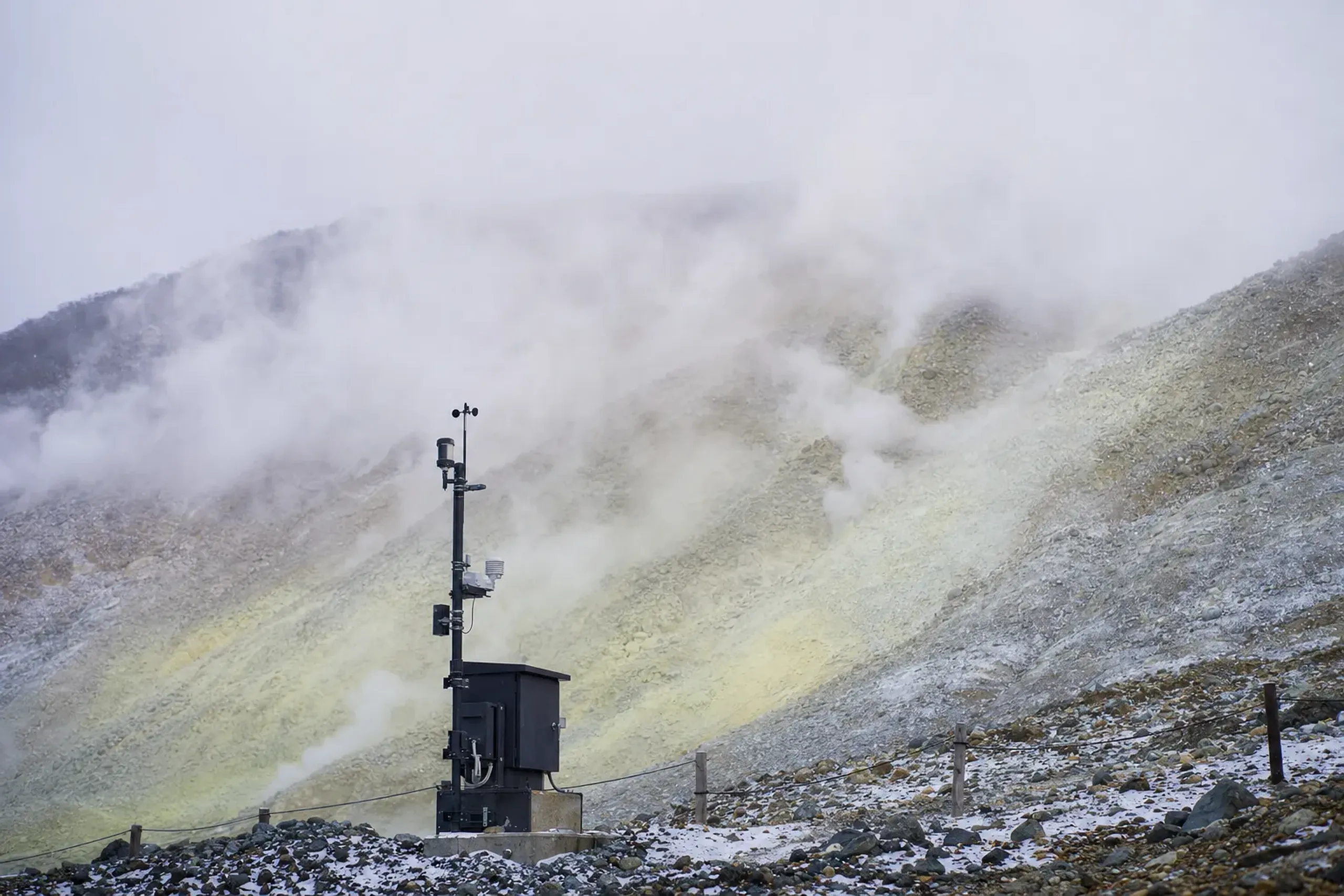
This is not a place for denial. Hydrogen sulfide and sulfur dioxide are part of the environment here, and conditions can change quickly. Alert levels alone do not tell you what is open, because operational decisions depend on multiple measurements, wind direction, and local rules.
Key fact: A “Level 1” volcanic alert does not mean Ōwakudani access is fully open; always check official updates and day-of operating status.
In our experience, the most refined choice is to treat Ōwakudani as optional, not mandatory. That mindset prevents the day from feeling like a negotiation with the mountain.
What Ōwakudani Actually Is
Ōwakudani is an explosion-crater area on the slopes of Mt. Kamiyama, linked to eruptive activity about 3,000 years ago. Fumaroles still rise. The ground is pale in places, streaked with sulfur yellow and rust tones, and the air smells sharply mineral.
Some sources refer to a historic name, Jigokudani—“the valley of hell.” The mood fits. But you do not need drama to enjoy it. Watch the steam. Listen for the wind. Keep your pace measured.
The Ōwakudani Nature Trail: Short, Controlled, And Not Always Available
The Ōwakudani Nature Trail (Ōwakudani Shizen Kenkyūro) is about 700 meters and typically takes around 40 minutes. It reopened in 2022.
Access is controlled. Guided groups only, with advance web booking, and helmets provided.
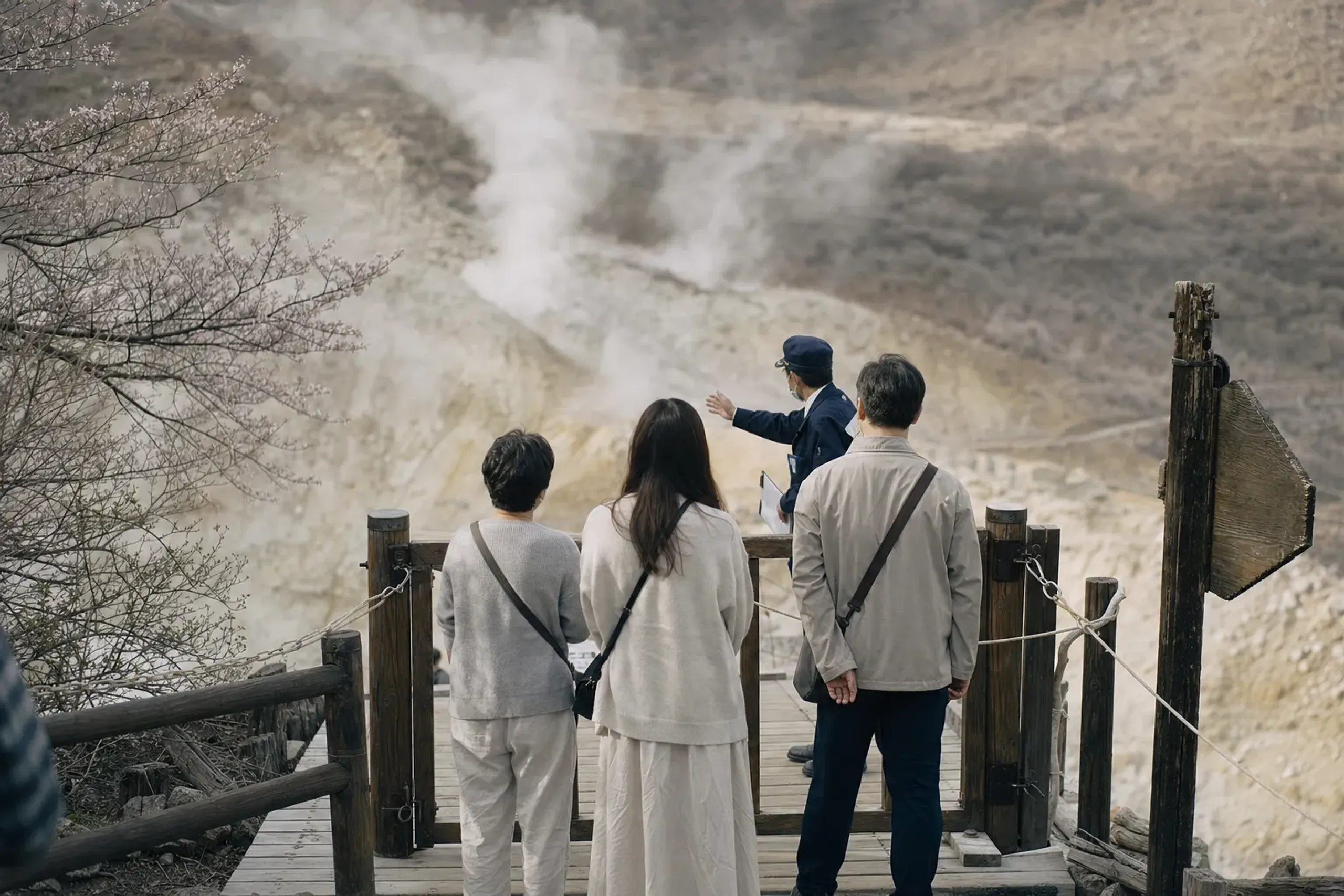
It can be cancelled for gas, rain, strong wind, or fog. That is normal here.
If this trail matters to you, say so early when you inquire about a tailor-made / bespoke itinerary. Our concierge team can privately monitor the public booking and status patterns and shape the rest of the day so you are not gambling your entire loop on one short walk.
Kuro-Tamago At Kurotamago-kan: A Local Specialty, Not A Health Ritual
Ōwakudani’s black eggs (kuro-tamago) are boiled in hot-spring water; the minerals darken the shell. They are sold at Ōwakudani shops including Owakudani Kurotamago-kan.
The saying that they “add seven years to your life” is folklore. Treat it as a story, not a claim. Eat one because it tastes good and because it belongs to this place.
We like to frame this as a micro-experience: buy two, share one, keep one for later. Small choices. Clean pleasure.
When Does The Hakone Ropeway Stop, And What Should You Do Instead?
The Hakone Ropeway may stop for strong wind, thunder, an approaching typhoon, rising volcanic gas, or planned maintenance, and you should always plan a satisfying alternative that does not rely on it.
The ropeway is operated by Odakyu Hakone. It runs four stations: Sōunzan, Ōwakudani, Ubako, and Tōgendai. End-to-end travel is roughly 25 to 30 minutes, with official times posted per section.
Operating hours are typically 9:00 to 17:00 from February to November, and 9:00 to 16:15 from December to January.
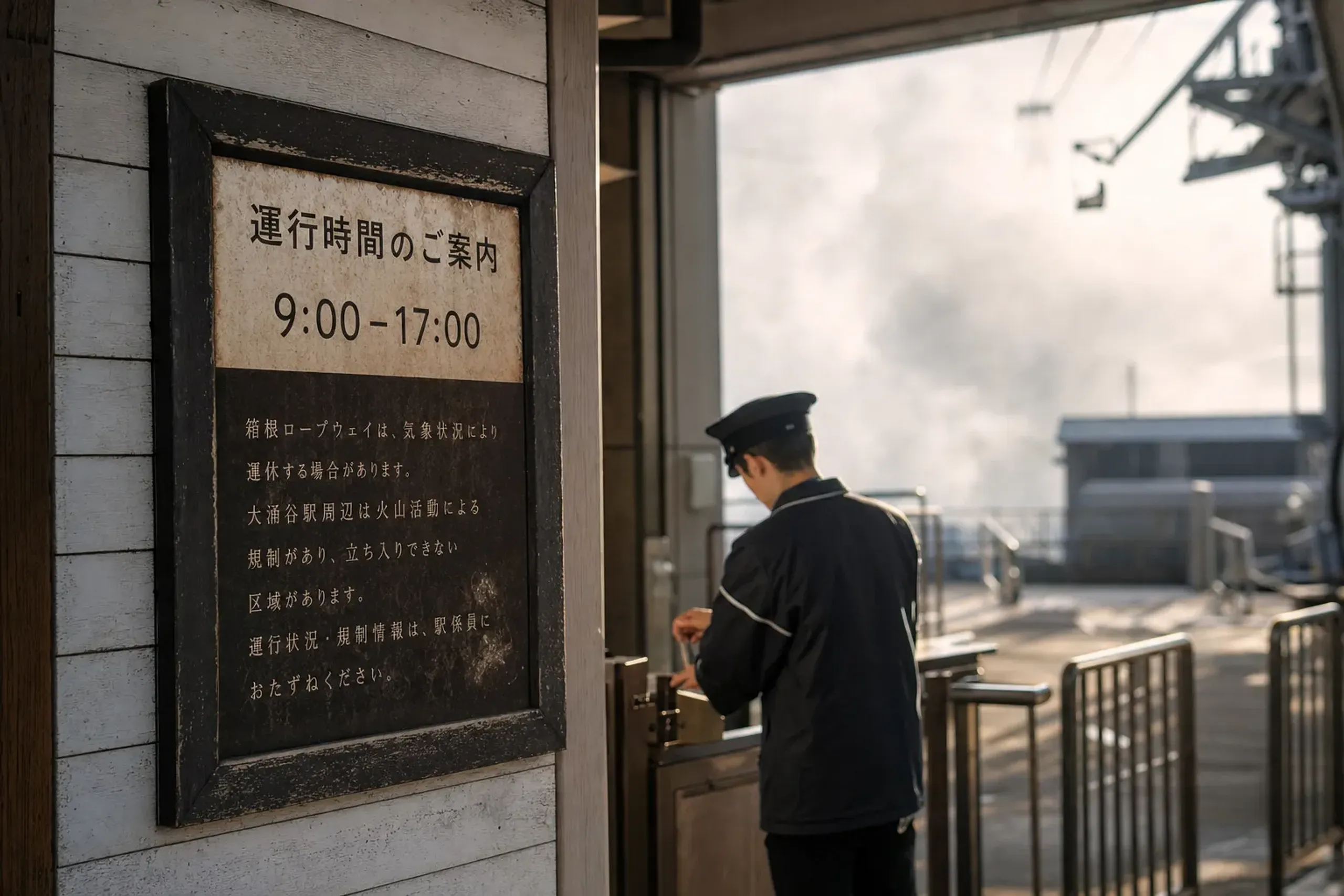
There are also inspection closures, often in winter. In the 2026 season, for example, published notices included winter maintenance periods and substitute bus operations on affected sections.
So yes, you can build your loop around the ropeway. Just don’t make it your only bridge between lake and valley.
A Practical Plan B That Still Feels Like A Luxury Day
If wind or gas halts the ropeway, the mistake is trying to force the original plan. A big one.
Instead, keep one lakeside “anchor” and one indoor “anchor,” then decide in real time. Our team often uses combinations like these:
- Lakeside anchor: a slower shoreline stretch near Motohakone or Hakone-machi, with time for a calm coffee and unhurried photos.
- Indoor anchor: a museum stop to reset the rhythm if rain arrives or visibility collapses.
- Routing anchor: bus replacement services during planned ropeway maintenance can keep the loop possible, just less poetic.
Discretion matters here too. A private day should never dissolve into a public scramble, with your group arguing beside a signboard. Our concierge team checks ropeway status and gas notices well ahead of time, then again close to departure, so you begin the morning with a real plan rather than a hope.
Summer On Lake Ashi: What To Know About Fireworks Week
Lake Ashi’s summer festival week typically begins around July 31 and runs into early August, with fireworks around 20:00 on multiple nights.
In the 2026 season, as an illustration, the Lake Ashi Summer Festival Week ran from July 31 to August 5, with a sequence of lake-area nights that can include Kosuisai at Motohakone (often cited with roughly 5,000 shells plus underwater fireworks), then further nights at Motohakone and nearby areas such as Hakone-en, Kojiri, and the Torii-yaki at Hakone Bay.
The counts are approximate. The dates can shift.
This is not an “add-on.” It transforms the lake’s mood. Roads thicken. Dinner timing matters. Return logistics matter even more—especially if you prefer a quiet exit over a crush at the last bus. This is precisely where shun earns its keep: knowing which night, which vantage, and which return route turns a crowded festival into a composed private evening.
If fireworks are your priority, tell us early. Our team at Japan Royal Service can privately advise on viewing strategy, pacing, and how to keep the evening feeling composed from first shell to final exit.
A Step-By-Step Summer Day Loop (Lake First, Volcano Second)
This sequence keeps the lake calm and the volcanic valley purposeful, while leaving room for the inevitable transport interruptions.
Step 1: Arrive In Hakone With Time To Spare. Aim to reach the Hakone area early enough that you are never choosing between breakfast and the first boat. A rushed arrival makes the whole day loud.
Step 2: Begin At Lake Ashi (Tōgendai Or Motohakone). Choose your cruise operator based on whether you want transport or a slower lap.
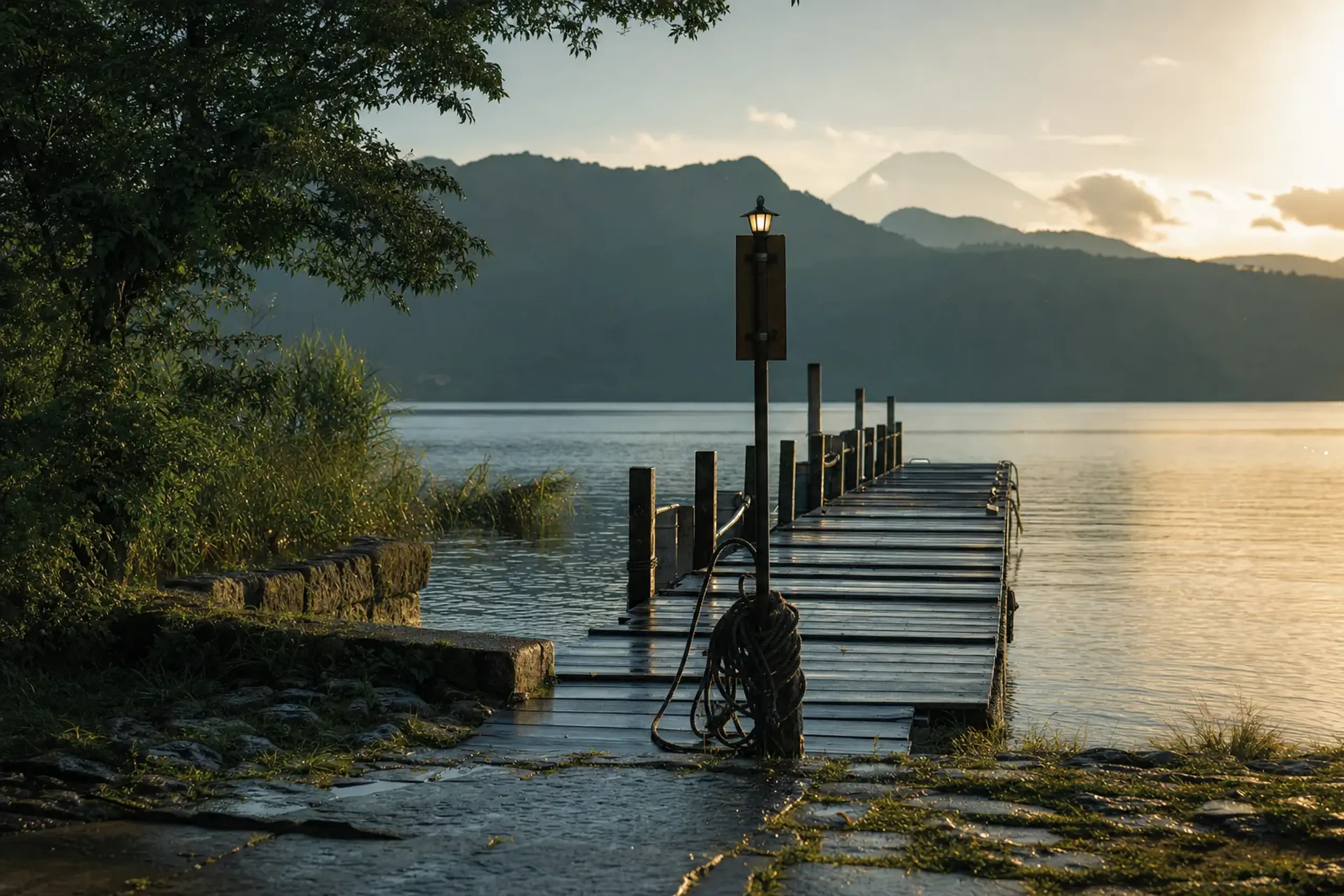
If you want the Peace Torii, plan time near Motohakone and keep expectations realistic about queues.
Step 3: Cross The Lake, Then Transition Upward. The psychological shift matters. Lake air is soft. The ropeway environment is exposed, and weather becomes a real factor.
Step 4: Ride The Hakone Ropeway Toward Ōwakudani. Keep a light layer in your day bag. The mountain can feel cooler than the coast, and summer rain is always a possibility.
Step 5: Spend A Tight Window At Ōwakudani. This is not a place to linger for hours if you are sensitive to gases or if conditions feel unstable. Choose one main action: viewpoint time, the Nature Trail (if operating and booked), or a quick tasting stop.
Step 6: Return Toward The Lake Or Continue The Loop. If ropeway service changes, accept it. Switch to your Plan B early, not late.
Let Us Shape Your Hakone Day
The difference between a pleasant Hakone outing and a seamless one lies in the quiet decisions made before you ever reach the pier—the pacing, the privacy, the contingency planning that stays invisible until the moment it saves your afternoon. That is the Japan that no search result can hand you, the one reached only through introduction and careful judgment.
When you are ready to design a summer loop built around what is genuinely running—lake, volcano, tea, and fireworks, held together with discretion—contact us here to begin a private conversation with our concierge team.