In this guide
- 01A Relationship, Not A Transaction
- 02Lead Times By Discipline (The Table You’ll Use)
- 03Introductions, And When They Are Needed
- 04What A First Order Really Buys
- 05Visits, Fittings, And Repeat Consultations
- 06Language: Where Precision Matters Most
- 07Export, Shipping, And What To Decide Before You Place An Order
- 08Tax-Free Shopping In Japan Is Changing (November 1, 2026)
- 09Where To Start In Tokyo And Kyoto (Verified, Public Places)
- 10Workshops Vs. Traditional Craft: A Clear View Of Kintsugi
- 11How To Plan A “Made In Japan” Trip Without Chasing A Checklist
- 12What Cannot Be Arranged (And Why You Should Want To Hear It)
- 13FAQ: Having Something Made In Japan
- 14Related Reading From Japan Royal Service (Craft And Connoisseurship)
- 15Why Choose Japan Royal Service
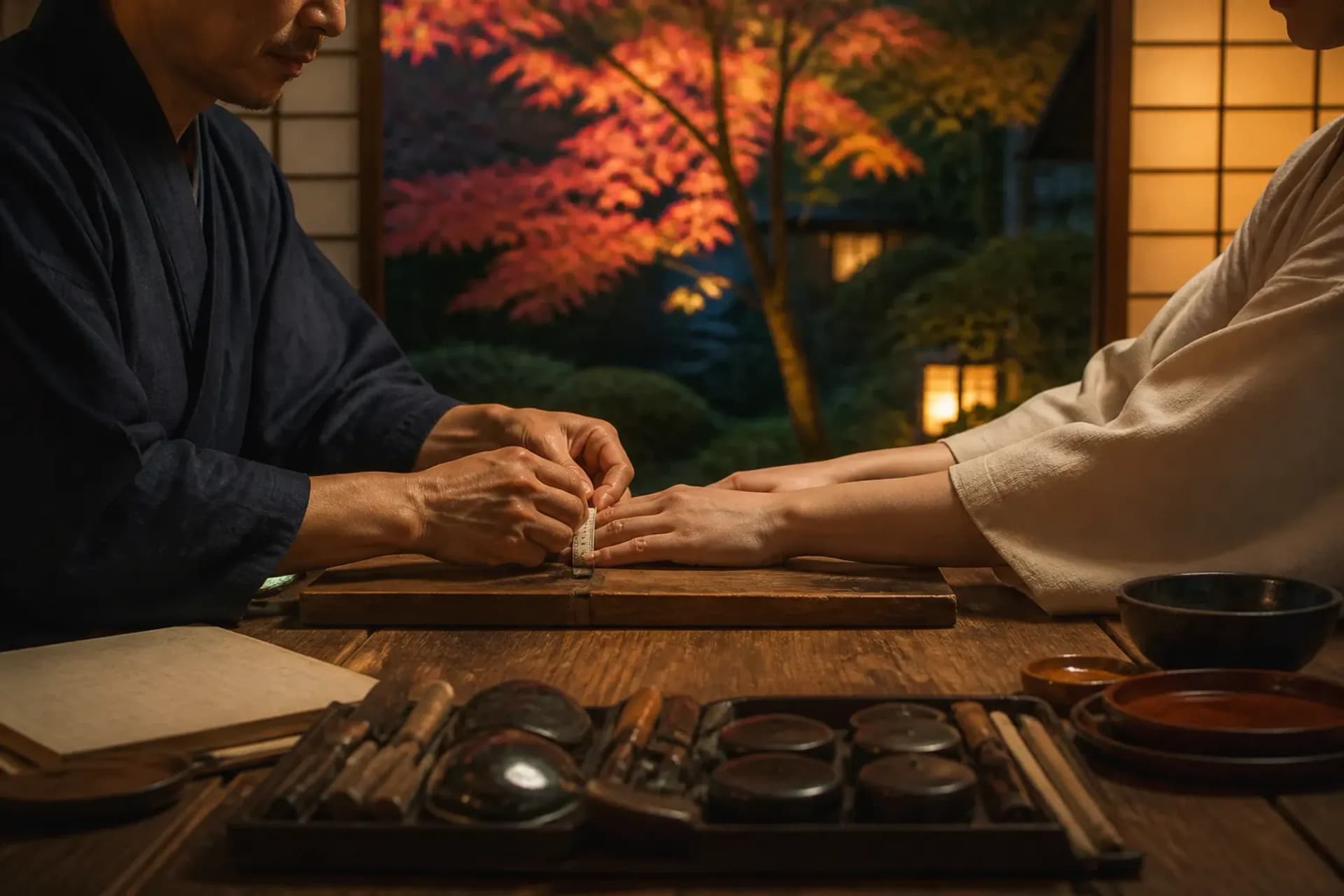
A quiet workshop. A careful measurement. A small pause before the maker answers.
When you decide to have something made in Japan, the “luxury” is rarely about sparkle. It is about time, restraint, and the maker’s standards. Fast is not the point. Respect is.
Our team at Japan Royal Service sees the same surprise again and again: clients arrive expecting a clean transaction, then discover a relationship with rules, rhythms, and long lead times. This guide sets expectations early, so your trip stays calm and the final piece feels right.
A Relationship, Not A Transaction
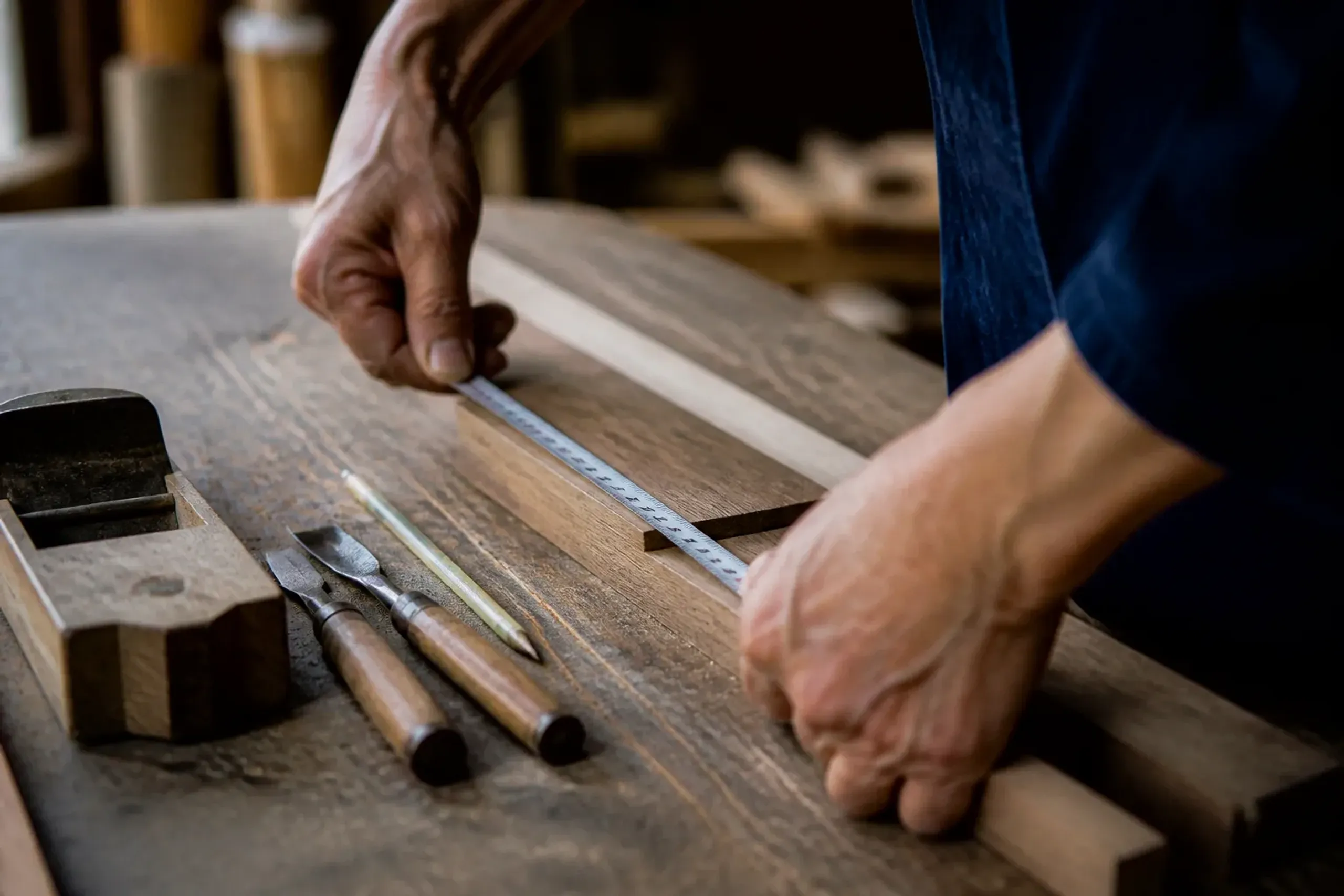
In Japan, shokunin culture is not performance. It’s a working ethic that protects the craft, the client, and the maker’s name. You are not only choosing a maker; the maker is also deciding whether the job fits their practice.
That can feel unfamiliar. Especially for HNW travelers used to speed. Still, once you accept the pace, everything gets easier: conversations become clearer, choices tighten, and you stop chasing shortcuts that never work.
One rule helps. Show up prepared, then stay flexible.
Lead Times By Discipline (The Table You’ll Use)
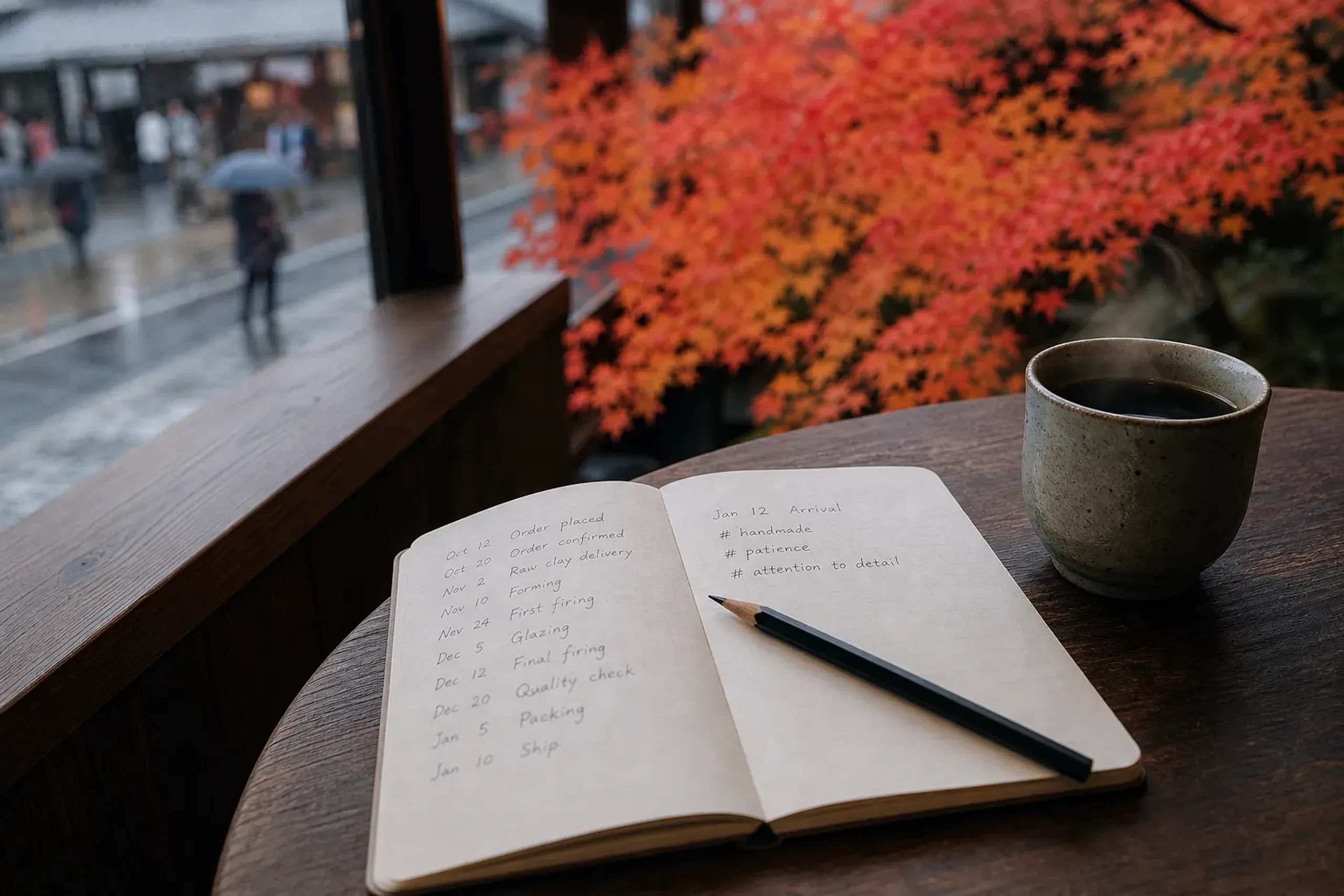
Lead time is the first reality check. Some objects can be made during a trip. Others require months and repeat visits, even before the final piece exists.
Use these ranges as planning truth, not as a promise. A maker’s queue, materials, and seasonal workload can shift the timeline quickly. Still, the table below is the most practical starting point we know.
| Discipline | Typical Lead Time Range | What Can Happen During One Trip |
|---|---|---|
| Watch strap / small leather accessory | Weeks | Material selection, sizing, initial order placement |
| Bag / briefcase | Months | Design discussion, leather choices, hardware decisions, measurements |
| Bespoke shoes | Roughly 1–2 years | Last creation, first fitting, later follow-up fittings on subsequent visits |
| Bonsai tree (long-term development) | Years to decades | Selection, care plan discussion, potential long-term custodial arrangements |
If you only remember one thing, remember this: many of the most meaningful pieces will not be completed while you are in Japan. That is normal. It is also part of the appeal.
Introductions, And When They Are Needed
Some makers accept new clients directly. They may have a public storefront, a clear ordering process, or a structured workshop schedule. In those cases, the relationship begins with a straightforward first contact.
Other makers work through introduction. Hidden Japan exists in craft as much as it does in dining: a studio may not be “secret,” but it may be protected by relationships, reputation, and limited capacity. Google visibility does not equal access.
Do not assume an introduction is always possible. It is not. In our experience, the most respectful approach is to ask early, share your intent plainly, and accept a “not now” as an honest answer.
Key fact: “Introduction-only” does not mean “expensive-only.” It often means “relationship-first,” and capacity is the real constraint.
What A First Order Really Buys
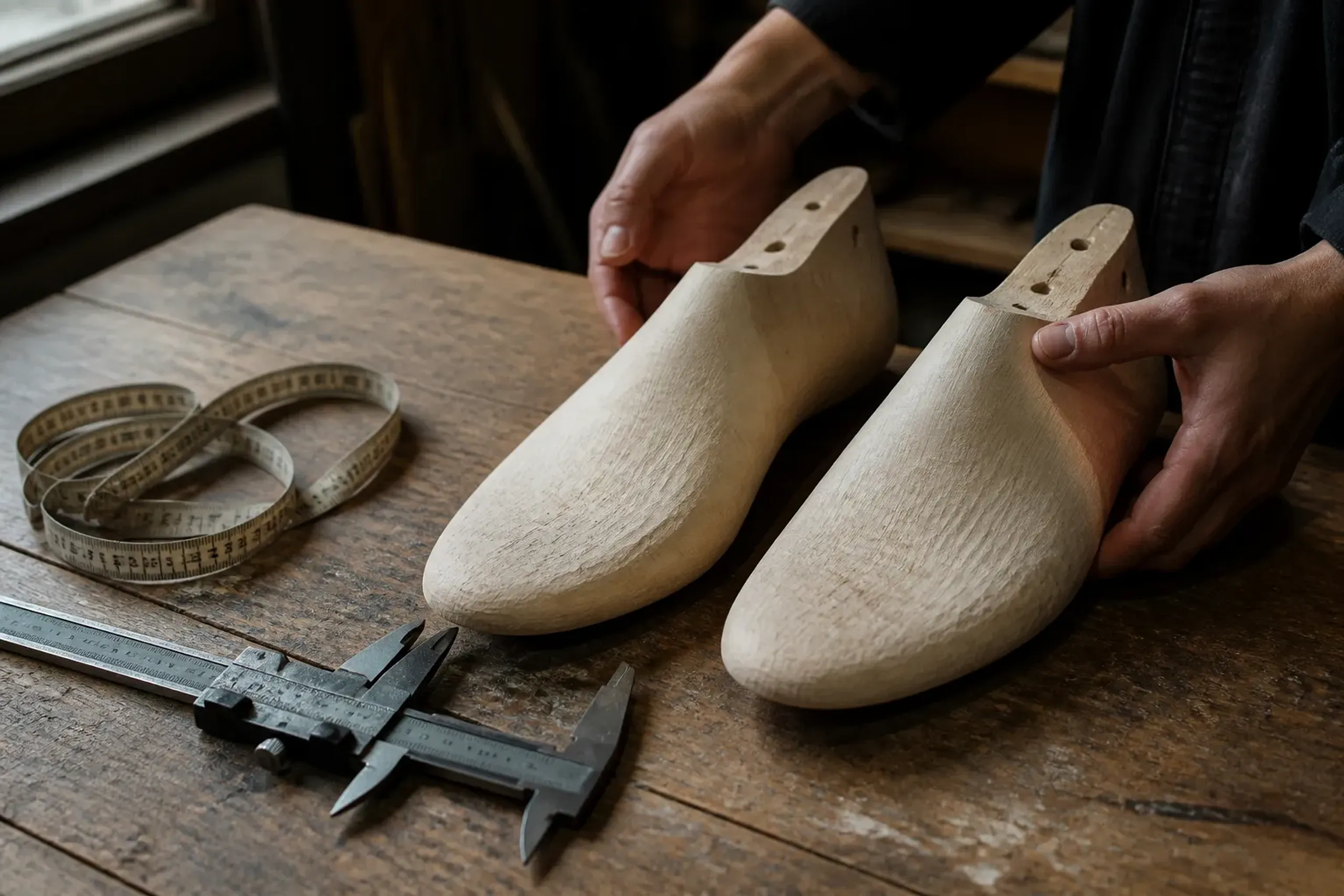
Many clients think the first order is about getting the object. Sometimes it is. Often, it is about something quieter.
It buys the maker’s understanding of you. How you stand. How you grip a pen. What “light” means in your hand. That knowledge can shorten the second order, because the maker now has a reference point and can make sharper decisions without guessing.
With bespoke shoes, for example, the early milestone is not the finished pair. It is the last. That wooden form becomes a record of your feet, and it can shape later pairs with less friction.
Visits, Fittings, And Repeat Consultations
Some disciplines need you present. Not once. More than once, with time between visits for the maker to test and adjust.
Plan for this upfront, especially if your travel to Japan is infrequent. A first trip might be only the initial consultation, measurement, or material selection, with a later trip for fitting and refinements. Trying to compress everything into a single week is a common mistake.
Disciplines That Commonly Require In-Person Steps
- Bespoke shoes: multiple fittings over a long timeline.
- Tailored garments: measurements and at least one fitting, depending on the maker’s method.
- Some fine craft objects: approval of prototypes, samples, or finishes.
When timing matters, our concierge team at Japan Royal Service prefers to map the craft steps onto a sensible itinerary pace. Short drives. No rushed zigzags. Calm mornings when your attention is sharp.
Language: Where Precision Matters Most
Fit, weight, balance, and finish are hard topics through interpretation. A single word can be too blunt. Or too polite. That gap matters when the choices are irreversible.
Some experiences are designed with English support, which can reduce risk. For example, THE FLAVOR DESIGN offers a “Made to Order / Creating scents” experience called Flavor Shake, described on its English page. In Kyoto, MY ONLY FRAGRANCE lists a Kyoto Kawaramachi shop and offers an order-made fragrance experience.
Other disciplines are not set up that way. If the maker works only in Japanese, the conversation can still be productive, but it needs patience, clear references, and sometimes more than one meeting.
Export, Shipping, And What To Decide Before You Place An Order
A piece can be lawful to own in Japan and still face restrictions when leaving the country. Materials matter. Object types matter. And timing matters, because the right approach is decided before the order is placed, not after you fall in love with the result.
Keep this practical and general: if your piece includes rare materials, animal products, or antique elements, confirm export and shipping feasibility early. Do not wait until pickup week. That is when bad news becomes expensive.
Our role at Japan Royal Service is to raise these questions early and keep the process calm, especially when multiple vendors, shipping addresses, or travel legs are involved.
Tax-Free Shopping In Japan Is Changing (November 1, 2026)
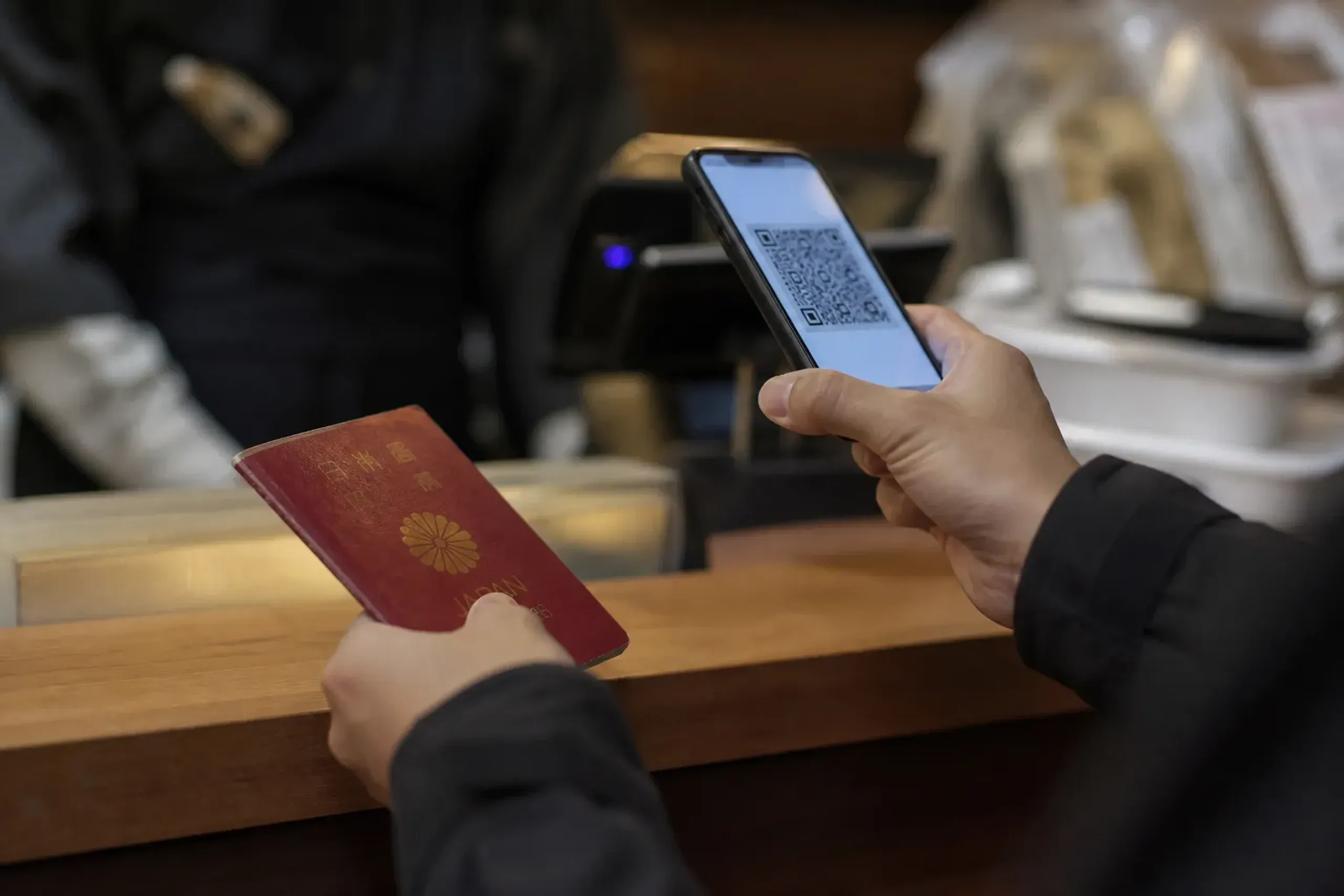
If you are having something made or buying high-value craft in Japan, the tax-free rules are not trivia. They change your airport plan and they change what “last day shopping” should look like.
Japan’s tax-free shopping system for inbound visitors will shift to a refund-based method for purchases made on or after November 1, 2026, with refunds processed after customs confirms the goods are taken out of Japan. This is stated by Japan’s tourism authorities and the National Tax Agency’s published documentation.
Eligibility is also specific. Japan Customs guidance notes that tax-free eligibility is limited to non-residents with statuses such as “Temporary Visitor,” “Diplomat,” or “Official.”
What This Means For Your Itinerary
- Build airport time: refunds depend on customs confirmation, so departure day needs breathing room.
- Keep documentation clean: stores may use Visit Japan Web’s 2D barcode to receive passport information, as described by GO TOKYO.
- Know the shipping rule change: JNTO notes that items shipped internationally are no longer eligible for tax exemption effective April 1, 2025.
If you want to read the official guidance directly, start with JNTO’s consumer-facing update on the tax-free changes, and Japan Customs’ English eligibility explanation. For deeper detail, the National Tax Agency’s English PDF is a useful reference.
Key fact: From November 1, 2026, plan tax-free shopping around departure logistics, not just purchase logistics.
Where To Start In Tokyo And Kyoto (Verified, Public Places)
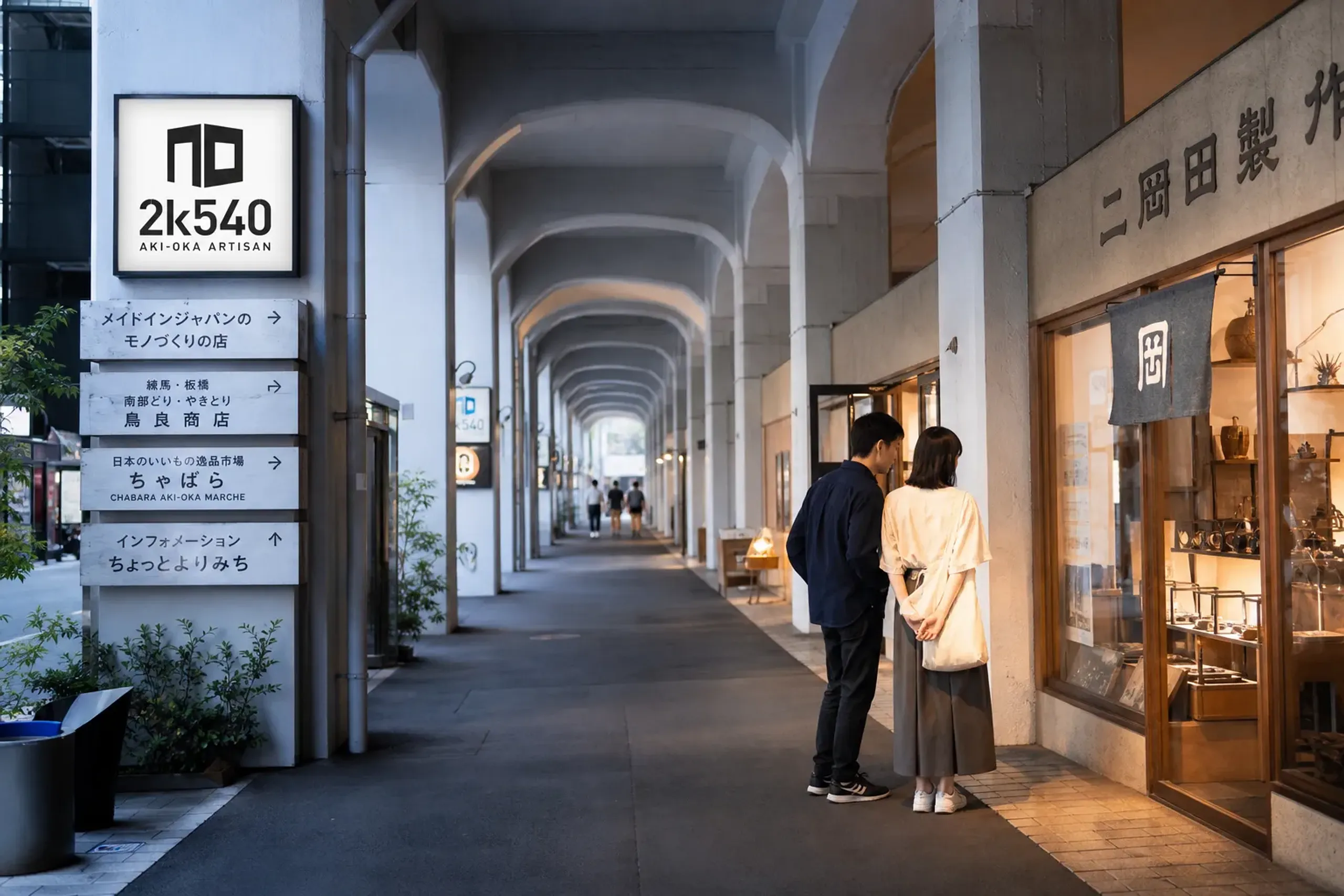
Not every “Made in Japan” item is actually made in Japan. That is not cynicism; it is a normal retail reality. Start in places where maker provenance is clearer, then narrow your focus.
Tokyo: 2k540 Aki-Oka Artisan
2k540 Aki-Oka Artisan is an arts and crafts shopping precinct under the railway tracks between Akihabara and Okachimachi. GO TOKYO describes it as having roughly 50 artisanal shops, studios, galleries, and cafes.
It is a useful first stop because you can compare materials and finishes quickly. Fast walk. Sharp eye. Then leave with notes, not bags.
Tokyo: Nippori Fabric Town
Nippori Fabric Town is a textile and fabric area in Arakawa-ku, Tokyo. The official site states more than 80 fabric-related shops are gathered in one area.
Even if you are not ordering clothing, visiting teaches you how Japan talks about textiles: weight, weave, hand feel. Those are the words you will need later.
Kyoto: Order-Made Fragrance Experiences
Kyoto has several reputable, public experiences that are built for “made to order” creation. MY ONLY FRAGRANCE is Kyoto-based and lists its Kyoto Kawaramachi shop on its official website. It is a contained, time-boxed way to enjoy the act of making without pretending you are becoming a perfumer in an hour.
For some travelers, that is the right starting point: a small object made with attention, completed in one visit.
Workshops Vs. Traditional Craft: A Clear View Of Kintsugi
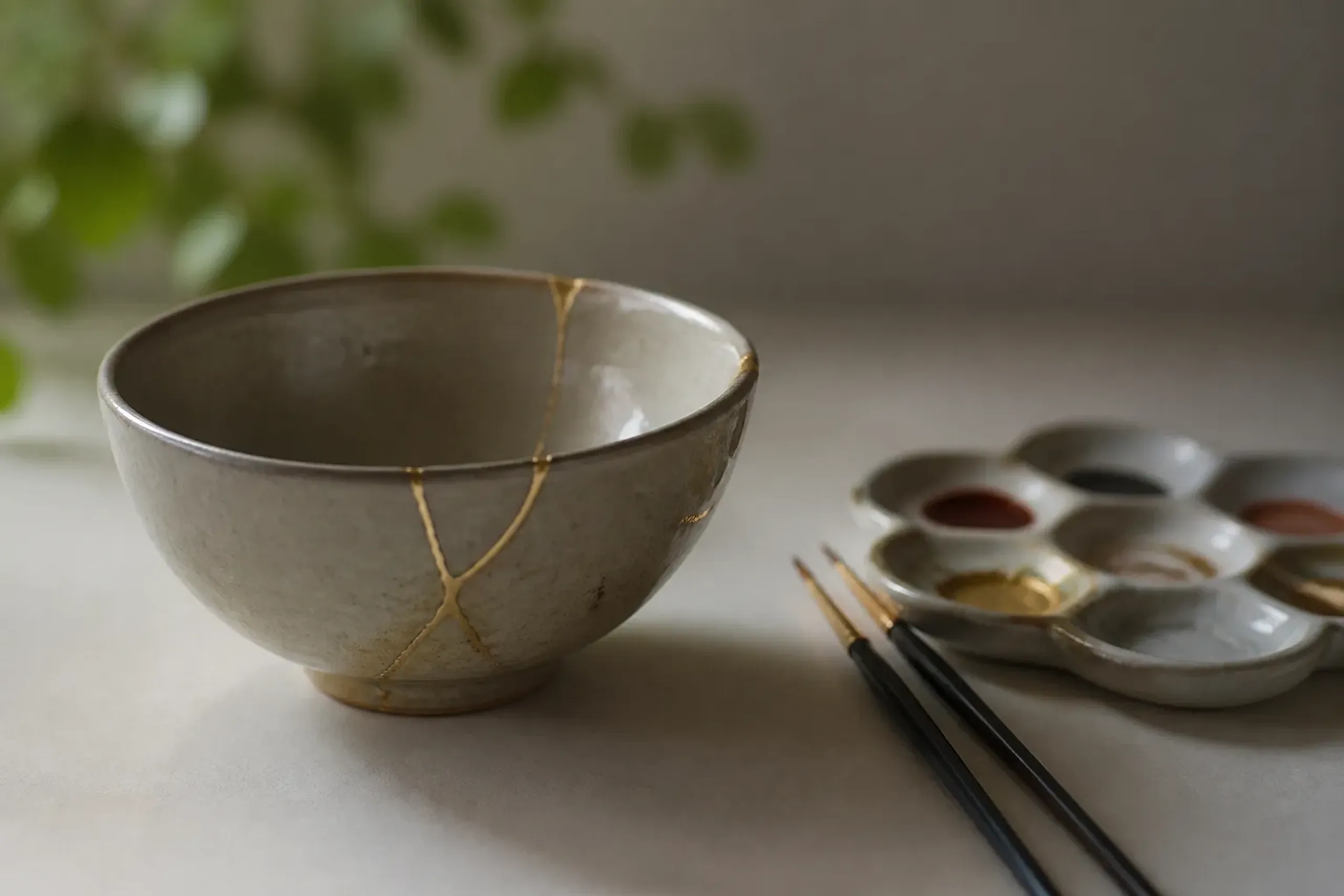
Kintsugi is often marketed as a single-session transformation. Sometimes it is. Sometimes it is an introduction to a much longer practice, especially when traditional materials are used.
One verified example of a structured, high-trust setting is The Peninsula Tokyo’s Peninsula Academy listing for a “Japanese Kintsugi Art Workshop,” led by a master artisan from KINTSUGIKURASHI, a Tokyo-based kintsugi school. That is helpful because the host describes what the session is, and who leads it.
Before you choose any kintsugi experience, ask what materials are used and what you will take home the same day. Also ask about sensitivities. Urushi lacquer can be an issue for some people, and you should not discover that mid-session.
How To Plan A “Made In Japan” Trip Without Chasing A Checklist
A craft-forward itinerary works best when it is quiet. Too many stops turns every conversation into a speed date. The maker notices. You feel it.
In our experience, a strong rhythm is: one serious craft conversation per day, paired with unhurried meals and short transfers. That pacing is also where wabi-sabi shows up naturally—restraint, empty space, and attention rather than constant novelty.
Option A: One City, One Maker Focus
This is the cleanest plan for first-timers. Choose Tokyo or Kyoto, then build around one discipline you care about.
- Day 1: orientation shopping (materials, reference examples)
- Day 2: maker meeting or workshop
- Day 3: follow-up consultation, then museums or architecture
Option B: Tokyo + Kyoto With A Buffer Day
This suits repeat visitors who already know what they want. Add a buffer day to absorb delays, rethink a choice, or revisit a shop without panic.
- Tokyo: sourcing, comparison, first discussions
- Travel day: keep it light
- Kyoto: a second discipline, or one deeper conversation
Option C: A Long-Term Relationship Plan (Two Trips)
This is the right answer for objects that require fittings and revision over time, such as bespoke shoes.
- Trip 1: measurements, first fitting, design lock
- Trip 2: refinement fitting, final approvals, pickup or delivery planning
What Cannot Be Arranged (And Why You Should Want To Hear It)
Some makers are closed to new work. Some books are simply full. Some disciplines cannot be meaningfully accelerated without harming the result.
That boundary is not a failure. It is the reason the craft remains worth seeking. The fastest way to lose credibility in Japan is to act as if every door opens on demand.
We prefer clarity over promises. Always.
FAQ: Having Something Made In Japan
How far ahead should I start if I want something made in Japan? Start as early as you can. Weeks may work for small leather pieces; months for bags; roughly one to two years for bespoke shoes. Bonsai development can span years or decades.
Can I finish the piece during a single trip? Sometimes. Many “made to order” experiences (like scent creation) are designed for same-day completion. For higher craft or fitted items, expect the trip to begin the relationship, not finish it.
Do I always need an introduction? No. Some makers accept new clients directly. Others work through introduction and long-standing relationships. Capacity is often the limiting factor.
What should I bring to the first meeting? Reference images, a clear use case, and honest constraints (time, allergies, travel schedule). Less talking helps. So does listening.
What about tax-free shopping if I buy craft items in 2026? Plan carefully. Japan’s tax-free shopping system shifts to a refund-based method for purchases made on or after November 1, 2026. Build extra time at departure for customs confirmation and refund steps.
Can items be shipped home and still be tax-free? JNTO notes that items shipped internationally are no longer eligible for tax exemption effective April 1, 2025. If shipping is needed, plan it as a separate decision from tax-free expectations.
How do I avoid tourist-grade workshops that don’t match my expectations? Ask direct questions: materials used, what finishes the same day, who teaches, and what level the class is designed for. A reputable host should answer plainly.
Related Reading From Japan Royal Service (Craft And Connoisseurship)
This hub is meant to point outward. If you want depth in one discipline, start with these pieces from Japan Royal Service:
- The Conservation Of Steel: How A Japanese Sword Is Restored (restoration mindset, timelines, and care)
- Ten Minutes For A Cup: Inside Japan's Kissaten (quiet craft in daily life)
- One Stroke, No Revision: Avant-Garde Calligraphy Masterclass In Tokyo With Japan Royal Service (a single discipline, treated seriously)
If you have already read our craft pieces, link back to this hub from each one. The cluster works best when readers can move both directions.
Why Choose Japan Royal Service
Discretion comes first. Our team at Japan Royal Service treats your identity, itinerary, and purchases as zero-leak information, and we keep conversations tightly held even when multiple parties are involved.
We also understand how shokunin relationships work in practice. When relationships exist, we can facilitate introductions; we can handle ordering conversations in Japanese; we can shape timing around your travel; and we can support shipping and documentation logistics once the specific object is defined. Quietly. Precisely.
And we do not oversell access. That restraint is what makes the rest credible.
For private coordination, reach our team at Japan Royal Service privately via WhatsApp or LINE, or contact us here.