In this guide
- 01The Festival At A Glance: What Happens Over Three Days
- 02When Is The Hiroshima Flower Festival Held Each Year?
- 03Day One: The Flower General Parade On Peace Boulevard
- 04Day Two: Stages, Plazas, And The Slow Joy Of Wandering
- 05Day Three: The Performance Parade And The Fire Finale
- 06The Setting Matters: Peace Boulevard, Peace Memorial Park, And A Practical Museum Note
- 07How Do You Get To Peace Boulevard From JR Hiroshima Station During The Festival?
- 08What Is The Best Way To Plan Hiroshima Flower Festival As A Three-Day Visit?
- 09Food, Crowds, And Comfort: Small Choices That Change The Day
- 10Golden Week Realities: Hotels, Weather, And What To Confirm
- 11How Our Concierge Team Plans A Calm, Respectful Festival Visit
The morning air on Peace Boulevard feels wide enough to breathe. Then the first drums arrive. You hear them before you see them—a rolling sound that turns heads along the service road, where food booths are still waking up and volunteers are laying down the last pieces of signage.
This is Hiroshima’s Flower Festival: three public days when the city gathers on Heiwa Odori and in Hiroshima Peace Memorial Park. It is free. It is crowded. It can also be surprisingly moving, because the laughter and the music sit beside a place the world comes to remember.
Our team at Japan Royal Service plans these days for travelers who want the festival as it really is—busy, bright, sometimes rainy—and still want a calm spine to the experience: clear timing, thoughtful walking routes, and an interpreter guide who adds context without ever taking over. There is a quiet restraint in doing this well, the kind of wabi-sabi sensibility that values space and silence as much as spectacle.
The Festival At A Glance: What Happens Over Three Days
Hiroshima’s Flower Festival usually runs for three days during Golden Week, with its main venues on Peace Boulevard (Heiwa Odori) and in Hiroshima Peace Memorial Park.
The overall shape stays familiar even when the details shift year to year. Day one centers on the Flower General Parade. Day two leans into stages and plaza programming, with a gentler, more roaming pace. Day three brings the Performance Parade and the closing event the festival calls the Fire Finale.
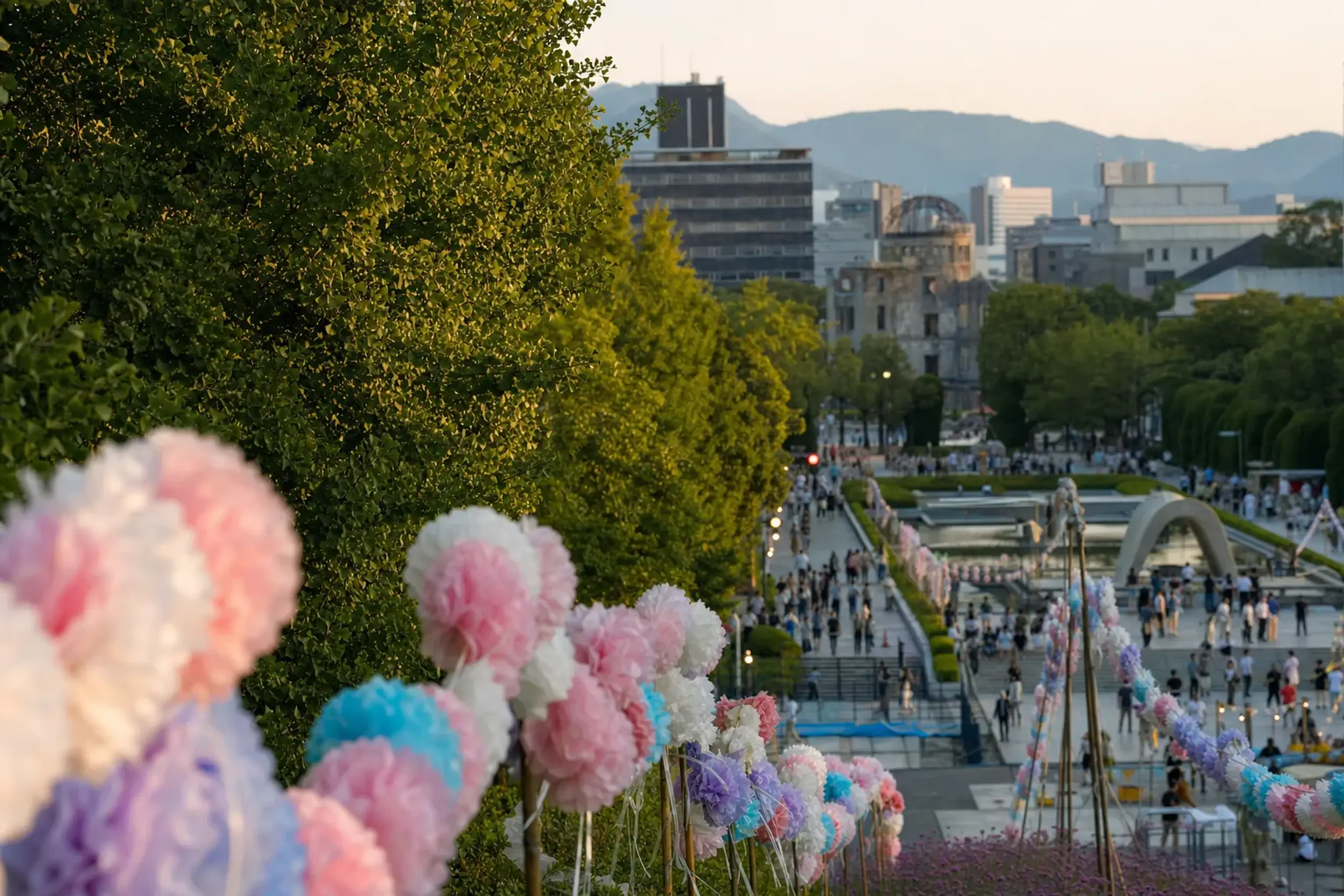
Across all three days, you will find multiple stages and plazas, a tourism and products fair, and a flea market. Expect the service roads beside the boulevard to be lined with booths—121 were listed in 2026, while a typical year is described by the organizer as having around 130.
One detail helps you picture the setting. Peace Boulevard is about 100 meters wide and roughly 4 kilometers long, and the parade route itself runs about 1.2 kilometers from Tanaka-cho to the front of Peace Memorial Park.
When Is The Hiroshima Flower Festival Held Each Year?
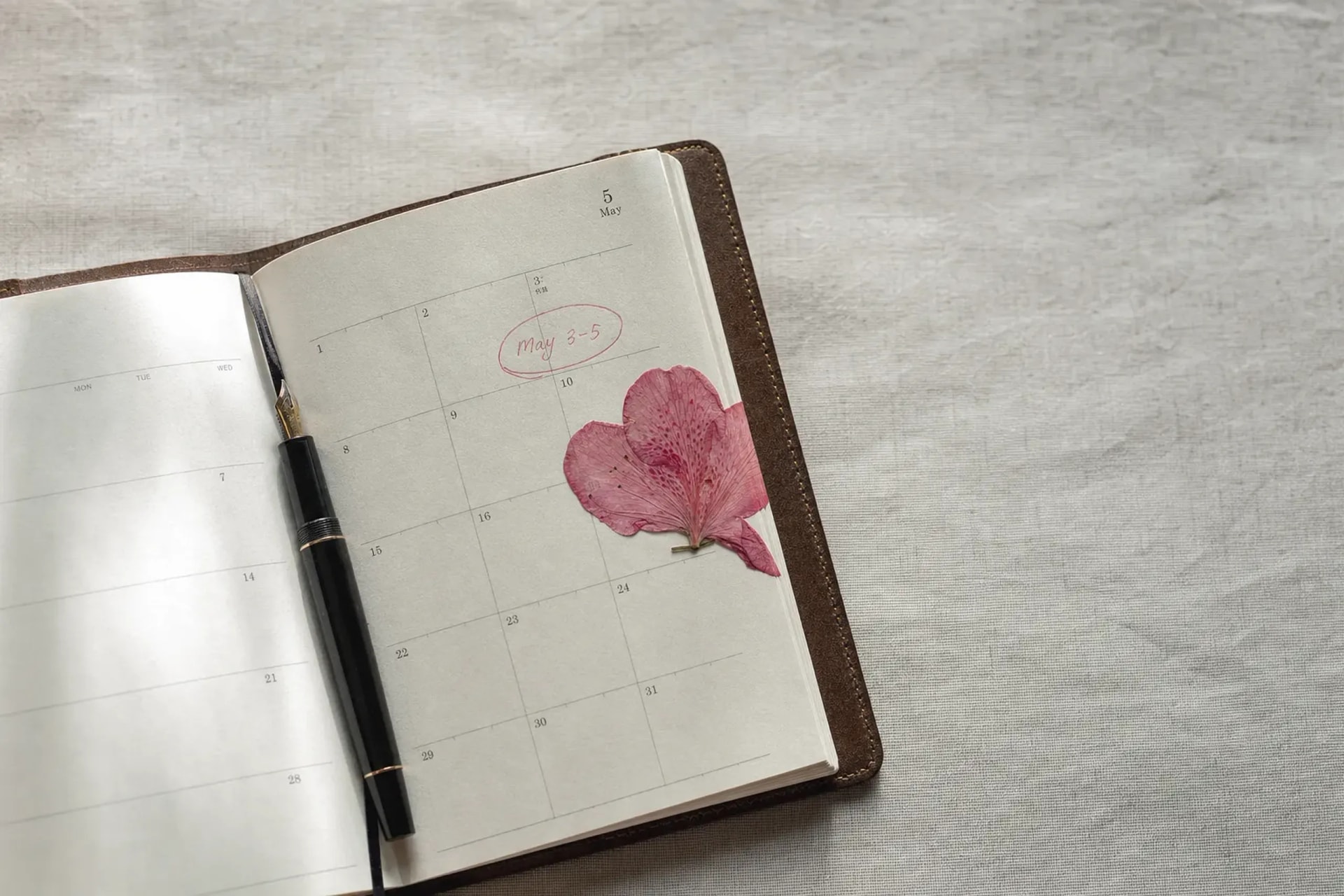
The festival is usually held on May 3, 4, and 5, but dates can change and should always be confirmed on the official festival site before you plan.
Most years follow the early-May pattern. Still, there have been exceptions: it was canceled in 2020, reduced in 2021 and 2022, and moved to June 10–11 in 2023. Recent editions have returned to May 3–5, including 2024, 2025, and the 2026 example program many travelers reference.
If you are planning far ahead, treat “May 3–5” as a working assumption, not a guarantee. The single biggest mistake is locking in hotels and trains before checking the organizer’s announcement. Our concierge team verifies the dates and the year’s program against the executive committee’s published information and the city’s guidance, then builds your daily pacing around what is actually scheduled.
Day One: The Flower General Parade On Peace Boulevard
Day one is the anchor, because the Flower General Parade is the moment the whole boulevard starts moving.
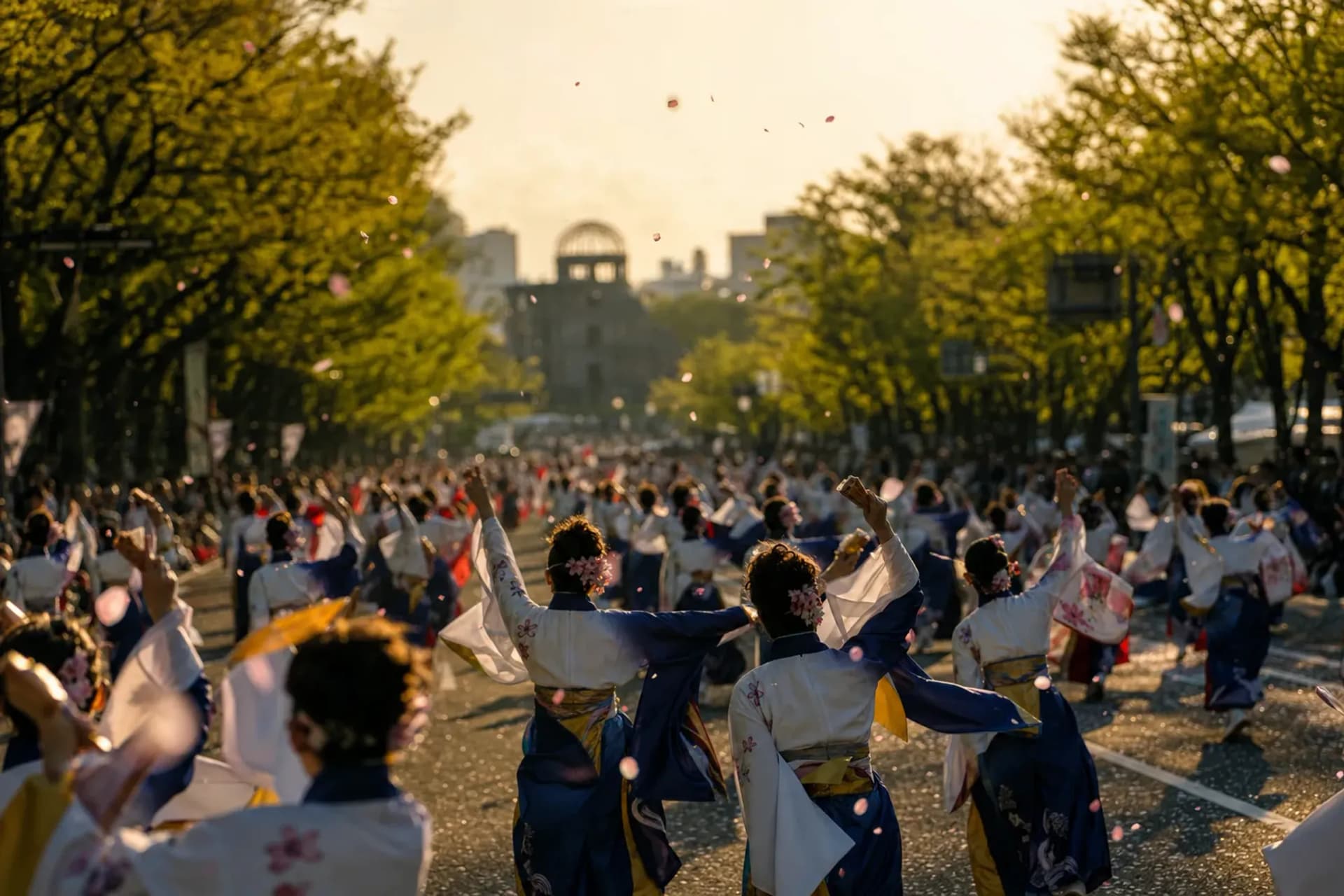
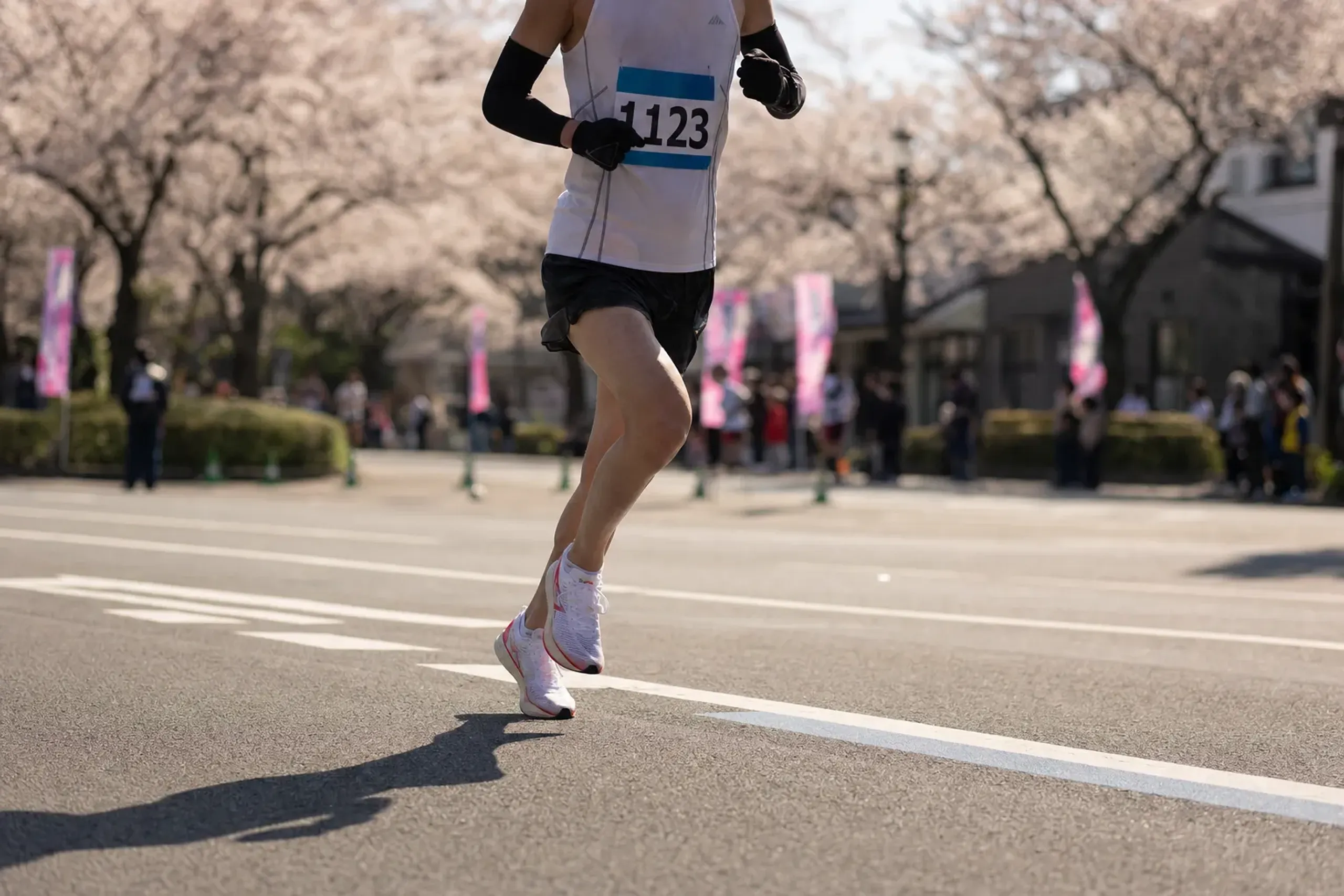
The parade runs along Peace Boulevard and draws large roadside crowds. In 2026, official results reported 73 groups and 5,479 participants in the parade, and local reporting noted a rainy opening day that still brought heavy foot traffic. You feel that density most near the front of Peace Memorial Park, where the route finishes and people stop to take photos.
Plan your day like a tide chart. Arrive early enough to choose where you want to stand, then keep your expectations simple: you are watching from public sidewalks and open areas. No paid or reserved seating was found in official organizer, city, or prefecture materials, so the best view is earned by timing, patience, and a willingness to shift a few meters when a gap appears.
We like to build the morning around a single objective: catch the parade, then step away. Even a 20-minute reset—water, a quieter block, a bench inside the park—changes your stamina for the afternoon stages.
Day Two: Stages, Plazas, And The Slow Joy Of Wandering
Day two is the day you can roam, because the emphasis spreads across stages, plazas, and boulevard-side programming.
In the 2026 example program, day two listed street athletics, stage events, and a kagura festival. Your experience will depend on what you choose to linger with.
Some areas feel like a neighborhood fair, while a few steps away the sound system is at full volume and the crowd thickens.
If you are traveling as a couple, build in a midpoint escape. If you are traveling with family, do it twice. A three-day Golden Week festival rewards people who keep their energy in reserve, especially if the weather is humid or the ground is damp from passing showers.
Official listings for 2026 showed Peace Boulevard programming running 11:00 to 18:30, with park illumination planned until 21:00 on May 3 and 4. That evening window is quietly valuable: you can separate “festival crowds” from “park atmosphere” by simply waiting for the sound to fade and the lighting to take over.
Day Three: The Performance Parade And The Fire Finale
Day three culminates with the Performance Parade and the festival’s closing event, the Fire Finale.
The Performance Parade is described by the organizer as the successor to an earlier Yosakoi parade format, and it uses eight 70-meter, 360-degree stages set along the boulevard. That staging changes how you watch. Instead of a single flow passing by, you move between performance zones, listening for the next swell of music and reading the crowd’s body language to find space.
Stay flexible. One block can feel impossible, while the next has room to breathe. We often suggest a simple loop: watch, step away for a drink, return when the crowd has turned over.
The closing is named the Fire Finale by the festival itself.
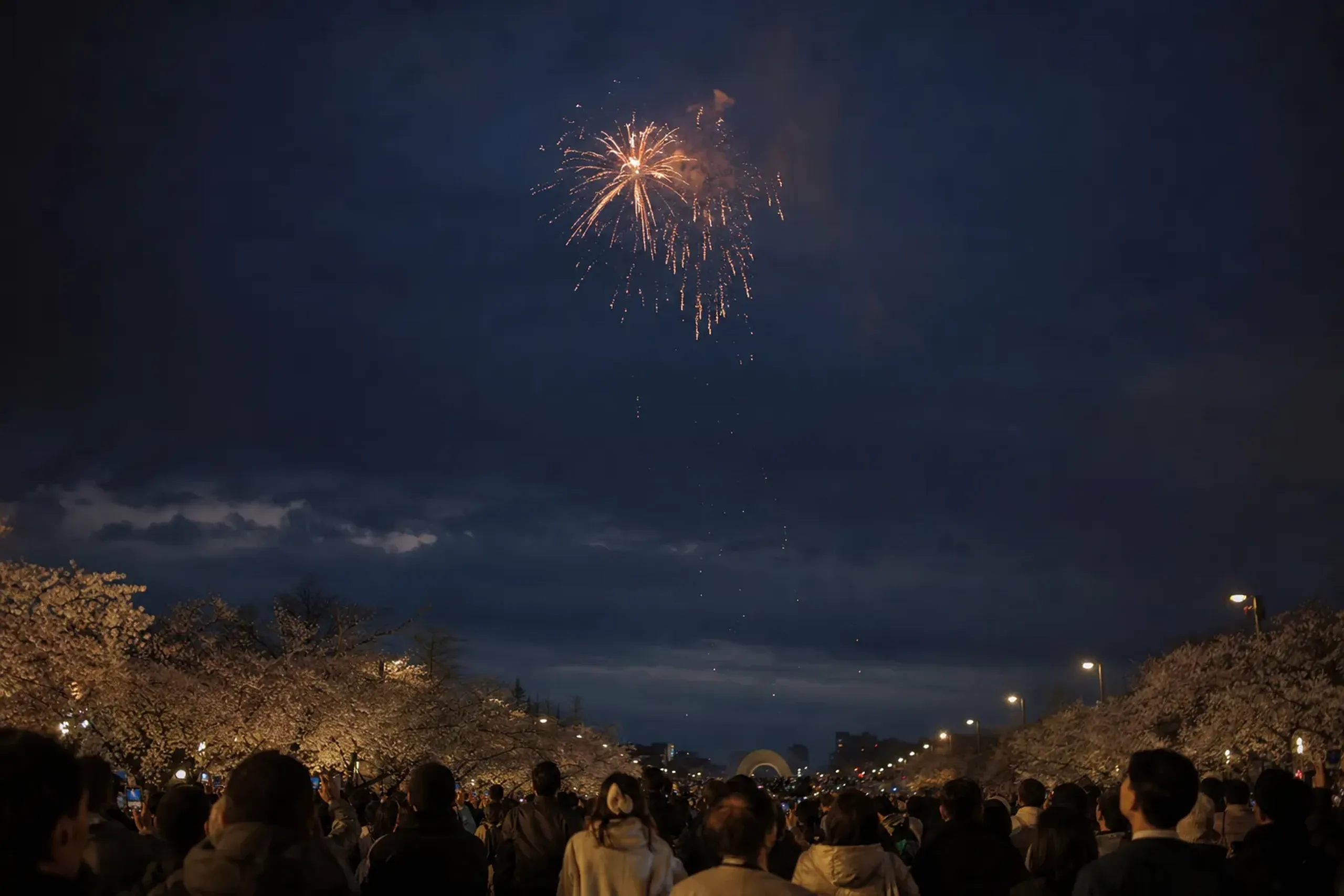
Keep your plan respectful and light-footed here, because the tone of the neighborhood can shift quickly as people head for stations, taxis, and buses all at once.
The Setting Matters: Peace Boulevard, Peace Memorial Park, And A Practical Museum Note
Peace Boulevard is not just a convenient straight line. It runs directly into the spaces people associate with Hiroshima’s postwar story, and that changes the emotional temperature of your visit.
In the park, you may find yourself walking from cheerful stage sound toward quiet lawns and memorial areas where voices drop without anyone being told. That contrast is part of the festival’s identity. It is a public celebration in a city that asks visitors to remember, too.
If you also want to visit the Hiroshima Peace Memorial Museum, plan it with care. The museum’s official hours are 7:30 to 19:00 from March to July, and the early slot and evening visits (17:30 to 18:30) require advance online reservation for the permanent exhibition. During Golden Week, those reserved slots can matter as much as your parade plan.
One more scale detail helps: in 2026, the festival reported a Flower Tower about 8 meters high using roughly 8,000 pots. It’s a vivid symbol, but it is also a navigation beacon. When the crowds thicken, orienting yourself by obvious landmarks keeps you from wandering in circles.
How Do You Get To Peace Boulevard From JR Hiroshima Station During The Festival?
From JR Hiroshima Station, a local bus to Peace Memorial Park takes about 15 minutes, while the streetcar takes about 25 minutes in total.
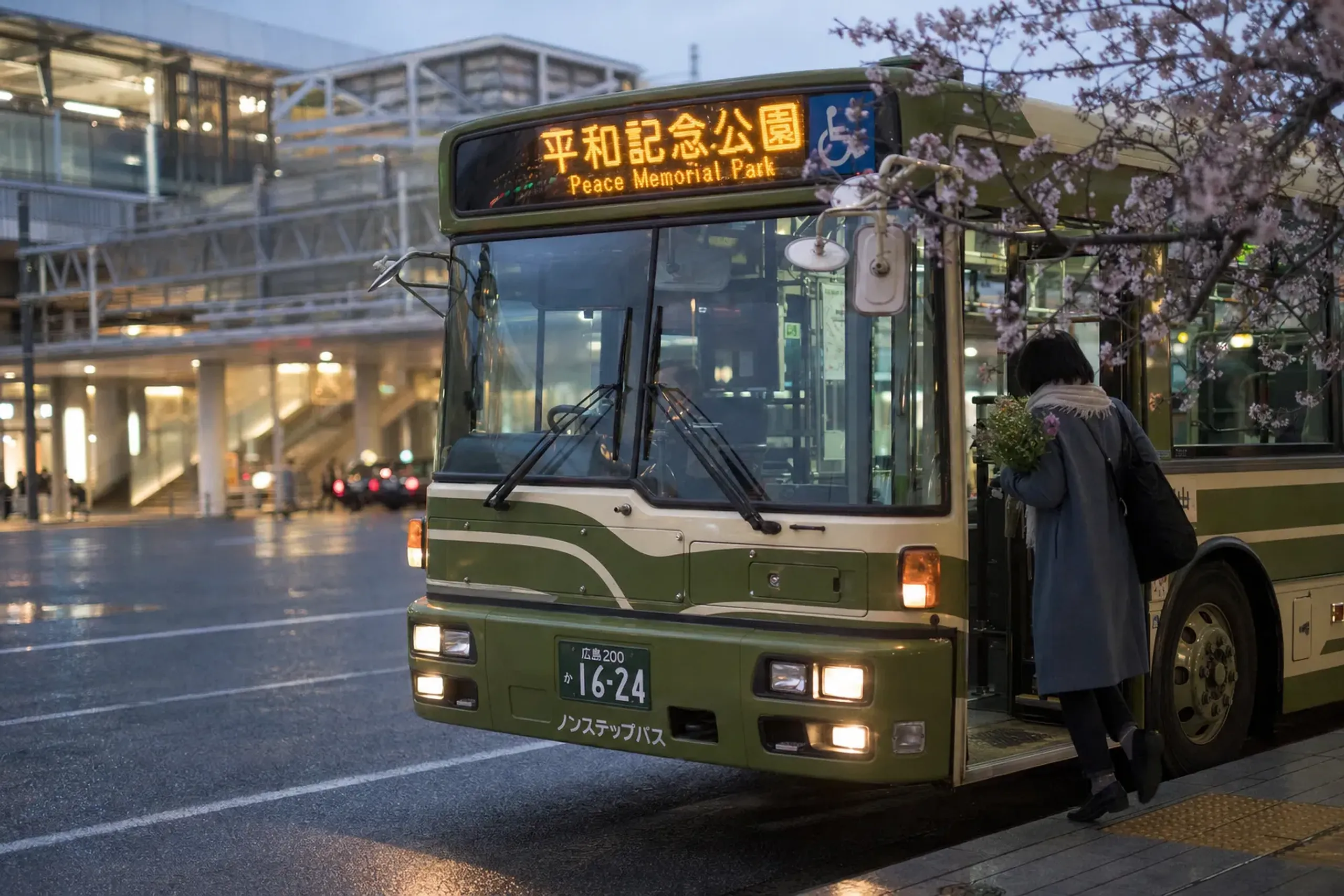
Those times are useful, but Golden Week crowds add friction: lines, full cars, and the simple fact that you may not board the first vehicle that arrives. Traffic restrictions also apply during the festival, and the city publishes maps each year; we avoid guessing closure points in advance because they change and are announced as images.
If you want the least mental load, plan your arrival window rather than a single departure time. Give yourself slack. Ten minutes of buffer can save the whole afternoon when weather turns or a platform is packed.
For travelers who prefer a door-to-edge approach, we often recommend private transportation to reach the perimeter of the traffic-controlled area, then walking the final stretch on foot with your guide. It keeps the last mile predictable without pretending cars can penetrate festival streets.
What Is The Best Way To Plan Hiroshima Flower Festival As A Three-Day Visit?
The best plan is to treat day one’s Flower General Parade as the center, then schedule day two for wandering and day three for the Performance Parade and Fire Finale, with daily breaks away from the boulevard.
Our team at Japan Royal Service builds three days around a simple rule: one “must-see” per day, and everything else optional. You will still see plenty.
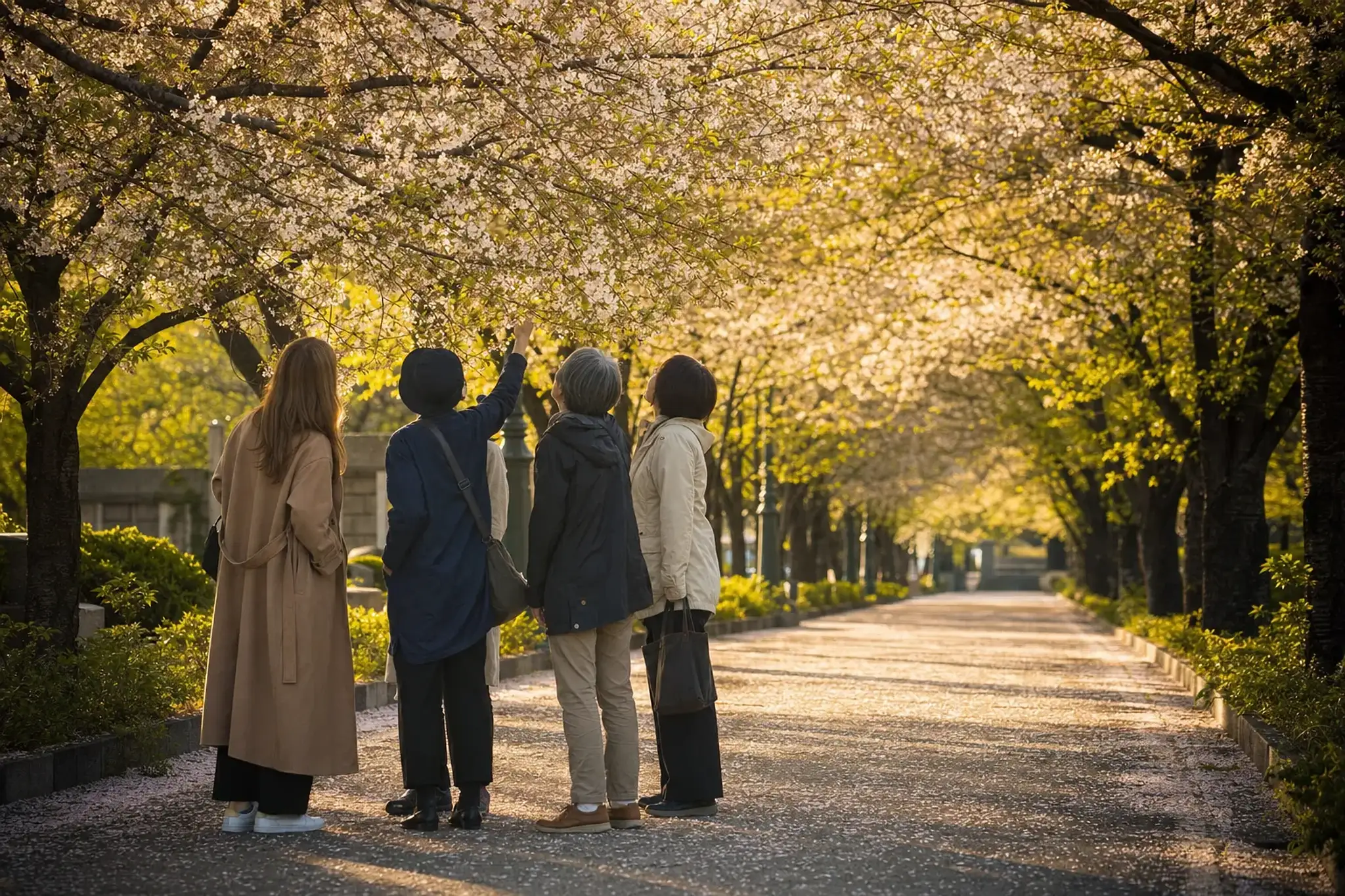
You just won’t feel chased by it. This is the heart of a tailor-made itinerary—shaped to your pace, not the crowd’s.
Here is a practical rhythm that works well for couples, friends, and multigenerational families:
- Day 1 (Parade day): Arrive early, choose a standing area along Peace Boulevard, watch the parade, then step into Peace Memorial Park for a quieter reset before exploring booths later.
- Day 2 (Stages day): Pick two stage blocks you care about, avoid over-committing, and use the evening illumination window (when offered) for a calmer walk in the park.
- Day 3 (Finale day): Focus on the Performance Parade staging zones, keep your movement short and intentional, and leave extra time for your departure after the Fire Finale crowd surge.
Clothing is not a style question here. It is logistics. Hiroshima’s May normals (1991–2020) show a mean of 19.6°C, with an average high of 24.4°C, a low of 15.1°C, and rainfall around 169.8 mm, so bring a light layer and rain protection that keeps your hands free.
Food, Crowds, And Comfort: Small Choices That Change The Day
The festival’s booth area is part of the fun, but it can also be where fatigue hits fastest.
Go early for snacks, not late when you are already tired. Keep cash and a small towel on hand. And don’t stake your mood on one particular item being available.
If you want a Hiroshima classic while you are in the city, Hiroshima-style okonomiyaki is the layered style, not the mixed one.
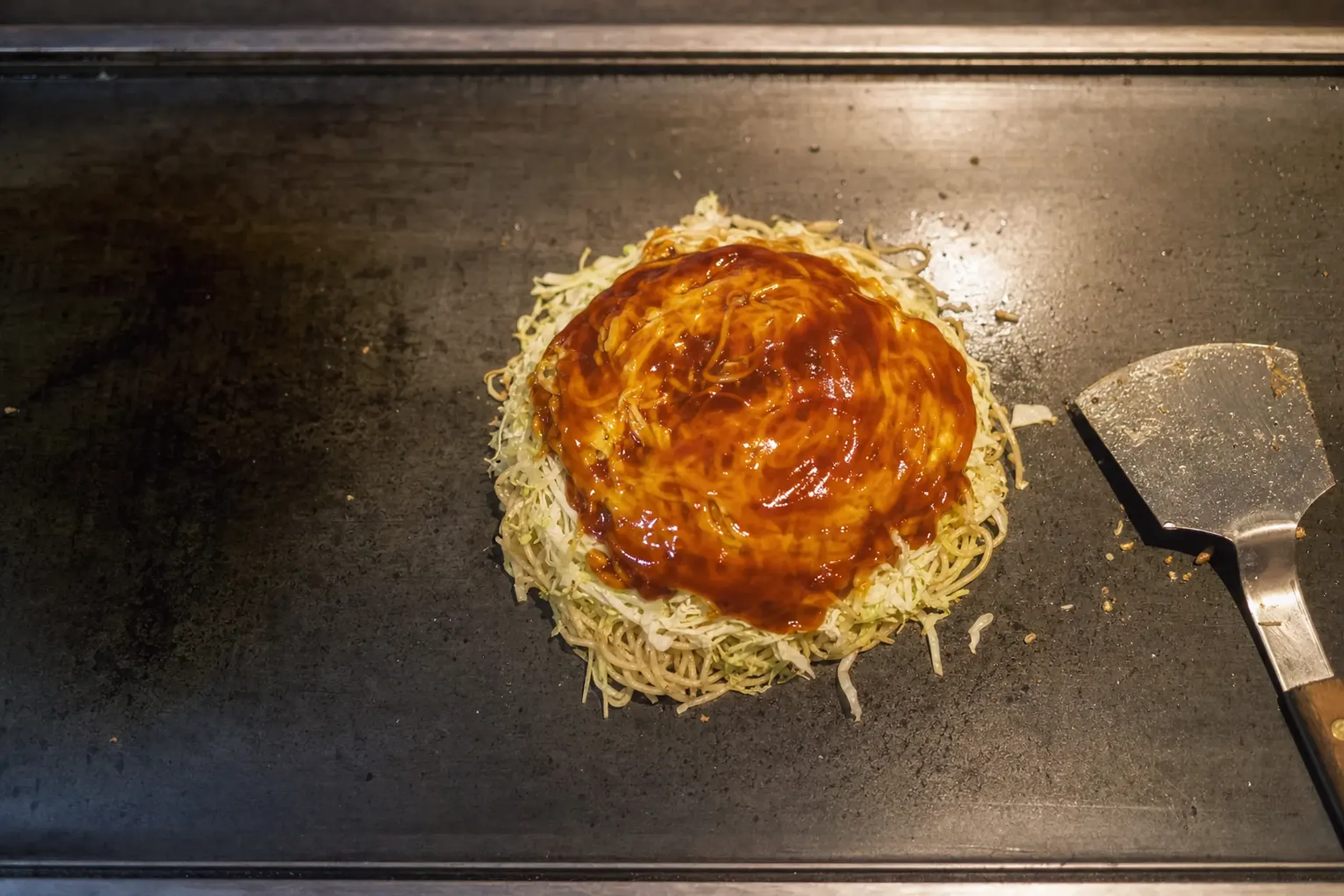
It’s a satisfying counterbalance to festival grazing. On the other hand, avoid building expectations around oysters in May; oysters are an autumn-to-winter product, and you may not see them featured in early May. This sense of shun—knowing what belongs to which month—quietly shapes what we recommend, and it is often the difference between a good meal and a memorable one.
For many HNW travelers, comfort is not about avoiding crowds at all costs. It is about knowing exactly when to enter them. Our concierge often plans a timed restaurant meal or a hotel reset between peak periods, so you return to the boulevard with your patience intact. Where the city allows, we can also arrange a private table at an establishment that rarely opens to walk-in guests—the kind of quiet introduction that turns a public festival into something more personal.
Golden Week Realities: Hotels, Weather, And What To Confirm
Golden Week compresses Japan’s travel demand into a few days, and Hiroshima feels it keenly.
Book your central Hiroshima hotel early. Not glamorous advice. Still true. The festival is free, but accommodation is the limiting factor for many visitors, especially if you want to stay close enough to walk back at night.
Weather is the second variable. The 2026 opening day was rainy, and the festival carried on with crowds undeterred. A compact umbrella can be awkward on dense sidewalks, so a rain jacket is often the more considerate choice.
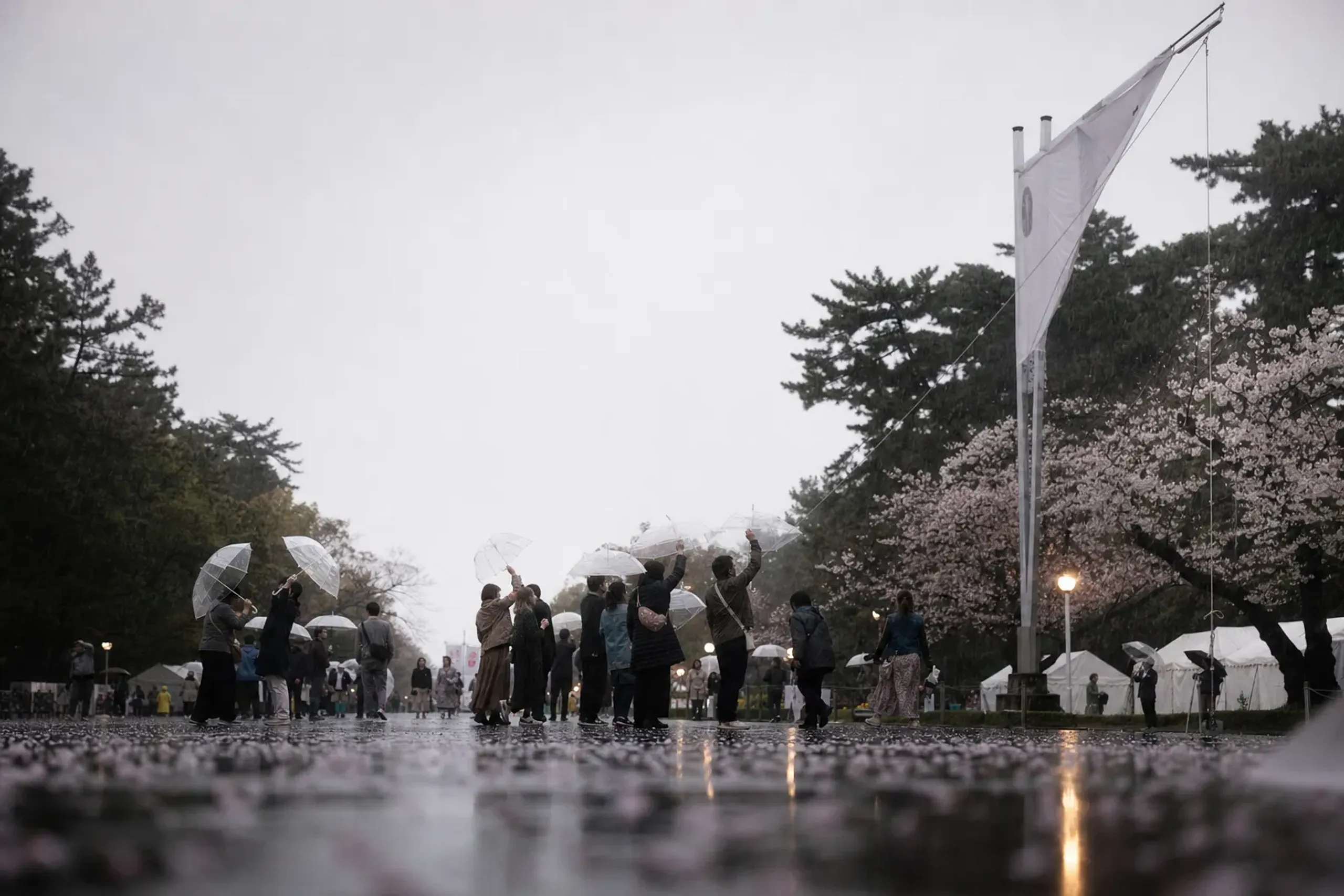
Key fact: No paid or reserved seating was found in organizer, city, or prefecture materials. Plan by timing and location, not by tickets.
Before you arrive, confirm four things on official updates: the dates, major program elements, traffic restrictions, and any crowd measures. Our concierge team checks those points on a client’s behalf, then adjusts meeting times and walking routes to match what the city is actually doing that year—always with full discretion over your identity and your itinerary.
How Our Concierge Team Plans A Calm, Respectful Festival Visit
We approach this festival with a particular kind of restraint—not wabi-sabi as a buzzword, but the practical version of it: fewer promises, sharper planning, and room for the day to breathe.
First, we place you with an English-speaking cultural interpreter guide who can explain what you are seeing without turning it into a lecture. It matters here. The festival’s joy makes more sense when you understand the memorial grounds it unfolds beside. Beyond the public days, we can quietly open doors that Google cannot find—an introduction to a ryokan kept off the booking sites, a private moment with a local artisan, a table in a room most visitors never see.
If Hiroshima’s Flower Festival is calling you for a future Golden Week, let us shape the three days around your pace, your privacy, and the moments you will actually remember. contact us here to begin a quiet conversation about your visit.