In this guide
- 01Conservation, Not Forging: The Central Distinction
- 02The Physical Sequence: Stone, Water, And Pressure
- 03Time And The Rarity Of The Craft
- 04What A Visitor Actually Sees In An Atelier
- 05Museum Context: Where To Observe Sword Culture
- 06Etiquette And Conduct In A Shokunin Atelier
- 07Why Choose Japan Royal Service
Most travelers assume sword polishing is a matter of sharpening. They picture a martial act designed to restore a weapon’s edge for use. This is a fundamental misunderstanding. The restoration of a Japanese sword is an exacting act of conservation, far closer to the restoration of a Renaissance painting than to standard metalwork. At Japan Royal Service, our concierge team frequently addresses this misconception when clients request atelier access. A master polisher does not add anything to the steel. They merely reveal what is already there.
Conservation, Not Forging: The Central Distinction
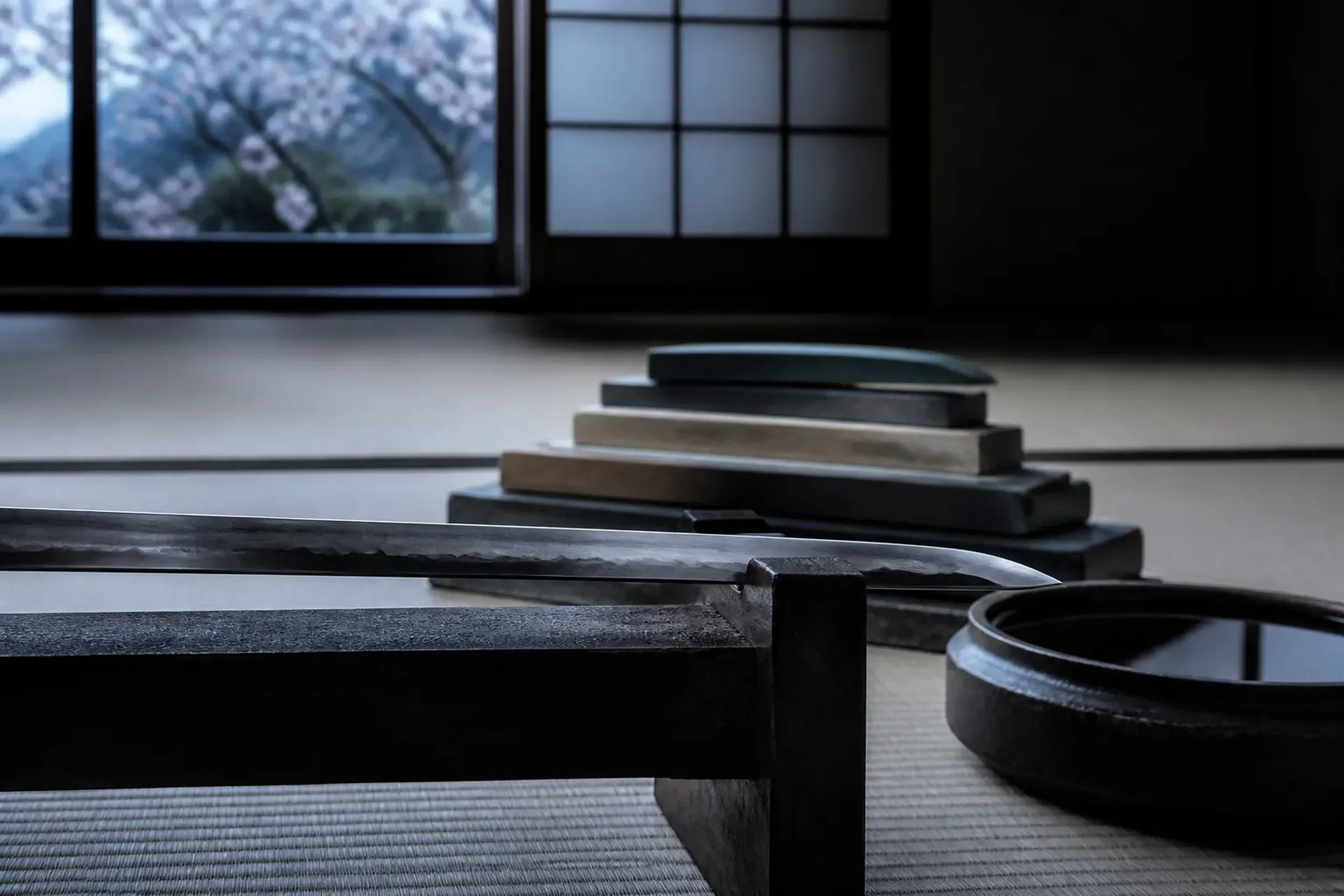
A smith forges the blade. The togishi conserves it. This division of labor defines the life cycle of the object. While the forge involves fire, heavy hammers, and dramatic transformation, the polishing studio operates in total, unhurried silence.
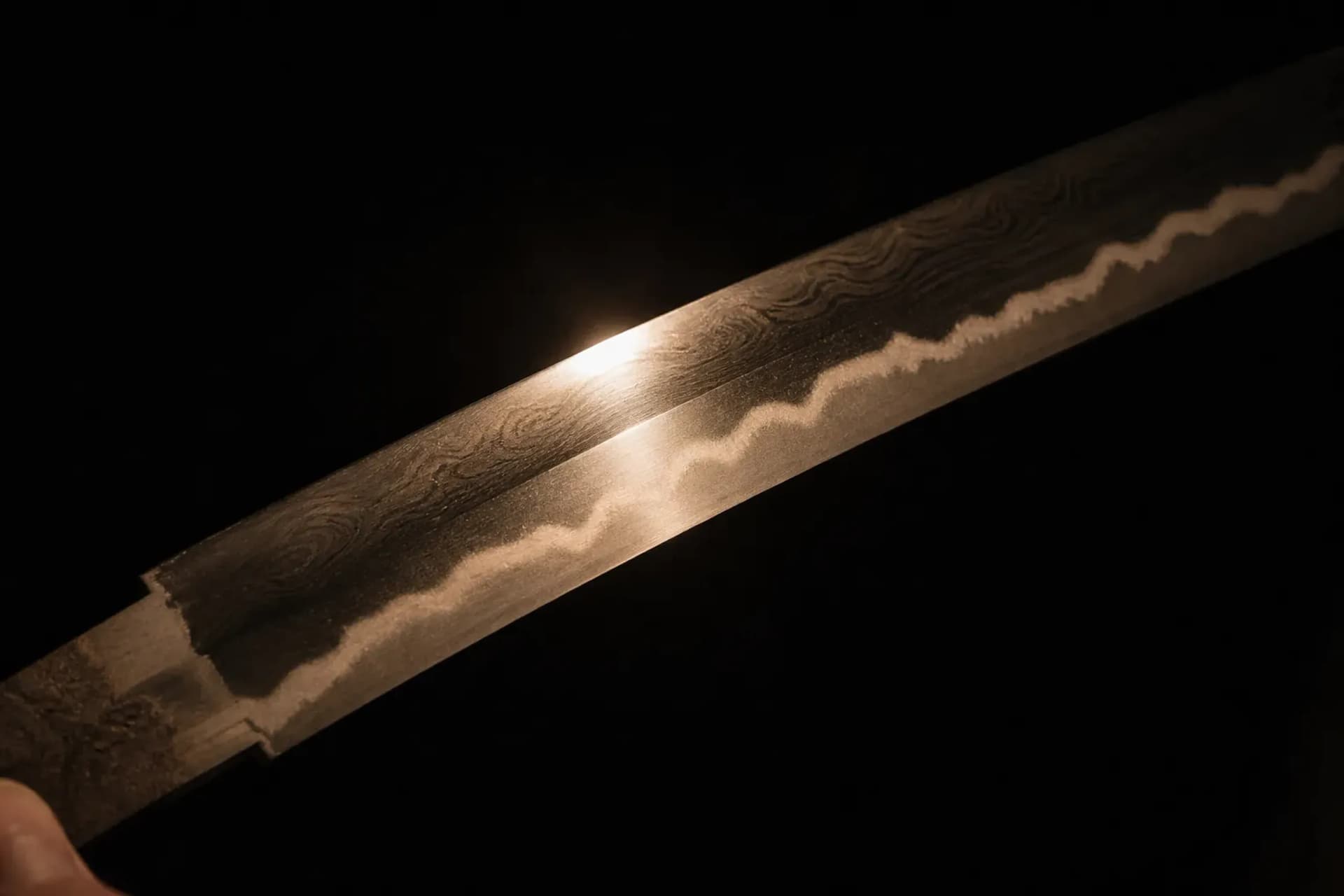
The central task of the togishi is to maintain the blade's precise geometry while bringing the hamon (temper line) and jihada (steel grain) into visual clarity. A bad polish destroys the blade. Permanently. Overzealous work alters the planes of the steel, erasing the historical evidence left by the original smith. Therefore, the work demands a watchful restraint. Practitioners must possess a profound understanding of metallurgy and history to interpret the intent of a maker who lived centuries ago. There is no guesswork.
Conservation Warning: The Society for Preservation of Japanese Art Swords (NBTHK) explicitly warns that improper handling or amateur attempts at cleaning cause irredeemable harm to antique blades. Restoration is strictly the domain of a licensed togishi.
The Physical Sequence: Stone, Water, And Pressure
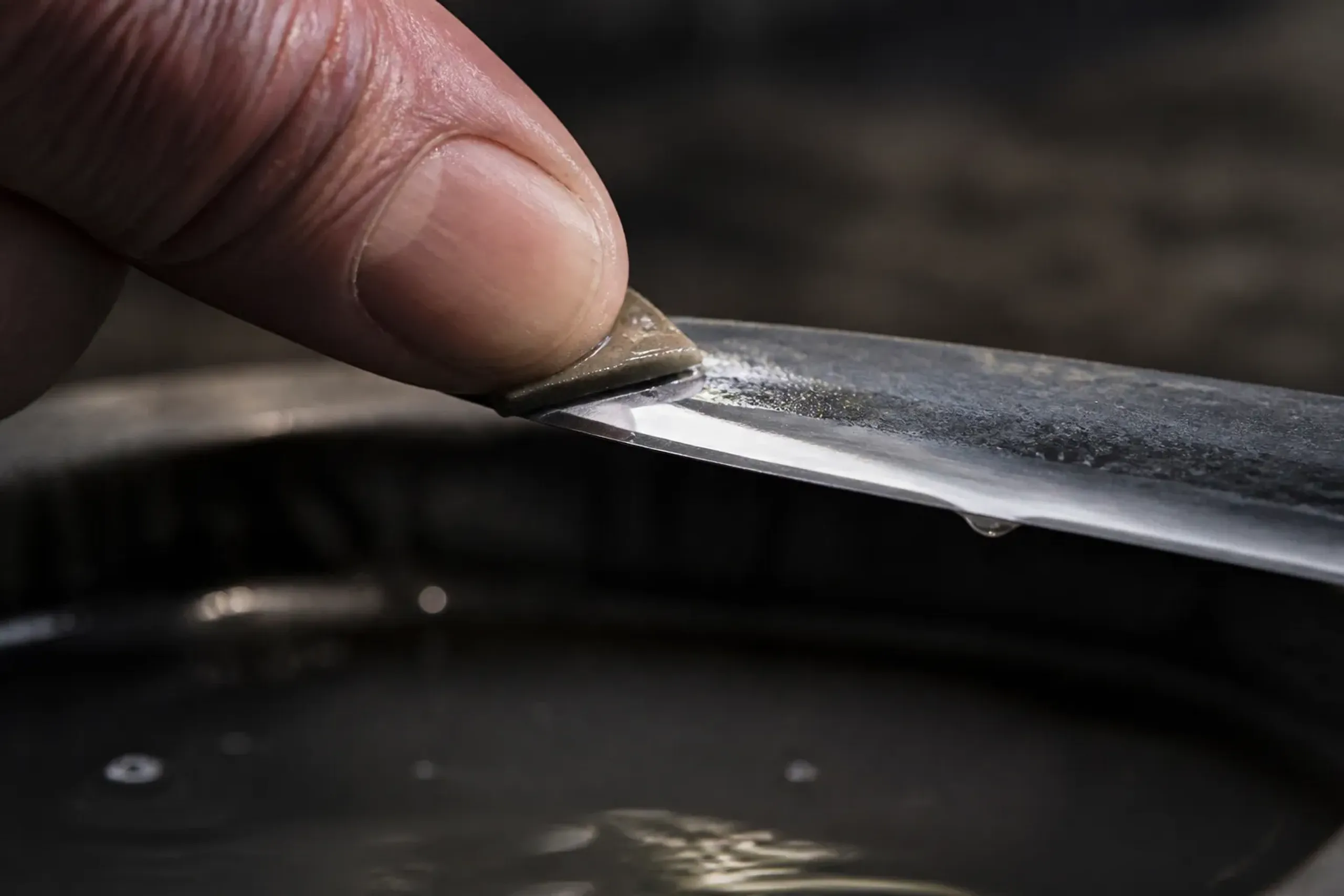
The physical process relies entirely on friction, water, and natural whetstones. The sequence is rigid. It begins with coarse foundation shaping, which rectifies any warping and establishes the fundamental planes of the steel. This stage is slow.
From there, the artisan moves through a progression of increasingly fine stones. In the later stages, stones like uchigumori are sliced paper-thin. These fragments, known as hazuya and jizuya, are affixed to the artisan’s thumb with lacquer and rubbed meticulously across specific sections of the steel. The pressure applied is incredibly specific. Too much force creates deep scratches. Too little yields no result.
The final steps involve nugui, a fine iron oxide powder suspended in oil, which darkens the body of the blade to contrast sharply with the frosted white of the hamon. The entire sequence for a single blade takes weeks. Sometimes months.
Time And The Rarity Of The Craft
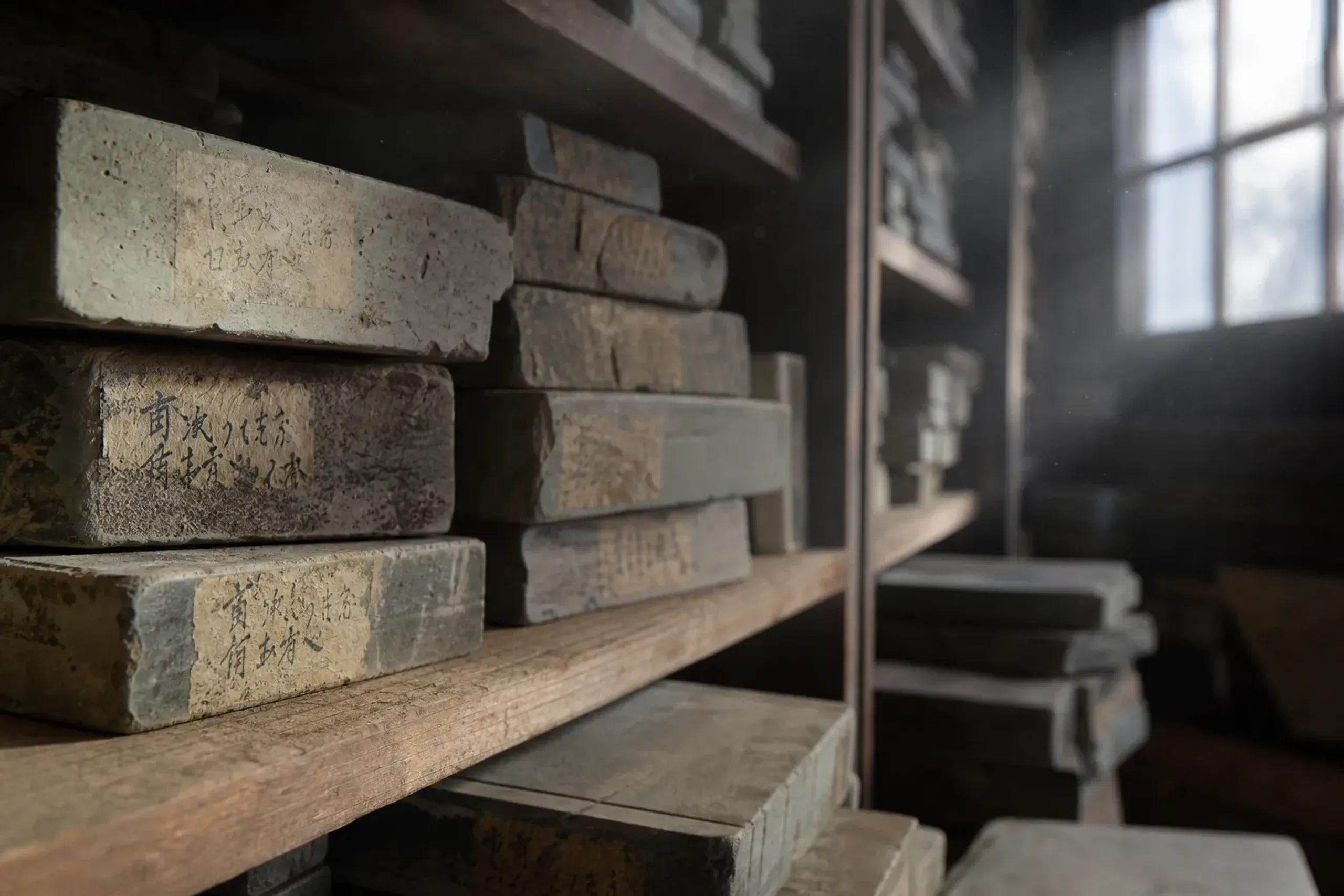
This timeline cannot be compressed. You cannot rush the friction of a stone against hardened steel without generating heat, which would ruin the temper. Consequently, the volume of work a single artisan can produce in their lifetime is severely limited.
The practitioner count remains vanishingly small. Apprenticeship in a traditional lineage requires nearly a decade of silent observation and repetitive labor before a student is trusted with a historical object. Few endure the training. Furthermore, the supply of high-grade natural whetstones from historic Kyoto quarries is largely exhausted, forcing polishers to rely on carefully guarded legacy stocks.
This is the reality of the shokunin. A lifetime dedicated to an austere, unscalable discipline.
What A Visitor Actually Sees In An Atelier
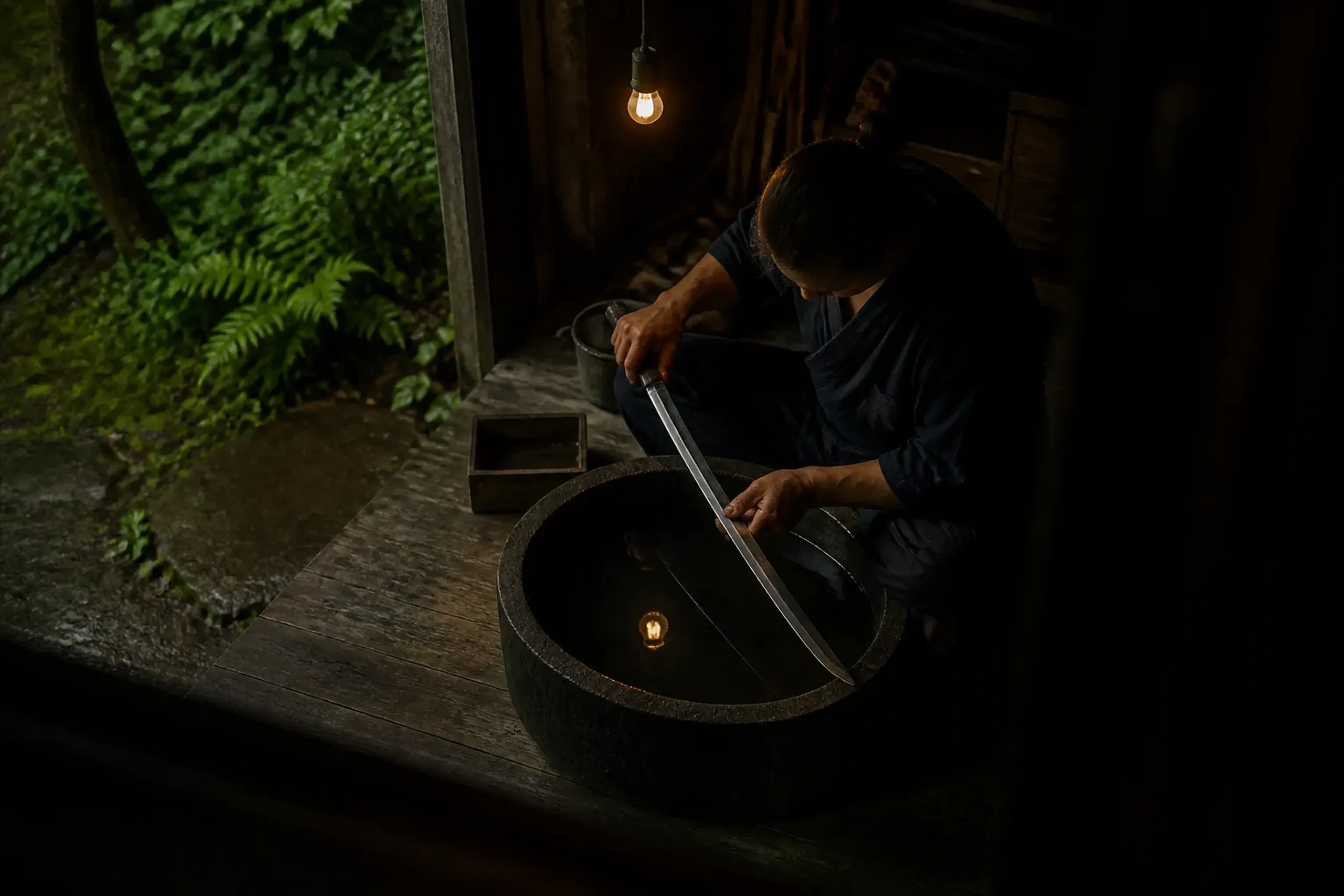
When clients ask to visit a restoration studio, we establish honest parameters. You will not witness a cinematic performance. A working polish is not a demonstration. It is a solitary profession.
What you observe is a person seated on a wooden floor, bent over a water basin. You hear the rhythmic, hypnotic scrape of steel across wet stone. You see the slow, deliberate rotation of the blade to catch the light from a single bulb. The atmosphere embodies the true meaning of wabi-sabi: a profound appreciation for quiet, unassuming diligence. It demands patience from the observer.
When you arrive via private transportation, stepping from the insulated cabin into the muted courtyard of an atelier, the transition is stark. The noise of the city disappears entirely.
Museum Context: Where To Observe Sword Culture
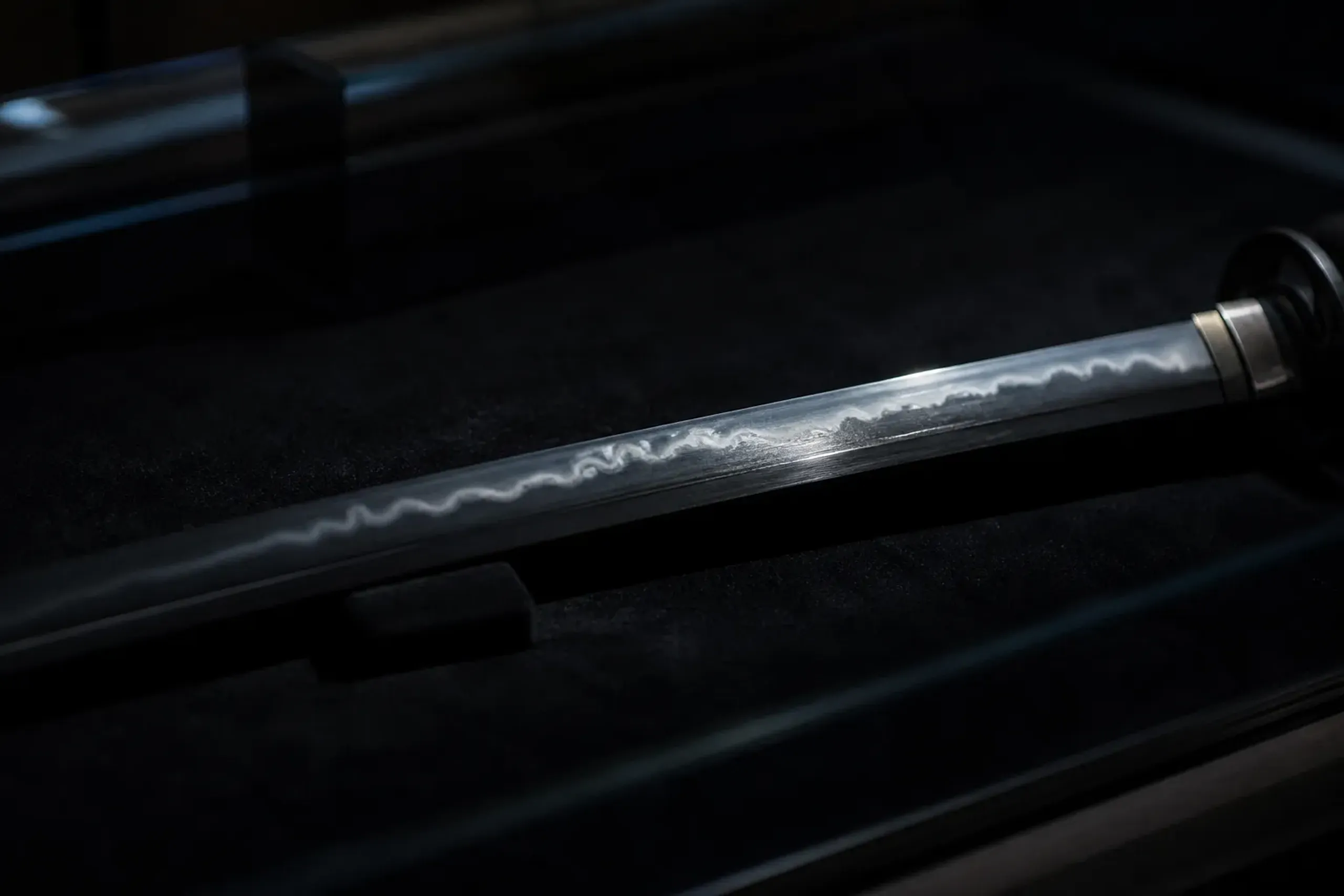
To fully grasp the outcome of a master polish, you must view the finished blades in a controlled environment. The meticulous work of the togishi directly dictates how these objects are interpreted behind museum glass.
Japan’s major institutions maintain rigorous exhibition schedules designed to educate the public on sword appreciation. For example, the Kyoto National Museum frequently utilizes National Treasures to teach visitors how to read the steel's grain and temper line. Similarly, the Japanese Sword Museum in Tokyo, operated by the NBTHK, presents rotating displays that highlight both historical masterpieces and the results of modern craft competitions.
The Tokyo National Museum also houses an exceptional permanent collection within its Japanese Gallery, offering a chronological survey of provincial styles. Incorporating these venues into an itinerary provides essential context. The polish is what allows you to see the history.
Etiquette And Conduct In A Shokunin Atelier
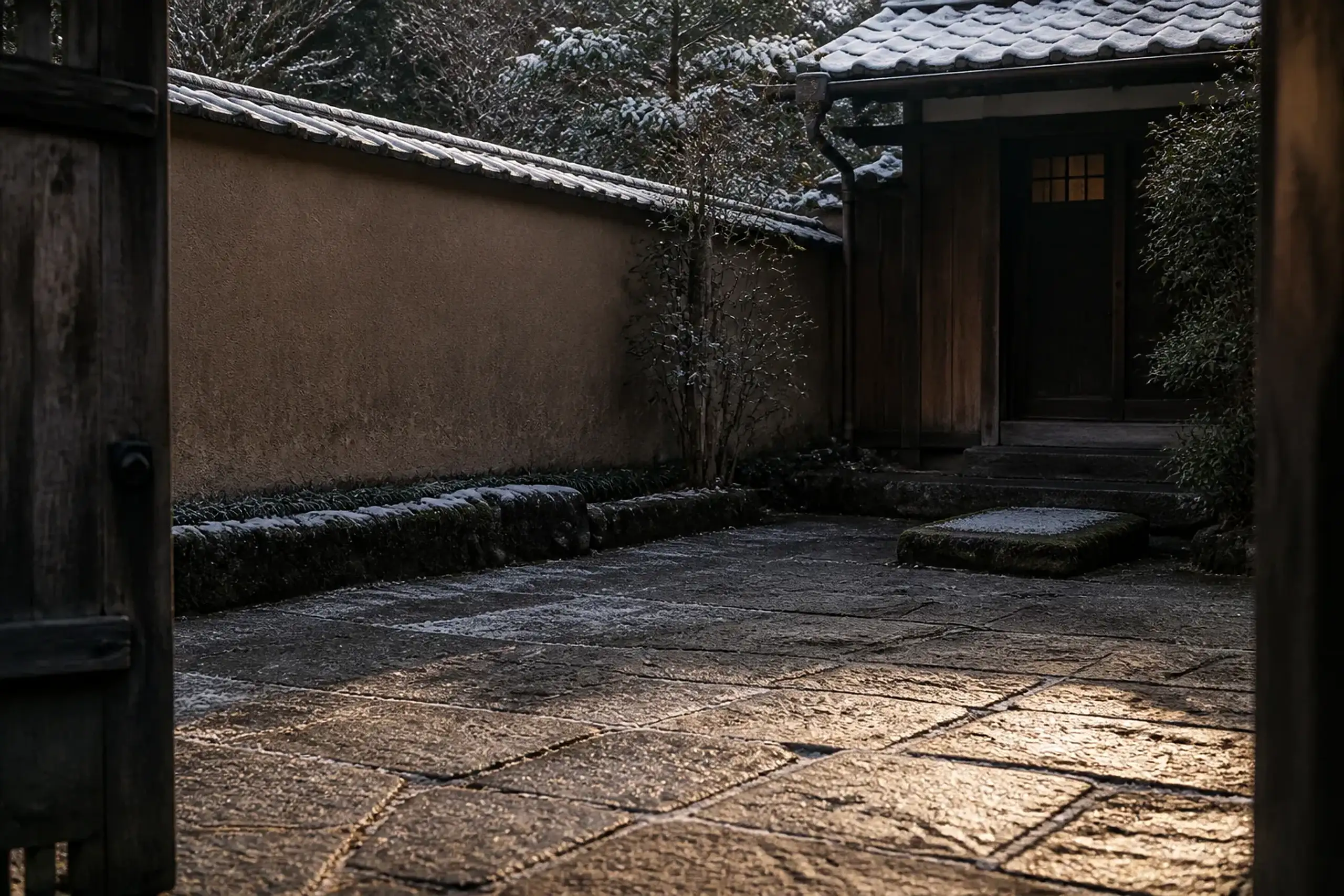
Access to a working restoration studio requires strict adherence to protocol. These are not tourist venues. They are private workspaces holding objects of immense financial and historical value, occasionally including items of imperial-class significance.
- Silence is expected: Speak only when addressed, and maintain a low volume.
- No unprompted photography: Lenses distract, and many historic blades cannot be photographed for privacy reasons.
- Maintain distance: Never lean over a blade or the polishing stones. A single drop of sweat or breath condensation can cause rust.
Our coordinators handle all introductions and brief guests thoroughly prior to entry. This discretion is what allows the doors to open in the first place.
Why Choose Japan Royal Service
Securing an audience with a master togishi requires an established relationship built on mutual trust and respect for the craft. Our team at Japan Royal Service arranges private introductions to practitioners who do not accept outside guests or public bookings.
We approach these visits not as simple tours, but as deep educational engagements. Our concierge evaluates what is realistic given your specific interests, the artisan's current restoration schedule, and the notice provided. By integrating these rare atelier visits with curated museum viewings as part of a tailor-made journey, we offer a comprehensive understanding of Japan's most guarded traditions.
For private coordination, reach our team directly via WhatsApp or LINE, or contact us here.