In this guide
- 01What “Ichigensan Okotowari” Really Means (And What It Doesn’t)
- 02Why Introduction-Only Dining Still Exists In Kyoto And Tokyo
- 03A Practical Decision Tree: Platform Reservation Vs Hotel Concierge Vs True Introduction
- 04Common Misconceptions (And The Reality At The Counter)
- 05Etiquette That Protects The House (And Your Introducer)
- 06Hidden Japan Without Doxxing: How To Seek The Right Kind Of Rarity
- 07Authentic Alternatives: Geisha Culture That Welcomes Visitors
- 08How To Book: What You Can Do Publicly, And What Requires Private Guidance
- 09Luxury That Feels Quiet: The Wabi-Sabi Side Of A Great Dinner
- 10Why Choose Japan Royal Service
There is a particular sting to a closed door in Japan.
You have the address. You have the date. You even have the right shoes. Then a quiet sentence lands: ichigensan okotowari—we don’t accept first-time guests without an introduction.
For many luxury travelers, that moment creates doubt. Is it personal? Is it about status? Or is it something older, more practical, and more delicate?
Our team at Japan Royal Service sees this anxiety often, especially with accomplished HNW travelers who are used to clarity. This guide demystifies the system, explains what “an introduction” really means, and helps you approach Japan’s introduction-only dining with cultural integrity—without chasing rumors or doxxing private venues.
What “Ichigensan Okotowari” Really Means (And What It Doesn’t)
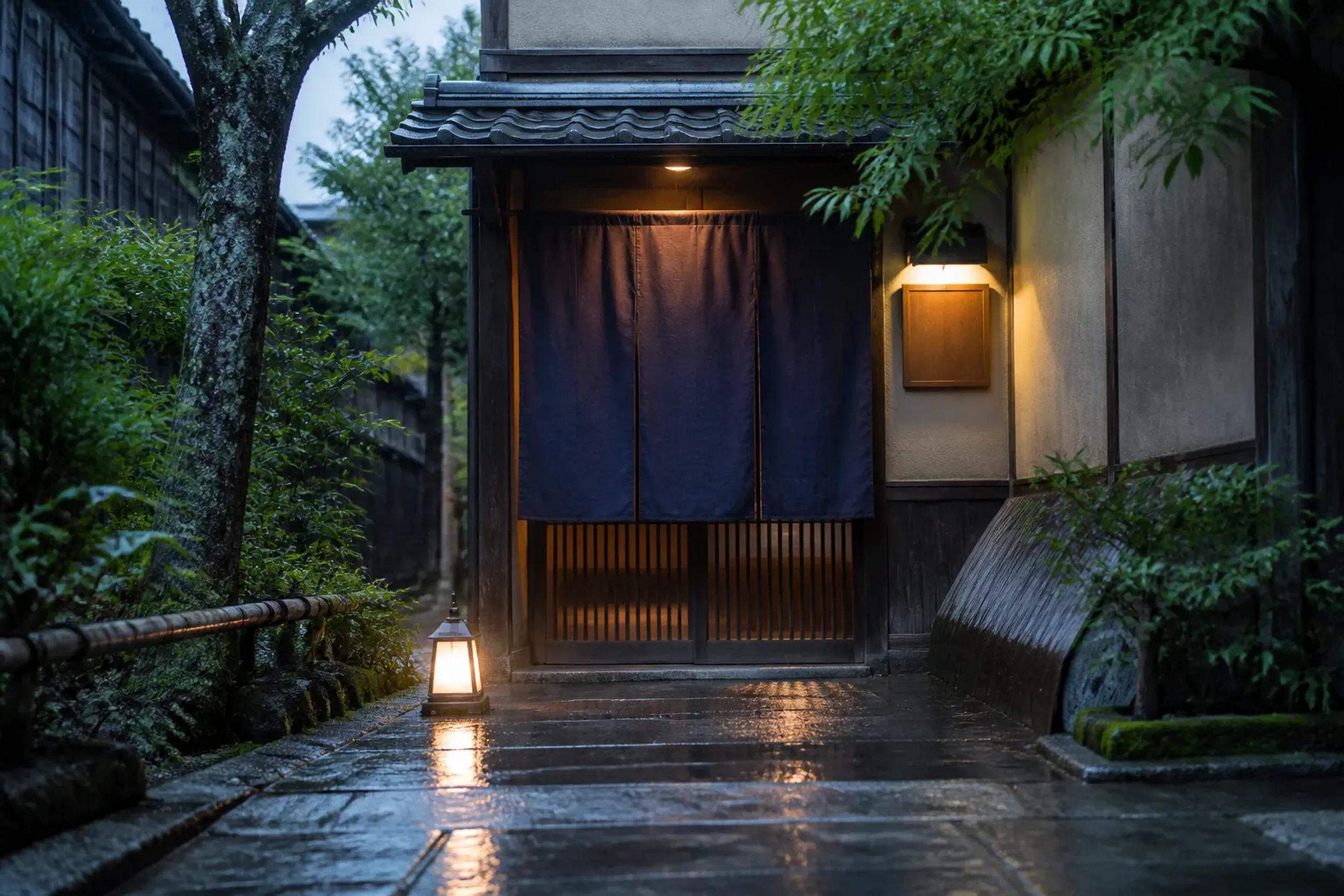
Ichigensan okotowari is commonly described as a custom of refusing first-time customers without an introduction at certain establishments. Plain words. Sharp impact.
It is often less about snobbery and more about trust. Old businesses—especially tiny counters and long-running places—may rely on relationships, predictable conduct, and the idea that someone vouches for you.
Here is what it does mean. A house is saying: “We accept new guests only through a known line.” Simple. Non-negotiable.
Here is what it doesn’t mean. It is not automatically “anti-foreigner,” and it is not a dare that money wins. That assumption creates bad behavior fast.
Key fact: Several mainstream sources describe ichigensan okotowari as a trust-based system rather than a simple “exclusive club,” and note that once you are brought once, you are considered “introduced” and can return more freely.
Why The Phrase Feels Harsh In English
In English, “we refuse first-timers” sounds like a rejection of you. In Japan, it can read more like a safety mechanism for the house and the community around it.
That difference matters. A lot.
When travelers approach it as a puzzle to hack, doors close tighter. When they treat it as a relationship system with obligations, the atmosphere changes.
Why Introduction-Only Dining Still Exists In Kyoto And Tokyo
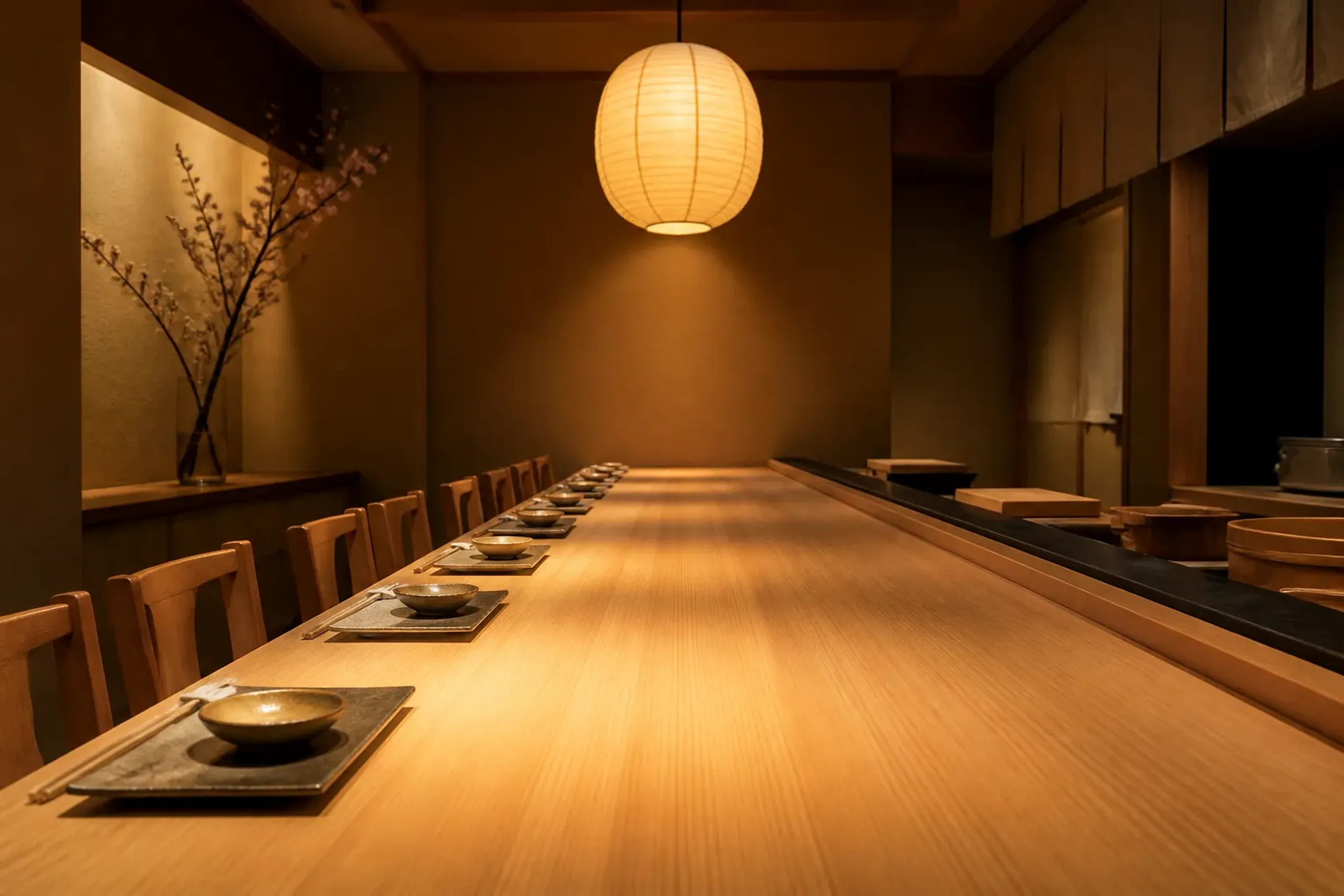
Not all of Japan runs on this rule. Plenty of excellent restaurants accept normal reservations, even at high price points.
Yet the custom still exists—especially in contexts where reputation and liability travel together. Quietly. Persistently.
Kyoto is often reported as having a strong heritage of ichigensan okotowari, particularly connected to traditional districts and long-established dining culture. Some local creatives have even said they cannot share certain addresses because they are introduction-only.
Tokyo has its own version. Not always tied to historic districts. Sometimes it is simply the physics of an eight-seat counter and a chef who wants every guest to understand the rules.
The Hidden Mechanics: Trust, Liability, And The Introducer’s Name
An “introduction” is not a casual name-drop. It can function as a form of accountability.
The introducer may be staking their reputation on your conduct. That includes punctuality, discretion, how you speak to staff, and whether you treat cancellation rules like suggestions. Big mistake.
Some commentary has framed these practices as legacy systems handed down through generations of chefs. That lineage is not marketing copy. It is a working culture.
Kyoto Nuance: Hanamachi, Ryotei, And The Weight Of Quiet Networks
In Kyoto, the rule is often discussed around areas such as Gion, Pontocho, and Kiyamachi, and around long-established ryotei. Many places are fully open; some are not.
In hanamachi contexts, the tradition can be strict. Guidable points to Ichiriki Chaya in Gion as a famous example of an exclusive teahouse within this broader idea.
That does not mean “Kyoto is closed.” It means Kyoto asks you to arrive correctly—without forcing your way into private circles.
Tokyo Nuance: Difficulty Tiers Versus True Referral-Only
Tokyo’s “impossible reservation” story often gets bundled together. That is inaccurate.
Some places are simply high-demand and small. Others are members-only. Eater’s reporting, for example, described Mibu in Ginza as members-only while referencing the wider concept of ichigen-san okotowari in the context of extremely difficult reservations.
And some are genuinely referral-based. Different problem. Different solution.
A Practical Decision Tree: Platform Reservation Vs Hotel Concierge Vs True Introduction

Most confusion comes from treating all hard reservations as the same. They are not.
We advise guests to think in three lanes. Pick the lane first; then choose the tool.
Lane A: Normal Reservations (Open Access)
You can reserve directly. Sometimes online, sometimes by phone.
This lane includes many excellent kaiseki, sushi, and tempura restaurants, even in Kyoto and Tokyo. You do not need theatrics.
- Best for: travelers who want quality and clarity
- Risk: last-minute availability can be thin in peak seasons
Lane B: Difficult-But-Bookable (Small Counters, High Demand)
This lane is where platforms and official channels can help. The Ondo Tokyo recommends different tools by difficulty level and mentions platforms such as TableCheck and Toreta for easier reservations, and Pocket Concierge or OMAKASE for harder ones.
These are not “introduction-only” by definition. They are just crowded, watchful, and sometimes strict about timing.
- Tools often used: TableCheck, Pocket Concierge, OMAKASE (depending on the venue)
- What wins: flexibility on dates, small party size, and quick confirmation
Lane C: True Ichigensan Okotowari (Referral Or Invitation)
This is the real wall. No platform. No clever email.
In this lane, a luxury hotel concierge may sometimes serve as an introducer where the venue accepts that relationship. Snow Monkey Resorts notes that some venues now accept bookings via concierges or booking services, which reflects a softening in parts of the ecosystem—without erasing the stricter cases.
And sometimes the answer is simply “no.” Even for very senior travelers. We prefer honesty to drama.
Common Misconceptions (And The Reality At The Counter)
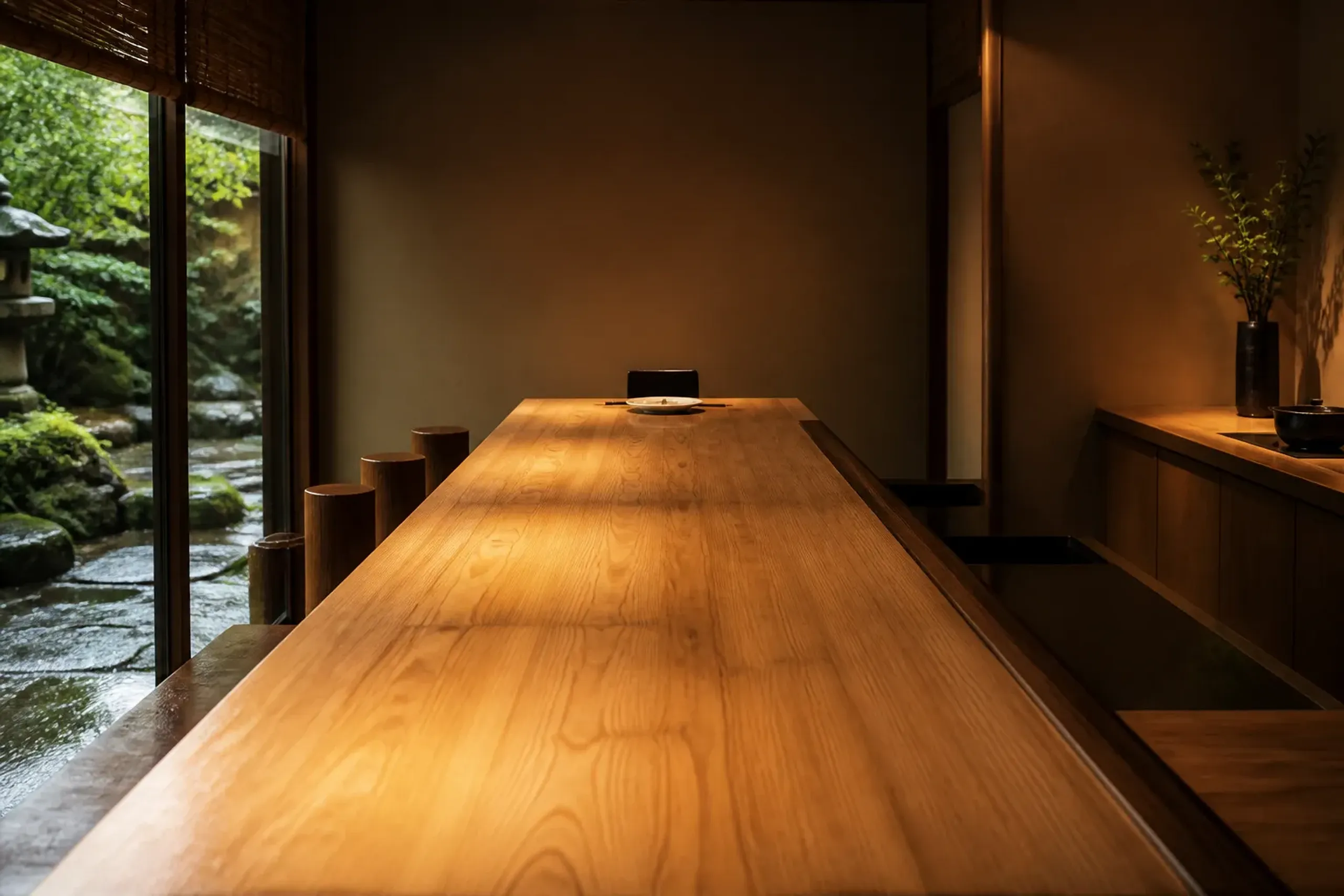
Introduction-only dining attracts myths because it sits between hospitality and privacy. That space invites fantasy.
We keep guests calm by naming the myths out loud. Then we replace them with what actually happens in the room.
Myth Vs Reality: What To Expect
- Myth: “If I pay enough, it’s fine.” Reality: Payment is rarely the point. Conduct is.
- Myth: “An introduction is just a referral link.” Reality: It can be a reputational guarantee—sometimes even a form of social responsibility.
- Myth: “They hate tourists.” Reality: Many places welcome visitors. Some do not accept first-timers at all, regardless of nationality.
- Myth: “Photos are always allowed if I’m discreet.” Reality: Many counters prefer zero photography, or allow only the final plating shot. Ask once. Then stop.
- Myth: “Dietary needs can be sprung at the door.” Reality: For kaiseki and sushi, last-minute restrictions can break the meal’s structure.
What The Meal Feels Like When It Goes Well
When the introduction is accepted, the mood is often surprisingly gentle. No velvet rope. No performance.
You sit close to the work. Quiet hands. Small sounds—knife on board, ceramic on wood, a soft “hai.”
This is where wabi-sabi belongs. Restraint, not glitter.
Etiquette That Protects The House (And Your Introducer)
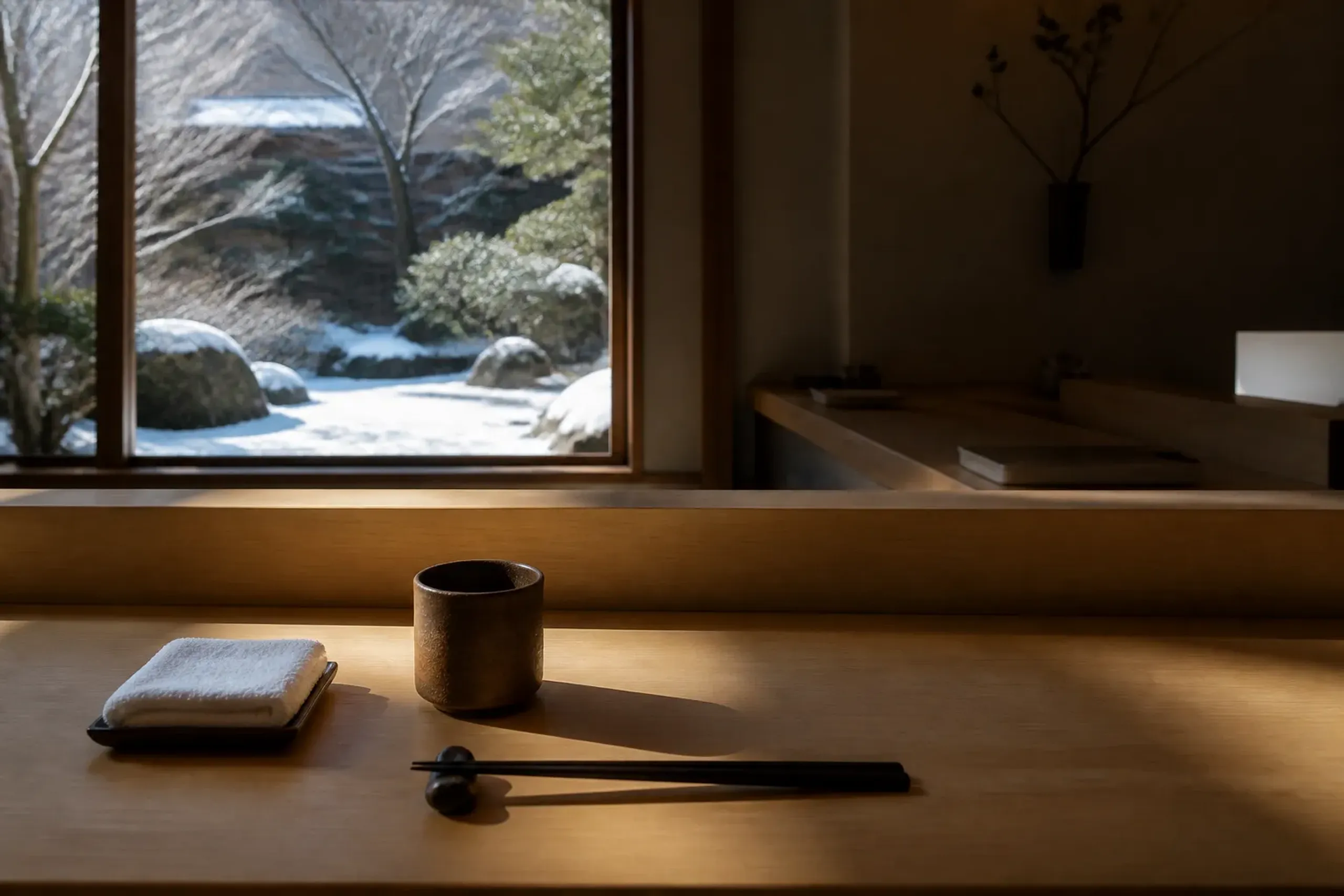
Think of etiquette here as risk management. Not manners for their own sake.
When you are introduced, you are borrowing someone else’s trust. Treat it like a passport you cannot replace.
Below is the guidance we give most often. It is practical, not ceremonial.
Before You Arrive
- Be early. Aim to arrive 5–10 minutes before the start time. Not 20. Not 0.
- Wear calm clothing. A jacket is usually safe. Avoid loud logos.
- Skip heavy fragrance. Sushi and kaiseki live on aroma. Perfume can flatten the room.
- Communicate dietary needs in advance. Early notice protects the chef’s planning and pride.
At The Counter
- Keep your voice lower than you think. Counters amplify sound.
- Let the chef lead. Short questions are welcome; interrogations are not.
- Do not negotiate the menu. If you need substitutions, handle that beforehand, not mid-course.
- Ask once about photos. If the answer is “no,” accept it cleanly.
After The Meal
- Leave on time. Many intimate venues run tight seatings.
- Do not post identifiable details. Avoid tagging the chef, the counter, or the entrance if discretion was implied.
- Return correctly. The Ondo Tokyo notes that once you have been brought once, you are “introduced” and can return more freely. That freedom is earned.
Hidden Japan Without Doxxing: How To Seek The Right Kind Of Rarity
Hidden-Japan dining is not a scavenger hunt. It is a set of relationships that prefer not to be broadcast.
So we do not publish lists of “secret addresses.” That behavior ruins the very places people claim to admire.
Instead, we guide guests toward rarity that is verifiable and respectful: intimate counters, regional producers, and craft-driven meals where the chef’s attention is the real luxury.
Sometimes that means choosing the right district, not the “most famous” one. Sometimes it means going earlier in the week. Small moves. Big change.
Kyoto Neighborhood Intelligence (Without Naming Private Doors)
Kyoto’s dining culture is shaped by compact streets, long memory, and a preference for quiet choreography. In areas like Gion and Pontocho, the line between public and private is real.
If you want the spirit of these districts without trespassing, we often suggest pairing your evening with an earlier, unhurried walk through Shirakawa’s canal-side lanes or a morning visit to a garden where silence is the point. Then dinner feels earned.
Tokyo Neighborhood Intelligence (Counters, Pace, And Privacy)
Tokyo can feel more transactional on the surface, yet its best counters run on the same principle: trust plus repetition.
In areas such as Ginza and Kagurazaka, the distance between you and the chef is measured in inches, which makes your behavior immediately visible. That is the whole point. It is also why discretion matters.
Authentic Alternatives: Geisha Culture That Welcomes Visitors
Many travelers mix up two things: introduction-only ochaya culture, and geisha cultural experiences designed to welcome visitors.
They are not interchangeable. Both can be meaningful.
A 2026 statement published by Miyakodori (Asakusa) claims their establishments welcome international visitors and accept inquiries via their website, while noting the historical context of ichigensan okotowari in exclusive teahouses. We treat that as a provider-specific statement, not a blanket rule for all districts.
For guests who want an authentic evening without forcing entry into closed hanamachi circles, these “welcome pathways” can be the right answer—especially on a first or second trip.
How To Book: What You Can Do Publicly, And What Requires Private Guidance
For SEO reasons, we will be concrete. For cultural reasons, we will also be careful.
If The Restaurant Uses A Platform
- Where to book: The restaurant’s official channel, or platforms it officially uses (often TableCheck, Pocket Concierge, or OMAKASE).
- What to prepare: dates, party size (smaller is easier), dietary restrictions, and your hotel name if requested.
- When to act: As soon as your trip dates are firm, especially for weekends and peak travel periods.
For questions, contact our concierge.
If The Venue Requires An Introduction
- What “introduction” can mean: a relationship-based referral, often through someone already known to the venue (which may include, in some cases, a luxury hotel concierge where accepted).
- What to avoid: pressuring staff for an address, showing up unannounced, or treating the rule as negotiable.
- What helps: flexible dates, a calm party size, and a willingness to follow house rules precisely.
For questions, contact our concierge.
Luxury That Feels Quiet: The Wabi-Sabi Side Of A Great Dinner
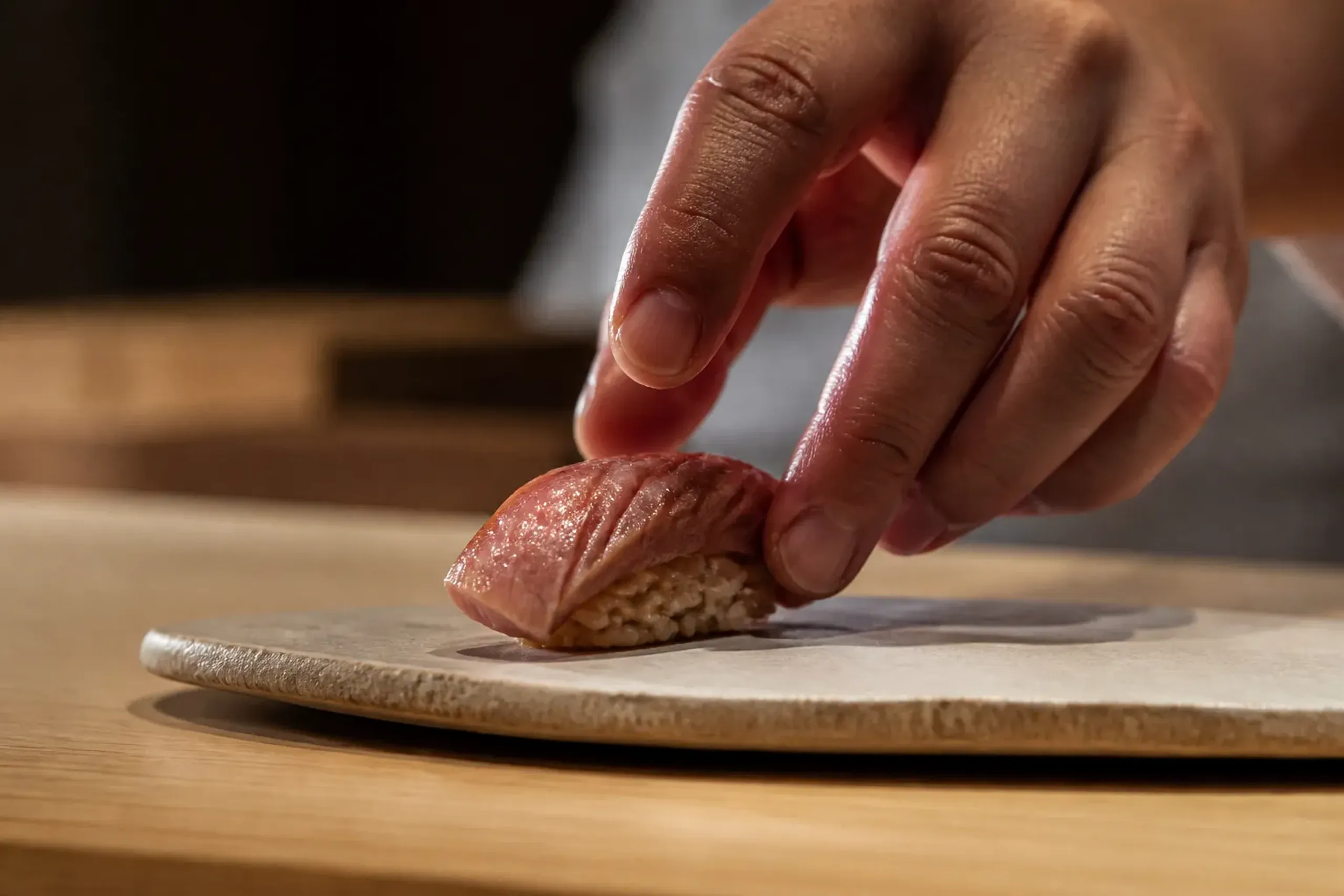
If you have traveled widely, you already know the loud version of luxury. It is easy to buy and easier to regret.
Japan’s best nights often look almost plain. A single slab of hinoki. A cup with an intentional wobble. Steam rising from a clear broth.
This is where wabi-sabi stops being a buzzword and becomes a feeling in your shoulders. You exhale. You stop checking time.
And when the house trusts you, even slightly, the hospitality becomes personal without being theatrical. That is the prize.
Why Choose Japan Royal Service
Introduction-only dining is not a checkbox on an itinerary. It is a trust system, and trust needs protection.
Our team at Japan Royal Service is built for that exact space: discretion first, hidden-Japan intelligence that avoids public exposure, and an imperial-class level of formality when the setting demands it. Quiet competence. No leakage.
We also prepare you for the human details that decide the night—how to arrive, what to say (and not say), how to interact with a shokunin chef without turning the counter into a stage.
When guests want a truly tailor-made journey, we shape the full rhythm of the trip—transfers, pacing, and dining strategy—around a tailor-made itinerary that feels calm in motion, not dense on paper.
And because many introductions only work when arrival is controlled, we pay close attention to the first and last mile with private transportation that keeps timing precise and your presence understated.
For private coordination, reach our team privately via WhatsApp or LINE, or contact us here.