
In this guide
Il Ristorante Luca Fantin (イル・リストランテ ルカ・ファンティン)
The renowned Asia’s 50 Best Restaurants has released its 2020 rankings, and Tokyo’s Il Ristorante - Luca Fantin placed No. 17. The restaurant has been recognized by Asia’s 50 Best Restaurants for the past three years—and impressively, has climbed in the rankings each year. Chef Luca Fantin celebrated his 10th anniversary at the restaurant last year, and this year’s designation marks the fifth major accolade for the restaurant.
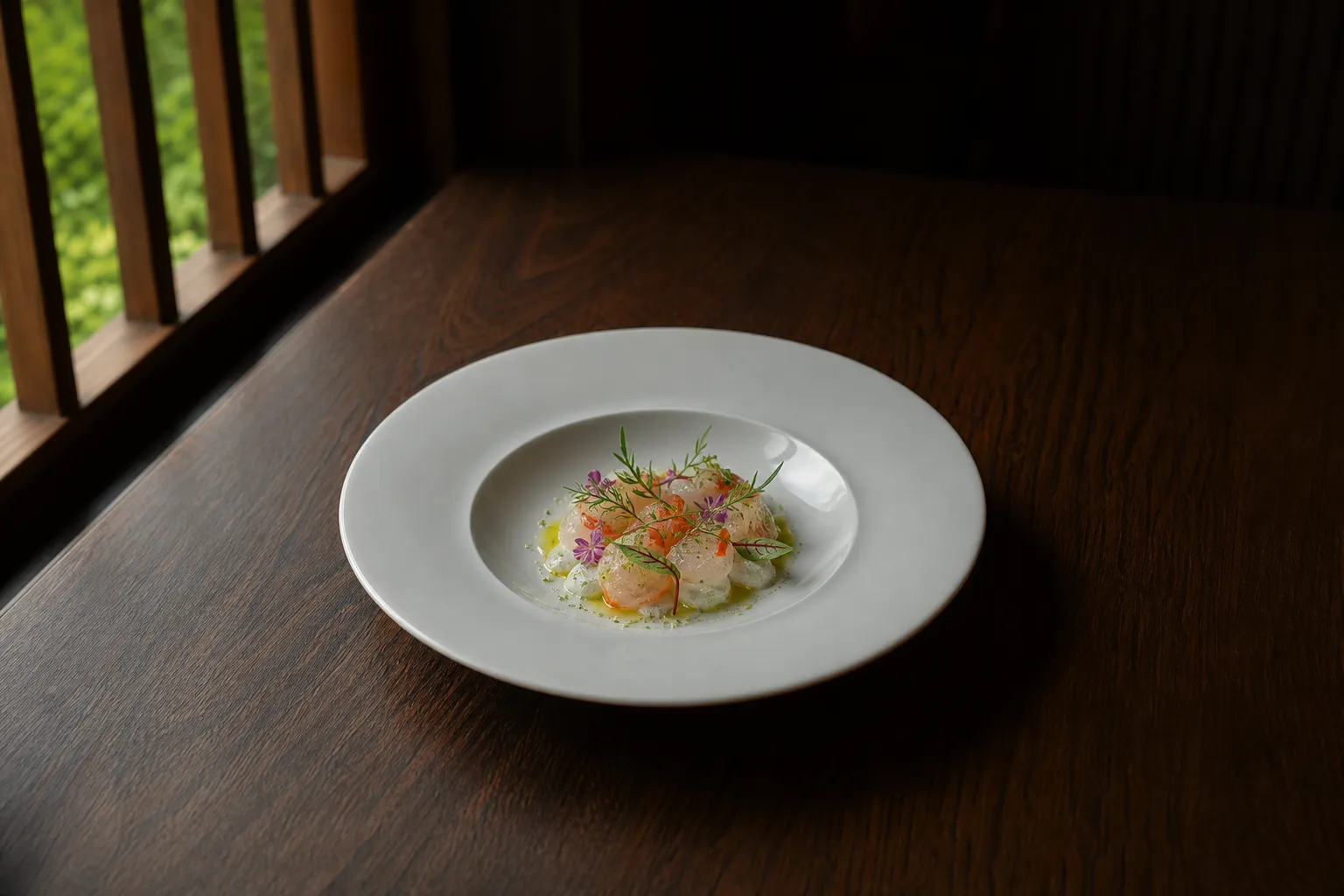
The Italian chef’s theme is “an epicurean journey.” Each year he creates new dishes using primarily seasonal Japanese ingredients, intentionally avoiding a fixed “standard dish.” Classic preparations are given a modern twist and are presented with striking beauty.
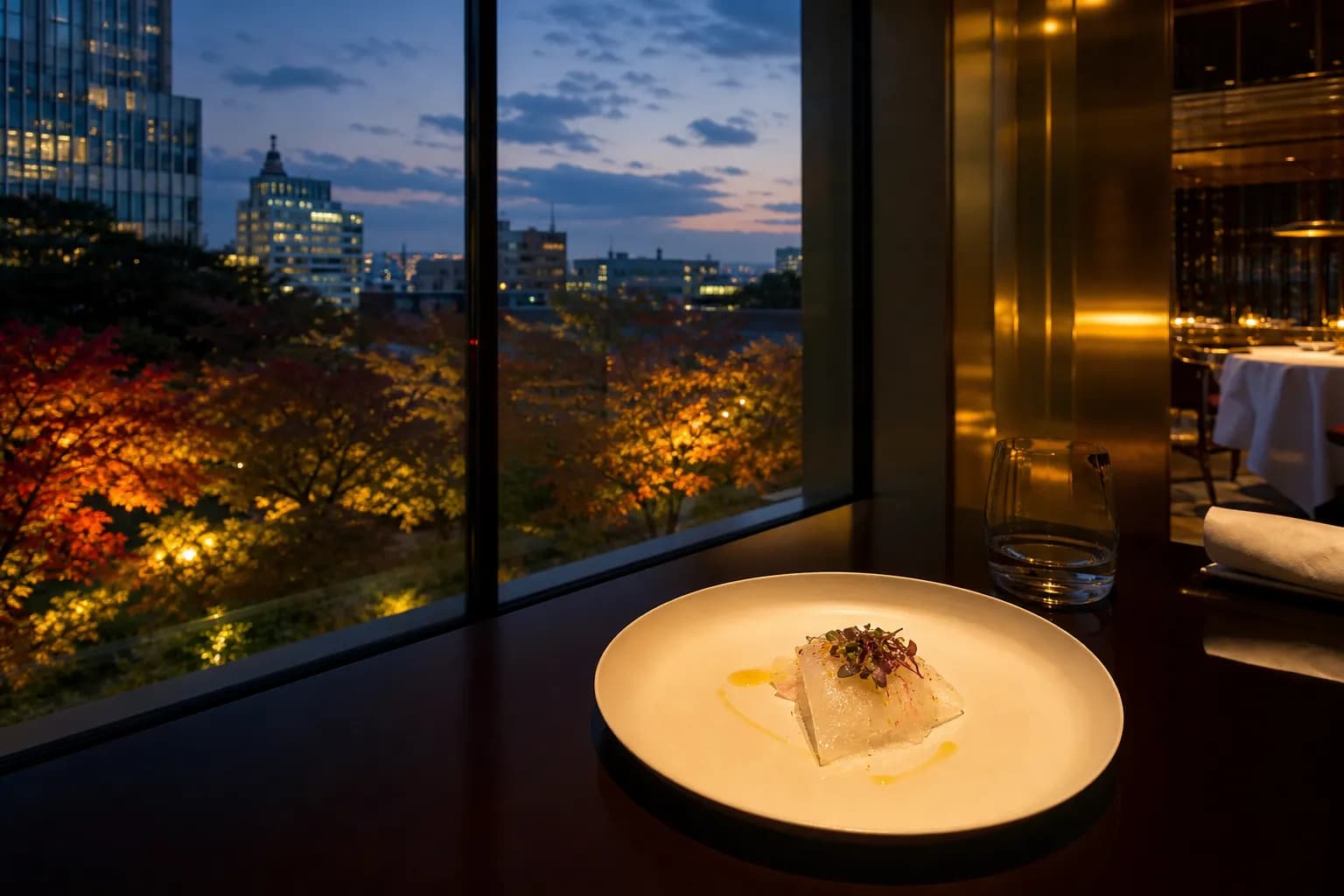
Located in the heart of Ginza, Il Ristorante is known for weaving refined Japanese sensibilities into innovative Italian cuisine. Rather than fusing Japanese flavors, the Treviso-born chef chooses ingredients typically used in Italian cooking—grown in Japan.
They include seafood and vegetables such as celeriac, salsify, and tomatoes. He estimates that 90% of his ingredients come from Japan, while the remaining 10%—including items such as Novara-style risotto and pasta—still must be imported from Italy.
Restaurant Information
- Style: Japanese and Itallian Fusion
- Chain: Bulgare Hotels Chain
- Address: 2-7-12 Tokyo Restaurants Ginza Tower, Bulgari Hotels & Resorts, Ginza, Chuo 104-0061 Tokyo Prefecture
- Telephone: 03-6362-0555
- Opening hours:
- Lunch: 12 pm – 1.30 pm (Last order)
- Dinner: 5.30 pm – 8 pm (Last order)
- Tuesday – Saturday
About the Chef
Fantin has built a globe-trotting career, cooking at restaurants including the three-Michelin-starred La Pergola by Heinz Beck in Rome, two-starred Mugaritz in Spain, and three-starred Nihonryori RyuGin in Tokyo.
Around 14 years ago, Fantin enjoyed a three-month stage at RyuGin so much that he seized the opportunity to return and work in Japan. One of the challenges he faced was learning how to draw out the right flavor profiles from Japanese ingredients in Italian dishes. As he says with a grin: “I wanted to change the perception that most Japanese diners have that Italian food is just pasta and pizza.”
Being based in Tokyo for nine years has refined Fantin’s precision. He explains: “Being in Japan made me more detail-oriented—everything boils down to technique and temperature control. The Japanese are a lot more sensitive to the temperature of the dishes. It is either hot or cold and nothing can be left in the middle.”