In this guide
- 01What “Zero-Exposure Travel” Means (And What It Does Not)
- 02Why “Invisible” Matters More In 2026: Policy, Crowds, And Compliance
- 03Pre-Arrival Intelligence: The Questions We Ask Before You Land
- 04Controlled Access: Arrivals, Entrances, And Quiet Handoffs
- 05Vetted Personnel: The Human Layer That Keeps Your Identity Quiet
- 06Dining Without Exposure: Private Rooms, Controlled Timing, And Name Protection
- 07Kyoto 2026: Privacy, Etiquette, And The New Reality In Gion
- 08Contingency Routing: Backup Plans That Stay Off The Guest’s Mind
- 09Real-Time Coordination: The Trip Should Feel Quiet, Even When The Day Is Not
- 10Sample Day Blueprint: Tokyo To Kyoto, Minimal Exposure
- 11Privacy-Risk Checklist: The Quiet Things That Cause Loud Problems
- 12Route-Flow Diagram: How “Invisible” Travel Actually Moves
- 132026 Rail Pressure: When Private Driving Beats A Pass (And When It Doesn’t)
- 14FAQ: Invisible Japan And Zero-Exposure Travel
- 15Why Choose Japan Royal Service
A crowd presses toward the main exit. Cameras rise. Voices sharpen.
We take a different door.
A discreet vehicle waits at a controlled entrance, timed to the minute, with luggage already accounted for and a quiet greeting that doesn’t use your name out loud. This is what many ultra-high-net-worth travelers actually want in Japan. Not spectacle. Control.
Our team at Japan Royal Service calls it “zero-exposure” travel: a privacy-first way to move through Japan that keeps you out of queues, away from attention, and aligned with local etiquette—especially in places like Kyoto, where visitor conduct and photography rules have become a public issue.
What “Zero-Exposure Travel” Means (And What It Does Not)
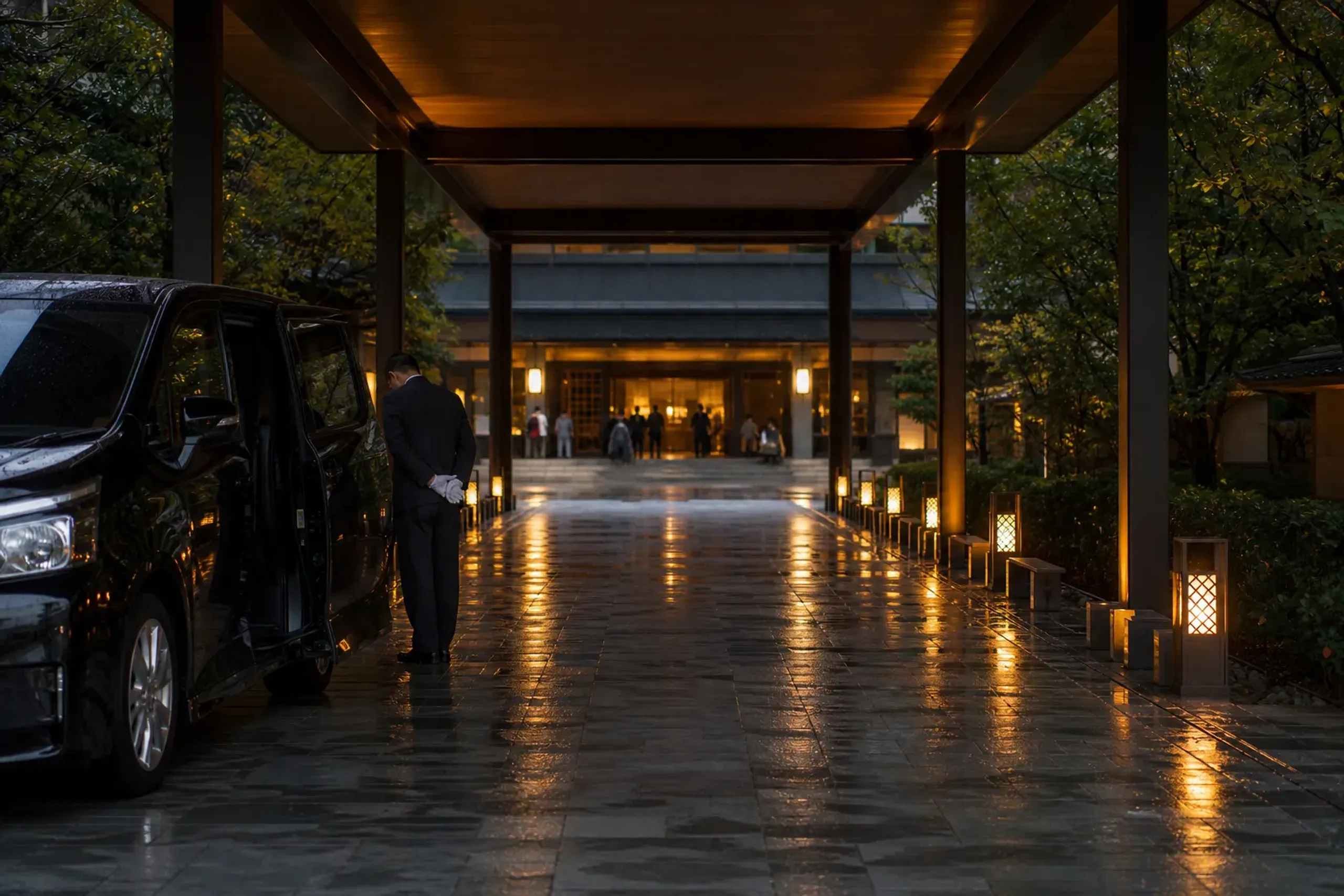
Invisible luxury starts at the entrance you don’t share with the crowd.
Zero-exposure travel is a design standard. It’s not a promise that you’ll never be seen.
It means we reduce unnecessary contact points—lobbies at peak hour, crowded station transfers, publicly photographed moments, over-shared guest names—so your trip feels calm even when Japan is busy. It also means we plan in a way that respects residents and local rules, which matter more each year as overtourism countermeasures expand.
What it is not: aggressive “security theater,” loud entourage behavior, or rule-bending. Big mistake. In Japan, the fastest way to create attention is to demand it.
Key fact: Kyoto’s official visitor guidelines state that in areas such as Southern Gion, problematic behaviors include following geiko/maiko and photographing them without permission, and that photography is only permitted in designated areas.
Why “Invisible” Matters More In 2026: Policy, Crowds, And Compliance
This shift is not only social. It’s policy.
The Japan Tourism Agency maintains a dedicated page on initiatives to prevent and suppress overtourism, last updated April 24, 2026, and also operates a special site for the FY Reiwa 8 (2026) “reception environment improvement” promotion project, updated July 17, 2026. That is government-level momentum, not a trend-cycle headline.
Kyoto, in particular, has published guidance aimed at protecting residents and cultural districts. Rules about photography and conduct in areas like Gion are now part of responsible luxury travel, not a footnote. Quiet travelers are the ones who get welcomed back.
Pre-Arrival Intelligence: The Questions We Ask Before You Land
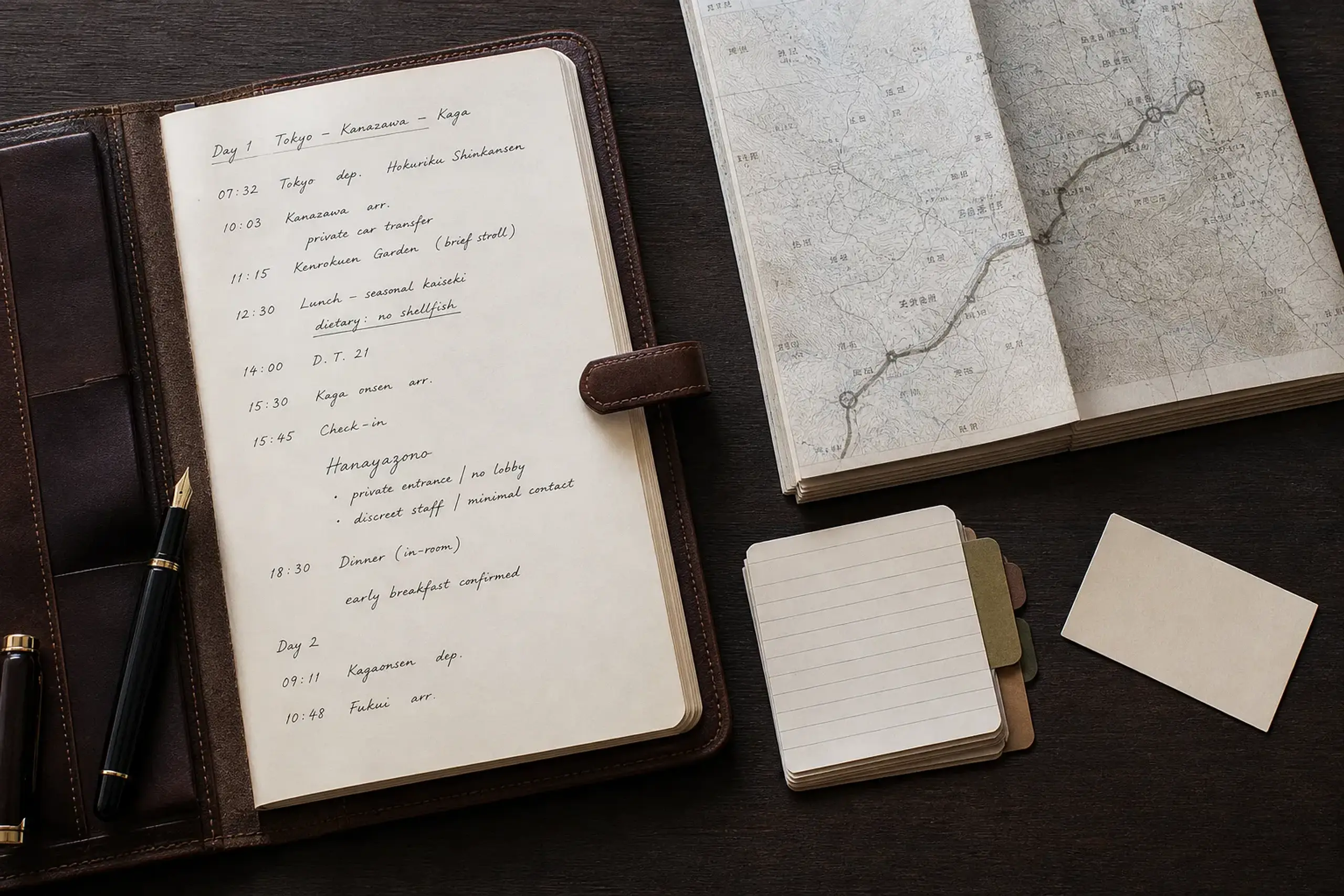
Privacy is planned before the flight—not negotiated at the curb.
Privacy begins before the flight touches down. Too late is too late.
In our experience, most exposure risk comes from three avoidable points: predictable arrival patterns, rigid schedules, and the assumption that “VIP” means speed everywhere. Japan rewards precision, but it punishes improvisation in crowded nodes.
The Intake That Actually Changes The Trip
We start with a short set of questions that sound simple, then get specific. Very specific.
- Exposure tolerance: Are you comfortable being noticed in a hotel lobby at 6pm? Or only at 7am?
- Name handling: What name can be used in public spaces, if any? What should never be spoken?
- Photography rules: Do you want “no camera around you,” or “no camera pointed at you,” or “no public posting at all”?
- Mobility and stamina: Elevators, steps, short walks, longer walks, wheelchair support needs.
- Medical contingencies: Current medications, allergies, and what “urgent” means to you.
Then we turn that into routing. Not a wish list. A blueprint.
Season And Timing Without The Clichés
Japan’s calendar is a moving target. Some weeks are famous for a reason.
We plan by “pressure,” not just weather: school holidays, festival flows, and the real-world impact of tourism concentration. A museum visit at 10:30 can be noisy; at 9:30 it can feel like a private viewing, even when it isn’t. One hour changes everything.
Controlled Access: Arrivals, Entrances, And Quiet Handoffs
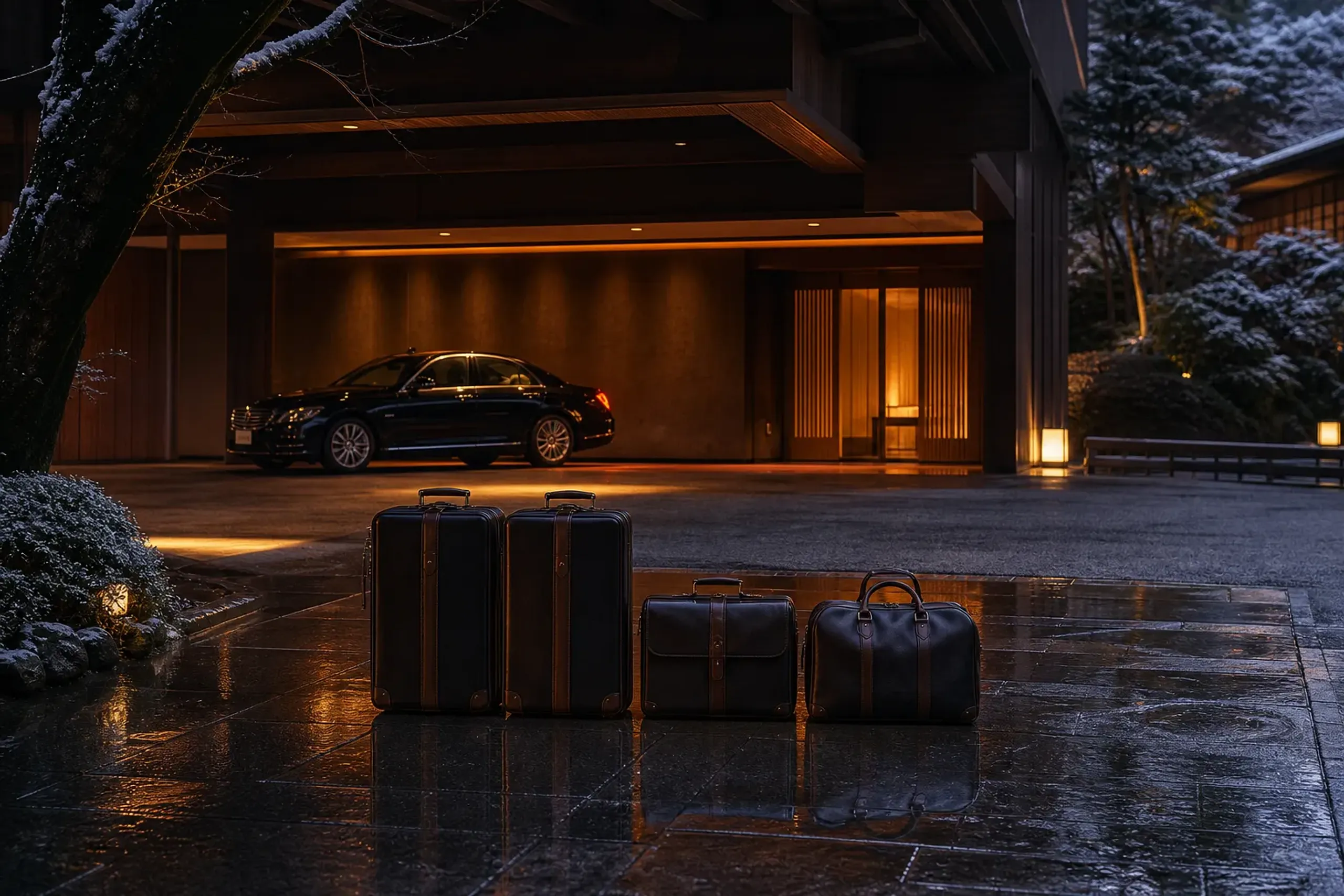
Most exposure happens at transitions. Airports. Hotel driveways. Station platforms.
Our goal is simple: fewer public handoffs, fewer waiting moments, fewer chances for strangers to orbit. Calm is engineered, not hoped for.
The first mention matters: for private transportation / chauffeur service, vehicle choice is only the visible layer. The real work is timing, approach routes, and choosing entrances that keep you out of the crowd’s line of sight when the property layout allows it.
Airport Flow: Where Discretion Usually Breaks
Airports are loud, fast, and filled with cameras. That’s the reality.
Zero-exposure airport flow focuses on reducing “standing still in public.” We prefer quick, quiet transfers to the vehicle, minimal lobby dwell time at the arrival property, and a plan for luggage that doesn’t require repeated conversations at a counter with your full name spoken clearly.
Hotel Arrival: The Lobby Is Not A Stage
For UHNW travelers, exposure often spikes at check-in. Everyone is tired. Everyone is visible.
We design arrivals around quiet. That can mean landing earlier, choosing properties with discreet approach patterns, or using timing to avoid the evening swell. The payoff is immediate: you enter like a resident, not a headline.
Vetted Personnel: The Human Layer That Keeps Your Identity Quiet
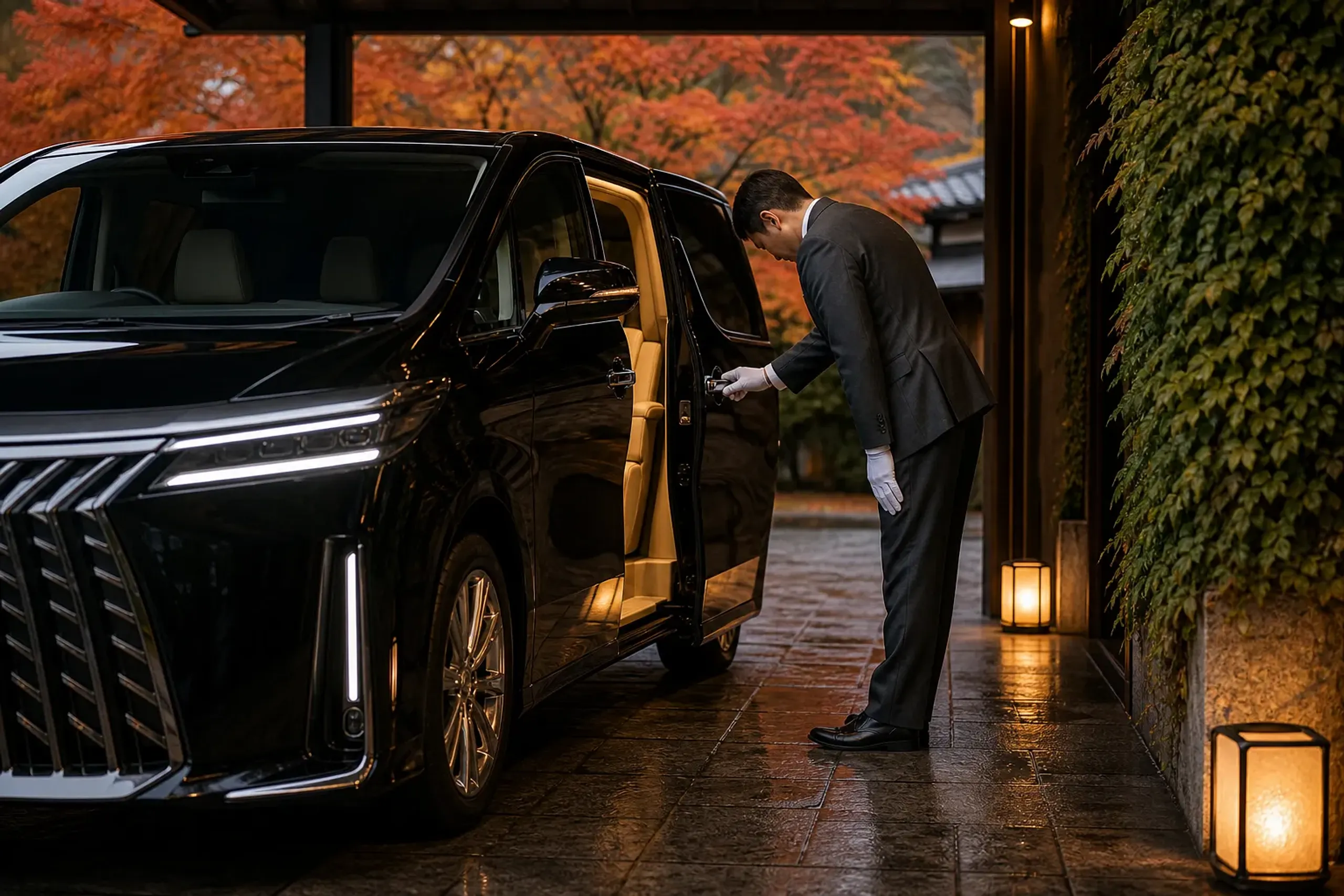
The best service draws less attention, not more.
Vehicles and routes do not create discretion by themselves. People do.
We use a small, consistent team model where possible. Fewer faces. Fewer repeated explanations. Less chance of a casual slip such as saying your name where it shouldn’t be said.
Driver Standards: Precision Without Conversation
A great driver is not a storyteller. They are watchful.
In practice, that means controlled pace, predictable stops, and the judgment to avoid “helpful” attention—like stepping out to open a door in a way that draws eyes. Sometimes the most discreet move is to be almost invisible.
Guide Behavior: The Quiet Art Of Not Becoming The Center
In Kyoto and Tokyo, a guide can accidentally create a scene. It happens.
We prefer a low-profile guiding style: soft spacing, short explanations delivered away from dense foot traffic, and clear agreement on photography etiquette. It is not only about your privacy; it is about not turning a neighborhood into a film set.
Dining Without Exposure: Private Rooms, Controlled Timing, And Name Protection
Dining is often where high-net-worth travelers are most recognizable. People linger. Staff rotate. Phones appear.
We lean on three levers: private rooms where the restaurant offers them, off-peak seating where it protects your evening, and a strict approach to guest-name handling in any public-facing interaction. Quiet details. Serious outcome.
Shokunin Encounters, Without The Audience
Japan’s shokunin culture is one of the few forms of luxury that doesn’t need decoration. A counter. A hand. A lifetime of repetition.
When you visit an artisan studio or sit at a chef’s counter, the experience can feel intensely personal. We design the day so that the approach, waiting time, and departure do not turn that intimacy into a public moment.
Wabi-sabi As A Practical Standard
Wabi-sabi is not a slogan. It is a filter.
We choose spaces with restraint: small gardens, muted corridors, and rooms that let silence exist. A marble lobby can be impressive; it can also be an echo chamber for attention.
Kyoto 2026: Privacy, Etiquette, And The New Reality In Gion
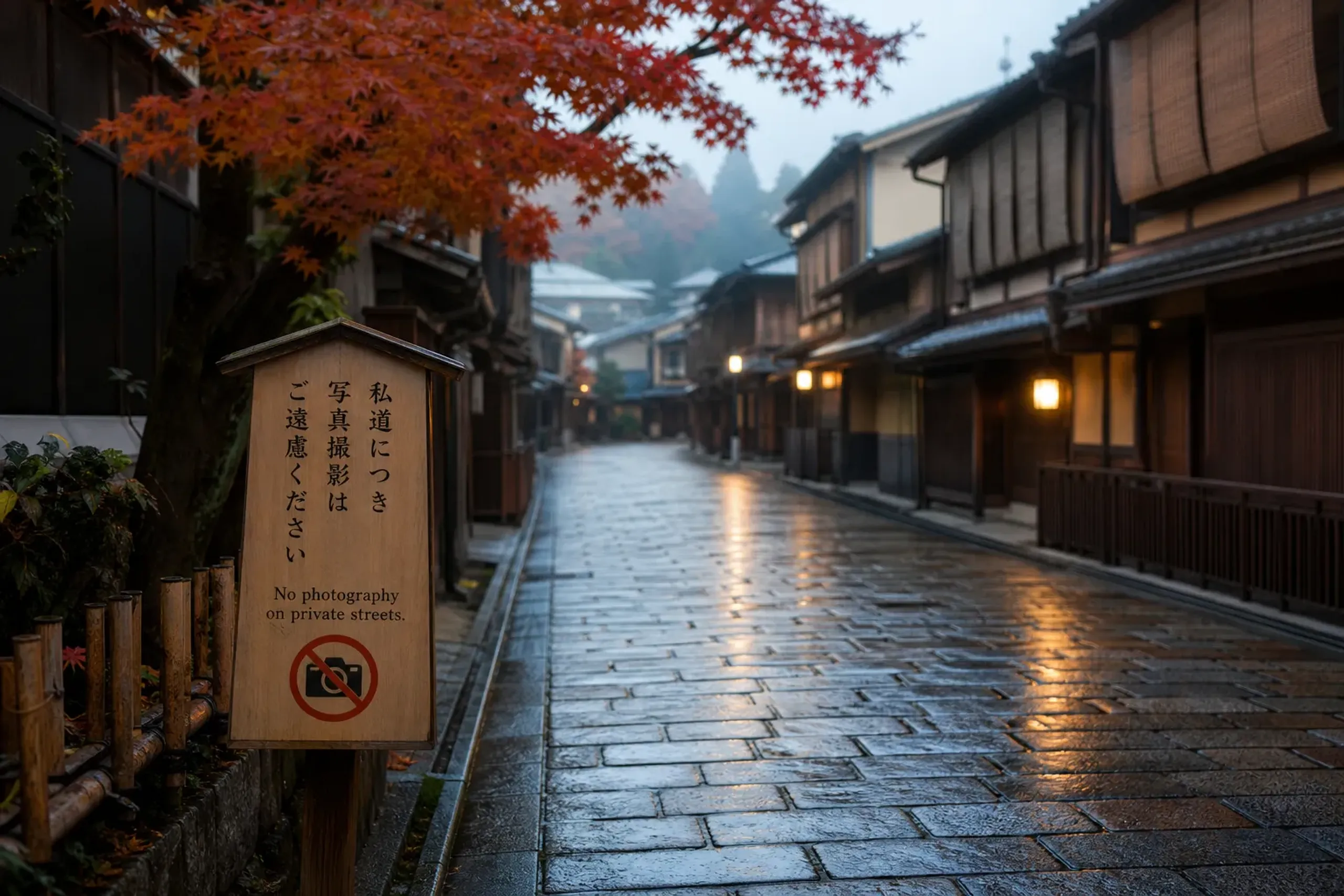
Kyoto rewards timing—and respect.
Kyoto is still Kyoto. It is also under pressure.
Kyoto’s official tourism guidance for visitors in 2026 highlights problematic behaviors in areas such as Southern Gion, including following geiko/maiko and photographing them without permission, and states photography is only permitted in designated areas. For UHNW guests, this is not “tourist advice.” It is a cultural boundary.
A Better Approach To Gion And Higashiyama
We prefer early movement or late movement. Midday is a magnet.
When guests want to experience traditional streetscapes, we choose timing that reduces conflict with daily life. We also set clear rules: no pursuit, no surprise photos, no social posting that reveals precise location in real time. Simple. Non-negotiable.
Private Cultural Time That Exists In The Open
Not every quiet cultural experience requires “exclusive access.” Some are publicly offered, just underused.
For example, Chasanraku in Arashiyama states that its tea ceremony experience program includes private rental of the space. That is supplier-proof privacy. It’s also a calmer way to engage with tea culture, away from crowded group formats.
Compliance Details High-End Travelers Should Not Ignore
Frictionless travel includes knowing what changed. Not debating it on arrival.
Kyoto’s accommodation tax rates changed starting March 1, 2026, per Kyoto’s official tourism site. The amounts are not the point here; the point is avoiding surprise at check-out and ensuring your documentation and payment flow remain clean and quiet.
Contingency Routing: Backup Plans That Stay Off The Guest’s Mind
Japan is orderly, not static. Trains pause. Roads close. Weather moves fast on the coast.
Zero-exposure travel treats the primary plan as a first draft. We build alternates that keep you out of crowded improvisation—like standing on a platform with everyone else, asking questions, becoming visible.
Rules For Backup Routes
- Keep alternates nearby: A “Plan B” across town can be worse than staying put.
- Avoid bottlenecks: Large stations at peak times can create exposure through sheer density.
- Protect meal rhythm: A delayed lunch becomes a crowded late lunch. Timing cascades.
Even one spare hour, placed well, can make the whole day feel private.
Real-Time Coordination: The Trip Should Feel Quiet, Even When The Day Is Not
Real coordination is not a stream of messages. It’s fewer messages, with clean decisions.
Our concierge team monitors the day’s pressure points: arrival waves, bottlenecks near headline landmarks, and the human tempo of your party. If someone needs a pause, the schedule bends. If a location feels too exposed, we reroute without turning it into a discussion in public.
What We Coordinate Quietly
- Luggage handling: reducing repeat check-ins and public counters where names are spoken.
- Vehicle staging: positioning that minimizes waiting on sidewalks.
- On-the-day timing: shifting by 15–45 minutes to miss the crowd’s crest.
- Backup dining: knowing which neighborhoods can absorb a change without chaos.
The guest should feel none of it. That’s the point.
Sample Day Blueprint: Tokyo To Kyoto, Minimal Exposure
Below is a sample blueprint, not a template. Your version depends on your tolerance for stations, crowds, and visibility.
Morning: Controlled Start In Tokyo
We begin with a quiet departure window. Early. Not heroic.
If you prefer rail, we plan station arrival to reduce platform dwell time and avoid peak flow. If you prefer a road-based day, we design it as a controlled corridor with private breaks rather than public “shopping street” pauses.
Midday: Transfer Without The Tourist Hour
Midday is where most plans fray. People get hungry at the same time.
We schedule lunch to avoid the crush and choose a setting that supports privacy: smaller rooms, less foot traffic, less visibility from the street. Then we move again, before the city thickens.
Afternoon: Kyoto Arrival Designed To Disappear
Kyoto’s busiest hours can make even a luxury hotel feel like a station. We avoid that.
We prefer arrival patterns that keep you out of the lobby’s busiest pulse, then a short reset in-room before any evening cultural time. The day ends with silence, not with a scramble.
Privacy-Risk Checklist: The Quiet Things That Cause Loud Problems
This is the checklist we use to prevent “small” mistakes from turning into public moments. It is practical. It works.
- Names: never say the principal guest’s full name at a public counter.
- Room numbers: never repeat them out loud in a lobby.
- Photos: agree in advance: no filming inside sacred spaces where prohibited; no geiko/maiko pursuit; no surprise flashes.
- Social posting: delay posting until after departure from a location.
- Medical: keep a written list of medications and allergies accessible, not “somewhere in email.”
- Shopping: avoid street-level handoffs with branded bags when privacy matters; consolidate later.
- Last-minute changes: changes are fine; public debates are not.
Discretion is a habit. Not a single action.
Route-Flow Diagram: How “Invisible” Travel Actually Moves
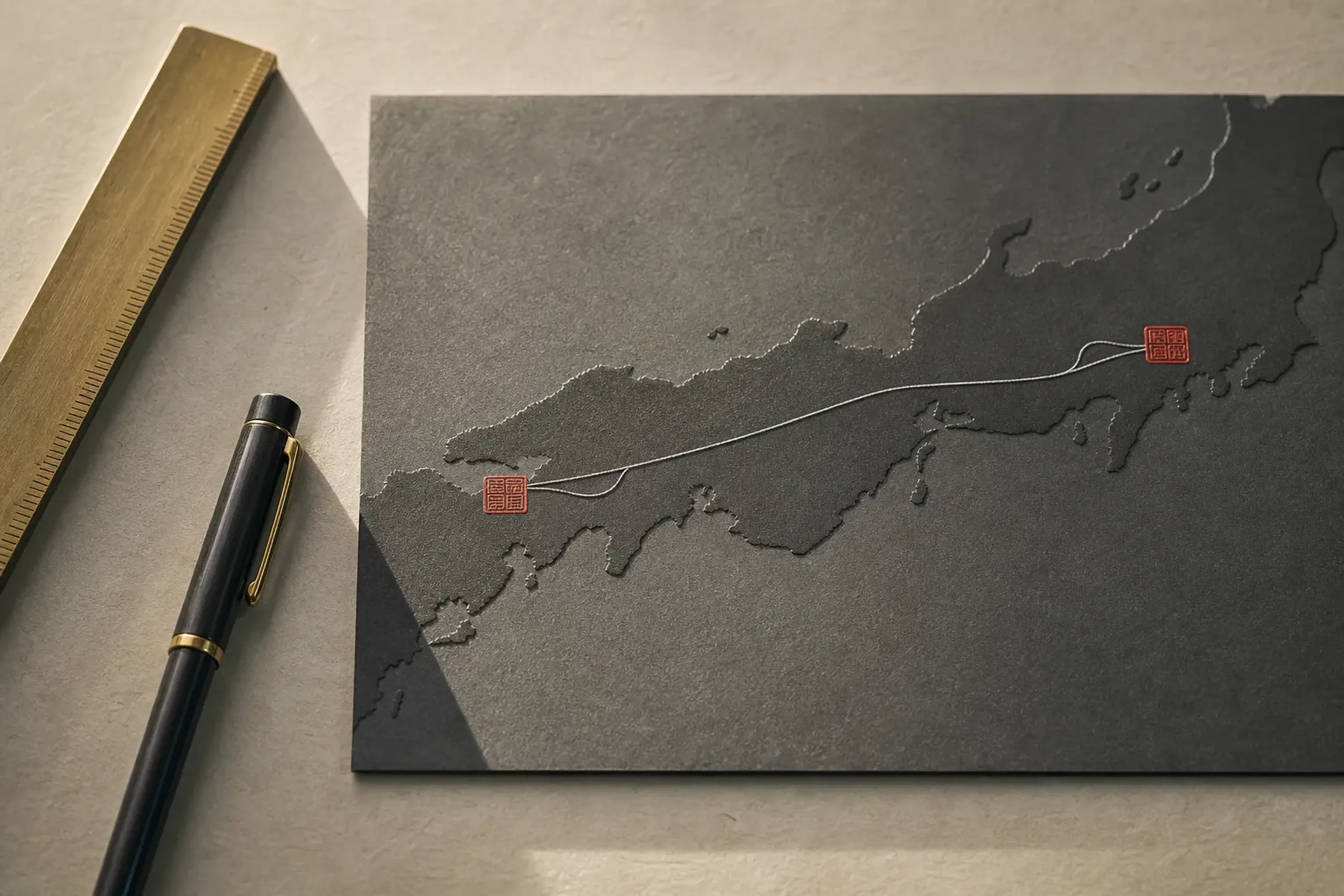
A quiet day is built from routing choices you never have to explain.
The simplest way to understand zero-exposure design is to see the flow. Here is a high-level diagram that avoids operationally sensitive detail.
| Trip Segment | Exposure Risk | Zero-Exposure Design Choice |
|---|---|---|
| Airport Arrival | High | Minimize standing still; fast handoff; name discretion |
| Hotel Check-In | Medium–High | Arrival timing; quiet entry; short lobby dwell time |
| Iconic Sight Visit | Medium | Off-peak windows; alternate approaches; shorter stays |
| Dining | Medium | Private rooms where offered; controlled timing; guest-name protection |
| Intercity Transfer | Medium | Choose mode by crowd pressure; luggage strategy; backups |
2026 Rail Pressure: When Private Driving Beats A Pass (And When It Doesn’t)
Rail is one of Japan’s great joys. It can also be a crowd funnel.
JR Central’s English PDF states new Japan Rail Pass prices apply for purchases made on or after October 1, 2026, and Japan’s official tourism site notes the JR Group price increase effective October 1, 2026. Planning now requires more decision-making: what’s efficient, what’s calm, and what keeps you out of lines.
Option A: Rail When Timing Is On Your Side
Rail can be the cleanest solution when you can control station timing and keep luggage friction low. It is also culturally satisfying.
- Choose departure windows that reduce platform crowding.
- Keep transfers simple; fewer station changes means fewer exposure points.
- Use a luggage plan that avoids repeated public counters.
Option B: Chauffeured Days When Privacy Is The Priority
A chauffeured day can reduce exposure when you want door-to-door control, flexible timing, and fewer public handoffs, especially for families or multi-generation groups.
- Leave when you want, not when the timetable dictates.
- Pause without being “stuck” in a public place.
- Arrive without the station swell.
Option C: Mixed Mode For The Best Of Both
Many UHNW itineraries work best as a mix: rail for a satisfying long run, private vehicle for local days where small routing decisions protect privacy.
We match transport choices to your exposure tolerance and your calendar pressure. That’s the real luxury.
FAQ: Invisible Japan And Zero-Exposure Travel
Is “zero-exposure travel” the same as exclusive access?
No. Zero-exposure is a routing and behavior framework that reduces attention. Some experiences may offer private formats, but the core is timing, discretion, and controlled transitions.
Can I still see Kyoto’s iconic areas without breaking etiquette rules?
Yes, if you follow Kyoto’s visitor guidelines, respect photography restrictions, and avoid behaviors such as following geiko/maiko. Our role is to design timing and movement so compliance feels natural, not restrictive.
Do you recommend avoiding Kyoto because of crowds?
Not automatically. We often redesign Kyoto: early starts, calmer districts, and alternatives that protect both your privacy and resident life.
What cultural activities can be done in a more private format?
It depends on the provider. For example, Chasanraku in Arashiyama states that private rental of its tea ceremony space is available as part of its experience program.
How does overtourism policy affect luxury travelers?
It raises the baseline expectation of respectful travel. Japan Tourism Agency initiatives and Kyoto’s guidance signal that visitor management is a national priority, not a local annoyance.
Does the 2026 Japan Rail Pass change matter if I’m traveling privately?
It can. Even UHNW guests use rail for certain routes, and price changes after October 1, 2026 can affect planning decisions and availability pressure. For questions, contact our concierge.
Why Choose Japan Royal Service
Many travel companies sell “VIP.” We build calm.
Our team at Japan Royal Service designs invisible Japan through three pillars that matter most at the top end: discretion in every handoff, shokunin-level attention to timing and craft-led culture, and a season-sensitive understanding of pressure weeks and how crowds actually move. Quiet, not flashy.
We also work in the real Japan—where Kyoto’s photography guidance is non-negotiable, where overtourism policies shape access patterns, and where the best days are built from backup routes that you never have to think about. That is the difference between a luxury trip and a private one.
For private coordination, reach our team at Japan Royal Service discreetly via WhatsApp or LINE, or contact us here.