In this guide
- 01Why Is The Iriomote Cat So Rare, And Why Does It Only Live On One Island?
- 02Will I See An Iriomote Cat In The Wild If I Visit Iriomote Island?
- 03The Cat Itself: What The Iriomote Cat Is, And What Locals Call It
- 04A Modern Discovery With Ancient Roots
- 05What Threatens The Iriomote Cat: Refuse, Roads, And Human Pressure
- 06Todomari Beach And The Real Conservation Tension On Iriomote
- 07What Is The Most Respectful Way To Learn About The Iriomote Cat On Iriomote Island?
- 08Iriomote Island In Plain Terms: Scale, Wildness, And UNESCO Recognition
- 09Getting To Iriomote From Ishigaki: The Practical Route (And What Can Disrupt It)
- 10A Low-Impact Day On Iriomote That Respects The Cat’s Reality
- 11How Japan Royal Service Shapes An Iriomote Visit For Discreet, Time-Poor Travelers
- 12Frequently Asked Questions
- 13Why Choose Japan Royal Service
Under a hundred. On one island only.
On Iriomote Island in Okinawa’s Yaeyama Islands, a small wild cat survives in numbers so low that most careful visitors will never glimpse it. That is the point. The Iriomote cat—Prionailurus bengalensis iriomotensis—isn’t a travel trophy. It is a question hanging in the humid dark.
Our team at Japan Royal Service often meets travelers who want the “real” Japan, far from crowds, with nature that feels intact. Iriomote delivers that feeling quickly. Then it asks you to slow down, lower your voice, and accept something rare: a story you can respect without trying to turn it into a sighting.
Why Is The Iriomote Cat So Rare, And Why Does It Only Live On One Island?
The Iriomote cat lives only on Iriomote Island, and current estimates still run around a hundred or fewer, with Japan’s Ministry of the Environment estimating 100–109 individuals in 2007.
That pairing—one island, around one hundred—is what gives this animal its gravity. Remove either fact and it becomes just another endangered-species headline. Together, they make the Iriomote cat feel like an ember: small, easily extinguished, and still warm.
The IUCN has listed the Iriomote cat as Critically Endangered since 2008. This is not an animal “recovering” in the background while tourism blooms in the foreground. The stakes are active.
If you are planning a visit, start with the honest expectation: you are coming to Iriomote for wilderness, mangroves, forest edge, and a conservation story—not to look for the cat.
Will I See An Iriomote Cat In The Wild If I Visit Iriomote Island?
No—visitors are very unlikely to see an Iriomote cat in the wild because it is nocturnal, avoids humans, and survives in extremely low numbers.
We say that early because it protects the experience. Once you stop “scanning,” Iriomote becomes richer. You notice the slow turn of brackish water in mangrove channels. You hear what you missed while hoping for a silhouette on the roadside.
Trying to force wildlife outcomes also creates bad incentives on small islands. Iriomote’s roads are real roads, used by residents. The last thing this species needs is more night driving with hopeful headlights.
Key fact: Please do not plan any activity framed around “cat-viewing.” The respectful approach is learning, not chasing.
The Cat Itself: What The Iriomote Cat Is, And What Locals Call It
Scientifically, the Iriomote cat is a subspecies of leopard cat: Prionailurus bengalensis iriomotensis. In shape it can read, at a quick glance, like a small bobcat—compact body, alert posture, ears that feel slightly larger than you expect.
Yet the most moving details are linguistic, not anatomical. In the Yaeyama language, names for the cat carry real poetry: yamapikaryaa (“that which shines in the forest”) and meepisukaryaa (“that which has flashing eyes”). Alongside them sits the straightforward Japanese word yamaneko.
Those names suggest how the animal is encountered in truth.
Not as a clear photograph. As a flicker. As eyeshine. As something that belongs to the forest’s rules, not ours.
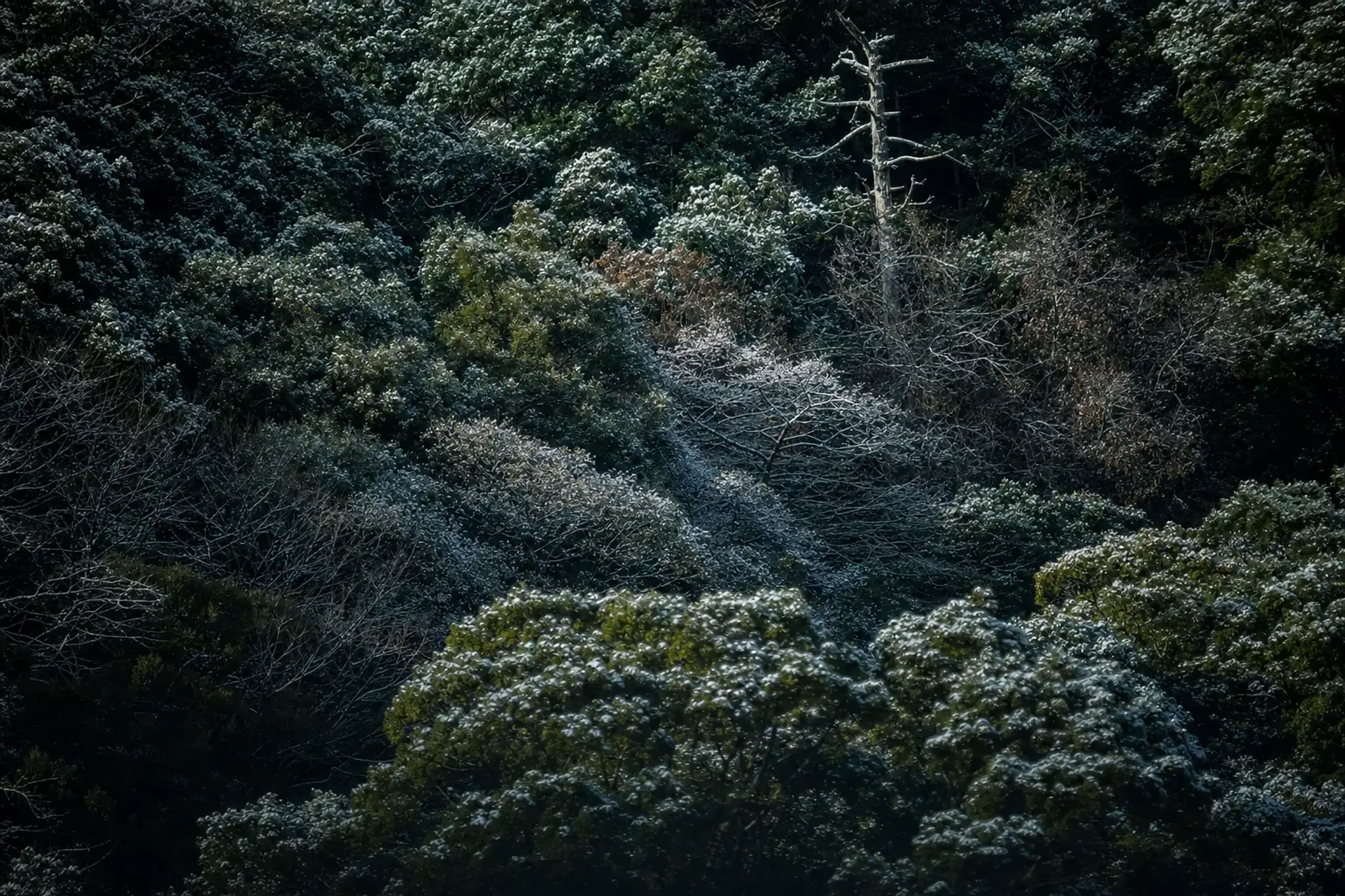
The Iriomote cat favors dense rainforest, beaches, and mangrove stands. It hunts and breeds largely at night. That single behavioral fact explains why ethical tourism around this species must remain modest.
A Modern Discovery With Ancient Roots
The Iriomote cat was first scientifically described in 1967. That is startlingly recent for a distinct subspecies. It also explains why older travel writing sometimes treats it vaguely, as if it were folklore.
Genetic evidence suggests the lineage has existed for roughly two million years. This is why it is sometimes called a living fossil. The phrase is dramatic, but the point is plain: the animal’s timescale is deep, while its human-era fragility is sudden.
On Iriomote, modernity arrives in small, sharp ways—new traffic patterns, new waste streams, new construction. For a population this small, “small” changes are not small.
What Threatens The Iriomote Cat: Refuse, Roads, And Human Pressure
The island’s conservation messaging is unusually specific, and that matters. According to the Iriomote Wildlife Conservation Center’s own documentary, named threats include human refuse and vehicle strikes on the island’s roads.
Refuse sounds mundane. It is. That is what makes it dangerous—small habits that scale. On an island where most of the land remains wild, the weak points are often the human edges: parking areas, roadside pull-offs, the temptation to “just leave it.”
Road risk is equally plain.
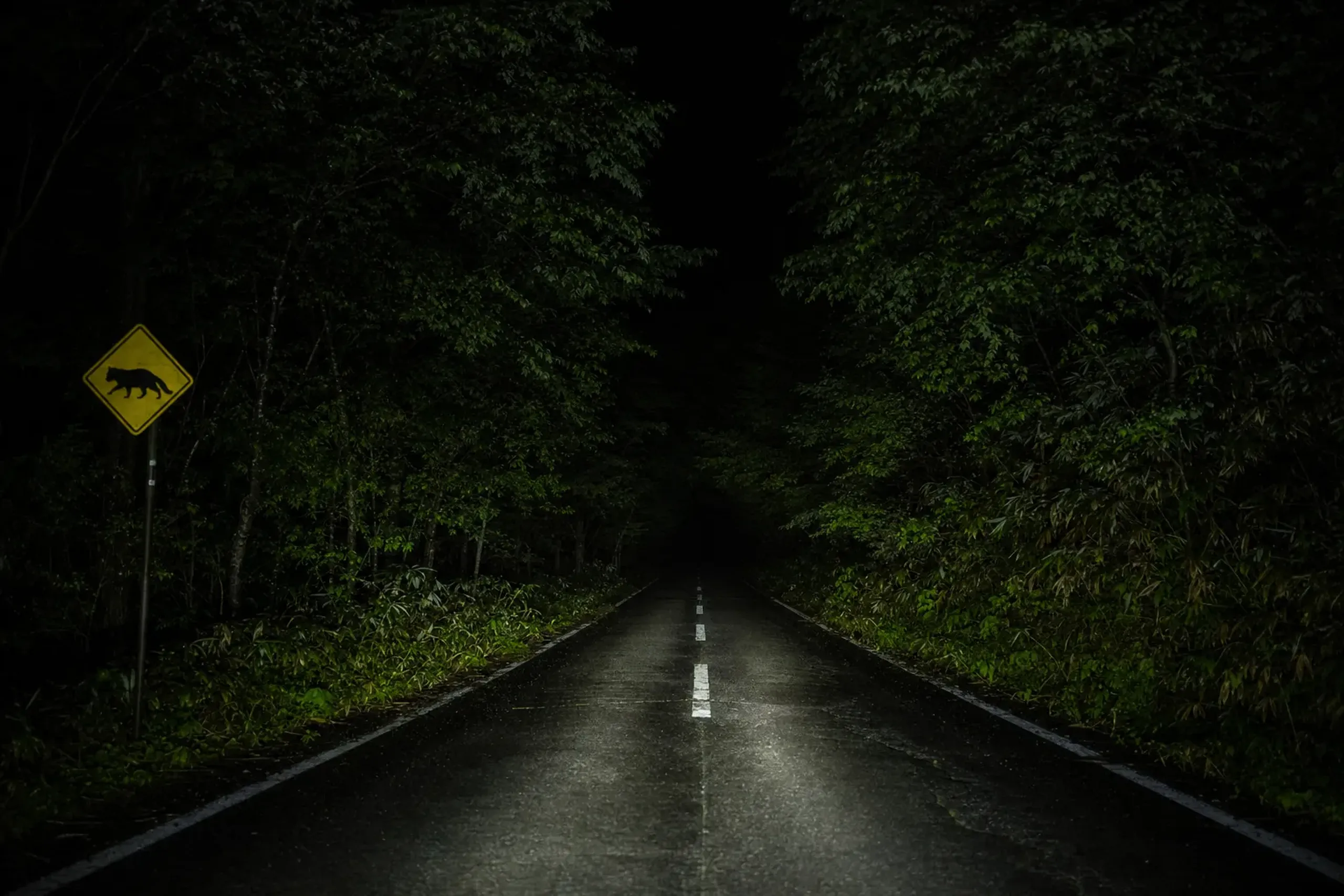
The cat moves at night. People drive at night. A critically endangered population does not have spare individuals.
For HNW travelers, the most meaningful luxury here is restraint: leaving no trace, traveling with care, and choosing learning over pursuit.
Todomari Beach And The Real Conservation Tension On Iriomote
There is a reason this story should not be reduced to “cute and elusive.” In the 2000s, a resort hotel was built on Todomari Beach, known cat habitat, and it drew documented opposition from environmentalists and local residents concerned about impacts on the species.
This is not ancient history, safely boxed. It shows that Iriomote’s future is negotiated in real time, with competing visions of what the island is for. Wilderness. Livelihood. Development. Protection.
When you walk Iriomote with that context in mind, the landscape changes. A quiet beach becomes contested ground. A new building line feels like a question mark.
We do not share this to sensationalize. We share it because it is honest. If you care about the Iriomote cat, you should know that its survival is not guaranteed by good intentions alone.
What Is The Most Respectful Way To Learn About The Iriomote Cat On Iriomote Island?
The most respectful way is visiting the Iriomote Wildlife Conservation Center, a small natural-history museum with English signage and a short documentary about the cat’s decline and hazards.
This is the rare place where the story is presented without romance. You learn the numbers.
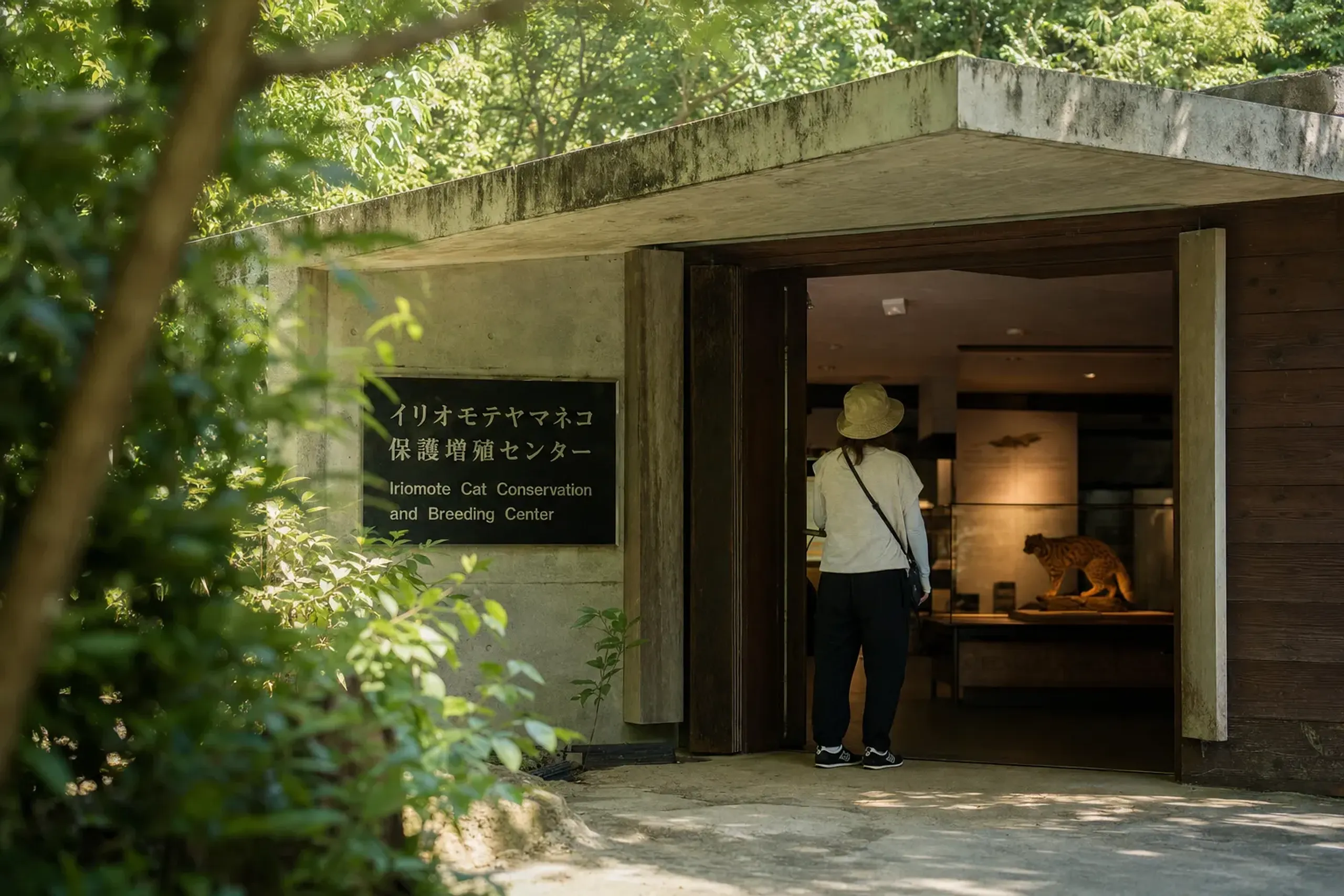
You learn the threats. You learn why you should not expect a sighting. It is, quietly, the correct tone.
The center’s value is also practical. It grounds your time on Iriomote in facts, not hopes. Afterward, mangrove and forest feel less like scenery and more like habitat—specific, vulnerable, and real.
Our concierge team at Japan Royal Service verifies current opening hours privately in advance, because small-island operations can shift with seasons and staffing.
Iriomote Island In Plain Terms: Scale, Wildness, And UNESCO Recognition
Iriomote is the largest of the Yaeyama Islands and the second largest in Okinawa Prefecture after Okinawa’s main island. It has no airstrip. That single detail preserves its character.
Most visitors arrive by ferry from Ishigaki, roughly 31 km away, into either Uehara Port (northeast coast) or Ōhara Port (southeast). The rhythm is fly between islands, then sail within them. If you want a wider context for that pattern, our Okinawa destination planning often uses the same logic across the prefecture’s island groups.
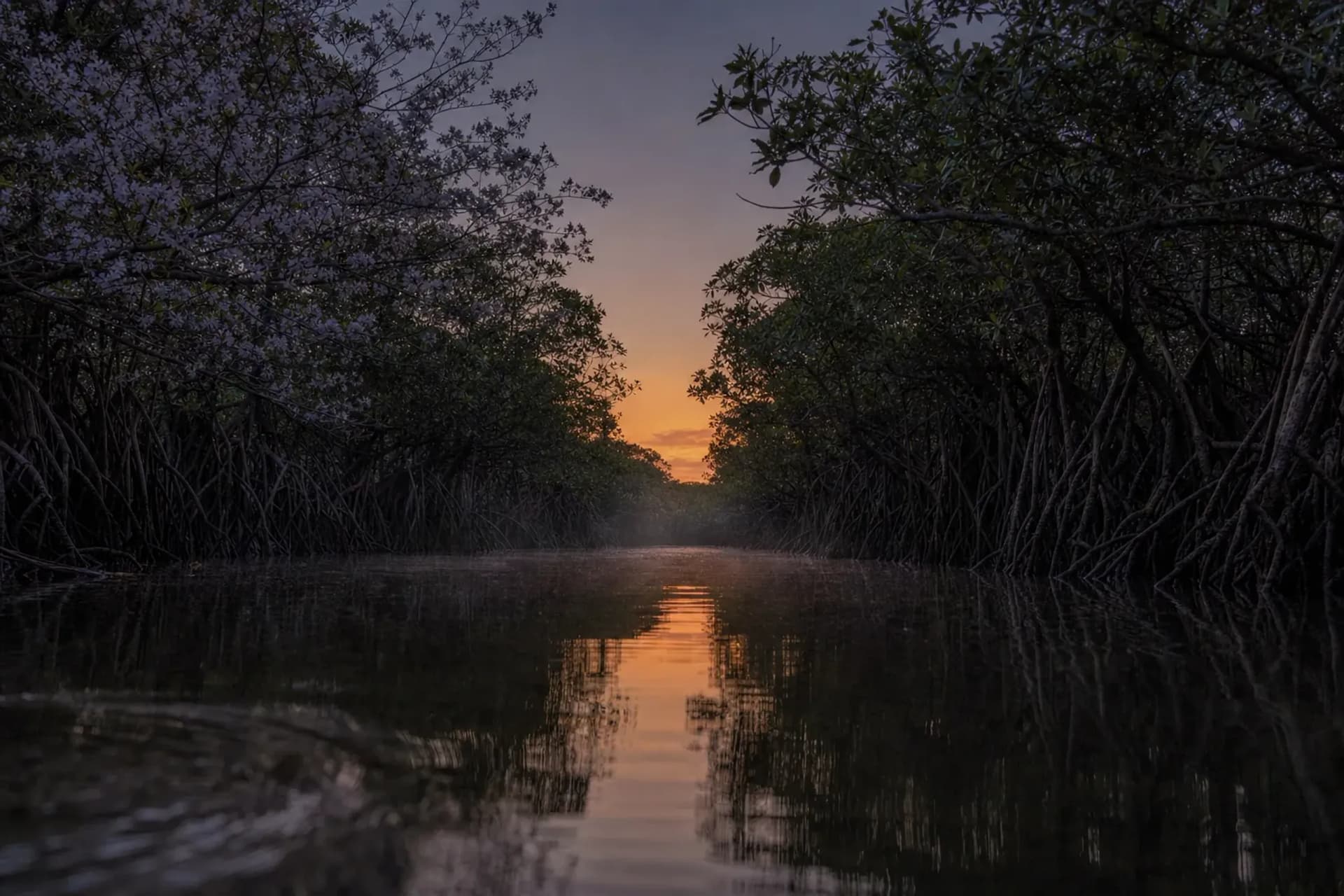
Roughly 90% of the island remains undeveloped. You feel it as soon as the road narrows and the forest presses in. Big sky disappears. Green takes over.
In 2021, Iriomote was inscribed as part of a UNESCO World Heritage natural site, alongside Amami-Ōshima, Tokunoshima, and the northern part of Okinawa Island. The designation reflects habitats like this one directly.
Getting To Iriomote From Ishigaki: The Practical Route (And What Can Disrupt It)
Most travelers reach Iriomote by first flying to Ishigaki, then taking a ferry to either Uehara Port or Ōhara Port.
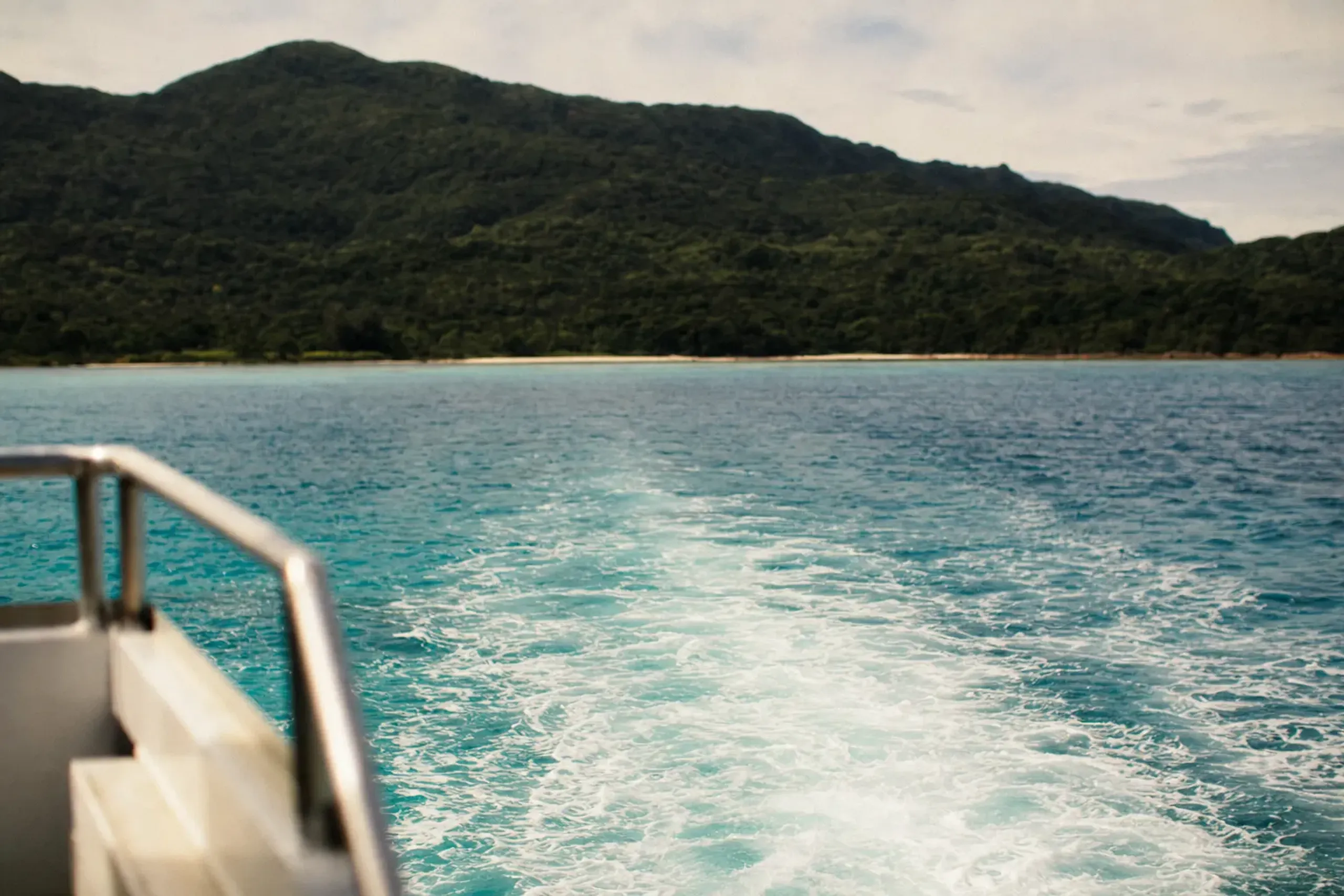
In practice, your day runs on small timings: hotel departure, port arrival, the margin you keep for queues, and the reality that sea conditions can change. Even when everything goes smoothly, island travel rewards buffers. Tight connections make you feel hunted by the clock.
We recommend choosing a single port as your anchor for the day’s plan. Uehara and Ōhara are not interchangeable if you are moving across the island. Plan your ground transport with the same precision you give the ferry.
If you value privacy and calm, consider a door-to-port transfer rather than improvising on arrival. The first mention matters: our private transportation guidance focuses on quiet timing, luggage control, and minimizing friction at the edges of the day.
A Low-Impact Day On Iriomote That Respects The Cat’s Reality
Think of this as a “learning day,” not a “spotting day.” Different posture. Different reward.
Step 1: Start with the Iriomote Wildlife Conservation Center. Watch the documentary. Read the English signage slowly. Let the facts land.
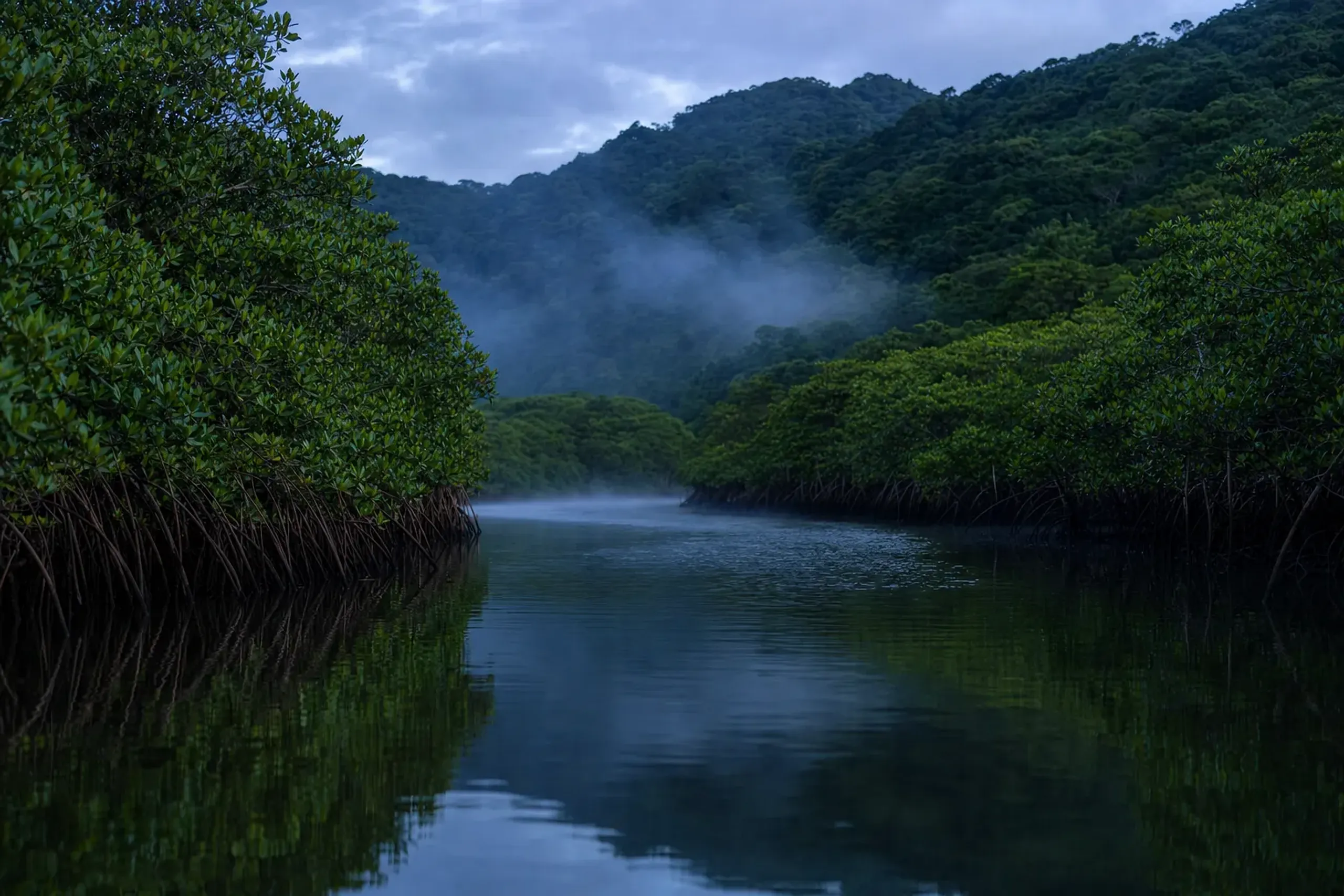
Step 2: Spend the afternoon in landscapes the cat depends on. Mangroves, forest edge, and quiet coastal stretches are not backdrops; they are the point. Keep your distance. Keep your pace gentle.
Step 3: End early. Night driving invites the wrong mindset—searching, scanning, hurrying. If you want to honor the species, give it the dark back.
This is where hidden-Japan becomes a real value, not a slogan.
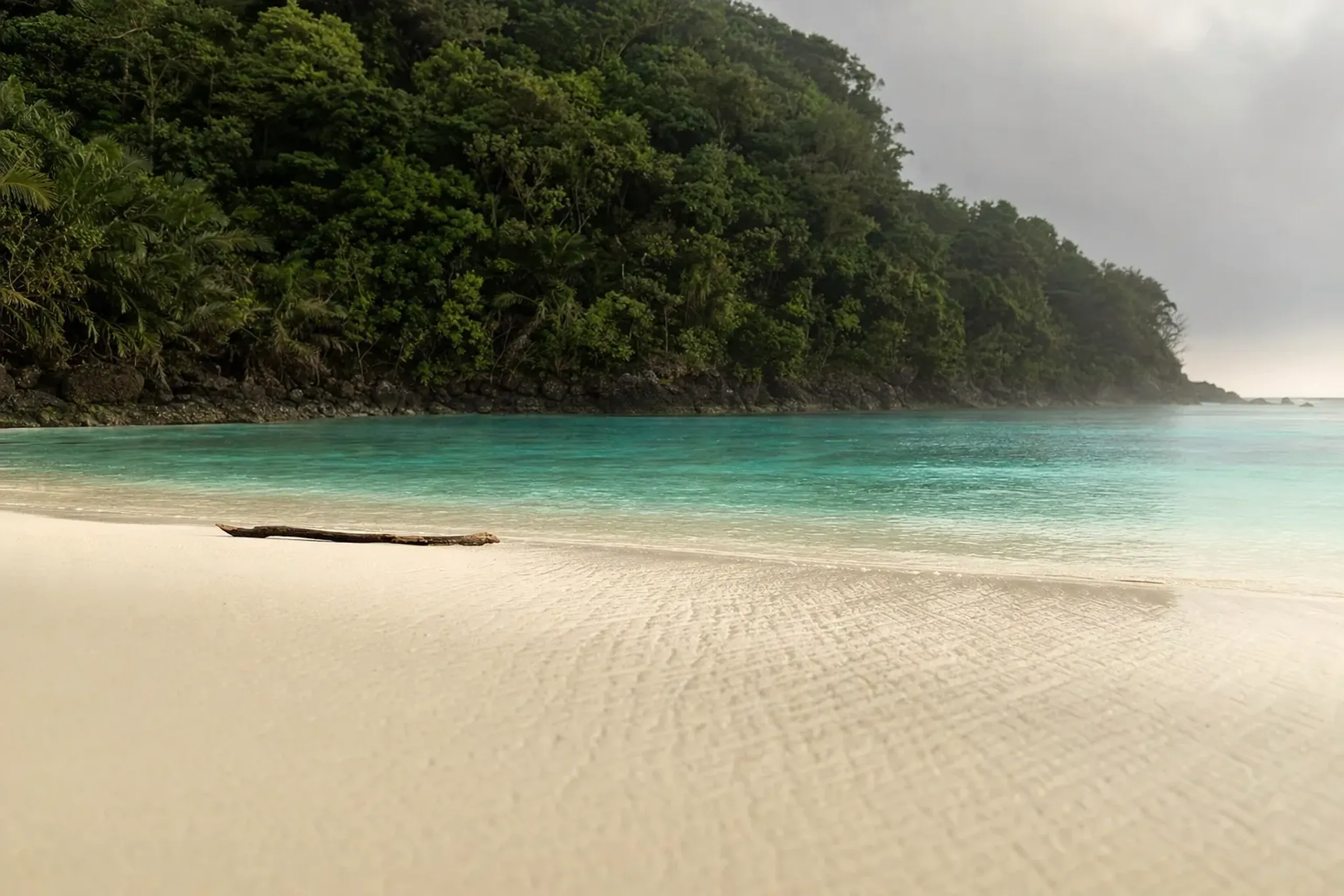
Iriomote offers a Japan that Google cannot hand you as a checklist, because the best parts are atmospheric and unperformed.
How Japan Royal Service Shapes An Iriomote Visit For Discreet, Time-Poor Travelers
Iriomote rewards travelers who like quiet competence—plans that don’t announce themselves, and days that keep their shape even when small disruptions arrive. That is the style we bring.
We also protect discretion. For many HNW families and founders, Okinawa’s outer islands are chosen precisely because they feel far from the public gaze. Our default stance is confidentiality of identity and itinerary. Always.
And we think like craftsmen. The Japanese idea of shokunin is not only about pottery or knives; it is about doing ordinary things with severe care—departure times, port choices, pacing, and the simple act of not wasting your day in confusion.
When you want the trip designed around you—not around a generic route—our team can advise on a tailor-made itinerary that keeps the focus where it belongs: Iriomote’s wilderness and the honest story of its most fragile resident.
Frequently Asked Questions
Is The Iriomote Cat The Same As A Leopard Cat?
The Iriomote cat is a subspecies of leopard cat, with the scientific name Prionailurus bengalensis iriomotensis.
It is often discussed as distinct because it evolved in isolation on Iriomote and now survives in extremely small numbers.
Where Should I Go If I Want To Learn About The Iriomote Cat Without Expecting A Sighting?
The Iriomote Wildlife Conservation Center is the most realistic and respectful place to learn, with English-language signage and a short documentary about threats like refuse and road strikes.
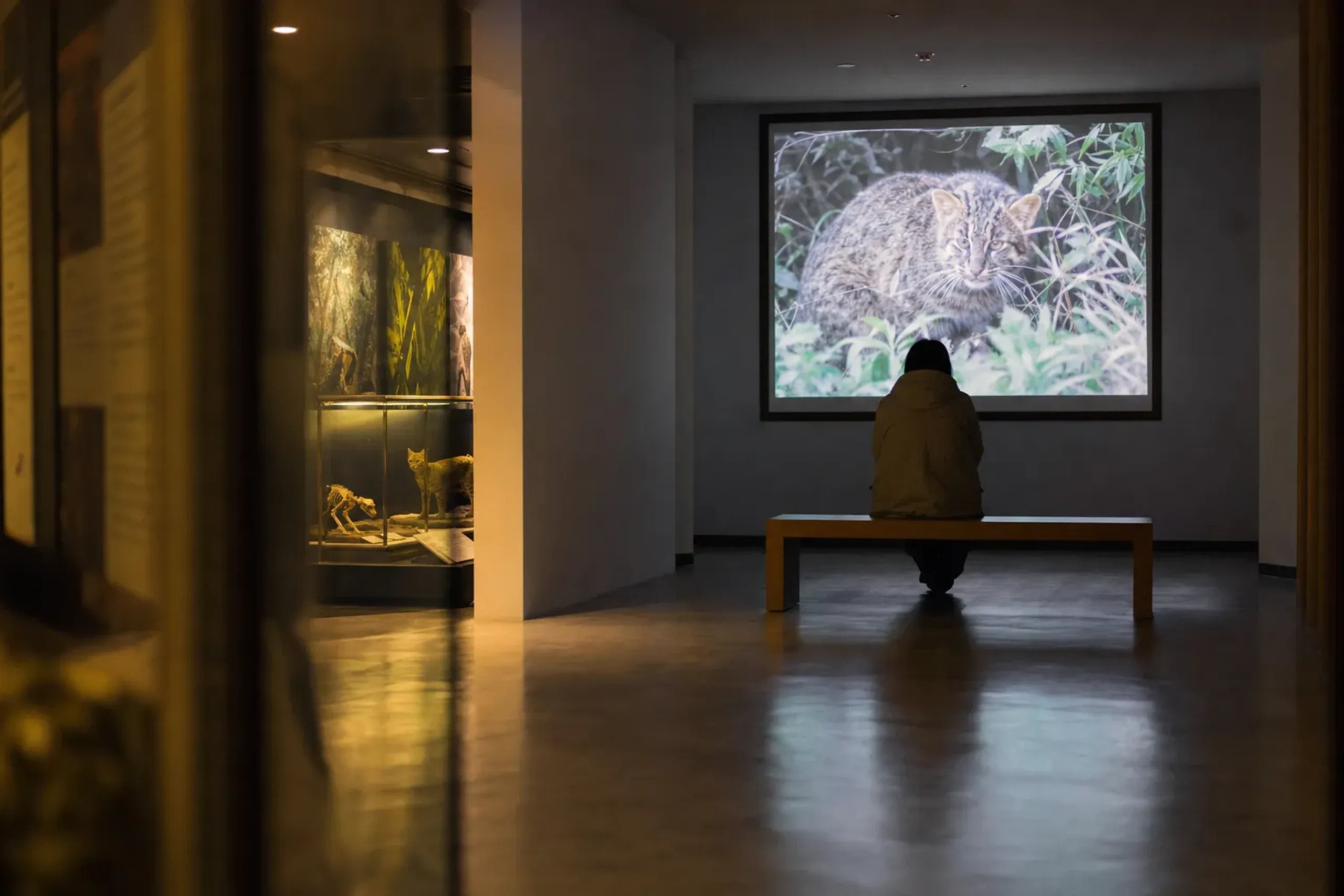
This approach keeps the animal’s welfare central, rather than turning the visit into a chase.
Which Port Do I Use To Reach Iriomote From Ishigaki: Uehara Or Ōhara?
Most visitors travel from Ishigaki to Iriomote via ferry to either Uehara Port (northeast) or Ōhara Port (southeast), chosen based on where you plan to spend the day.
We suggest anchoring your plan to one port to avoid cross-island time loss.
Why Do People Say Iriomote Is “Japan’s Last Wilderness”?
Iriomote is often described that way because roughly 90% of the island remains undeveloped, with dense rainforest and mangrove habitats that still feel intact.
It is also part of a UNESCO World Heritage natural site inscribed in 2021.
Why Choose Japan Royal Service
Luxury travelers choose Japan Royal Service when they want Okinawa’s outer edges without guesswork, noise, or exposure. We plan with discretion first, so your identity and movements stay private, and your time stays yours.
We also favor the Japan that cannot be skimmed in an afternoon: hidden-Japan places and truths, the discipline of shokunin-level planning, and an approach that treats Iriomote’s critically endangered wildlife with restraint. No forced moments. No performative “adventure.” Just a well-held journey.
For private coordination, reach our team directly via WhatsApp or LINE, or contact us here.