In this guide
- 01What Actually Holds Up The Iya Valley Vine Bridge?
- 02The Long Memory Of A Hidden Valley
- 03Why Is The Kazurabashi Rebuilt Every Three Years?
- 04What The Bridge Is Made Of — And How You Cross It
- 05Beyond The Famous Bridge: Oku-Iya And The Second Crossing
- 06How Japan Royal Service Makes A Hard Region Effortless
- 07Frequently Asked Questions
- 08Why Choose Japan Royal Service
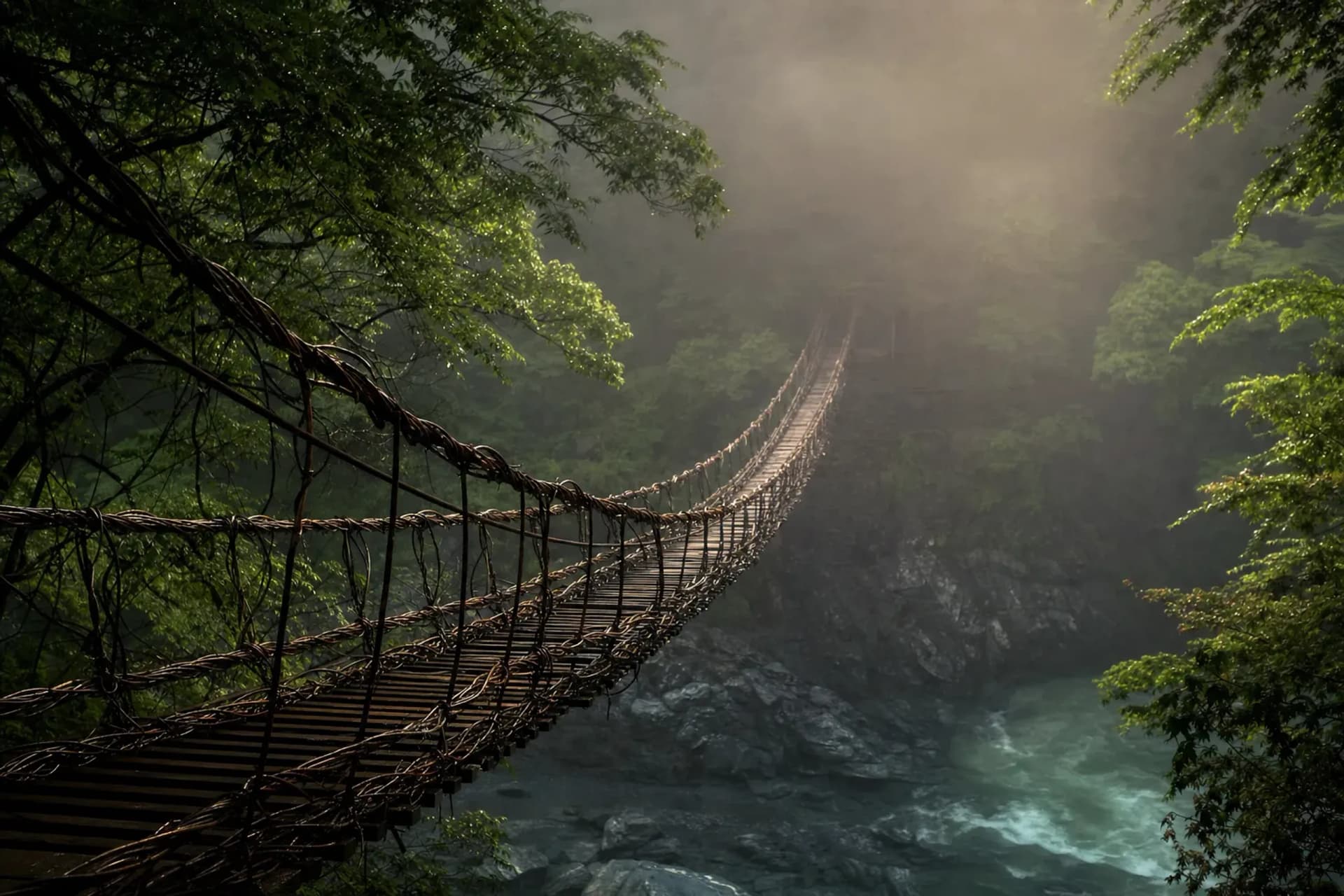
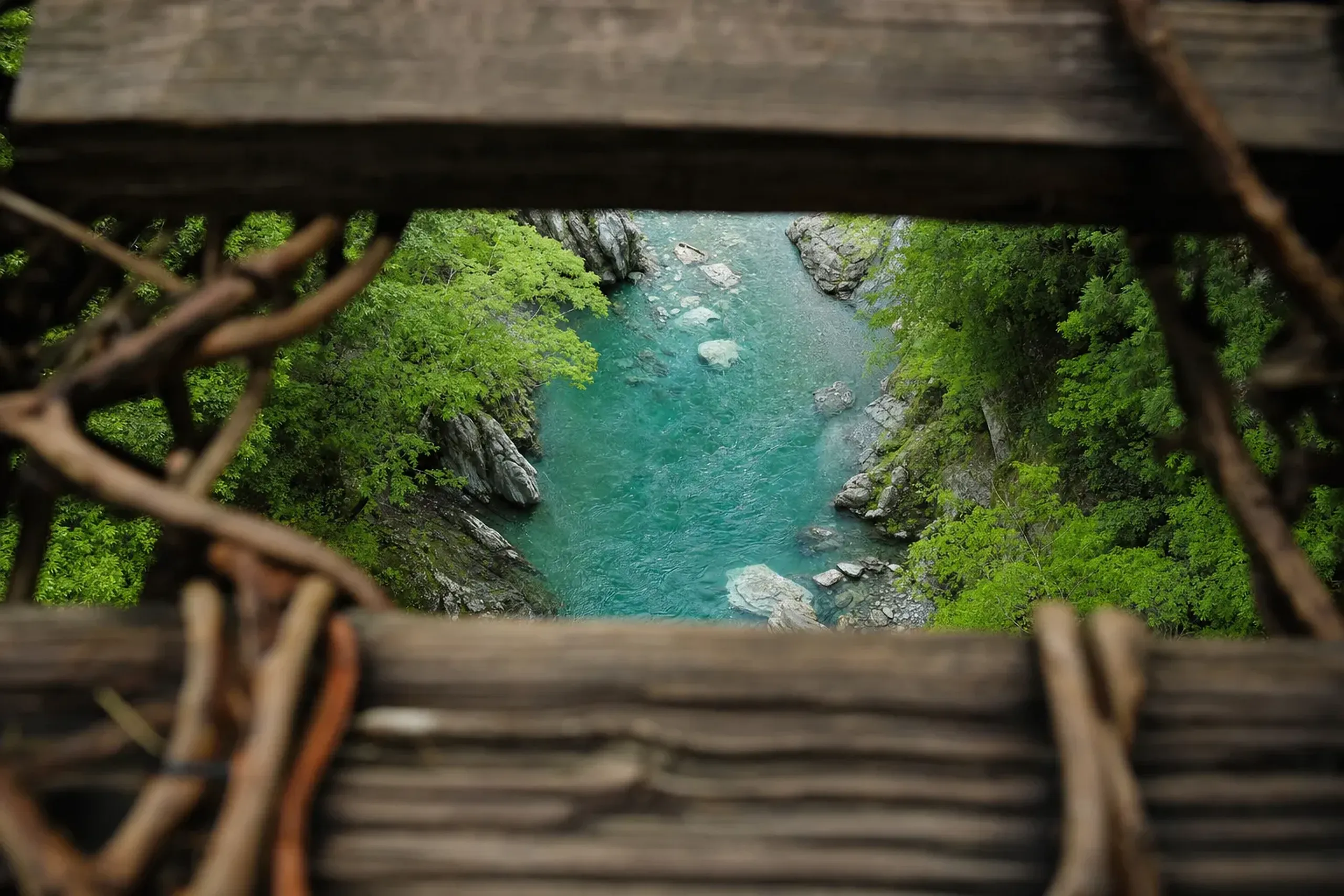
You feel it before you see it. The planks shift underfoot. Not much, but enough. Between each slat of vine there is a gap the width of a boot, and through those gaps the Iya River runs green and cold, fourteen metres below. Mist coils along the gorge in the early morning. The vine cables sweat with dew.
Cross slowly. Everyone does. The Kazurabashi rewards no one for hurrying.
This is western Tokushima, on the island of Shikoku, in a valley so folded and remote that the mountains seem to lean over the water to watch you pass. At Japan Royal Service, we have brought guests here who have walked the great gardens of Kyoto and dined at tables reserved months ahead. Almost none of them arrive expecting to be moved by a footbridge. Almost all of them leave quiet.
What Actually Holds Up The Iya Valley Vine Bridge?
Steel cable does the real work. The vine you see and grip is a traditional covering wrapped around wire rope underneath — historically continuous decoration, not the load-bearing element. This is the honest truth of the Kazurabashi, and it makes the bridge more interesting, not less.
Consider what that reframe does. Strip away the myth of a bridge held together by plant matter alone, and you are left with something better: a working piece of engineering dressed deliberately in its own past.
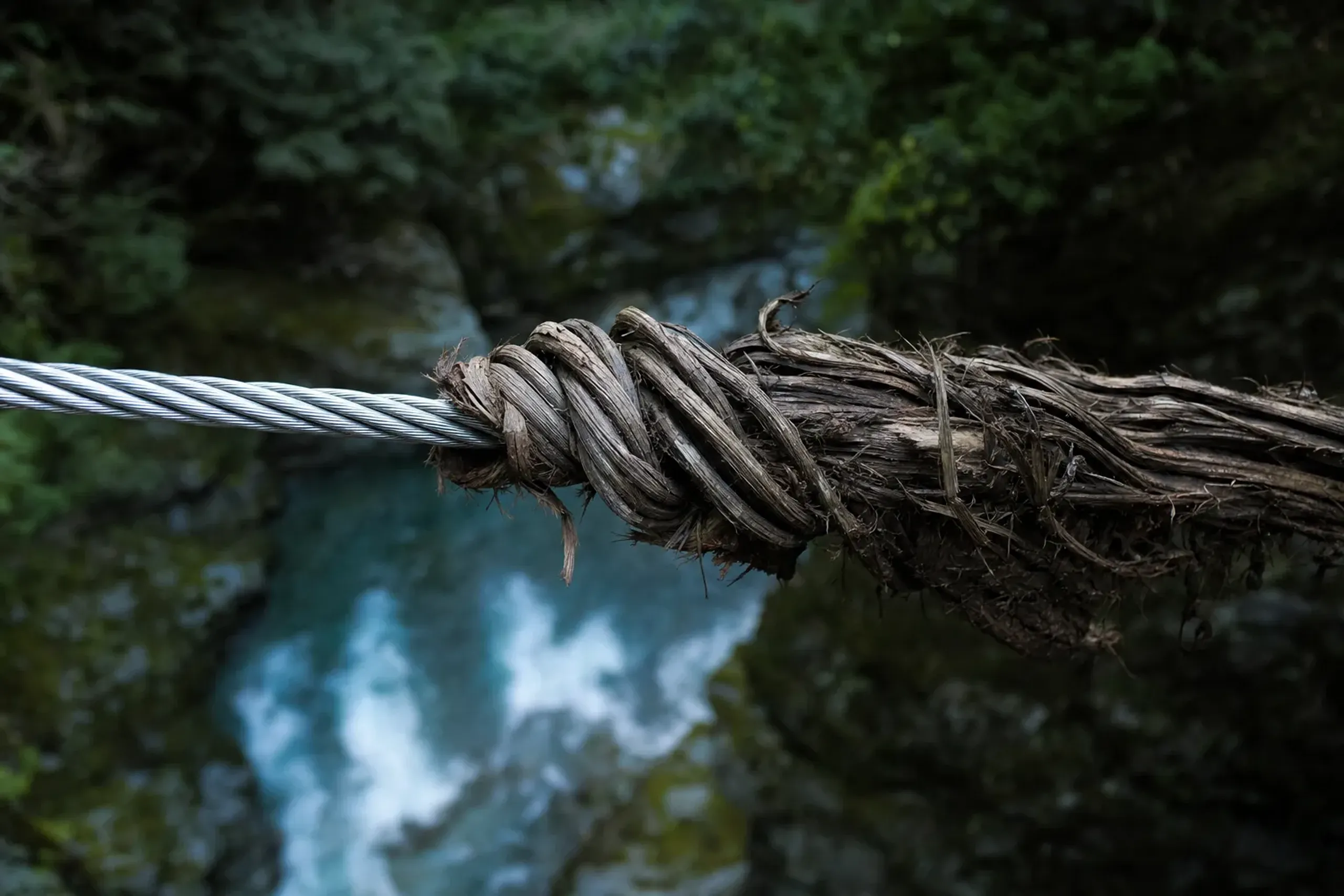
The wire carries the weight. The shirakuchikazura vine carries the memory.
People want the fairytale — an ancient span woven from the mountain itself, defying gravity by tradition alone. The real story is sturdier. Local hands wind six tonnes of vine around modern cable every few years, keeping the old skin alive over a spine that will not fail. That is not a gimmick. That is a decision, repeated across generations, to preserve the appearance and feel of a thing whose function has quietly been made safe.
Key fact: The Kazurabashi's structural support is steel cable. The visible vine is traditional covering wrapped around the wire — historical continuity, not the element that carries the load.
The Long Memory Of A Hidden Valley
Why here? Why a bridge like this, in a place this hard to reach?
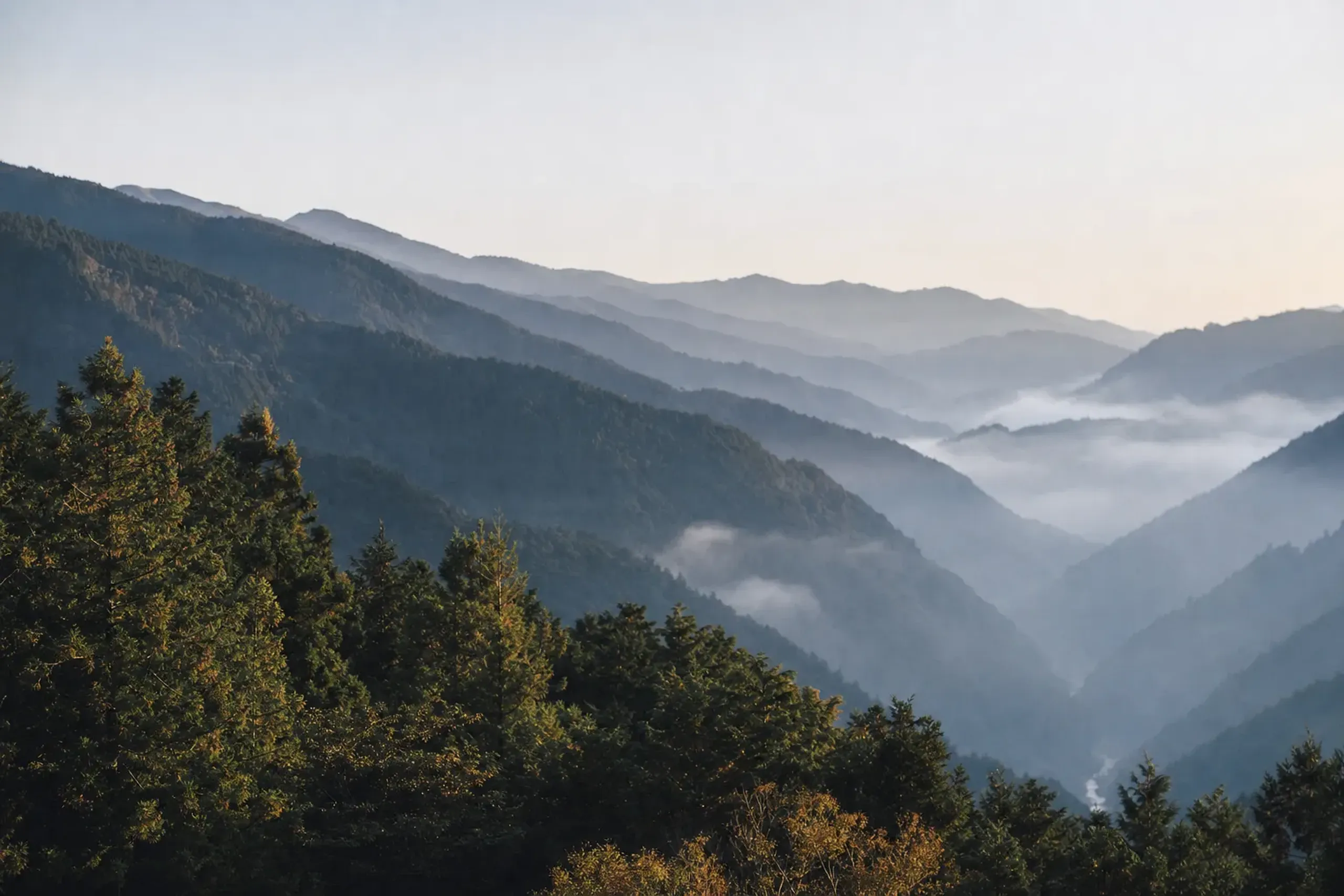
Local account holds that members of the Taira clan — the Heike — took refuge in the Iya Valley after their defeat by the Minamoto in the Genpei War, late in the twelfth century. Whether every detail is history or tradition, the reputation has stuck for eight hundred years: a hidden retreat of the old world, where the losers of a great war could disappear into the folds of the mountains. Vine bridges suited that story. They could, by some tellings, be cut loose in a hurry if pursuers came.
The continuity you cross today is a chosen one, not an unbroken one. During the Taishō era the crossing was rebuilt as a plain wire suspension bridge — practical, unremarkable. Then, in 1928, Shōwa 3, the vine form was deliberately restored, specifically to draw visitors to the region. Someone looked at a functional wire bridge and decided the valley needed its vine back.
National fame came later, and it came fast. In 1970, Japanese National Railways featured the Kazurabashi in its landmark "Discover Japan" tourism campaign. Recognition jumped across the country almost overnight. Today the bridge stands as one of Japan's "Three Strange Bridges" and is designated an Important Tangible Folk Cultural Property.
Why Is The Kazurabashi Rebuilt Every Three Years?
Because vine deteriorates, the bridge is rebuilt every three years using roughly six tonnes of shirakuchikazura — a relative of the kiwi — gathered from the surrounding mountains. The next scheduled rebuild is planned for January 2027.
Here is the part that stays with people. The vine used for rebuilding needs twenty to thirty years to mature. That is not a formality. That is a genuine constraint on supply — a bridge that eats a generation of plant growth every three years, and must find that growth somewhere.
In recent years, sourcing enough mature vine locally has grown difficult. Rather than let the tradition thin out, local forestry authorities and the town formed a partnership to secure future supply.
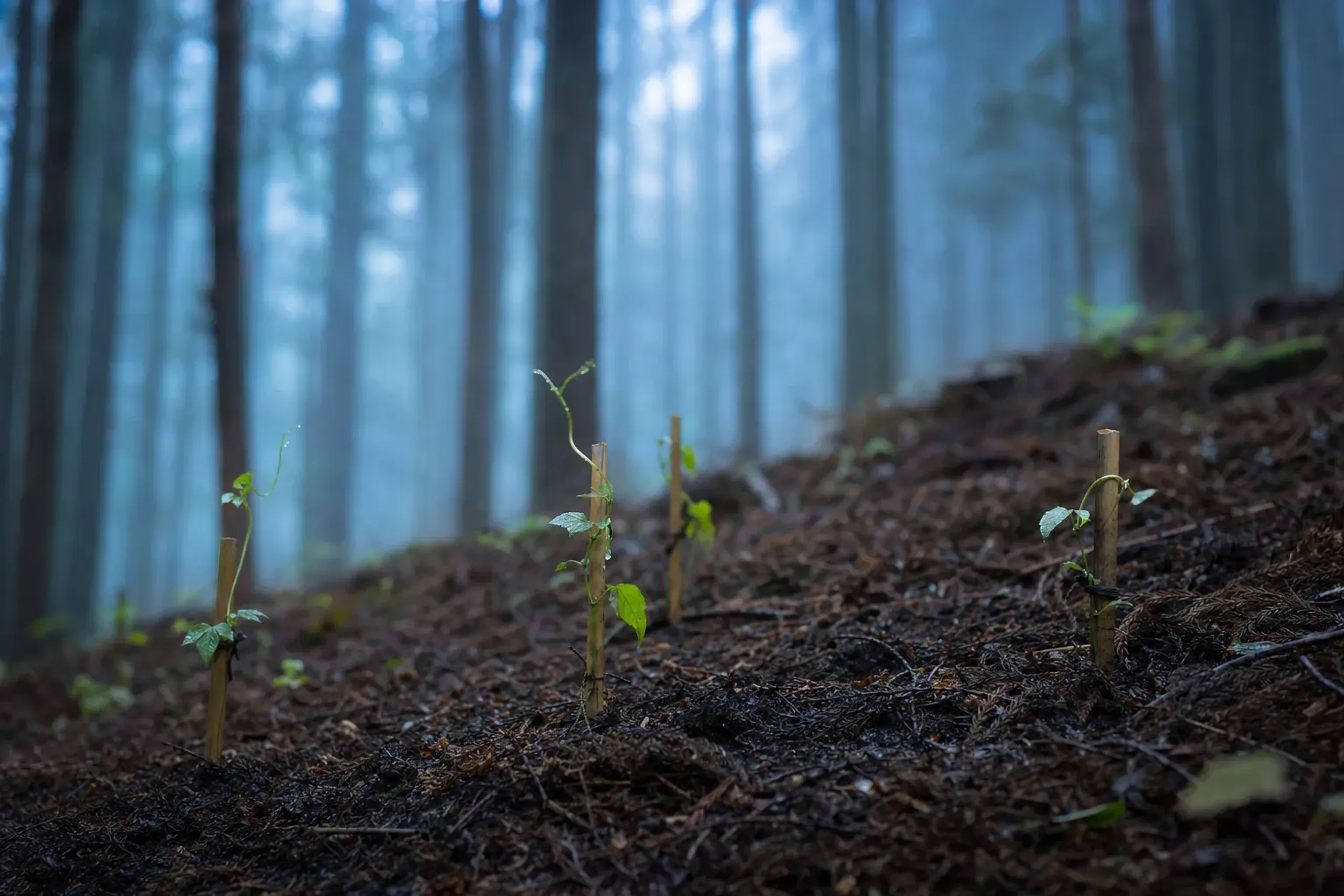
Part of that programme has local schoolchildren planting vine seedlings — an act of environmental education pointed decades into the future. Children who may not see their own seedlings woven into a bridge until they are adults with children of their own.
Sit with that for a moment. The rebuild itself takes about a month and is carried out almost entirely by hand, using traditional methods, by the local Kazurabashi Preservation Association. No shortcut. No machine that woves faster. Just people, vine, and the same knowledge passed down and forward.
This is the true luxury of the place, though it wears no branding: a piece of living heritage sustained by real, ongoing labour. Not a museum exhibit behind glass. A working bridge, remade by human hands, again and again, because a community decided it should be.
What The Bridge Is Made Of — And How You Cross It
The numbers are worth knowing before you stand on it.
| Feature | Detail |
|---|---|
| Length | 45 metres |
| Width | 2 metres |
| Height above the Iya River | 14 metres |
| Main cables (kumozuna) | 8, angled 4 per side |
| Crossing direction | One-way, west to east |
| Annual visitors | approx. 300,000–350,000 |
Eight thick vine cables — called kumozuna, "spider-web ropes" — anchor at an angle, four on each bank, and suspend the central walkway between them.
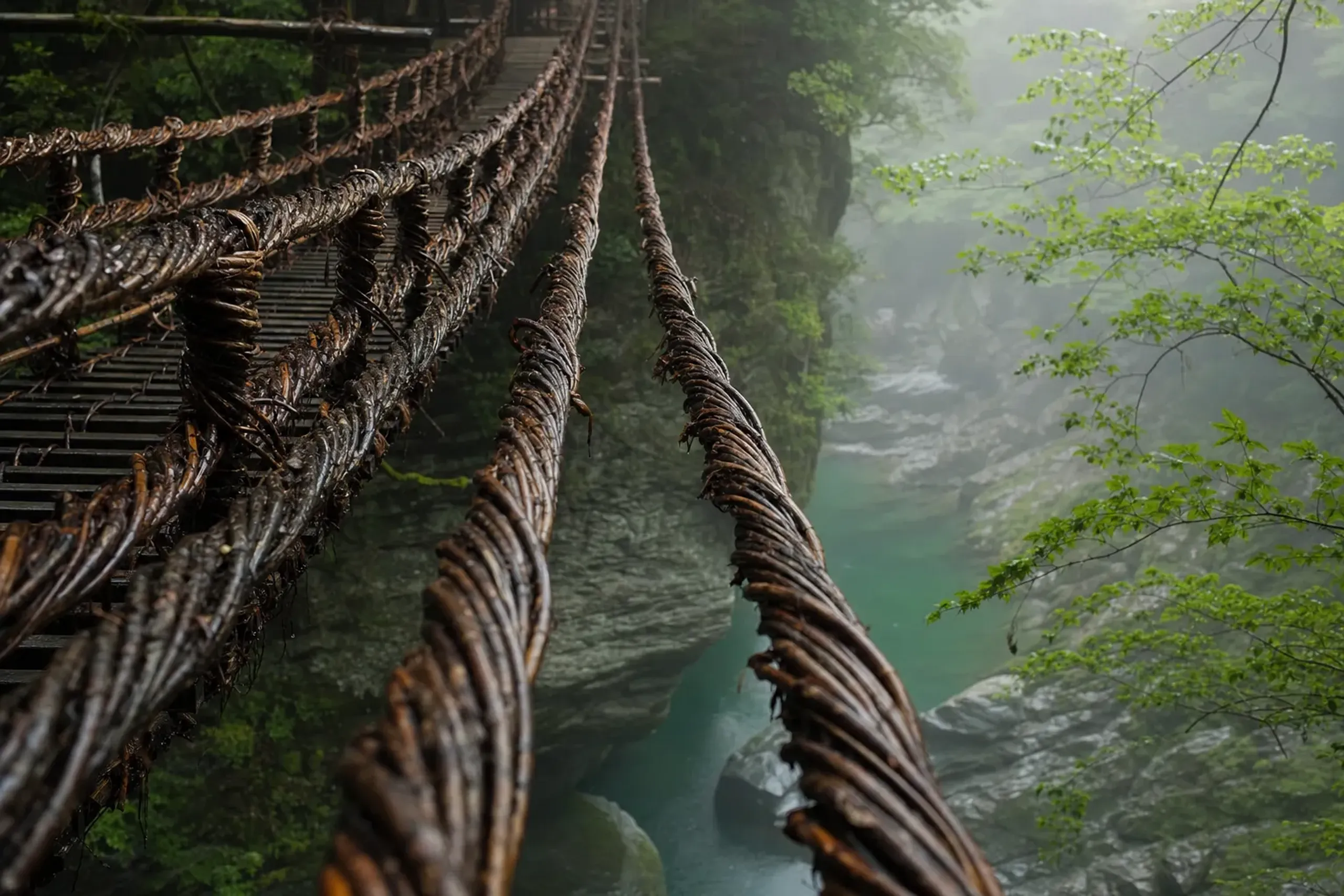
The name fits. Seen from the riverbank, the whole structure hangs across the gorge like a web strung between two stones.
One detail matters more than most guides admit: crossing is one-way. West bank to east bank. You cannot cross back over the same bridge. Plan your walk knowing you will end up on the far side and route your day accordingly — a small practical fact, easily missed, that shapes how you move through the site.
Night illumination runs in season, roughly 19:00 to 21:30, and turns the gorge into something dreamlike — vine and water lit from below. The bridge generally stays open in light rain and may close during severe weather warnings. Our concierge team confirms current opening hours, admission, and any closures on your behalf before you travel, so a wasted morning never happens.
Beyond The Famous Bridge: Oku-Iya And The Second Crossing
The Kazurabashi most people photograph sits in Nishi-Iya, the western part of the valley. Road access here is good, and established accommodation exists nearby. It is the reachable face of a place that is otherwise deliberately hard to reach.
Go deeper east, into Higashi-Iya — also called Oku-Iya — and the roads narrow, the villages thin, and the crowds fall away almost entirely. Here you find the Oku-Iya Niju Kazurabashi: two separate vine bridges linked by hiking trails.
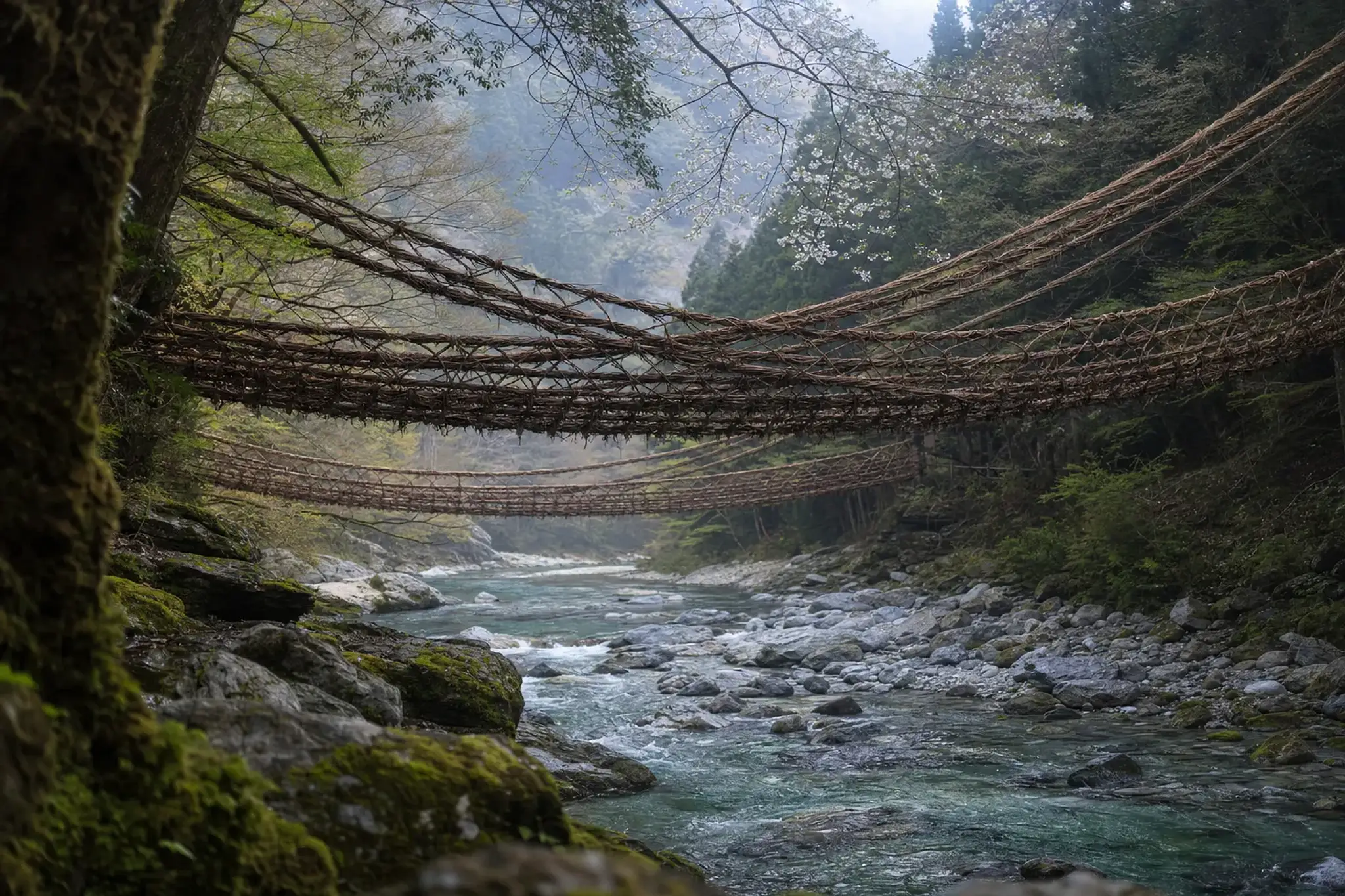
The larger is the "Husband Bridge," Otto-no-hashi, at 44 metres. The smaller is the "Wife Bridge," Tsuma-no-hashi, at 22 metres. Fewer feet cross these. The silence is deeper. Note that access to the deeper valley sights is broadly seasonal, spring through autumn, with winter closures common — another reason we verify conditions before setting a date.
Even the valley's name keeps its secrets. Folklorist Kunio Yanagita suggested "Iya" might come from a word predating the arrival of Chinese characters — possibly meaning "ancestor" or "mountain spirit." A real theory, still unresolved. Fitting, somehow, for a valley that has always guarded what it holds.
How Japan Royal Service Makes A Hard Region Effortless
Iya is beautiful because it is remote. Remote is also why it defeats most itineraries. Public transport reaches the valley but does so slowly and awkwardly; travellers who try to piece it together lose hours to timetables and end up rushing the one thing they came to feel.
For the Iya Valley, we arrange two things, plainly: guiding and transfers. A bilingual guide who knows the crossing, the light, and the quieter Oku-Iya bridges. And private chauffeured transport pitched to the road — a vehicle that handles the mountain switchbacks in comfort, with stops for photographs where the gorge opens best. No timetable dictates your morning.
Around the bridge, the valley rewards a slower stay — river-gorge onsen, mountain-vegetable meals, forest air.
When a bespoke itinerary calls for it, our concierge advises on accommodation across the wider valley. We keep the pacing calm and the logistics invisible, which is the point.
Frequently Asked Questions
Is the Iya Valley vine bridge actually safe to cross, or is it just old vine?
It is safe. The Kazurabashi's real structural support is steel cable, with the traditional vine wrapped around it as historical covering. The whole bridge is rebuilt every three years by the local preservation association.
Can you cross the Kazurabashi vine bridge and walk back over it?
No. Crossing is one-way only, from the west bank to the east bank. You cannot return over the same bridge, so plan your route on the far side before you start walking.
When is the next Kazurabashi rebuild, and how much vine does it take?
The next scheduled rebuild is planned for January 2027. It uses roughly six tonnes of shirakuchikazura vine, gathered by hand, and takes about a month using traditional methods.
What is the difference between the Nishi-Iya Kazurabashi and the Oku-Iya double vine bridges?
The famous Kazurabashi sits in Nishi-Iya with good road access. Deeper east in Oku-Iya lie two quieter bridges — the 44m Husband Bridge and 22m Wife Bridge — linked by trails, and generally accessible spring through autumn.
What is the best way to visit Iya Valley without the transport hassle?
Private car-based touring with a bilingual guide is the most comfortable option.
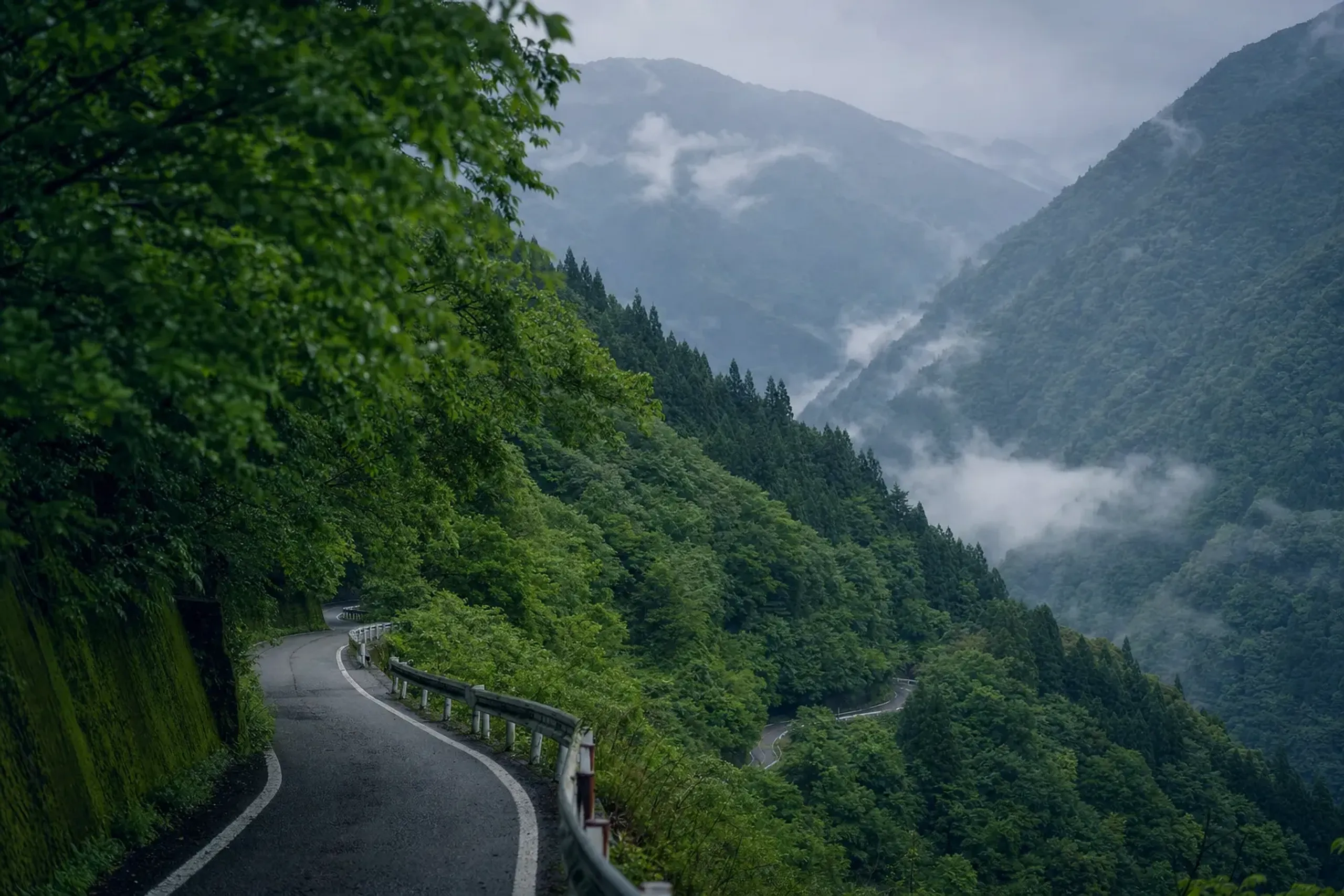
Public transport reaches the valley but is slow and infrequent. A private driver removes timetable stress and allows flexible photo stops along the gorge.
Why Choose Japan Royal Service
Anyone can point you toward the Kazurabashi. Far fewer can deliver you to it unhurried, on the right morning, with someone beside you who understands both the engineering and the story wound around it.
In our experience, the Iya Valley rewards those who arrive without friction. Our team at Japan Royal Service handles the parts that exhaust independent travellers — the drives, the timing, the seasonal closures, the confirmation that the bridge is open and the light is good — so that all you carry across those swaying planks is your own attention. Discretion is standard. Your itinerary and your identity stay entirely private, as they do for every guest we serve, from successful professionals to figures whose privacy is non-negotiable.
We keep the luxury quiet here, because the valley demands it. This is a public folk-cultural site kept alive by ordinary hands, not a resort. Our work is simply to make reaching it feel like the easiest thing you did all trip.
To plan a private visit to the Iya Valley, reach our team directly via WhatsApp or LINE, or contact us here.