In this guide
- 01Why Hokkaido Wine Matters Right Now
- 02Yoichi Vs. Sorachi: Coast And Prestige Vs. Inland And Experiment
- 03Yoichi And Niki: What To Expect On The Ground
- 04Sorachi (Iwamizawa And Surrounding Area): The 10R Effect And Event Energy
- 05The Yoichi Double: Wine Country And Nikka Whisky In One Day
- 06Access Reality Check: What You Should Not Assume In Hokkaido Wine
- 07Buying And Shipping: What Works Inside Japan, What Gets Hard Overseas
- 08Planning Notes: Distances, Drivers, And The Non-Negotiable Sober Strategy
- 09FAQ: Yoichi And Sorachi Wine Travel (Quick Answers)
- 10Why Choose Japan Royal Service
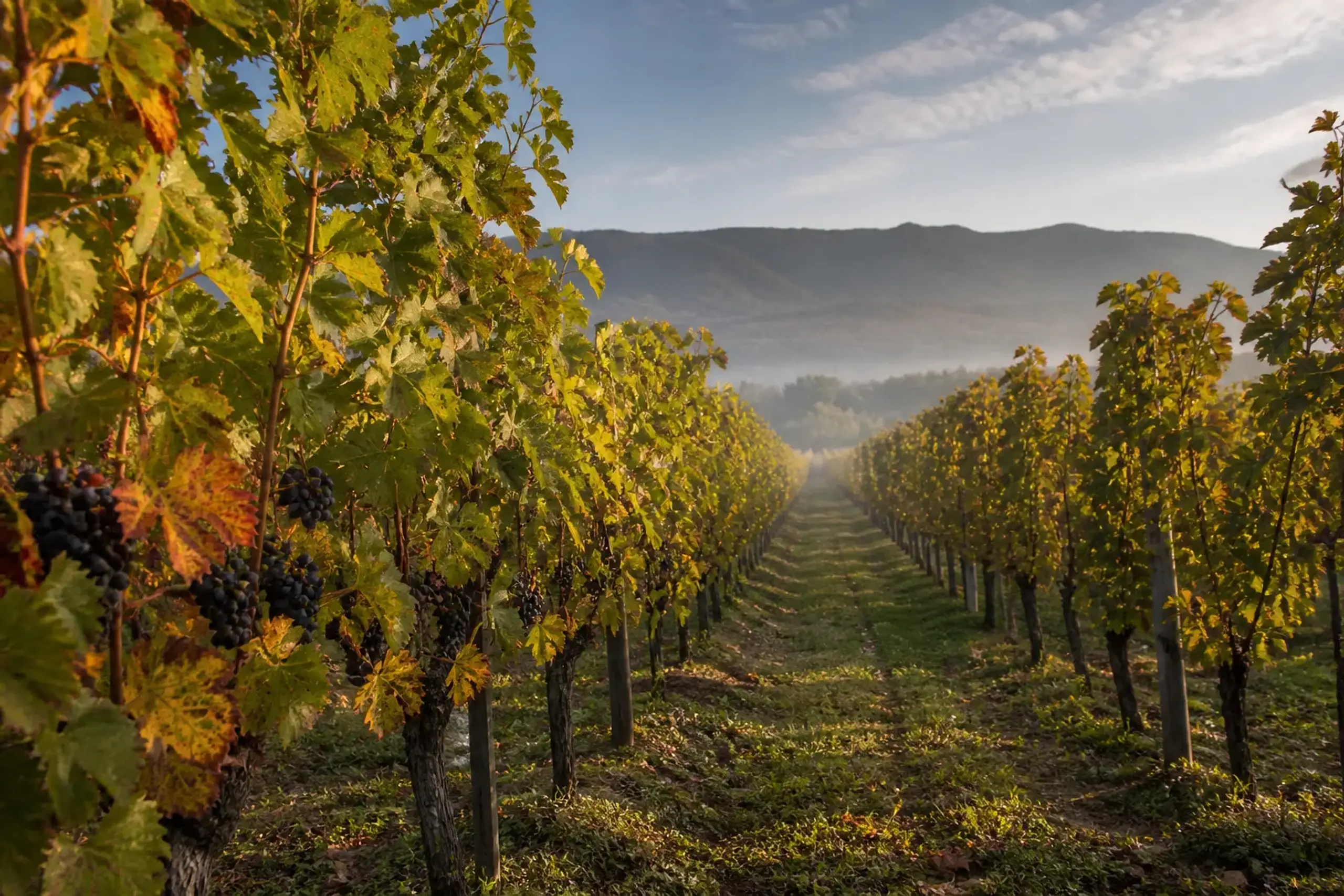
Cold air comes off the Sea of Japan fast in early autumn. You feel it on the coastal slopes above Yoichi before you even see the vines. The light is sharp. The grapes ripen slower here, and that pace shows up in the glass.
If you already know wine, Hokkaido will catch your attention for a different reason than scenery. This is where Japan’s climate argument is changing in real time. Warming pressure further south is part of the story, but the point is simpler: certain cool-climate varieties behave better at this latitude.
Our team at Japan Royal Service sees the same pattern again and again with HNW travelers. You want substance. You also want the trip to work—quietly, with clean logistics, and no awkward surprises when a producer is closed to visitors. That is the gap this guide fills.
Why Hokkaido Wine Matters Right Now
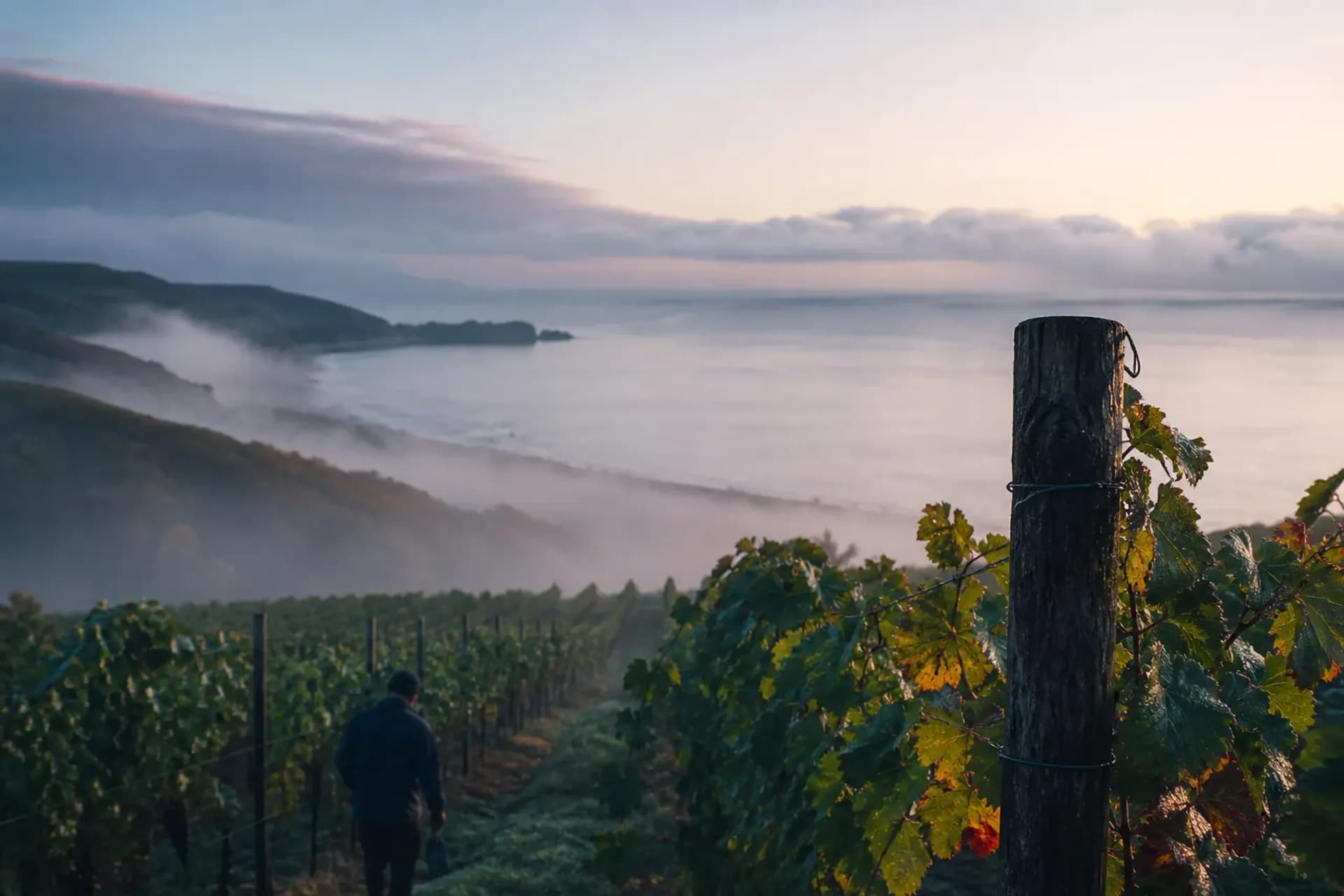
Cool air and long daylight define the rhythm of Hokkaido’s vineyards.
Hokkaido is not “new” to farming, but wine has moved quickly here. The Hokkaido prefectural government stated that the number of wineries in Hokkaido was 75 as of February 2026. That scale matters. It creates critical mass: growers, vineyard workers, bottling lines, and a local market that can absorb small releases.
There is also a quality-and-traceability frame now. Japan’s National Tax Agency publishes the product specification for the Geographical Indication “Hokkaido” for wine, including the role of the Geographical Indication “Hokkaido” Use Management Committee in confirming GI requirements. Dry sentence. Real implication: producers who use the GI are working inside an explicit rulebook.
The grapes are another signal. Hokkaido’s government has highlighted the local variety Yamazachi (山幸) and noted its registration with the OIV. Not hype. A marker that the region is building its own vocabulary, not borrowing someone else’s.
For wine-literate travelers, the practical takeaway is this: plan by district, not by “top winery.” Some bottles are allocation-only, and some serious producers do not host visitors at all. If you build the trip around one unreachable door, the whole day collapses.
Yoichi Vs. Sorachi: Coast And Prestige Vs. Inland And Experiment
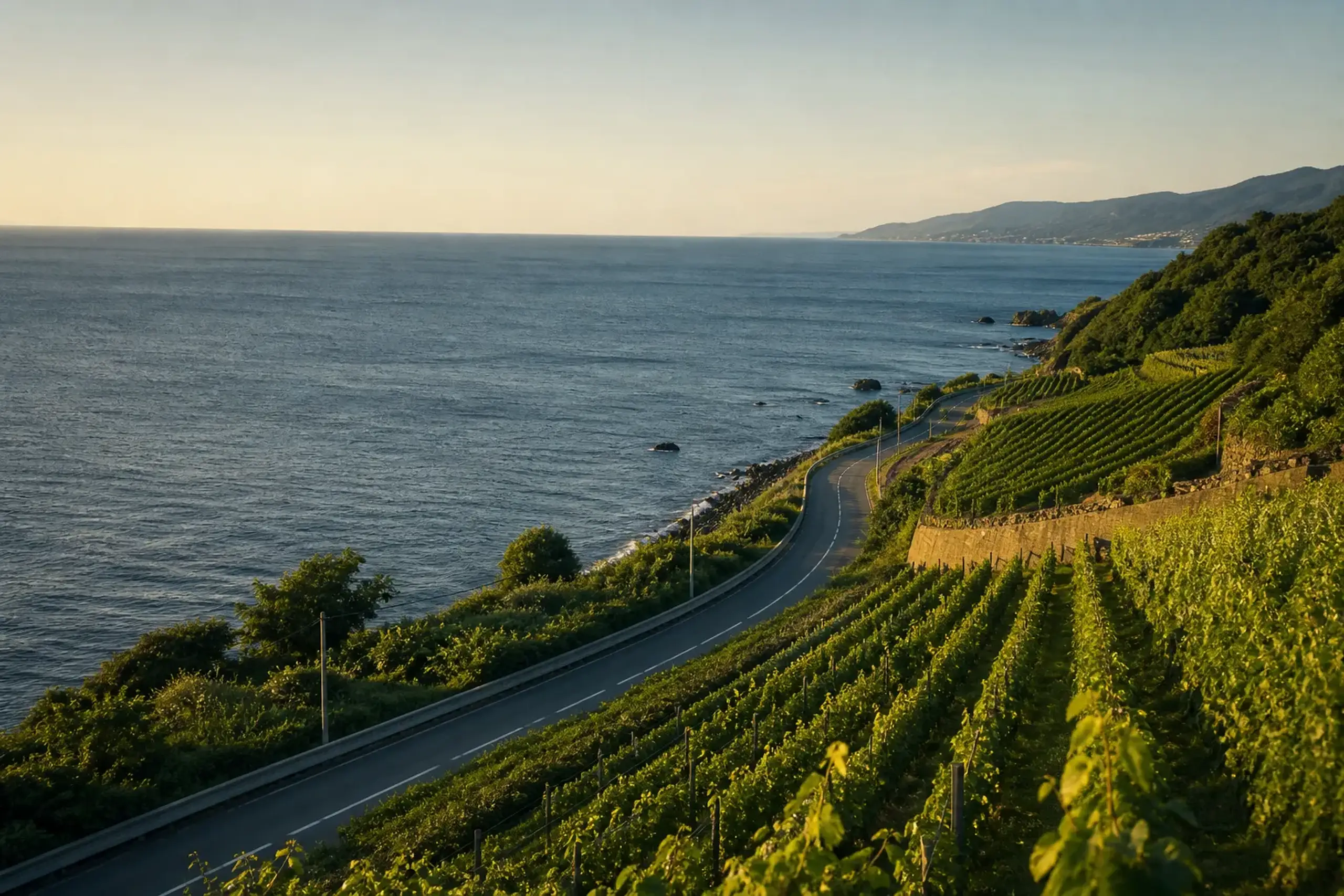
Yoichi’s coastal geography is part of its identity—wind, light, and a long growing season.
Yoichi and Sorachi are not interchangeable. They taste different, they travel differently, and they reward different kinds of curiosity. Choose one as your anchor, then decide whether to add the other as a second chapter.
Option A: Yoichi And Niki (West Coast) — A Prestige Address With Real Momentum
Yoichi’s rise is measurable. Yoichi Town was designated the “Special District for Wine, Northern Fruit Kingdom” in November 2011, an early signal that the town was leaning into wine as an identity. The second data point is newer and louder: Nippon.com reported on July 9, 2026 that there are now 20 working wineries in Yoichi, and linked the acceleration to Domaine Takahiko, founded in 2009 by Takahiko Soga.
There is also proof that Yoichi is already visible beyond Hokkaido. Nippon.com reported that Blue Note Place in Ebisu, Tokyo hosted a Yoichi wine event in March 2026 where seven vintners served wines to 250 ticket holders, and that tickets (¥16,500) reportedly sold so fast the ticket site crashed. That is not a “hidden” region. It is a region with demand.
What Yoichi does best for a traveler is coherence. You can build a day where vineyards, coastal air, and serious bottles sit next to one of Japan’s most important whisky sites. More on that later.
Option B: Sorachi (Around Iwamizawa) — A Laboratory With A Community Engine
Sorachi is inland. The Sorachi subprefecture government runs an official “Sorachi Wine Office” page and describes the area as one of Hokkaido’s leading wine production regions. The tone is different from Yoichi. Less showcase. More network.
In industry terms, Sorachi is often discussed through its infrastructure. D-I Wine describes 10R Winery in Iwamizawa as a custom-crush facility opened in 2012 by Bruce and Ryōko Gutlove, and notes its incubator effect—helping many winemakers launch labels via shared production.
Events matter here too. Wine Unity’s official site states that the Sorachi Wine Association (一般社団法人 空知ワイン協会) was established in February 2025, and that Wine Unity 2026 opened lottery applications starting July 1, 2026. This is a region building a public calendar.
How To Decide In One Minute
- Choose Yoichi/Niki if you want coastal geography, prestige momentum, and a clean pairing with Yoichi whisky.
- Choose Sorachi if you like experimental energy, producer communities, and the idea of a custom-crush ecosystem (10R as the reference point).
- Do both only if you are willing to plan tastings with real driving time and a sober transport strategy. No shortcuts.
Yoichi And Niki: What To Expect On The Ground
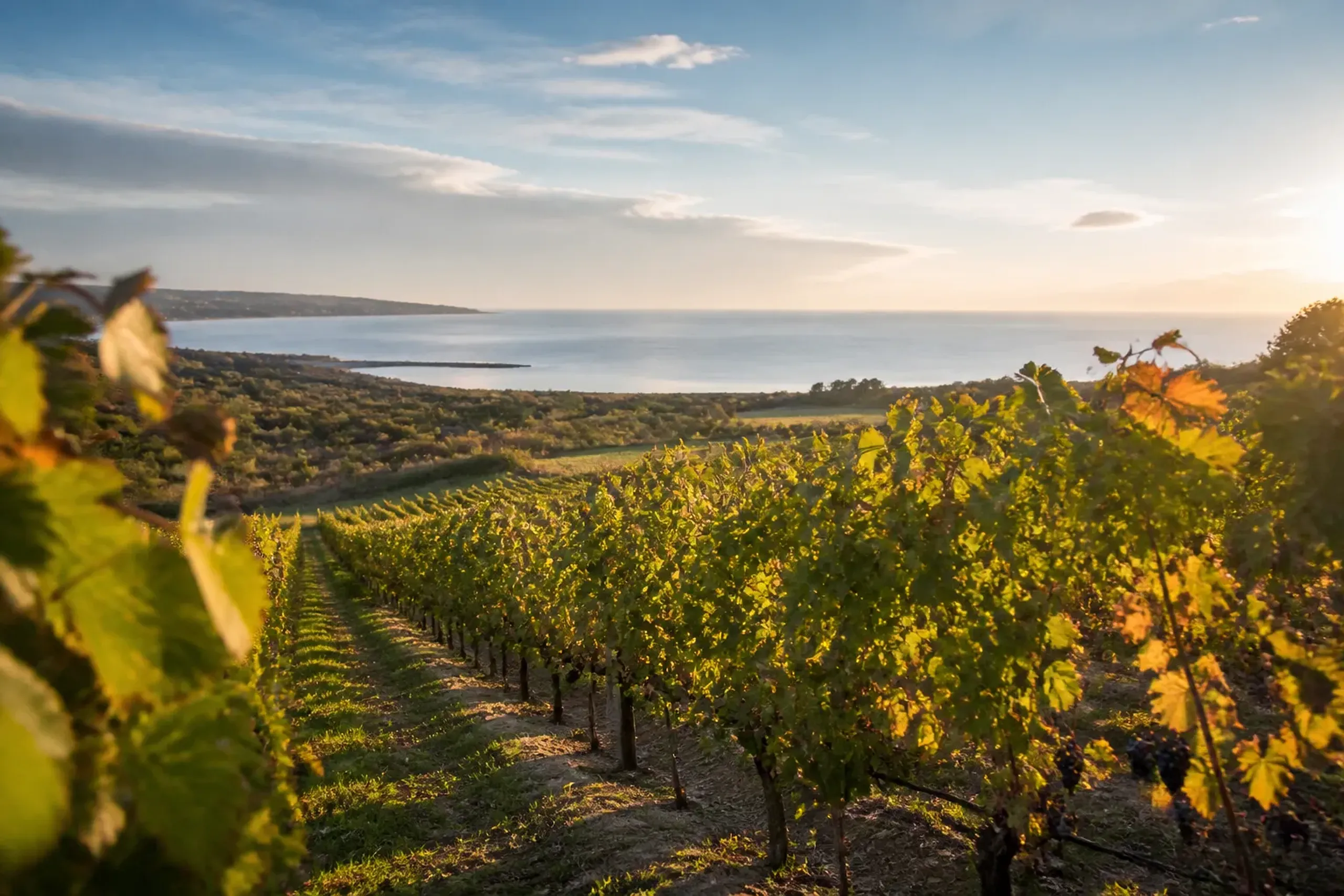
Yoichi sits west of Sapporo, and it behaves like a real rural town, not a stage set. Roads are practical. Weather turns quickly. This is where wabi-sabi reads as a planning advantage: you stop trying to force a “perfect” schedule and build a day with slack.
Yoichi is also unusually legible for visitors compared with many small wine regions in Japan. There is an official English-language wine tourism presence from the town. There are also structured programs such as Experience Yoichi’s “Taste the Vineyards,” which includes touring and concludes with sampling grapes, wines, and local Yoichi hors d’oeuvres, as described on its official page.
Not everything is accessible, and that is fine. Some top producers may not accept visitors, or may only open by prior relationship. Naming that constraint early saves you from the wrong kind of chasing.
A Practical Yoichi Day Flow (Without Over-Packing It)
We prefer a day that moves in one direction. No zigzags. The best tastings land better when you are not watching the clock every 12 minutes.
- Late morning: start with a structured program (for example, an official vineyard tour format like Experience Yoichi, if it fits your interests and is operating on your date).
- Lunch: keep it local and simple. A heavy, rushed meal ruins your palate.
- Afternoon: one more tasting window or a shop stop, then shift to Yoichi’s whisky chapter (or the reverse, depending on distillery tour times).
Small note. If your party cares about English nuance, plan on interpretation. Visitor policies and language support vary year to year, and not every site is built for non-Japanese speakers.
Sorachi (Iwamizawa And Surrounding Area): The 10R Effect And Event Energy
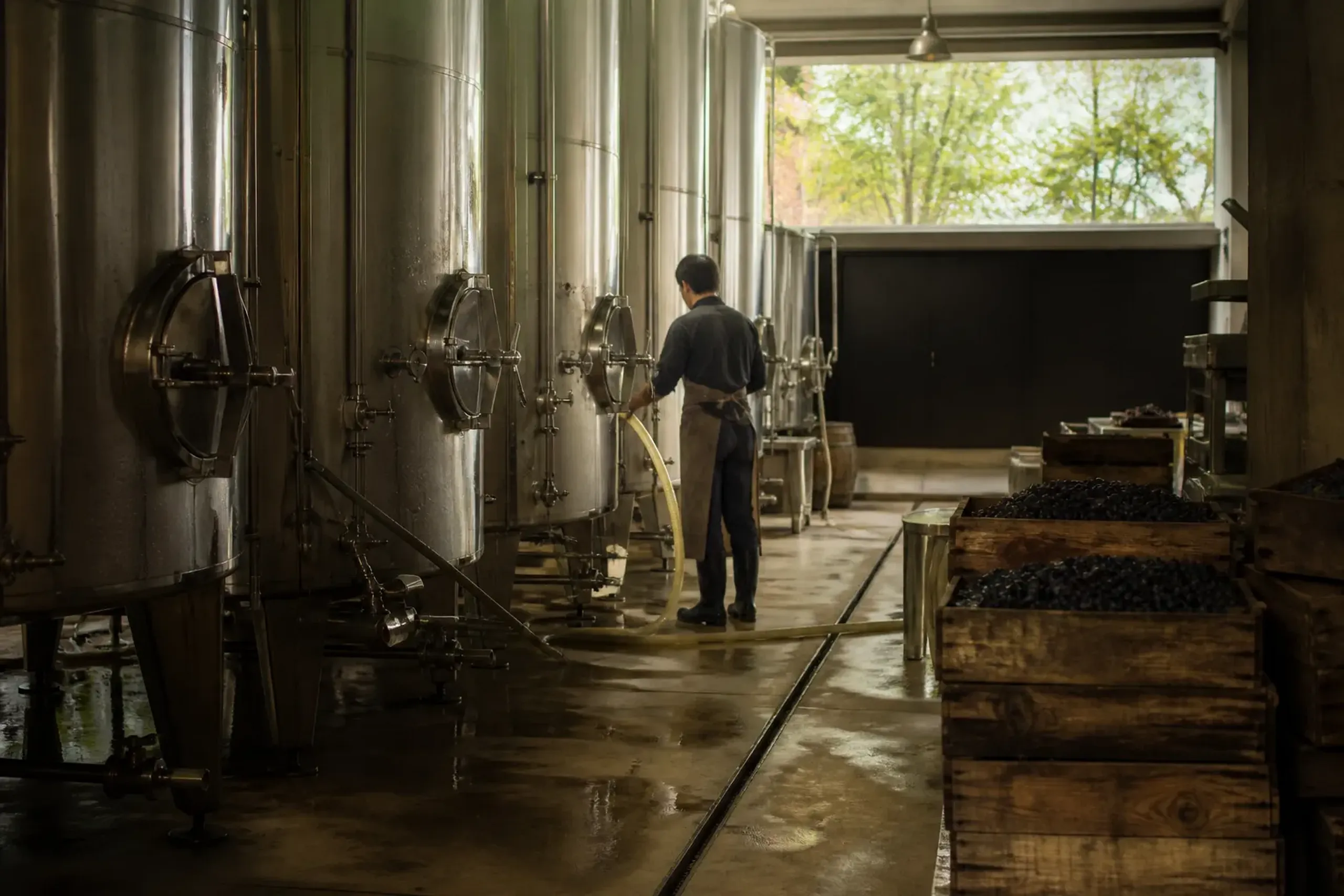
Sorachi is often discussed through its production ecosystem and producer network.
Sorachi is spread out. That is the first thing to respect. Once you accept it, the region opens up because you are no longer trying to do “three stops before lunch.”
For many wine readers, the most interesting Sorachi detail is structural. D-I Wine’s description of 10R Winery as a custom-crush facility opened in Iwamizawa in 2012, with an incubator model, explains why the area can feel like a workshop: producers can focus on farming and intent while leaning on shared production capacity.
The second Sorachi hook is public-facing. The Sorachi Wine Office page acts as an official hub, and the region’s event calendar has sharpened. Wine Unity 2026 is one example, with the Sorachi Wine Association established in February 2025 and lottery applications for Wine Unity 2026 opening July 1, 2026, per the event’s official site.
If you plan around an event, read the fine print. Lottery systems, capacity limits, and language support can all shape the day. Make the event the spine, then build the rest around it, not the other way around.
Two 2026 Calendar Anchors To Know
- Wine Unity 2026 (Sorachi): lottery-based access, per the official news update starting July 1, 2026.
- MIKASA WINE DAYS 2026 (Mikasa City): published by Mikasa City tourism on May 21, 2026.
These are planning anchors, not “musts.” Some travelers prefer an ordinary weekday with fewer moving parts. That is often the calmer call.
The Yoichi Double: Wine Country And Nikka Whisky In One Day
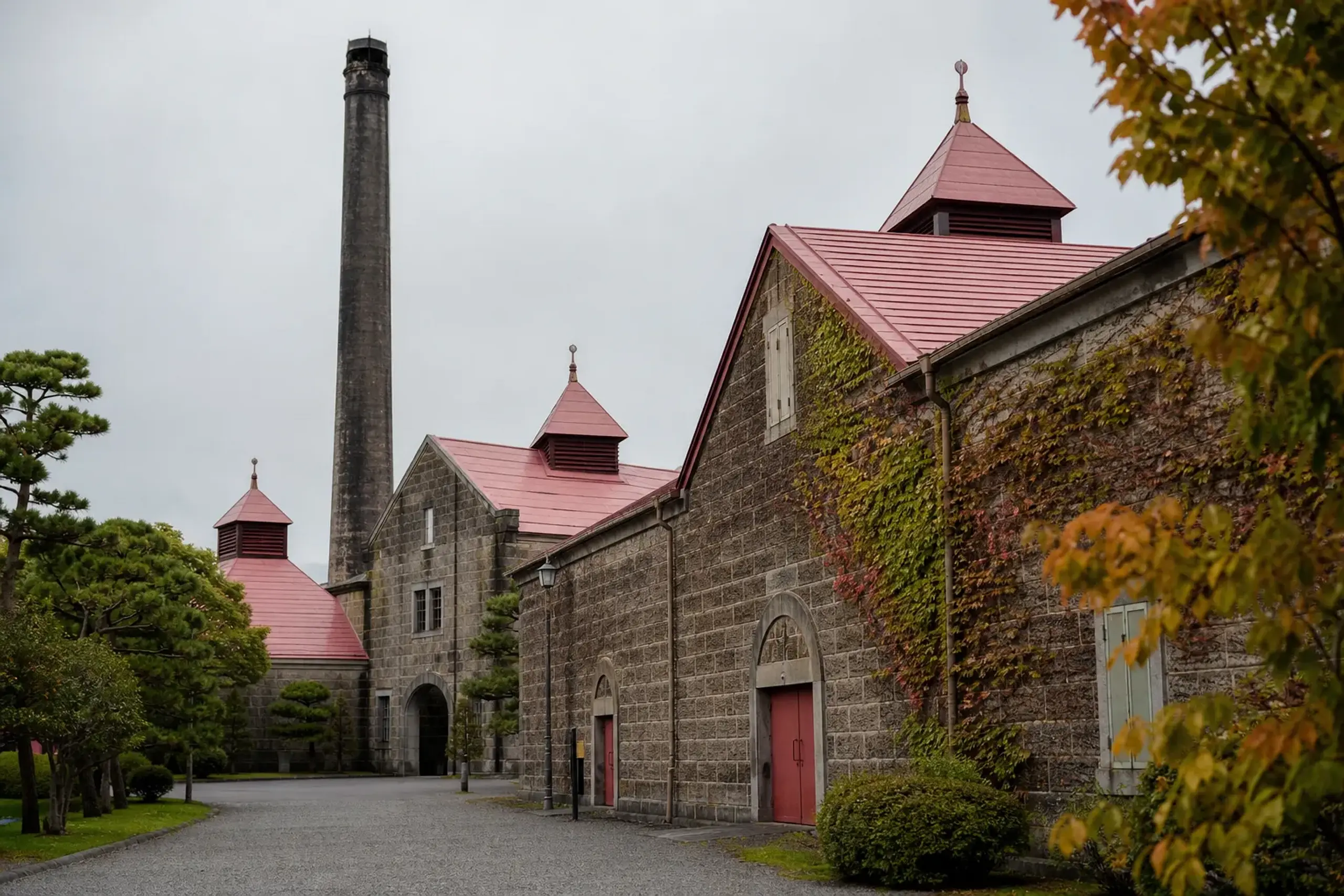
Yoichi can tell a two-drinks story: wine among the vines, then whisky history at the distillery.
Yoichi has a rare advantage as a drinks destination: it is also the home of Nikka Whisky’s Yoichi Distillery. Nikka’s official site states that Masataka Taketsuru found Yoichi, Hokkaido as the location with the natural qualities needed to make his ideal authentic whisky, and it provides tour booking information on the Yoichi distillery page.
This pairing changes how you plan. The day stops being “a wine day” and becomes a tight, credible story about place: coastal climate, fermentation choices, and why Yoichi’s air and water have mattered to two different drinks cultures.
Do not squeeze it. Big mistake. Give each side enough time to land, especially if you want to shop carefully and not grab the first bottle you see.
How To Book The Nikka Yoichi Distillery Tour (Official Process)
Nikka publishes tour and visitor information on its official Yoichi Distillery page, including how to reserve through their official channels. Follow the instructions there and confirm the language options and timing for your date.
For questions about how to fit the distillery into a Yoichi wine day—without rushing tastings or adding risky driving—guests can contact our concierge team for tailored guidance.
Access Reality Check: What You Should Not Assume In Hokkaido Wine
Here is the truth that makes the rest of the guide useful. Some of the best bottles in Hokkaido are hard to buy, and some serious producers do not host visitors at all. There are also properties that change policy year by year, shifting between appointment-only windows and full closure to the public.
Our team at Japan Royal Service plans around that uncertainty rather than fighting it. We prioritize districts, credible public-facing programs, official tourism frameworks, and bottle-shopping strategies that do not rely on a single appointment.
Key fact: Harvest generally falls from September into October, but it varies by year, site, and variety. Many quality-focused producers do not host guests during the most time-critical harvest days.
This is also where discretion matters. Quiet planning is not just a preference; it prevents wasted effort. If a visit is not feasible, we would rather redirect you to a better day than let you “chase access” and end up with thin tastings and long drives.
Buying And Shipping: What Works Inside Japan, What Gets Hard Overseas
If you care about Hokkaido wine, you will probably buy. The practical split is simple. Domestic shipping within Japan is usually straightforward through normal courier channels. Export is the constraint, and it often depends on producer decisions, importer relationships, and destination-country alcohol rules.
Keep your expectations realistic. You may be able to ship bottles to your next hotel in Japan with little fuss, but sending wine home internationally can be limited, slow, or impossible for certain labels.
We suggest two habits that save pain. First, travel with a short “target list” and a longer “if found” list. Second, buy earlier than your final night in Japan so you have time to handle packing and shipping options without stress.
Planning Notes: Distances, Drivers, And The Non-Negotiable Sober Strategy
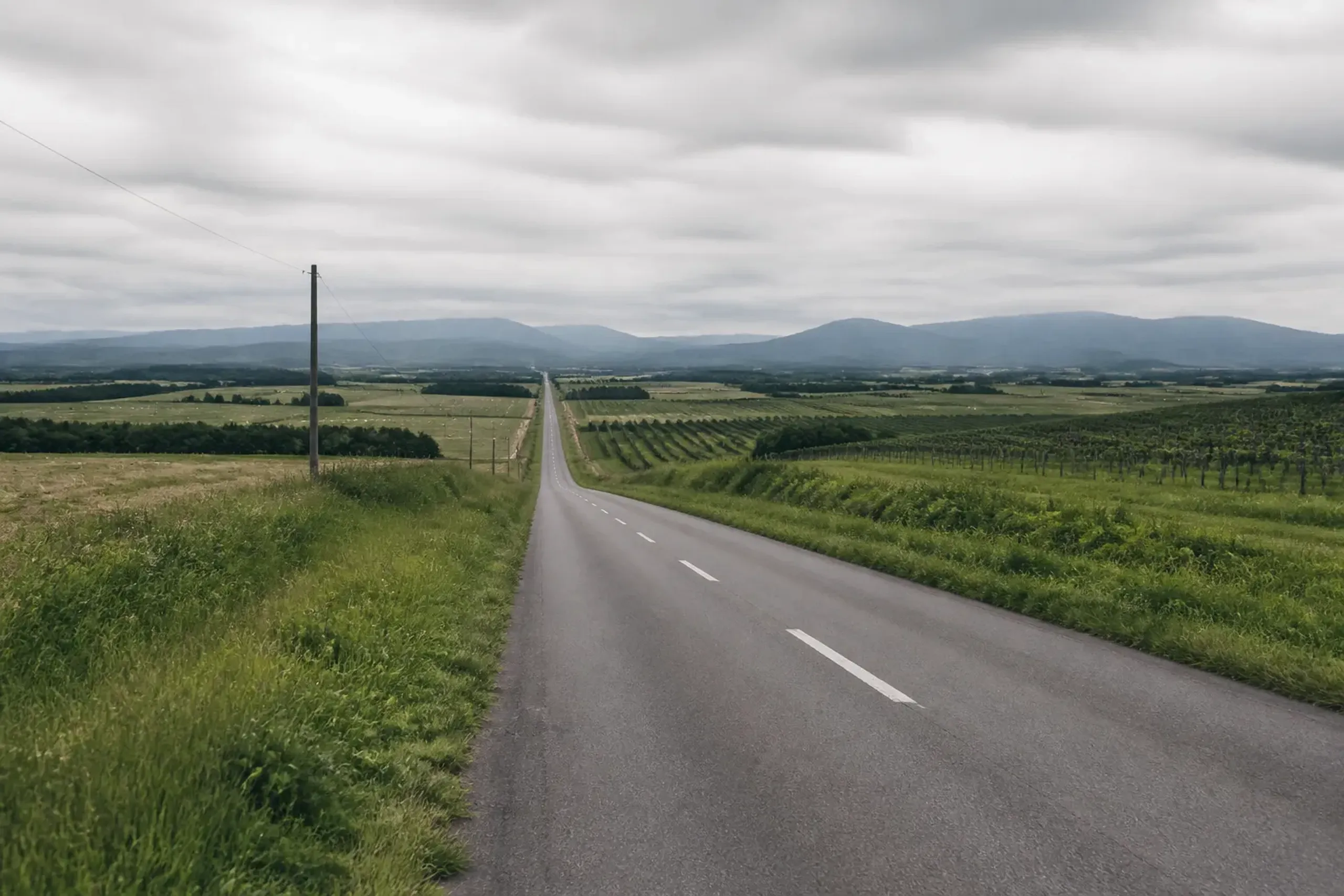
In Hokkaido, the distances are real—plan tasting days around safe, sober transport.
Hokkaido is big, and the wine districts are spread across real rural distances. Tasting does not combine with driving. Treat that as a safety rule, not a moral lesson.
This is where private transportation becomes the enabling condition. Not a flex. A functional requirement if you want to taste seriously, keep your party comfortable, and still arrive on time for any fixed-entry tours.
We also plan with weather in mind. Coastal Yoichi can feel colder than you expect; inland Sorachi has its own shifts. Bring a layer you can live in for hours. You will be outside more than you think.
Where To Base Yourself
Many travelers base in Sapporo for access and dining options, then run day trips to Yoichi or Sorachi. Others choose a closer local stay when the point is to slow down and wake up near the vines.
One real Yoichi-specific option is Yoichi LOOP, which describes itself as a “hotel where you can enjoy wine,” offering guest rooms and a course-menu dinner using seasonal ingredients from Yoichi, per its official site. If that concept suits your trip, it can reduce commuting time and keep the day calmer.
FAQ: Yoichi And Sorachi Wine Travel (Quick Answers)
When Is The Best Time To Visit Yoichi For Wine?
Many travelers aim for the broader harvest season feel, which generally falls from September into October, but the exact timing varies by year, site, and variety. Plan for flexible weather and confirm any program dates directly with official sources.
Can I Visit The Most Famous Producers In Yoichi?
Not always. Some respected producers do not receive visitors, and some bottles are allocation-only. Build your itinerary around districts and confirmed, public-facing programs rather than one specific appointment.
Is Sorachi Good For Visitors, Or Is It Mostly Trade-Focused?
Sorachi has increasing visitor-facing structure through official regional promotion and events, including Wine Unity (Sorachi Wine Association established February 2025; 2026 lottery applications opened July 1, 2026 per the official site). Still, it is spread out, so logistics matter.
Can I Combine Tastings With Driving Myself?
We do not recommend it. Tasting and driving do not mix. Plan a sober transport strategy for the day so you can taste properly and still move safely between rural districts.
Can I Ship Wine Home Internationally From Hokkaido?
Domestic shipping within Japan is usually workable. Export is the harder part and depends on producer policies and your destination country’s rules. If shipping home is important, plan purchases early and ask on-site what is possible.
Why Choose Japan Royal Service
Hokkaido wine travel rewards precision. It also punishes assumptions. Our concierge team at Japan Royal Service guides HNW travelers through the parts that are easy to get wrong: which districts fit your palate, how to sequence a day without long backtracking, and how to keep privacy and pace intact.
We work in a wabi-sabi register—restraint over noise—and we treat discretion as the baseline. If a producer is not visitor-ready, we say so. If a day needs fewer stops to feel right, we cut it. The goal is a Hokkaido wine chapter that reads cleanly, with the kind of calm you can actually feel.
For private coordination, reach our team privately via WhatsApp or LINE, or contact us here.