In this guide
- 01What Quiet Luxury In Japan Actually Means
- 02The 12 Decisions That Prevent Stress (And What Goes Wrong If You Skip Them)
- 03Download-Style Quiet-Luxury Checklist (Copy/Paste)
- 04A Simple Decision Timeline (So Nothing Becomes A Fire Drill)
- 05Soft-Power Etiquette That Saves High-End Awkwardness
- 062026 Reality Check: Rules And Policies That Surprise Even Wealthy Travelers
- 07FAQ: Quiet-Luxury Planning Questions We Hear Most
- 08Why Choose Japan Royal Service
A five-star Japan trip can still feel oddly exhausting. You check into a beautiful hotel, then spend the week queueing, mis-timing meals, wrestling luggage on trains, and re-planning every evening because one detail collapsed. It looks polished on paper. It feels hectic in real life.
Quiet luxury is different. It is not “more spending.” It is fewer decisions during the trip because the important decisions were made correctly before you arrive. Our team at Japan Royal Service sees the same failure modes again and again—especially for accomplished travelers who expect Japan to “run like Japan.”
Japan does run with precision. Until it doesn’t. One overlooked rule, one crowded corridor at the wrong hour, one hotel choice that looks right on a map—then your days start to fray. This checklist is designed to keep your time calm, private, and culturally meaningful, with a wabi-sabi sense of restraint rather than a loud itinerary.
What Quiet Luxury In Japan Actually Means
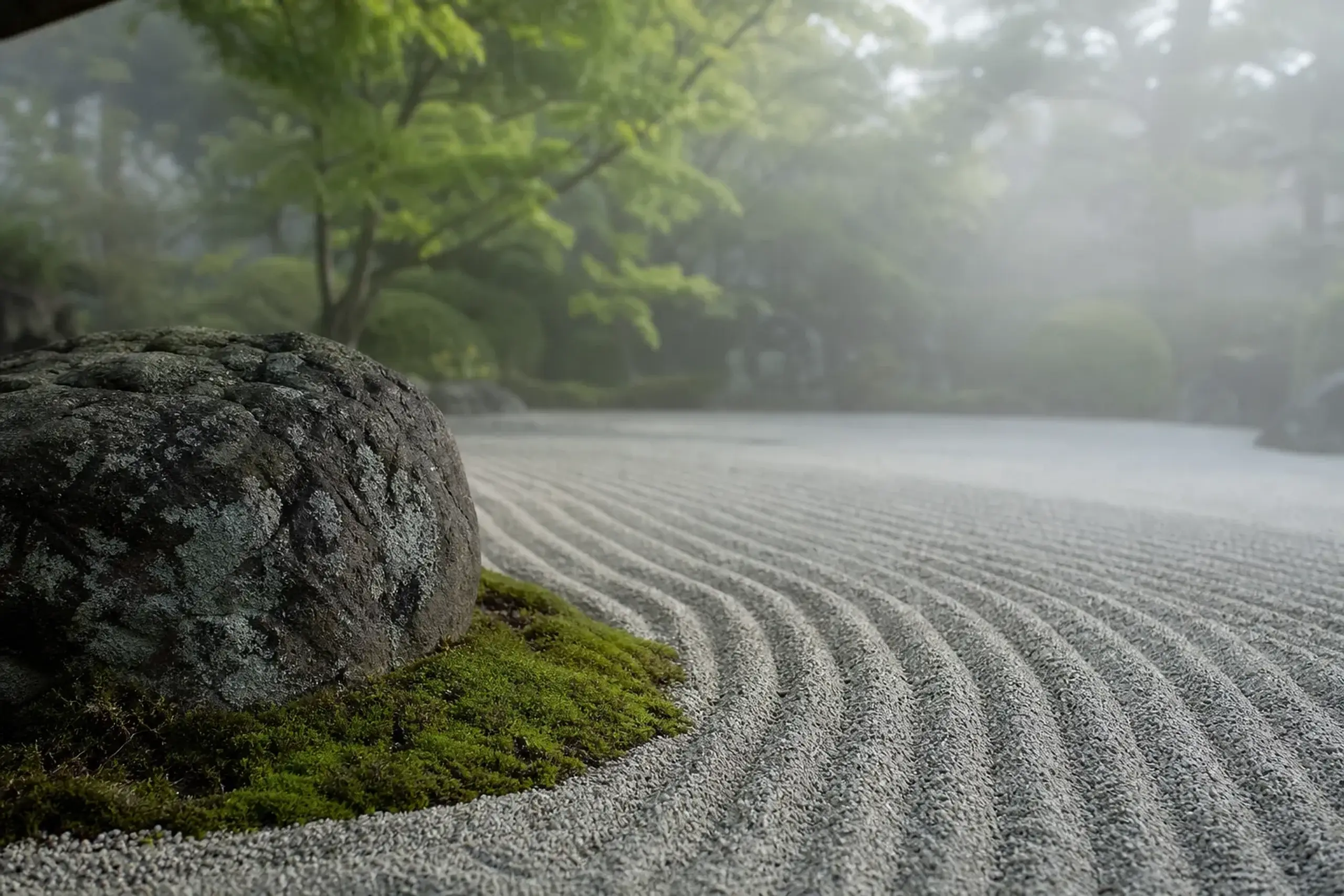
Quiet luxury begins with space, not spectacle.
Quiet luxury in Japan is a trip that feels unforced. No rushing. No public confusion. No awkward negotiations at a counter when a rule surprises you.
It is also deeply Japanese. Think moss-dark stone, a low voice in a cedar corridor, and a dinner where timing feels inevitable—not “managed.” That is wabi-sabi in practice: restraint, proportion, and comfort that does not ask to be photographed.
For HNW travelers, this is the sweet spot. You want the best version of Japan that is realistically attainable, and you want it without drama. For VHNW and UHNW guests, the same checklist becomes the foundation for privacy architecture, low-contact arrivals, and carefully controlled exposure.
The 12 Decisions That Prevent Stress (And What Goes Wrong If You Skip Them)
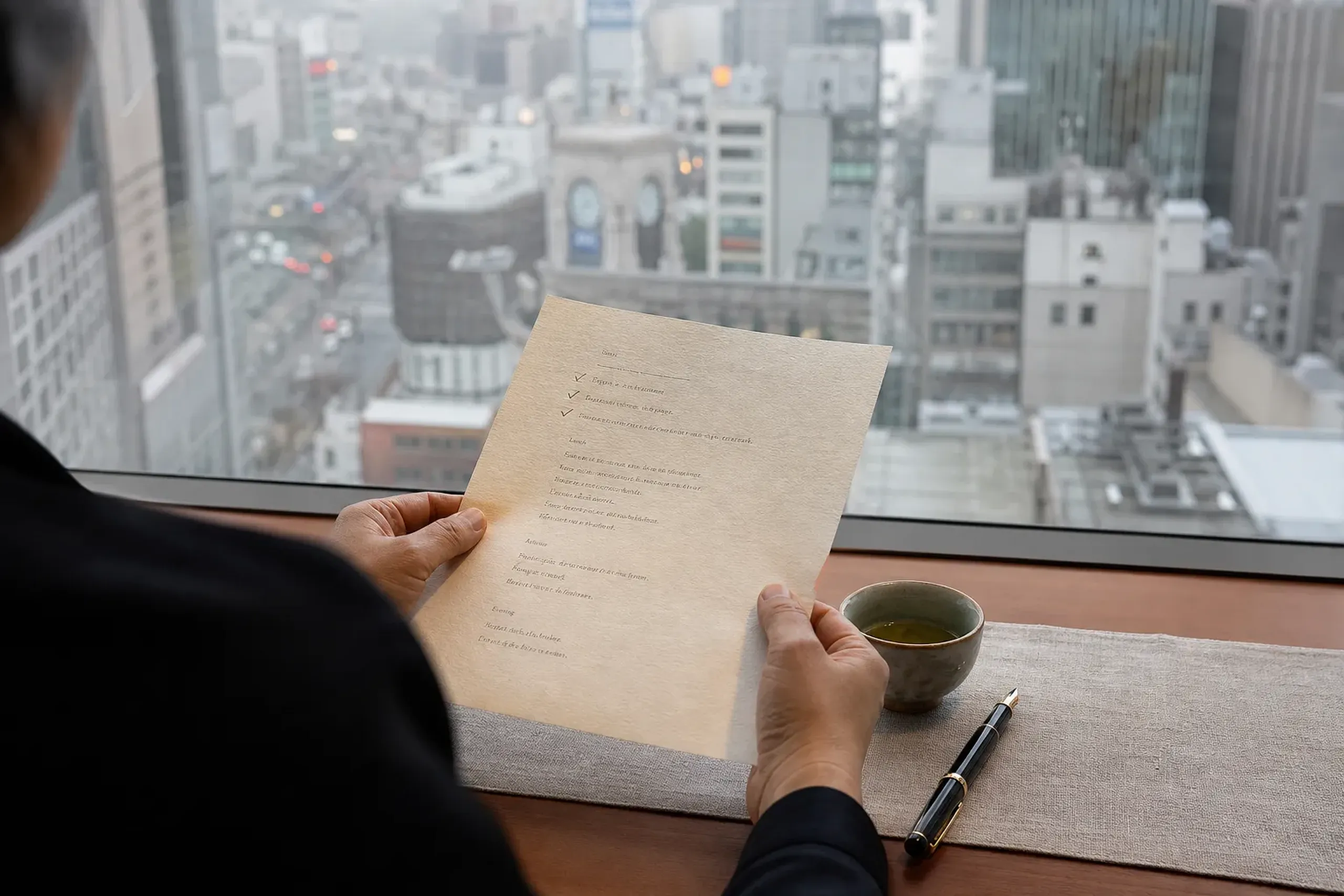
Make the big decisions once. Enjoy the week quietly.
Decision 1: Choose A Base That Minimizes “Transfer Friction”
Great hotels do not fix bad geography. Brutal truth. If your Tokyo stay is far from the neighborhoods you plan to visit, you will bleed time into traffic, taxi lines, and rushed dinners.
We plan bases like an editor trims a sentence: remove unnecessary movement. In Tokyo, that often means staying with strong access to multiple lines rather than optimizing for a single view. In Kyoto, it means accepting that “near everything” is not real, then choosing the district that makes your specific days easier.
Decision 2: Pick The Room Category For Sleep, Not Status
Japan rewards light sleepers. Or punishes them. A room facing an active street, or placed near an elevator core, can turn a week into a slow leak of energy.
Choose the room for silence, elevator distance, and the way morning light lands on the space. Status upgrades are easy to want. Rest is harder to recover once lost.
Decision 3: Lock Your “Booking Order” Before You Touch A Map
Many expensive itineraries break because the order is backwards. Flights get booked first, then hotels, then “we’ll figure out Kyoto.” That is how you end up with perfect dates and imperfect availability.
For Japan in 2026, demand remains high. JNTO reported 3,559,900 visitor arrivals in May 2026, and 3,597,500 in January 2026 (preliminary). Numbers like that change the rules of last-minute improvisation.
Our preferred approach is simple: decide what is scarce, then build outward. That usually means signature lodging nights, one or two priority dining targets, and then the transport spine. Only then do you fill the days.
Decision 4: Use Private Transportation Where It Changes The Day
Not every hour needs a chauffeur. Some do. Kyoto mornings, family days, and multi-stop craft visits can turn chaotic when you rely on taxis at the exact moment everyone else does.
Your comfort is not only the vehicle. It is the cadence: where the driver stages, how you enter a property, and how quickly you can leave without a public scene. This is where a properly designed private transportation plan creates quiet.
Kyoto’s transit environment is also evolving. Kyoto City’s Transportation Bureau published details on June 3, 2026 about a resident-priority pricing system for Kyoto City buses. You do not need to memorize policy. You do want a plan that reduces dependence on crowded buses in the first place.
Decision 5: Choose Guide Quality Like You Choose A Lawyer
A guide is not a narrator. A guide is your buffer against friction: timing, etiquette, small choices that prevent a line, and the ability to re-route without making it feel like a retreat.
Quiet luxury needs a particular temperament. Low ego. High context. Someone who knows when silence is the right interpretation.
For guests who want hidden-Japan moments—places that are not “search-and-go”—guide quality becomes even more decisive. Introductions and local trust often matter more than a long résumé.
Decision 6: Decide Your Luggage Strategy Before The First Train
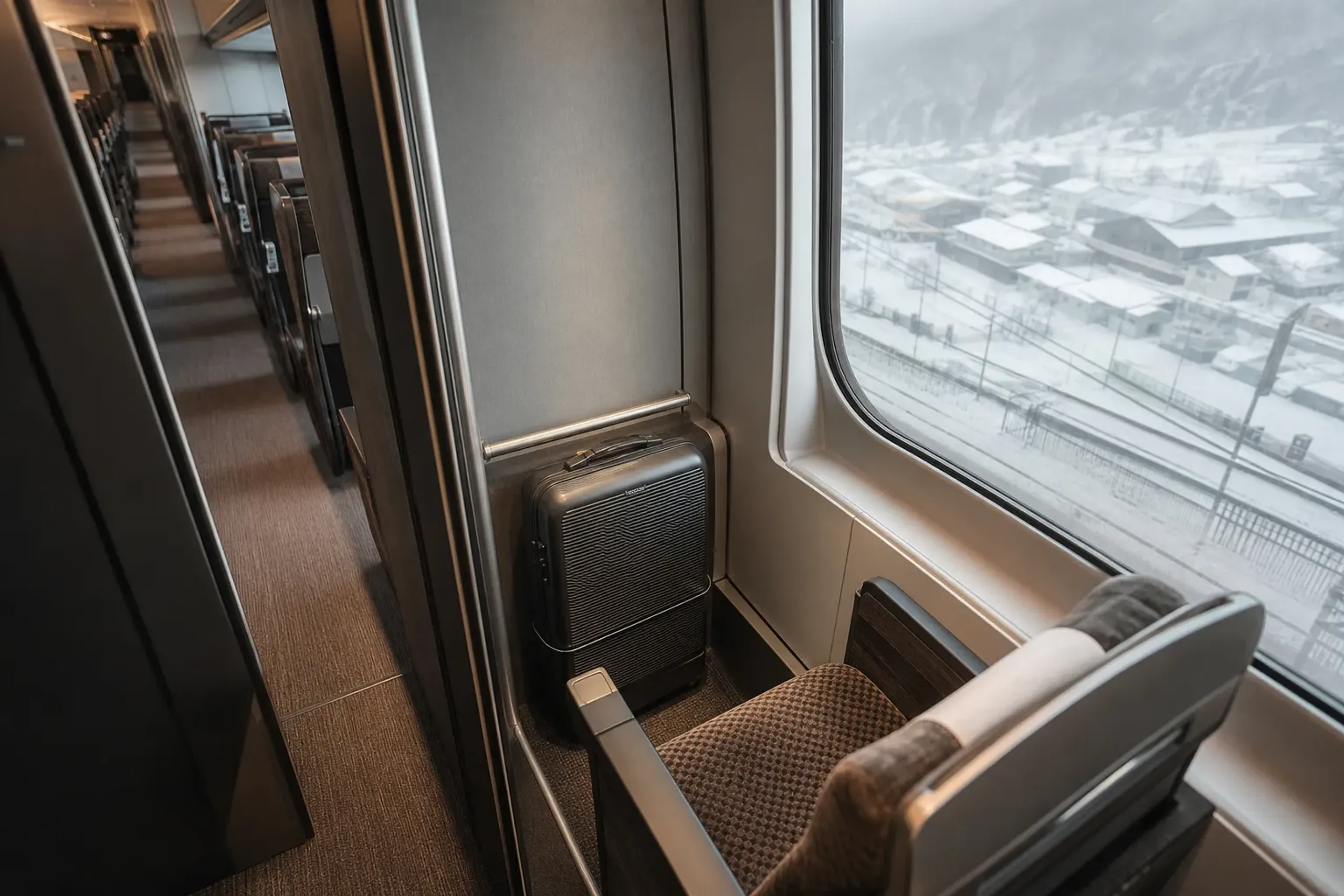
Big luggage is a mood killer on Japanese platforms. It turns a graceful transfer into a performance.
There is also a rule that surprises even seasoned travelers. On the Tokaido Shinkansen, oversized baggage requires reserving a seat with an oversized baggage area or compartment, per JR Central guidance. Miss this, and you risk stress onboard and a preventable conflict with staff or other passengers.
If you want quiet days, your luggage should be mostly invisible. Pack slimmer, forward bags when appropriate, and reserve correctly when you must carry larger cases.
Decision 7: Plan Restaurant Timing Like A System, Not A Wishlist
Japan’s best meals are timed experiences. Especially kaiseki. If your day is late, dinner does not “slide.” It fractures.
Quiet luxury means you stop stacking heavy sightseeing before a serious meal. Keep the afternoon light. Return to your room. Reset. Arrive composed.
And be realistic about spontaneity. In high-demand periods, you can still eat wonderfully without chasing the same handful of famous counters everyone screenshots.
Decision 8: Communicate Dietary Needs With Precision (And Respect)
Dietary communication is where many expensive trips become awkward. Fast. Japan is accommodating in many contexts, but the way you communicate matters.
We recommend clarity, early notice, and specificity. “No shellfish” is actionable. “I’m trying to be healthier” is not. For guests with severe allergies, you also need contingency meals and a plan for translation that does not rely on a rushed conversation at the door.
Decision 9: Build Days Around Two Anchors, Not Seven Stops
Japan’s cities reward walking. They also reward restraint. If you schedule too many stops, you will spend the day “commuting” inside the city, arriving everywhere slightly late and slightly tense.
We prefer a simple architecture: one strong morning anchor, one strong late-afternoon or evening anchor, with breathing space between. That middle space is not empty. It is where hidden Japan shows up—small galleries, a quiet garden, a wry little coffee bar, a shopping street you did not force into the plan.
Decision 10: Time Crowds By Hour, Not By Month
Most crowd advice is seasonal. It is not wrong. It is incomplete.
Kyoto at midday can feel like a funnel, even in a “good month.” Tokyo markets have micro-peaks that change by day of week and weather. Quiet luxury often comes down to simple moves: first-entry timing, late visiting windows, and neighborhood sequencing that avoids a back-and-forth zigzag.
In our experience, the calmest Japan is not always a different destination. It is the same destination, visited at a sharper hour.
Decision 11: Budget For Invisible Line Items (So You Don’t Feel Nickeled)
Affluent travelers hate petty surprises. Fair. Japan is generally transparent, but municipal changes can still catch you.
Kyoto City’s accommodation tax rates changed on March 1, 2026, per Kyoto’s official notice. Hotels typically collect accommodation tax locally; the key is to expect it and understand why the total at checkout may differ from what you mentally penciled in.
Also watch transportation rules and purchase channels. Japan Rail Pass will have another price increase on October 1, 2026, with an exception noted for passes purchased through the official JR website (as reflected in widely cited updates). The point is not “buy this.” The point is: decide early whether any pass fits your route, then buy through official channels that match your plan.
Decision 12: Assign One Coordinator Who Owns The Whole Week
This is the decision that changes everything. One owner. One mind.
When you have multiple bookings, multiple cities, and multiple preferences, the trip needs a single coordination layer. Not a group chat. Not a patchwork of confirmations across apps.
For HNW travelers, this is the line between “high-end” and “quiet.” For VHNW and UHNW guests, it is also the foundation for discretion: fewer people involved, fewer forwards, fewer leaks.
Download-Style Quiet-Luxury Checklist (Copy/Paste)
Use this as your pre-trip control panel. Keep it short. Make decisions once.
- Bases: Tokyo and Kyoto locations chosen for transfer efficiency, not romance.
- Room: Silence, elevator distance, and light prioritized over status.
- Booking order: Scarce nights and priority meals first, then transport, then day-by-day.
- Private transport: Used where it changes the day, not as a constant flex.
- Guide: Low-ego, high-context, culturally precise.
- Luggage: Shinkansen baggage rules checked; oversized seats reserved when needed.
- Dining: Meal timing protected; heavy sightseeing kept away from kaiseki.
- Dietary: Needs written clearly, with early notice and exact language.
- Pacing: Two anchors per day, with breathing space.
- Crowds: Time by hour; avoid midday funnels.
- Hidden costs: Kyoto accommodation tax (post–Mar 1, 2026) expected; rail pass strategy decided early.
- One owner: One coordinator accountable for the full week.
A Simple Decision Timeline (So Nothing Becomes A Fire Drill)

Good timing is a form of comfort.
This timeline is intentionally practical. Adjust based on season, city, and flexibility.
| When | Decisions To Finalize | What This Prevents |
|---|---|---|
| T-6 to 9 months | City bases, key lodging nights, overall route | Settling for awkward locations or split stays that waste time |
| T-3 to 6 months | Priority dining targets, guide style, daily pacing framework | Late dinners after long days; awkward “we couldn’t get in” surprises |
| T-1 to 3 months | Transport spine, luggage strategy, crowd micro-timing | Platform stress, missed windows, reliance on congested buses/taxis |
| T-2 to 4 weeks | Dietary notes finalized, contingency plans, document check | On-the-spot negotiations; preventable confusion at arrival |
Soft-Power Etiquette That Saves High-End Awkwardness
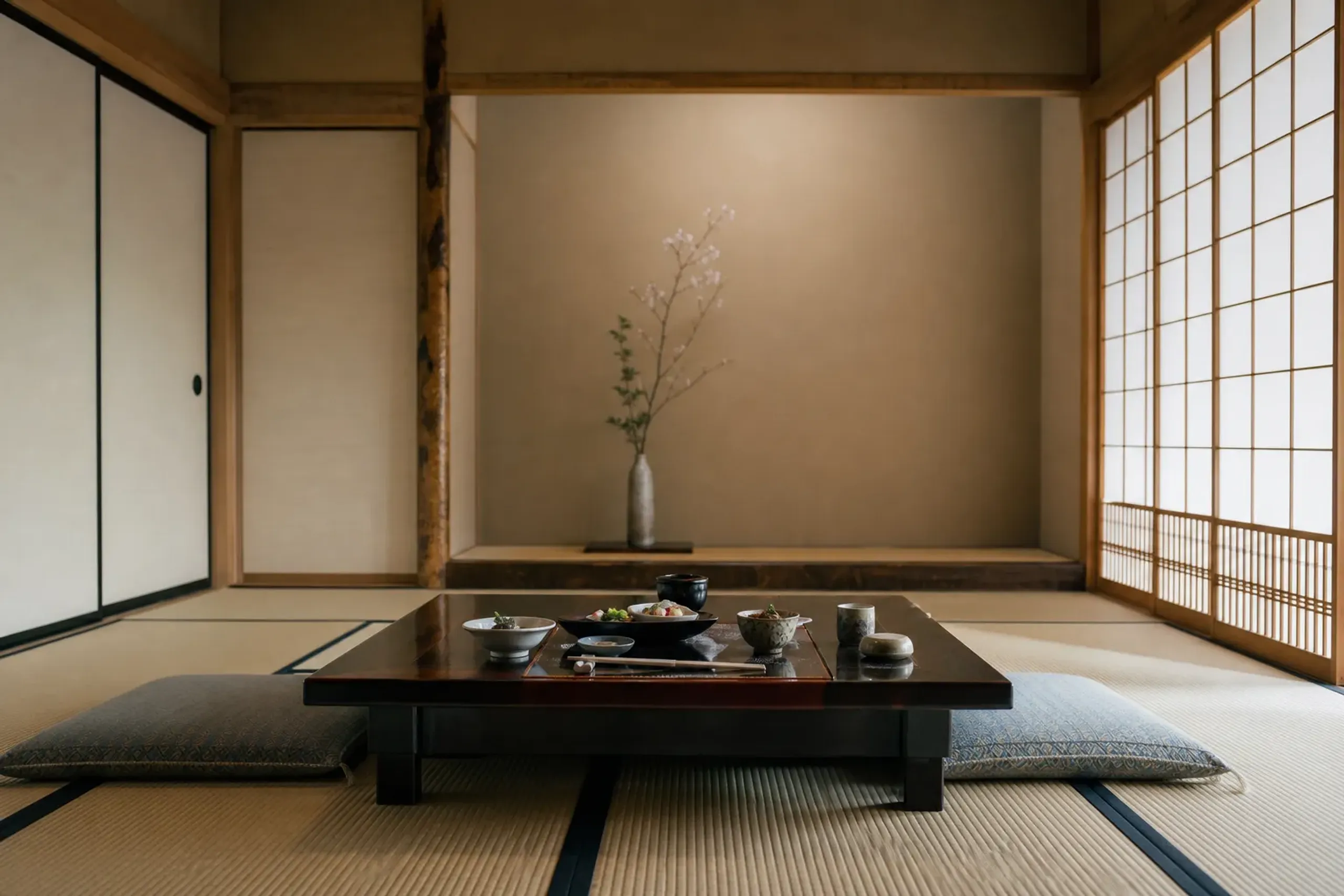
A ryokan has its own cadence. Let it lead.
Many luxury travelers worry about the “wrong move.” Japan is forgiving, but certain spaces run on quiet rules.
Ryokan are a good example. The Michelin Guide describes commonly recognized features like tatami rooms, futon bedding, communal onsen bathing norms, and kaiseki meals. The stress comes when guests expect a hotel rhythm, then discover a ryokan rhythm after arrival.
Small choices help: confirm meal times, understand bathing etiquette, and keep your schedule respectful of the property’s cadence. This is also where wabi-sabi shows up again—restraint, softness, and not forcing your usual pace onto a place designed for slowing down.
2026 Reality Check: Rules And Policies That Surprise Even Wealthy Travelers
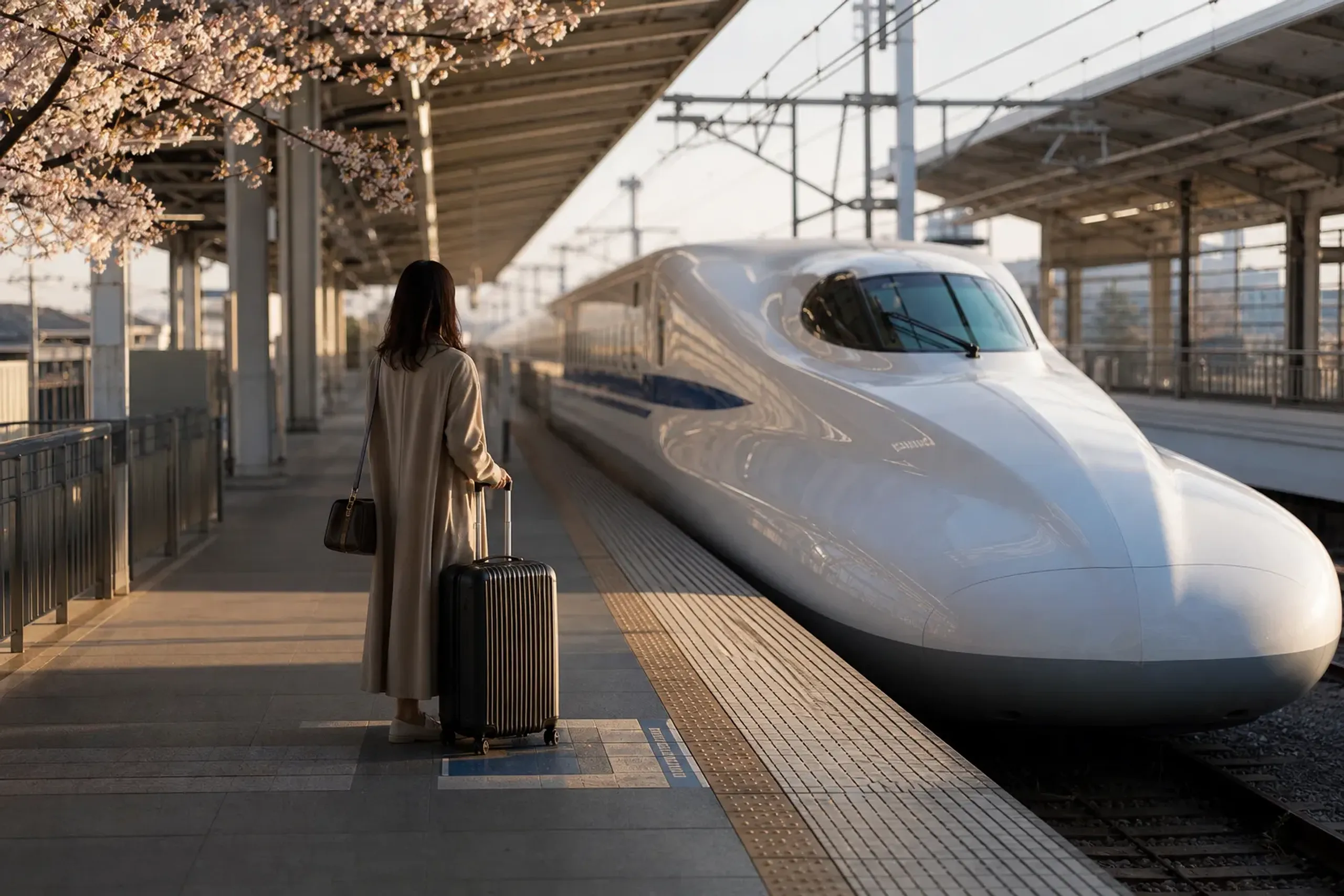
In Japan, the calmest journeys follow the rules you never see online.
Japan’s calm surface can hide very firm rules. That contrast is where stress appears.
Key fact: Oversized baggage on the Tokaido Shinkansen requires reserving a seat with an oversized baggage area/compartment, per JR Central.
Another common surprise is administrative, not cultural. Kyoto’s accommodation tax changed on March 1, 2026, and it may be collected at the property. Know this upfront and it stops feeling like a small sting at checkout.
Documentation can also shift. Japan’s Ministry of Foreign Affairs states that as of May 15, 2026 the JAPAN eVISA system is available for nationals/people residing in specified countries and regions, with the scope list maintained by MOFA. Many HNW travelers are visa-exempt depending on nationality, but households and mixed-nationality groups are common. Check early.
FAQ: Quiet-Luxury Planning Questions We Hear Most
Is “quiet luxury” just code for spending more?
No. It is spending on the right points and refusing waste: wasted transfers, wasted waiting, wasted energy. You can stay in a top hotel and still suffer if the itinerary design is noisy.
Should I rely on Kyoto city buses in 2026?
For many premium travelers, buses are best treated as optional rather than foundational. Kyoto announced details in June 2026 about a resident-priority pricing system for city buses; policy aside, the lived reality is congestion at peak hours. Walking clusters, taxis, and planned vehicle time are usually calmer.
Do I need the Japan Rail Pass in 2026?
It depends on your exact route. There is also a known price increase on October 1, 2026, with an exception noted for passes purchased through the official JR website. Decide based on math and friction, not tradition.
What is the single biggest mistake you see with first luxury trips to Japan?
Over-scheduling. A close second is underestimating transfer friction—platforms, luggage, and last-mile movement. Quiet luxury is built by removing those sharp edges.
Can Japan Royal Service help me think through these decisions?
Yes. Our concierge team guides you through the choices that shape calm days, from pacing and privacy to hidden-Japan opportunities and shokunin-focused cultural depth—handled quietly and confidentially.
Why Choose Japan Royal Service
Luxury competitors often sell inspiration. We focus on execution. Our team at Japan Royal Service is built for travelers who want Japan to feel composed, not crammed, with discretion as a non-negotiable rather than an add-on.
We design trips around wabi-sabi restraint and hidden-Japan access—the sukiya-style meals, the quiet craft encounters, the moments that do not perform for social media—while protecting your identity, your pace, and your time. When you want shokunin encounters, we shape the week so the meeting feels earned and unhurried, not like a “stop.”
And we keep the practical side sharp. Transportation planning, luggage strategy, crowd micro-timing, and the small policy changes that create big stress when missed. Quiet luxury is not one upgrade. It is the absence of friction.
For private coordination and tailored guidance, reach our team privately via WhatsApp or LINE, or contact us here.