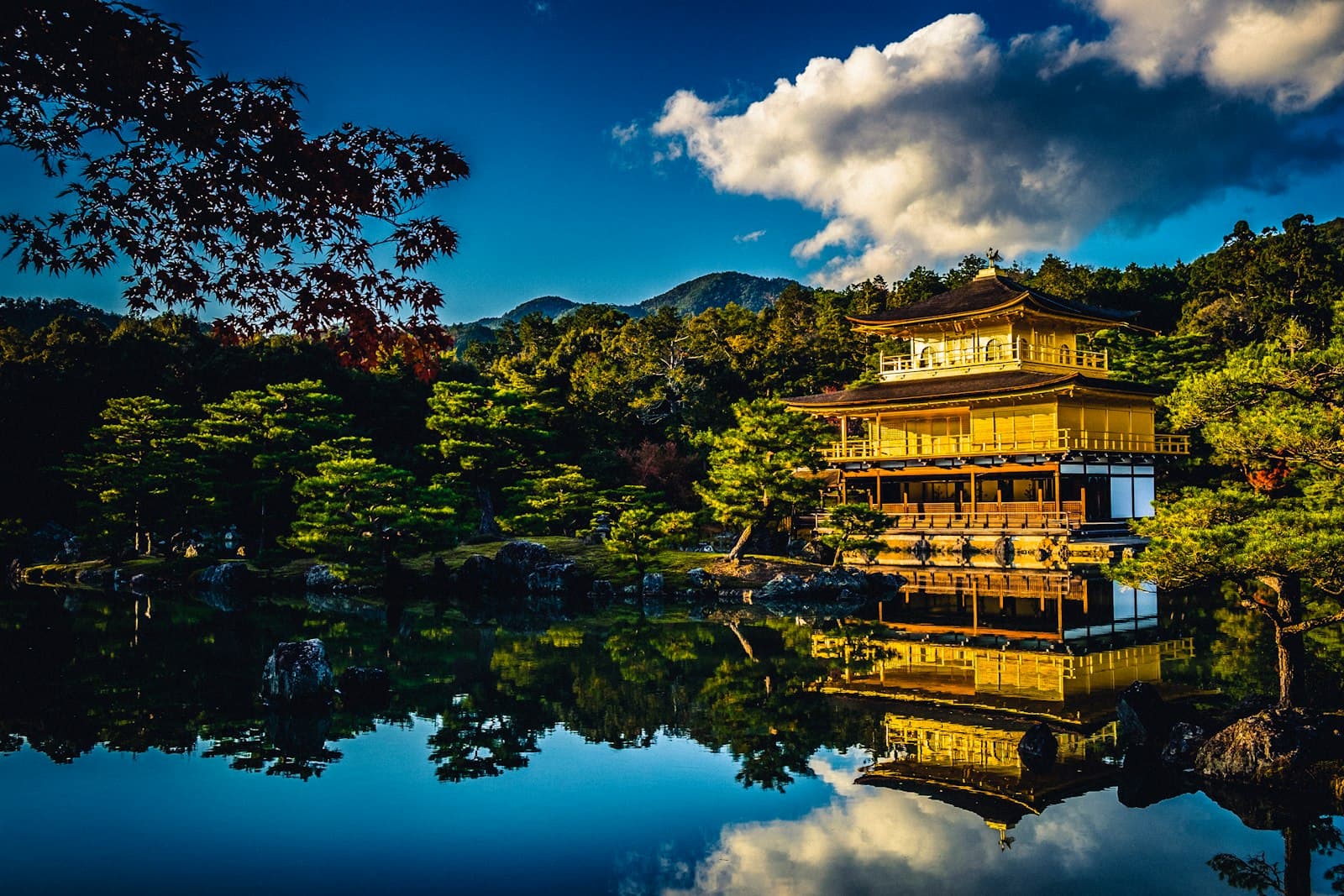
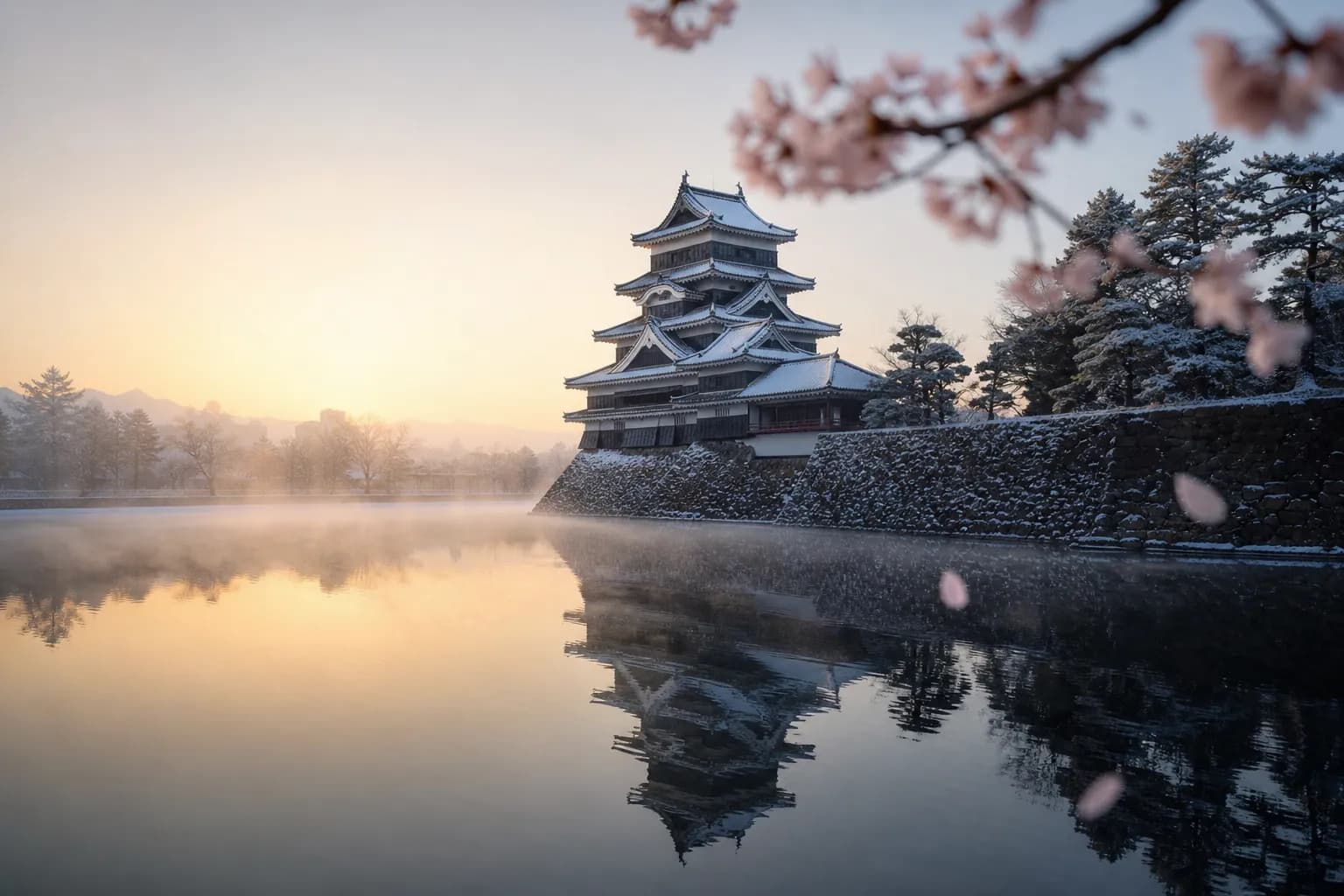
Across Japan, few seasonal moments express the nation’s reverence for craftsmanship and impermanence as eloquently as castles framed by sakura. In spring, defensive architecture once designed for endurance softens beneath drifting petals, revealing a dialogue between permanence and transience that defines Japanese aesthetic thought. This Japan Travel exploration focuses on two emblematic sites: Himeji Castle in Hyōgo and Hirosaki Castle in Aomori. Each presents a distinct regional interpretation of feudal design, heightened by cherry blossoms at their peak. For private travelers drawn to cultural depth and architectural clarity, these landscapes reveal Japan at its most quietly luminous.
Himeji Castle: The White Heron in Bloom
Why It’s Exceptional
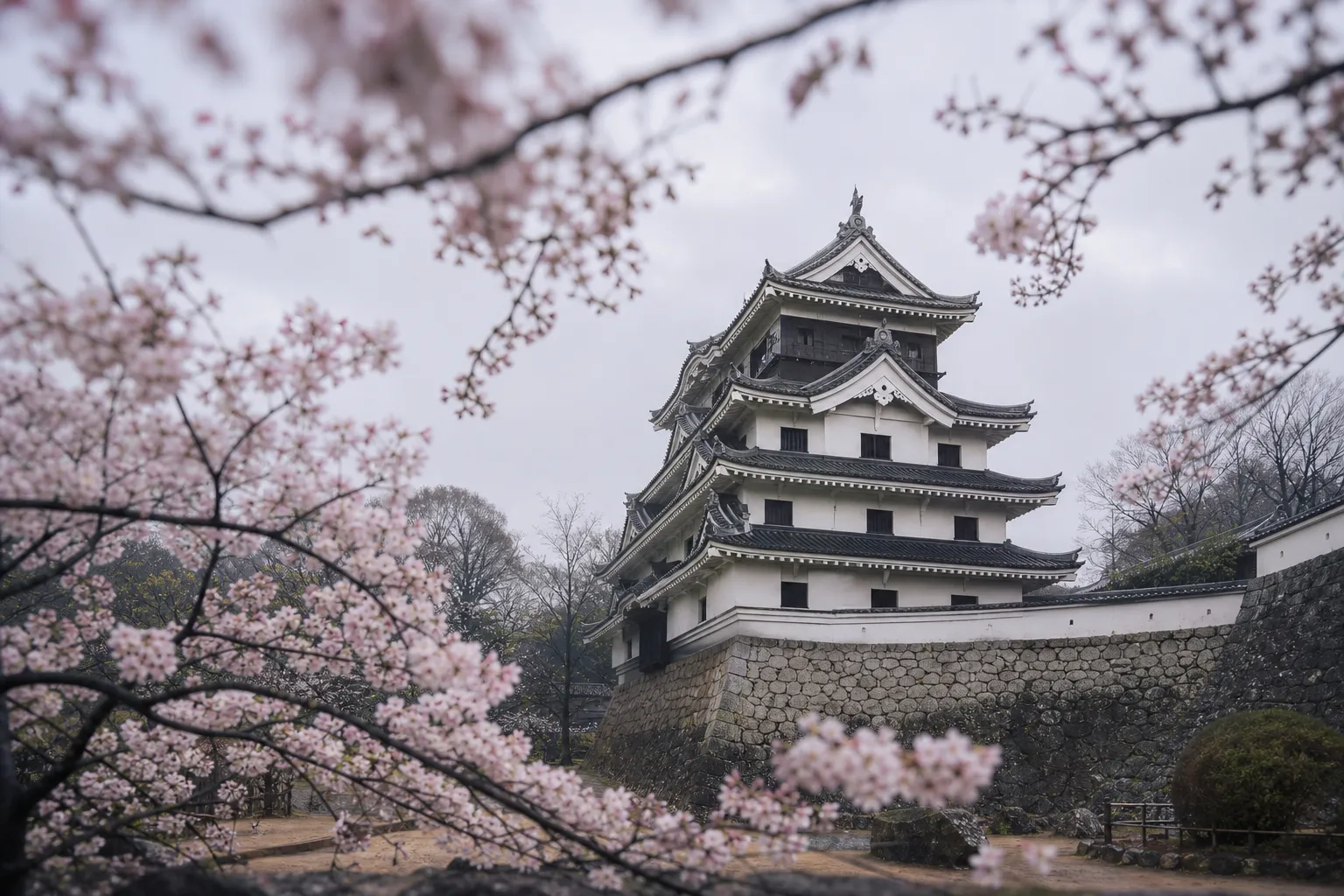
A UNESCO World Heritage site, Himeji Castle stands as Japan’s most immaculately preserved feudal stronghold. Its sweeping roofs, layered gates, and brilliant white plasterwork represent the pinnacle of early-modern castle engineering and visual balance.
Sakura Experience
From late March to early April, more than a thousand cherry trees surround the grounds. Pale blossoms set against luminous white walls create a scene of rare composure—particularly at dawn, when light grazes the plaster surfaces and the castle seems to hover above the season.
Architectural Harmony
Himeji’s rooflines mirror the natural arcs of sakura branches. From select vantage points, the fortress appears almost weightless, its geometry lifted by spring’s brevity. In Japan Travel itineraries, this is a place best approached slowly, allowing the eye to trace structure and bloom in equal measure.
Hirosaki Castle: Northern Elegance Framed by Petals
Why It’s Exceptional
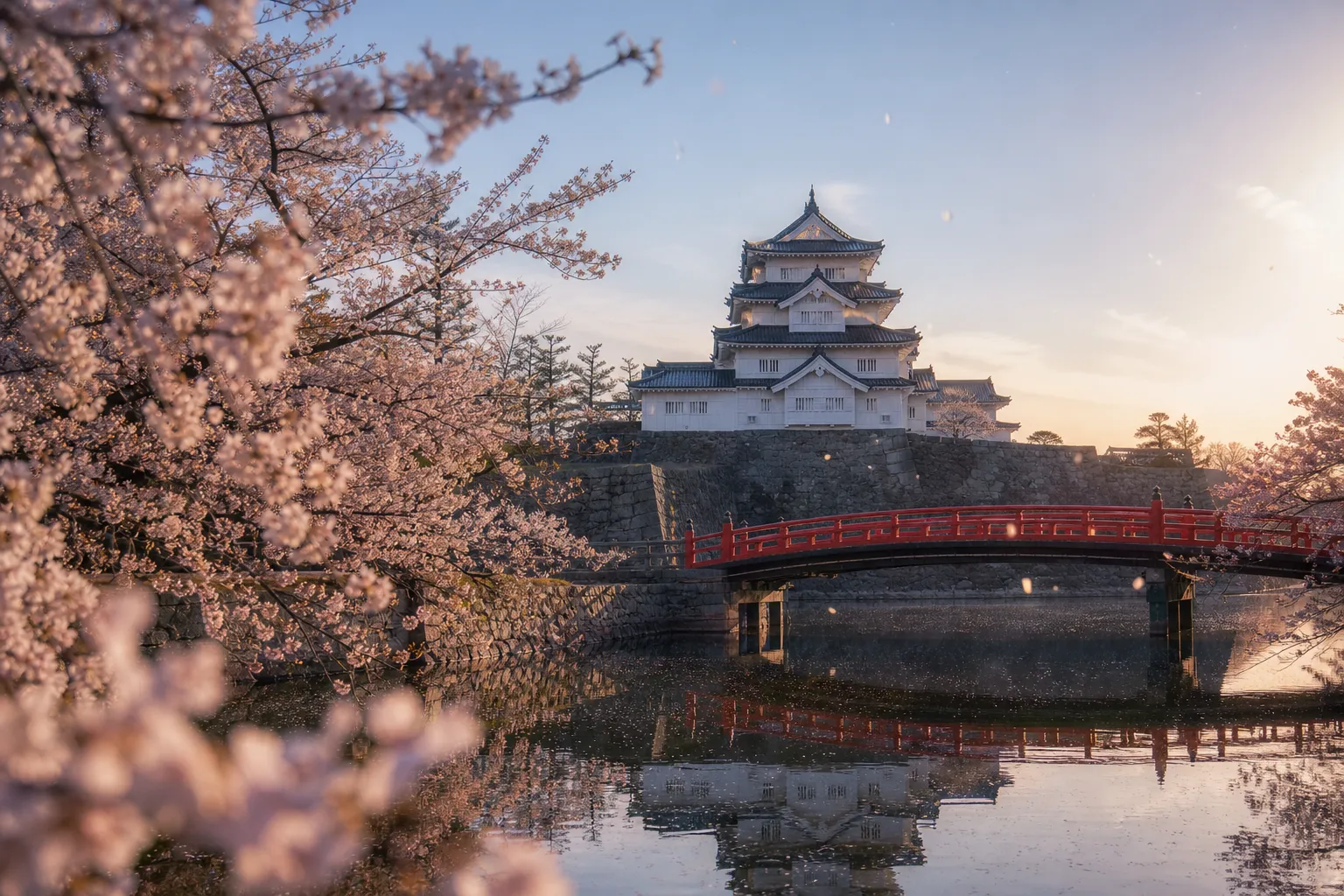
In northern Aomori, Hirosaki Castle offers a more intimate architectural experience. Its original Edo-period keep, modest in scale, is set within expansive moats and gardens where nature holds equal authority over the scene.
Sakura Experience
Celebrated for having some of Japan’s most evocative cherry blossoms, Hirosaki is home to over 2,600 trees. Varieties bloom in subtle succession, and petals gather on moats and pathways, creating the famed “flower rafts” that drift across the water—an image inseparable from spring Travel in Japan.
Architectural Harmony
Dark timber, stone foundations, and the iconic vermilion bridge form a restrained counterpoint to the blossoms’ softness. Here, contrast is intentional: solidity against fragility, history against seasonality, restraint against abundance.
Contrasting Aesthetics: Southern Precision & Northern Poetics
Visiting both castles reveals how geography and climate shape feudal expression in Japan.
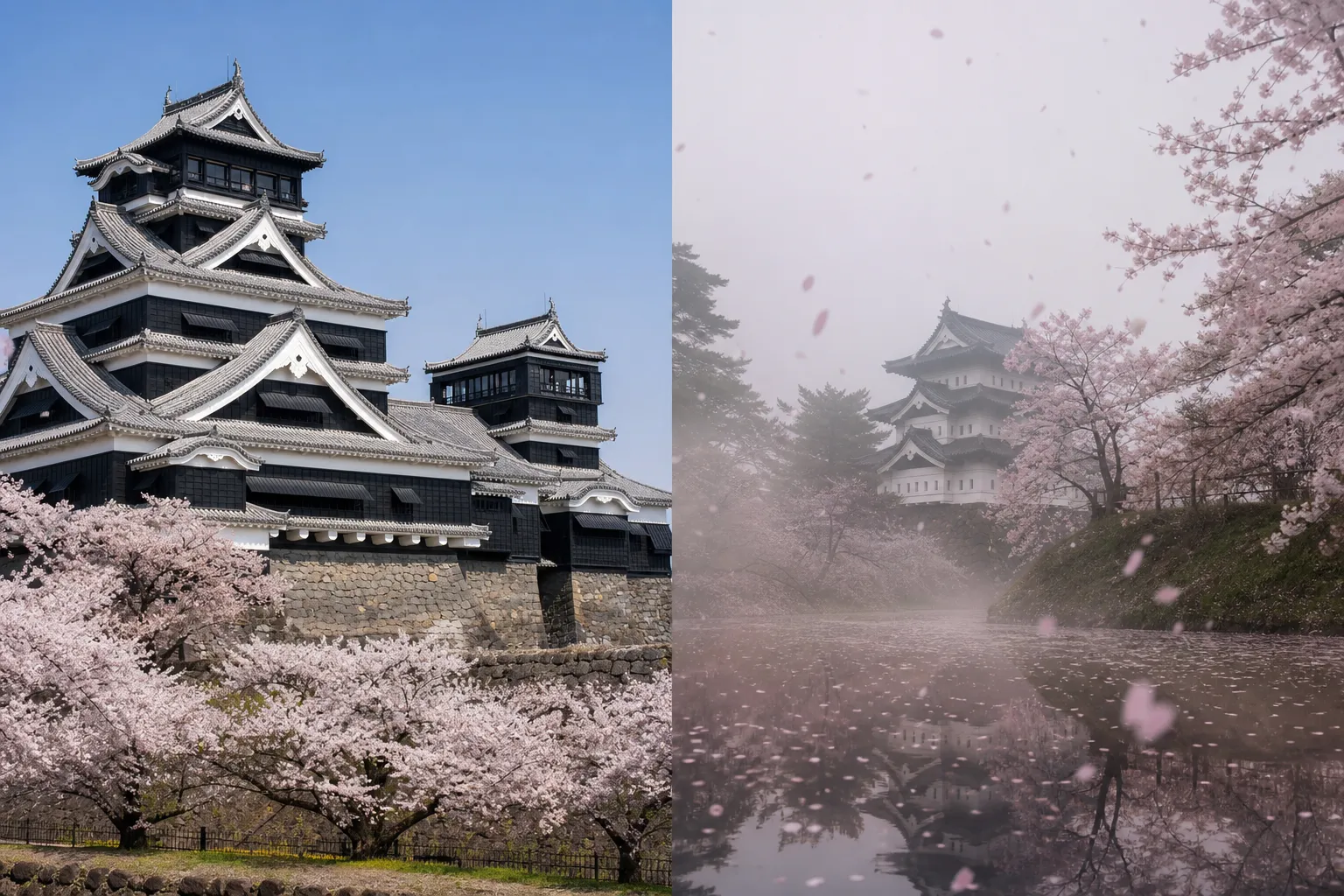
Himeji embodies formal perfection—symmetry, clarity, and radiant geometry. Hirosaki conveys intimacy—textured wood, earth-toned stone, and gardens that transform with light and weather.
Professional photographers often note that Himeji rewards crisp, directional light, while Hirosaki flourishes beneath softer skies. Together, they offer a fuller understanding of how architecture and environment converse across regions in Japan Travel narratives.
Best Times & Private Experiences
Ideal Timing
- Himeji Castle: Late March to early April
- Hirosaki Castle: Mid to late April, reflecting the northern climate
Experiences Valued by Private Travelers
- Early-access castle entry accompanied by a cultural historian
- Blue-hour or twilight photography sessions arranged around peak bloom
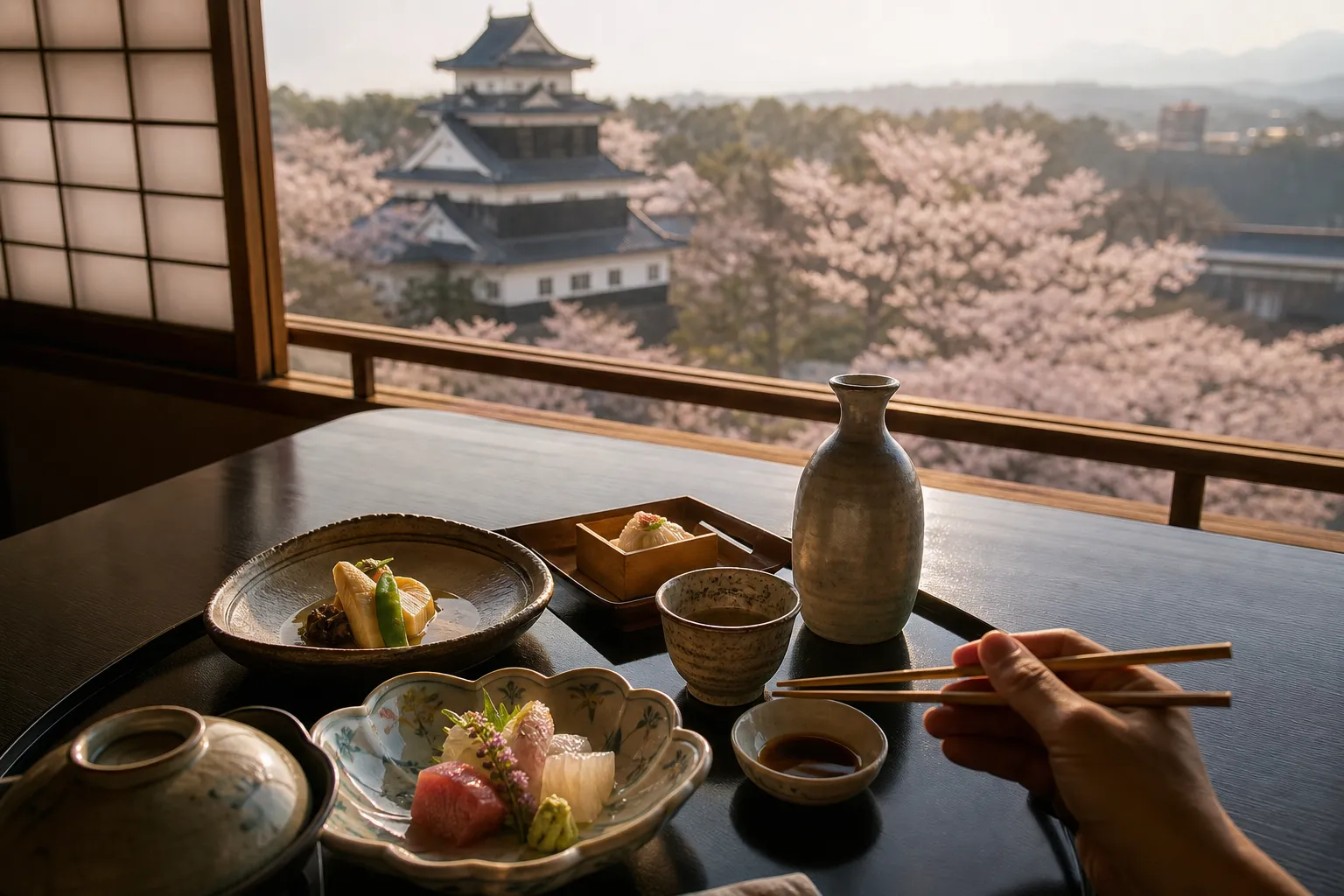
- Bespoke journeys pairing castle exploration with regional cuisine
- Aerial perspectives over Himeji for architecture-focused patrons
Such moments are not about spectacle, but about access—quiet intervals where Japan’s architectural heritage can be absorbed without distraction.
Conclusion
Himeji and Hirosaki present two distinct yet complementary visions of spring in Japan. One is defined by radiance and formal purity; the other by intimacy and layered seasonality. Together, they demonstrate how feudal architecture, when paired with sakura, transcends history to become something timeless