In this guide
- 01What “Behind The Gate” Means In Japan’s Spirits Scene (And Why It’s Tightening)
- 02Quick Facts By Spirit Type (For Skimmers Who Still Want Substance)
- 03Japanese Whisky: The Gatekeepers Are Lotteries, Calendars, And Reservations
- 04Shochu: Japan’s Prestige Spirit That Luxury Travelers Still Miss
- 05Awamori In Okinawa: Kusu Aging, Clay Jars, And A Different Time Scale
- 06Craft Gin In Kyoto: A Modern Spirits Day That Still Feels Japanese
- 07A Practical Regional Circuit: How We’d Thread Spirits Into A Real Japan Itinerary
- 08The Discreet Luxury Layer: How HNW Travelers Drink Well Without Being Seen
- 09Duty-Free, Customs, And Carrying Bottles Home: Practical Rules To Check Before You Fly
- 10FAQ: Japanese Spirits Access, Distillery Tours, And Logistics (2026)
- 11Why Choose Japan Royal Service
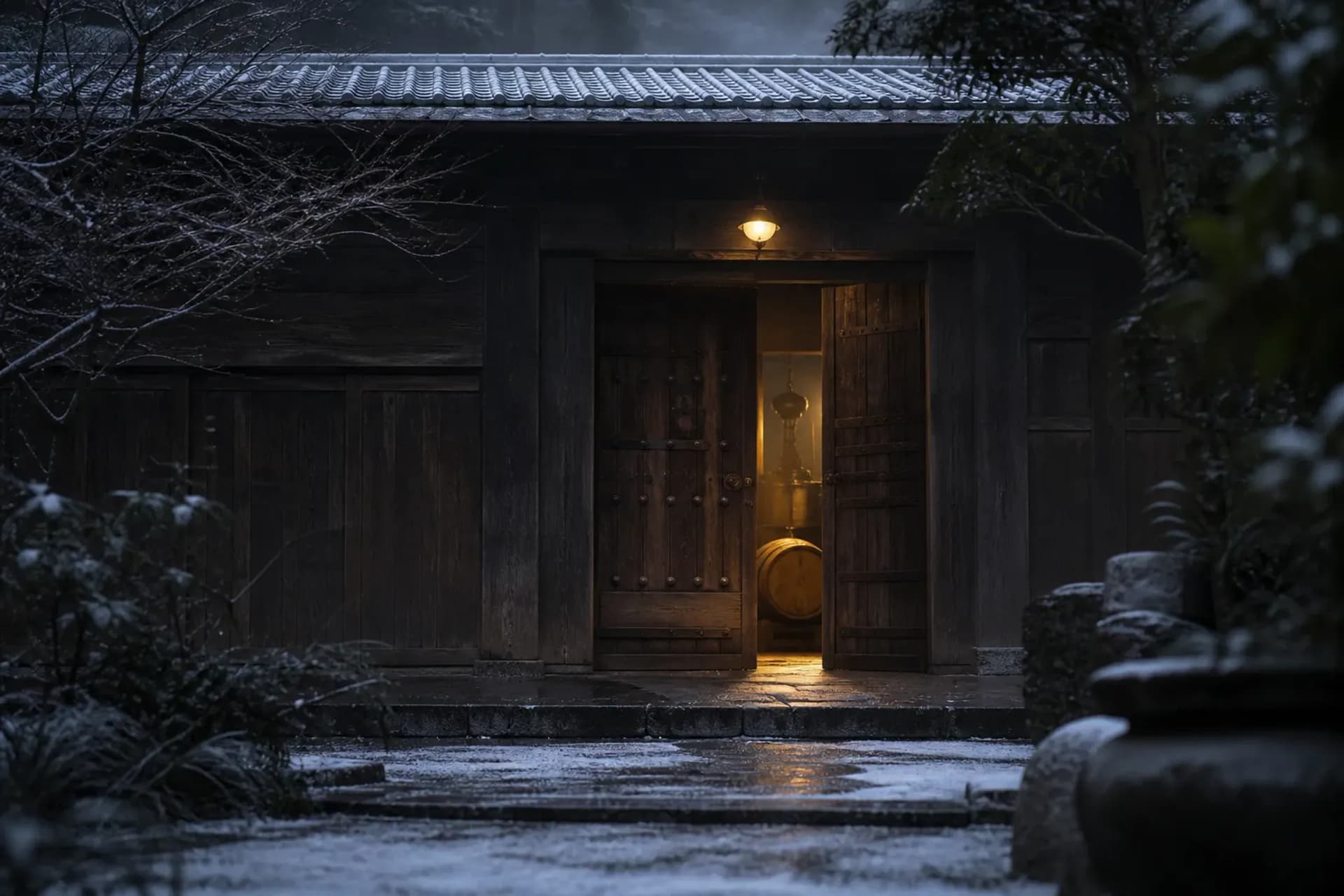
A single mizunara cask can change the air in a warehouse. Not with sweetness, but with dry incense, sandalwood, and a faint temple-polish note that takes years to arrive. You can stand in front of it and still not get “in.” That is the modern Japanese spirits problem.
Japan’s best-known distilleries increasingly control access with lotteries and timed reservations. Even gift shops and tasting lounges can require a booking. Simple assumption. Wrong.
Our team at Japan Royal Service works with travelers who want the real thing: producer-led culture, disciplined logistics, and a plan that holds even when the lottery email says no. Quietly handled. Always discreet.
What “Behind The Gate” Means In Japan’s Spirits Scene (And Why It’s Tightening)
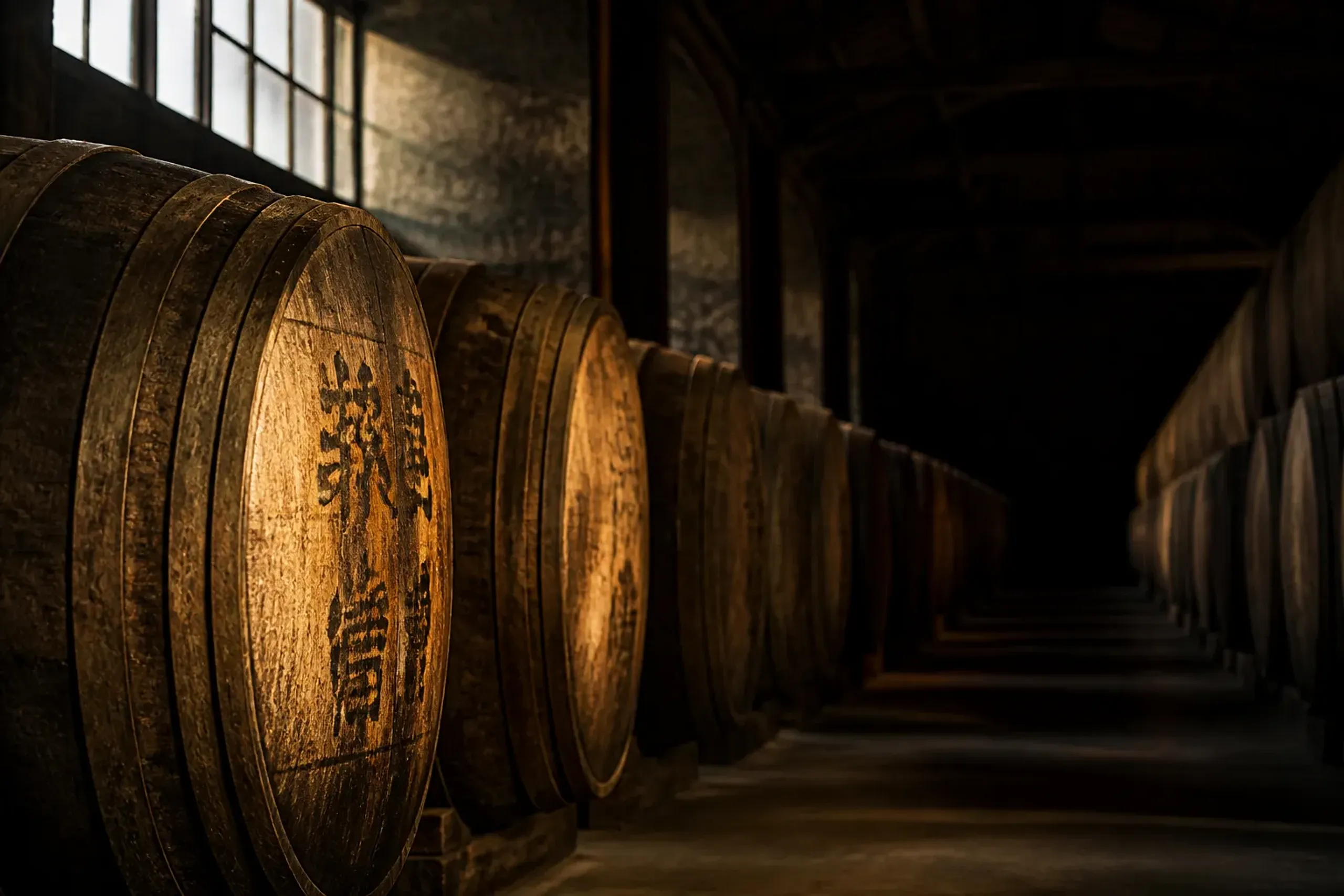
For many luxury travelers, the challenge is not finding a bottle. It is finding a legitimate path into the place where that bottle becomes inevitable: the still room, the koji floor, the aging cellar, the blending story you cannot read off a label.
In 2026, “sold out” often means “algorithmically controlled.” Many producers now use lotteries, pre-reservations, and fixed entry windows. No amount of last-minute enthusiasm changes the rules.
And the gate is not only the tour. House of Suntory notes that at Yamazaki and Hakushu, access to the gift shop and tasting lounge requires a free reservation. That surprises even seasoned travelers.
Key fact: At Suntory’s Yamazaki and Hakushu distilleries, certain tours use a lottery system, and even the gift shop/tasting lounge can require a free reservation (per House of Suntory FAQs and Yamazaki reservation guidance).
Scarcity Is Designed, Not Rumored
Whisky scarcity is not only about demand. It is also about capacity choices made decades ago, and about age statements that can vanish when inventories tighten. The result is simple: the bottle you want may never reach a retail shelf in your travel window.
Shochu and awamori behave differently. They are often easier to meet at the source, and they reward curiosity in a way whisky currently struggles to. That is the advantage. Use it.
Where Japan Royal Service Fits (Without Pretending There’s A Hack)
We do not sell shortcuts. We do build plans that respect the actual mechanics—lottery calendars, reservation cutoffs, travel-time realities, and the calm pacing HNW travelers prefer.
That means two things. First: we help you prioritize what is truly worth chasing. Second: we keep your days intact if a gate stays closed.
Quick Facts By Spirit Type (For Skimmers Who Still Want Substance)
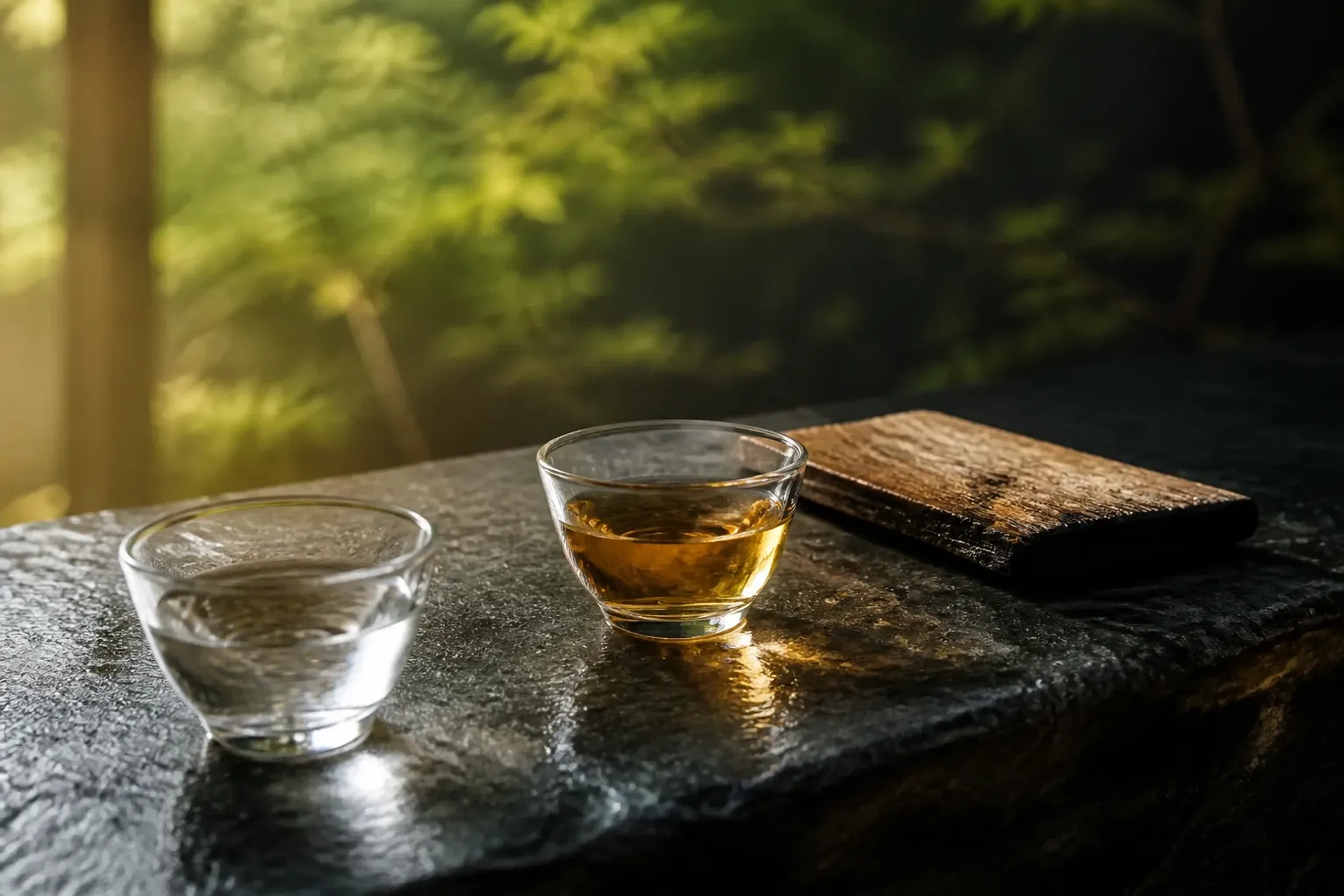
If you only read one section, read this. It is the planning layer that most “tasting tour” pages skip.
- Japanese whisky: Concentrated demand; distillery access often controlled by lottery or strict reservations. Best approached with backup experiences and a strong regional itinerary.
- Shochu: Deep regional identity, especially in Kagoshima and Kumamoto; producer visits and local councils make it a practical “behind-the-gate” win.
- Awamori: Okinawa’s signature spirit; kusu aging culture; multiple distilleries publish tour programs and English-language information.
- Craft gin: Often easier to access than whisky; Kyoto is a natural base for a crisp, design-forward spirits day.
- Sake (clarifier): Sake is brewed, not distilled. Great to pair with this itinerary, but it is a different craft chain.
Japanese Whisky: The Gatekeepers Are Lotteries, Calendars, And Reservations
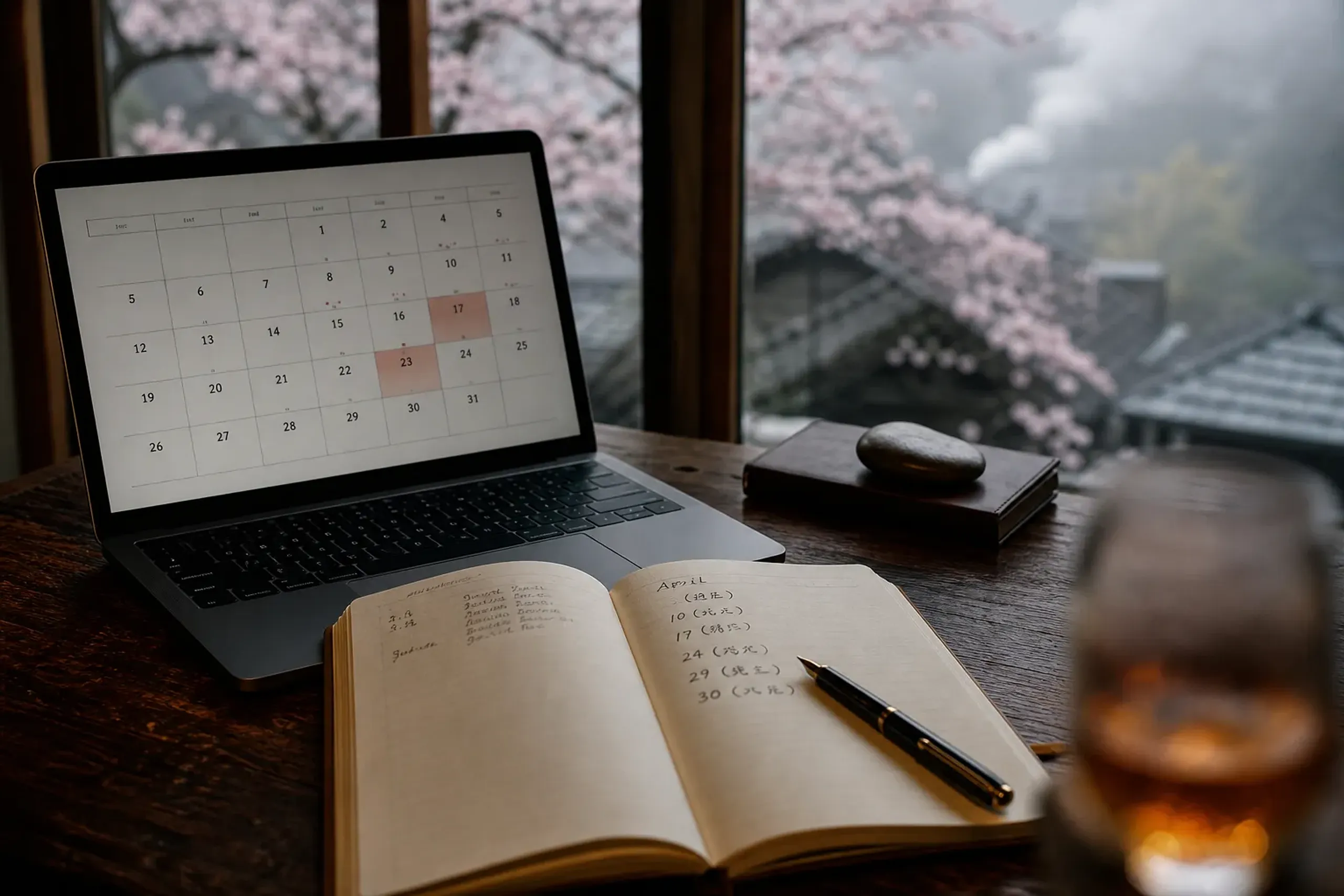
Whisky is where most visitors start. It is also where expectations break first. You can have business-class timing, five-star habits, and a strong palate—and still lose a draw.
At Suntory’s Yamazaki Distillery, certain paid tours (including the “MONOZUKURI tour & tasting”) use a lottery system, and Suntory publishes specific entry periods, result emails, and deadlines for completing reservations and payment for 2026 windows. The process is transparent. It is also unforgiving.
How The Suntory Lottery And Reservation Reality Plays Out (Yamazaki / Hakushu)
Here is what we tell clients to expect, based on the distillery’s published guidance and House of Suntory FAQs. Read slowly. Then plan early.
- Step 1: Identify which experience is lottery-based versus simple reservation-based. The terminology matters.
- Step 2: Enter during the published entry period for your travel month, then wait for result emails.
- Step 3: If selected, complete the required reservation and payment actions by the stated deadline.
- Step 4: Separately reserve the gift shop/tasting lounge time if required. This is where many itineraries slip.
Miss a deadline by a day and the gate shuts. No argument. No appeal.
Distilleries With Real Gravity (And What To Assume About Access)
These names carry weight for a reason: Yamazaki, Hakushu, Yoichi, and Miyagikyo. Then the modern craft wave: Chichibu, Kanosuke, and Akkeshi. Some have tours; some have limited public information; access changes.
What we do publicly is not to promise entry. We map your route so that your trip still feels complete if the whisky “main event” becomes a side note.
Mizunara: The Most Misunderstood Ingredient In The Room
Mizunara is Japanese oak. It is also stubborn. It can warp, it can leak, and it asks for time most travel schedules do not respect.
When it works, it gives aromatics that feel more like incense than vanilla. This is why serious drinkers chase it. And why a “mizunara story” is better in a warehouse than in a shop.
Shochu: Japan’s Prestige Spirit That Luxury Travelers Still Miss
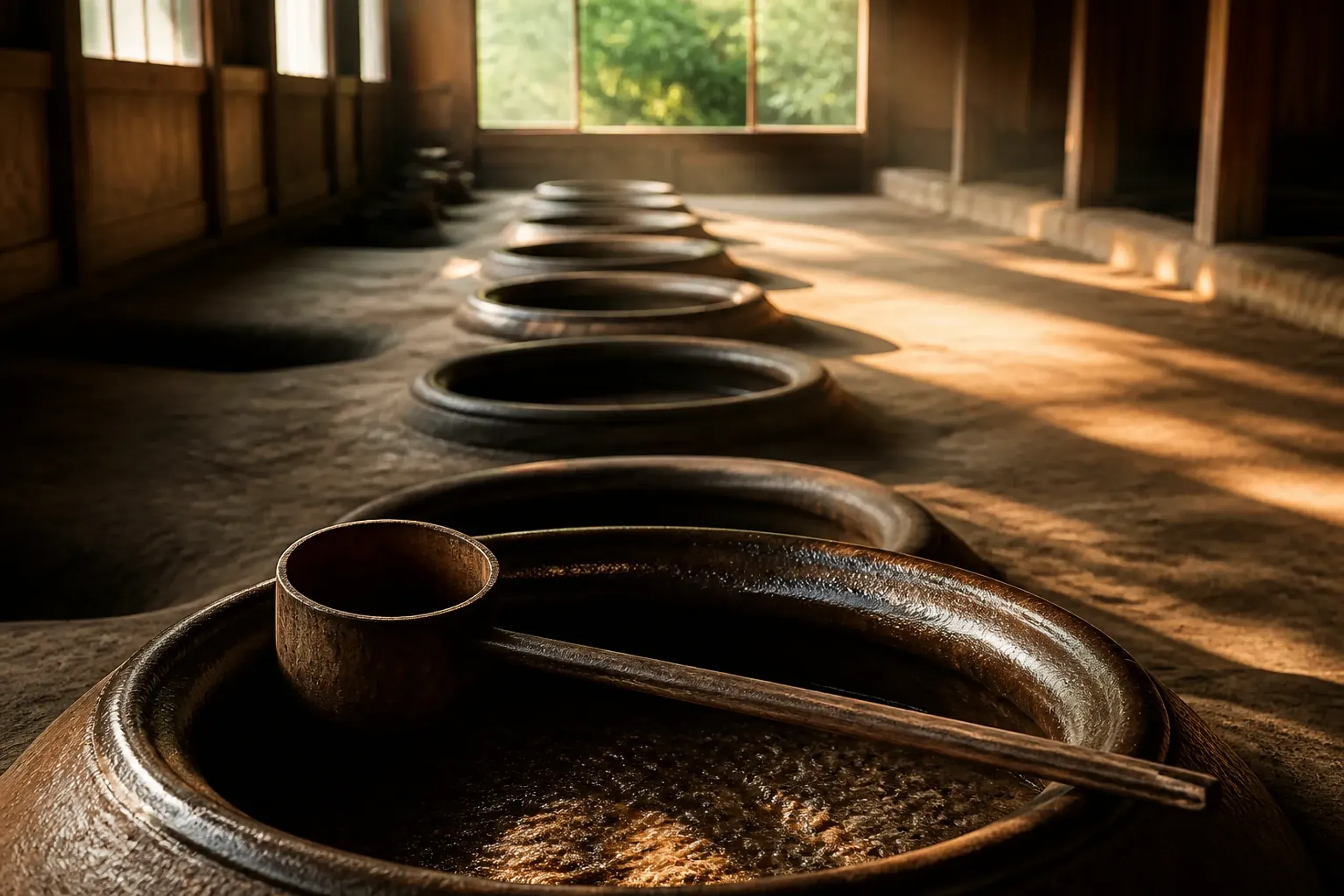
Shochu is where you can still touch the craft without fighting the same global frenzy. It is not a consolation prize. Treat it like a main subject.
Start with bases, not brands. That makes tastings make sense fast, even for people who rarely drink anything clear.
Three Shochu Styles That Explain The Map
- Imo shochu (sweet potato): Closely tied to Kagoshima. Aromatic, earthy, sometimes startling.
- Mugi shochu (barley): Strong association with Oita. Often drier, clean-lined.
- Kome shochu (rice): Strong association with Kumamoto, including the Hitoyoshi-Kuma area.
Kagoshima’s official travel guidance promotes shochu tasting and distillery tours and notes GI protection for shochu. That GI framing is useful when you want to understand “place” the way you already understand wine regions.
Kinzangura (Kagoshima): A Gold Mine Aging Environment You Can Actually Explain
If you want one shochu story that lands quickly, use Kinzangura. JNTO describes it as a shochu experience located in a centuries-old gold mine, using the mine’s cool environment and earthenware jars in its production process.
The point is not novelty. The point is temperature stability and time. You feel that calm when you taste.
Kuma Shochu (Kumamoto): A Real Region With A Tourism Council
Kuma Shochu is presented by the Kuma Shochu Distilleries Tourism Council as a regional specialty from the Hitoyoshi-Kuma region. The council publishes information about distillery tours, which makes planning more concrete than it is for many whisky sites.
For an HNW traveler, this is the sweet spot: real producers, real geography, less theater. Better conversations.
Awamori In Okinawa: Kusu Aging, Clay Jars, And A Different Time Scale
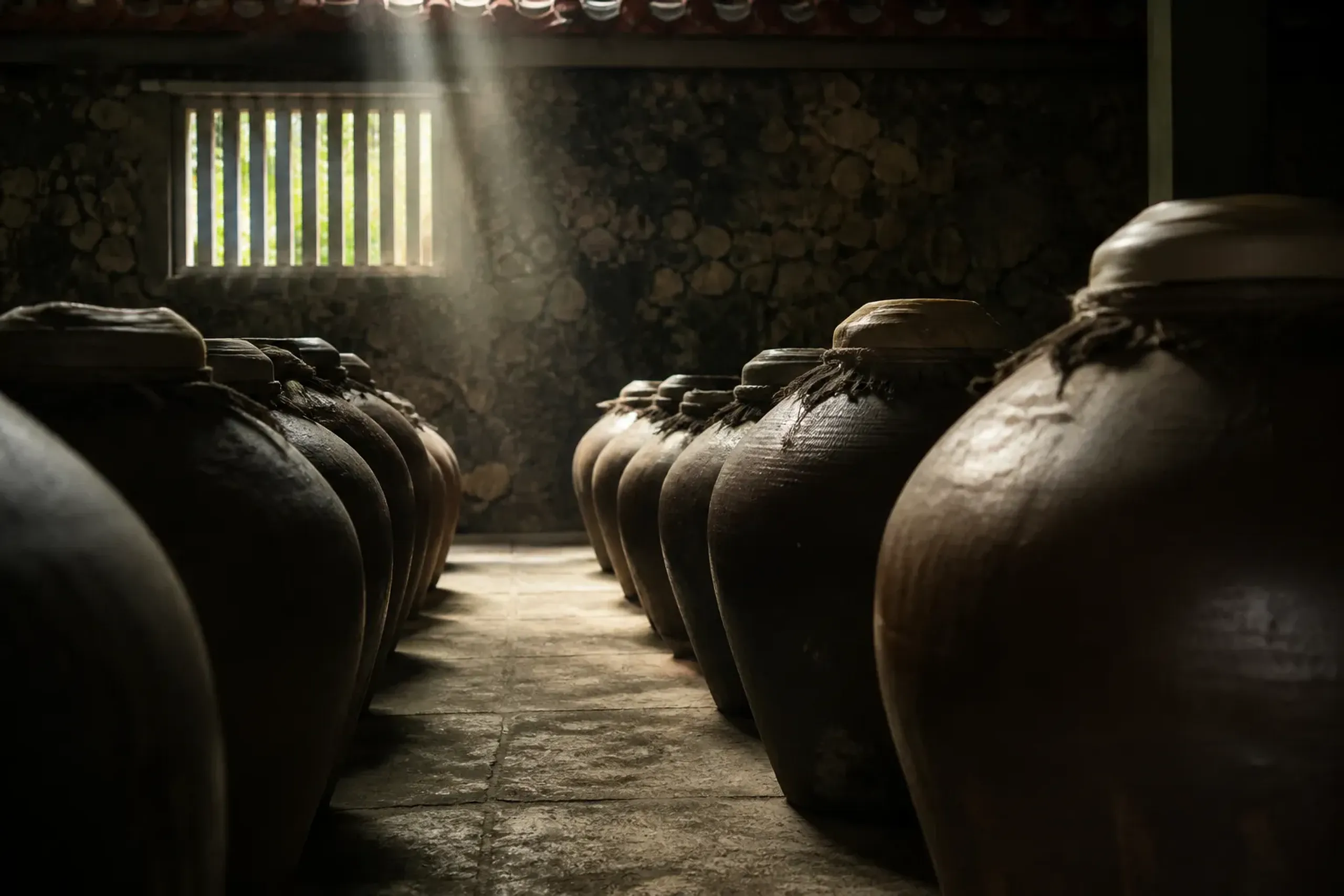
Okinawa changes the rhythm of a Japan itinerary. The light is sharper. The air is saltier. And awamori has its own vocabulary.
The word to learn is kusu, aged awamori. It is not “old whisky.” It is its own tradition, with aging practices that often involve clay and long patience.
Helios Distillery: Published English Tours And A Deep Barrel Inventory
Helios Distillery publishes tour information in English and states it has over 2,000 oak barrels of awamori, rum, and whisky maturing. That level of disclosed inventory is rare, and it gives you a concrete reason to visit beyond “tasting.”
If you want a day that feels producer-forward rather than retail-forward, this is a practical anchor.
Chuko Shuzo: “Kusu No Mori” Distillery Tour With Tasting
Chuko Sake Brewery (Chuko Shuzo) offers an awamori distillery tour at Kusu no Mori, with complimentary awamori tasting, per its official tour page. Simple. Clear. Bookable via official channels.
It is also a useful counterweight to whisky uncertainty. You can plan it with more confidence.
Zuisen Distillery (Naha): The Shuri Castle Connection
Zuisen Distillery is repeatedly described as being near Shuri Castle. Okinawa Convention & Visitors Bureau content notes the name’s link to a spring near the “Gate of Zuisen,” and Michelin Guide’s feature also highlights proximity and provides the Naha address. Zuisen’s own English page states it is the closest Ryukyu awamori brewery to Shuri Castle.
That proximity matters. You can pair history and distilling in one day without rushing.
Craft Gin In Kyoto: A Modern Spirits Day That Still Feels Japanese
Gin is not a traditional Japanese spirit in the same way shochu and awamori are. Still, Japan has made it its own, with a design sensibility that rewards a quiet afternoon.
Ki No Bi is the name most travelers recognize in Kyoto. For clients who want a spirits thread without the whisky lottery stress, a gin-focused stop can be the cleanest win of the trip.
Keep it short. Keep it sharp. Then move on to dinner.
A Practical Regional Circuit: How We’d Thread Spirits Into A Real Japan Itinerary

Spirits travel works best when it rides inside a broader plan. Not when it replaces it. Our team at Japan Royal Service usually builds it as a “spine” across regions, with enough flexibility to absorb lottery outcomes.
Option A: Kansai Base (Kyoto/Osaka) With Yamazaki As A High-Value Attempt
This is the sensible first-timer version for HNW travelers who want whisky credibility without letting whisky run the trip.
- Base: Kyoto for calm evenings and early starts.
- Attempt: Yamazaki lottery/reservations timed to your travel month.
- Backup: A shokunin-led food pairing night (spirits-friendly), and a craft gin stop in Kyoto.
Transport matters here. A tight day between Kyoto and the Yamazaki area works best with a calm car and a punctual driver. Your first mention of private transportation is here for a reason: private transportation is what keeps tastings safe, late lunches possible, and schedules steady.
Option B: Kyushu Focus (Kagoshima + Kumamoto) For Shochu Depth
This is the “serious drinker” route that still feels culturally grounded. Less hype. More reality.
- Kagoshima: Use GI framing, distillery-tour guidance, and a focused tasting plan (imo as the headline).
- Kinzangura: Gold mine environment, earthenware jars, cool aging story (per JNTO).
- Hitoyoshi-Kuma: Kuma Shochu identity with the regional tourism council as your planning reference.
It is also easier to keep discreet. Fewer obvious “whisky tourists.”
Option C: Okinawa Add-On (2–4 Nights) For Awamori And Kusu
Okinawa is best when you do not treat it as a day trip. Give it room.
- Naha: Pair Shuri Castle area history with Zuisen Distillery’s published tour information.
- Producer visits: Helios Distillery (English tours) and Chuko Shuzo’s Kusu no Mori tour, both with official pages to confirm details.
- Style: Aim for kusu tastings that show time, not sugar.
One warning: Okinawa has its own seasonal weather realities. Plan buffers.
The Discreet Luxury Layer: How HNW Travelers Drink Well Without Being Seen
Many clients do not want attention. They want accuracy. A quiet table, a measured pour, and a driver who already knows where the side entrance sits.
Discretion is not a “VIP perk.” It is a travel design choice made early, then protected all the way through airport, hotel lobby, and the final check-out.
This is also where wabi-sabi fits naturally. Restraint reads as confidence in Japan. Loudness reads as tourism.
Buying Etiquette At Distillery Shops (And Why It Matters)
If you do get into a distillery shop, remember: staff are not there to negotiate allocations. They are there to run a disciplined system.
- Do not open boxes in the shop to “check.” Ask politely if you have a concern.
- Photographs may be restricted in certain areas. Follow signage without debate.
- Keep questions tight. One or two thoughtful ones land better than ten rapid-fire asks.
Small behavior. Big outcome.
Duty-Free, Customs, And Carrying Bottles Home: Practical Rules To Check Before You Fly
This is the part people skip until the night before departure. Bad timing.
Alcohol import limits vary by destination country and sometimes by state or province. Airline rules and duty-free allowances also vary, and they can change. Always confirm with your airline and your home-country customs authority before you buy significant volume.
Key fact: If you plan to carry bottles in checked luggage, use protective packing and confirm airline and customs rules in advance—limits depend on your passport and destination.
A Simple Packing Approach That Avoids Regret
- Buy at most what you can protect. Spills ruin more than clothes.
- Keep receipts. Some customs officers will ask for them.
- If your itinerary includes multiple flights inside Japan, decide early which purchases wait until the last city.
Planning is not romance. It is relief.
FAQ: Japanese Spirits Access, Distillery Tours, And Logistics (2026)
Can I “just pay” for a private whisky distillery tour in Japan?
Often, no. For major sites, access is frequently controlled by lotteries or strict reservation systems, and published deadlines apply. Payment alone is not the deciding factor.
Rare Japanese whisky distillery access at Yamazaki or Hakushu for a collector — can a private visit be arranged?
Not as a fully private, pay-to-enter experience — Suntory runs both distilleries on lottery and reservation systems, not private sale of access. Our team at Japan Royal Service plans around that reality for collectors: we track the entry periods and deadlines, secure what the published system allows, and build the rest of a Japan trip — cellar and warehouse context, tastings, and transport — around whatever the lottery returns.
How do I book tours at Yamazaki or Hakushu?
Suntory publishes reservation guidance and, for certain tours, lottery entry windows and result timelines. House of Suntory also notes that gift shop and tasting lounge access can require a free reservation. Book through the official distillery/brand channels, and plan months ahead.
For questions, contact our concierge team for tailored guidance aligned with your travel dates.
Is shochu the same as sake?
No. Shochu is distilled. Sake is brewed. They can sit together beautifully at the table, but the production methods and flavor logic differ.
What is “kusu” in awamori?
Kusu is aged awamori. It is part of Okinawa’s spirits culture and is often discussed as a marker of time and house style rather than a simple “older is better” contest.
Which Japanese spirit is easiest to plan around if whisky access fails?
Shochu and awamori tend to offer more predictable producer-visit options because many distilleries publish tour information directly, and regional councils provide structured guidance.
Why Choose Japan Royal Service
Luxury travelers do not choose a concierge because they lack curiosity. They choose one because Japan rewards precision, and punishes assumption.
Our team at Japan Royal Service designs tailor-made journeys where Japanese spirits are treated as culture, not a checklist. We build around shokunin craft, wabi-sabi restraint, and the hidden-Japan layer that still depends on introductions and timing. Privacy stays central. Always.
Competitors like Klook often win on simple transactions, and brands like Abercrombie & Kent win on breadth. We focus on the part that matters in Japan: discretion, logistics that do not fray, and a trip that remains satisfying even when the gate stays shut.
Reach our team privately via WhatsApp or LINE, or contact us here to discuss a spirits-forward Japan itinerary built around your dates, your pace, and your tolerance for risk.