In this guide
- 01Opening Scene: Looking Down Through A Glass Floor
- 02Why Kabira Bay Is For Looking, Not Swimming
- 03Black Pearls: Kabira’s Quiet Industry And What To Look For
- 04Where Can I See Manta Rays Near Ishigaki In Summer?
- 05Will I Definitely See Manta Rays On An Ishigaki Trip?
- 06Sekisei Lagoon: The Reef That Makes Ishigaki’s Sea Feel Endless
- 07Summer Sea Safety In Ishigaki: Jellyfish, Currents, Typhoons
- 08How To Get To Kabira Bay (And Why Private Timing Matters)
The first thing you notice is the silence.
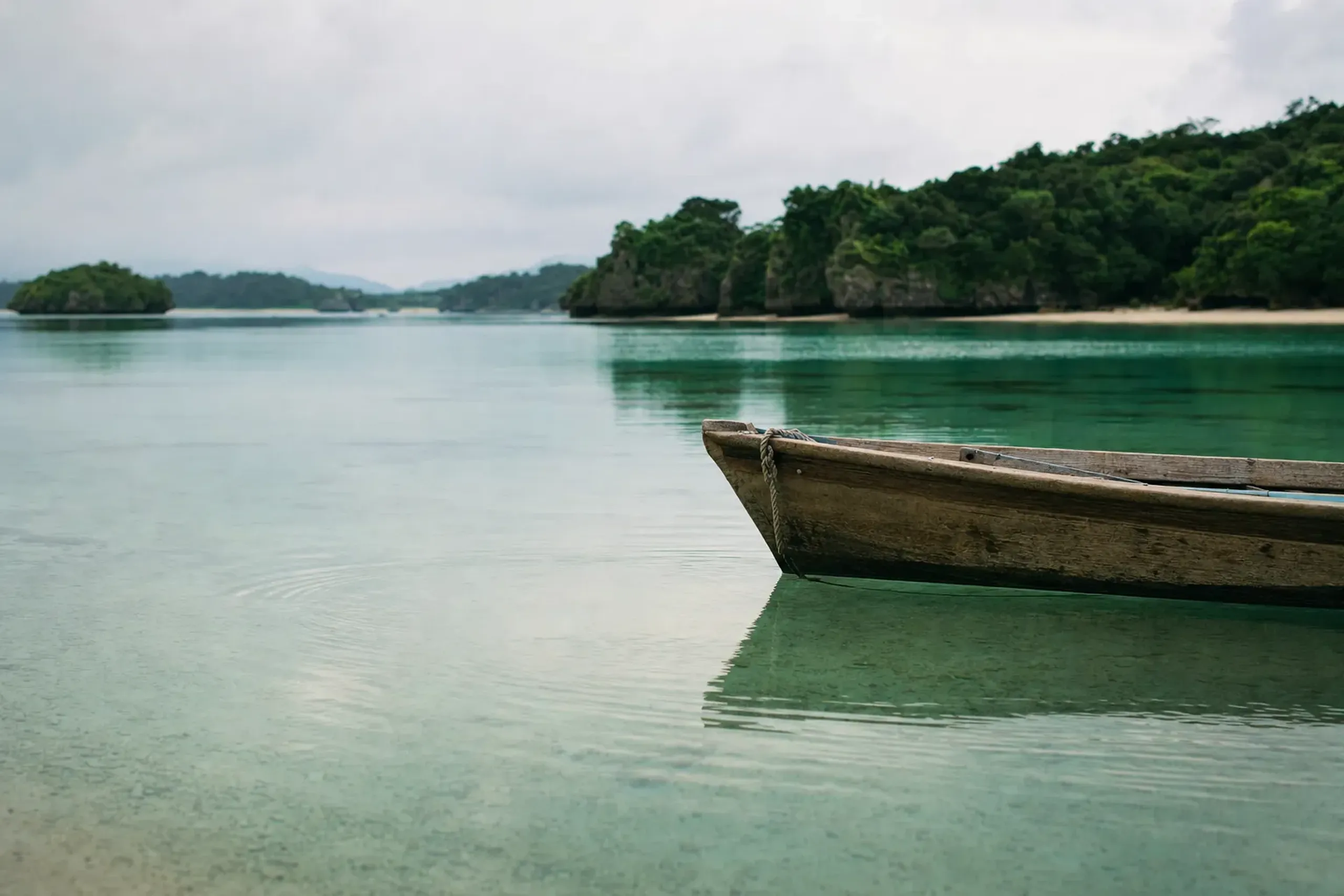
A glass-bottom boat slides off the dock in Kabira Bay. The engine hum is soft, almost apologetic, and the water below turns from ink to cobalt in a single glance. Then a coral head appears beneath the clear panel, and a small fish—electric-blue—flickers past like a passing thought.
Most travelers come to Ishigaki chasing color. They imagine swimming straight into it.
Kabira Bay asks for something else. Restraint.
This guide is for discerning travelers who want Ishigaki’s sea in summer without guesswork. We’ll separate what you can do at Kabira Bay from what belongs offshore, where manta rays pass. And we’ll be candid about the limits—currents, jellyfish season, typhoons, and coral under pressure—because those very rules are part of why the place still feels intact. In Japan, restraint is not a constraint; it is a form of refinement. At Kabira, that restraint is precisely what preserves the beauty.
Opening Scene: Looking Down Through A Glass Floor
Kabira Bay (川平湾) sits on Ishigaki Island in Okinawa Prefecture, within Iriomote-Ishigaki National Park. It is also tied, officially, to the land that rises behind it: “Kabira Bay and Mt. Omoto” was designated a national Place of Scenic Beauty on 11 September 1997.
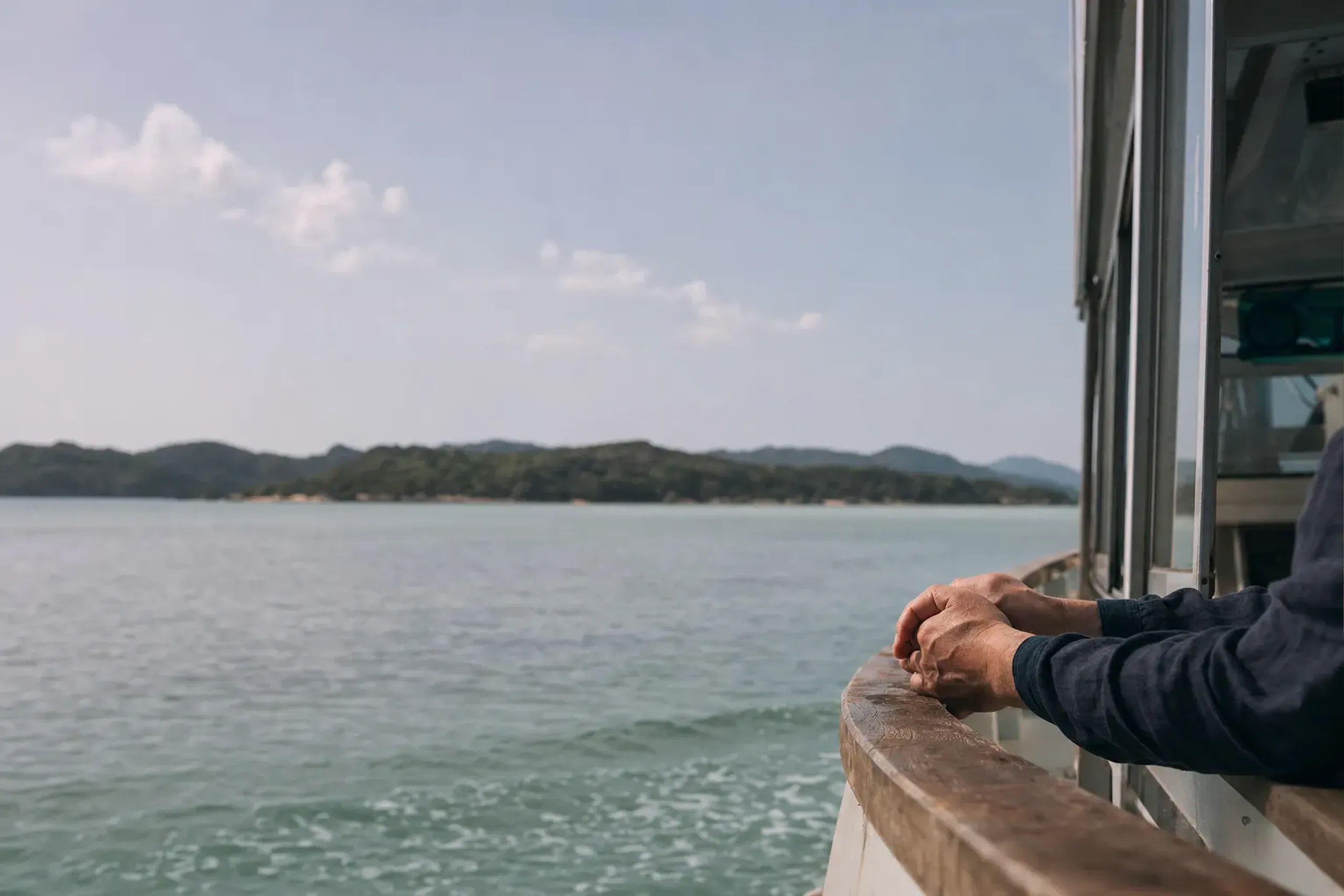
From the boat, you don’t see a single “must-do” checklist item. You see gradients. Deep-blue water—the very language the Ministry of the Environment uses, and it is accurate—shading over white sand, then falling into darker patches where coral and seagrass quietly hold on.
It is tempting to treat this as a quick photo stop.
Don’t.
Spend the time to watch how the bay shifts under a single passing cloud. Let the small islets break the surface into quieter, calmer rooms of water. This is a landscape built for looking—and for looking well. There is a wabi-sabi lesson here in doing less: the pleasure lies not in conquering the view but in surrendering to it.
Why Kabira Bay Is For Looking, Not Swimming
Swimming is not permitted in Kabira Bay.
This surprises first-time visitors, especially families and confident swimmers who have handled strong beaches elsewhere. In our experience, the most relaxed day unfolds when you accept Kabira as a scenic bay and choose a different beach for swimming—rather than trying to force Kabira into being something it is not.
Non-official sources often point to fast tidal currents. We won’t pretend we can verify every explanation. What matters is the result: Kabira is managed as a viewing place, and that careful management is part of why it stays orderly even during the busiest summer weeks.
If you wish to “get in the water” on Ishigaki, do it deliberately. Choose a beach with supervision and clear guidance, and keep a watchful eye on seasonal risks such as box jellyfish. Kabira is the opposite impulse: you stay out, and in return, you gain clarity.
What To Do At Kabira Instead
Kabira’s classic experience is disarmingly simple: go out on a glass-bottom boat and let the bay reveal what it wishes to show.
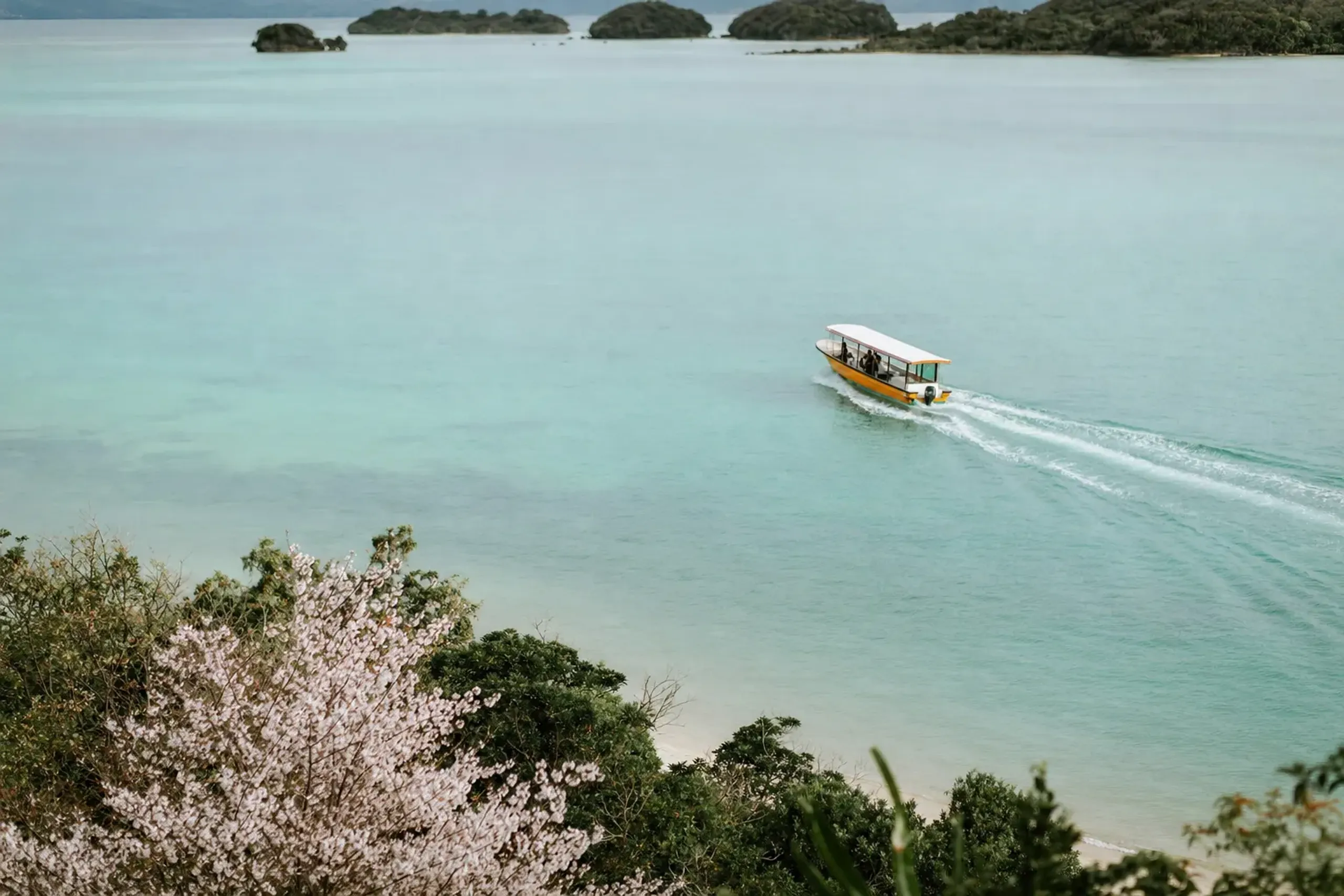
Several operators run trips of about 30 minutes, year-round, weather permitting.
Expect a compact loop, not an expedition. The pleasure lives in the small details: the sharp edge of a coral plate, sunlight rippling like silk across the surface, the sudden arrival of a striped fish when you least expect it.
One more detail matters. Timing.
Midday glare can flatten the water’s surface into a mirror that gives nothing away. If you can, aim for the softer light of early morning or late afternoon—the sense of shun, of knowing the right hour, is itself part of the luxury—and reserve the middle of the day for a leisurely lunch or an unhurried drive that keeps you cool and calm.
Black Pearls: Kabira’s Quiet Industry And What To Look For
Black pearls are cultured in Kabira Bay.
That single fact changes the way many guests see the place. Kabira is not only scenery. It is working water, bound to craft and patience—the patience of the shokunin, the kind that reveals itself in small, repeatable actions rather than any dramatic flourish. A pearl is not willed into being; it is waited for, season upon season.
You will sometimes hear that Kabira was “the world’s first successful culture” site for black pearls. That phrasing is widely repeated in promotional contexts, so we treat it with care.
What we can say with confidence is that pearl farming is woven into Kabira’s identity, and that it remains visible in the bay’s quiet rhythm.
If you value provenance, ask for specifics when you shop: where the pearl was cultured, how it was graded, and what care it needs in a humid climate. A good retailer will not rush those answers. A rushed answer is, in itself, an answer. For guests who wish to acquire something with a story, we can arrange an unhurried, private introduction to a trusted source—so the pearl you take home carries its lineage with it.
A Note On Guidebook Fame
Kabira Bay is often described as having received three stars in the Michelin Green Guide, widely reported as 2009. We treat that as “reported,” not as a current rating. The point was never the badge.
The point is that Kabira holds your attention even when you do almost nothing. That is rare.
Where Can I See Manta Rays Near Ishigaki In Summer?
Manta rays are most often sought at offshore dive sites near Ishigaki—such as the Kabira-area points commonly called “Manta Scramble” and “Manta City”—not from Kabira Bay’s shoreline.
Many travelers assume mantas are a “Kabira Bay beach moment.” They are not. Operators describe manta encounters around Ishigaki year-round, with the seasonal emphasis shifting by coast: the Kabira side is often favored from summer into autumn, while southern areas are more commonly used from autumn into spring.
In other words, “Kabira” can mean two quite different things in conversation.
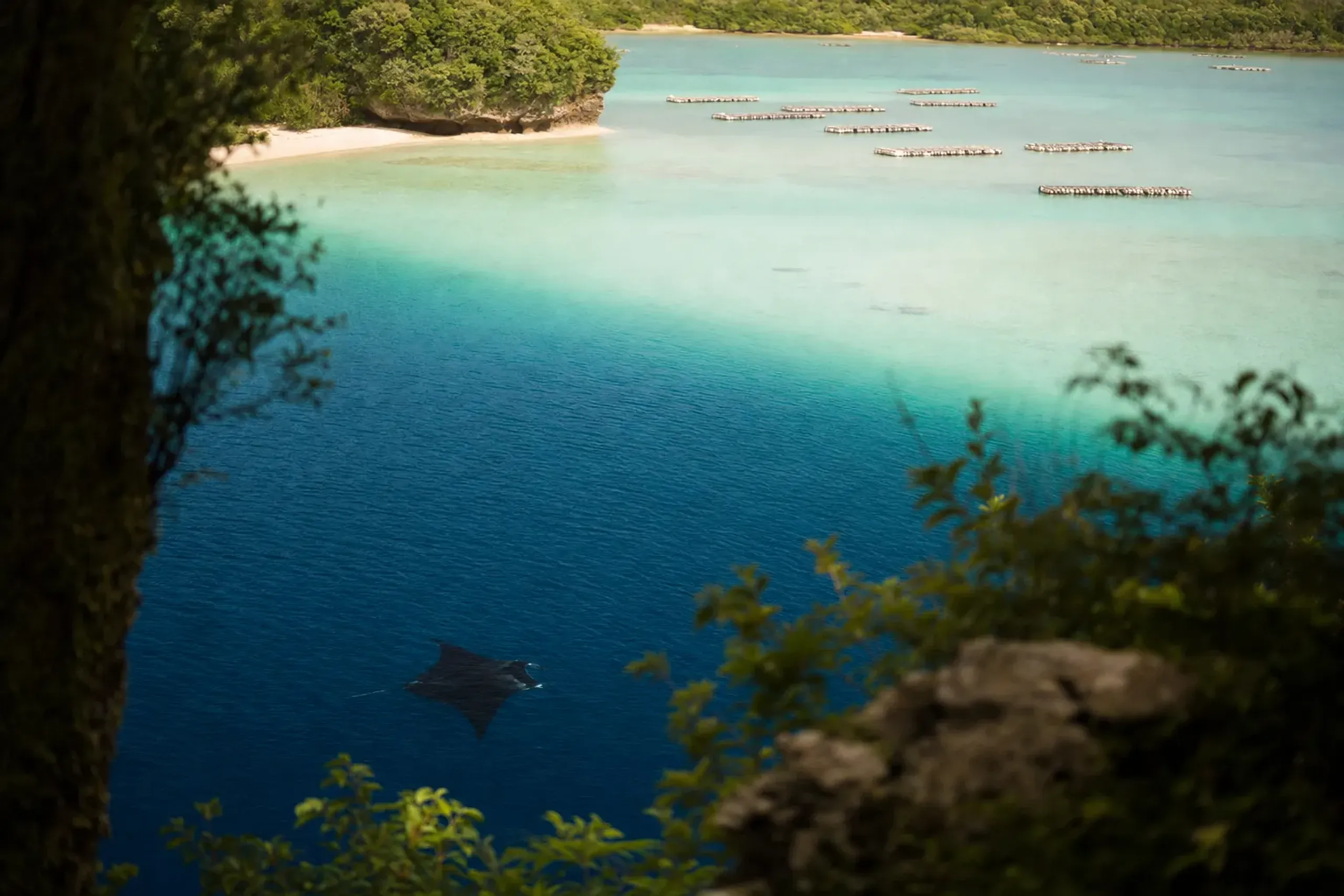
Kabira Bay is the scenic, no-swim bay. Kabira Ishizaki and the nearby offshore points are where divers focus when the talk turns to mantas.
Keeping that distinction clear is how you avoid a day that feels like a bait-and-switch—especially when some members of your party do not dive.
What A Manta Encounter Actually Looks Like
Many dive briefings frame manta viewing around “cleaning stations,” where smaller fish pick gently at the manta’s skin while it circles and slows. The mood is watchful. You wait. The animal decides the distance.
It can feel almost ceremonial, but it is never a performance. A manta may pass once and vanish. Or it may loop back, close enough to show the fine texture of its belly markings.
Luck plays a role. So does planning.
Responsible Manta Etiquette (What We Tell Our Guests)
There is no single official, universally published “manta rule” we can cite for Ishigaki. Industry bodies and training organizations commonly teach consistent etiquette, and reputable local operators brief similar points.
We keep it plain:
- Do not touch a manta ray.
- Do not chase or accelerate toward it.
- Do not block its path or surround it.
- Stay calm, hold your position, and let the animal approach if it chooses.
- Follow the guide’s signals, even when you think you see a better angle.
A single mistake can ruin the moment for everyone in the water.
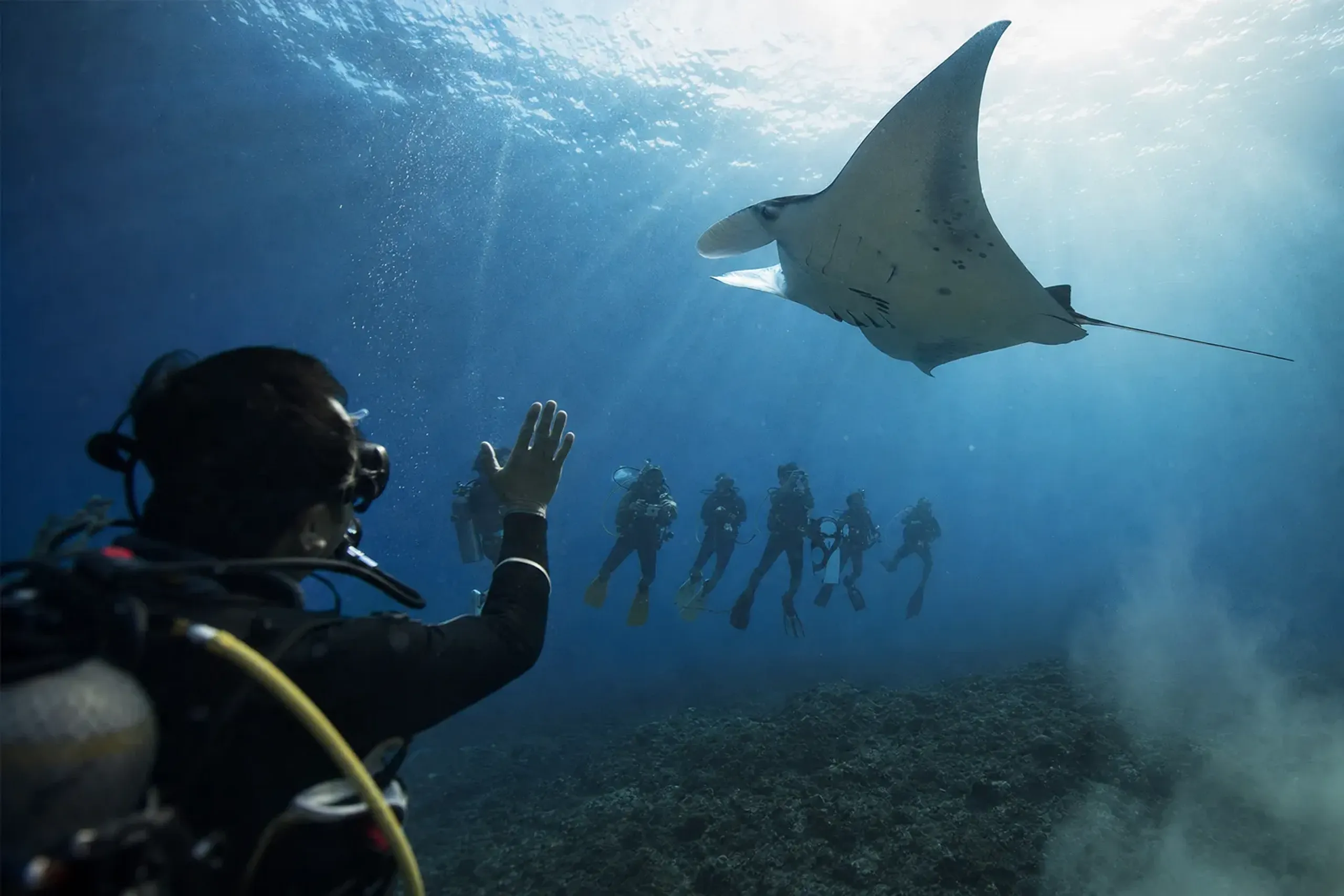
For discerning travelers, this is also a matter of discretion. We favor operators whose briefings are firm, whose boat conduct is orderly, and whose groups never feel like a floating stage. A quieter boat is, almost always, a better one—and privacy at sea is something we guard as carefully as privacy on land.
Will I Definitely See Manta Rays On An Ishigaki Trip?
No—manta encounters around Ishigaki are never guaranteed, even in summer, because wildlife sightings depend on sea conditions and the animals’ own movements.
Some sites market encounter percentages. Those numbers conflict, and they shift with the month, the swell, and plain chance. We prefer an approach that respects uncertainty rather than papering over it.
If mantas are your chief reason for coming, plan more than one possible day on the water. Build in buffers. Even the finest operator cannot command the wind, the visibility, or whether a manta decides to appear.
In our experience, the best luxury outcome is not “forcing a manta day.” It is designing a trip where a missed day still feels like a good day, and a manta day feels like a gift rather than a rescue.
A Practical Two-Track Day Plan (Divers And Non-Divers)
Mixed groups are common: one or two certified divers, a spouse who prefers the shoreline, older parents who want shade, teenagers who want speed. That is entirely normal, and we plan for it rather than around it.
We often structure the day with parallel pacing:

- Divers: an early departure with a manta-focused operator, with strict briefings and conservative time planning.
- Non-divers: unhurried time at the Kabira Bay viewpoint and a glass-bottom boat ride, followed by a calm lunch window that does not punish anyone for waiting.
Then we bring the group back together for a late-afternoon drive, a slow dinner, and a night that stays quiet. This kind of seamless choreography—where each guest is quietly anticipated—is the heart of true hospitality. Ishigaki rewards calm endings.
Sekisei Lagoon: The Reef That Makes Ishigaki’s Sea Feel Endless
Sekisei Lagoon (石西礁湖) is Japan’s largest coral reef area, spread across the sea between Ishigaki and Iriomote.
Maps flatten it. On the water, it feels like a continent of coral—channels, shallows, sudden dark shelves, and patches where the sea turns milky from drifting sand. Ministry management materials report more than 360 reef-building coral species around Ishigaki, a figure that reads abstract on the page until you see how utterly different one coral head can look from the next.
But Sekisei Lagoon is also where the hard truth sits. Reefs can be damaged quietly, one hot season at a time.
Bleaching, Reported Clearly (Without Drama)
Coral cover in the Sekisei Lagoon area has been struck by repeated bleaching; conditions vary year to year.
When we speak about bleaching, we keep the data series separate. Mixing surveys makes the numbers look “precise” while telling the wrong story.
Examples drawn from the Ministry of the Environment’s monitoring include:
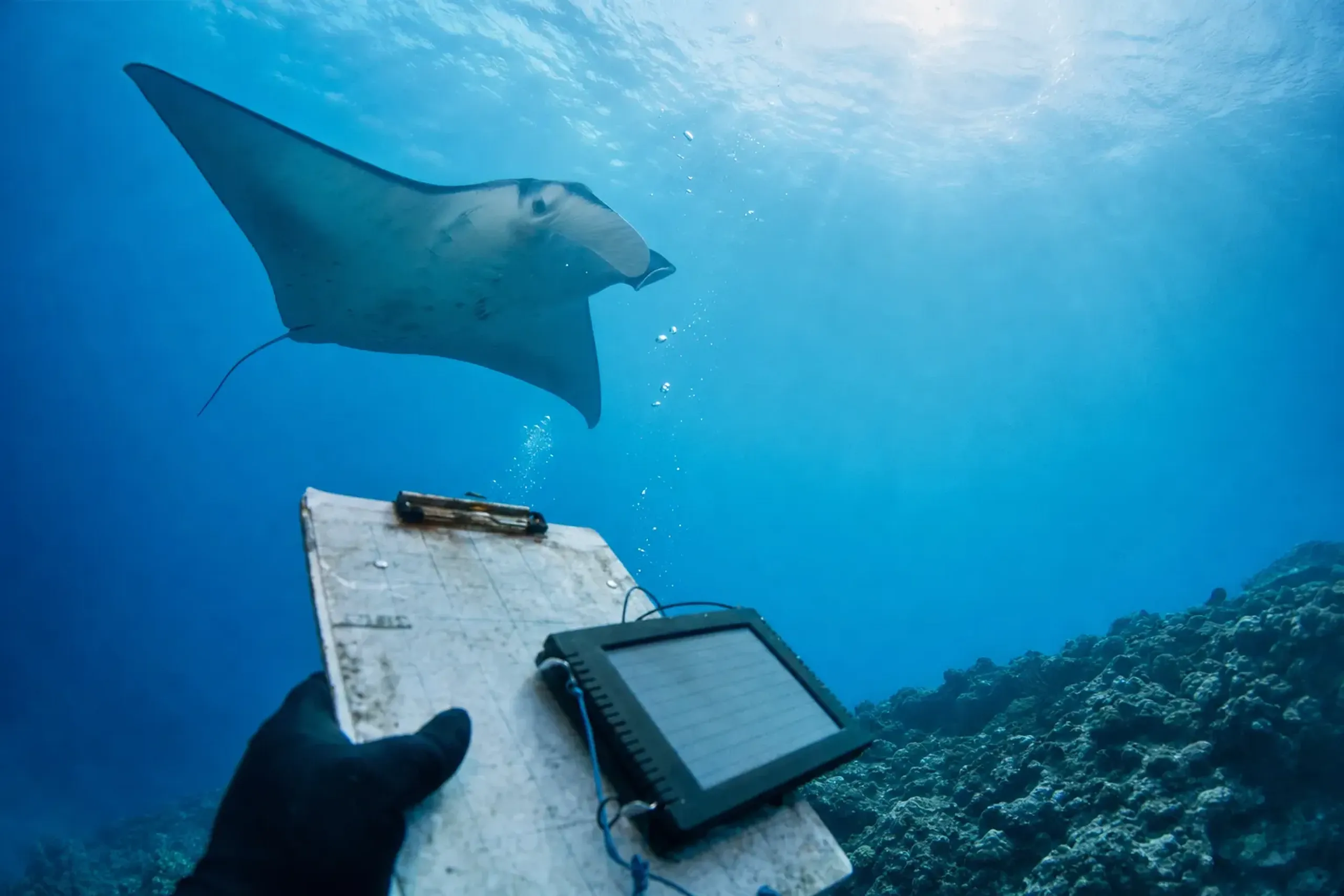
- Late 2016: reported as the worst in survey history, based on a 35-site survey with a mean bleaching level reported as 91.4%.
- September 2022: a 31-site survey reported 92.8% bleached.
- December 2024: a 31-site survey reported 65.5% bleached and coral cover at 13.7%.
A separate March 2026 report follows a different methodology and scale (125 stations around the lagoon and Iriomote), with mean coral cover reported as 20%, bleaching at 72.3%, and mortality at 3.7%. It is not directly comparable to the 31-site series.
Those numbers are sobering. They are also useful.
They tell you why summer sea planning in Ishigaki should carry a conservation mindset: follow the briefings, never stand on coral, and choose operators who treat the reef as the true asset—not merely as scenery to be consumed.
Key fact: Sekisei Lagoon conditions can change year to year; avoid any claim that today’s reef will look like last season’s photos.
Summer Sea Safety In Ishigaki: Jellyfish, Currents, Typhoons
Ishigaki in summer can feel gentle from the shore. The risk is that its gentleness makes you casual.
Three factors matter most on sea days: box jellyfish season, currents and tide, and typhoon disruption. None of these are “luxury problems.” They are real problems. And they have clean solutions when you plan like an adult.
Box Jellyfish (Habu-Kurage): What The Prefecture Advises
Okinawa Prefecture issues a caution period each year for box jellyfish (habu-kurage) from June to September, and prefecture leaflets commonly warn that the risk can extend from May to October, with many stings concentrated in July and August.
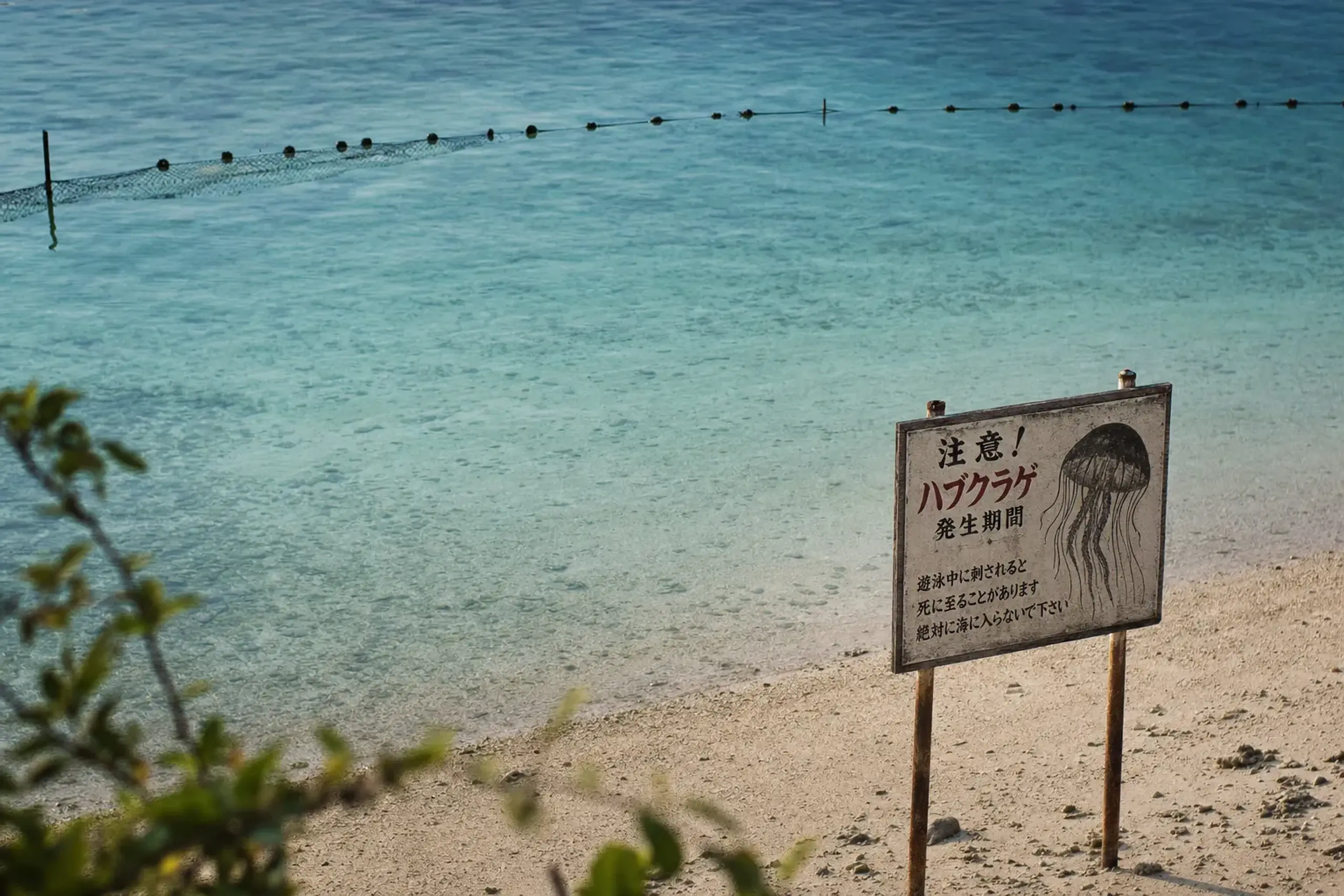
Nets exist at some beaches. They reduce the risk. They do not guarantee safety.
Prefecture first-aid guidance emphasizes: get out of the water, do not rub the skin, pour vinegar over the tentacles (for box jellyfish only), cool the area, and seek medical attention—children can deteriorate quickly.
If your party includes children, do not improvise. Plan beach time at places with proper supervision and a clear approach to safety.
Currents And Tide: Avoid The Hero Move
Yaeyama tourism guidance warns against swimming in no-swim zones, fast currents, and reef currents, and advises avoiding unattended beaches.
This is precisely where private planning earns its keep. A short drive can move you from a breezy, exposed bay to a calmer shoreline—or from a beach that feels fine at noon to one that becomes treacherous by the late-afternoon tide. Our private chauffeur service gives you that freedom to change your mind without changing your mood.
Bravado is expensive. Quiet judgment is cheap.
Typhoons: Buffer Days Are The Luxury Move
August and September are peak typhoon months, according to the Japan Meteorological Agency, and local tourism guidance in Yaeyama aligns with that seasonality.
When typhoons approach, ferries and flights to the outer islands can be canceled. Even on Ishigaki itself, the sea state can shut down boat operations entirely. The correct response is not panic.
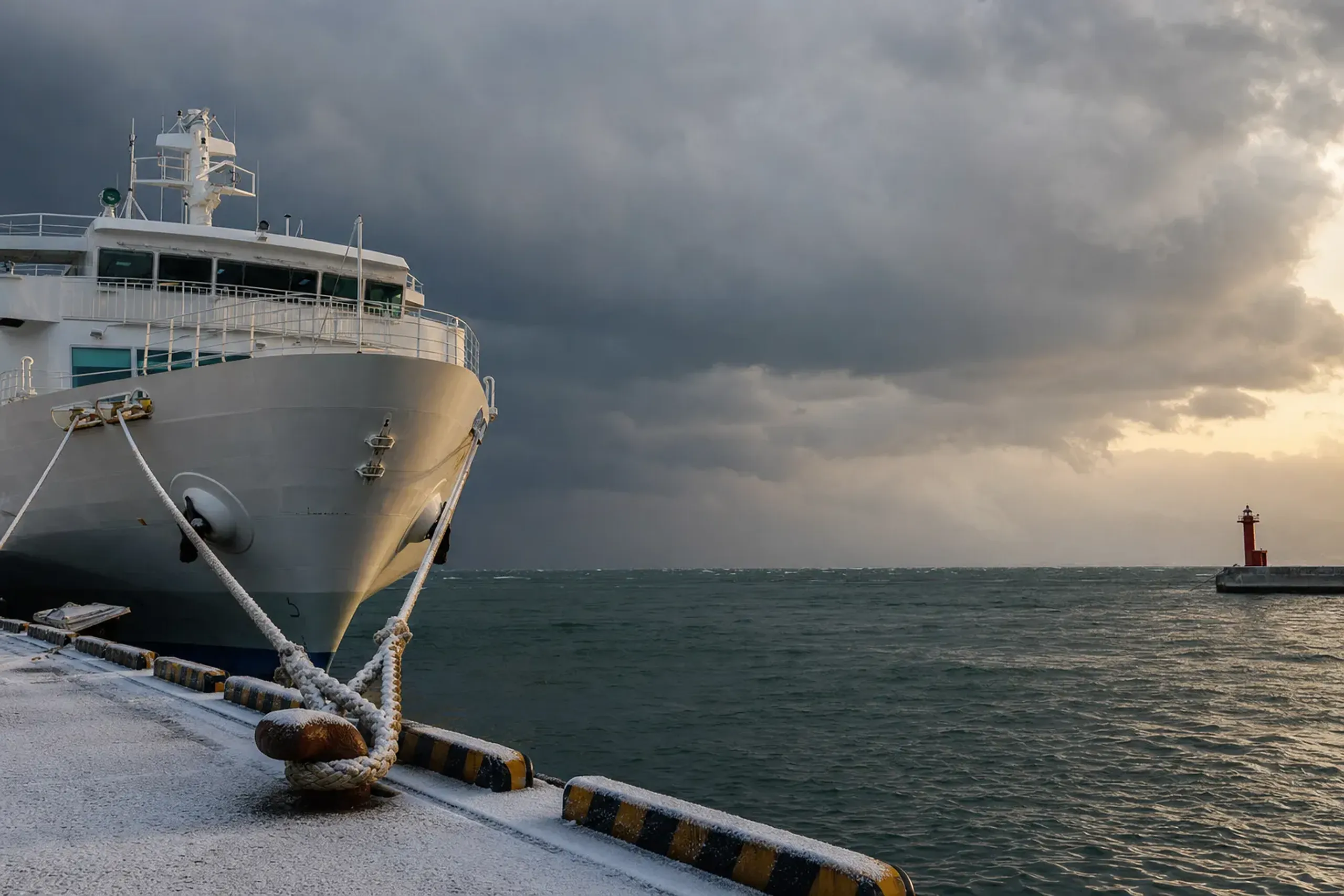
It is slack in the schedule.
For manta-focused travel, we like to build in at least one buffer day where your “Plan A” can quietly slide. That buffer day is never wasted. It becomes the day you finally slow down, shop thoughtfully for a black pearl, or take a shaded drive when the sea says no. A well-designed bespoke itinerary treats such flexibility not as a contingency but as a feature.
How To Get To Kabira Bay (And Why Private Timing Matters)
Kabira Bay sits roughly 30 to 40 minutes by car from Painushima Ishigaki Airport (南ぬ島石垣空港) or from the city area, traffic depending.
On paper, that is a short transfer. In practice, timing is everything on Ishigaki—arrive in the glare of midday and the bay withholds its colors; arrive in the gentler light and it opens like a secret. This is exactly the kind of judgment that cannot be gleaned from a search engine. It is the quiet knowledge of when, held by people who return to these waters season after season, that transforms a good day into an unrepeatable one.
At Japan Royal Service, we design Ishigaki around that knowledge: the right light at Kabira, a responsibly run manta day offshore, buffer days against the weather, and a pace calm enough that nothing feels forced. If you would like us to shape a private, discreet summer on Ishigaki’s sea—one tailored to both the divers and the dreamers in your party—contact us here for a tailored proposal.