In this guide
- 01Why Is Kabukiza In Summer Considered A Different Kind Of Kabuki Program?
- 02What Makes Natsu Kyōgen Structurally Different Inside Kabukiza?
- 03Kabukiza 101: Where It Is, What It Is, And Why Ginza Fits
- 04What Should You Expect Inside Kabukiza If You Don’t Speak Japanese?
- 05How Do Kabukiza Tickets Work, Including Ichimakumi Single-Act Seating?
- 06Kabukiza’s Building: A Traditional Face With A Modern Spine
- 07A Quiet Add-On: Kabukiza Gallery In The Same Complex
- 08How To Plan A Kabukiza Visit In Ginza Without Rushing
- 09What Japan Royal Service Can Coordinate For Kabukiza
- 10Frequently Asked Questions
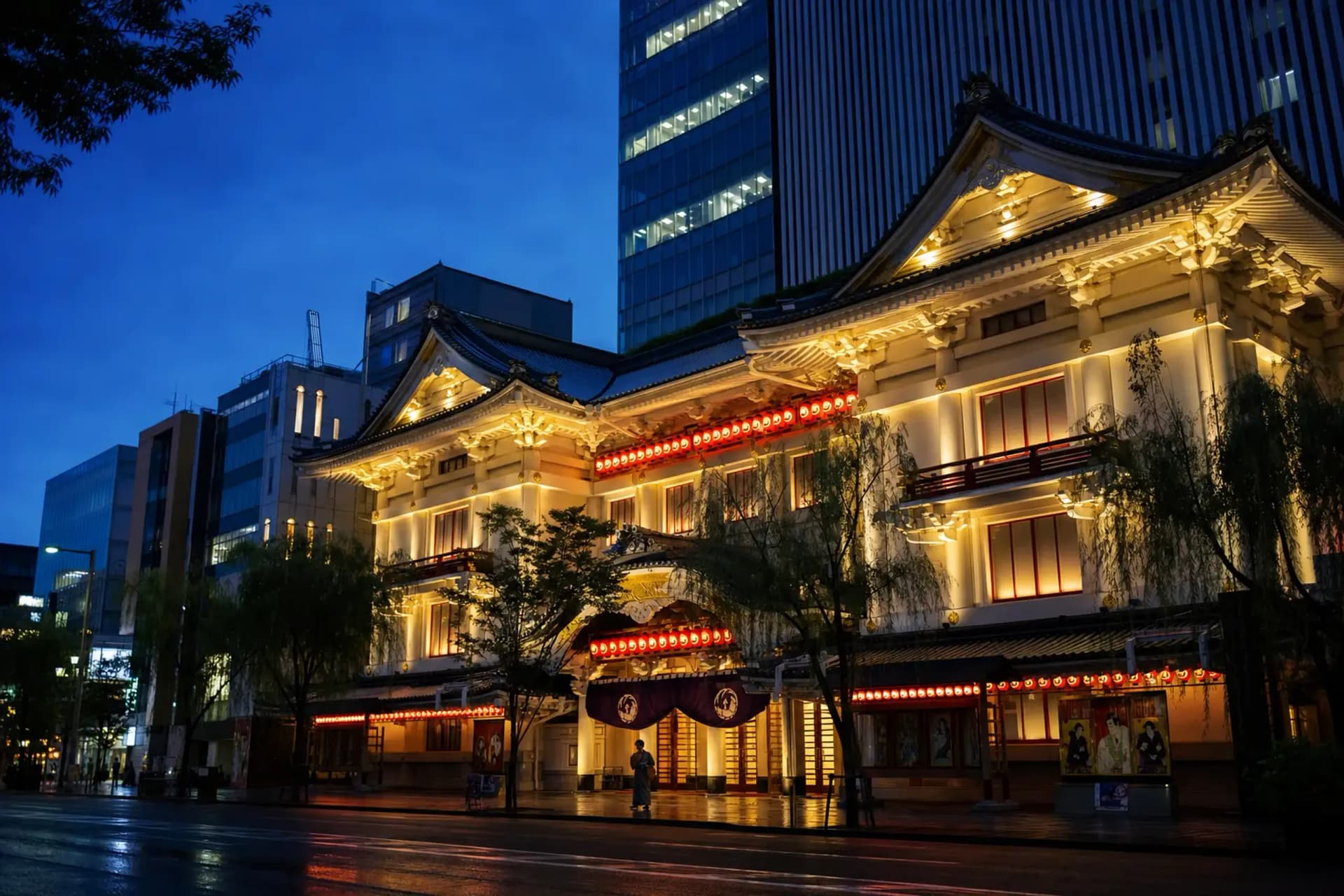
You step out at Higashi-Ginza, and the street feels unusually watchful. The façade ahead reads like old Tokyo, yet the city’s present-day hum keeps brushing past your shoulder. Kabukiza does that. It holds tradition at arm’s length from nostalgia, then lets it breathe.
Summer inside Kabukiza is not simply a “lighter” Kabuki-za. It is a different institution altogether. The building is the same, the craft is the same, the standards are the same—but the center of gravity shifts, on purpose, toward performers who are still climbing.
This is why our team at Japan Royal Service frames Kabukiza’s Natsu Kyōgen not as a seasonal extra, but as a structural feature of the theater’s identity. If you want to watch the next generation carry weight on one of Japan’s most storied stages, this is the doorway—and it is precisely the kind of living-craft moment that rewards knowing exactly what to see, when.
Why Is Kabukiza In Summer Considered A Different Kind Of Kabuki Program?
Kabukiza’s summer tradition, Natsu Kyōgen, is designed to spotlight rising and mid-career actors in lead roles, using a distinct three-part daily structure rather than a single repeated program.
Most of the year, Kabukiza is anchored by senior headliners and the classical core repertoire. You feel that authority in the pacing, the casting, and the sense that the stage is being “kept” by its most established hands. It’s thrilling. It can also feel intimidating for first-time guests who worry they won’t catch the nuance.
Natsu Kyōgen changes the mood without lowering the bar. The tradition began as an intentional reset created in 1990 by Nakamura Kanzaburō XVIII and Bandō Mitsugorō X—both in their thirties at the time—who wanted a framework where younger performers could carry the center, not merely orbit it.
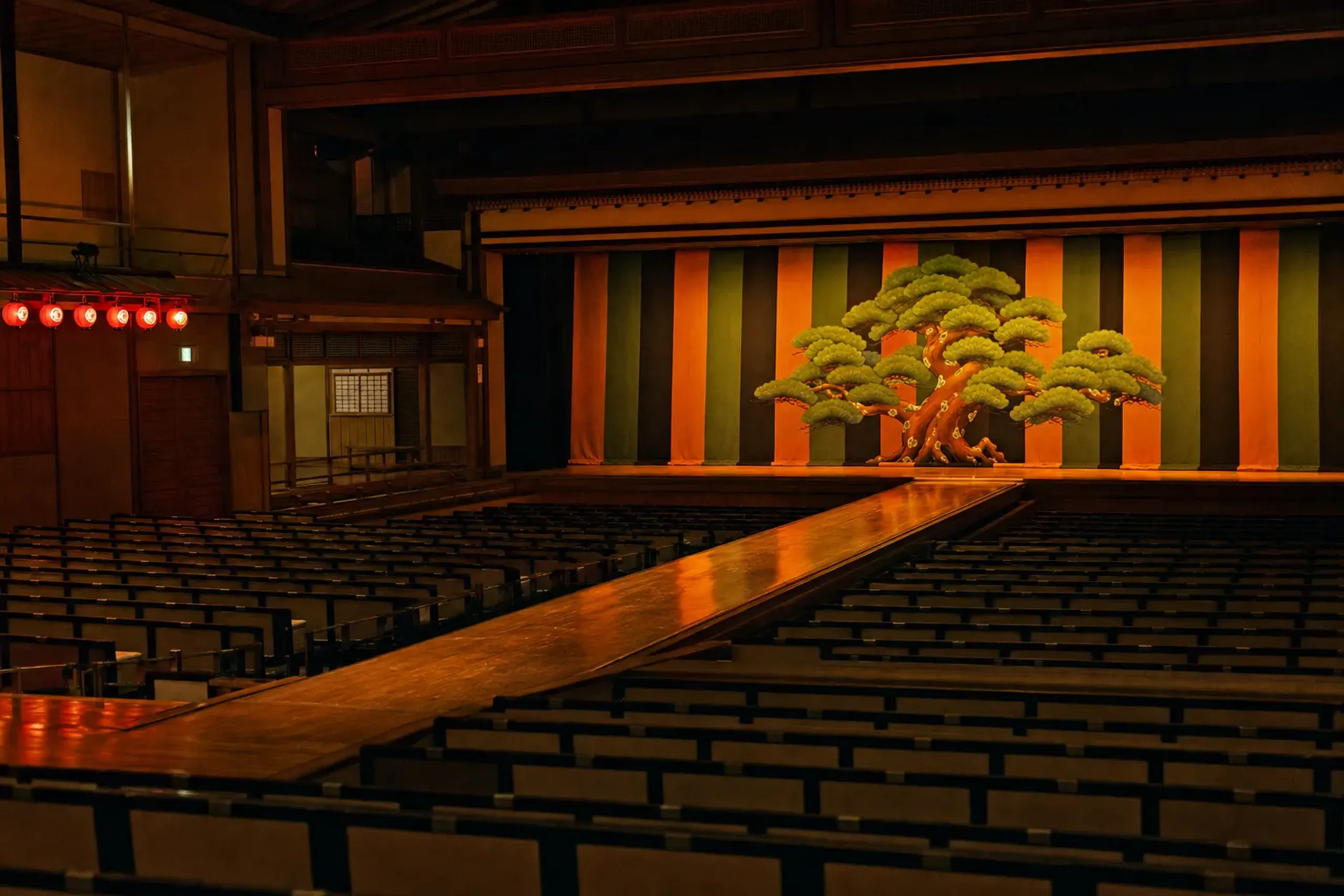
The result is a program that often feels like a handover. Not a rebellion. More like a stage quietly offered forward, with the audience invited to notice who can hold it. There is a quiet wabi to that gesture—an unforced restraint in watching mastery being earned rather than displayed.
What Makes Natsu Kyōgen Structurally Different Inside Kabukiza?
Natsu Kyōgen is built around a three-part structure: three different full programs run across a single day at different times, rather than one show repeated.
That one design choice changes how you plan, and how you watch. A matinee guest and an evening guest are not seeing the same thing with a different curtain time. They are seeing different plays, different combinations of performers, and often a different emotional temperature entirely.
In our experience, this matters for HNW travelers with limited time in Tokyo. One decision. Big impact. You can choose the program segment that best matches your attention span, your appetite for classical language, or your desire to see a particular style of role.
The summer slot also carries a reputation for taking more programming risk than the senior-led months. You may see classical works, but the mix can include revivals of rarely staged pieces as well—the sort of thing you cannot simply search for and buy. Not guaranteed every run. Characteristic, though.
The Three-Programs-In-One-Day Logic
Think of Kabukiza’s summer day as three distinct “chapters,” each with its own arc. The theater is not asking the audience to return for the same product. It is offering three different works inside one address.
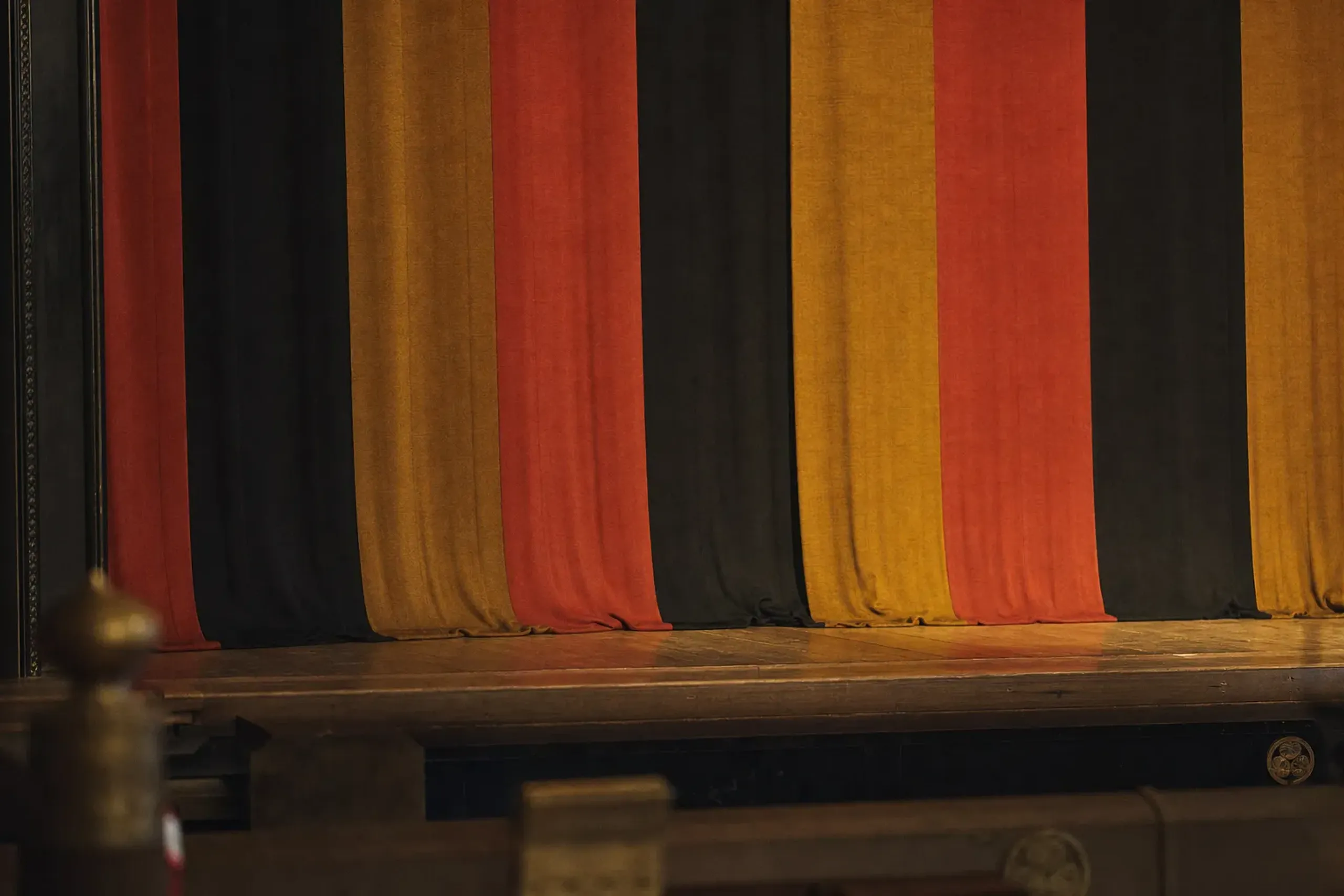
For a traveler, the practical effect is simple: you can be surgical. Choose a segment, commit to it, and still keep your Ginza day intact—shopping, galleries, or a long, quiet lunch that doesn’t turn into a sprint.
The Casting Philosophy: Leads, Not Supporting Roles
Outside of summer, a rising actor may appear in meaningful parts, but the center often belongs to the most senior names. In Natsu Kyōgen, the gravitational pull shifts toward younger and mid-career performers taking lead roles they would not typically carry during headliner-led periods.
You can feel it in the audience’s attention. Less automatic reverence. More listening. People lean forward because something is being tested in real time.
Generational Role Inheritance, Seen Up Close
One recurring feature associated with the summer tradition is generational role inheritance: a role once originated by a senior actor is, at times, passed to a son or younger successor performing it for the first time.
It doesn’t happen as a promise, and it’s not the only reason to go. Still, the spirit of that handoff is exactly what this slot was built to produce—season after season, when it runs. To witness a shokunin lineage passed forward in real time, on the very stage where it was first shaped, is a rare thing to have watched.
Kabukiza 101: Where It Is, What It Is, And Why Ginza Fits
Kabukiza is the principal kabuki theater in Tokyo, located in Ginza, and it has operated in this role since its original opening in 1889.
The address is precise—4-12-15 Ginza, Chuo-ku, Tokyo—and the approach is easy to understand once you see it on the ground.
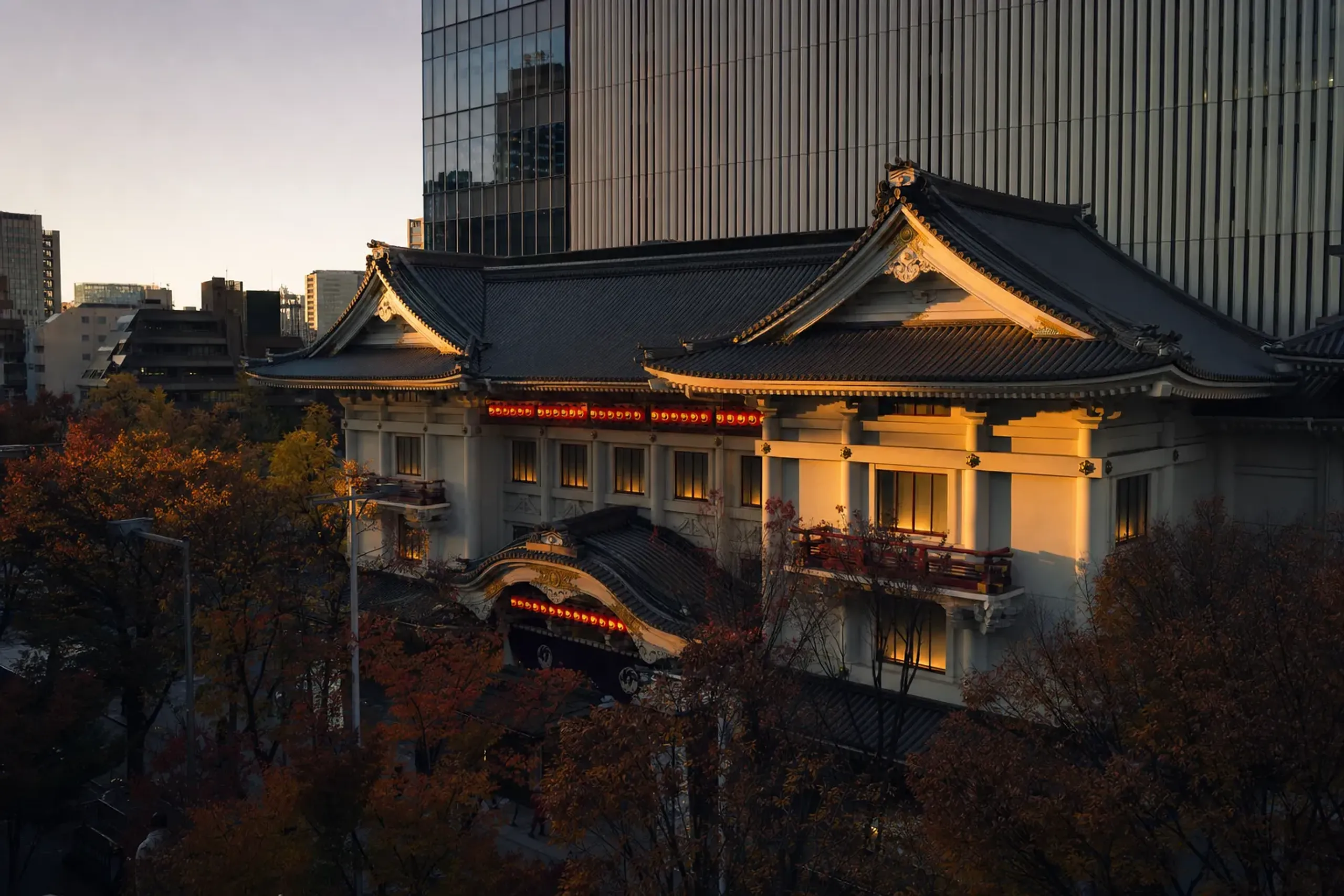
Ginza is known for polish, but it is also a place where older Tokyo survives in small, stubborn ways: a lantern glow, a narrow side street, the hush before a curtain rises.
Kabukiza belongs here because kabuki is not museum culture. It’s living craft. And Ginza, for all its surface refinement, still rewards people who look closely.
Getting There Without Friction
JNTO notes Kabukiza sits close to Higashi-Ginza Station, served by the Tokyo Metro Hibiya Line and the Toei Asakusa Line. Simple. Even in poor weather, it’s manageable.
For guests who prefer a calmer arrival—especially in formal attire or with family members—private car timing matters more than people admit. The first mention is intentional: our private transportation planning focuses on pacing and privacy, not drama.
What Should You Expect Inside Kabukiza If You Don’t Speak Japanese?
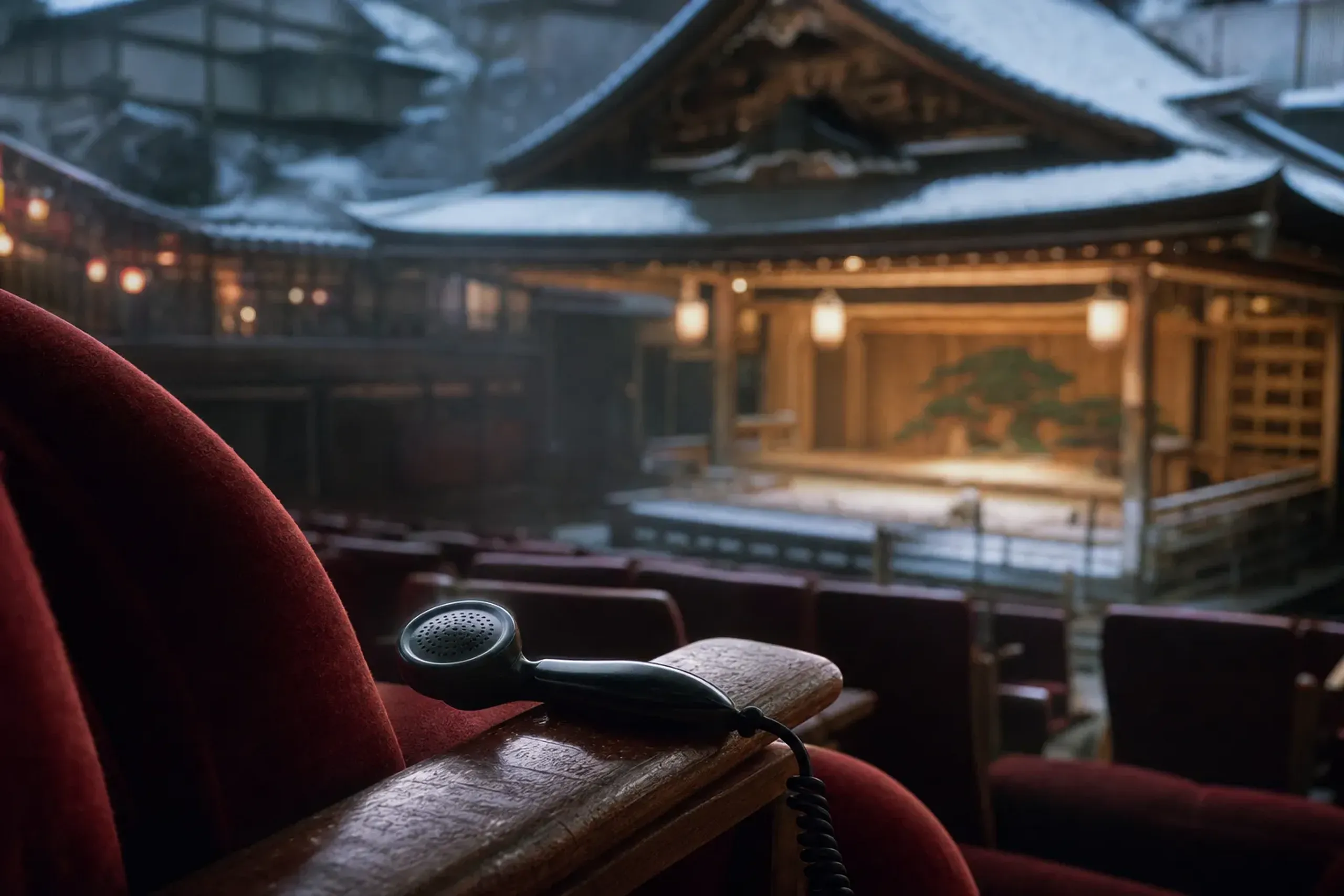
You can follow kabuki at Kabukiza without speaking Japanese by using the English-language earphone guide and, for some single-act seats, on-screen captions in English or Simplified Chinese.
This is where many first-time visitors relax. Kabuki is stylized, and even fluent Japanese speakers sometimes need help with older language and historical references. You are not “behind” just because you’re visiting.
The earphone guide is a practical lifeline. It explains plot and conventions as the performance runs, so you can keep your eyes on the actor’s hands, not on a plot summary on your phone.
For certain ichimakumi (single-act) offerings, Shochiku’s official e-tix page indicates essential translations and explanations are provided via captions (subtitles) in English or Simplified Chinese.
That detail changes the calculus for busy travelers who want a short cultural encounter without guessing what just happened.
Etiquette That Keeps You Comfortable
Don’t overthink it. Kabukiza is formal, but it’s still a working theater with a public ticket system.
In our experience, the best approach is quiet competence: arrive with time to spare, keep your bag tidy, silence your phone, and let the ritual do the work. If you’re unsure about a custom, watch the person in the next seat. Copy that.
How Do Kabukiza Tickets Work, Including Ichimakumi Single-Act Seating?
Kabukiza offers full-part reserved tickets for an entire program segment, and ichimakumi single-act seats priced per act for guests who want flexibility without committing to the full program.
Full-part reserved seating is what most people imagine: you choose a program segment and stay for it. It’s the right fit if you want the full build-up and release of a longer arc.
Ichimakumi is different. Sharper. You choose one specific act, often to see a particular scene, style, or performer, and you’re in and out with minimal friction.
One detail many travelers miss: the single-act category has, at times, continued operating even on days when the main theater is otherwise privately booked. Not a promise. Still worth checking when planning a tight Tokyo schedule.
Key fact: Ichimakumi single-act seating is priced per act rather than per full program segment, making it a practical option for first-timers and time-constrained executives.
Same-Day Options Vs. Planning Ahead
Ginza Official notes same-day kabuki tickets can be purchased at the ticket box office on the second basement floor of Kabukiza Theatre.
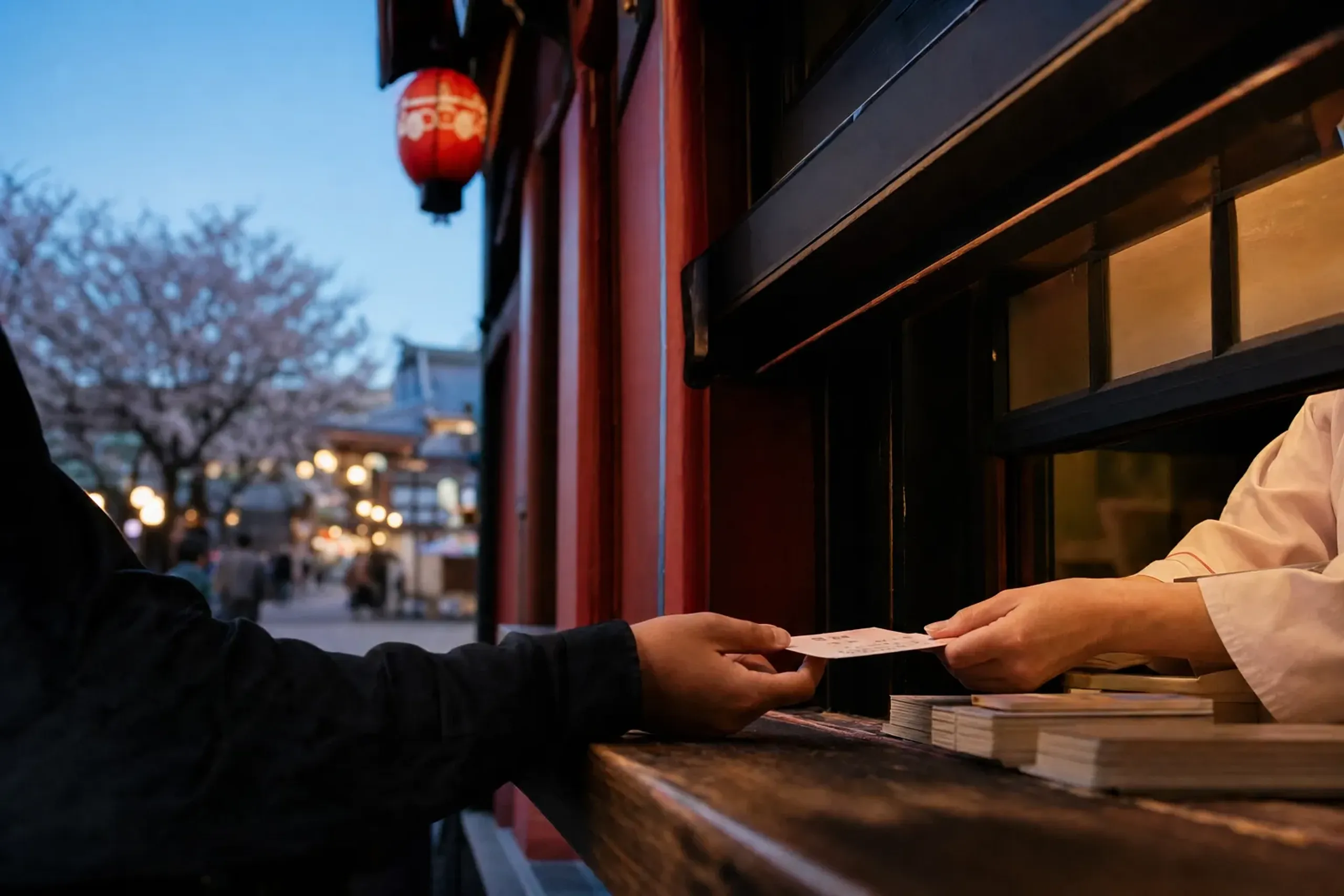
That’s useful when you have an open evening and want to decide by feel.
Planning ahead is still calmer, especially in peak travel periods when Tokyo is busy. For HNW travelers, the real luxury is not “front row.” It’s certainty—knowing your afternoon won’t collapse because one queue moved too slowly.
Kabukiza’s Building: A Traditional Face With A Modern Spine
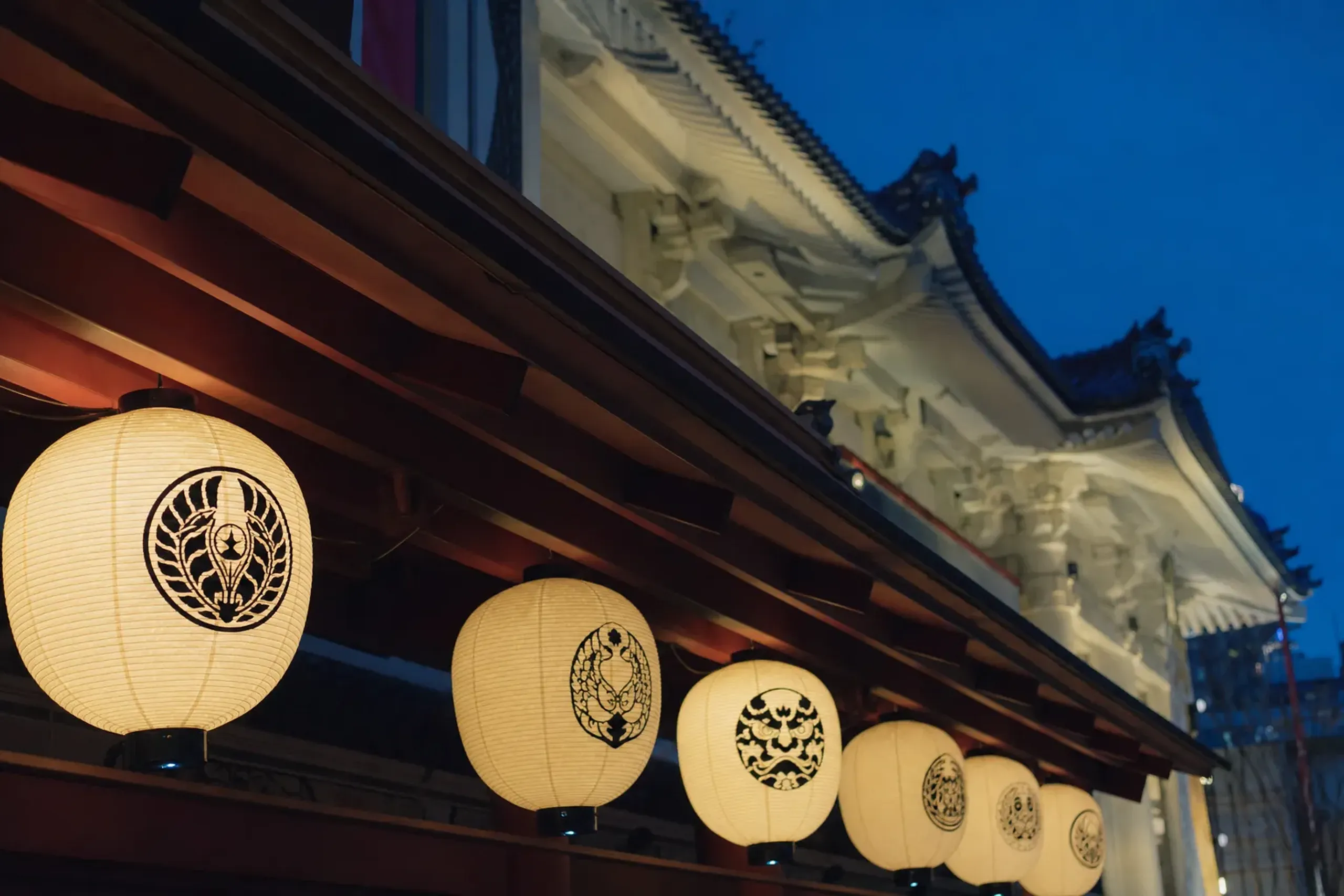
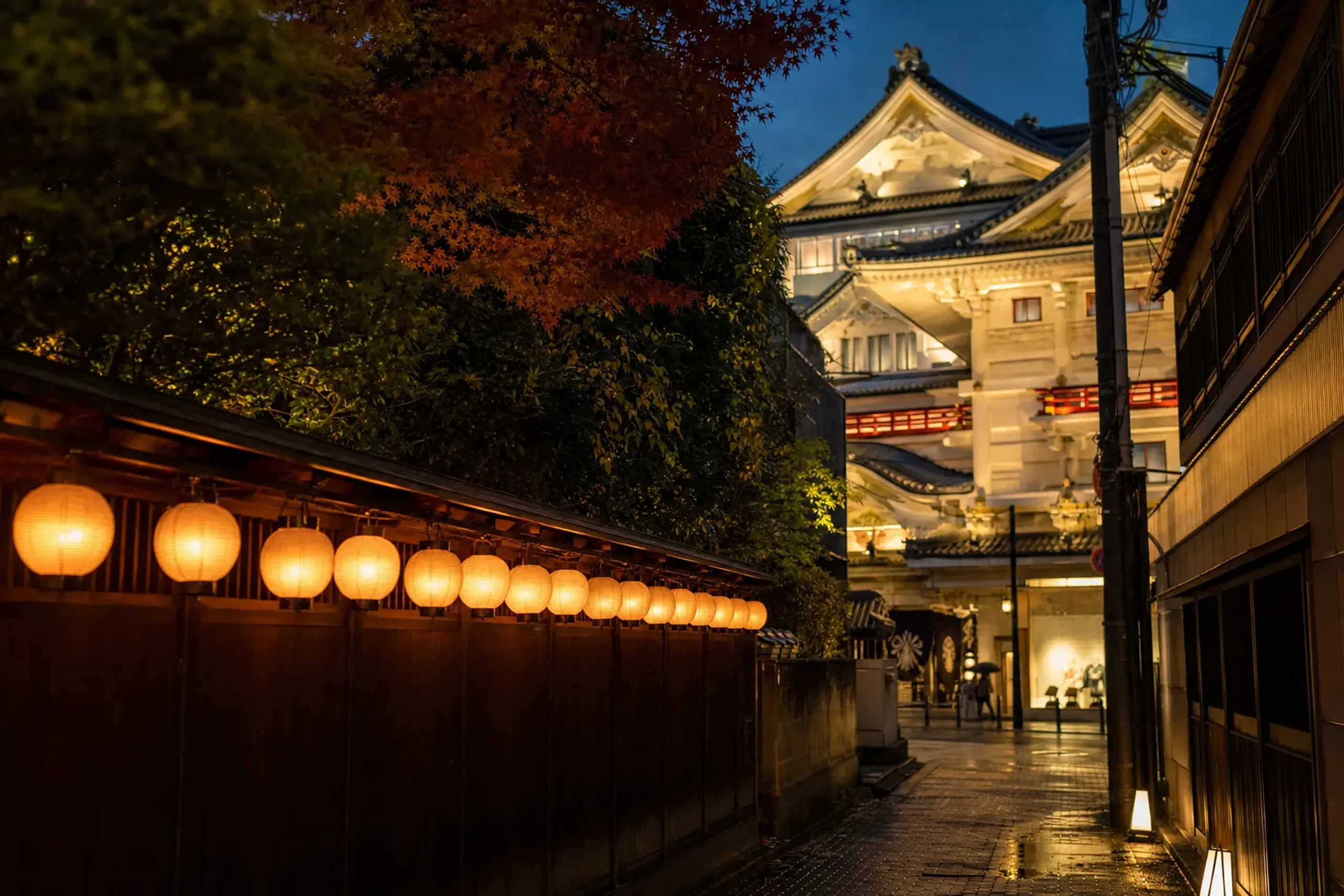
The current fifth-generation Kabukiza opened in April 2013 and forms part of a complex that pairs the theater with an office tower behind its traditional façade.
The first Kabukiza opened in 1889, and the theater has been rebuilt several times across its history following fire and war damage. That repeating cycle—loss, reconstruction, continuity—fits kabuki’s own relationship with inheritance. Forms remain. People change.
Today’s building makes an architectural argument you can read from the street. The front honors the theater’s established image, while the modern tower behind it admits the practical needs of Tokyo: density, offices, daily life that keeps moving even when the curtain goes up.
Architecture-minded guests sometimes look up and smile at the audacity of it. Two eras. One address.
Who Operates Kabukiza
Kabukiza is operated by Shochiku, the company that has run it since the early twentieth century. That continuity matters because kabuki is not only performance; it’s a production ecosystem—training, costumes, stagecraft, repertory decisions, and how risk is allowed.
A Quiet Add-On: Kabukiza Gallery In The Same Complex
Kabukiza Gallery is a kabuki-themed cultural facility associated with the Kabukiza complex, offering a way to engage with kabuki beyond the performance itself.
For some travelers, a full program segment is the goal. For others, it’s the context that matters: costumes, imagery, the mechanics that turn stage language into something readable. The gallery can help bridge that gap without asking you to “study” beforehand.
When we build a tailor-made itinerary around Ginza, we often treat the performance and the surrounding context as two different tempos. One is concentrated attention. The other is slow absorption.
How To Plan A Kabukiza Visit In Ginza Without Rushing
The cleanest Kabukiza plan is to choose one program segment, arrive early at Higashi-Ginza, and leave a buffer on both sides so Ginza stays calm rather than turning into a sprint.
This is where luxury travelers often miscalculate. They pack Ginza like it’s a checklist. Big mistake. Kabukiza rewards a mind that arrives unhurried, because the art itself asks you to notice small shifts—how a sleeve moves, how a pause lands, how an actor holds the space between words.
Our team at Japan Royal Service typically suggests a simple rhythm:
- Before: arrive early enough to find your seat without scanning signs in a rush.
- During: use the earphone guide if you want story clarity without looking away.
- After: step back into Ginza slowly—an unforced walk can feel like part of the evening.
If you are traveling with family, this rhythm matters even more.
Children don’t remember the “must-sees.” They remember whether the adults were tense.
What Japan Royal Service Can Coordinate For Kabukiza
Japan Royal Service can coordinate Kabukiza tickets, ichimakumi single-act seating, and expert guiding.
We keep the approach discreet. Quiet. For many HNW guests, the real concern is not access, but exposure—being shepherded too publicly, or having plans discussed too loudly in hotel lobbies.
That is where our discretion pillar becomes practical: who knows where you’re going, when you’re arriving, and how visible you are during the simplest parts of the day. The theater is public. Your identity does not have to be. This is the same quiet care—the anticipation of needs you never had to voice—that we extend across every hour of a stay.
When you are ready to fold Kabukiza’s summer into a wider Tokyo itinerary—shaped around the season, your pace, and the roles you most want to see carried forward—contact us here for a tailored proposal.
Frequently Asked Questions
Is Kabukiza The Same As Kabukicho?
No—Kabukiza is a kabuki theater in Ginza, while Kabukicho is an entertainment district in Shinjuku.
The names sound similar, and first-time visitors sometimes mix them up when planning routes. They are different places with different purposes, and they are not interchangeable on a schedule.
Can I Enjoy Kabukiza If I Only Have One Free Evening In Tokyo?
Yes—many travelers choose a single program segment or ichimakumi single-act seating to fit Kabukiza into a tight Tokyo schedule.
If your time is limited, aim for clarity over ambition. Pick one segment, arrive early, and use the earphone guide so you don’t spend your attention trying to decode plot points.
Do I Need To Understand Japanese History To Follow A Kabuki Performance?
No—an English-language earphone guide at Kabukiza explains the story and conventions as the performance runs.