In this guide
- 01Where Can I Do Zazen In Kamakura Every Morning Without A Reservation?
- 02Engaku-ji Gyōten Zazen-kai: What To Expect At 6:00am
- 03How Do I Get To Engaku-ji In Time For The 6:00am Zazen From Tokyo?
- 04Kenchō-ji Zazen: The Second Option For Visitors (And The English Session)
- 05What Should I Choose: Engaku-ji Dawn Zazen Or Kenchō-ji Afternoon Zazen?
- 06A Plain Guide To Schedules, Closures, And Costs (So You Do Not Guess)
- 07Frequently Asked Questions
- 08Why Choose Japan Royal Service
The hall is not lit for you. That is the point.
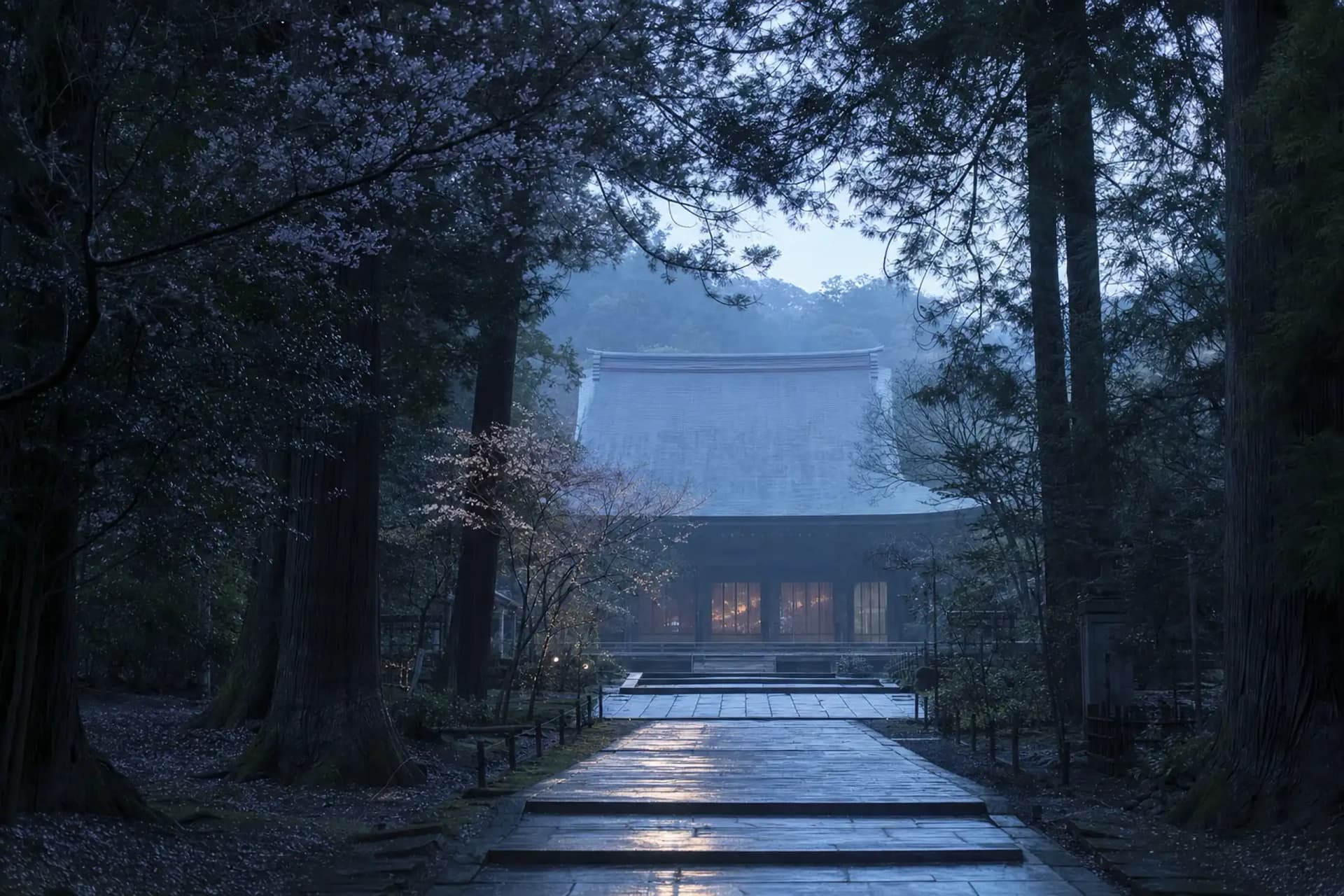
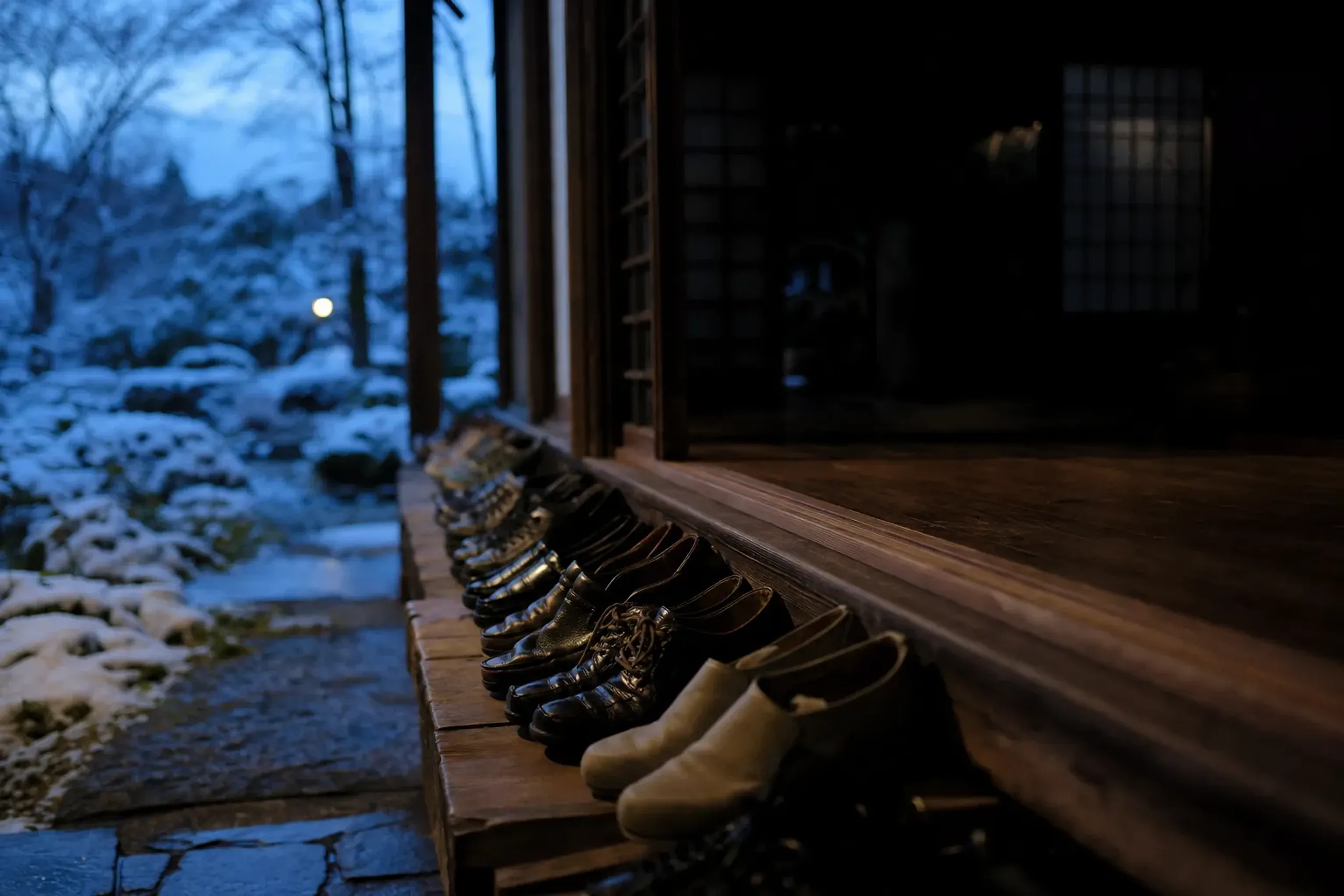
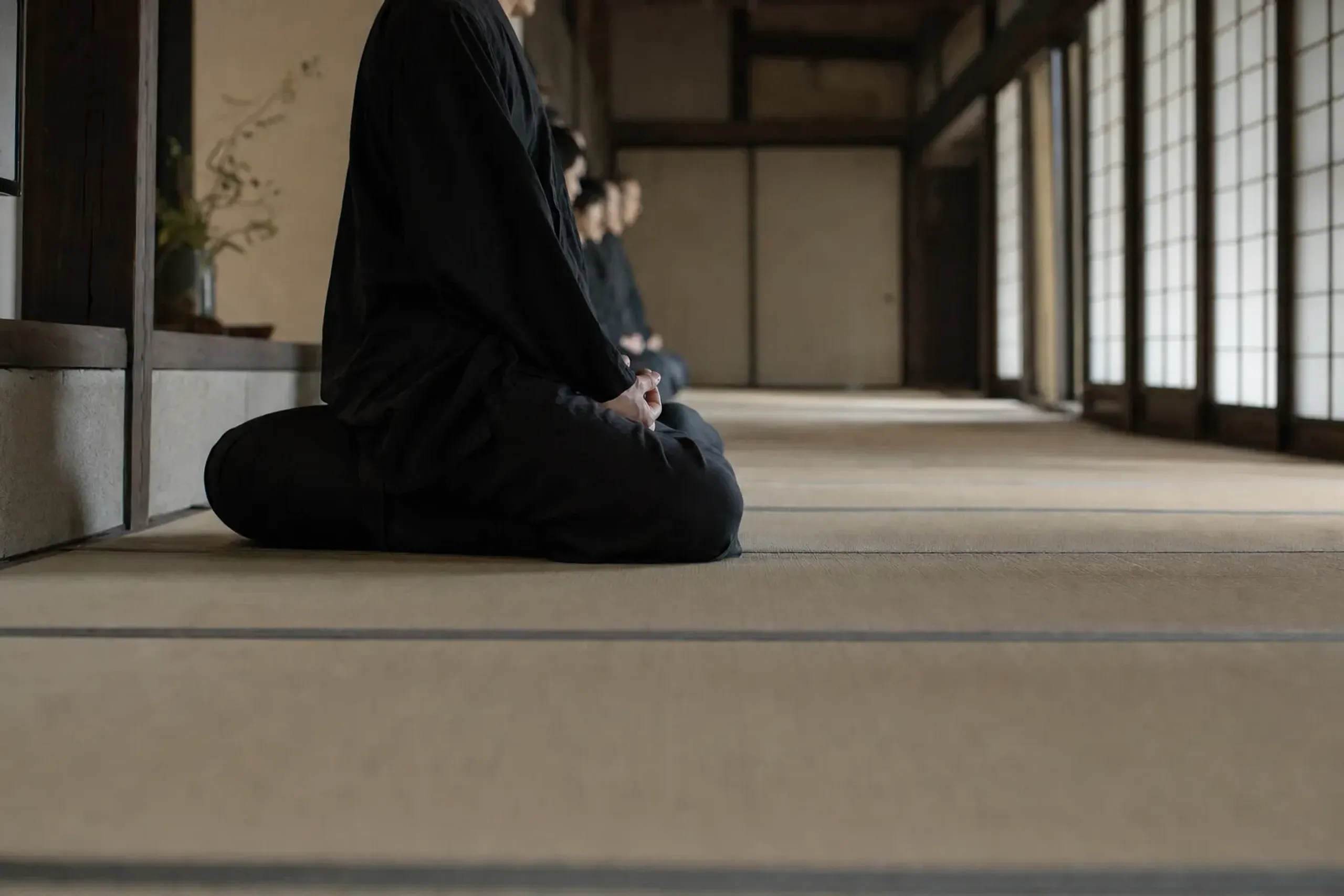
Before sunrise in Kita-Kamakura, shoes line up at the edge of the floor. Breath clouds, then fades. Nobody is “hosting” the moment. You simply arrive, sit, and meet the morning as it is.
For luxury travelers, this can feel almost disorienting. No curated welcome. No camera-friendly pacing. Just a public religious practice that continues whether you come or not.
Our team at Japan Royal Service recommends zazen in Kamakura for clients who want something quieter than a checklist day trip. Not because it is exclusive. Because it is honest.
Where Can I Do Zazen In Kamakura Every Morning Without A Reservation?
Engaku-ji’s Gyōten Zazen-kai (6:00am) is Kamakura’s only daily, no-reservation public zazen option, running most days of the year with specific monthly and seasonal closure exceptions.
Kamakura has several Rinzai Zen temples that welcome visitors into formal sitting practice. Yet the schedules matter. Most public zazen in the city happens on set weekdays only, which can ruin a tightly planned Tokyo stay.
Engaku-ji is different. Its pre-dawn sitting is built for repetition. It exists even when there are no tourists in town, even when the sea wind feels sharp, even when you overslept and missed it.
One more non-negotiable detail: Engaku-ji’s daily dawn sitting does not permit group participation. Individuals only. If you are traveling as a couple or family, you should plan for separate participation or choose a different temple session.
Engaku-ji Gyōten Zazen-kai: What To Expect At 6:00am
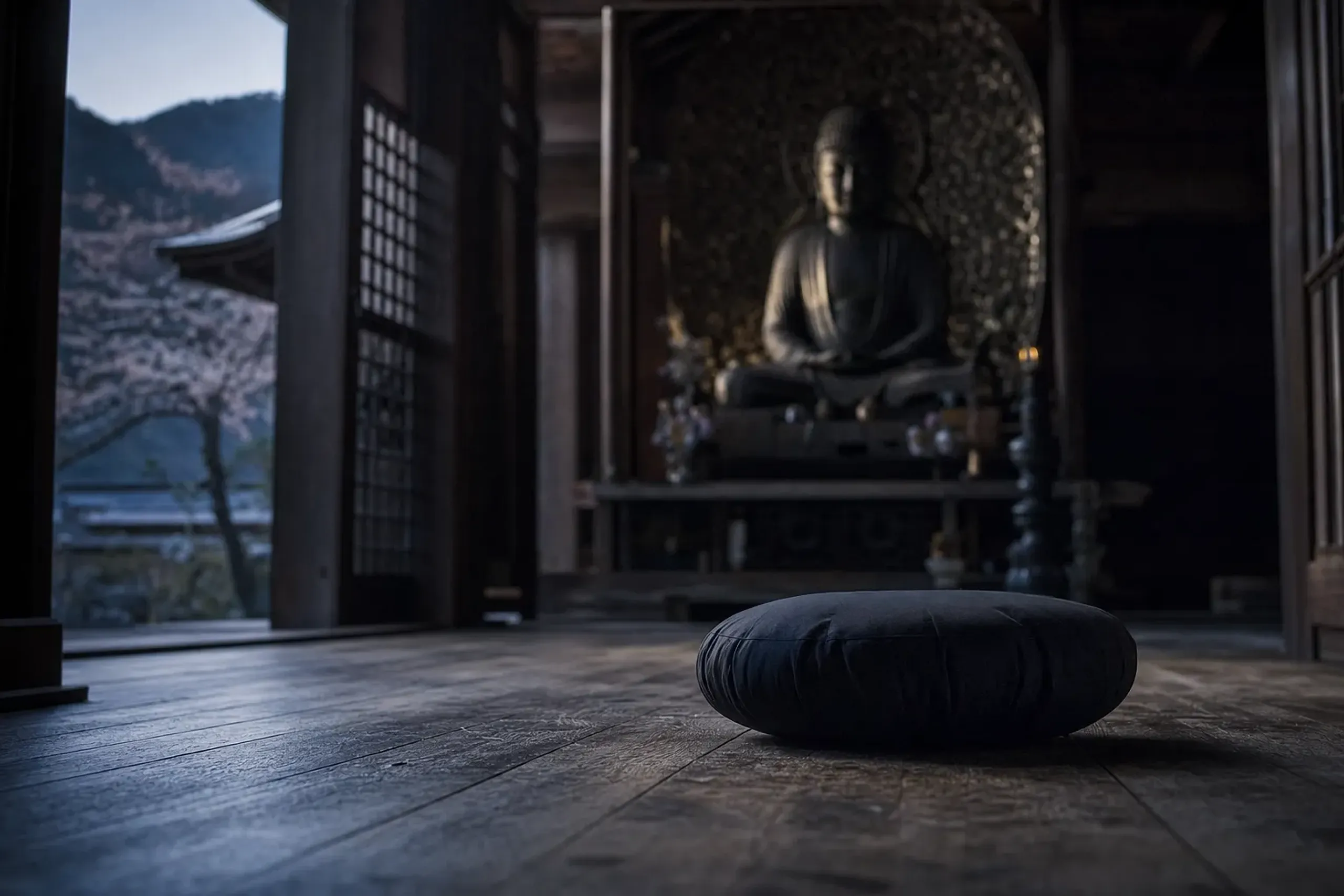
Engaku-ji’s daily dawn sitting begins at 6:00am at the Butsuden (Buddha Hall). Arrive by 5:50am. Early means respectful.
The sitting is donation-based for this specific session, with no fixed admission fee required to participate. Beginners are welcome. That welcome is quiet, not instructional theatre.
The room is a temple hall before business hours. You are there to practice, not to tour. No wandering the grounds before or after, because the sitting takes place outside normal sightseeing visiting hours.
Key fact: Engaku-ji’s Gyōten Zazen-kai is public, open to any visitor who arrives on time, and it does not allow group participation.
Engaku-ji also holds a separate Saturday and Sunday sitting at the Koji-rin hall from 14:30–16:00. The atmosphere is different. It happens in daylight, during regular visiting rhythms, and the admission is roughly ¥1,000 (still no reservation required).
There are also closure periods you must take seriously. The dawn sitting is closed 29 December–7 January and 29 September–5 October, and it may close irregularly for severe weather or temple events.
Etiquette That Keeps The Morning Simple
Wear plain, warm clothing. Nothing noisy. The cold can be more distracting than the posture.
Arrive, follow what others do, and keep your voice low. If you are unsure, wait. The pace is set by the hall, not by visitors.
Leave photography out of it.
This is practice, not content. Your phone should feel irrelevant.
Why The Dawn Sitting Feels Different From A Daytime Temple Visit
At 6:00am, Kamakura has not “opened.” Trains are running, but crowds are not. The streets around Kita-Kamakura still feel like a place where people live.
That small gap—between the city waking and the visitor economy starting—changes everything. The mind stops bargaining for entertainment. It simply sits down.
This is where wabi-sabi belongs in our travel vocabulary: not as décor, but as restraint. A wooden threshold. A cold floor. A practice that does not negotiate.
How Do I Get To Engaku-ji In Time For The 6:00am Zazen From Tokyo?
From Tokyo Station, the JR Yokosuka Line 5:47am departure can get you to Kita-Kamakura Station in time to walk to Engaku-ji for the 6:00am sitting.
This is a rare, usable detail. It turns a “maybe” into a plan. You step onto a platform while Tokyo is still half-asleep, then arrive in Kita-Kamakura with enough time to walk, breathe, and settle.
Kita-Kamakura Station is a short walk from Engaku-ji’s gate. Keep your pace calm. You are not trying to win the morning.
If you prefer a quieter, lower-friction departure, our clients often choose private transportation so the timing is clean and the arrival feels composed. In our experience, the value is not speed. It is mental space.
A Simple Timing Blueprint (For Individuals)
- Target arrival at Engaku-ji gate: 5:50am
- Sitting start: 6:00am (Butsuden)
- Late arrival: do not expect to be accommodated; plan to be early
Because closures can shift around weather and temple events, our concierge team verifies the current daily schedule and any closure notices ahead of the visit.
Kenchō-ji Zazen: The Second Option For Visitors (And The English Session)
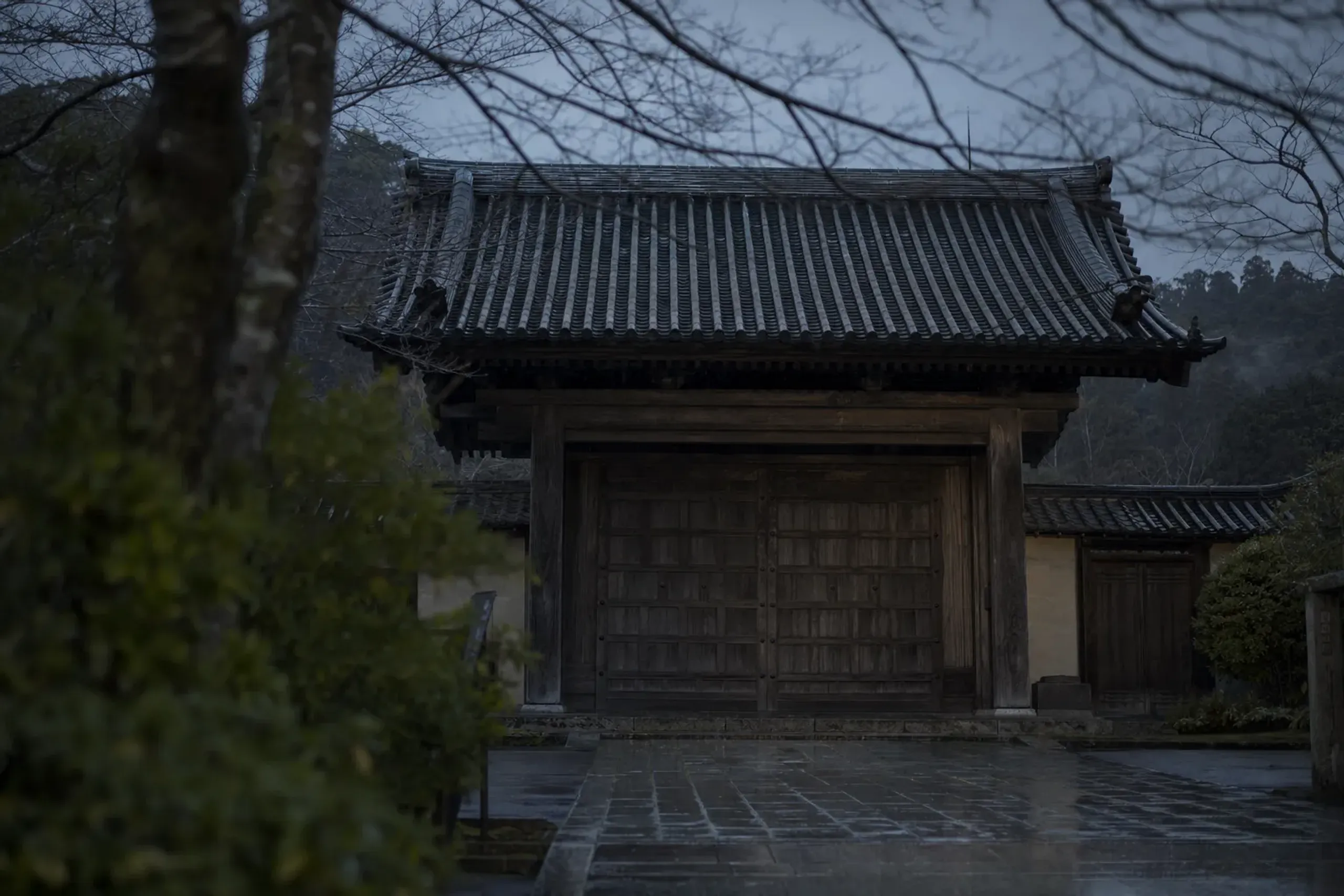
Kenchō-ji offers public zazen sessions on Friday and Saturday, roughly 15:30–16:30, with no reservation required for the standard session.
If Engaku-ji is the pre-dawn discipline, Kenchō-ji is the afternoon doorway. You enter during normal visiting hours, with the temple grounds active and the light clearer.
Standard temple admission applies (adult roughly ¥500) since this session falls within regular visiting hours. A small optional donation may be requested for a printed zazen guide.
Do not drift in late. If you arrive after the session begins, you cannot join. Arrive at least 15 minutes early and let your body settle before you sit.
What Makes Kenchō-ji Practical For Non-Japanese Speakers
Kenchō-ji has a dedicated “Zazen in English” session for non-Japanese speakers. It requires advance reservation by fax.
That detail matters for many HNW travelers. Not because you need your hand held, but because clarity reduces anxiety, and anxiety is the enemy of stillness.
Kamakura Gozan Context In One Breath
Kenchō-ji ranks first in the historical Kamakura Five Mountains (Kamakura Gozan) system of Rinzai Zen temples. Engaku-ji ranks second.
This hierarchy is not a trophy for visitors.
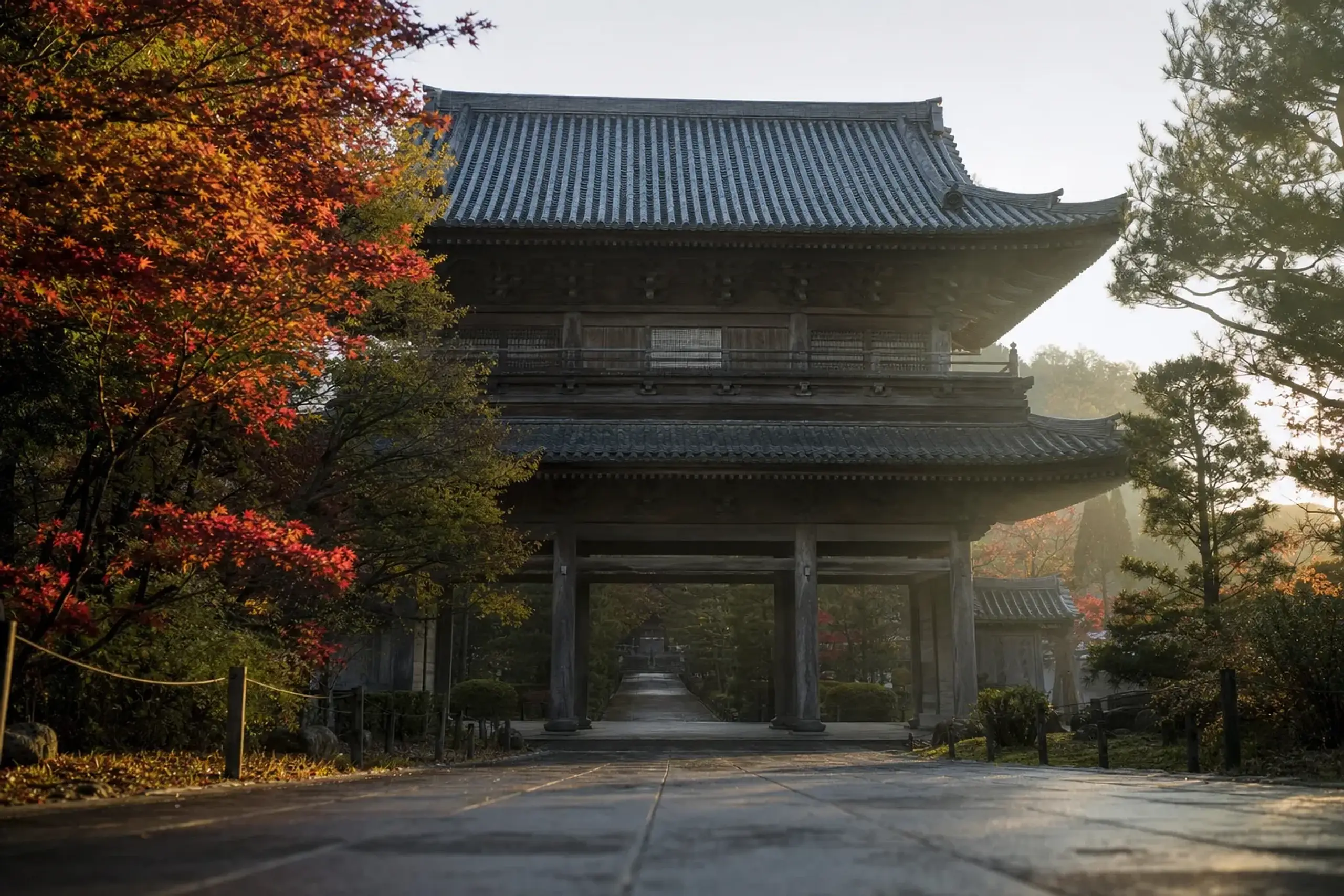
It is a reminder that Kamakura’s Zen temples formed an organized religious and cultural structure, closely tied to the city’s history as Japan’s de facto capital during the Kamakura shogunate (1185–1333).
What Should I Choose: Engaku-ji Dawn Zazen Or Kenchō-ji Afternoon Zazen?
If you want a daily, no-reservation option in Kamakura, choose Engaku-ji at 6:00am; if you want an afternoon session with a weekly schedule, choose Kenchō-ji on Friday or Saturday.
Both are public. Both are legitimate entry points for beginners. The difference is timing, frequency, and the kind of silence you can tolerate.
Option A: Engaku-ji (Daily Dawn Sitting)
- Best for: travelers who can commit to an early start
- Schedule: 6:00am daily except the 1st and 15th of each month
- Important constraints: individuals only; no sightseeing before/after
- Cost structure: donation-based for this sitting (no fixed fee)
Option B: Kenchō-ji (Friday/Saturday Public Session)
- Best for: travelers who prefer a calmer morning and a structured afternoon
- Schedule: Friday and Saturday, roughly 15:30–16:30
- Entry: standard temple admission applies (adult roughly ¥500)
- Accessibility: “Zazen in English” exists, with advance reservation by fax
A Plain Guide To Schedules, Closures, And Costs (So You Do Not Guess)
The most common mistake we see is treating zazen like an attraction with flexible entry. It is not. Timing is part of the practice.
| Temple / Session | When | Reservation | Fees (As Published / Provided) |
|---|---|---|---|
| Engaku-ji Gyōten Zazen-kai (Butsuden) | 6:00am daily, except the 1st & 15th of each month; arrive by 5:50am | No reservation | Donation-based; no fixed admission fee for this sitting |
| Engaku-ji Weekend Sitting (Koji-rin) | Sat/Sun 14:30–16:00 | No reservation | Roughly ¥1,000 |
| Kenchō-ji Public Zazen | Fri/Sat roughly 15:30–16:30 (arrive 15 minutes early) | No reservation | Standard temple admission (adult roughly ¥500) + optional small donation for printed guide |
Engaku-ji’s dawn sitting also has seasonal closure windows: 29 December–7 January and 29 September–5 October, plus irregular closures for severe weather or temple events.
If your schedule is tight, treat verification as part of planning, not an afterthought. Hidden Japan is often hidden because it runs on its own clock.
Frequently Asked Questions
Is Engaku-ji’s 6:00am zazen really free and open to beginners?
Engaku-ji’s Gyōten Zazen-kai is donation-based with no fixed admission fee for that sitting, and beginners are welcome if they arrive by 5:50am and follow the hall’s etiquette.
Bring warm, quiet clothing and a simple willingness to sit without expectation. That is enough.
Can our couple or family join Engaku-ji’s dawn zazen together?
No—Engaku-ji’s daily dawn sitting does not permit group participation, so it should be treated as an individuals-only practice rather than a shared group activity.
If you want to sit on the same day while traveling together, consider whether separate individual participation suits your trip, or look at Kenchō-ji’s public sessions instead.
What is the most reliable way to arrive from Tokyo in time for 6:00am?
The JR Yokosuka Line 5:47am departure from Tokyo Station can reach Kita-Kamakura Station in time to walk to Engaku-ji for the 6:00am sitting.
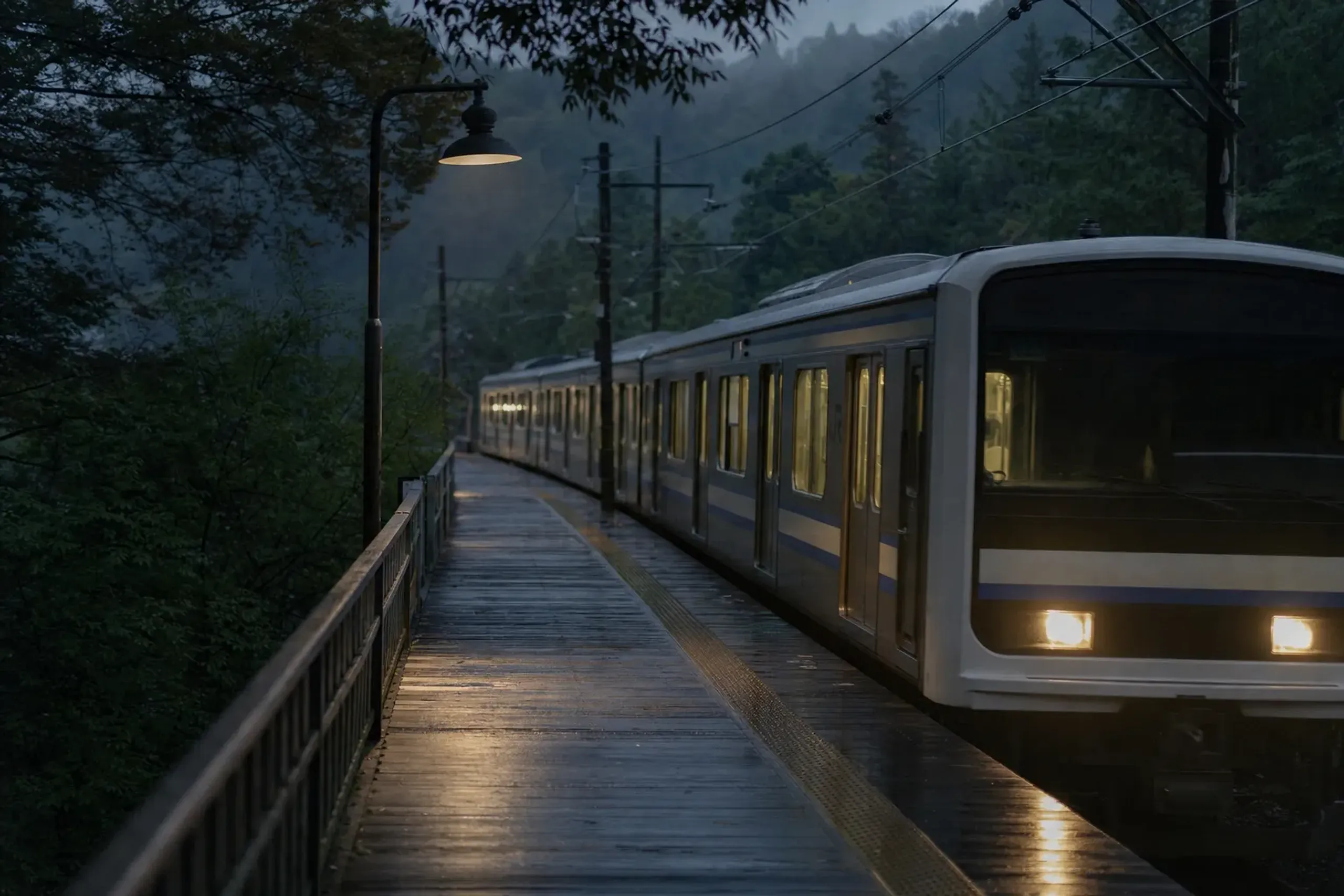
If you prefer a private arrival rhythm, a chauffeured transfer can remove guesswork and keep the morning quiet.
Does Kenchō-ji have an English-language zazen session?
Yes—Kenchō-ji offers a “Zazen in English” session for non-Japanese speakers that requires advance reservation by fax.
The standard Friday/Saturday public zazen does not require a reservation, but it is not specifically designated as an English session.
Why Choose Japan Royal Service
Zazen in Kamakura is public. That honesty is exactly why it belongs in a luxury itinerary.
Our role at Japan Royal Service is not to sell “exclusive meditation.” We guide you through what is real: the etiquette that prevents embarrassment, the timing that makes the sitting possible, and the logistics that get you to the gate before the bell.
We also protect what matters most to HNW travelers: discretion. A dawn practice is naturally private, but your identity and movements still deserve careful handling, especially when your Japan days are tightly stitched together.
When you are ready, our team can shape a tailor-made itinerary that treats Kamakura’s Zen culture with respect and restraint—quiet planning, clear timing, no performative claims.
If you would like tailored guidance for Engaku-ji or Kenchō-ji—timing, closures, arrival choreography—reach our team privately via WhatsApp or LINE, or contact us here.