In this guide
- 01What Is Kitayama River Log Rafting (Ikada-Kudari), And Why Is It Only In Kitayama?
- 02The Honest Timeline: 600 Years Of Timber, The 1963 End, The 1979 Revival
- 03Kitayama’s Exclave Geography: Japan’s Only Village That Doesn’t Touch Its Own Prefecture
- 04When Is The Kitayama River Rafting Season, And How Long Does It Take?
- 05How Do You Book Kitayama River Log Rafting As A Foreigner?
- 06What The Rafting Day Actually Feels Like (And What To Bring)
- 07A Plain Logistics Section: Access, Timing, And Transfers
- 08Who The Raftsmen Are When The Season Ends
- 09Jabara Citrus: What It Is, And What Research Does (And Doesn’t) Say
- 10What Japan Royal Service Arranges For A Kitayama Rafting Day
- 11Plan Your Kitayama Rafting Day
- 12Frequently Asked Questions
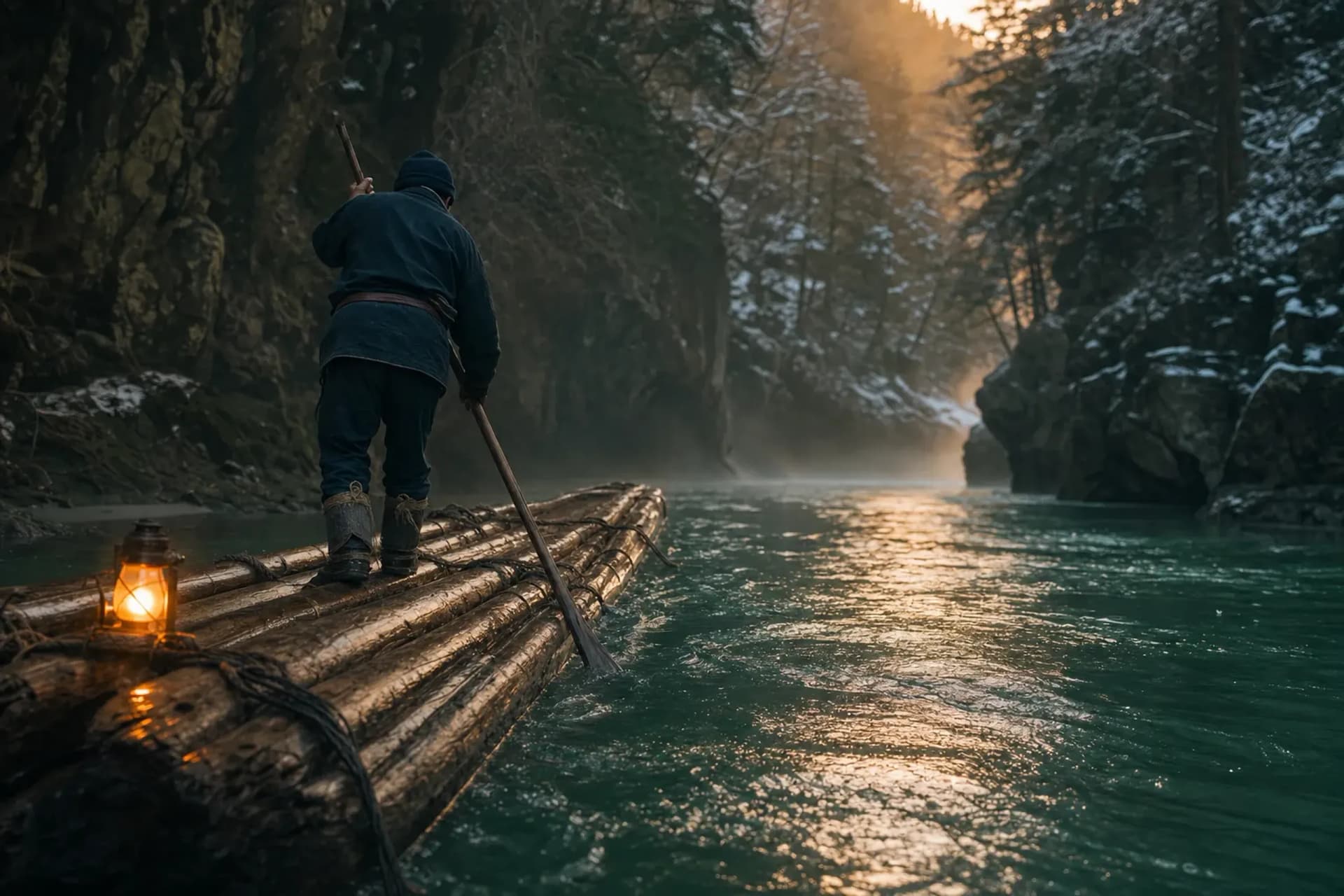
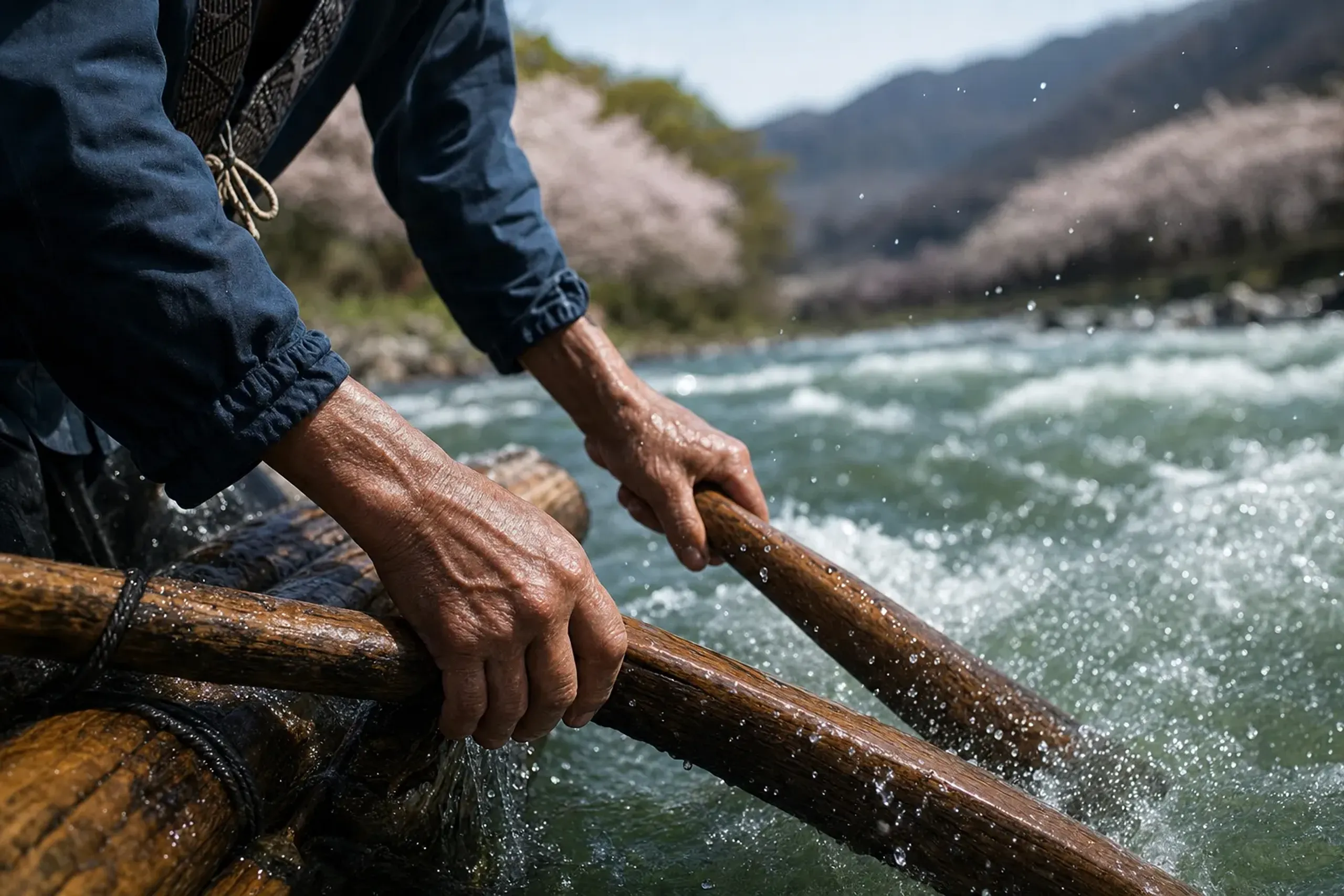
Spray leaps over the cedar logs. Your hands tighten on the rope as the raft noses into faster water, and the raftsman’s paddle bites with a blunt, practiced certainty. This is not a theme-park glide. It is work, remembered—and performed with the muscle memory of centuries.
Then comes the honest part of the story. The timber trade ended around 1963, and it did not continue unbroken. There was a 16-year silence. In 1979, Kitayama deliberately brought the technique back as tourism, and the skill is now designated an Intangible Folk Cultural Property of Wakayama Prefecture.
Kitayama Village is tiny—around 400 residents—and almost entirely forest. Quietly strange, too. It is Japan’s only village that does not border any other municipality inside its own prefecture, so a single drive through can cross the Wakayama and Nara boundaries again and again. Odd, checkable, real.
What Is Kitayama River Log Rafting (Ikada-Kudari), And Why Is It Only In Kitayama?
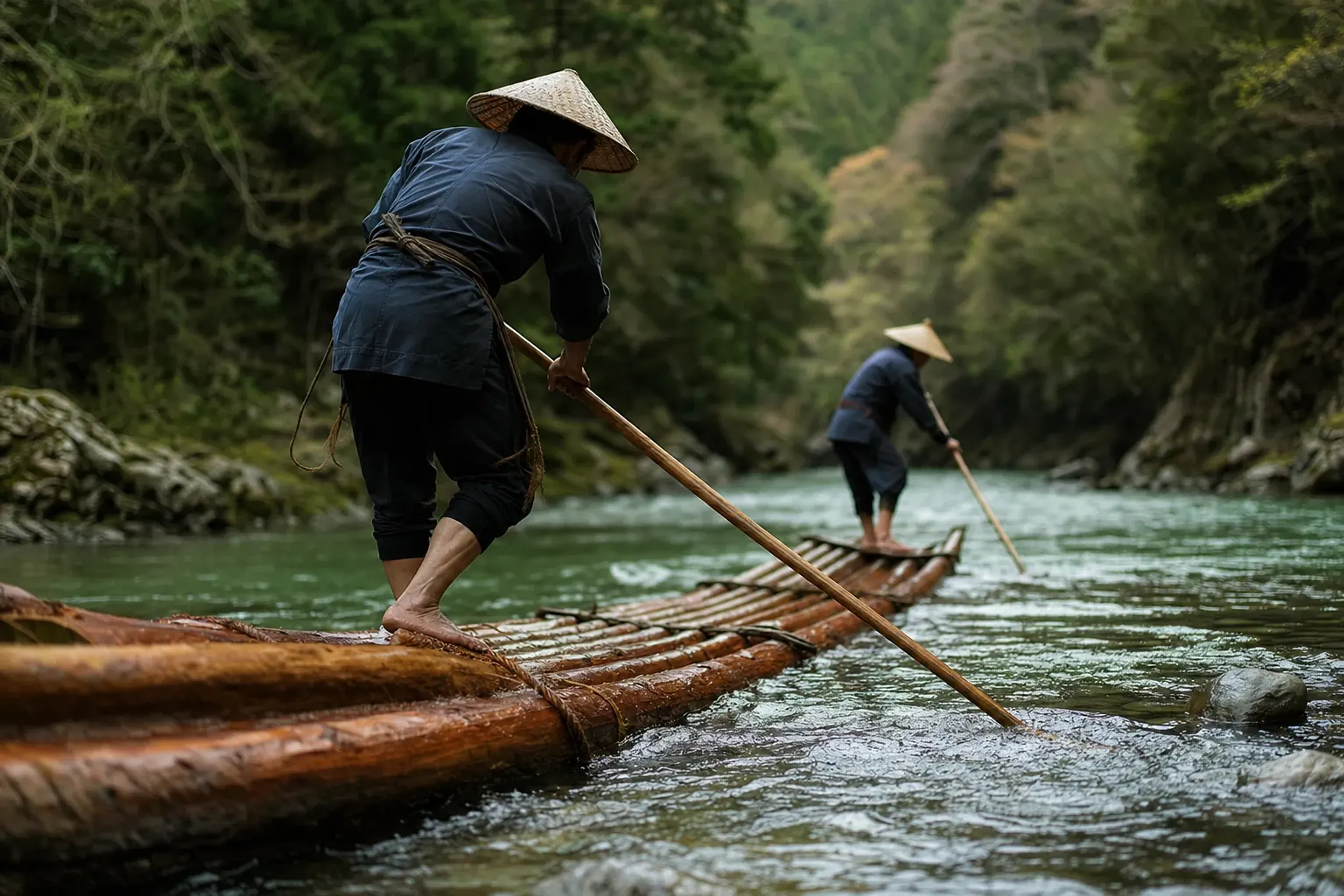
Kitayama River log rafting (ikada-kudari) is a traditional-style descent on a roughly 30-meter cedar-log raft, offered as a tourism experience in Kitayama Village, Wakayama—Japan’s only place promoted for this log-raft ride.
The raft is not a prop. It is built from bound cedar logs, long and low, with the river sliding close enough to feel personal. Trained raftsmen steer with traditional paddle technique through genuine rapids. You can read it in their shoulders. Calm, then sudden force.
Official tourism sources frame this as a signature of the Kitayama area’s forestry heritage. That heritage is not decorative. It explains why the raft looks the way it does, why the river route matters, and why the village still speaks about raftsmen as a serious occupation rather than a costume role.
For travelers who have already done Kyoto, Tokyo, and the celebrated ryokan circuit, Kitayama offers something rarer. Not “more luxurious.” More specific. A living skill, tied to an economy and a landscape that never flattened itself for visitors. This is the Japan that Google cannot find—reached less by searching than by knowing whom to ask.
The Honest Timeline: 600 Years Of Timber, The 1963 End, The 1979 Revival
The trade story has three separate chapters. Keep them separate. That is the point.
For nearly 600 years, Kitayama’s cedar forests fed a real timber trade. Logs were bound into rafts and floated down the Kitayama River into the Kumano River, with Shingū as the collection point. At the trade’s peak, roughly half the village’s population worked as raftsmen.
Then it stopped. Around 1963, dams were built and roads improved, and river transport became obsolete. That is not tragedy; it is infrastructure. But it is a clean break.
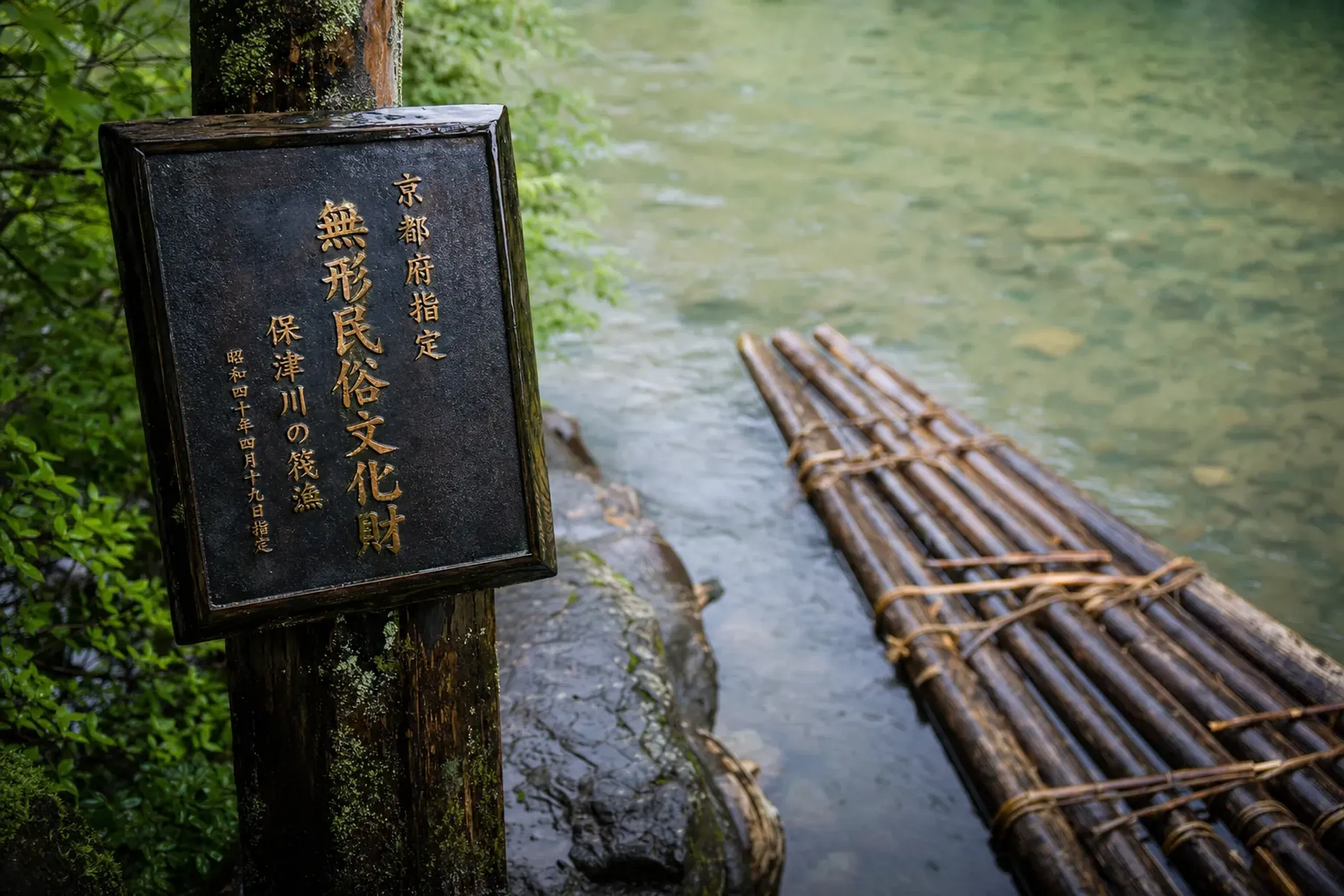
Sixteen years later, in 1979, the technique was deliberately revived as tourism. Today, the raft-building and paddling skill is designated an Intangible Folk Cultural Property of Wakayama Prefecture. That designation matters. It signals that this is treated as inherited technique, not just entertainment.
Local history also carries a heavier claim: timber from this basin reportedly went into the construction of Fushimi Castle in Kyoto and Edo Castle in Tokyo. The forests here were not backwater forests. They supplied ambition at the highest level of the age.
Kitayama’s Exclave Geography: Japan’s Only Village That Doesn’t Touch Its Own Prefecture
Kitayama Village is Japan’s only village that borders no other municipality within its own prefecture, and the road can cross Wakayama–Nara boundaries multiple times as you pass through.
On a map, it looks like a mistake someone forgot to correct. On the ground, it feels like a low-grade spell. You are in Wakayama. Then Nara. Then Wakayama again. The boundary lines don’t announce themselves with drama, but the sense of being “not quite attached” becomes part of the trip’s mood—a quiet, unhurried disorientation that suits the place.
This disconnected boundary has a historical root: Kitayama belonged to the Kishū Domain during the Edo period. Old administrative borders cast long shadows. Even now, Kitayama remains Wakayama Prefecture’s last administrative “village” (mura) classification.
Practical detail, not trivia: roughly 97% of the village’s area is forest, and its total area is smaller than the land enclosed by Tokyo’s Yamanote Line loop. Big-city scale collapses here. Fast.
When Is The Kitayama River Rafting Season, And How Long Does It Take?
The Kitayama River log-raft season runs from May through September, and the ride itself lasts about 70 minutes, with the full experience taking roughly two hours including the bus transfer to the launch point.
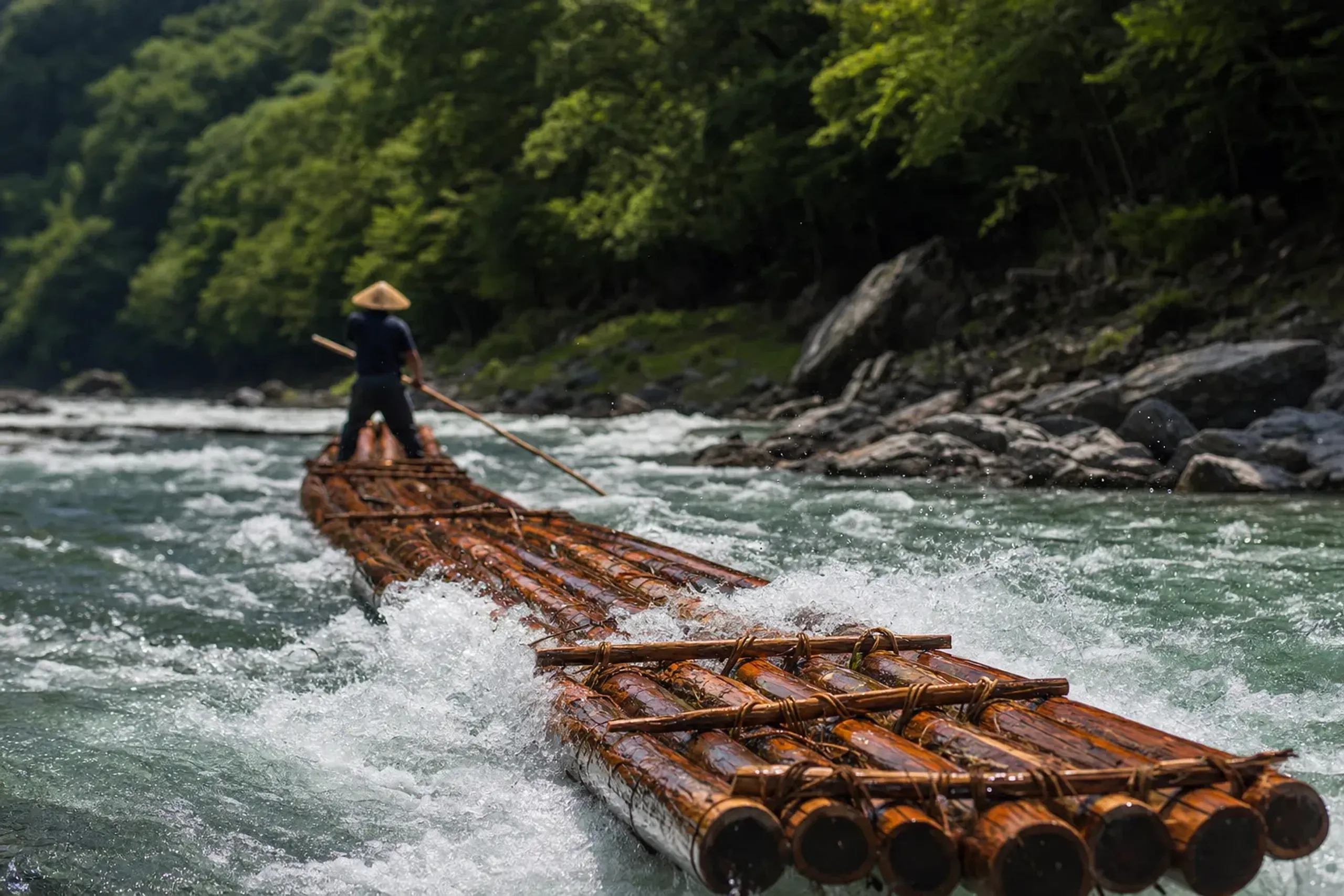
Kitayama’s operation is reservation-based. Two departures per day are standard, and official listings commonly show morning and early-afternoon starts (for example, 10:40 and 13:00 in JNTO guidance). Days of operation can vary by month and year, so we treat each season as “confirmed, not assumed.” Knowing precisely which weeks the river runs best—and when the cedar forest is at its greenest—is the kind of seasonal judgment that separates a good day from an unforgettable one.
The meeting point is clearly stated by JNTO: Michi-no-Eki Okutoro Tourist Center (Kitayama Village). From there, participants ride a dedicated bus to the launch point at Otonori, then begin the river descent. Simple. But timing matters.
If you are planning a multi-stop day in the Kumano region, don’t squeeze this into leftover hours. The village is remote, public transport is limited, and weather can change what the river allows. Leave air in the schedule. It pays you back.
How Do You Book Kitayama River Log Rafting As A Foreigner?
Book in advance through Kitayama’s official tourism channels or authorized regional platforms, because the log-raft experience requires an advance reservation and has limited capacity per departure.
What we recommend doing first is confirming three items before you commit to any route: the operating day for your date, the departure time you can realistically reach, and the language support available on the day.
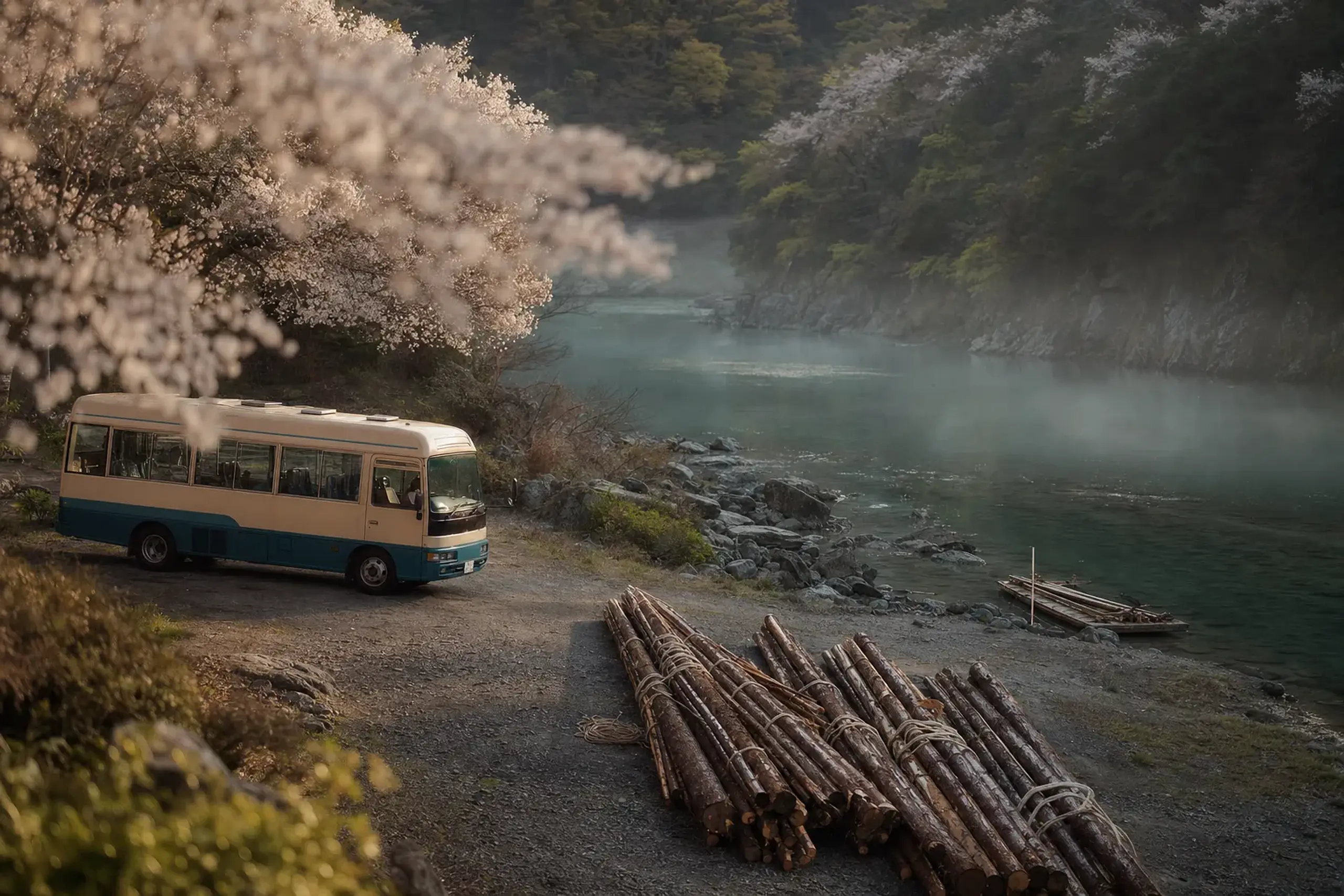
The English FAQ PDF published by Kitayama Village makes the key point clear: reservations are required.
Be wary of “we’ll just show up” planning. Big mistake. Kitayama is not a walk-in attraction with spare slots, and there is very limited public transport to the meeting point.
For questions, contact our concierge.
Key fact: JNTO notes there is very limited public transport to Kitayama Village, and even cites a single bus that arrives in time for the tour on certain days.
What The Rafting Day Actually Feels Like (And What To Bring)
You start on land. You notice the logs up close. Cedar has a dry, faint sweetness, like a clean pencil shaved to a point. Then the raft is moving, and you realize how low it rides. The river is not scenery. It is a participant.
The raftsmen steer with paddles, reading water the way a seasoned city driver reads traffic gaps. It is skilled labor—the quiet mastery of the shokunin, applied to a river rather than a workshop. When the raft pivots through a rougher section, the motion is quick and exact, not theatrical.
Official guidance is blunt: you will get wet, so bring a change of clothes. A life jacket is provided. Treat this as a river activity with consequences, not a photo-op with a splash.
Our team at Japan Royal Service suggests a small, disciplined packing list for HNW travelers who still want to travel light:
- Dry change: base layer, socks, and a thin towel in a waterproof bag.
- Phone discipline: one waterproof pouch, or keep the device packed away until calmer water.
- Footwear: secure straps; avoid anything that slips when wet.
- After-raft layer: a light jacket for the ride back, even in summer.
Want the best photos? Don’t chase the perfect shot in the roughest section. Let the raft do its work. Shoot when the water eases.
A Plain Logistics Section: Access, Timing, And Transfers
Kitayama Village is remote, and the day works best when the route is built around the departure time, not the other way around. That sounds obvious. It is precisely where most plans fail.
JNTO states the meeting point as Michi-no-Eki Okutoro Tourist Center and highlights limited public transport, while also noting free parking at the tourist center. If you are self-driving, keep buffer time for narrow roads and slow mountain stretches. If you are not, plan private transport.
For HNW travelers, this is where comfort becomes practical. A private vehicle reduces timing risk and keeps clothing, towels, and bags handled without fuss. It also keeps the return leg quiet, which matters after sun and river spray.
The first time we mention it, we’ll make it easy: our private transportation service is designed for rural days exactly like this, where public options are thin and punctuality decides the entire experience.
Who The Raftsmen Are When The Season Ends
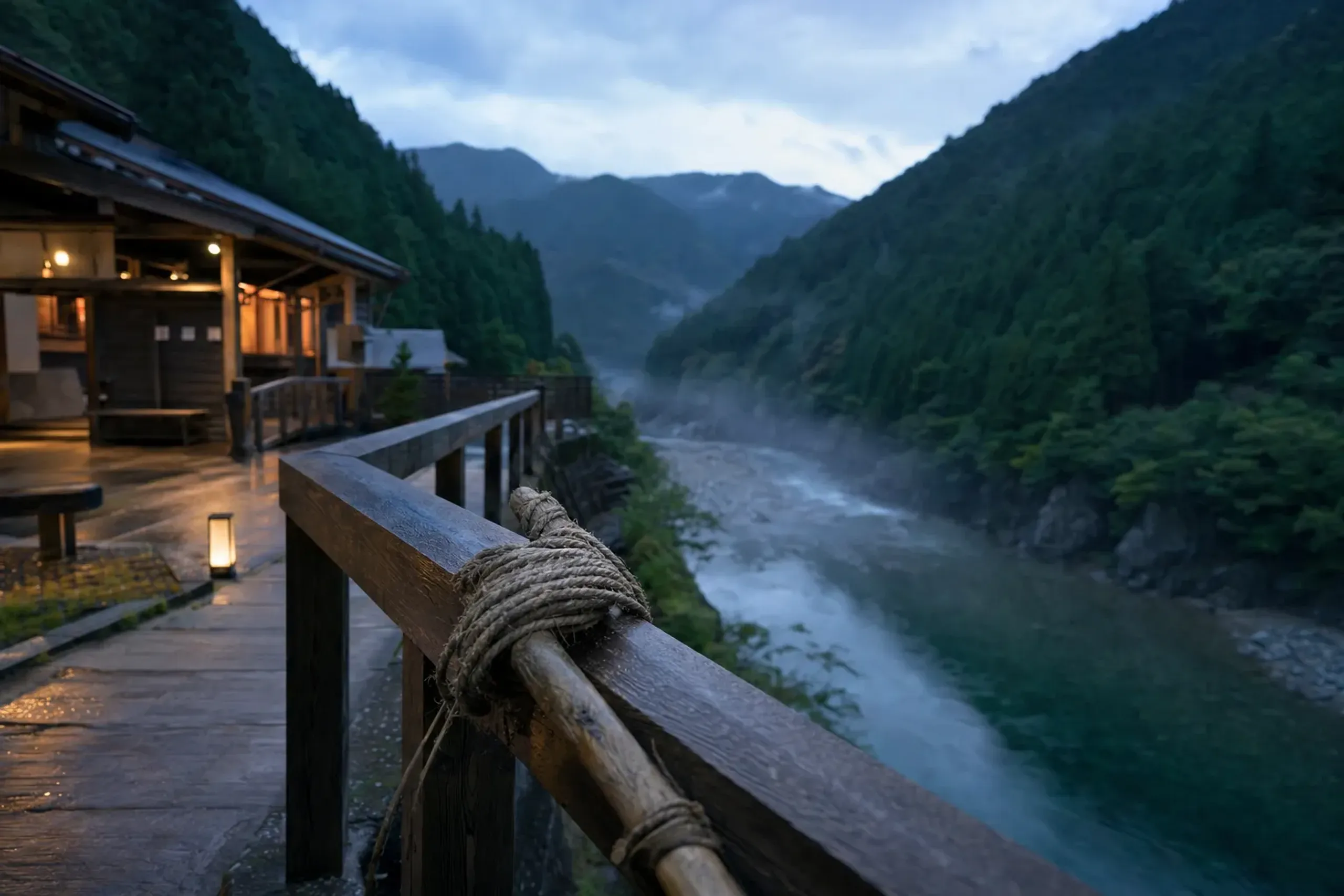
In Kitayama, the rafting season is not a staffing trick. Off-season, the same raftsmen work in jabara cultivation, forestry, or park management. It reads like a village economy because it is one.
This matters to a certain kind of luxury traveler. The kind who has eaten the perfect meal and still remembers the person who made it. Kitayama is not selling an “adventure.” It is letting you witness competence that has a place to go when you leave. There is a wabi quality to that honesty—value expressed not through gloss or spectacle, but through restraint and the plain dignity of work.
There is also a related guided walking experience known as the “Raftsman’s Path,” which retraces routes historic raftsmen once walked. Different pace. Same underlying respect for the people who moved timber by muscle and judgment.
Jabara Citrus: What It Is, And What Research Does (And Doesn’t) Say
Jabara is a citrus variety grown only in Kitayama Village, and it contains narirutin, a compound with antioxidant and anti-inflammatory properties that is being studied for potential hay fever and allergy symptom relief.
That is the careful wording. Research is ongoing. It is not a cure, and we do not treat it like medicine. Still, travelers often like to taste a place through something small and local, and jabara is exactly that—an agricultural signature that exists nowhere else on earth.
If you visit in season, ask to try jabara products in the village as you would any regional specialty: with curiosity, not with health expectations. The most honest benefit is simpler. It ties the raftsmen back to land work when the river closes.
What Japan Royal Service Arranges For A Kitayama Rafting Day
For Kitayama, our concierge team at Japan Royal Service arranges rafting reservations, guiding, and transfers, then verifies current-season dates, departure times, and the reservation procedure ahead of your visit.
We treat this as a precision day. Not a “drop-in.” That means building the schedule around the official departure window, keeping your clothing and gear plan realistic, and avoiding rushed connections that punish you if the road runs slow.
For clients who prefer a fuller journey, we can also shape a tailor-made itinerary in the broader Kumano region, while keeping Kitayama’s rafting as the central act rather than an afterthought.
We also believe in quiet service mechanics. Discretion matters even here. Your identity and itinerary remain wholly confidential, and we avoid the loud group-tour rhythms that feel out of place in a village this small.
Plan Your Kitayama Rafting Day
Kitayama rewards the traveler who plans quietly and arrives on time. If you would like us to confirm the current season’s dates, secure your departure, and build the surrounding day around it—transfers, timing, and all—contact us here. We will craft a Kumano itinerary that keeps the river at its center and your privacy intact.
Frequently Asked Questions
Is Kitayama River Log Rafting Suitable For Family Travel With Older Children?
Kitayama’s log rafting is a real river activity, so suitability depends on the operator’s age and safety rules for that season, but it is commonly offered with child pricing and life jackets.
JNTO lists separate adult and child ticket pricing and notes that safety equipment such as a life jacket is provided. We suggest confirming age requirements, river conditions, and what “child” means for that year before you lock in travel days.
Where Do You Meet For The Kitayama Rafting Tour?
The meeting point is Michi-no-Eki Okutoro Tourist Center in Kitayama Village, as stated by JNTO.
From there, participants typically take a dedicated bus to the launch area before starting the river descent. Arrive early. Remote roads don’t reward last-minute arrivals.
Will I Get Wet On The Ikada-Kudari Log Raft?
Yes—official guidance says participants will get wet, so bring a change of clothes.
Even on calmer days, spray and shifting water reach the raft. Pack a dry layer and protect electronics, and you’ll enjoy the ride instead of guarding your pockets.
What Happens If Weather Or River Conditions Change?
If conditions change, operators may adjust or cancel for safety, so you should keep your schedule flexible and confirm the latest operating decision close to your date.
This is another reason private transport and a buffer window matter. Our concierge team can help you plan a day that still feels complete even if timing shifts.