In this guide
- 01Kobe Beef Is Eaten In Kobe, Not Raised There
- 02The Myths You’ll Hear (And Why Serious Producers Dislike Them)
- 03Kobe, Tajima, And Sanda Beef: Related, Not Interchangeable
- 04How Kobe Beef Provenance Is Verified (The Only Part That Really Matters)
- 05What A Serious Kobe Beef Tasting Looks Like
- 06Kobe City: Where To Learn Before You Taste
- 07Private Farm And Producer Access In Tajima: What’s Actually Possible
- 08A Day Trip Shape From Kobe (And When To Stay Overnight)
- 09Kobe Beef And Nada Sake: A Natural Pairing In Kobe
- 10Events And Public Options: When You Want Atmosphere, Not Privacy
- 11FAQ: Kobe Beef And Tajima Wagyu, Answered Plainly
- 12Why Choose Japan Royal Service
The first time you leave Kobe behind and drive north, the story changes.
The city fades. The road tightens into valleys, rice terraces, and cedar slopes. Silence starts to feel like an ingredient.
This is Hyōgo Prefecture’s Tajima region. It is rural, mountainous, and mostly skipped by travelers who think “Kobe beef” is a city specialty rather than a lineage with rules.
Our team at Japan Royal Service plans journeys for guests who like facts on the table. Especially when the menu uses a famous name.
Kobe Beef Is Eaten In Kobe, Not Raised There
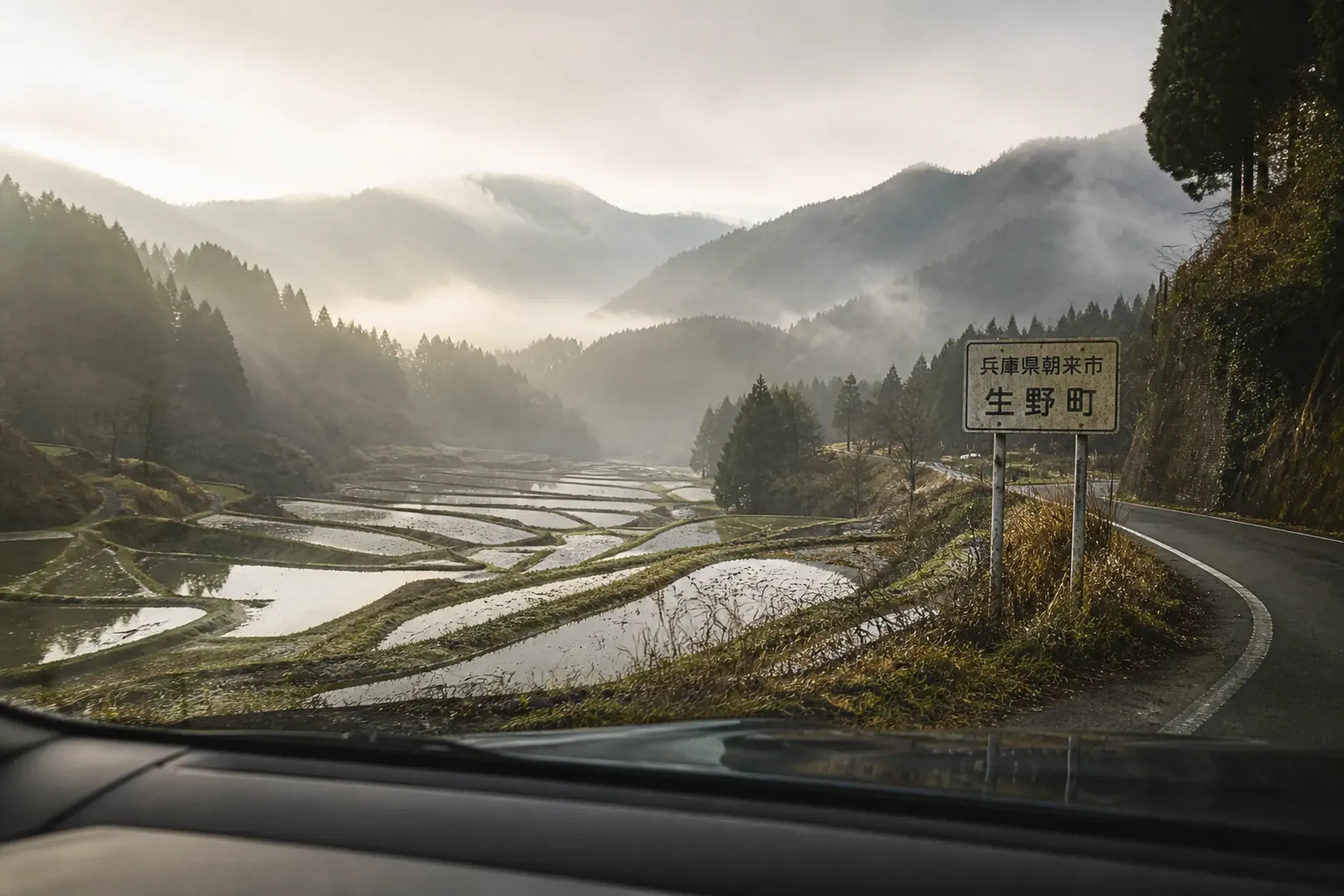
North Hyōgo feels far from Kobe—and that distance is part of the provenance story.
Most people picture a farm on the edge of Kobe. That geography is wrong.
Certified Kobe beef comes from Tajima-strain Japanese Black cattle that are born, raised, and processed in Hyōgo Prefecture under rules set by the Kobe Beef Marketing & Distribution Promotion Association.
The breeding landscape is largely north Hyōgo, where winters are sharper and towns feel practical rather than polished. Names you may see on maps include Kami, Shin’onsen, and Yabu.
From central Kobe to northern Tajima, you should expect roughly two hours or more by road depending on the exact destination, weather, and stops. That distance matters. It’s why a “quick farm add-on” is rarely realistic without a chauffeur-driven day plan.
What “Tajima” Actually Means
Tajima is not a restaurant style. It is a regional strain and a history.
Hyōgo’s official tourism content positions Tajima cattle as ancestors of famous wagyū brands, including Kobe beef, Matsusaka beef, and Ōmi beef. That lineage is part of why producers can be sensitive about sloppy marketing claims.
If you want the experience to feel grounded, start here: provenance first, dining second. The steak tastes better when you know what it is.
The Myths You’ll Hear (And Why Serious Producers Dislike Them)
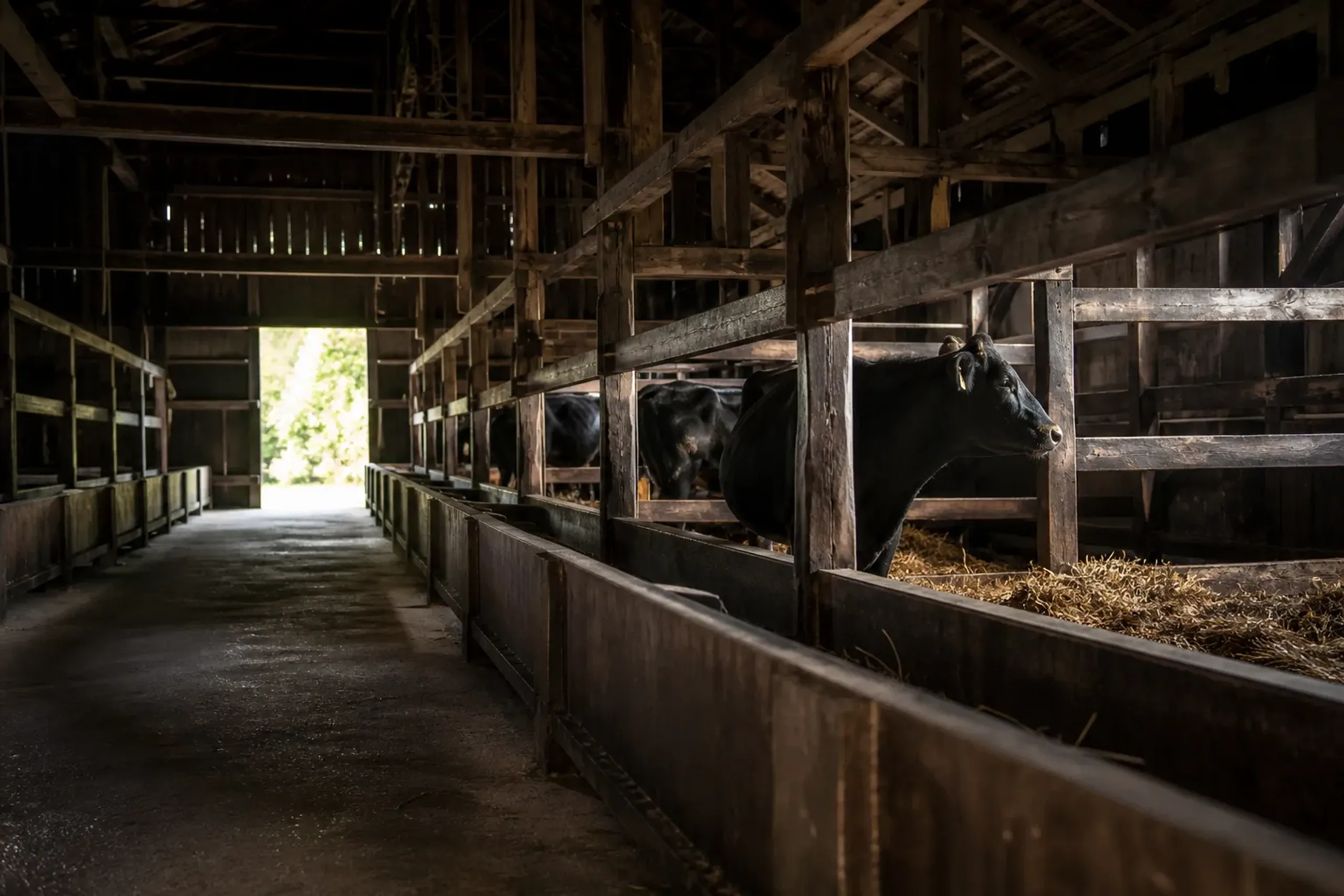
You will hear stories. Beer-fed cattle. daily massages. classical music in the barn.
Much of that is marketing folklore. It makes for easy headlines, and it sells “Kobe beef” abroad, but it is not a reliable way to understand quality.
In our experience, the best conversations in Hyōgo avoid those tropes. Producers care about breeding, feed management, animal health, and handling standards, not theatrical rituals designed for tourists.
If a restaurant or guide leans hard on the myths, treat it as a warning sign. Big mistake.
Kobe, Tajima, And Sanda Beef: Related, Not Interchangeable
Hyōgo has multiple beef designations. Kobe is the headline, but it is not the only name you will see.
Kobe beef is a certification with strict rules and an overseeing association. Tajima beef and Sanda beef are also Hyōgo-related designations that are connected by regional heritage, yet they are distinct labels rather than casual synonyms for “good wagyū.”
If you are choosing a tasting menu, this is where nuance pays off. A chef may highlight a different Hyōgo designation for a particular cut, season, or cooking method.
When guests ask us what to order, we focus less on the loudest word and more on the proof and preparation. A verified plate beats a famous claim.
How Kobe Beef Provenance Is Verified (The Only Part That Really Matters)
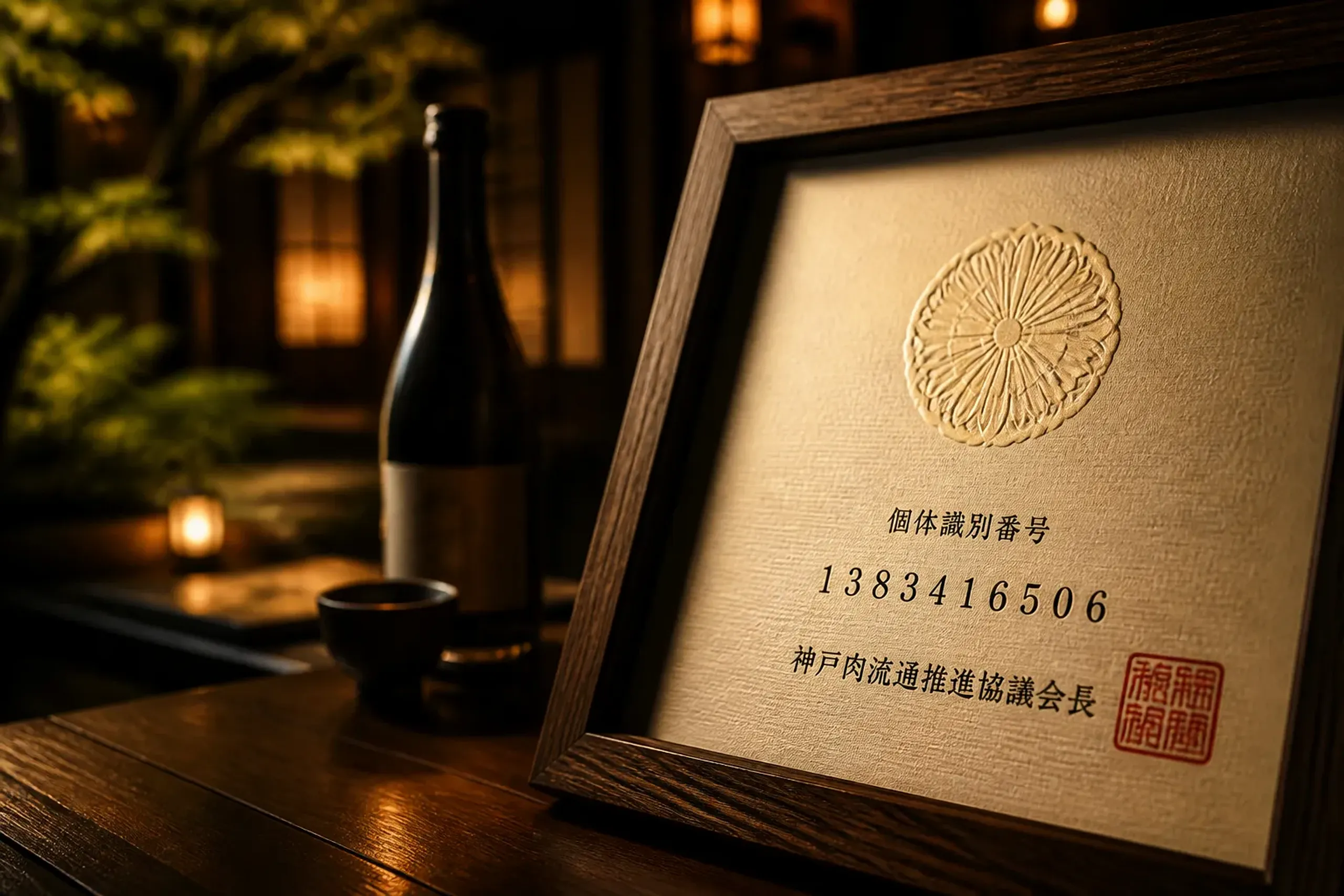
For certified Kobe beef, the certificate and individual ID number are the anchor of trust.
Luxury travelers do not want drama. They want certainty.
Certified Kobe beef is governed by the Kobe Beef Marketing & Distribution Promotion Association, and the system is built for verification rather than trust-me storytelling.
Every certified animal carries an individual identification number. Certified restaurants display the certificate and the association’s seal, and diners can check that what is in front of them matches what the menu says.
Key fact: If you cannot see a certificate and an individual identification number for certified Kobe beef, you are relying on marketing.
Step-By-Step: How To Check What You’re Eating
This is the practical routine we recommend, especially in Kobe where “Kobe beef” appears on countless menus.
- Ask to see the certificate for the beef being served as “Kobe beef.” A serious restaurant will not act offended.
- Look for the association seal on the certificate.
- Confirm the individual identification number on the certificate matches what the restaurant presents for that serving.
- Cross-check membership using the association’s official restaurant guidance and updates when you are researching where to dine.
We keep this verification mindset throughout a journey. Quietly. No show.
Why Scarcity Creates Confusion Abroad
Visit Kobe’s official tourism content states Kobe beef production is extremely limited and represents less than 0.2% of Japan’s total beef market.
That scarcity explains a common problem: much of what is sold as “Kobe beef” outside Japan is not certified Kobe beef. It may still be wagyū. It may even be excellent.
But the name “Kobe” is not a vibe. It is a controlled designation.
If your goal is the real thing, the trip has to be built around verification, not romance.
What A Serious Kobe Beef Tasting Looks Like
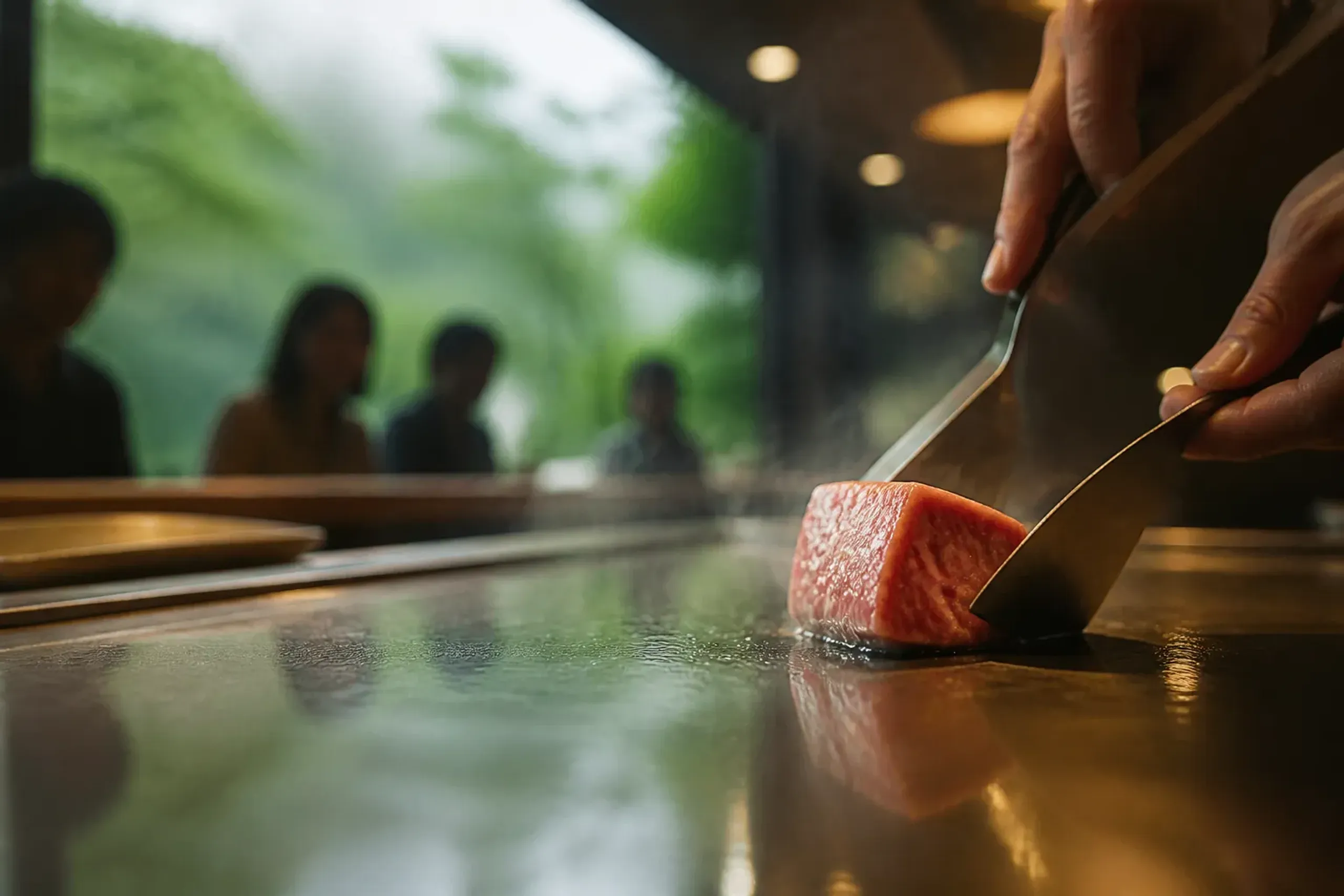
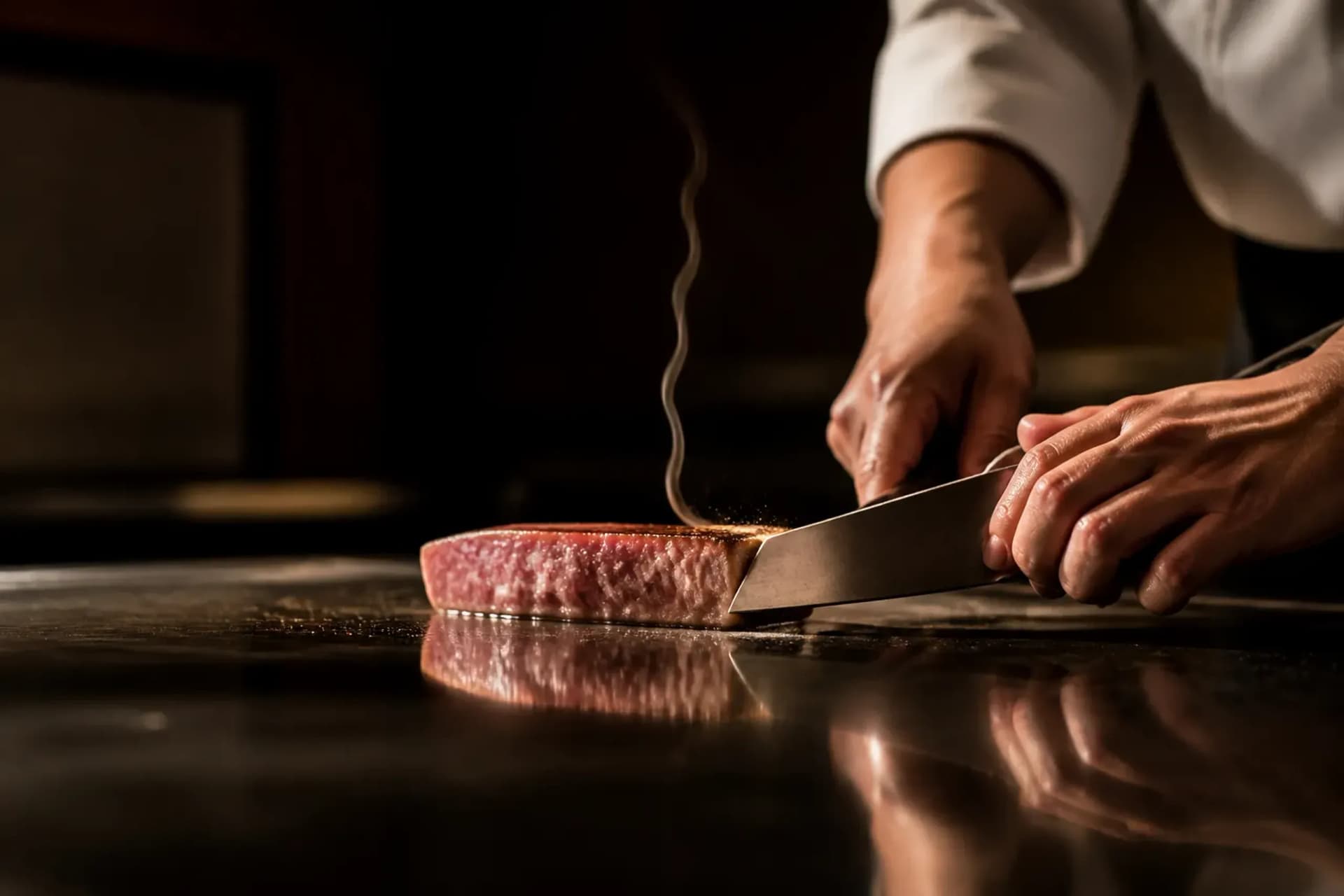
Small portions, precise heat, and timing—this is where Kobe beef shows its shape.
Many first-time diners try to “go big.” A huge portion, the richest cut, a heavy sauce.
That approach usually blurs what makes Tajima lineage special: fine grain, aromatic fat, and a texture that changes quickly with heat. A small portion cooked precisely often delivers more pleasure than a large plate that cools before you finish it.
Grades, Cuts, And Why Portions Stay Modest
In Japan, wagyū is commonly discussed through grading and marbling. You will hear terms like “A5,” and you may see marbling discussed as a benchmark.
Still, a high grade does not automatically mean “best for you.” Some guests prefer a slightly leaner balance so they can taste more of the beef’s underlying character, especially across multiple courses.
For a well-structured tasting, we like contrast: one cut with more fat, another with a cleaner finish, and a cooking method that suits each.
It’s not a contest. It’s calibration.
Teppanyaki Vs. Sukiyaki Vs. Yakiniku (How To Choose)
Each style changes how Kobe beef reads on the palate. The right match depends on your group and your appetite for ceremony.
Option A: Teppanyaki (Precision, Heat Control, Quiet Theater)
Teppanyaki is about temperature discipline. A skilled chef can render fat without turning the surface bitter, and you can watch the moment the texture becomes silk.
- Best for: first-time Kobe beef diners, guests who like a focused main event
- Watch for: short cook times, small bites served at peak heat
Option B: Sukiyaki (Sweet-Savory Comfort With High Aroma)
Sukiyaki carries more sauce influence. It’s generous, and it can be a smart choice if your group wants conversation to lead rather than technique.
- Best for: families, mixed palates, cooler evenings
- Watch for: the balance of sweetness, and the quality of the beef’s slice thickness
Option C: Yakiniku (Control At The Table, Great For Comparing Cuts)
Yakiniku lets you taste differences quickly. One grill, several cuts, short bites, constant feedback.
- Best for: travelers who like to compare, groups that enjoy a more casual rhythm
- Watch for: not overcooking; wagyū changes fast once it passes its sweet spot
Kobe City: Where To Learn Before You Taste
If you want context without a long drive, Kobe has credible ways to start.
The Kobe Beef Gallery (神戸ビーフ館) is a Kobe-focused educational facility with an official website and 2026 updates. It can be a clean first stop before dinner, especially for guests who enjoy understanding provenance systems and terminology.
There are also public-facing places that give a “farm setting” feel without claiming breeder access. Rokkosan Pasture is a real, Kobe City-owned farm attraction listed by the official Kobe travel guide.
We treat these as orientation. The real provenance story lives further north.
Private Farm And Producer Access In Tajima: What’s Actually Possible
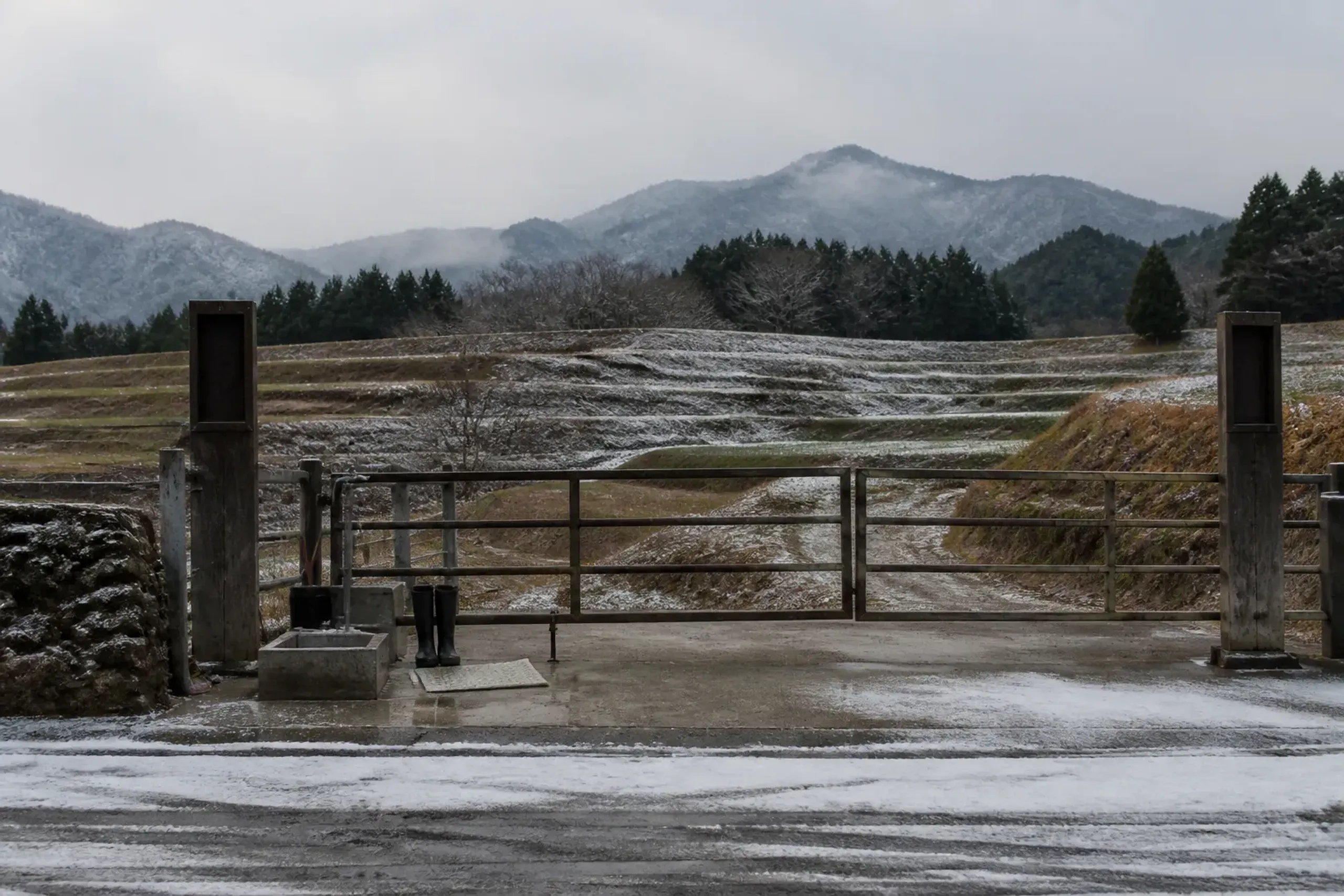
Real access starts with real rules—biosecurity and discretion come first.
This is the part people romanticize. And the part we keep honest.
Working livestock farms are not a theme park. Biosecurity is real, privacy is real, and access depends on permission, timing, and the producer’s comfort.
When private farm or producer visits in Tajima are feasible, our team at Japan Royal Service can privately coordinate them as part of a wider Kobe/Tajima wagyū narrative, alongside tastings and verified-provenance dining.
We do not name farms publicly. Discretion is not a slogan for us. It is the point.
Key fact: Many livestock operations require disinfection on entry, and they may exclude visitors who have had recent contact with livestock elsewhere. Plan for these rules, and do not argue with them.
What You Should Expect From A Real Visit
Expect practical realities. Mud, schedules, short windows.
A meaningful visit tends to focus on husbandry choices, the regional environment, and how standards are maintained, rather than staged photo moments. It is also common for access to be limited to small parties.
If photography is allowed, keep it minimal and respectful. Many farms prefer none.
When guests accept those boundaries, the experience becomes rare in the right way.
A Day Trip Shape From Kobe (And When To Stay Overnight)
Tajima is not a quick detour. Treat it like a day with a clear arc.
In practical terms, this is where private transportation changes the experience. You can move on your timing, keep clothing and shoes organized for farm etiquette, and return to the city without the mental drag of transfers.
A simple structure works best: a northbound morning, an educational or producer component if available, then a return south for an early evening certified dining finale.
For guests who prefer a slower cadence, turning it into a two-day loop is often smarter.
Two-Day Version: Tajima Plus Kinosaki Onsen
Kinosaki Onsen sits in northern Hyōgo and is often the difference between “long day” and “clean reset.”
Instead of racing back to Kobe, you soak, sleep, and let the region settle into your body. It suits wabi-sabi travelers who prefer restraint over spectacle.
Many ryokan in Kinosaki are built around simple pleasures: seasonal meals, quiet corridors, wooden sandals on the street at night.
Guests considering an overnight can explore options on our ryokan guide and then discuss what fits their pace privately with our concierge team.
Kobe Beef And Nada Sake: A Natural Pairing In Kobe
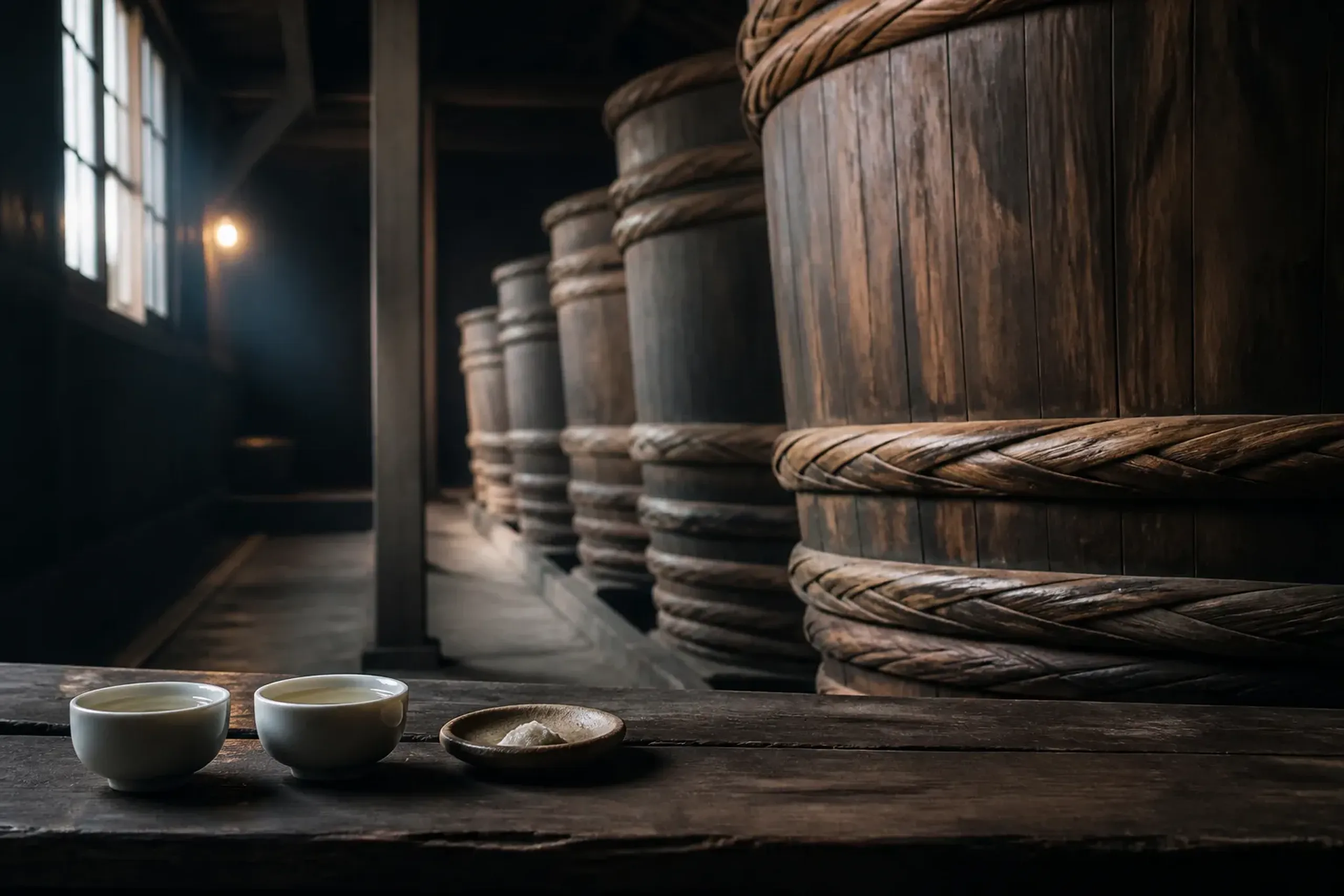
Nada sake and certified beef share the same logic: controlled inputs, patient technique.
Kobe’s Nada district is one of Japan’s classic sake areas, and the craft logic pairs well with wagyū: controlled inputs, patient technique, and a strict eye for standard.
Kobe Shushinkan, a real brewery in the Nada area, has promoted a “Luxury Brewery Tour, Sake & Kobe Beef Kaiseki” experience on its news page. For travelers who want a clear evening plan with a cultural spine, it’s a credible reference point for what exists in the market.
We treat sake pairing like the beef: the goal is clarity, not strength. A crisp, dry profile can cut fat cleanly, while a rounder style can echo sweetness.
If you want the meal to feel Japanese rather than just expensive, this is a good direction.
Events And Public Options: When You Want Atmosphere, Not Privacy
Not every moment needs to be quiet. Sometimes you want the crowd and the smoke.
Kobe Meat Fair is promoted as an annual outdoor waterfront event bringing together Kobe Beef and other meat and processed goods. It is public, open, and useful as a cultural add-on when timing aligns.
Official tourism channels also list mainstream Kobe highlight tours that include sake tasting and Kobe beef, like the Kansai Guide’s “1-Day Kobe Highlights Tour w/ Sake Tasting & Kobe Beef.” These can be a helpful reference for what typical travelers do.
Our role is different: we use public information to design a private rhythm that fits your standards and your time.
FAQ: Kobe Beef And Tajima Wagyu, Answered Plainly
Is Kobe Beef The Same As Wagyu?
No. Kobe beef is a specific certification under the Kobe Beef Marketing & Distribution Promotion Association, and it comes from Tajima-strain Japanese Black cattle raised in Hyōgo Prefecture.
How Can I Tell If A Restaurant Is Serving Real Kobe Beef?
Ask to see the certificate and the individual identification number, and look for the association seal. Serious certified restaurants expect this question.
Why Is “Kobe Beef” Outside Japan Often Not Certified Kobe Beef?
Because true production is extremely limited. Visit Kobe states it represents less than 0.2% of Japan’s total beef market, so the name gets borrowed.
Can I Visit A Tajima Cattle Farm As A Traveler?
Sometimes, with permission and strict biosecurity rules. Working farms may require disinfection on entry and may exclude visitors with recent livestock contact. Details depend on timing and the producer’s policies.
Is There A Good Place In Kobe To Learn About Kobe Beef Before Dinner?
Yes. The Kobe Beef Gallery (神戸ビーフ館) is a dedicated educational facility with an official website and regular updates.
What’s The Best Way To Add Tajima To A Kansai Itinerary?
For many HNW travelers, a chauffeured day trip from Kobe is the most controlled option. If you prefer a softer pace, add an overnight in Kinosaki Onsen and treat the region as a two-day chapter.
Why Choose Japan Royal Service
Many luxury operators can tell you where to eat Kobe beef in Kobe. Our team at Japan Royal Service is built for the parts that usually go wrong: provenance anxiety, rural logistics, and the quiet rules around access.
We work in a wabi-sabi register—restraint, time, and texture—while still operating at an imperial-class level when formality matters. We lean on shokunin relationships when a guest wants to understand craft rather than simply consume it, and we protect discretion as a default setting.
If you want certified Kobe beef with verification, and you want Tajima treated as a place rather than a rumor, we will guide you privately from first question to final bite.
For private coordination, reach our team directly via WhatsApp or LINE, or contact us here.
Tell us your travel dates, your city base (Kobe, Osaka, or Kyoto), and whether you want a day trip to Tajima or a two-day stay with Kinosaki Onsen.